Our verdict
Bà Hai belongs to Sông Cầu’s quieter food geography: central Vietnam’s coastal plain, where rice fields sit close to fishing water and the meal is shaped by proximity rather than ceremony. The appeal is contextual rather than trophy-led, with a paddies-facing setting that places it closer to local eating culture than resort dining.

Pearl is the En Primeur Club membership app — saves, bookings, and concierge access live there. Same editors, same standards.
- Address
- Hòa Thạnh, Sông Cầu, Phú Yên (central, overlooking rice paddies)
- Directions
- Get directions
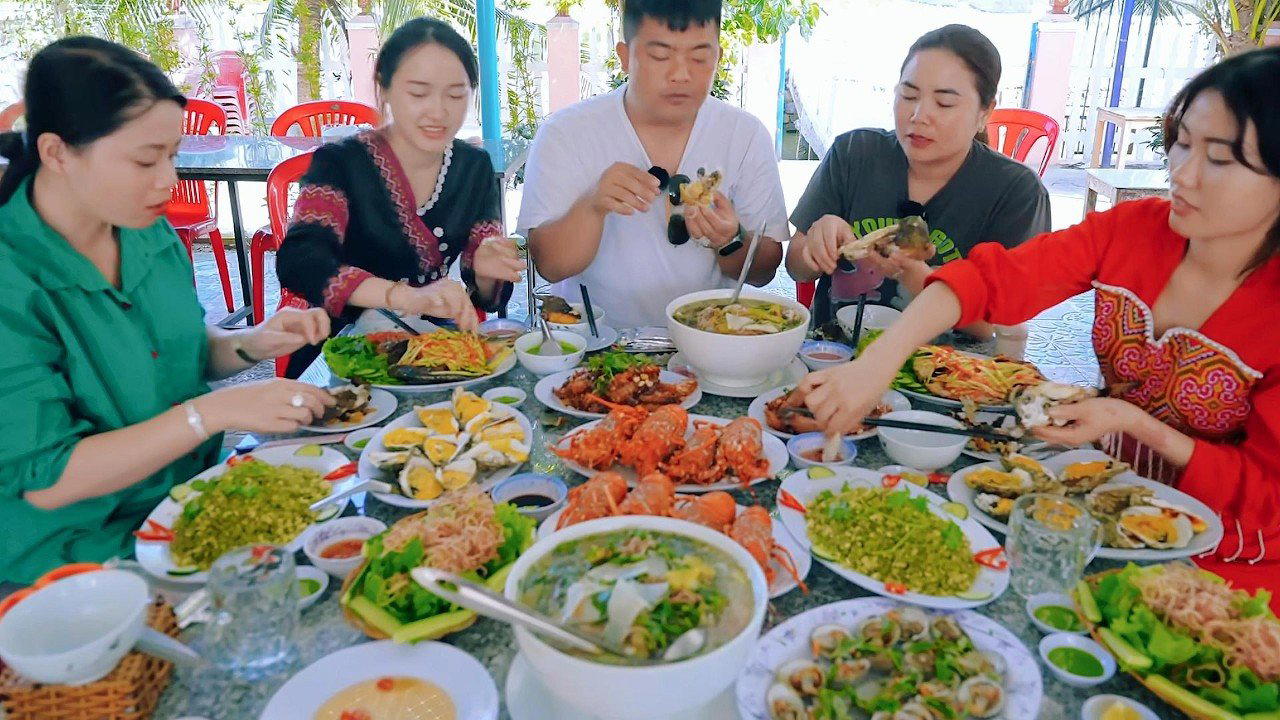
Approaching Bà Hai in Sông Cầu, the dining context changes before any plate arrives. The view opens onto rice-field surroundings, with the town’s coastal rhythm sitting beyond them. That geography matters here: field, local town life, coast, and household-style eating form a local grammar that feels different from more polished resort corridors elsewhere in Vietnam.
Bà Hai sits inside that grammar rather than above it. The available record frames it through place, setting, and rural context rather than through chef credits, tasting-menu signals, or luxury-format markers, which is why it should be read through locality rather than spectacle. In Sông Cầu, the stronger editorial question is not whether a dining room competes with Vietnam’s polished urban restaurants; it is how closely a meal feels connected to the land-and-water setting around it.
Rice-field proximity gives the meal its frame
Dining in coastal Vietnam is often discussed through the sea alone, but Sông Cầu complicates that easy reading. The town sits between cultivated land and the coast, so the local table is not just about one category of ingredient or one restaurant format. It is also about everyday pacing, local logic, and the practical styles that make sense in humid, locally led towns. A rice-field-facing setting gives Bà Hai a clear sense of place without needing the formal language of a destination restaurant.
That distinction is useful for travellers moving through Vietnam’s dining spectrum. Polished city rooms and coastal hotel restaurants belong to different urban or resort traditions, where design, service codes, and imported luxury cues can shape the experience before the food arrives. Bà Hai’s value is more local and less mediated: the setting points the meal back toward the agricultural edge of Sông Cầu rather than toward a scripted destination-dining performance.
Within town, that places it alongside a small set of addresses that help define how visitors read Sông Cầu beyond the beach. Làng Chài signals the fishing-village side of the local table, while Nhà Ở carries the domestic register implied by its name. Bà Hai adds the inland-facing counterpoint: not removed from the coast, but visually anchored by cultivated fields.
The point is local scale, not dining-room theatre
Sông Cầu is not a city built around trophy dining. Its appeal comes from smaller, place-specific decisions: where to eat after the heat drops, how close the room feels to the surrounding fields and water, and whether the setting lets the town remain visible rather than turning it into décor. In that context, a restaurant with a light prestige narrative can be more legible than a venue chasing metropolitan signals. The absence of heavy ceremony keeps attention on the local setting and the field-and-coast context that setting implies.
This is also where comparisons to larger Vietnamese dining cities need care. Better-known visitor circuits in major cities and heritage towns operate with a different kind of visibility, shaped by guidebook momentum, short-stay itineraries, and repeat tourist traffic. Sông Cầu works differently. It asks for slower reading: agricultural edges, fishing communities, roadside pacing, and meals that make sense because of what is nearby.
For travellers building a broader Vietnam food itinerary, Bà Hai is useful precisely because it resists the standard city-to-resort progression. It can sit beside other coastal dining references in a wider trip, but its rural-facing position gives Sông Cầu a more grounded register. Even more format-driven venues elsewhere underline the contrast: some restaurants are defined by concept, others by setting. Here, setting carries the argument.
How to place Bà Hai in a Sông Cầu itinerary
The sensible way to use Bà Hai is as part of a Sông Cầu day shaped by landscape rather than checklist dining. Start with the town’s coastal and village context, then let the rice-field setting recalibrate the meal away from the beach-only idea of central Vietnam. Readers planning around the area should use our full Sông Cầu restaurants guide for nearby dining context, while our full Sông Cầu hotels guide, our full Sông Cầu bars guide, our full Sông Cầu wineries guide, and our full Sông Cầu experiences guide help set the wider rhythm of a stay.
The editorial read is clear: this is a place-led stop rather than a prestige-booking play. It belongs in a town where food is strongest when it stays close to field, local life, and coast. Travellers expecting a formal dining room may misread the appeal; those tracking how Sông Cầu’s surroundings shape everyday meals will understand why the setting does much of the work.
Frequently asked questions
Is Bà Hai good for families?
Bà Hai’s setting in Sông Cầu suggests an easygoing atmosphere that suits family meals better than formal dining rooms. Its local, place-led character makes it a practical stop for a mixed-age lunch or early dinner.
What should I expect atmosphere-wise at Bà Hai?
Expect a rural Sông Cầu setting rather than dining-room theatre, with the venue framed by the town’s field-and-coast context. That points to a quieter, place-led atmosphere tied to Sông Cầu’s coastal-agricultural edge.
Where is Bà Hai located?
Sông Cầu.
Can I walk in to Bà Hai?
The safest approach is to plan around Bà Hai as a local Sông Cầu stop rather than a formal booking-heavy room. Check the venue's official channels for the latest details.
Comparable Spots, Quickly
Comparable venues by cuisine and price in the same metro.
| Venue | Cuisine |
|---|---|
| Bà HaiThis venue — the venue you are viewing | Traditional Vietnamese Regional Cuisine |
Continue exploring
More in Sông Cầu
Restaurants in Sông Cầu
Browse all →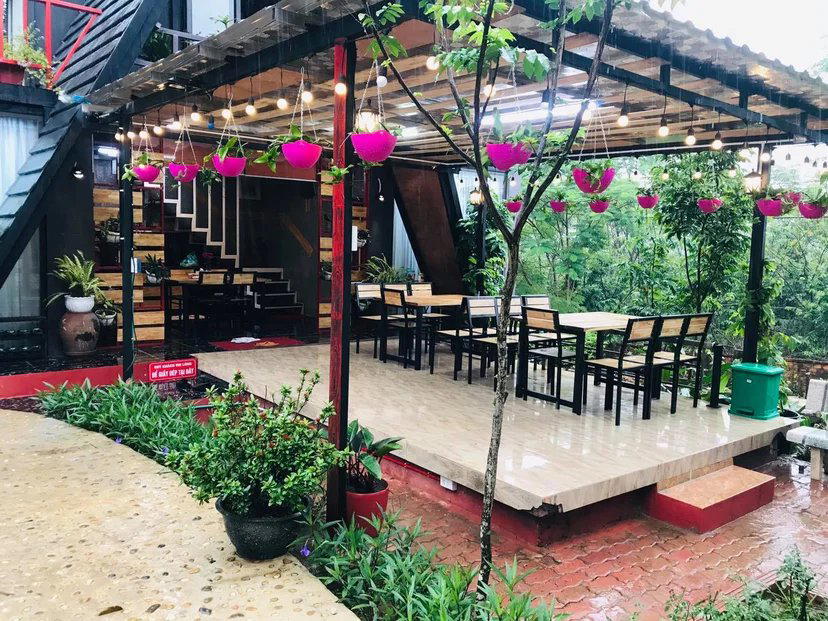

Details
- Scenic
- Elegant
- Quiet
- Sophisticated
- Date Night
- Special Occasion
- Group Dining
- Hotel Restaurant
- Panoramic View
- Design Destination
- Local Sourcing
- Waterfront
- Garden
- Mountain
- A La Carte
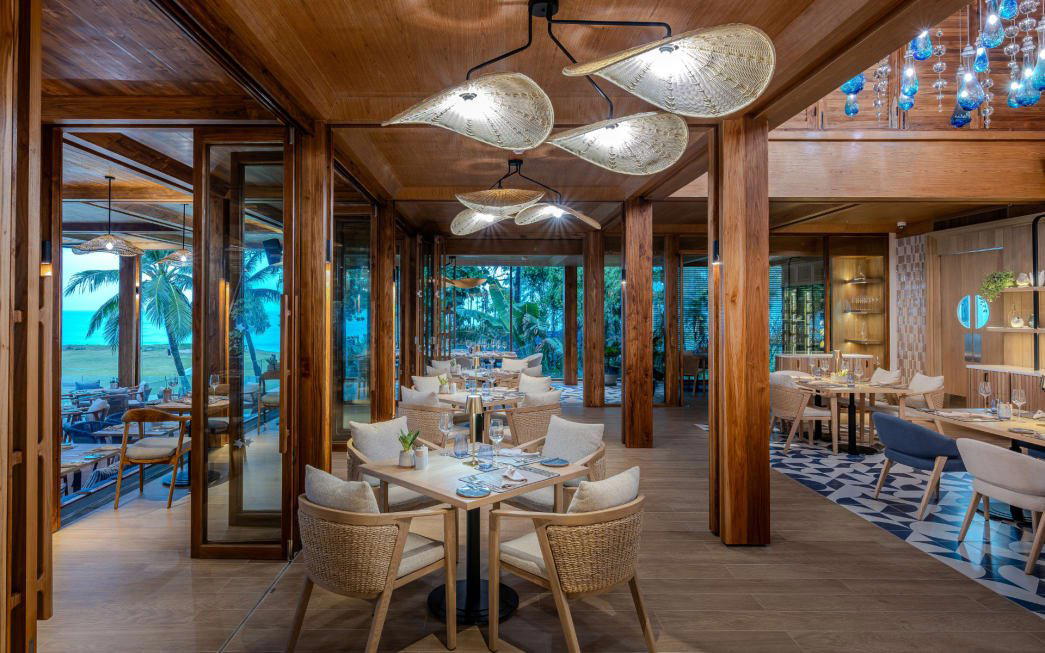
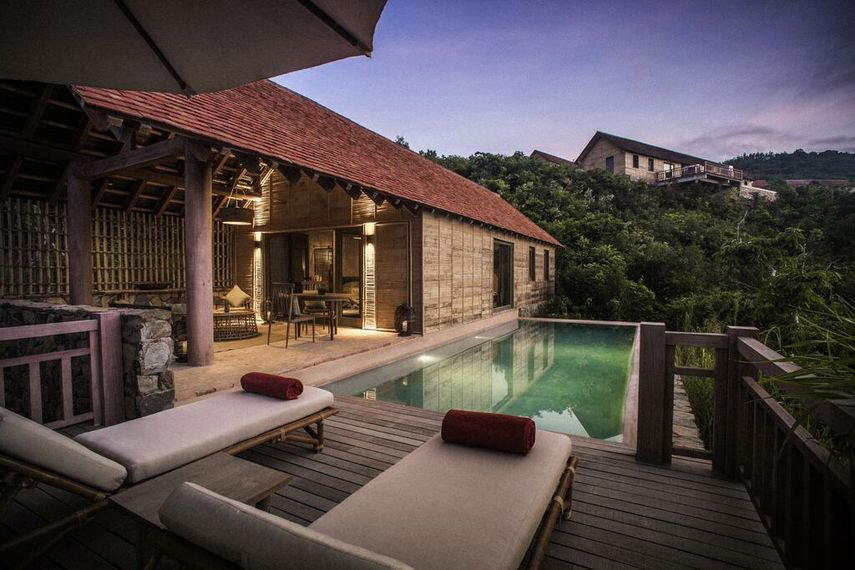
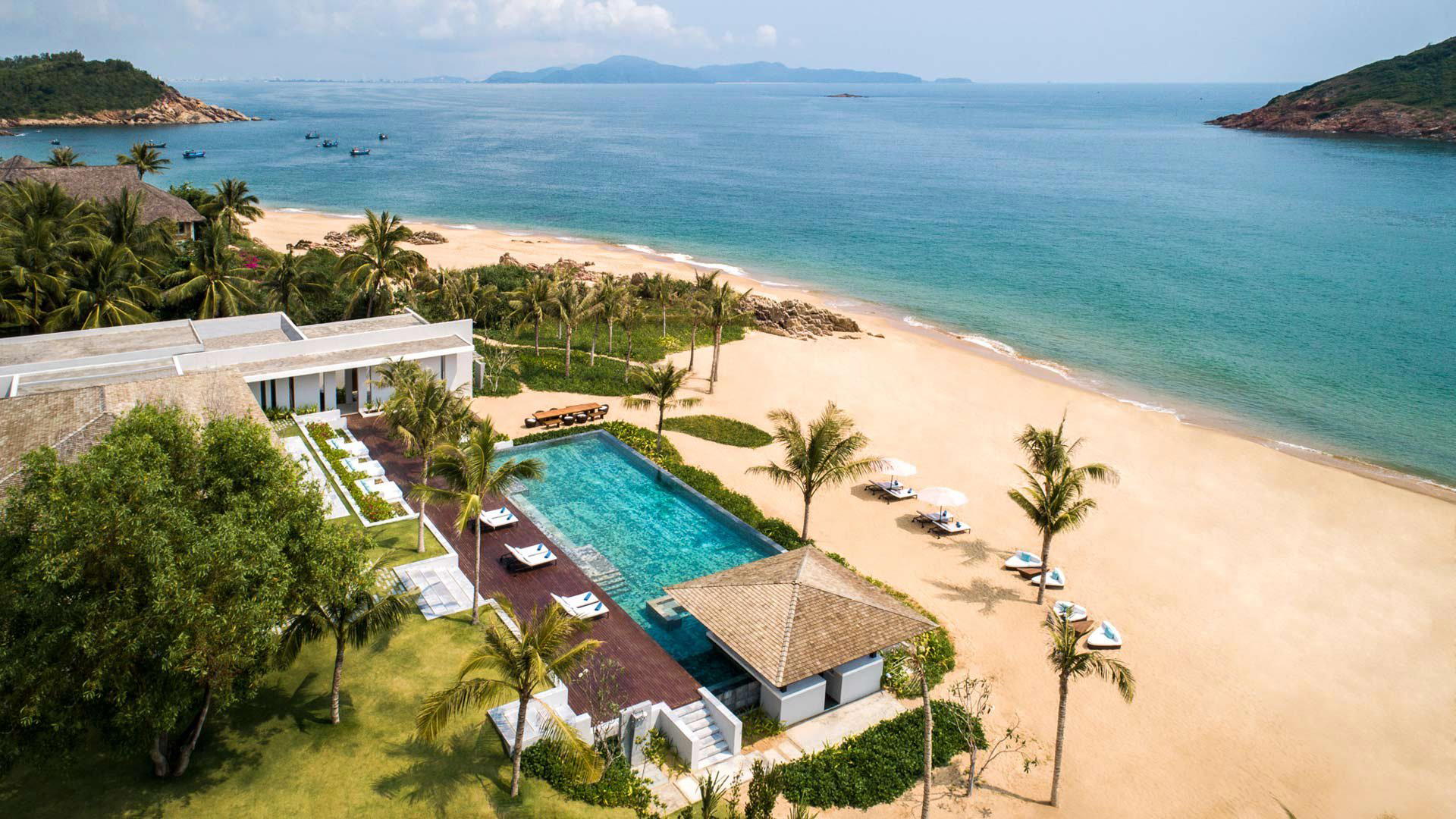
An intimate, elegant resort dining room with a strong sense of place: Vietnamese artefacts, local silk prints, and a setting shaped by the secluded peninsula, rice paddies, hills, and private bay atmosphere.