Our verdict
Atlas Brasserie & Café fits Oslo’s central-station dining pattern: useful for a meal tied to arrivals, departures, or a compact city-centre itinerary, with sourcing expectations shaped by Norway’s produce, seafood, dairy, and bread traditions. Treat it less as a destination built around awards and more as a practical brasserie-café address in the capital’s transport core.

Pearl is the En Primeur Club membership app — saves, bookings, and concierge access live there. Same editors, same standards.
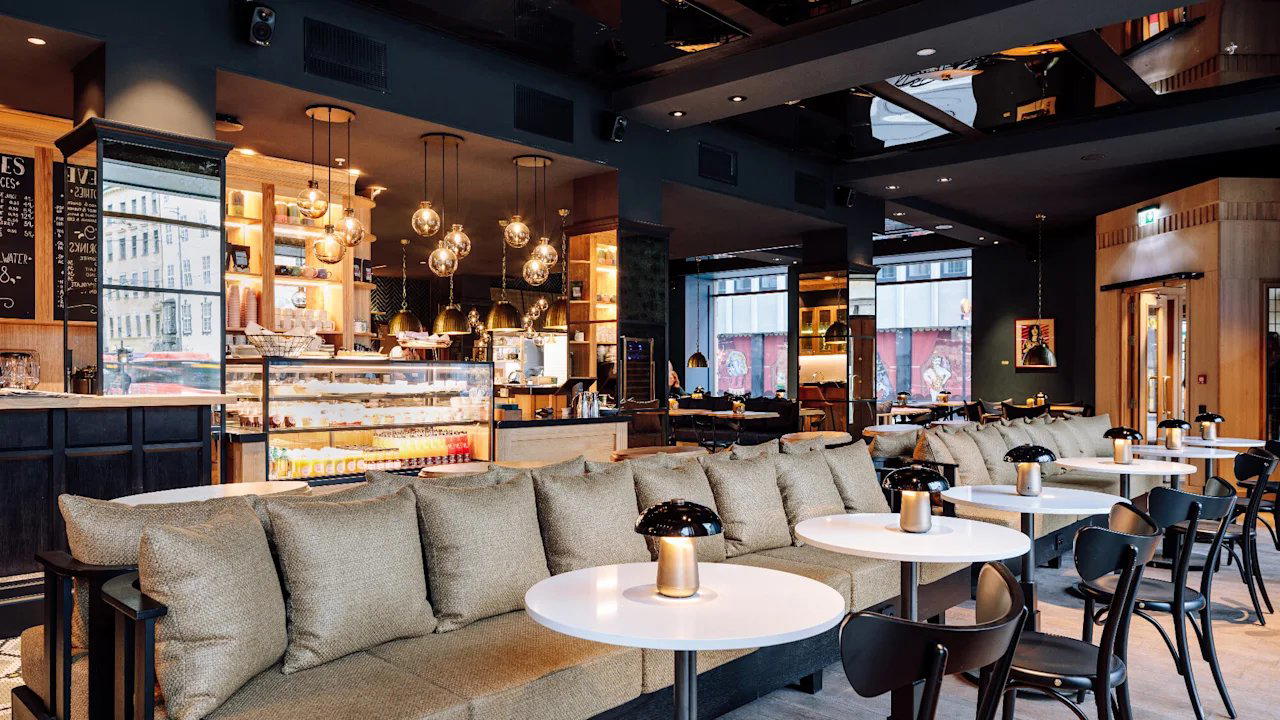
Approaching Oslo, the city changes register quickly: airport travellers, commuters, hotel guests, and early-evening diners all pass through the same compact urban rhythm. This is not the slow residential Oslo of long lunches and neighbourhood regulars. It is the capital at its most transactional, where a restaurant has to work for people with luggage, meetings, theatre times, and plans elsewhere in the city. Atlas Brasserie & Café belongs to that category, and the useful way to read it is through the demands of place rather than through destination-restaurant mythology.
Oslo’s dining rooms are often judged unfairly against the city’s reservation-led restaurants. The better comparison is functional: how well does a room translate a sense of place and continental brasserie habits into a format that suits a mixed urban crowd? In that frame, the brasserie-café model matters. It gives structure to a city meal without asking every diner to commit to a tasting-menu pace or a late-night bar format. For a broader view of how this venue fits the capital, start with Our full Oslo restaurants guide, then compare the surrounding hotel, bar, and culture circuit through Our full Oslo hotels guide, Our full Oslo bars guide, Our full Oslo wineries guide, and Our full Oslo experiences guide.
An Oslo brasserie shaped by movement, not ceremony
The brasserie form has always been useful in cities because it absorbs different kinds of appetite. A café table can carry coffee, a quick lunch, a glass before moving on, or a fuller evening meal without turning each occasion into an event. In Oslo, that flexibility takes on a local edge because the city’s food identity is pulled between seasonality, imported urban dining formats, and the practical needs of a small capital with a high cost base. Oslo rooms have to be efficient, but the better ones do not abandon ingredient logic.
Norwegian dining expectations give even an everyday brasserie a different baseline from its equivalents in larger European capitals. Seafood, potatoes, root vegetables, cultured dairy, rye, oats, berries, cured and smoked traditions, and cold-water fish all sit close to the national table. An Oslo brasserie does not need to announce a manifesto for those references to matter; they shape expectations around freshness, simplicity, and restraint. The question is less whether the room performs a fixed cuisine label in a formal sense, and more whether it lets the setting carry enough weight inside a familiar format.
That distinction is worth making because Oslo’s restaurant scene now spans several registers. There are polished dining rooms, casual counters, contemporary bistros, hotel restaurants, and bars with food programs. Those categories point to the range now expected in the capital; a brasserie-café in Oslo has a different job, serving the everyday city rather than the special-occasion circuit.
Ingredient expectations in a high-cost Nordic capital
Oslo is not a cheap city for restaurants to operate in, and that economic fact affects how diners should assess value. The city’s labour costs, rent pressure, and reliance on seasonal northern produce mean that casual-looking rooms can carry serious overhead. In this context, ingredient judgment is not a decorative talking point. It determines whether a simple plate feels grounded or generic, and whether a café format has enough substance to justify choosing it over a faster chain meal nearby.
For travellers, the practical reading is clear: use a brasserie-café in Oslo when timing matters and the meal still needs to feel tied to the city rather than detached from it. The setting suits the middle of a day, an arrival meal, or an early evening stop before moving elsewhere in the city. It is less aligned with diners chasing rare cellar depth or a chef-led narrative. That is not a criticism; it is a category distinction. The capital needs restaurants that handle movement as much as it needs restaurants built around ceremony.
The same pattern appears across Norway in different forms. Dining culture changes from city to city, with coastal, inland, hotel-led, casual, and more formal rooms all shaped by their surroundings. Even everyday formats show how geography changes the dining equation. Atlas Brasserie & Café sits at the Oslo end of that map: urban, direct, and useful.
How to place it in an Oslo itinerary
The venue works well when folded into an Oslo day rather than treated as the single anchor of a trip. Oslo’s compact rhythm rewards short moves: hotels, culture, bars, restaurants, and other stops can be linked without turning dinner into a logistical project. In that sequence, the brasserie-café role is valuable because it reduces friction. It gives structure to a meal in Oslo, then leaves room for a later bar, gallery, or dinner elsewhere.
Comparison also helps prevent category error. Haven, The Little Bakery, Pier 42, Mantra by Mr India, and Centropa all signal different ways Oslo can feed different needs, from casual stopovers to hotel-adjacent dining and other dining formats. The useful question is not which name wins a generic ranking, but which format matches the hour, appetite, and route. Travellers can apply the same lens to other cities as well: narrow-format dining, bakery stops, hotel restaurants, and brasserie-cafés each set different expectations before the first order is placed.
Atlas Brasserie & Café is therefore a sensible Oslo choice when location, timing, and a brasserie-café rhythm matter more than a trophy reservation. Judge it by those terms: not as a temple of formal cooking, but as part of the capital’s everyday dining infrastructure, where ingredient discipline and setting have to meet the pace of the city.
Frequently asked questions
Is Atlas Brasserie & Café a family-friendly restaurant?
As a brasserie and café in Oslo, Atlas is set up for mixed-purpose dining rather than a formal tasting-menu room. That usually makes it easier for families than a fine-dining counter, especially in an Oslo setting.
What kind of setting is Atlas Brasserie & Café?
Atlas Brasserie & Café is an Oslo venue with a brasserie and café format, so expect a flexible day-to-night setting rather than a destination dining room.
Where do I go for Atlas Brasserie & Café?
Oslo.
Can I walk in to Atlas Brasserie & Café?
The café-brasserie format in Oslo fits walk-in dining better than a reservations-only room. That said, an Oslo setting means timing matters, especially around lunch and early evening.
Fast Comparison
Comparable venues by cuisine and price in the same metro.
| Venue | Cuisine | Price | Awards |
|---|---|---|---|
| Atlas Brasserie & CaféThis venue — the venue you are viewing | Modern American & European Brasserie in a Historic Hotel | $30–50 | Not listed |
| Pier 42 | Cocktail Bar | $10–20 | Not listed |
| Mantra by Mr India | Authentic Indian Tandoori | $50–100 | Star Wine List |
| Centropa | Modern European with Scandinavian influences | $50–100 | Not listed |
Atlas Brasserie & Café
Featured Guides
Continue exploring
More in Oslo
Restaurants in Oslo
All restaurants in Oslo →
Bars in Oslo
All bars in Oslo →
Atlas Brasserie & Café
The wine
- Wine program
- Curated wine list
- Extensive wine list
- Craft cocktails
- Zero-proof drinks
Details
- Cozy
- Modern
- Elegant
- Lively
- Sophisticated
- Brunch
- Casual Hangout
- Family
- Group Dining
- After Work
- Date Night
- Live Music
- Garden
- Courtyard
- Historic Building
- Design Destination
- Hotel Restaurant
- Craft Cocktails
- Extensive Wine List
- Zero Proof
- Street Scene
- A La Carte
- Cocktails
- Wine
- Coffee
- Vegetarian Friendly
Current opening hours
- Monday
- 12–3 PM, 6–10 PM
- Tuesday
- 9 AM–3 PM, 6–10 PM
- Wednesday
- 9 AM–3 PM, 6–10 PM
- Thursday
- 9 AM–3 PM, 6–10 PM
- Friday
- 9 AM–3 PM, 6–10 PM
- Saturday
- 9 AM–3 PM, 6–10 PM
- Sunday
- 12–3 PM, 6–10 PM
Hours can change for holidays and private events. Last verified .
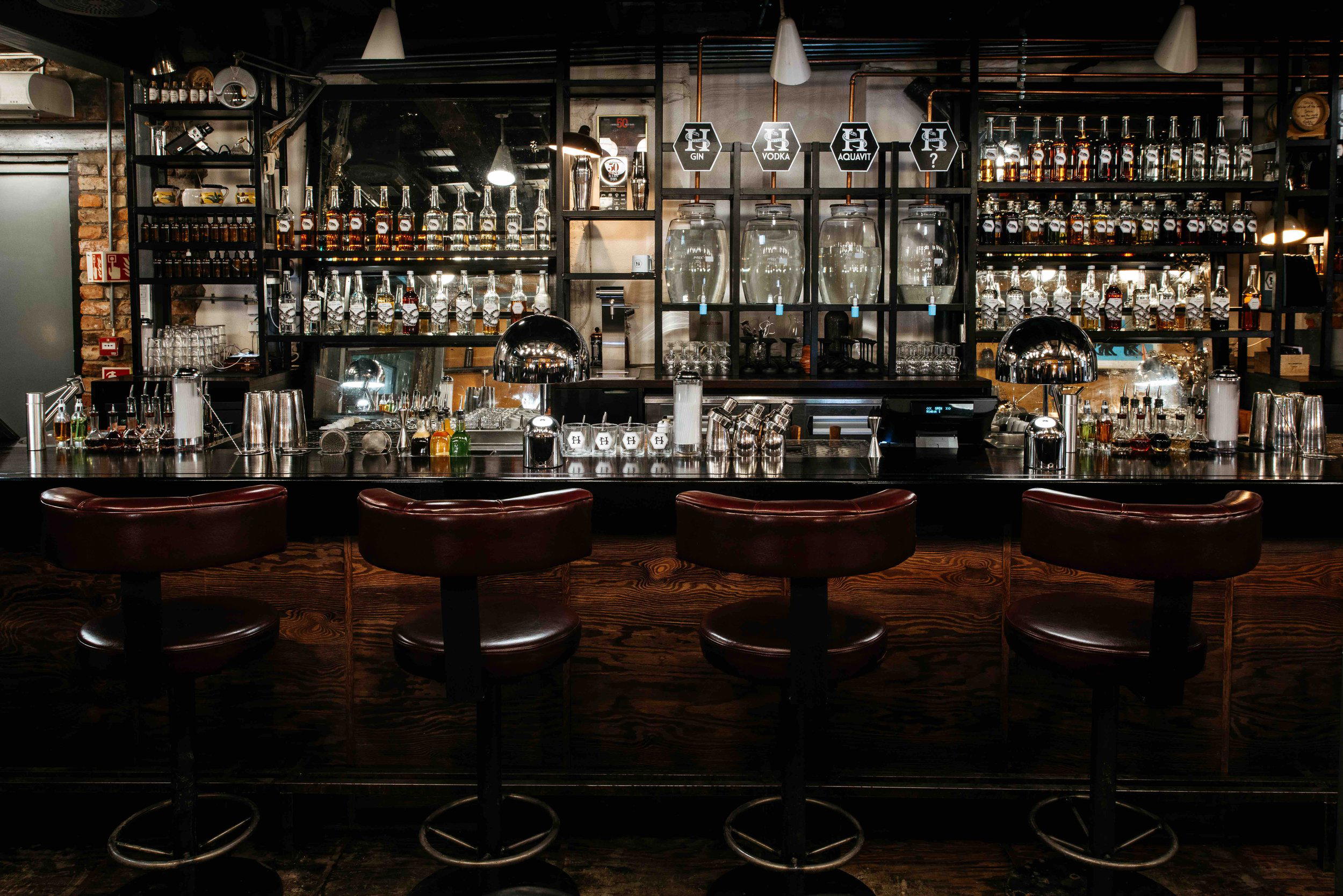
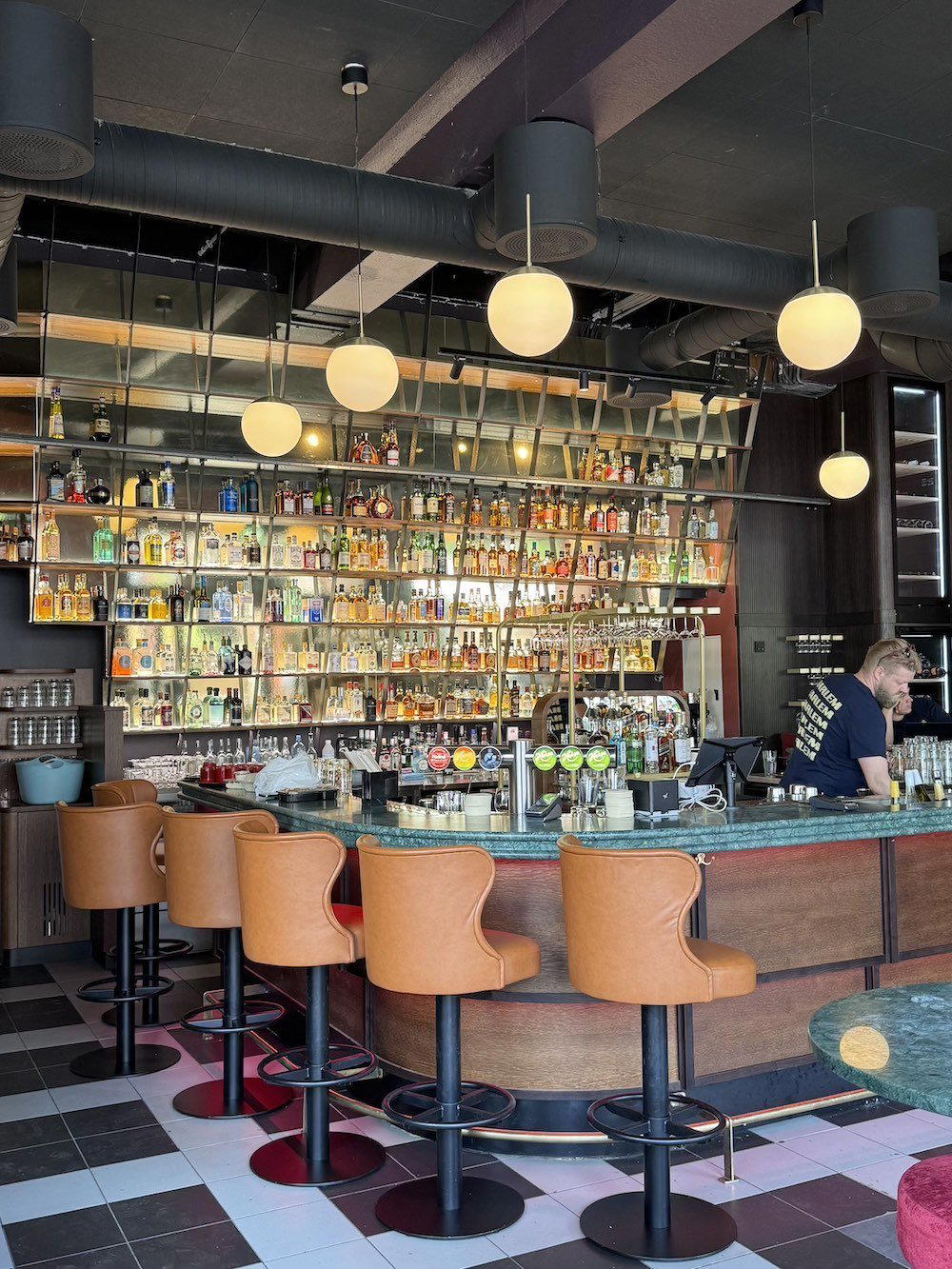
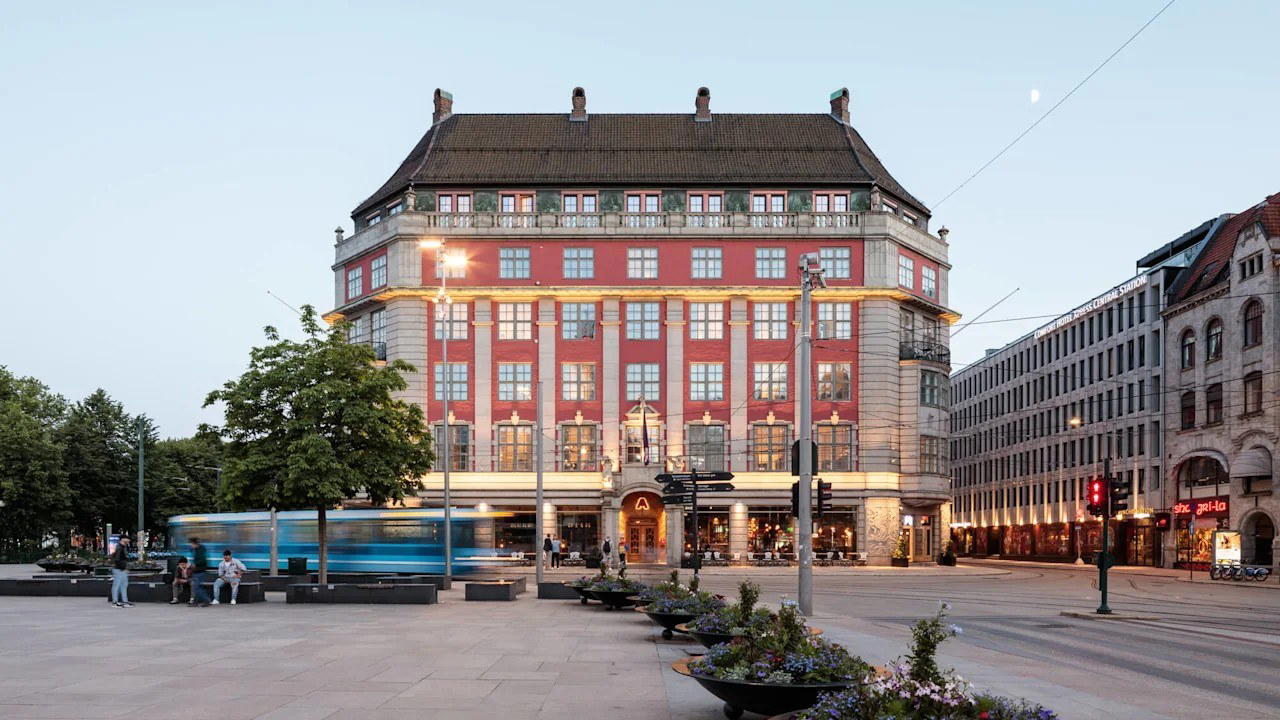
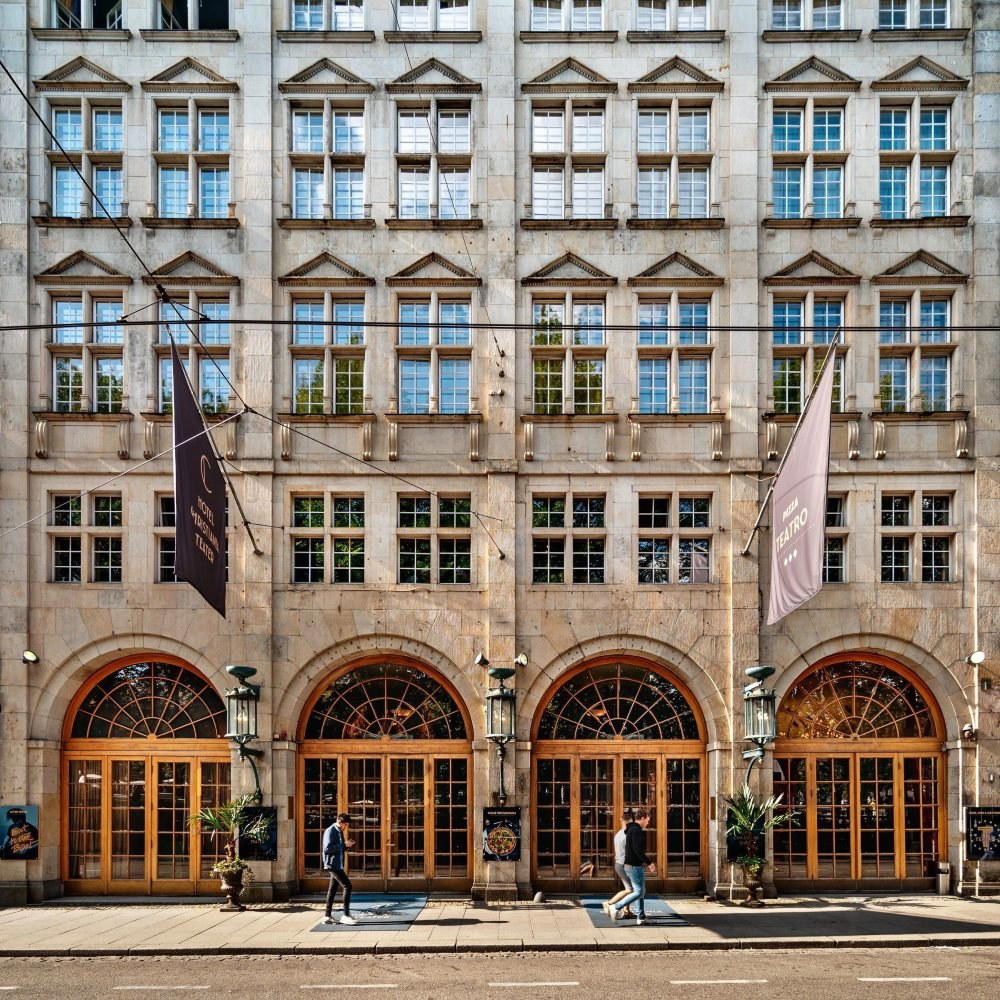
Stylish and modern brasserie set in a historic former shipping headquarters, with lots of natural light by day, a cozy and relaxed atmosphere, and a lively yet refined vibe that extends into the covered courtyard and seasonal street-side seating.