Our verdict
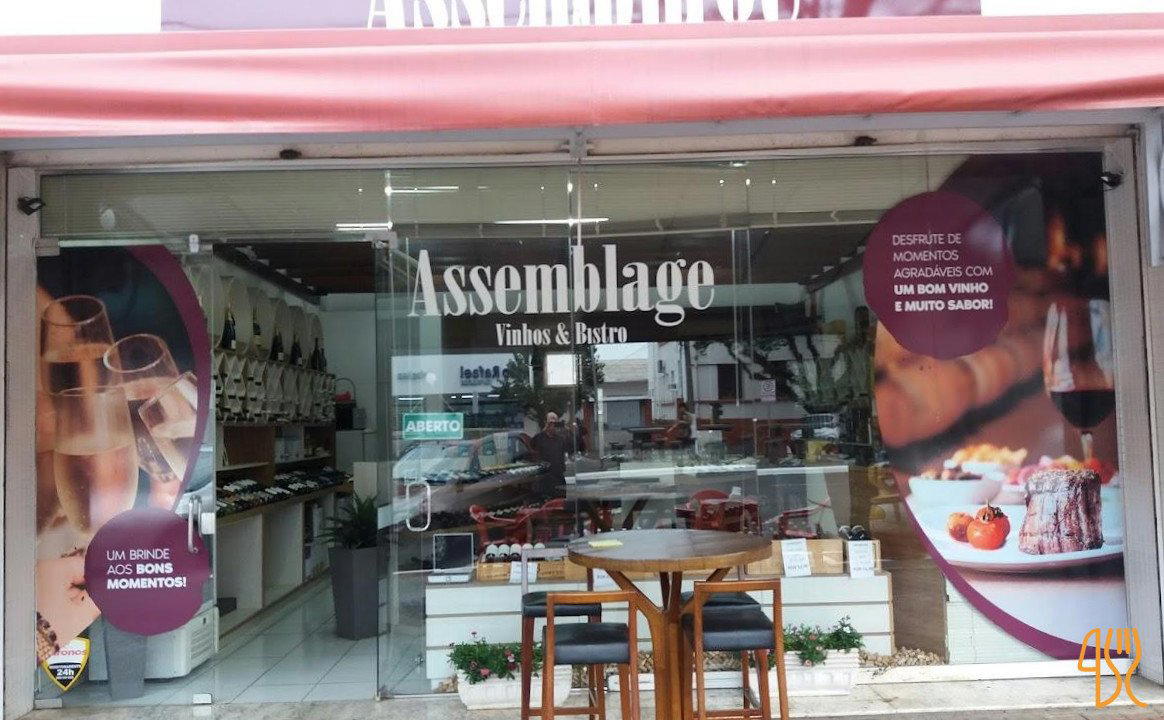
Chapecó's steakhouse tradition runs deeper than most Brazilian cities its size, and Assemblage sits in the Centro district on Av. Getúlio Vargas at the intersection of that heritage and a more considered approach to beef sourcing. The restaurant operates in a region where cattle ranching is woven into the economic and agricultural fabric of Santa Catarina state, making ingredient provenance a natural point of distinction rather than a marketing angle.

Pearl is the En Primeur Club membership app — saves, bookings, and concierge access live there. Same editors, same standards.
Where Santa Catarina Beef Culture Meets the Dining Room
Chapecó occupies a specific position in Brazil's food geography that most visitors from São Paulo or Rio de Janeiro don't fully appreciate until they arrive. The city sits in the far west of Santa Catarina state, deep in a region that has built its economy around agribusiness, livestock, and meat processing for well over a century. This isn't incidental context — it shapes what ends up on the plate at every serious steakhouse in the city, including Assemblage, which occupies a ground-floor address on Av. Getúlio Dorneles Vargas in the Centro district, one of the more established commercial corridors in the city centre.
Walking toward a steakhouse in this part of Brazil carries a different weight than approaching one in a coastal metropolitan hub. The conversation about provenance here isn't imported from international fine-dining trends; it's rooted in the agricultural reality immediately surrounding the city. Santa Catarina state ranks among Brazil's leading producers in the protein sector, and proximity to that supply chain is a structural advantage that Chapecó restaurants inherit by geography rather than curation.
The Sourcing Argument That Chapecó Makes Naturally
Brazilian steakhouse culture has fragmented meaningfully over the past decade. At one end, the churrascaria rodízio format remains a volume-driven institution — celebrated at national chains and regional institutions alike, where the model depends on consistency across cuts and quantities. At the other end, a smaller tier of urban steakhouses has moved toward individually sourced beef, specific breeds, dry-aging programs, and closer relationships with cattle producers. Assemblage operates in Chapecó, where that second trajectory has particular geographic credibility.
The beef that reaches western Santa Catarina from its surrounding region doesn't travel the same cold-chain distances that premium cuts cover when they arrive in São Paulo's Jardins neighbourhood or in Rio's Leblon. That shorter distance between farm and kitchen is a functional advantage that allows beef to be handled with more specificity, whether that means aging conditions, cut selection, or simply receiving animals from producers the kitchen knows by name. None of this is unique to Assemblage as a single venue, but it is a structural fact about what dining in Chapecó makes possible compared with sourcing the same cuts in Brazil's larger cities.
Compare this with the sourcing context at reference points like Oteque in Rio de Janeiro or D.O.M. in São Paulo, where exceptional ingredient work requires active, deliberate logistics to bridge distance from producer to urban kitchen. In Chapecó, the distance is simply shorter, which shifts the question from whether provenance-focused sourcing is possible to how precisely a given kitchen chooses to exercise that advantage.
Centro Chapecó and the Steakhouse Format
The Centro district on Av. Getúlio Vargas is a working urban address rather than a polished dining enclave. Brazilian city centres of this scale tend toward mixed commercial use, retail, services, and restaurants sharing the same blocks, which means steakhouses in the area serve a broad cross-section of the city rather than a filtered demographic. That has implications for atmosphere: expect a dining room calibrated for the full range of a mid-sized Brazilian city's professional and social life, from business lunches to family dinners to weekend gatherings.
This positions Assemblage differently from some of Brazil's more self-consciously curated dining rooms. For comparison, venues like Manu in Curitiba or Primrose in Gramado operate in contexts shaped by tourism and regional food tourism infrastructure. Assemblage's setting in Chapecó's commercial core reflects a restaurant serving a local community that has strong and specific opinions about beef, which is, in many ways, a more demanding audience than a tourist-facing room.
What to Eat and How to Approach the Menu
What the sourcing context of western Santa Catarina does suggest, though, is that the cuts well suited to this region's cattle tradition lean toward the established Brazilian churrasco canon: picanha, fraldinha, and costela are the cuts that regional cattle producers optimise for, and a kitchen operating close to those producers has the most to gain by handling them with precision rather than complexity. The value of proximity to supply is most visible in cuts that reward freshness and careful temperature management rather than elaborate preparation.
For a broader picture of what considered Brazilian beef cooking looks like across different price tiers and formats, the EP Club's coverage of Birosca S2 in Belo Horizonte and Mina in Campos do Jordão provides useful reference points for how regional Brazilian ingredients can be handled across different kitchen philosophies.
Planning Your Visit
Assemblage sits at Av. Getúlio Dorneles Vargas, 128s, in Chapecó's Centro. Chapecó is served by Serafin Enoss Bertaso Airport (XAP), with regular connections to São Paulo and Curitiba, making the city accessible for visitors arriving from Brazil's larger urban centres. The Centro location means the restaurant is reachable on foot from most central accommodation and by short taxi or app-based ride from the wider city.
Visitors spending time in Chapecó who want to extend their dining across different formats should consult Carpevin Restaurante e WineBar for a wine-led alternative and Tojo Fusion Cuisine for a contrasting approach to the city's dining options. The full Chapecó restaurants guide covers the broader scene in more detail.
For context on what premium Brazilian dining looks like at the national level, EP Club's coverage extends to Orixás North Restaurant in Itacaré, Manga in Salvador, Lobby Café in Belém, Açaí Cuiabano in Cuiabá, State of Espírito Santo in Rio Bananal, Olivetto Restaurante e Enoteca in Campinas, and Castelo Saint Andrews in Gramado. For international reference on what serious ingredient-focused cooking looks like at the highest level, Le Bernardin in New York City and Lazy Bear in San Francisco represent the sourcing-forward ethos applied to very different culinary traditions.
Frequently asked questions
Is ASSEMBLAGE STEAKHOUSE okay with children?
Steakhouses in Brazilian city-centre locations like Chapecó's Centro district typically accommodate families without issue, and a seated steakhouse format is generally more relaxed than a fine-dining tasting menu environment. Assemblage sits at Av. Getúlio Dorneles Vargas, 128s, a working urban address rather than a late-night bar strip, which suggests the crowd skews toward diners of all ages. For specific seating arrangements or high-chair availability, check the venue's official channels before visiting.
What should I expect atmosphere-wise at ASSEMBLAGE STEAKHOUSE?
The address on Av. Getúlio Vargas places Assemblage squarely in Chapecó's Centro, which is a functional commercial district rather than a curated dining precinct. Expect the atmosphere of a serious, locally rooted steakhouse rather than a stage-set churrascaria aimed at tourists. Chapecó's identity as a hub of Santa Catarina's agribusiness and meat production tends to produce dining rooms where the beef is the point, not the décor.
How does Assemblage Steakhouse differ from a traditional Brazilian churrascaria rodízio?
The steakhouse format at Assemblage, located in Chapecó's Centro rather than a tourist corridor, points toward a cut-focused model rather than the volume-driven rodízio style where servers circulate with skewers until the guest signals stop. Chapecó's position as a centre of Santa Catarina's meat industry means the city's serious steakhouses tend to foreground sourcing and specific cuts over sheer quantity. That distinction matters for anyone arriving from a São Paulo or Rio context where the rodízio format dominates expectations.
What should I eat at ASSEMBLAGE STEAKHOUSE?
What the context does indicate is that western Santa Catarina produces cattle at altitude in a climate that differs markedly from the cerrado regions supplying many large São Paulo churrascarias, and a locally focused steakhouse in Chapecó is positioned to reflect that. Cuts from this regional supply chain are the logical starting point for any order.
Where exactly is ASSEMBLAGE STEAKHOUSE?
ASSEMBLAGE STEAKHOUSE is located at Av. Getúlio Dorneles Vargas, 128 s - Centro, Chapecó - SC, 89802-001, Brazil, Chapeco.
Comparable Spots, Quickly
Comparable venues nearby, for context on price, style, and recognition.
| Venue | Cuisine | Price | Notes |
|---|---|---|---|
| ASSEMBLAGE STEAKHOUSEThis venue — the venue you are viewing | Steakhouse & Vinhos | $20–30 | Not listed |
| Carpevin Restaurante e WineBar | Italian & European with Brazilian Touches | Not listed | Centro |
| Tojo Fusion Cuisine | Japanese Fusion Sushi | Not listed | Centro |
| Lobby Café | Hotel Lobby Café | Not listed | Campina |
| Charco | Modern Brazilian with South American and Asian influences | Not listed | Jardim Paulista |
| Must Restaurant & Bar | Modern Brazilian with Indigenous Flavors | Not listed | Belem |
Continue exploring
More in Chapeco
Assemblage Vinhos e Bistrô
The wine
- Wine program
- Curated wine list
- Extensive wine list
Details
- Elegant
- Sophisticated
- Date Night
- Business Dinner
- Special Occasion
- Wine Cellar
- Extensive Wine List
- A La Carte
- Wine
Current opening hours
- Monday
- 10 AM–1:30 PM, 6–10 PM
- Tuesday
- 10 AM–2 PM, 6–10 PM
- Wednesday
- 10 AM–2 PM, 6–10 PM
- Thursday
- 10 AM–2 PM, 6–10 PM
- Friday
- 10 AM–2 PM, 6–10 PM
- Saturday
- 10 AM–2:30 PM, 6–10 PM
- Sunday
- Closed
Hours can change for holidays and private events. Last verified .
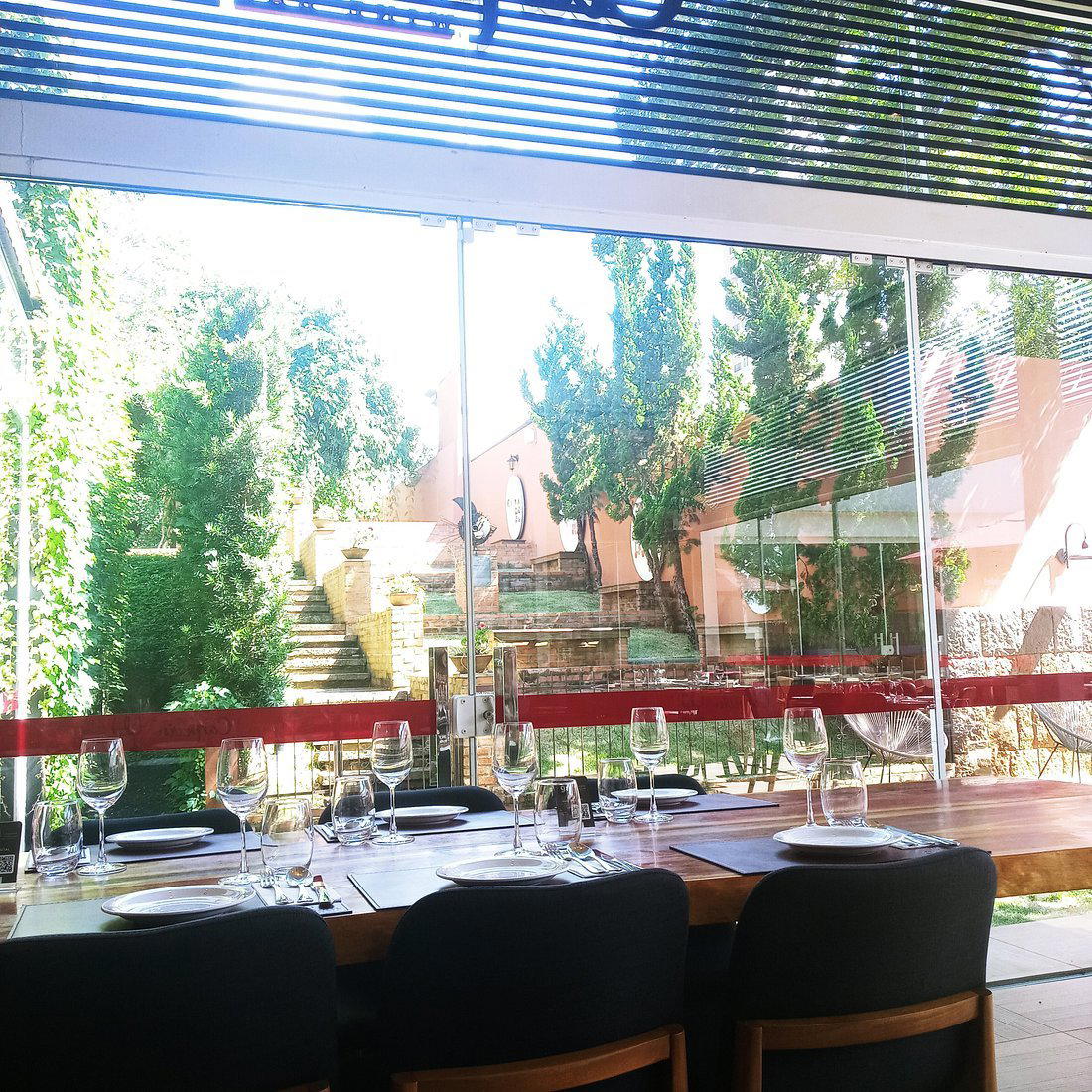
Elegant and welcoming atmosphere praised for its ambiance by diners.