ARTISANE
Our verdict
On a narrow street in Montpellier's medieval centre, ARTISANE occupies one of the old quarter's most characterful addresses at 19 Rue du Palais des Guilhem. The restaurant draws on the deep culinary traditions of the Languedoc, positioning itself within a city that has quietly built a serious fine-dining scene over the past decade. Contact directly or visit to confirm current hours, booking policy, and seasonal availability.

Pearl is the En Primeur Club membership app, where members save venues, book tables and use the concierge.

Montpellier's Medieval Quarter and the Case for Slow Dining
The streets around the Palais des Guilhem move at a different pace from Montpellier's busier thoroughfares. The medieval fabric of the city's old quarter, its hôtels particuliers, narrow limestone passages, and shuttered facades, has long attracted restaurants that want architecture to do some of the talking. ARTISANE, at 19 Rue du Palais des Guilhem, sits within that tradition: a part of town where the physical setting is not incidental but contextual, where eating slowly and attentively feels like the appropriate response to the surroundings.
Montpellier's dining scene has shifted considerably over the past fifteen years. The city that once operated largely in the shadow of Lyon and Bordeaux now has a credible cluster of serious restaurants spread across price tiers. At the upper end, Jardin des Sens anchors the French gastronomic tradition at a €€€€ price point. The middle register, where most of the city's ambition currently lives, includes addresses like La Réserve Rimbaud, Leclère, Pastis Restaurant, and Reflet d'Obione. ARTISANE enters a city with genuine options at each tier, which means its position in the local conversation matters. For a fuller picture of the scene, our complete Montpellier restaurants guide maps the full range.
Languedoc at the Table: What the Region Brings
Southern French cuisine in this corridor has never conformed neatly to the grandes traditions of the north. Languedoc cooking draws on a different pantry: the garrigue herbs that grow on limestone scrubland above the coast, the salt-pond seafood of the Étang de Thau, the sheep cheeses of the Aveyron borderlands, and a wine culture built on grenache, syrah, and mourvèdre rather than cabernet and pinot. A restaurant working within this tradition, in this city, has access to raw material that would be expensive or simply unavailable in Paris.
The artisan impulse in French cooking has a specific meaning in the south. Where grandes maisons like Alléno Paris au Pavillon Ledoyen or Troisgros in Ouches operate at the level of institutional gastronomy, and properties like Flocons de Sel in Megève or Bras in Laguiole have built their identities around terrain-specific sourcing, a smaller city restaurant working in the artisan register tends to operate differently: tighter sourcing radius, shorter menus changed with genuine frequency, fewer brigade layers, and a direct relationship between the kitchen and local producers. These are structural characteristics of the format, not just marketing positions.
France's broader institutional dining tradition is well documented, from Auberge de l'Ill in Illhaeusern through Paul Bocuse's Auberge du Pont de Collonges and Les Prés d'Eugénie in Eugénie-les-Bains. What the southern French restaurant tier that ARTISANE belongs to represents is something deliberately smaller in scale and more responsive to place. The comparison is useful because it clarifies what this address is not trying to be, as much as what it is.
Reading the Name, Reading the Room
The name ARTISANE carries specific weight in French culinary vocabulary. It signals a kitchen working in the artisan mode: technically accomplished but deliberately unseductive about it, focused on craft rather than spectacle, and positioned against the industrialisation of the supply chain that has affected even well-regarded French restaurants. Across France, restaurants carrying this orientation tend to attract a particular kind of regular, one who returns for specific dishes and particular seasonal windows rather than for occasion dining.
That model is well established in other parts of southern France. La Table du Castellet in Le Castellet and Mirazur in Menton each represent different expressions of Mediterranean French cooking at different scales. The artisan-register restaurant in a mid-sized city like Montpellier occupies a different position: less destination-facing than Mirazur, more neighbourhood-embedded than a grande maison, and more dependent on local patronage as its baseline. Internationally, a comparable shift away from formal tasting-menu spectacle toward craft-led, produce-anchored formats is visible at places like Lazy Bear in San Francisco and, in the seafood-focused idiom, Le Bernardin in New York City, though both operate at significantly larger scale and higher price points than a French regional address of this type.
Planning Your Visit
ARTISANE is located at 19 Rue du Palais des Guilhem in Montpellier's central historic district, within walking distance of Place de la Comédie and the main tram network. The old quarter streets are pedestrianised or access-restricted by vehicle, so arriving on foot or by tram from the city's main arteries is the practical approach. Given the format and neighbourhood context, this is a restaurant where a reservation is advisable rather than optional, particularly on weekends and during peak summer months when Montpellier's visitor numbers rise substantially. For comparison, peer restaurants in the €€ to €€€ range in Montpellier, such as those listed in our Montpellier guide, typically run lunch from around noon and dinner service from 19h30, with tasting menus ranging from approximately €45 to €90 per person before wine. Georges Blanc in Vonnas serves as a useful reference point for understanding how French regional restaurants at higher price tiers operate their booking and service architecture, though ARTISANE's positioning is considerably more accessible.
Frequently asked questions
Where do I go for ARTISANE?
ARTISANE is located at 19 Rue du Palais des Guilhem, 34000 Montpellier, France, Montpellier.
How does ARTISANE's location in Montpellier's medieval quarter shape the dining experience?
Situated on Rue du Palais des Guilhem in Montpellier's central historic district, ARTISANE sits within a neighbourhood defined by 13th-century street patterns and a pace that diverges noticeably from the city's commercial centre near Place de la Comédie. Restaurants in this pocket of the old quarter tend to operate with smaller rooms and a more deliberate service rhythm than the brasseries closer to the main squares. The address itself is part of the proposition: slow dining in a medieval frame.
What do regulars order at ARTISANE?
The kitchen at ARTISANE operates in the artisan mode, meaning the menu tilts toward produce-driven, technique-focused plates rather than a fixed signature roster. Regulars in this part of Montpellier's old quarter tend to return for whatever reflects the current season across the Languedoc corridor. Asking the room what arrived that week is the more reliable approach than arriving with a fixed order in mind.
Can I walk in to ARTISANE?
ARTISANE is located at 19 Rue du Palais des Guilhem, a street in Montpellier's historic centre that attracts both locals and visitors to the medieval quarter. Smaller artisan-format restaurants in this district tend to fill quickly, particularly at lunch and on weekend evenings. Contacting the venue directly before arriving is the safest approach, especially during the busier months.
What's the defining dish or idea at ARTISANE?
The name itself frames the kitchen's position: artisan in the French culinary sense means technically accomplished but rooted in craft rather than spectacle. The defining idea at ARTISANE is Languedoc cooking taken seriously on its own terms, drawing on a southern French pantry that sits outside the grandes traditions of the north. Expect a menu shaped by regional producers and seasonal supply rather than a fixed showpiece dish.
Is ARTISANE good for vegetarians?
Southern French cooking in the Languedoc tradition has a strong vegetable and legume culture, and kitchens working in the artisan mode typically build menus around what the season offers rather than protein-first templates.
A Pricing-First Comparison
Comparable venues nearby, for context on price, style, and recognition.
| Venue | Cuisine | Price | Notes |
|---|---|---|---|
| ARTISANEThis venue (the venue you are viewing) | Modern French Mediterranean Tasting Menu | $100–150 | Not listed |
| Le Bourdon | Bistronomique French | $30–50 | Saint-Roch, Bistronomique French |
| Angus & Bacchus | French Steakhouse | $30–50 | Comédie, French Steakhouse |
| L'Atelier du Petit Jardin | Modern French Sharing Bistro | $30–50 | Port Marianne, Modern French Sharing Bistro |
| La Table Des Poètes | Modern French Mediterranean | $30–50 | Gambetta, Modern French Mediterranean |
| La Factory | Modern French Bistro | $50–100 | Port Marianne, Modern French Bistro |
Continue exploring
More in Montpellier
Restaurants in Montpellier
All restaurants in Montpellier →
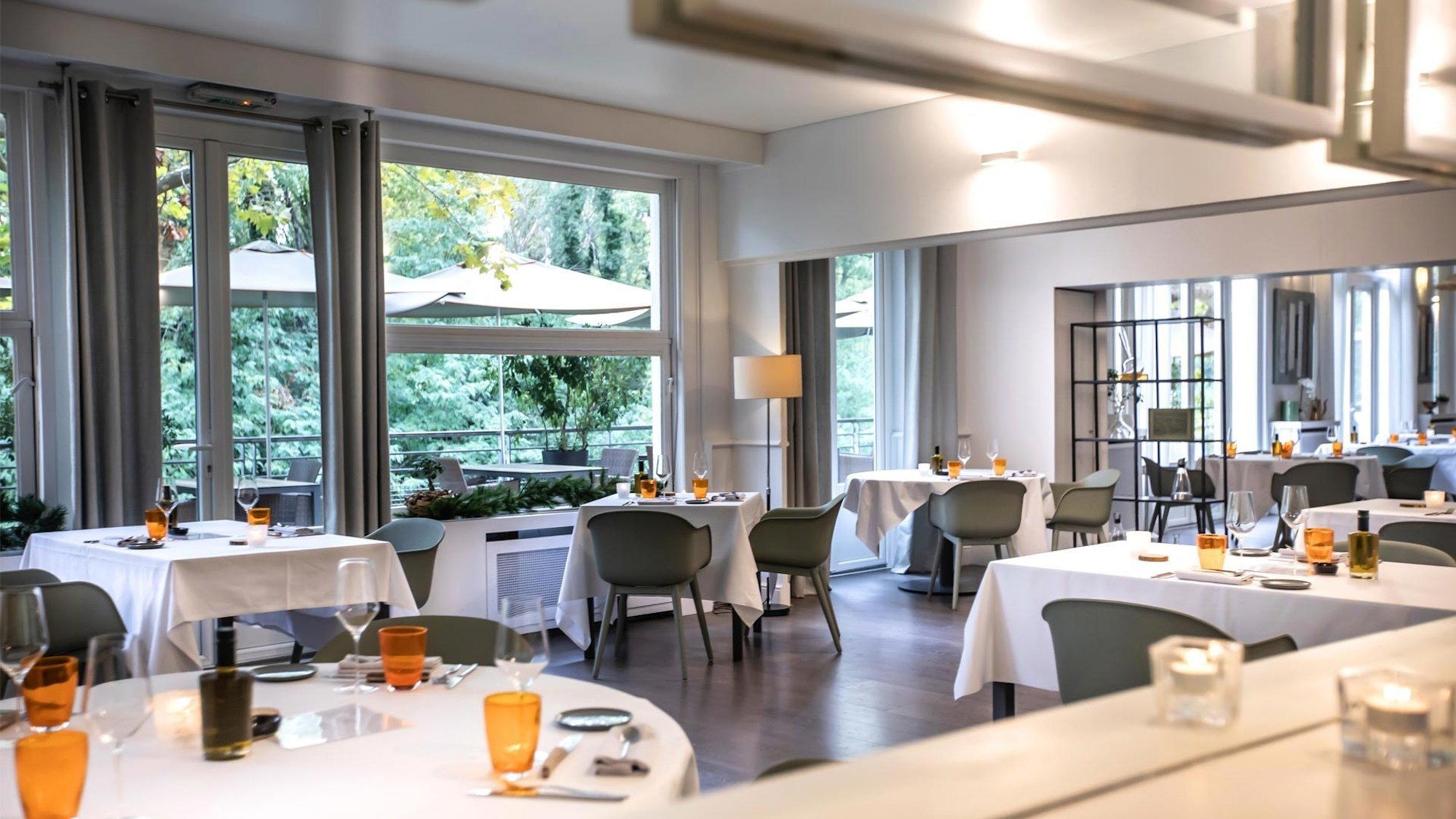
Bars in Montpellier
All bars in Montpellier →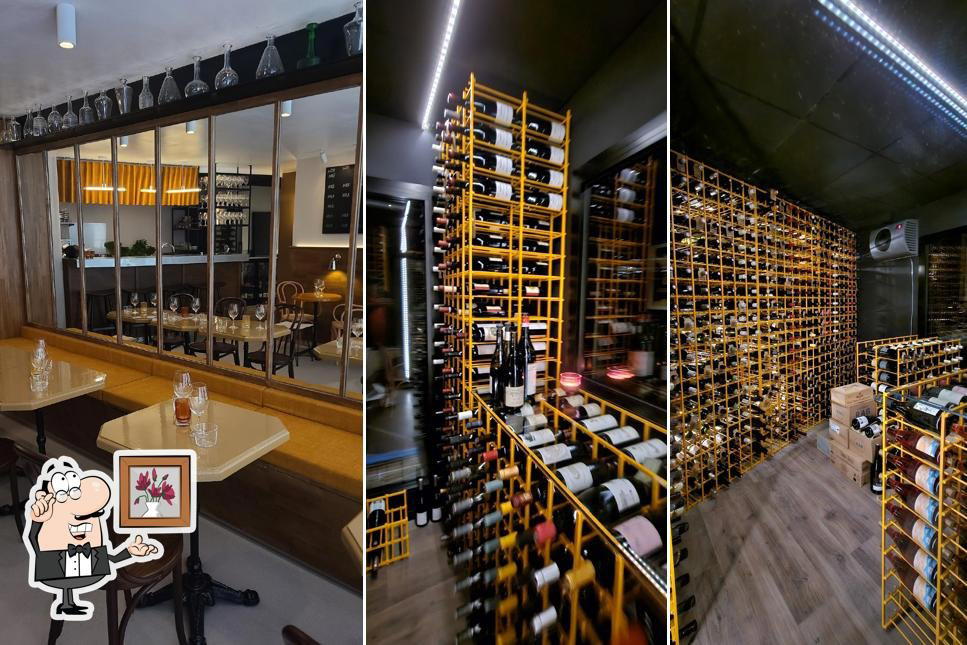
Hotels in Montpellier
All hotels in Montpellier →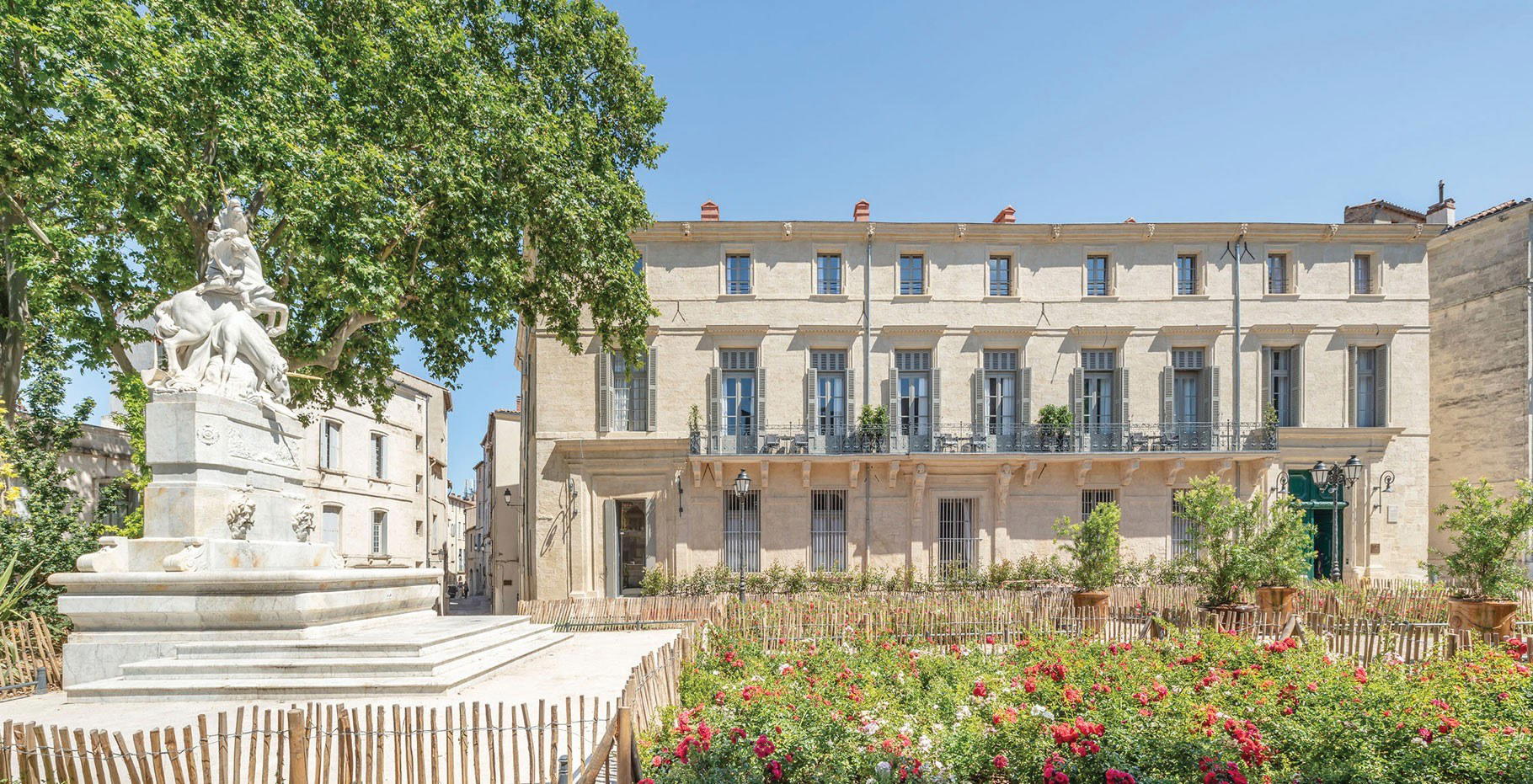
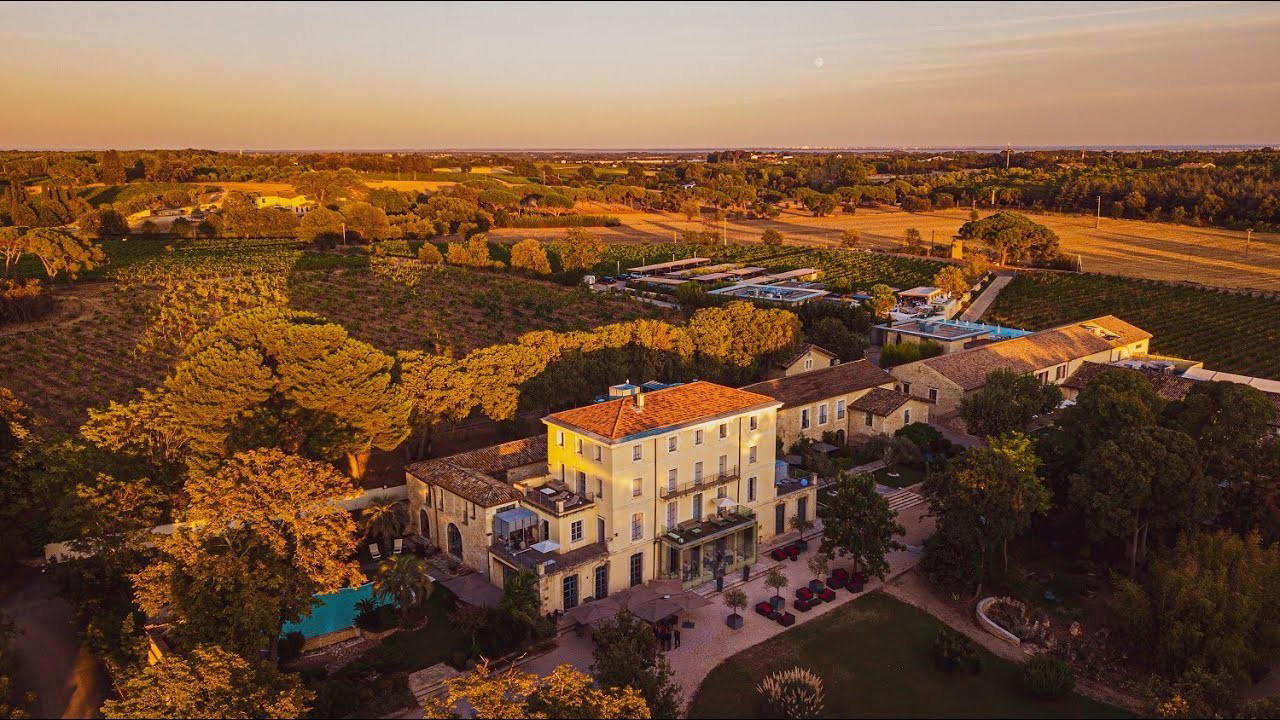

Details
- Intimate
- Cozy
- Elegant
- Romantic
- Date Night
- Special Occasion
- Open Kitchen
- Extensive Wine List
- Local Sourcing
- Tasting Menu
- Vegetarian Friendly
- Pescatarian Friendly
Current opening hours
- Monday
- 7:30–11:30 PM
- Tuesday
- 7:30–11:30 PM
- Wednesday
- Closed
- Thursday
- Closed
- Friday
- 7:30–11:30 PM
- Saturday
- 7:30–11:30 PM
- Sunday
- 7:30–11:30 PM
Hours can change for holidays and private events. Hours as of .
Warm, cozy atmosphere in a small stone-walled space with a familial, home-like feel and direct kitchen views.