

Amano brings Italian fine dining to central Örebro, operating from Kungsgatan 1 with both set menus and à la carte options in a formal setting. Local produce sourced from the surrounding region anchors the kitchen's approach, placing it within a broader Swedish tradition of ingredient-led cooking. Professional service and a considered room make it one of the more structured dining options in the city.
Pearl is the En Primeur Club membership app — saves, bookings, and concierge access live there. Same editors, same standards.
- Address
- Kungsgatan 1, 702 11 Örebro, Sweden
- Phone
- +46 19 32 33 70
- Website
- a-mano.se
- Directions
- Get directions
 Saves & bookings on Pearl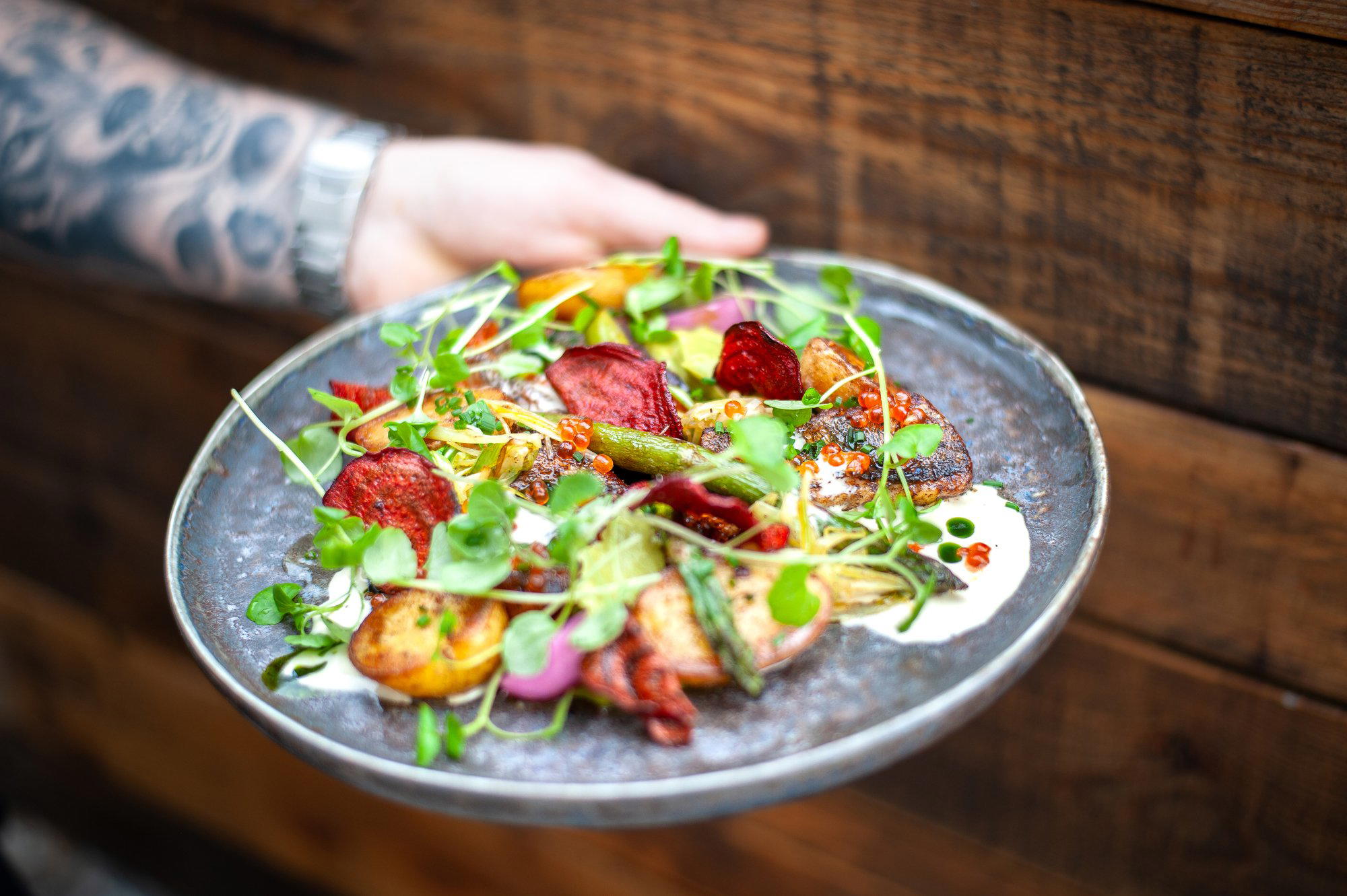
Italian Fine Dining in a Swedish City That Earns It
Örebro is not a city most international visitors associate with serious restaurant culture. That is partly a function of scale and partly a function of geography: situated roughly midway between Stockholm and Gothenburg on the E20, it tends to be passed through rather than stopped at. But the city's dining scene has matured steadily, and Amano, positioned on Kungsgatan in the commercial heart of the old town, represents the more considered end of that development. The address alone signals intent: Kungsgatan 1 places it at the centre of civic Örebro, a few minutes' walk from the castle and the Svartån river, in a part of the city where a room carries weight.
The format is Italian fine dining, which in a Swedish regional city in 2024 is a specific editorial statement. It is not the casual trattoria model that has proliferated across Scandinavian cities since the early 2010s, and it is not the Nordic-Italian fusion that some Stockholm kitchens have explored. Amano operates as a structured fine dining room: set menus alongside à la carte, professional service, and a room that asks something of its guests in return.
Where the Ingredients Come From, and Why That Matters Here
The kitchen's sourcing approach is the detail that most directly connects Amano to a broader pattern in serious Swedish cooking. Local produce forms a meaningful part of the supply chain, which in the context of Italian cuisine requires some careful editorial unpacking. The Örebro region, in Närke county, sits on some of the most productive agricultural land in central Sweden. The flat terrain and relatively mild inland climate have historically supported grain, root vegetables, and dairy, and the local farming infrastructure is well developed by Swedish regional standards.
Decision to source locally for an Italian menu is not a contradiction; it is a creative constraint that the better regional kitchens in Sweden have turned into a signature. Dishes built on Italian culinary logic but assembled from Swedish seasonal produce occupy a different position than either pure Italian import cooking or New Nordic cuisine. The reference points are Mediterranean, but the raw materials are drawn from a radius that the kitchen can speak to with authority. This is the same instinct that drives sourcing decisions at places like ÄNG in Tvååker and Knystaforsen in Rydöbruk, though those rooms operate within a New Nordic framework rather than an Italian one.
Practical implication for the diner is that what arrives at the table reflects a specific place as much as a specific cuisine. Seasonal availability shapes the menu in ways that a purely import-led Italian kitchen would not permit, and the local sourcing gives the kitchen a degree of accountability to ingredient quality that is harder to sustain through a wholesale supply chain. For Swedish regional dining specifically, this is less a point of distinction than a baseline expectation at the fine dining tier, but it is worth noting that Amano applies it within a culinary tradition that does not typically prioritise local sourcing as a value in itself.
The Dual-Format Menu and What It Signals
Running both set menus and à la carte simultaneously is a structural choice that not every fine dining room makes, and it shapes who the room can accommodate. A set menu signals ambition and kitchen confidence: it asks the guest to trust the sequence, which in fine dining is often where the better cooking happens. À la carte preserves flexibility for guests who are not committed to a full progression, or who are eating alone, or who have constraints that a fixed sequence cannot accommodate.
In Örebro's dining context, where the audience for high-commitment tasting menus is smaller than in a major city, the dual format is sensible positioning. It allows Amano to operate as a full fine dining destination for those who want that experience while remaining accessible to the broader segment of local diners for whom a structured multi-course format would be a barrier. The comparison here is instructive: rooms like Vollmers in Malmö or VYN in Simrishamn operate at the more committed end of the tasting menu spectrum, in cities or locations where the audience for that format is either larger or more specifically curated. Amano's dual format reflects the realities of a regional city where the dining-out population is more heterogeneous.
Placing Amano in Sweden's Fine Dining Conversation
Swedish fine dining at the recognised international tier is heavily concentrated in Stockholm, with Frantzén in Stockholm representing the outer edge of that bracket. The regional picture is more varied. Serious kitchens operate across the country, often in cities and towns where the local food culture supports them even without the international visitor traffic that sustains metropolitan fine dining. Signum in Mölnlycke and Hotell Borgholm in Borgholm both illustrate how regional Swedish kitchens can hold their own against the capital's offer when the sourcing and execution are serious.
Amano's position in this map is specific: it is an Italian fine dining room in a Swedish regional city, which places it outside the New Nordic tradition that dominates the country's critical conversation, while still operating within the broader Swedish commitment to ingredient quality and professional service. That is a coherent position, and one that the room appears to hold with some consistency given its continued presence in central Örebro's dining scene. For visitors exploring Swedish fine dining beyond the obvious metropolitan examples, the regional picture that includes places like 28+ in Gothenburg and JH Matbar in Ystad is worth understanding on its own terms.
Planning a Visit
Amano sits at Kungsgatan 1 in central Örebro, within walking distance of the main transport connections and the city's hotel cluster. The dress code and booking method are not published in detail, but the fine dining setting and professional service standard suggest that advance reservations are advisable, particularly on weekends when competition for tables at the city's better rooms is highest. Visitors combining a meal here with wider exploration of the city's offer should consult our full Örebro restaurants guide for context on where Amano sits relative to the broader scene, as well as our full Örebro hotels guide, our full Örebro bars guide, our full Örebro wineries guide, and our full Örebro experiences guide for a complete picture of what the city offers at this level.
How Amano Örebro compares with similar nearby venues.
| Venue | Awards |
|---|---|
| Amano | Star Wine List (2026) |
Recognition history
Dated appearances from independent guides and award organizations, with the underlying list record or original source where available.
Star Wine List
Star Wine List
White Guide Sweden Restaurants - Fine Level
White Guide
Continue exploring
More in Örebro
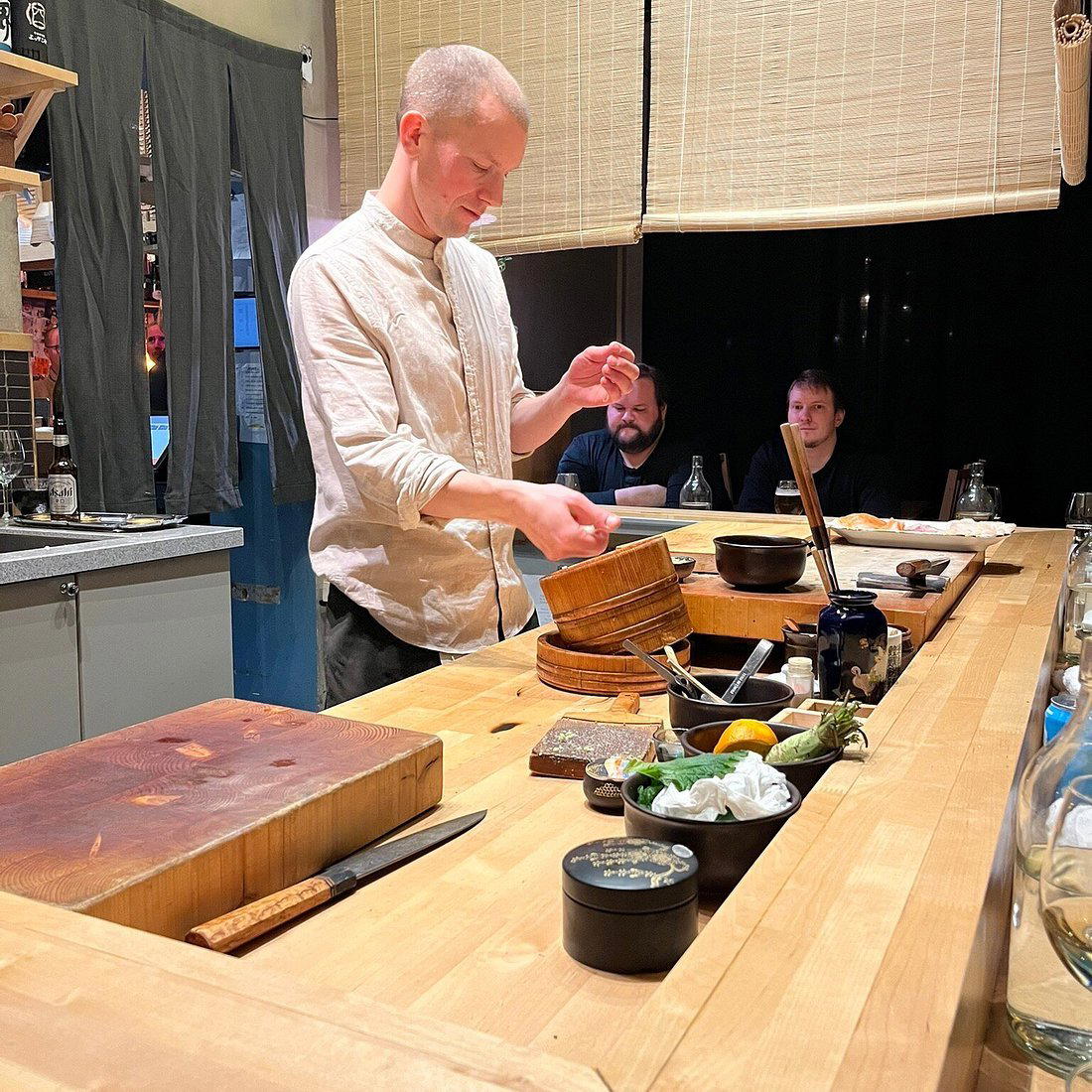
Restaurants in Örebro
Browse all →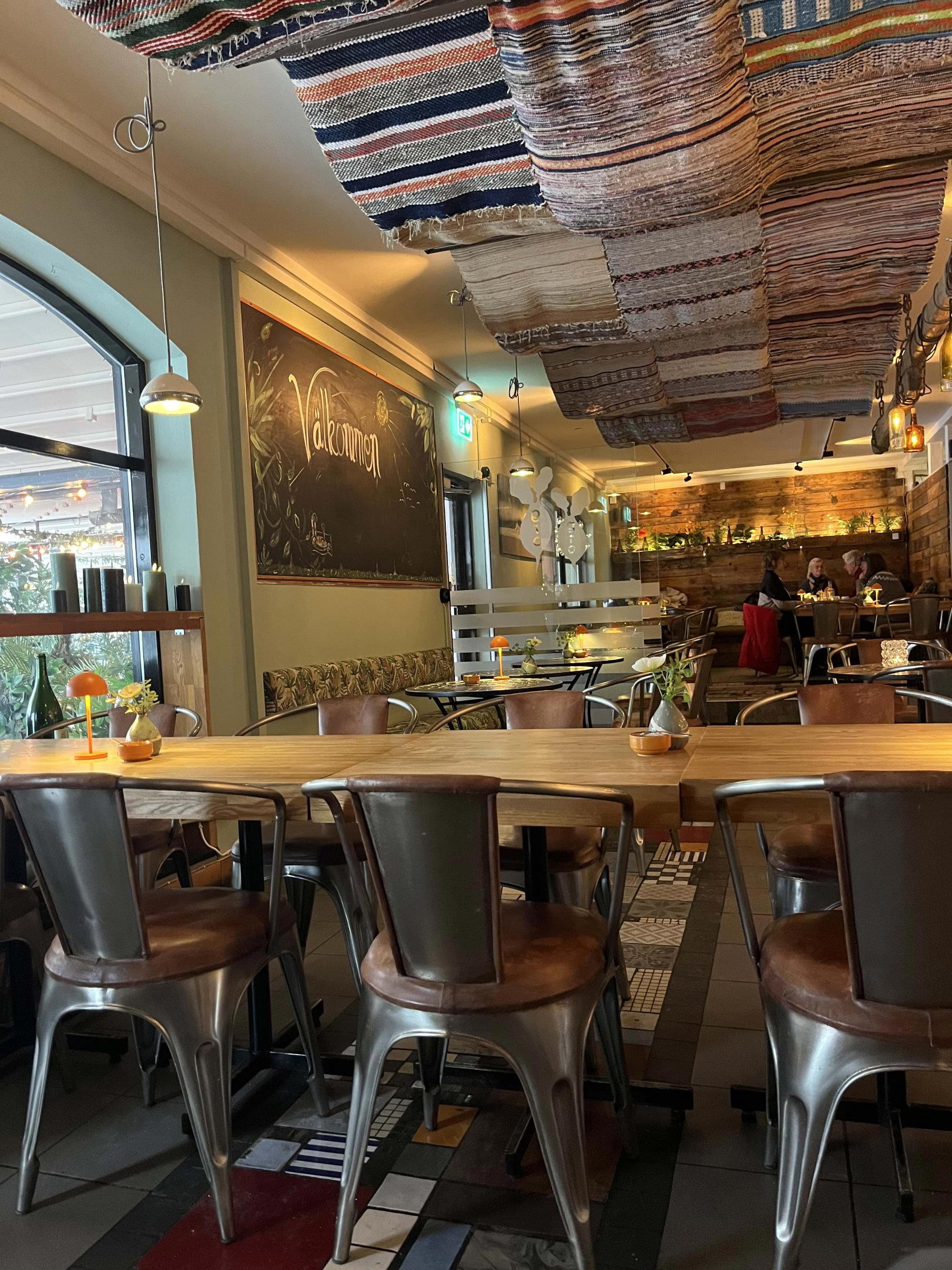
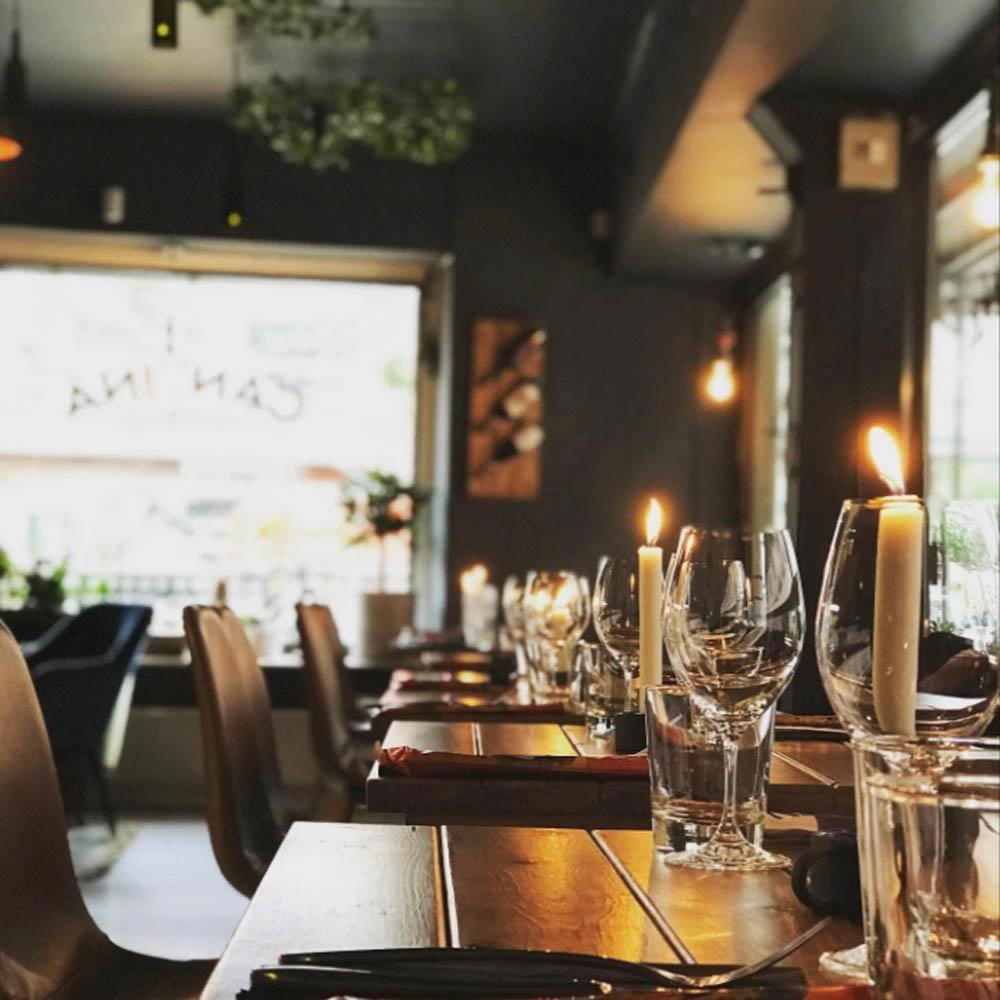
Bars in Örebro
Browse all →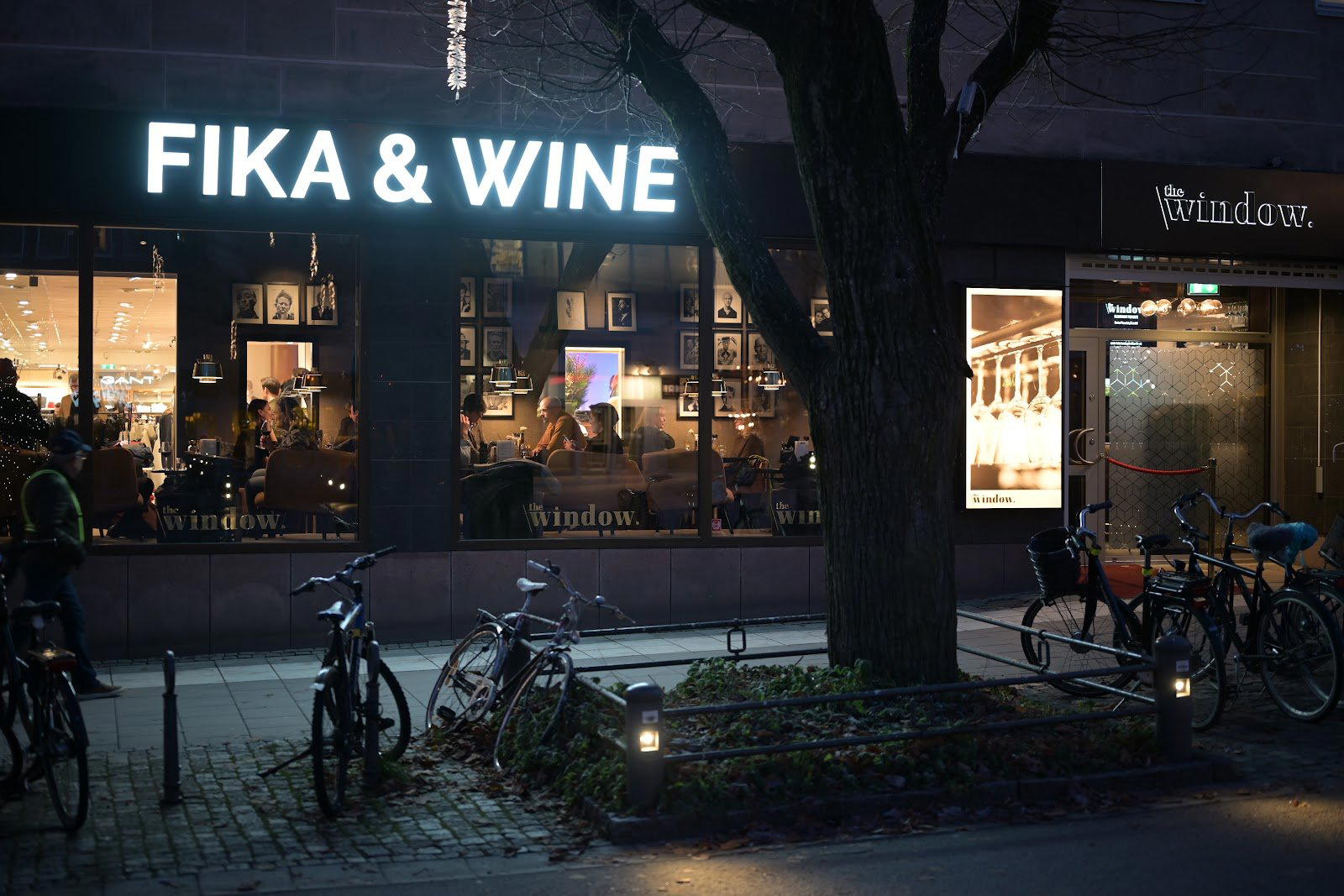
Hotels in Örebro
Browse all →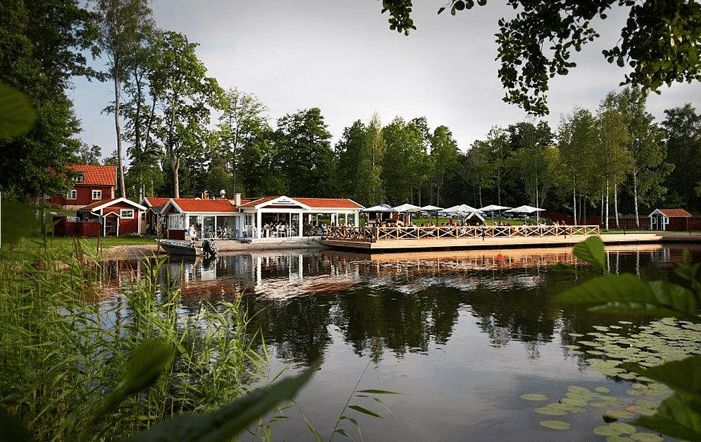
At a Glance
- Cozy
- Elegant
- Intimate
- Date Night
- Special Occasion
- Business Dinner
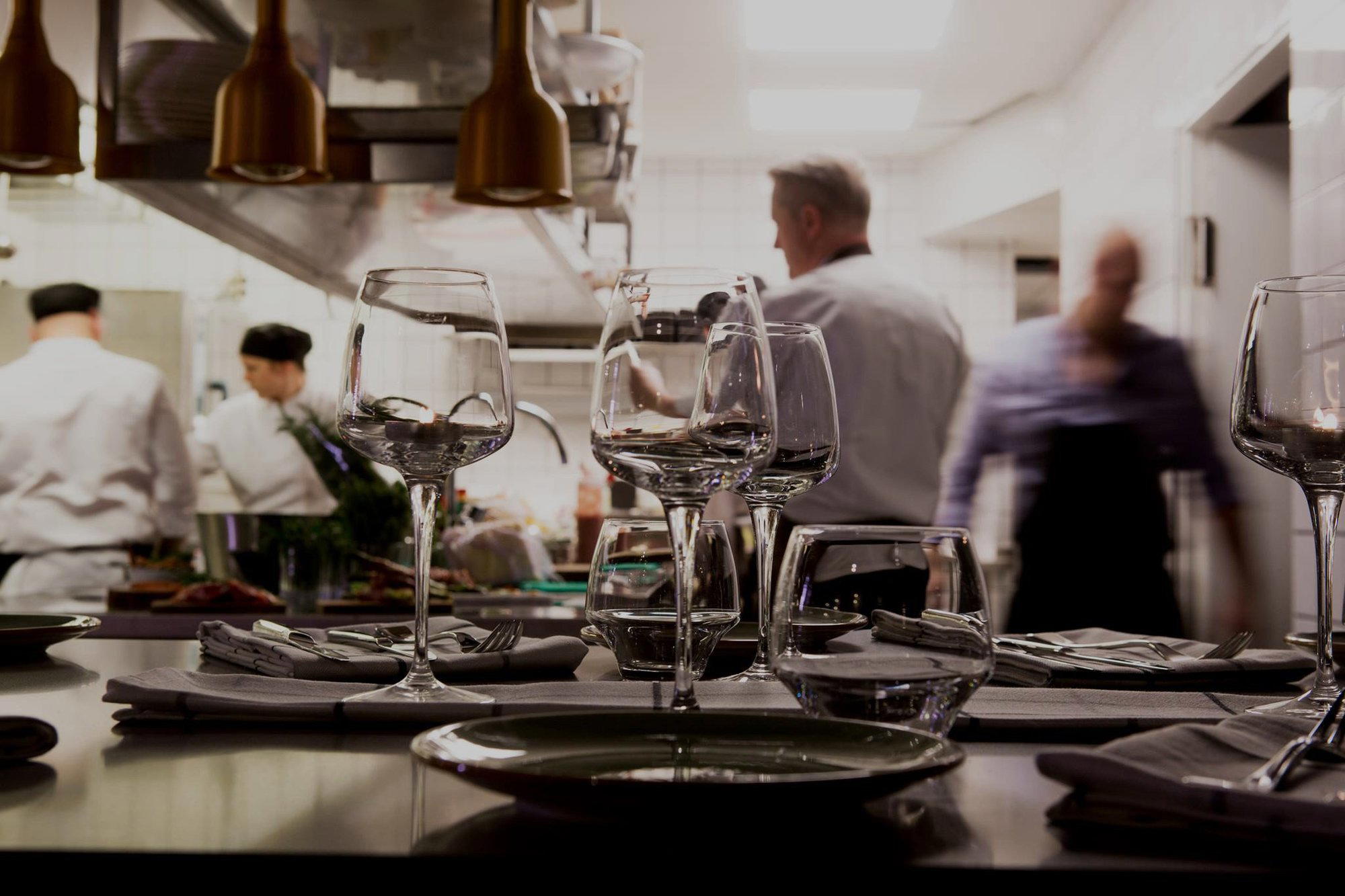
- Open Kitchen
- Extensive Wine List
- Local Sourcing
- Organic
Current opening hours
- Monday
- Closed
- Tuesday
- 5–11 PM
- Wednesday
- 5–11 PM
- Thursday
- 5–11 PM
- Friday
- 5–11 PM
- Saturday
- 5–11 PM
- Sunday
- Closed
Hours can change for holidays and private events. Last verified .
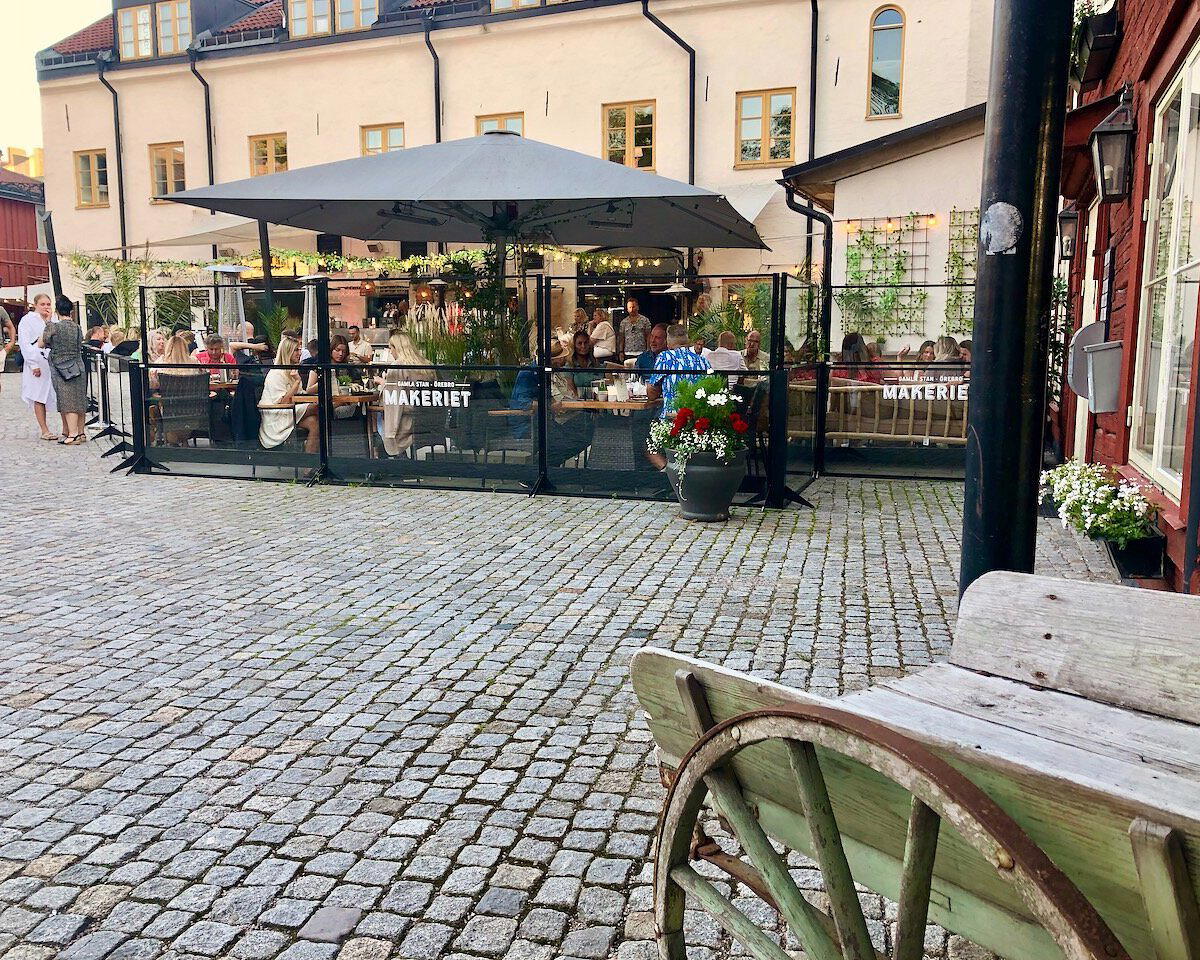
Cozy environment with beautiful decor, pleasant atmosphere enhanced by attentive service and a welcoming courtyard piazza.
Know Before You Go
- Getting there
- Kungsgatan 1, 702 11 Örebro, Sweden