Our verdict
all day dining cotton. fits Hakata’s practical, station-side dining culture: casual in tone, useful across the day, and better understood through Fukuoka’s ingredient economy than through destination-restaurant hype. Its Hakataekiminami setting places it near the city’s transport core, where seafood, vegetable, noodle, curry, grill, and café formats sit close together for residents and short-stay travelers.

Pearl is the En Primeur Club membership app — saves, bookings, and concierge access live there. Same editors, same standards.
The menu
What to order
- Hakata chicken dishes
- Miyazaki beef steaks
- Tagliatelle with salsiccia and lemon cream sauce
- Grilled Eda Wagyu beef thigh
- Cotton Pancakes
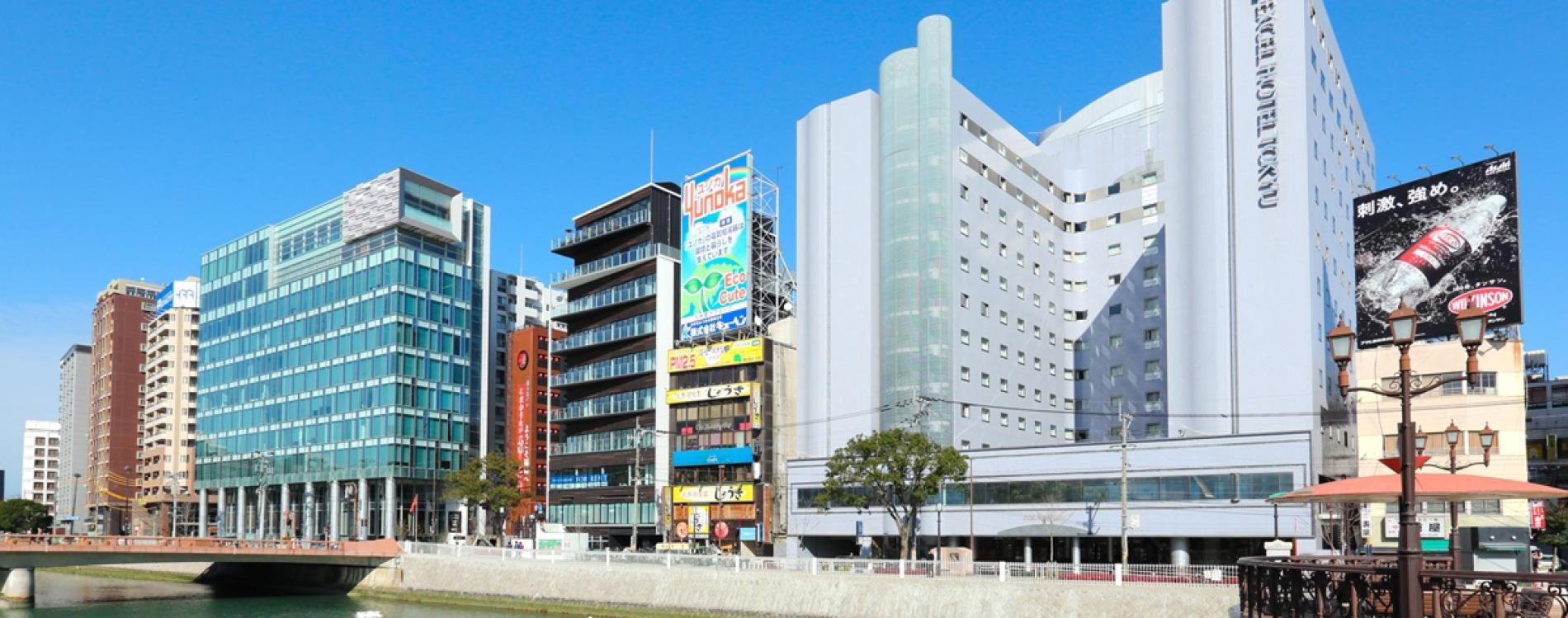
Fukuoka does not perform the old postcard version of the city. Around its everyday dining areas, the mood is more workday than theatre: apartment blocks, offices, hotels, small restaurants, and the steady movement of people who need a meal before or after transit. In that setting, all day dining cotton. reads less as a special-occasion room and more as part of the city’s everyday food infrastructure, the kind of place whose usefulness depends on timing, produce, and local rhythm rather than ceremony.
Fukuoka’s dining identity is often reduced to ramen, yatai, and late-night drinking, but the stronger story is supply. The city sits close to fishing ports, vegetable-growing areas, and Kyushu’s wider agricultural base, which gives even casual restaurants a different baseline from cities that import more of their character. Ingredient-led dining here does not always announce itself with tasting-menu language. It can show up in lunch plates, café formats, rice dishes, grills, fried fish, curry, and simple set meals that depend on turnover and seasonality rather than luxury coding.
Fukuoka's all-day format is about utility, not spectacle
The all-day label matters in Fukuoka because the city’s eating patterns are fragmented. Business travelers arrive, domestic tourists move between hotels and shopping areas, and local office workers often want a meal that does not require a long queue or a fixed dining window. A restaurant in this category competes less with formal counters than with the city’s dense network of casual specialists, from fried-fish shops to curry rooms and yakiniku counters.
That competitive context is important. Fukuoka formats such as Yakiniku Tagyu Ekiminami ten and Teppanyaki Rikaen show how quickly the city can move from everyday dining into more focused meat and grill experiences. Toritori Kenkyu Dan sits in another casual-specialist lane, while Hakata Issou represents the city’s comfort-driven side. Against that range, all day dining cotton. belongs to the more flexible side of Fukuoka eating: less about a single luxury category, more about being available to several appetites across the day.
For readers mapping the wider city, that distinction helps. Other Fukuoka dining rooms cover spice-led meals, local comfort food, specialist counters, and quick everyday plates. The point is not that one format replaces another; it is that Fukuoka rewards choosing by appetite and schedule rather than by hierarchy.
Ingredient sourcing is the quiet advantage of casual Fukuoka dining
Kyushu gives Fukuoka restaurants a broad pantry: seafood from regional waters, vegetables from nearby growing areas, pork and beef traditions from across the island, and rice-centered cooking that anchors quick meals as much as formal ones. In a casual all-day setting, sourcing usually matters through freshness, frequency, and restraint. The better version of this genre does not need complicated plating. It needs ingredients that can carry a plate without excess handling.
That is why the category suits Fukuoka. Transit-friendly dining can easily become generic, especially in cities where high-traffic areas are dominated by chains. Fukuoka’s advantage is that everyday restaurants can draw from a local food culture with strong expectations around seafood, broth, frying, vegetables, and rice. The reader should judge the experience through those measures: whether the cooking feels aligned with the city’s produce and daily tempo, whether the room works for a light meal as well as a longer pause, and whether the format avoids pretending to be a destination counter.
Travelers building a fuller itinerary should separate meal types. Use Our full Fukuoka restaurants guide for the city’s dining range, then pair it with Our full Fukuoka hotels guide if where you stay changes the meal plan. Drinking and late-evening pacing belong in Our full Fukuoka bars guide, while regional context sits in Our full Fukuoka wineries guide and Our full Fukuoka experiences guide. Fukuoka is compact enough that a casual meal can sit beside a more focused dinner elsewhere, but the day works better when each stop has a clear role.
How to place it in a Japan dining itinerary
For visitors comparing casual Japanese formats across cities, all day dining cotton. belongs to a national pattern rather than a single local cliché. Japan’s everyday dining culture has room for highly specific counters, café-restaurants, and single-dish specialists in many cities. The common thread is not formality. It is precision within a narrow use case.
That same lens applies beyond Japan’s major tourist circuits. Imported, adapted, and specialist formats often become part of local eating patterns, whether the focus is curry, casual bar food, rice dishes, or quick all-day plates. Even outside Japan, the same question follows the traveler: does a place understand its audience and ingredients? That is as relevant to a simple neighborhood meal elsewhere as it is in Fukuoka.
The case for this Fukuoka venue is therefore practical and local. It suits a trip where the meal needs to fit the day rather than dominate it, and where the appeal lies in the city’s ordinary access to good ingredients. Fukuoka’s serious pleasures are often plainspoken: a cleanly run room, a plate that reflects regional supply, and a setting that works with the movement of the city rather than asking the city to stop.
Frequently asked questions
Can I bring kids to all day dining cotton.?
The venue name and all-day format point to a casual dining setup in Fukuoka, which usually suits mixed-age groups. Check the venue's official channels for the latest details.
Is all day dining cotton. formal or casual?
It reads as casual rather than formal: the name is all day dining cotton. not a fine-dining or tasting-menu format. Its setting in Fukuoka places it in a practical city dining context.
How do I find all day dining cotton.?
all day dining cotton. is located in Fukuoka.
Is all day dining cotton. reservation-only?
Those details are not published. It presents as a straightforward all-day dining venue in Fukuoka rather than a private-booking room. Check the venue's official channels for the latest details.
At-a-Glance Comparison
Comparable venues by cuisine and price in the same metro.
| Venue | Cuisine | Price | Awards | Notes |
|---|---|---|---|---|
| all day dining cotton.This venue — the venue you are viewing | Italian & Teppanyaki with Kyushu ingredients | $30–50 | Not listed | Not listed |
| Steak House Medium Rare | Kyushu Wagyu Teppanyaki Steakhouse | $50–100 | Not listed | Not listed |
| Yakiniku Tagyu Ekiminami ten | Yakiniku & Sukiyaki near Hakata Station | $30–50 | Tabelog 100 #84 | JPY 5,000 - JPY 5,999 View spending breakdown |
| Teppanyaki Rikaen | Teppanyaki & A5 Wagyu | $50–100 | Tabelog 100 #37 | JPY 8,000 - JPY 9,999 JPY 2,000 - JPY 2,999 |
| Toritori Kenkyu Dan | Yakitori & Chicken Ramen | $30–50 | Tabelog 100 #23 | JPY 5,000 - JPY 5,999 |
| Hakata Issou | Hakata-style Tonkotsu Ramen | $10–20 | Tabelog 100 #55 | Izakaya |
Continue exploring
More in Fukuoka
Restaurants in Fukuoka
All restaurants in Fukuoka →
Bars in Fukuoka
All bars in Fukuoka →
Details
- Scenic
- Modern
- Elegant
- Cozy
- Trendy
- Date Night
- Business Dinner
- Group Dining
- Celebration
- Special Occasion
- After Work
- Open Kitchen
- Terrace
- Courtyard
- Design Destination
- Hotel Restaurant
- Craft Cocktails
- Local Sourcing
- Waterfront
- Garden
- A La Carte
- Prix Fixe
- Set Menu
- Wine
- Cocktails
- Coffee
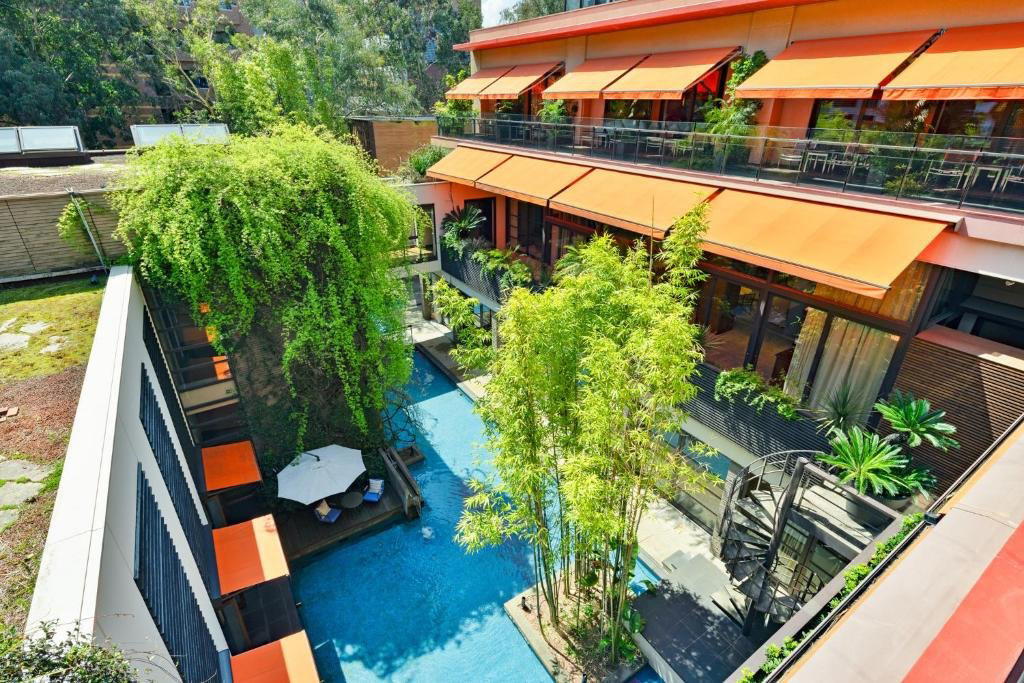
An open, resort-style space facing a water terrace with swaying palm trees, combining natural light and greenery with modern hotel-restaurant polish; relaxed but refined, suitable for both casual lunches and celebratory dinners.