Alera belongs to Roatan’s beachside dining conversation, where island sourcing, resort traffic, and the logistics of fresh seafood shape the meal as much as the room. With little public positioning around chef, awards, or format, the useful way to read it is through place: West Bay’s coast, Honduras’s Caribbean pantry, and how the island’s restaurants translate local ingredients for travelers.
Pearl is the En Primeur Club membership app — saves, bookings, and concierge access live there. Same editors, same standards.
- Address
- West Bay Beach, Bay Islands, Honduras
- Phone
- +504 2405-1009
- Website
- aleraroatan.com
- Directions
- Get directions
 Saves & bookings on Pearl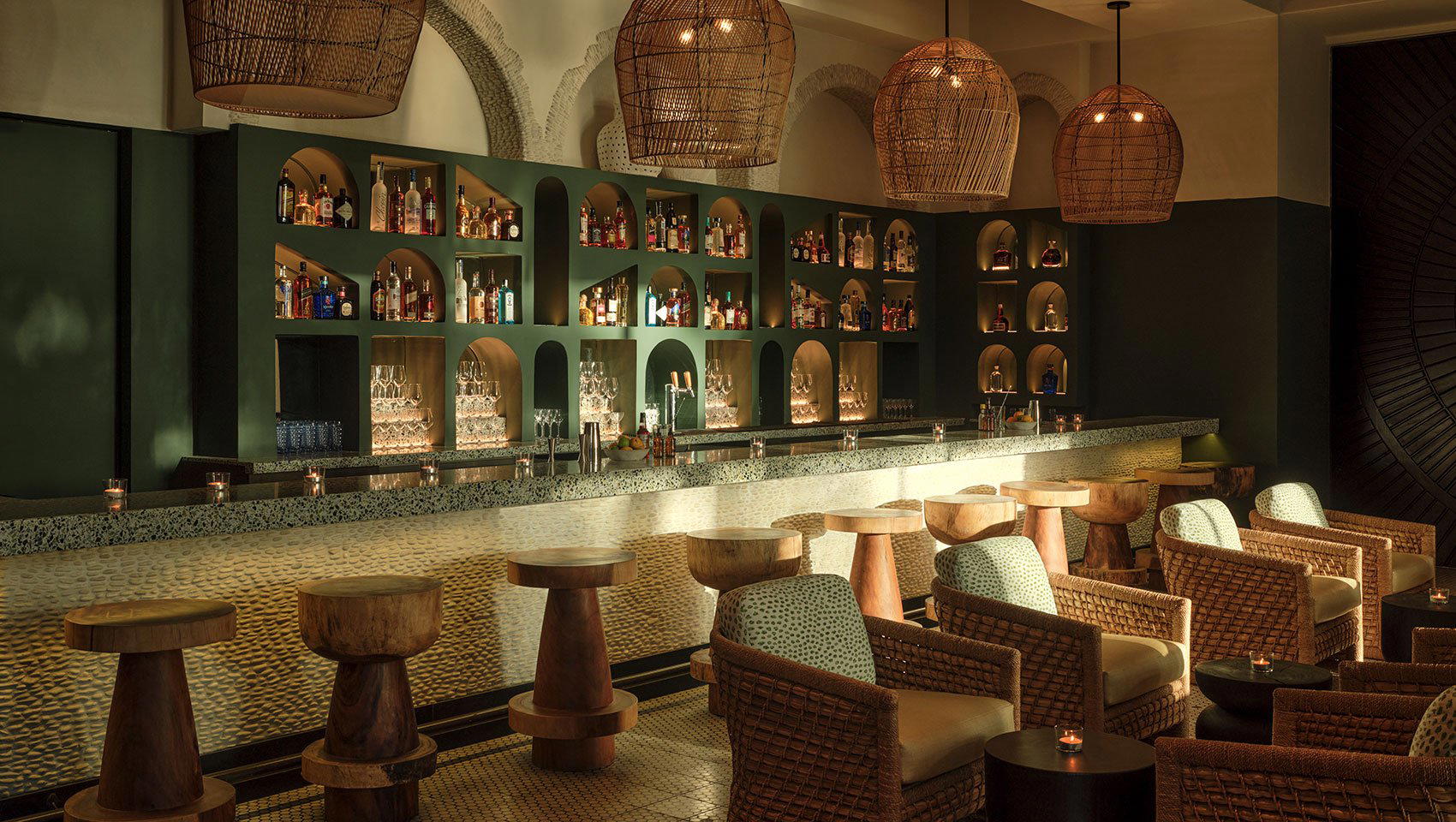
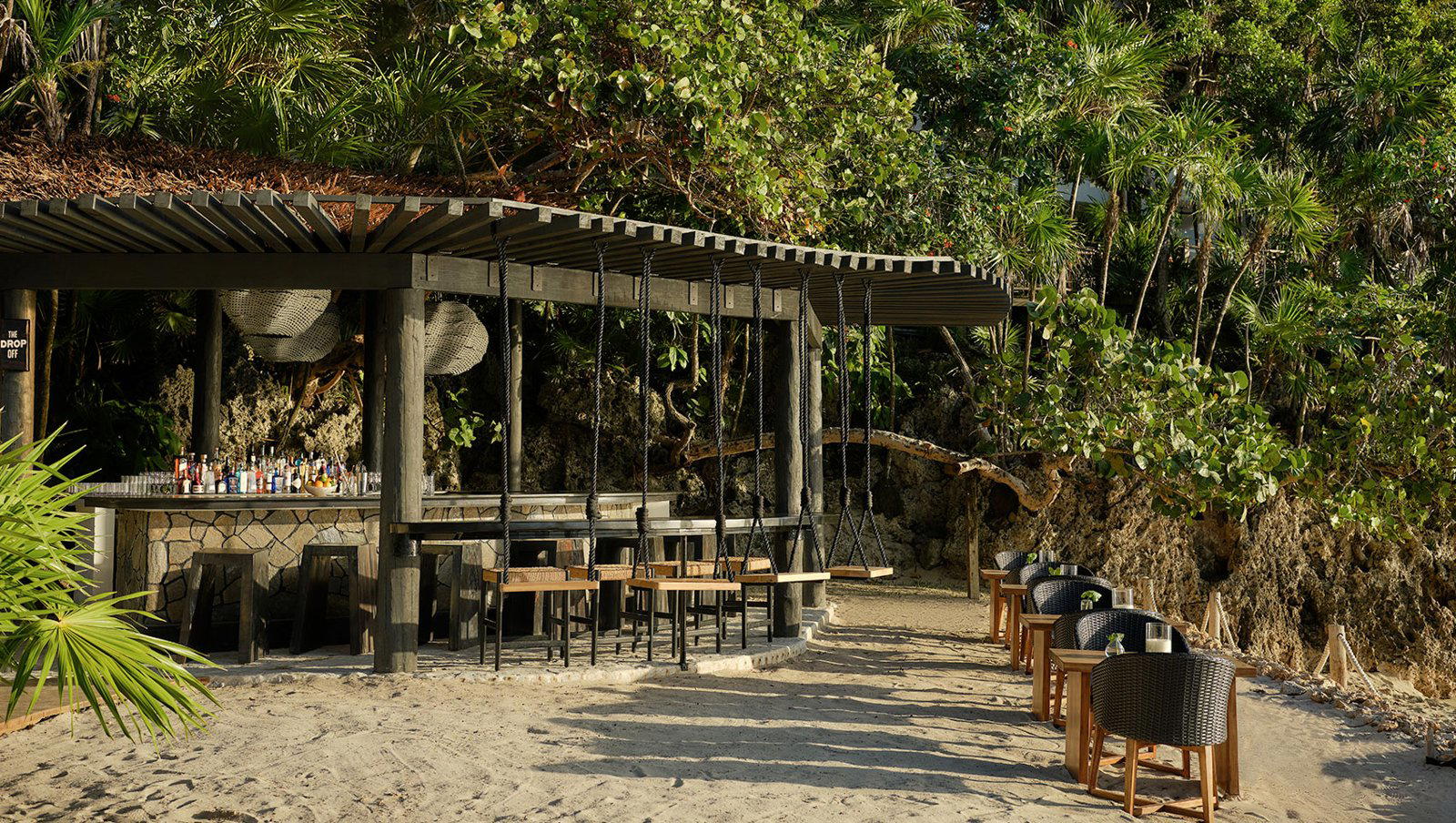
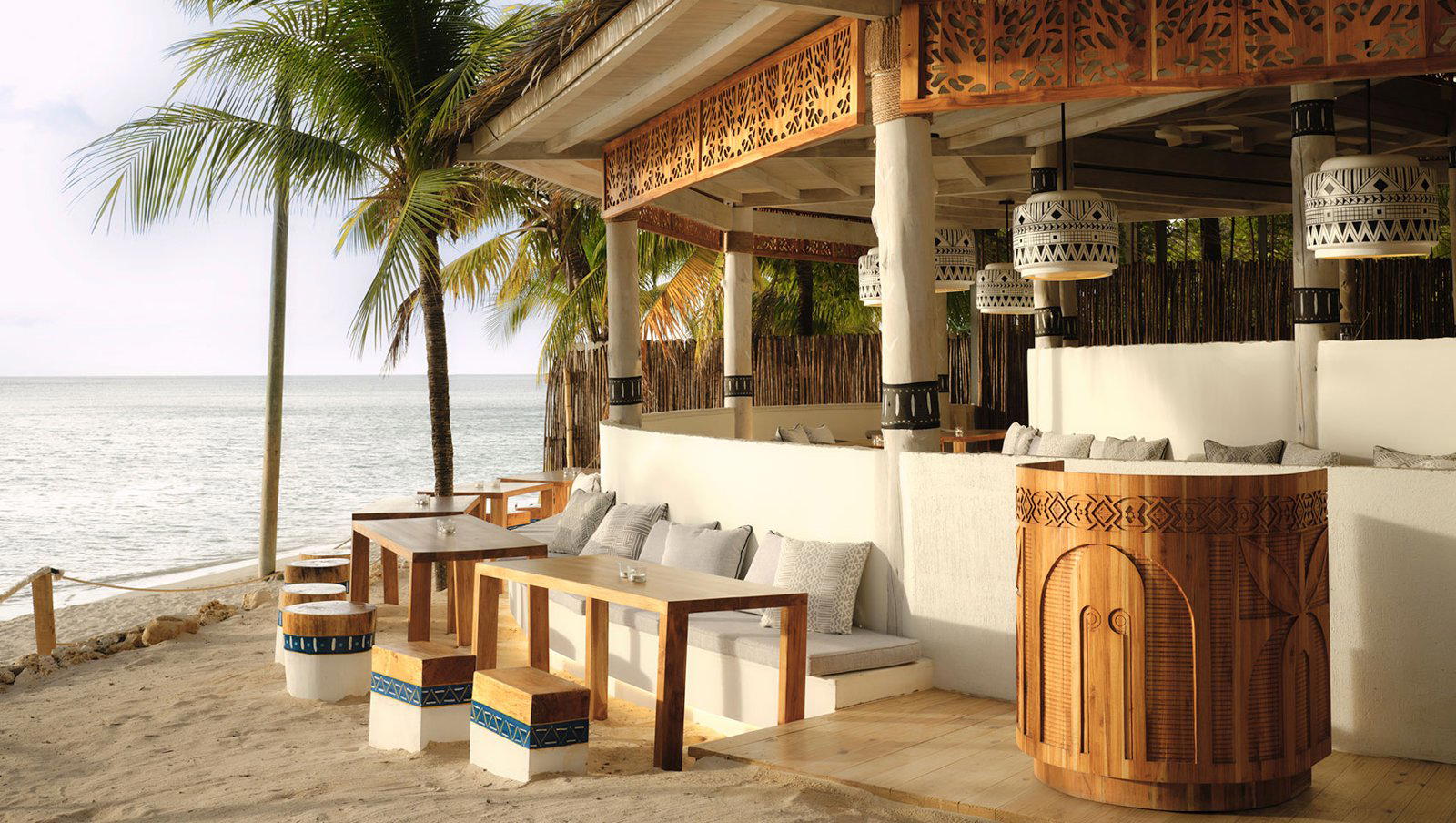
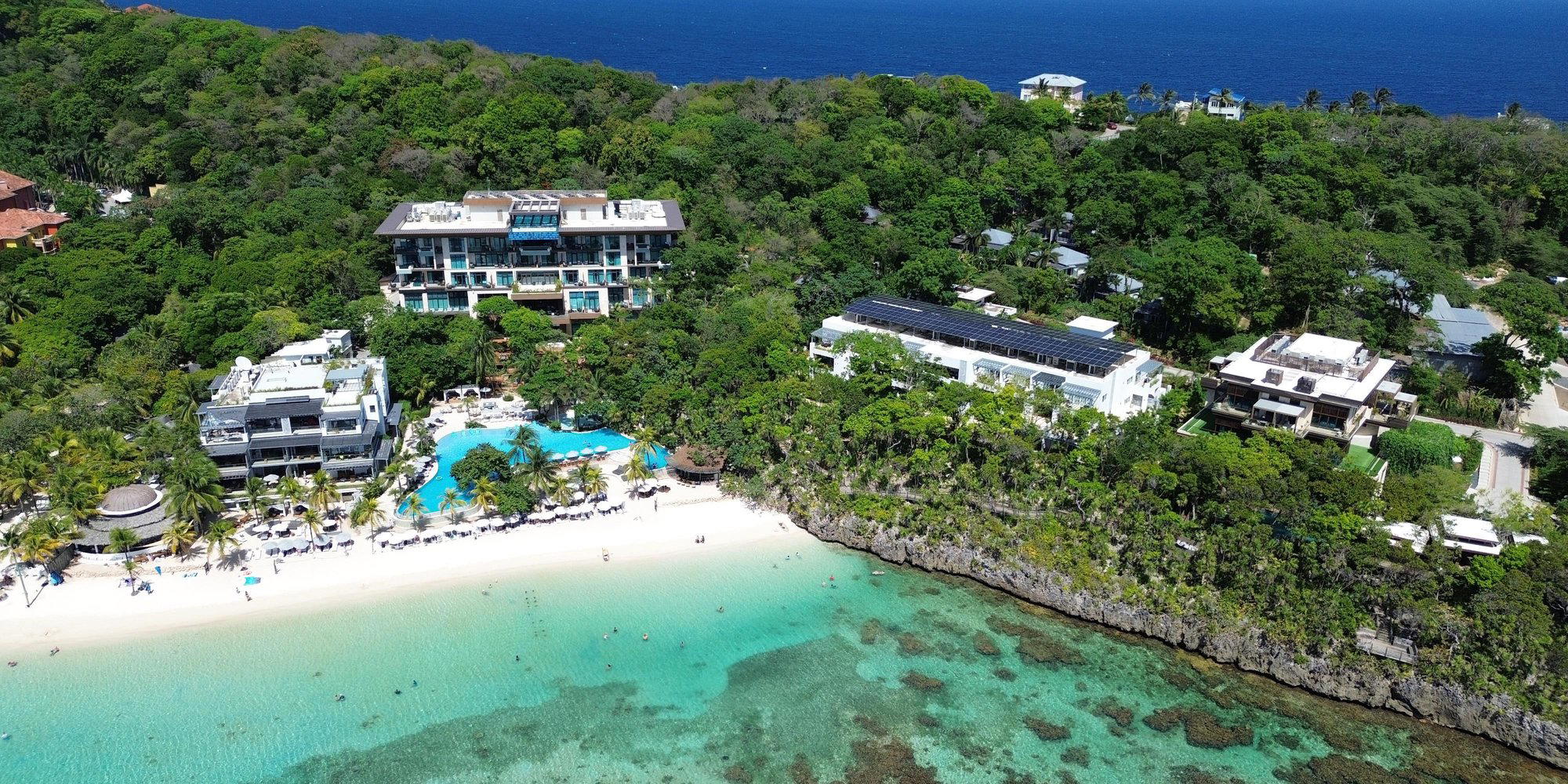
West Bay begins with the waterline: pale sand, reef traffic offshore, and the slow rhythm of a resort beach where dinner is often planned around sunset rather than a formal dining hour. In that setting, Alera reads less as a destination built on ceremony than as part of Roatan’s broader coastal table, where the island’s value lies in proximity to fish, fruit, heat, and the everyday Honduran-Caribbean pantry.
Roatan’s dining scene is not organized like a capital-city restaurant map. It is shaped by shoreline geography, cruise and dive traffic, hotel kitchens, expat demand, and the practical limits of island supply. That makes ingredient sourcing more than a fashionable talking point. On the Bay Islands, freshness is a logistical achievement: seafood depends on landing patterns, produce moves through a narrower chain than on the mainland, and menus often reflect what can be handled consistently in a humid, salt-air environment.
West Bay dining is defined by the reef, the beach, and the supply chain
The more useful comparison for Alera is not a tasting-menu restaurant in a major city, but the island restaurant category around it. West Bay has to feed beachgoers, divers, hotel guests, and travelers who want a polished meal without losing the sense of being on Roatan. That tension defines the local dining culture: casual rhythm, high expectations for seafood, and a kitchen economy that rewards flexible sourcing over rigid signature-dish theatre.
Honduran food on the mainland often leans into corn, beans, plantain, grilled meats, and baleadas; the Bay Islands add Caribbean habits, coconut, fish, and the English-Creole legacy that separates Roatan from inland Honduras. A restaurant here earns relevance when it handles that mix with discipline rather than treating the island as a backdrop. The measure is not whether a menu sounds international, but whether it lets local ingredients carry weight.
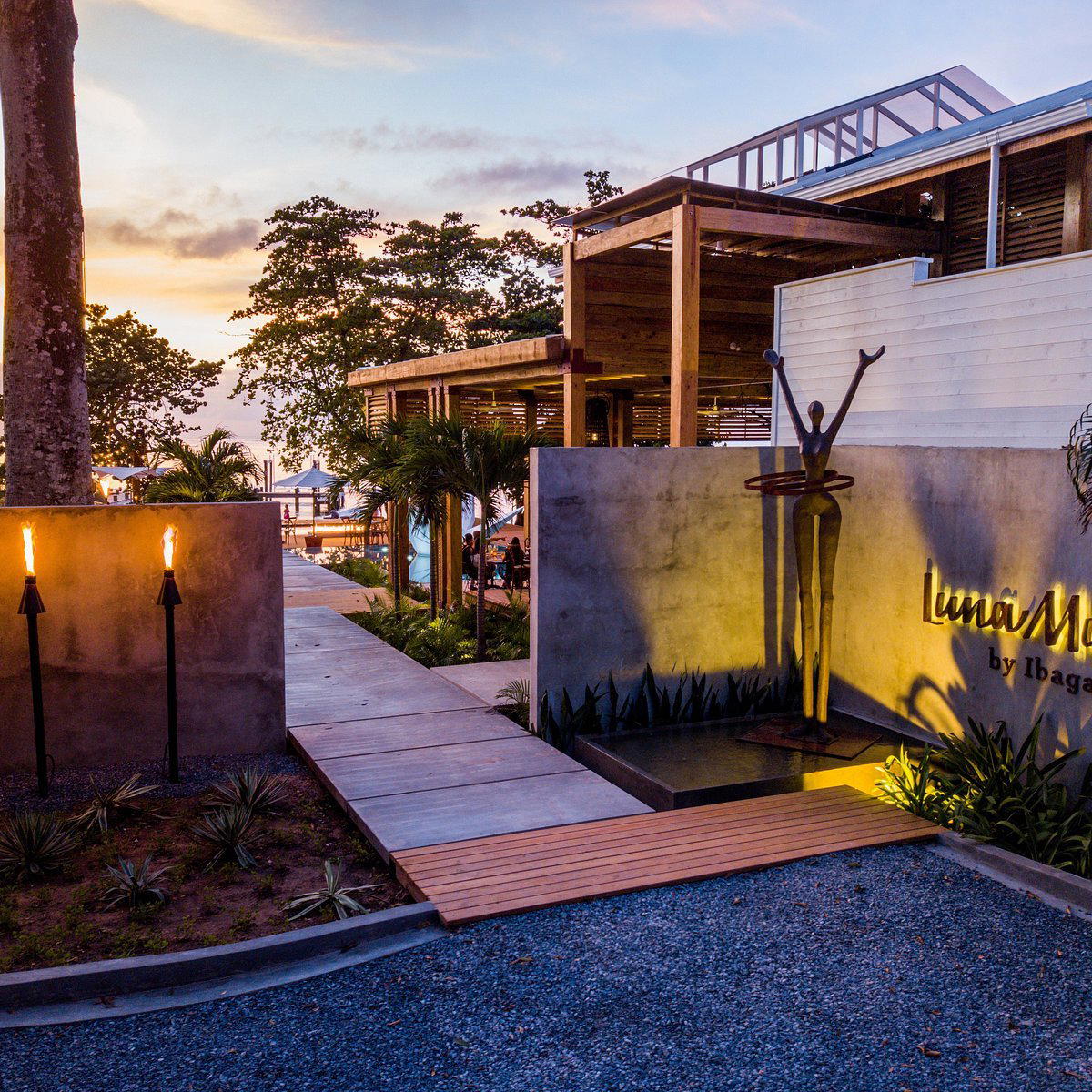
Within Roatan, Luna Muna and Vos give useful local context for how the island’s restaurant tier is being framed for travelers. Alera sits in the same conversation geographically: restaurants around West Bay and the wider island have to balance atmosphere with sourcing reality, particularly when seafood, tropical produce, and weather-dependent tourism cycles shape what the kitchen can sensibly promise.
The point is ingredient logic, not chef mythology
In cities with deep critical infrastructure, chef lineage and recognition can anchor the argument. On Roatan, the more dependable reading comes from the pantry and the setting. A coastal Honduran restaurant needs clarity: avoid overcomplication, let fish and produce stay close to their natural role, and understand that beach dining works when the room does not fight the climate.
That ingredient-first lens also helps separate island restaurants from imported resort gloss. Roatan can be mishandled when menus chase generic luxury language. The stronger local pattern is more grounded: citrus, chile, plantain, coconut, beans, grilled preparations, and seafood that does not need elaborate staging. Alera’s relevance, then, is tied to how it participates in that West Bay equation, a restaurant experience where the beach is not decoration but part of the operating logic.
Travelers building a wider Honduras food map should compare the island’s coastal vocabulary with mainland stops such as Buena Baleada in Copan Ruinas, Glifos Restaurant in Copan Ruins, and Vinalia Bistro in Tegucigalpa. Those comparisons matter because Honduras is not one culinary register. The Bay Islands operate with a different accent from Copan Ruinas or Tegucigalpa, and Roatan’s restaurants are at their strongest when they do not flatten that difference.
How to place Alera in a Roatan itinerary
Alera makes sense as part of a West Bay day rather than as a detached, city-style booking built around a single chef’s reputation. The editorial test is simple: if a traveler wants a Roatan meal that belongs to the beach zone and reflects the island’s reliance on fresh coastal ingredients, this is the category to study. If the goal is formal awards dining, Roatan’s restaurant scene should be read on different terms, with setting, sourcing, and consistency carrying more weight than plaques.
For planning beyond one table, use Our full Roatan restaurants guide alongside Our full Roatan hotels guide, Our full Roatan bars guide, Our full Roatan wineries guide, and Our full Roatan experiences guide. Broader EP Club reading also tracks how ingredient-led casual formats travel across cities, from Jōdo Saké Bar in Los Angeles, Onigiri Time in Pasadena, and -Grilled beef Sukiyaki- KAMAKURA TANUKIAN 鎌倉 たぬき庵 in Kamakura to ¡Salud! in Los Angeles, ¡Toma! in Liège, ¿CóMO? Taperia in Vancouver, ¿Por Qué No? in Portland, and. 鮪と炭火焼き うお炭 秋葉原店 in Tokyo.
Snapshot
Comparable venues by cuisine and price in the same metro.
| Venue | Cuisine |
|---|---|
| Alera | This venue |
At a Glance
- Scenic
- Intimate
- Sophisticated
- Elegant
- Quiet
- Date Night
- Special Occasion
- Private Event
- Group Dining
- Celebration
- Waterfront
- Private Dining
- Hotel Restaurant
- Standalone
- Craft Cocktails
- Beer Program
- Local Sourcing
- Sustainable Seafood
- Waterfront
Current opening hours
- Monday
- 7–11 AM, 5–10 PM
- Tuesday
- 7–11 AM, 5–10 PM
- Wednesday
- 7–11 AM, 5–10 PM
- Thursday
- 7–11 AM, 5–10 PM
- Friday
- 7–11 AM, 5–10 PM
- Saturday
- 7–11 AM, 5–10 PM
- Sunday
- 7–11 AM, 5–10 PM
Hours can change for holidays and private events. Last verified .
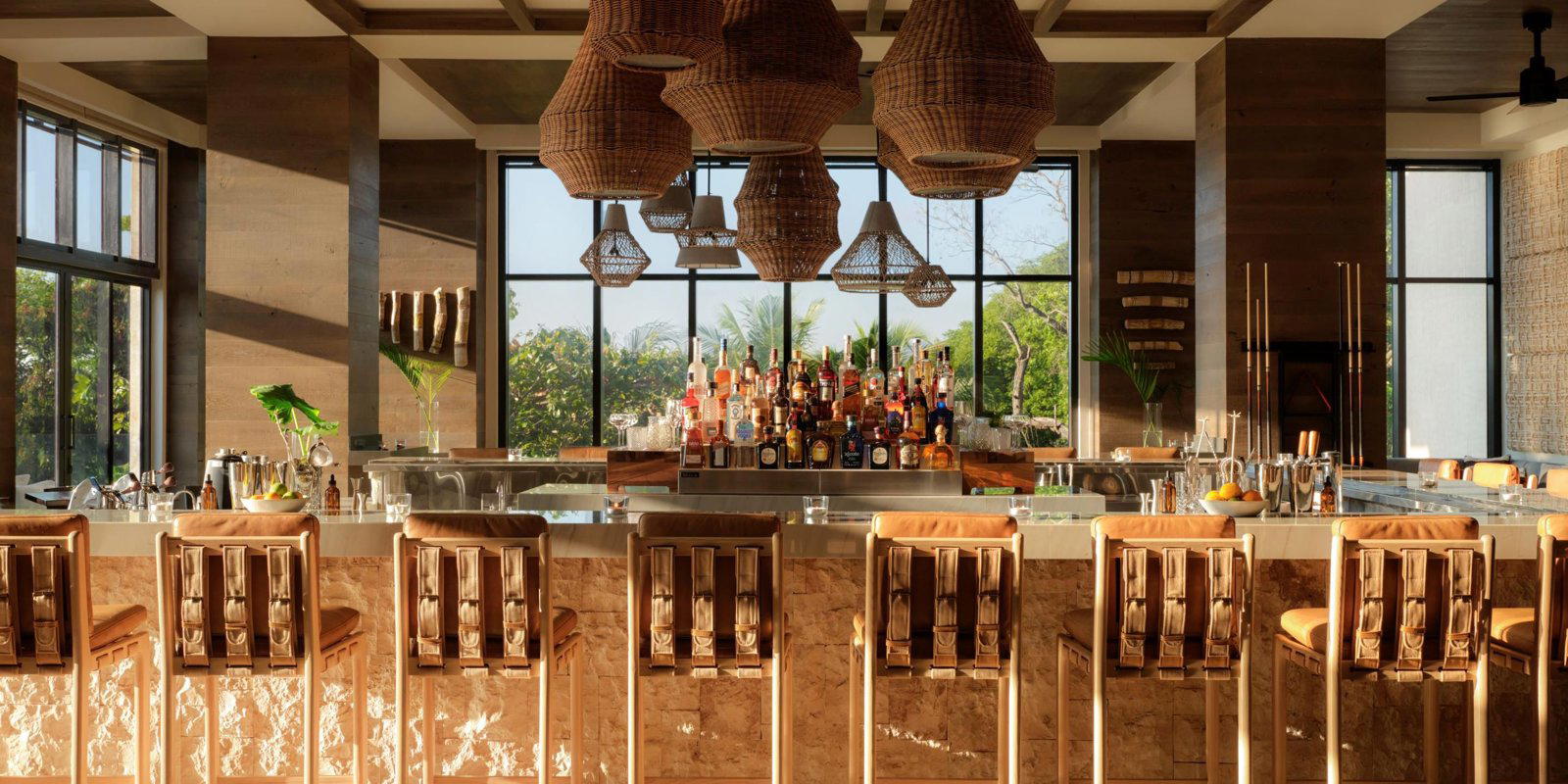
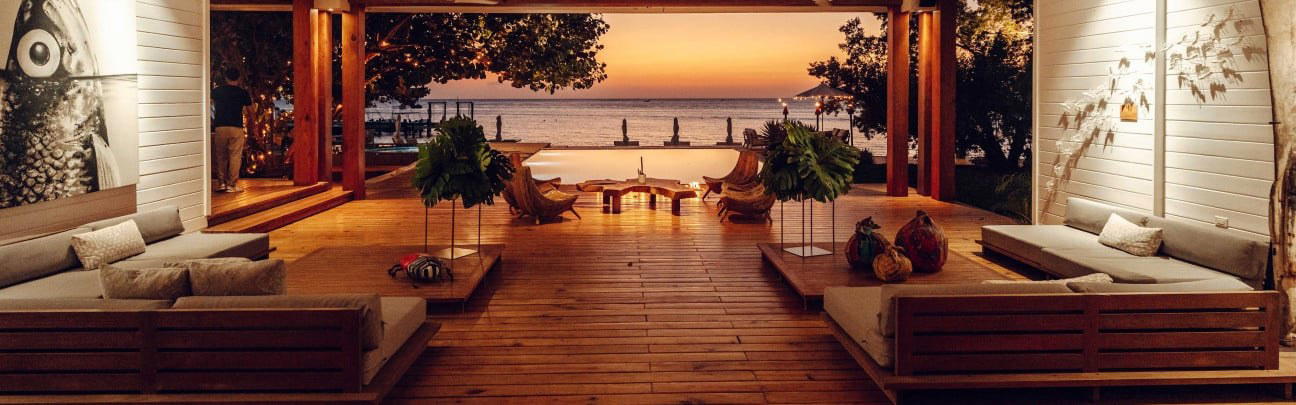
An intimate, elegant oceanfront setting with a calm, refined atmosphere shaped by island scenery and a design-forward resort environment.