1 Michelin Star
Our verdict
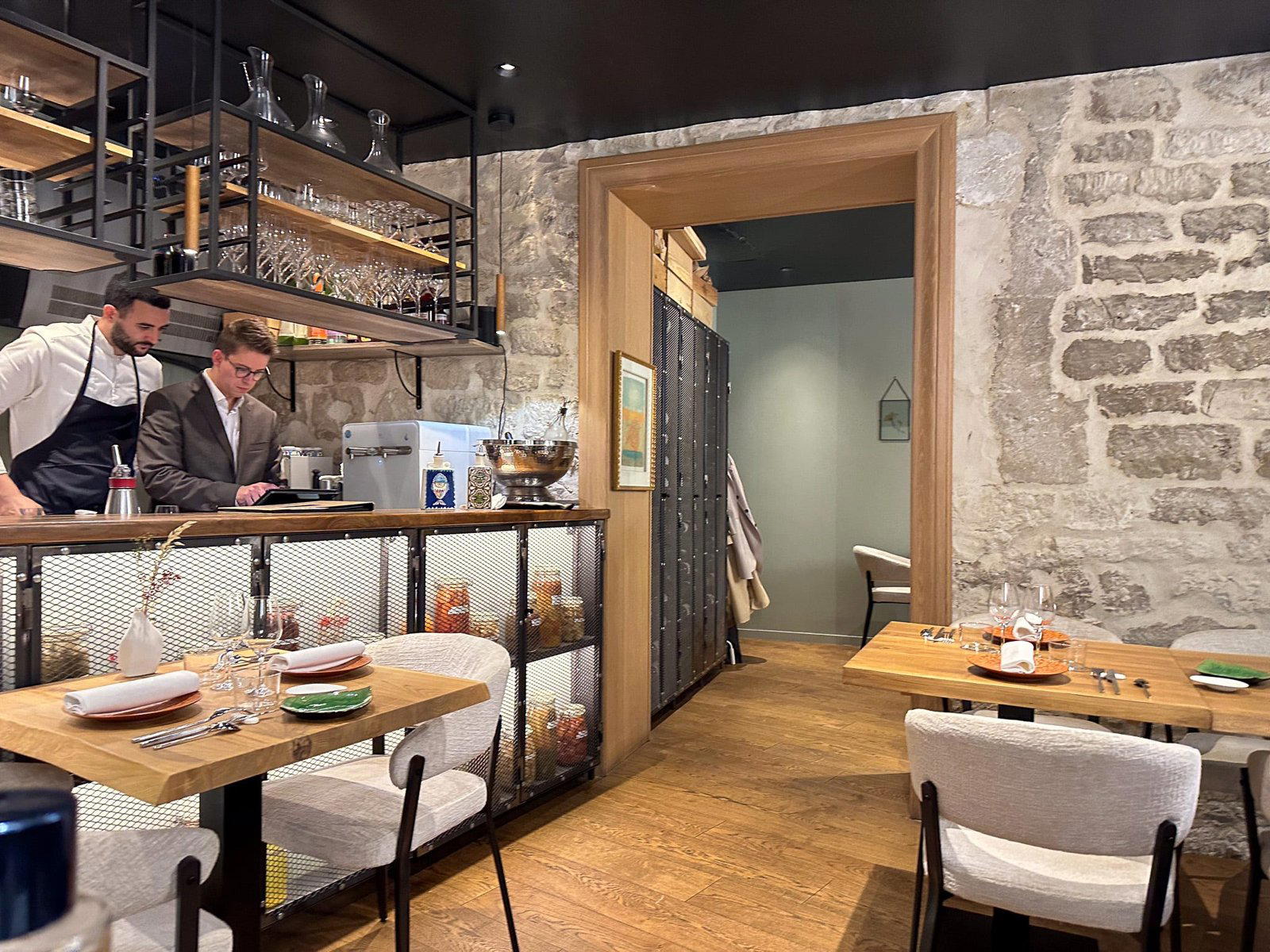
Awarded its first Michelin star in 2025 after holding a Michelin Plate in 2024, Aldehyde sits in the Marais on Rue du Pont Louis-Philippe with a creative menu from chef Youssef Marzouk. At the €€€€ tier, it operates well below the three-star creative houses but earns a 4.9 on Google across 106 reviews, making it one of the sharper-value entries in Paris's ambitious cooking scene.

Pearl is the En Primeur Club membership app, where members save venues, book tables and use the concierge.
The menu
What to order
- Chocolate façon After Eight
- Lamb Two Ways
Where the Marais Meets Serious Creative Cooking
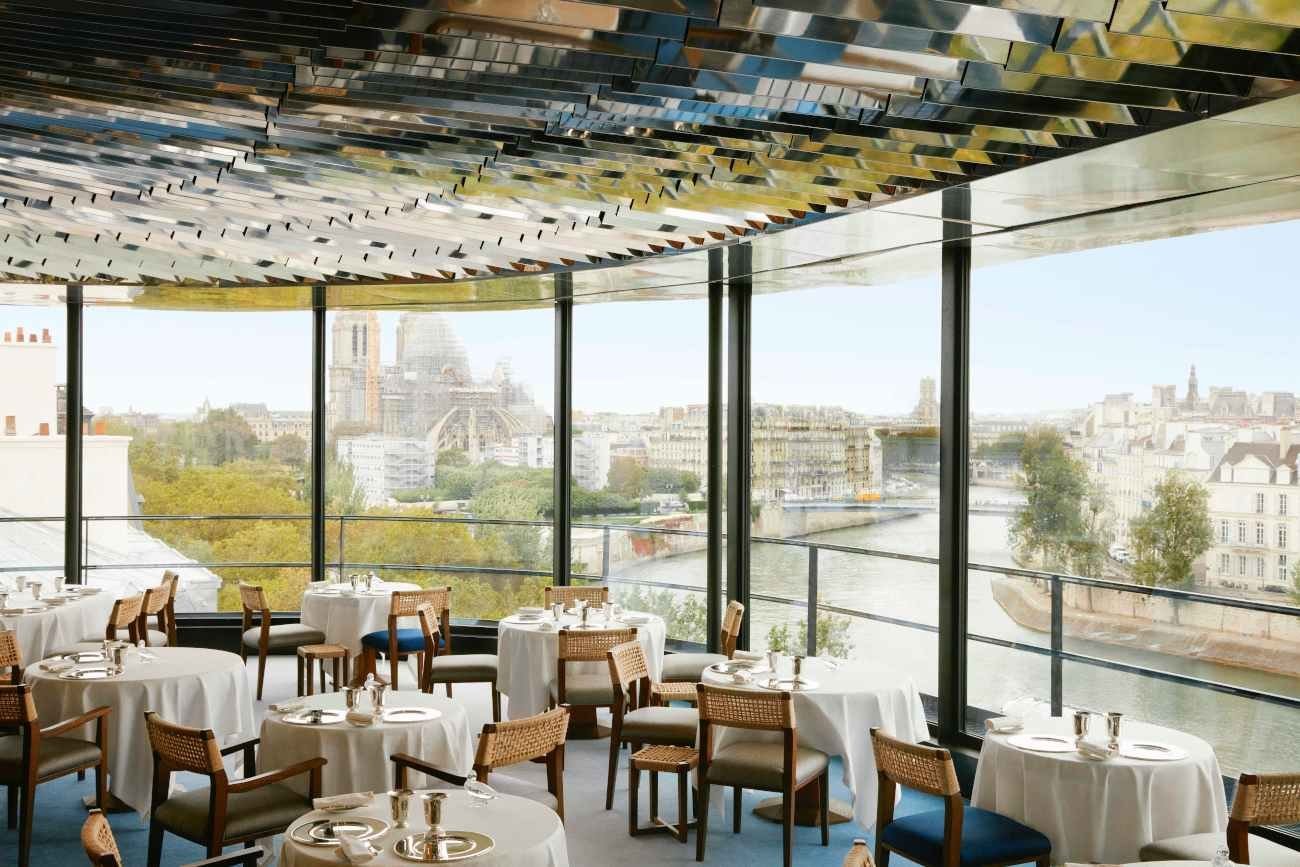
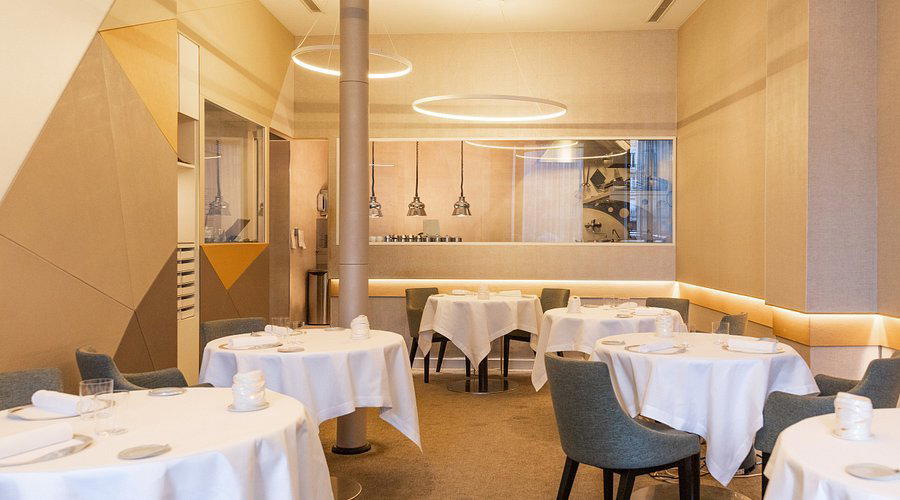
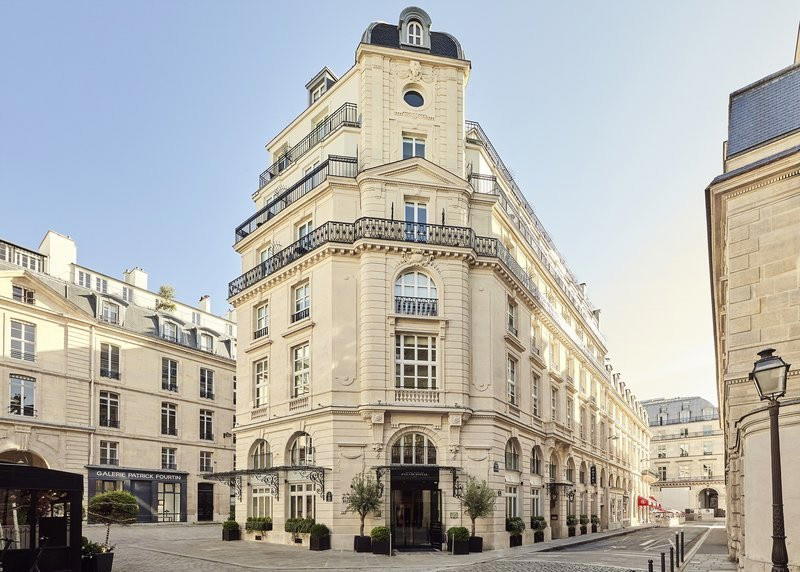
Rue du Pont Louis-Philippe runs along the Seine's right bank in the 4th arrondissement, its stone facades and quiet pedestrian pace setting it apart from the louder commercial arteries of the Marais. Aldehyde occupies this stretch at number 5, a modest address for a restaurant that earned a Michelin star in 2025 after carrying a Michelin Plate through 2024. The progression is notably fast by Paris standards, where recognition at this level typically follows years of quiet accumulation. Walking in, the geometry of the address does some of the editorial work: this is not a hotel dining room, not a Place Vendôme spectacle, not a room designed to signal money before a dish arrives. It is a neighbourhood-scale space making serious food.
Ingredient Sourcing as the Structural Argument
The word aldehyde is a chemical term, drawn from the volatile organic compounds that carry aromatic identity in everything from fresh herbs to aged wine. Naming a restaurant after an aromatic compound is a position statement about where the cooking's priorities lie: in the source material itself, specifically in what producers and terroir contribute before a chef's technique begins. This is the context in which chef Youssef Marzouk's creative menu makes most sense. Creative cuisine at the Michelin tier in Paris covers a wide range of approaches, from the architectural abstraction of Pierre Gagnaire to the produce-first asceticism seen at Arpège, where the kitchen's relationship with a biodynamic kitchen garden in the 7th has long defined the menu's character. Aldehyde's own position within this range remains harder to pin down from the outside, but the name signals something closer to the ingredient-led pole than the technique-led one.
That distinction matters more than it might appear. In Paris's €€€€ creative tier, where Alléno Paris au Pavillon Ledoyen and Le Meurice Alain Ducasse operate at three stars with substantial brigade infrastructure and highly processed extraction techniques, a one-star room at the same price bracket is implicitly making a different argument. It is saying that sourcing quality and compositional intelligence can hold their own without the full apparatus of a grand maison.
The Competitive Position
Paris's one-star creative cohort is a contested tier. It contains restaurants that have been there for a decade and those, like Aldehyde, that arrived with a Plate in one year and a star the next. The speed of the progression places it alongside a generation of Paris addresses where younger chefs are working in smaller formats with tighter sourcing networks and menus that change more frequently than the grand maisons can manage at scale. Blanc and Le Gabriel at La Réserve Paris represent adjacent points in the wider Paris fine dining spread, each working from different premises: one from a hotel context with the attendant wine programme and formality, the other from a chef-led independent stance.
The comparison with French regional cooking is also useful here. The ingredient sourcing tradition in French fine dining draws a continuous line from Bras in Laguiole, where Michel Bras's gargouillou essentially founded a genre of vegetable-led composition, through to the alpine precision at Flocons de Sel in Megève and the multi-generational terroir argument at Auberge de l'Ill in Illhaeusern. What distinguishes Paris-based creative cooking from those regional formats is the density of the supply infrastructure available in the capital: the Rungis wholesale market, specialist producers operating within a day's delivery radius, and a professional network that allows chefs to shift sourcing relationships quickly when quality drops. A small creative kitchen in the 4th is, in this sense, unusually well-positioned for ingredient-led work.
Internationally, the creative-at-Michelin-star tier shows similar structural logic in cities like Barcelona, where Cocina Hermanos Torres works from a large-format creative space, and Milan, where Enrico Bartolini runs across multiple properties. The Paris version, by contrast, tends to concentrate ambition into smaller rooms. Aldehyde fits that pattern.
Youssef Marzouk and the Michelin Progression
Chef credentials at the one-star level in Paris are rarely accidental. The Michelin Plate in 2024, which signals a kitchen cooking well and considered a candidate for star elevation, followed by a first star in 2025 within the same twelve-month cycle, indicates that inspectors tracked the kitchen closely and found consistent evidence of technique and intent. Marzouk's name in the context of a creative menu in the Marais places him in a cohort of Paris chefs working outside the hotel restaurant infrastructure that historically dominated French fine dining. The independent format, combined with the speed of recognition, suggests a kitchen operating with clarity of purpose rather than hedging toward a broader audience. France's broader tradition of chef-led creative restaurants, from the river-country cooking of Troisgros in Ouches to the southern Mediterranean influence at Mirazur in Menton, has always accommodated individual culinary voices. Aldehyde appears to be advancing one.
Planning a Visit
Aldehyde is at 5 Rue du Pont Louis-Philippe in the 4th arrondissement, within walking distance of the Pont Marie and Hôtel de Ville metro stations. At the €€€€ price tier, it sits at the same spend level as Paris's three-star creative houses but delivers from a first-star position, which typically means tighter menus, a shorter tasting format, and less elaborate wine programme infrastructure than the grand maisons. For visitors building a wider Paris itinerary, our full Paris restaurants guide maps the city's full dining range, while our Paris hotels guide, Paris bars guide, Paris wineries guide, and Paris experiences guide cover the rest. Regional context for the French fine dining tradition is well illustrated by Paul Bocuse's Auberge du Pont de Collonges near Lyon, the kitchen that arguably set the template for French culinary ambition at scale. The 2025 star elevation will have increased demand materially.
Frequently asked questions
Is Aldehyde more mid-range or high-end?
Pricing at Aldehyde is listed as €€€€.
Who's behind the kitchen at Aldehyde?
The chef associated with Aldehyde is Youssef Marzouk.
What dish is Aldehyde famous for?
No single signature dish has been documented in public record for Aldehyde, which reflects the nature of creative tasting menus where the repertoire shifts with sourcing and season. What is consistent is the kitchen's organisational logic: aromatic chemistry as a framework for building flavour, a conceit embedded in the restaurant's name. Aldehyde earned a Michelin Plate in 2024 and converted that to a full star in 2025, suggesting the cooking has a coherent identity even as individual plates evolve under chef Youssef Marzouk.
What's the cuisine at Aldehyde?
How do I find Aldehyde?
Aldehyde is located at 5 Rue du Pont Louis-Philippe, 75004 Paris, France, Paris.
What's Aldehyde known for in terms of accolades?
Aldehyde has received recognition including: Michelin 1 Star (2025); Michelin Plate (2024).
A Lean Comparison
Comparable options at a glance, pulled from our tracked venues.
| Venue | Cuisine | Price | Awards | Notes |
|---|---|---|---|---|
| AldehydeThis venue (the venue you are viewing) | Modern French with Tunisian Influences | $100–150 | 1 Michelin Star | Not listed |
| Alléno Paris au Pavillon Ledoyen | Modern French Fine Dining | $150–200 | 3 Michelin Stars · World's 50 Best #79 | Creative |
| Kei | Modern French with Japanese Influences | $300–500 | 3 Michelin Stars · World's 50 Best #93 | Contemporary French, Modern Cuisine |
| L'Ambroisie | Classic French Haute Cuisine | $300–500 | 2 Michelin Stars · World's 50 Best #23 | French, Classic Cuisine |
| Le Cinq - Four Seasons Hôtel George V | Modern French Fine Dining | $300–500 | 3 Michelin Stars · World's 50 Best #24 | French, Modern Cuisine |
| Plénitude | Modern French Sauce-Led Fine Dining | $300–500 | 3 Michelin Stars · World's 50 Best #14 | Contemporary French |
Recognition history
Dated appearances from independent guides and award organizations, with the underlying list record or original source where available.
Michelin 1 Star
Michelin
Full recognition history (3 entries)
Michelin 1 Star
Michelin
Michelin Plate
Michelin