Skip to Main Content
Modern French Naturalness Cuisine
← Collection
Paris, France

Alain Ducasse au Plaza Athénée

CuisineContemporary French
Executive ChefRomain Meder
Price≈$380
Dress CodeFormal
ServiceFormal
NoiseQuiet
CapacitySmall
World's 50 Best

Alain Ducasse au Plaza Athénée on Avenue Montaigne has ranked inside the World's 50 Best Restaurants nine times between 2005 and 2019, reaching as high as number 13. Chef Romain Meder leads a contemporary French programme inside one of Paris's most formally composed dining rooms, where the front-of-house and kitchen operate as a single coordinated system. Booking well in advance is strongly advised.

Pearl is the En Primeur Club membership app — saves, bookings, and concierge access live there. Same editors, same standards.

Plan your visit on PearlPlan Your Visit
Address
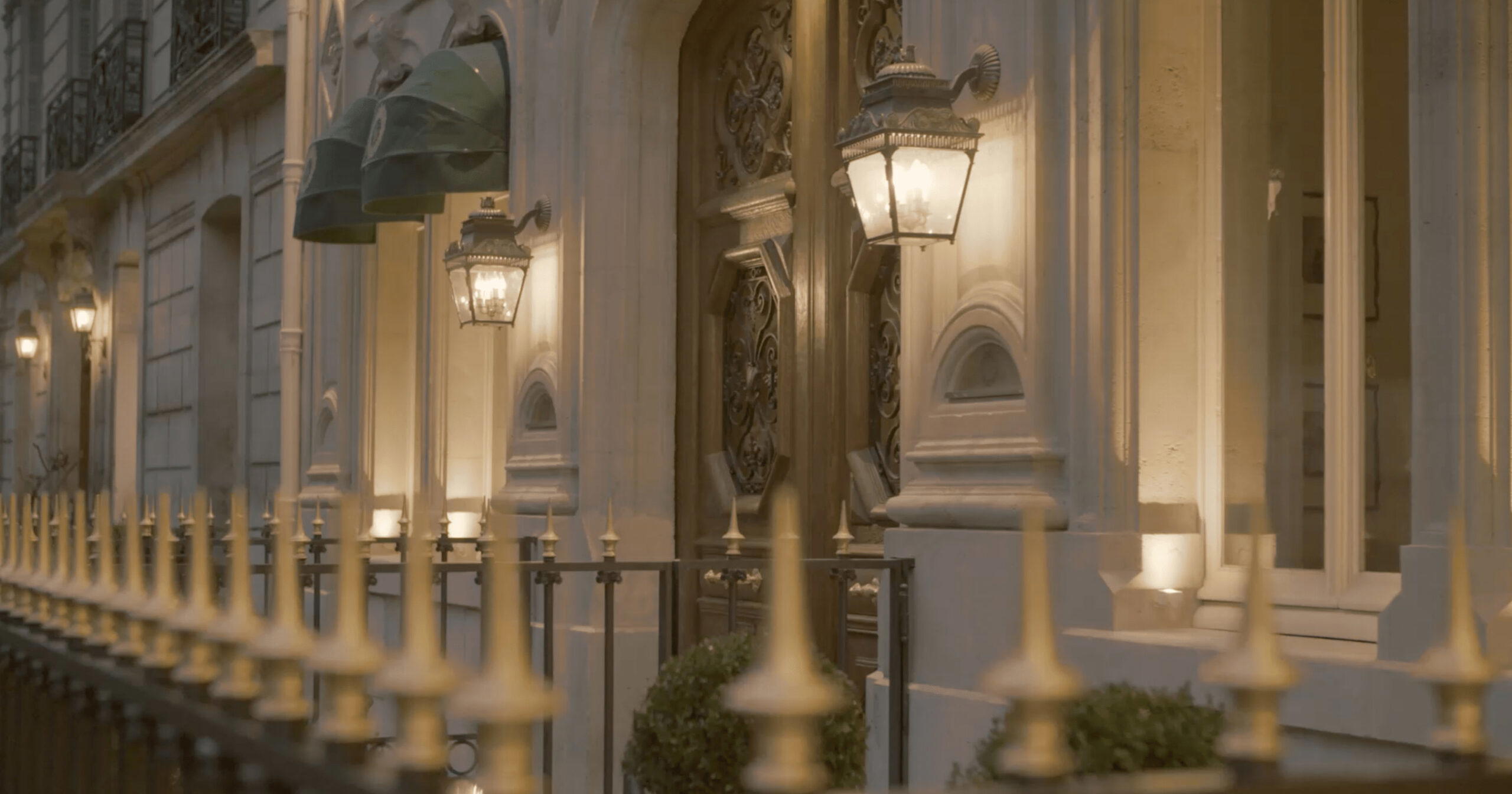
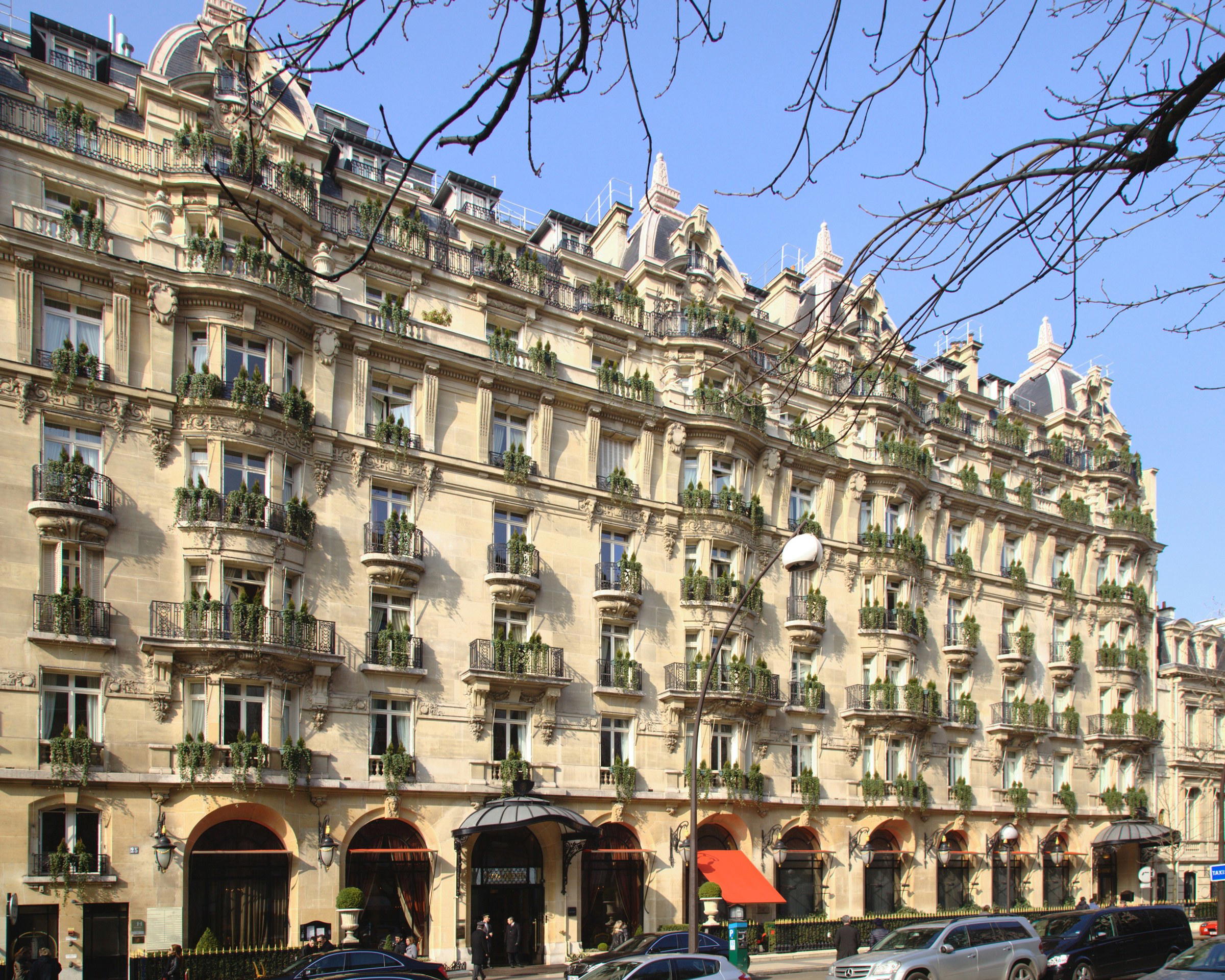
25 Av. Montaigne, 75008 Paris
Alain Ducasse au Plaza Athénée restaurant in Paris, France
About

Avenue Montaigne and the Weight of the Address

Avenue Montaigne does not allow a restaurant to slip quietly into position. The street carries couture houses, flagship hotels, and the particular pressure of being seen. A dining room on this stretch is not simply competing against other kitchens; it is competing against the cultural expectations loaded into a postcode that Parisians and international visitors alike arrive at with formed opinions. Alain Ducasse au Plaza Athénée, at number 25, is a permanently closed restaurant that helped define what the address means, rather than merely benefiting from it.

Within Paris's tier of €€€€ contemporary French restaurants, which includes Alléno Paris au Pavillon Ledoyen, Pierre Gagnaire, and Le Cinq at the Four Seasons George V, this address operates in a bracket defined as much by institutional weight as by nightly execution. What distinguishes one room from another at this level is rarely the gap between competence and incompetence. It is the particular character of the system each restaurant has built, and how that system expresses itself on an ordinary Thursday as readily as on a night with critics in the room.

A Room That Makes Demands

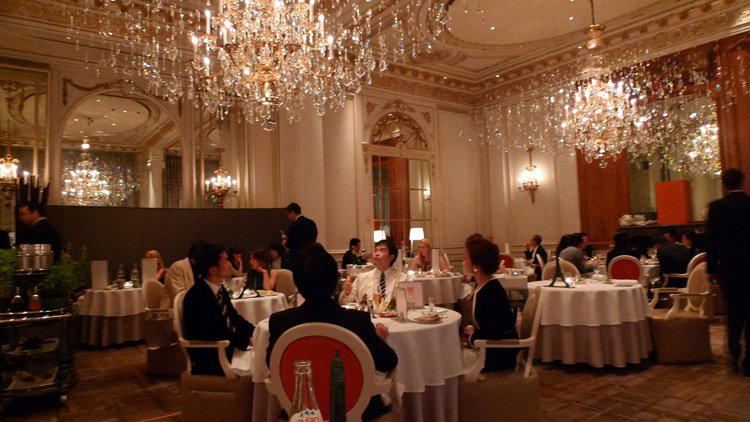
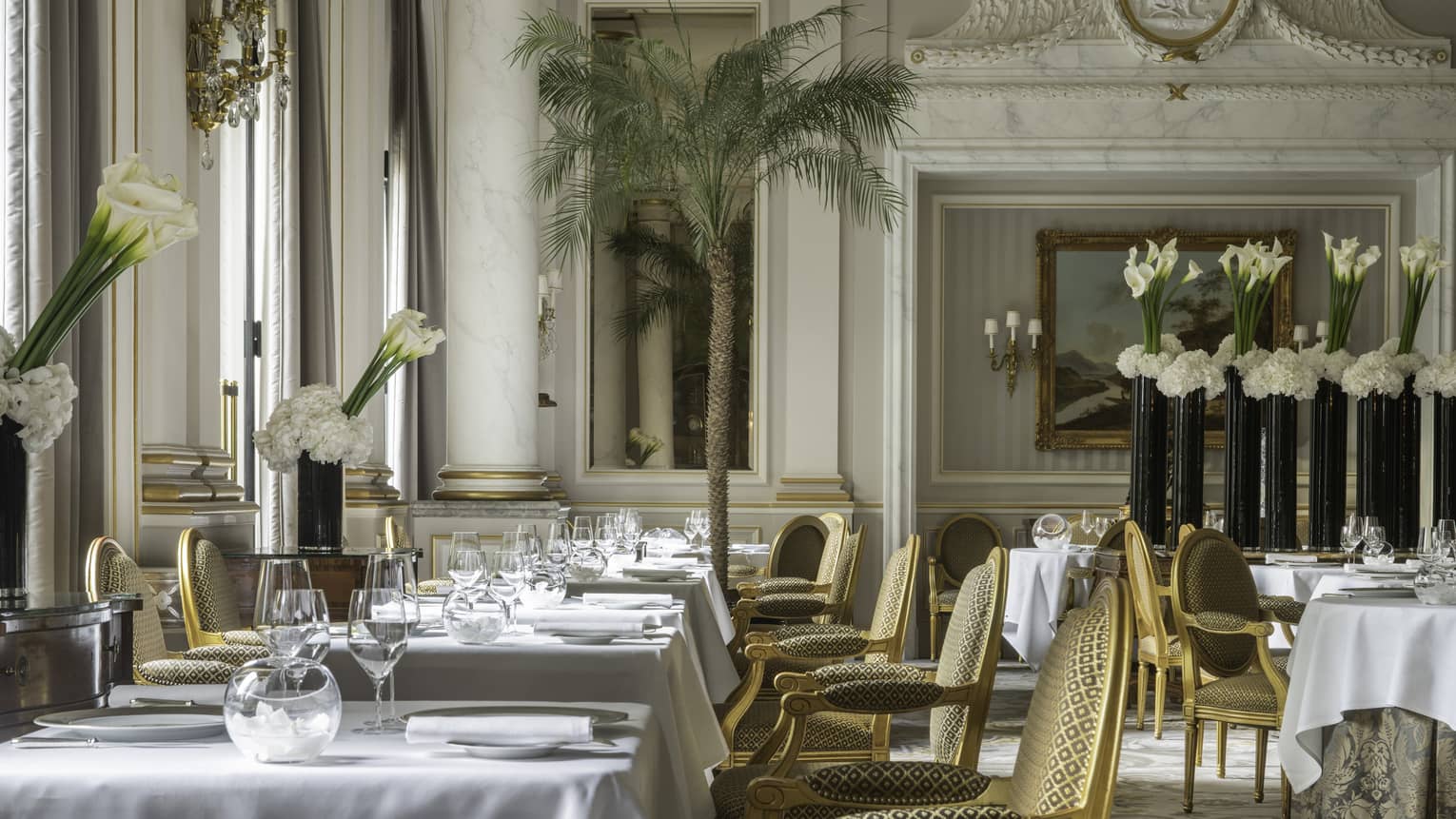
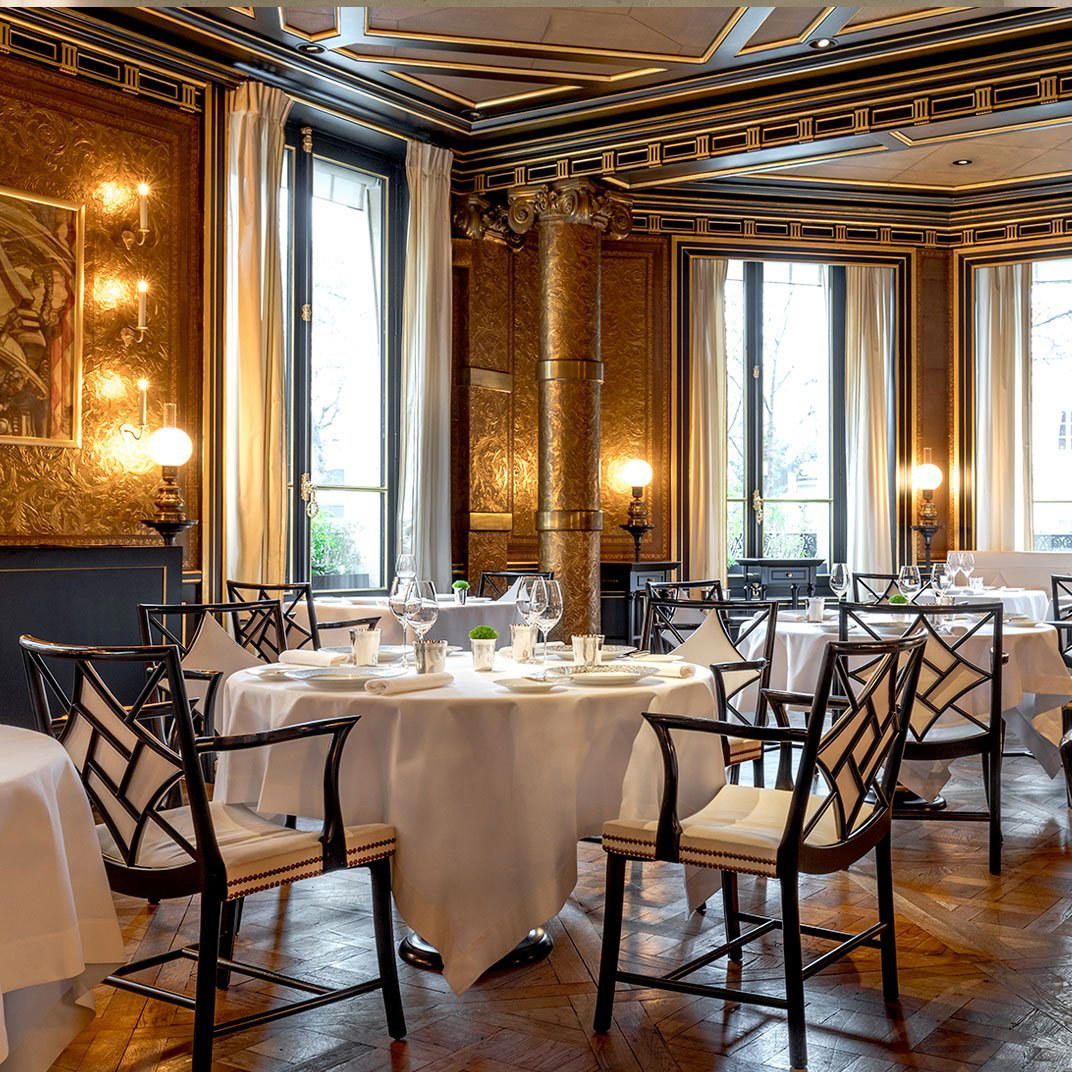
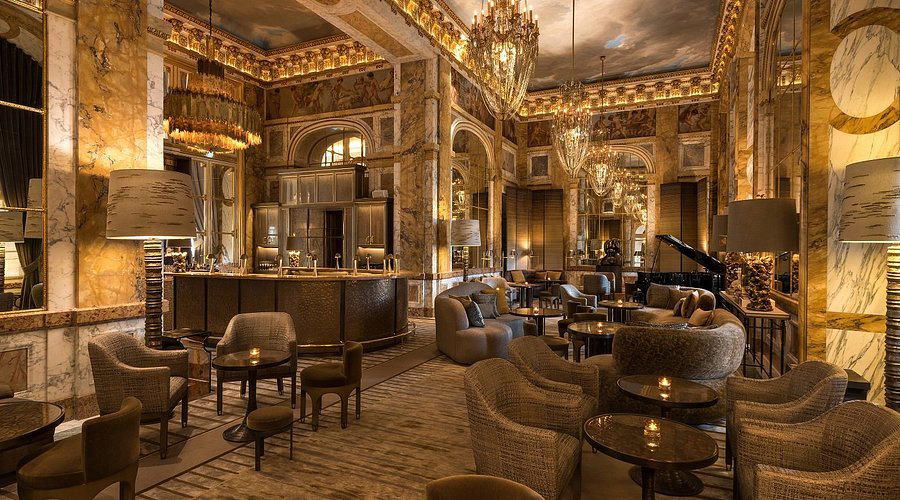
The dining room at the Plaza Athénée belongs to a category of French grand hotel restaurants that has thinned considerably since the 1990s. The chandeliers, the proportions of the space, the particular quality of the silence between courses, these are not design decisions made by an interior architect on a brief. They are the accumulated result of a hotel that has been performing formal hospitality for long enough that the formality has become structural rather than affected. Walking in carries the slight adjustment of a person recalibrating their posture, not from discomfort but from the room's quiet insistence on a certain register of attention.

That physical context matters because it sets the terms for everything the team must deliver. In a room this composed, a fault in service timing or a wine pour that arrives a beat late does not pass unnoticed. The front-of-house operation at this address has always been assessed against the room itself, not merely against other restaurant floors.

The Team as the Mechanism

The editorial angle most useful for understanding what this restaurant actually is involves looking at how the kitchen, sommelier, and front-of-house function as an integrated unit rather than as separate departments. At the level of recognition this restaurant has sustained, nine appearances inside the World's 50 Best between 2005 and 2019, with a peak position of number 13, individual brilliance is a given. The differentiating variable is coordination.

Chef Romain Meder holds the kitchen position in a contemporary French programme that draws on the Ducasse network's accumulated intellectual framework around French terroir and ingredient-led discipline. That framework, developed across multiple restaurants and decades, means the kitchen is not improvising its philosophical position each season. It is working within an established set of principles that the front-of-house and sommelier can articulate with equal fluency. When a server explains a dish, or a sommelier introduces a pairing, the explanation connects to the same underlying logic that produced the dish. That alignment is rarer than it sounds in rooms of this scale.

Paris's three-Michelin-star tier has several restaurants where kitchen ambition outpaces the floor's ability to translate it, and others where a polished front-of-house operation delivers a slightly diluted version of what the kitchen intended. The system here has been calibrated over a longer period than most, which is why the 50 Best rankings remained consistent across a span of fourteen years rather than peaking and retreating.

Contemporary French at the Formal End of the Spectrum

The cuisine classification, contemporary French, covers a wide range of positions in Paris. At one end, it describes restaurants testing the outer edges of technique and sourcing. At the other, it describes houses where contemporaneity means a commitment to the present tense of classic French traditions rather than their museum-display version. This kitchen sits toward the latter: a programme rooted in French ingredients and French cooking logic, updated in its execution but not in the business of dismantling its own foundations for effect.

That positioning places it in a different competitive conversation from, say, the more overtly creative operations at Plénitude or Le Grand Restaurant, and in a different register from the more format-experimental approaches at Sur Mesure or the quieter ambitions of Neige d'Eté. Within the Ducasse network itself, the contrast is instructive: Maison Sota Atsumi and Abbaye de la Celle Alain Ducasse both operate under related principles but in entirely different physical and cultural registers.

France's most recognised restaurants, Mirazur in Menton, Troisgros in Ouches, Bras in Laguiole, Auberge de l'Ill in Illhaeusern, Flocons de Sel in Megève, and Paul Bocuse in Collonges-au-Mont-d'Or, each anchor a regional identity that is inseparable from where they cook. The Plaza Athénée kitchen makes a different argument: that Paris itself is a sufficient terroir, and that the grand hotel dining room at full operation is as legitimate a context for serious French cooking as any rural auberge.

The Sommelier's Position in This Particular System

At a restaurant operating in the formal grand hotel tradition, the wine programme is not a supporting element. It is a co-equal component of the guest's experience, and the sommelier function carries a corresponding weight. The programme at this address draws on cellars appropriate to the room's register, which in practice means depth in classic French regions and the expectation that a guest's specific direction, a preference for a particular appellation, a question about a lesser-known producer, a request to stay within a budget that may feel constrained by the room's price tier, will be met with knowledge rather than upselling instinct.

This is where team dynamic becomes directly observable. A sommelier who functions in harmony with the kitchen's progression can pace a wine selection against the menu's architecture. A sommelier who is running a parallel operation produces the friction that guests sometimes describe without being able to name precisely, a sense that the meal is two things rather than one. The consistency of this restaurant's 50 Best presence across formats and vintages suggests the former has been the operating condition here.

Planning a Visit

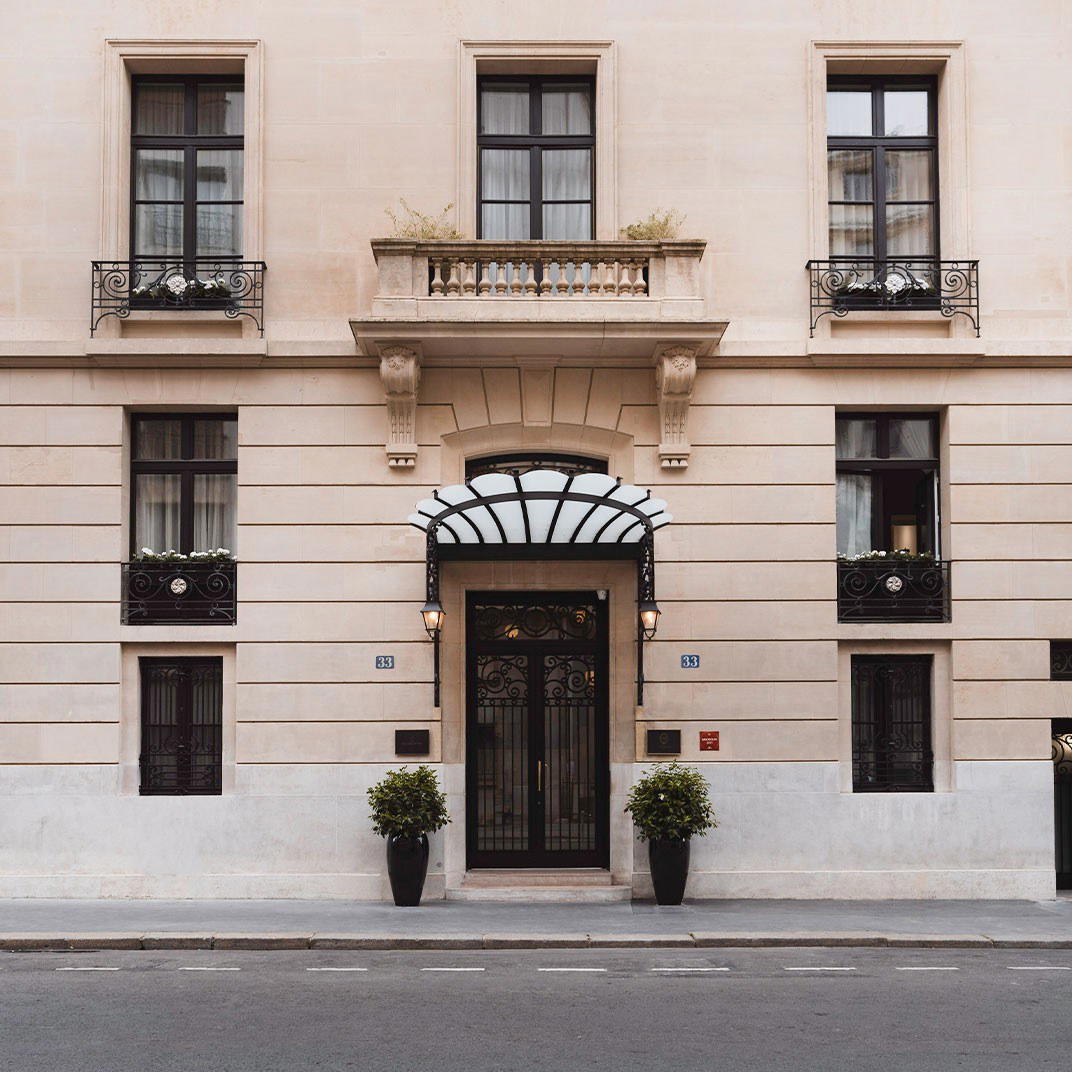
The restaurant was located at 25 Avenue Montaigne, 75008 Paris, within the Plaza Athénée hotel. Reservations at this level of Paris dining should be secured well in advance; the combination of limited covers, the hotel's event calendar, and sustained international demand means last-minute availability is not a reliable strategy. Dress code expectations align with the room's register, formal attire is the operative standard, not a suggestion. For anyone building a broader Paris itinerary, our full Paris restaurants guide, Paris hotels guide, Paris bars guide, Paris wineries guide, and Paris experiences guide provide the surrounding context. Among Ducasse's broader French network, Auberge du Père Bise in Talloires-Montmin represents the lakeside counterpoint to what Avenue Montaigne proposes.

Signature Dishes
Cauliflower with Comté cheese baked in briocheBreton langoustines with caviarCaillé de brebis with cereals and miel arbousier
Frequently asked questions

A Pricing-First Comparison

Comparable venues nearby, for context on price, style, and recognition.

At a Glance
Vibe
  • Elegant
  • Sophisticated
  • Opulent
  • Classic
Best For
  • Special Occasion
  • Date Night
  • Business Dinner
Experience
  • Hotel Restaurant
  • Private Dining
Drink Program
  • Extensive Wine List
  • Sommelier Led
Sourcing
  • Local Sourcing
Dress CodeFormal
Noise LevelQuiet
CapacitySmall
Service StyleFormal
Meal PacingExtended Experience

Lighter space with massive chandeliers surrounded by delicate sparkling Swarovski crystals, polished oak tables, and a dramatic swooping arch over a private table, creating an extravagant yet natural atmosphere.

Signature Dishes
Cauliflower with Comté cheese baked in briocheBreton langoustines with caviarCaillé de brebis with cereals and miel arbousier