Al Fresco Restaurant
Al Fresco Restaurant belongs to the inland Galle dining circuit, where the appeal is less about imported luxury cues and more about proximity to spice gardens, tropical produce, and the slower rhythm beyond the fort. For Angulugaha, it gives travellers a useful counterpoint to coastal seafood rooms and heritage-hotel dining in the south.
Pearl is the En Primeur Club membership app — saves, bookings, and concierge access live there. Same editors, same standards.
- Address
- Kahanda Kanda, Angulugaha, Galle 80000 (central)
- Directions
- Get directions
 Saves & bookings on Pearl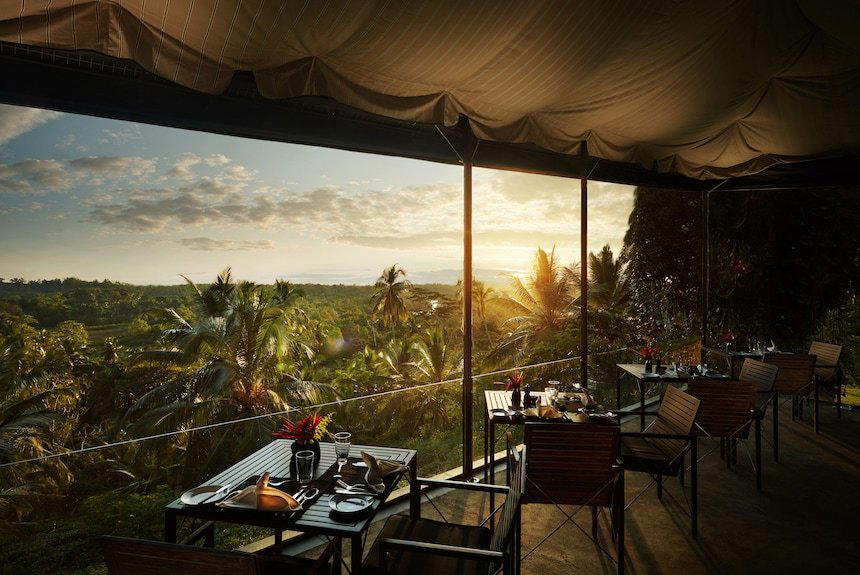
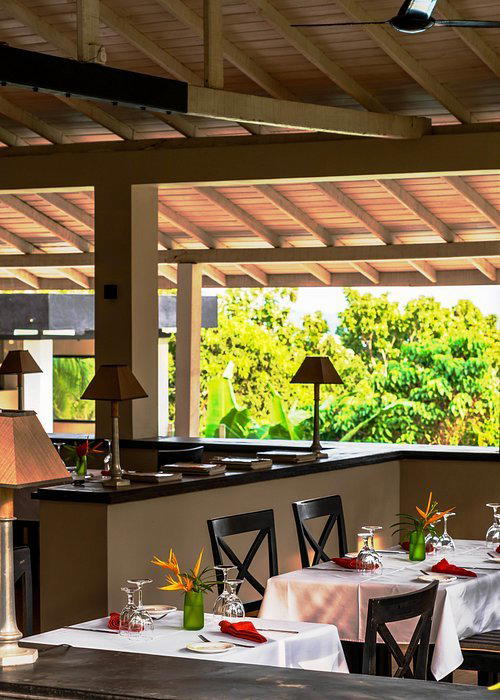
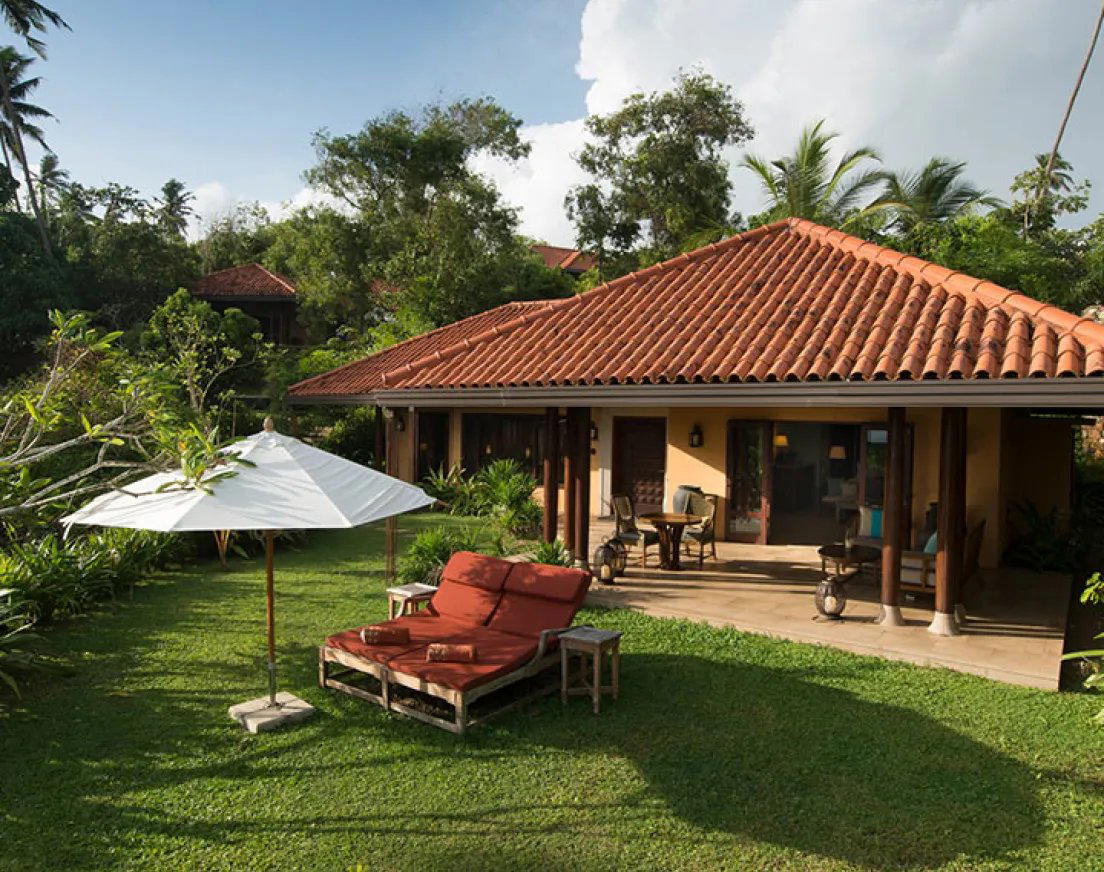
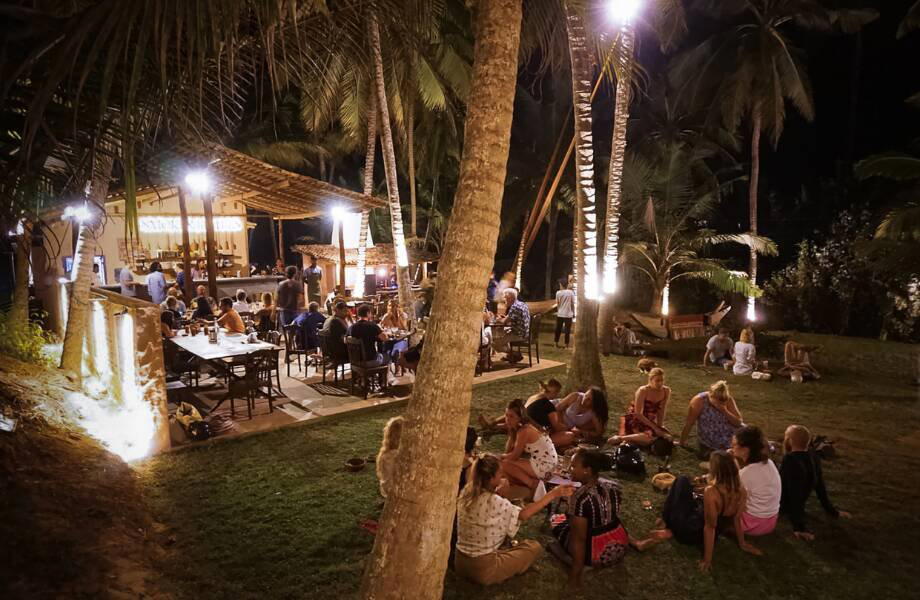
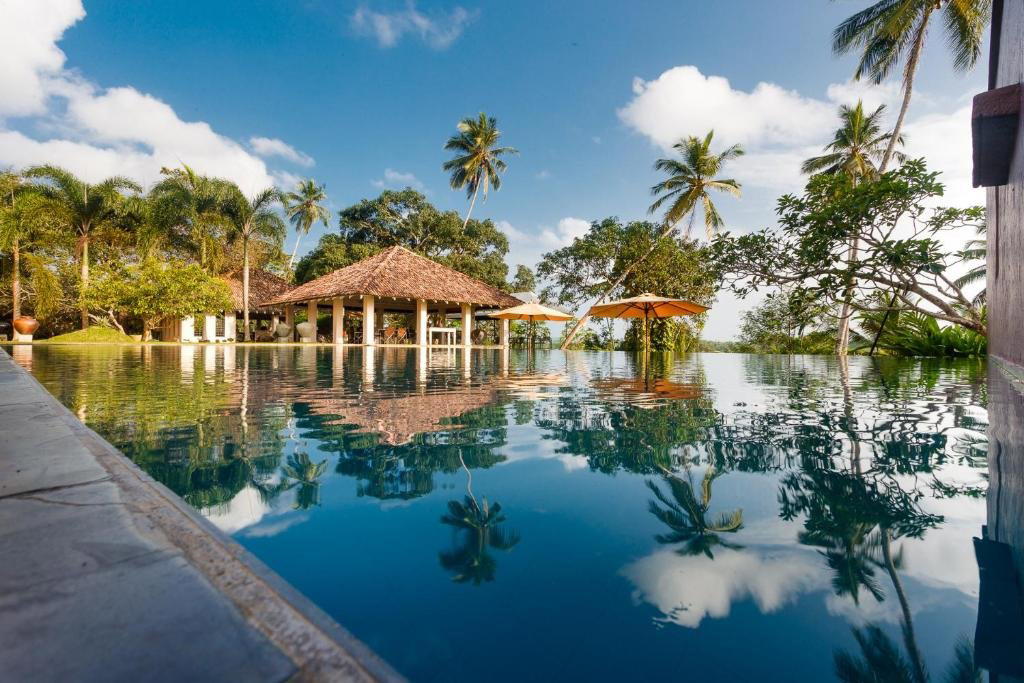
The approach to inland Galle changes the appetite before the menu does: road noise thins, palms close in, and the air carries the damp green smell of the southern low country. In this part of Sri Lanka, outdoor dining is not a decorative concept borrowed from resort language. It is a practical response to climate, garden produce, and the way meals stretch when the heat drops. Al Fresco Restaurant sits inside that tradition, better read as part of Angulugaha’s rural Galle fringe than as a stand-alone dining address.
Garden-country dining, not fort-side theatre
Southern Sri Lanka often gets flattened into two dining images: the seafood table by the beach and the colonial dining room inside Galle Fort. Angulugaha offers a quieter third category. The inland belt around Galle has access to coconut, cinnamon, pepper, tropical fruit, greens, and rice-field cooking traditions that make sourcing feel local without needing to announce itself as a concept. That matters because the region’s stronger meals are often built from produce that has not travelled far, rather than from imported luxury ingredients designed to signal status.
Al Fresco Restaurant is useful in that context because its setting points the meal toward the agricultural south rather than the souvenir version of Sri Lankan dining. The distinction helps set expectations. Travellers looking for a heavily choreographed tasting menu should compare the broader Sri Lankan dining circuit; travellers interested in how the Galle hinterland eats will find the location itself doing part of the editorial work.
The ingredient-sourcing angle is especially relevant in Sri Lanka, where the distance between garden, market, and kitchen can be short but inconsistent. Cinnamon from the southwest, coconut in multiple forms, lagoon fish from the coast, and hill-country vegetables from further inland all shape menus across the island. A restaurant in Angulugaha has a different sourcing logic from a Colombo dining room or a beach-club kitchen: it can draw on the Galle area’s produce culture while avoiding the heavier performance of city dining. That does not automatically make the food better; it makes the frame clearer.
How it compares across the southern circuit
For readers mapping a Sri Lanka itinerary, the comparison is not only between restaurants, but between dining formats. Galle and the south split into fort addresses, coastal resort tables, rural villa restaurants, and casual curry houses. AQUA Forte in Galle belongs to a different register, with a city-adjacent Italian lens. Cape Weligama in Weligama and Harvest Table by Anantara in Tangalle read through the resort-dining category, where the view, hotel infrastructure, and international guest profile carry as much weight as the menu. Angulugaha’s appeal is narrower and more grounded: inland, slower, less dependent on spectacle.
That difference is the reason Al Fresco Restaurant works as a useful southern stop rather than a generic hotel meal. The garden-country format gives the kitchen a credible relationship to regional produce, even when the public-facing details are sparse. It also suits diners who want a meal that sits between domestic Sri Lankan cooking and the more polished hospitality language of Galle’s boutique properties. In a country where the same curry-and-rice vocabulary can range from homestay cooking to formal service, context is a better guide than adjectives.
For broader planning, EP Club’s city and category pages help separate the area’s formats: Our full Angulugaha restaurants guide, Our full Angulugaha hotels guide, Our full Angulugaha bars guide, Our full Angulugaha wineries guide, and Our full Angulugaha experiences guide. Travellers building a wider Sri Lanka dining route can also compare inland and coastal patterns through 1864 Limited Edition in Colombo, Bastille in ගාල්ල, Ceylon Tea Trails Restaurant in Hatton, COAST in Yala, Crystal Jade in කොළඹ, Dhira in Tissamaharama, Grand Thai Restaurant in Nuwara Eliya, and Hideaway Restaurant in Kalkudah Beach. The inclusion of Jōdo Saké Bar in Los Angeles and Onigiri Time in Pasadena is less about regional comparison and more about format contrast: small, focused venues can be useful benchmarks even when the cuisine has nothing in common.
Who should make the detour
The strongest case for the restaurant is for travellers already moving through inland Galle rather than those trying to compress the south into a single restaurant reservation. Angulugaha is not the same proposition as Galle Fort, Weligama, or Tangalle. Its value is in tempo and setting: a meal placed close to the vegetation and produce systems that define much of the region’s cooking. That makes it a better fit for guests staying nearby, families who want a calmer meal away from dense coastal traffic, and travellers who see food as part of a day’s geography rather than a separate performance.
The critical caveat is expectation. With no listed awards, public chef attribution, or published price range, the restaurant should not be judged against trophy dining rooms or tasting-menu counters. It belongs to a category where the surrounding agricultural character, hospitality setting, and regional ingredients carry the argument. Read that way, the restaurant has a clear place in the southern Sri Lankan dining map: not the loudest stop, but a telling one for how the Galle hinterland frames a meal.
Comparable Spots, Quickly
Comparable venues by cuisine and price in the same metro.
| Venue | Cuisine |
|---|---|
| Al Fresco Restaurant | This venue |
Continue exploring
More in Angulugaha
Restaurants in Angulugaha
Browse all →
Bars in Angulugaha
Browse all →
At a Glance
- Romantic
- Quiet
- Scenic
- Elegant
- Intimate
- Date Night
- Celebration
- Group Dining
- Special Occasion
- Garden
- Terrace
- Courtyard
- Hotel Restaurant
- Garden
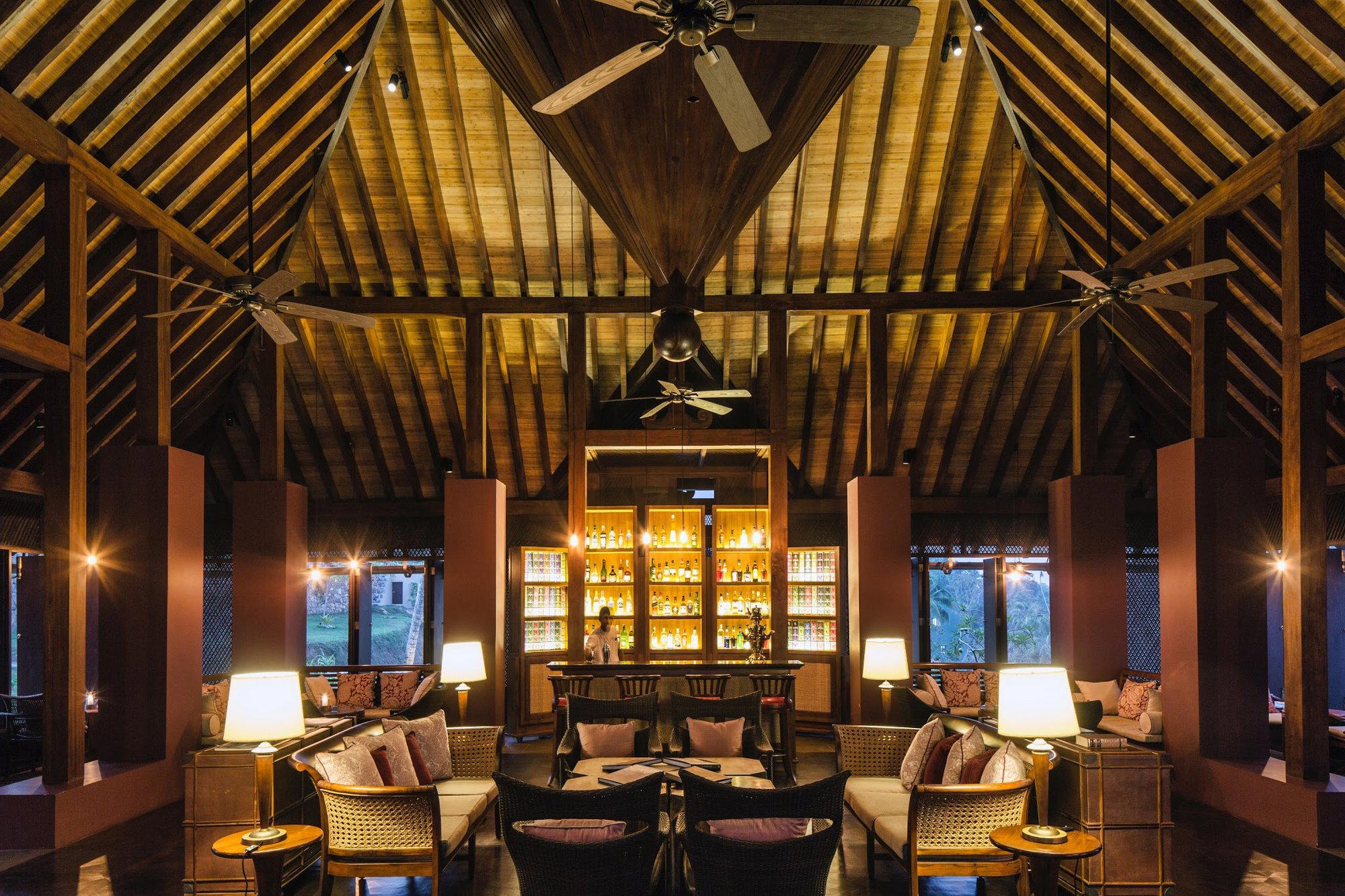
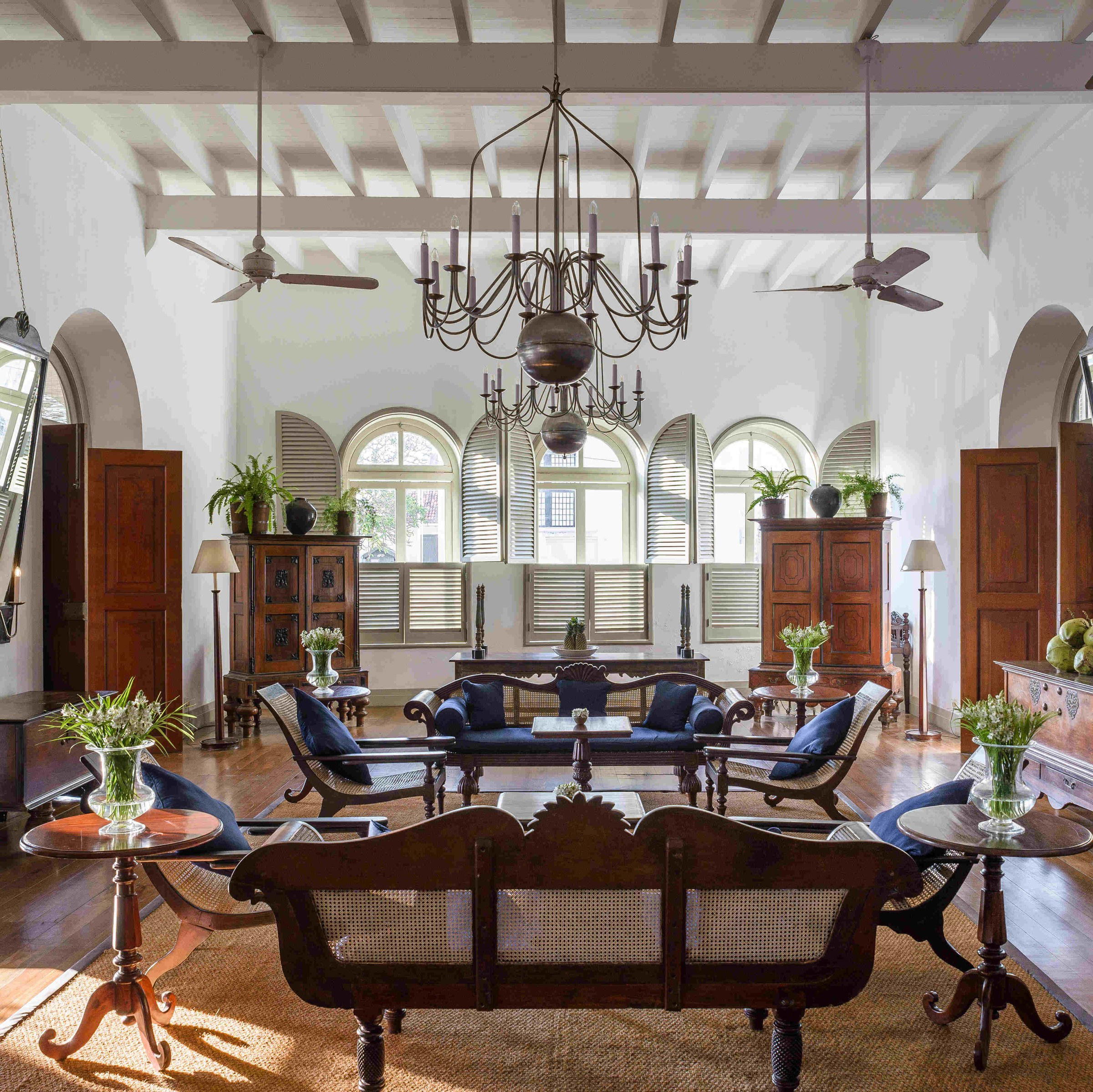
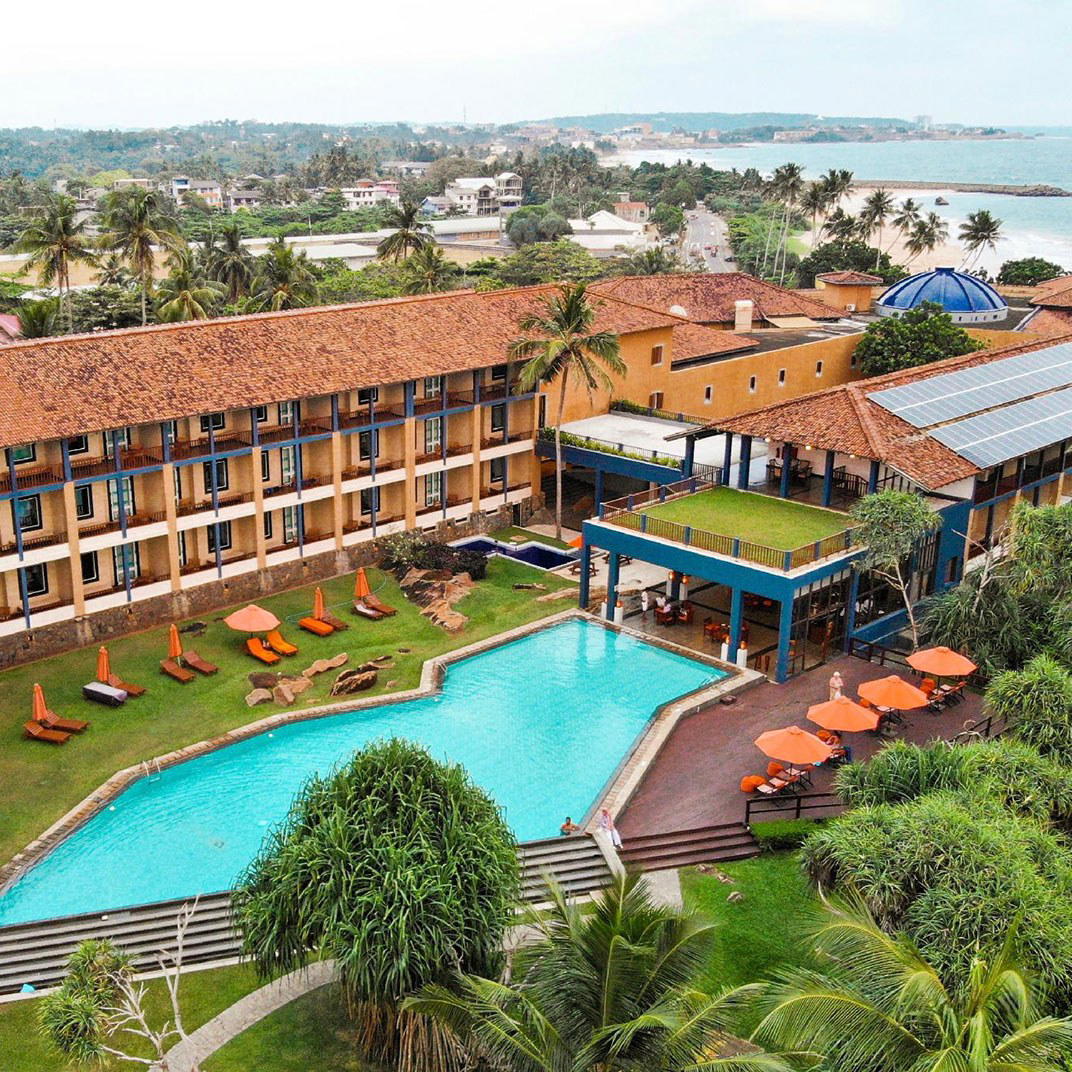
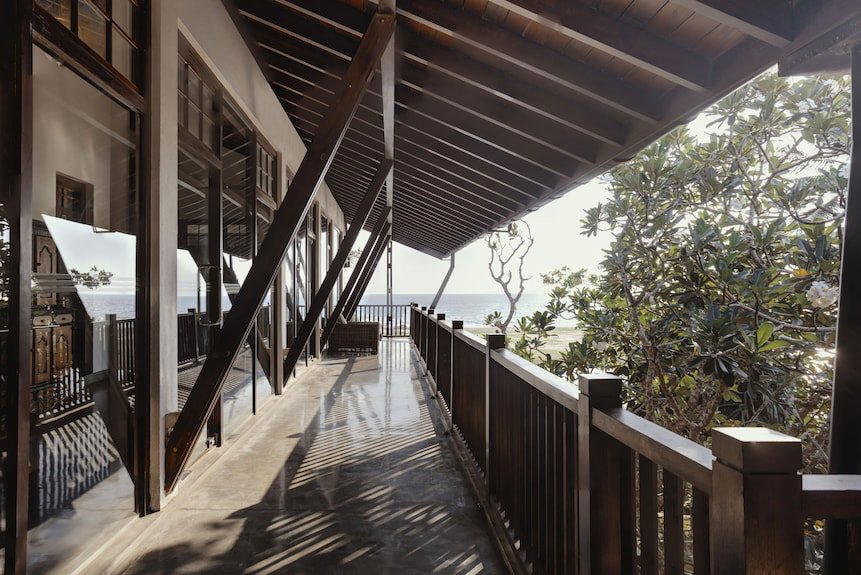
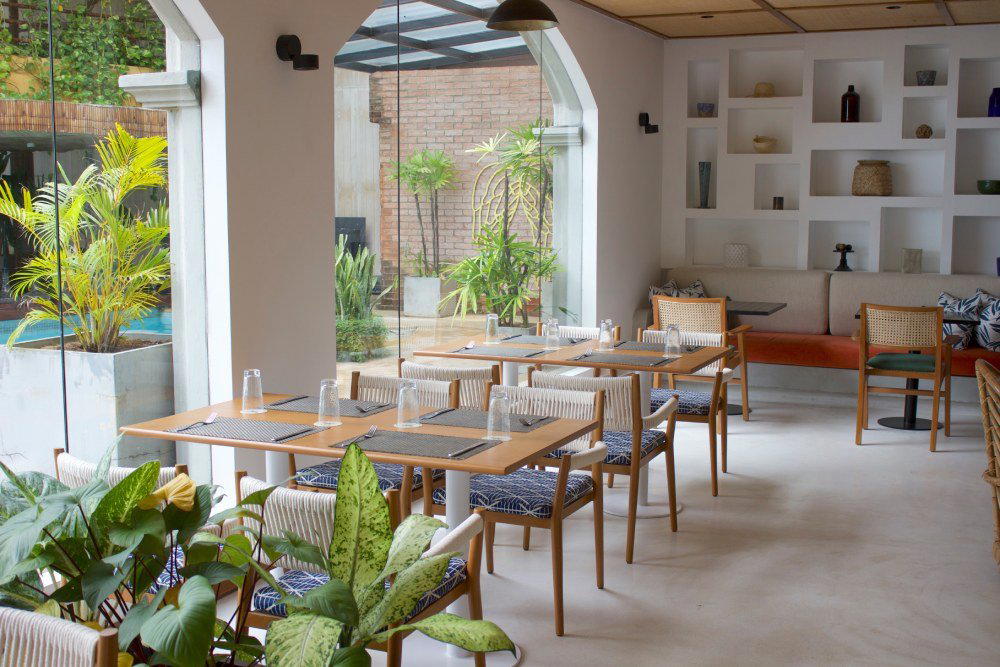
The ambiance is serene and romantic, with open-air dining overlooking lush tea estate gardens, soft lighting in the evening, and a relaxed, upscale but unpretentious atmosphere that emphasizes privacy and quiet over bustle.