Our verdict
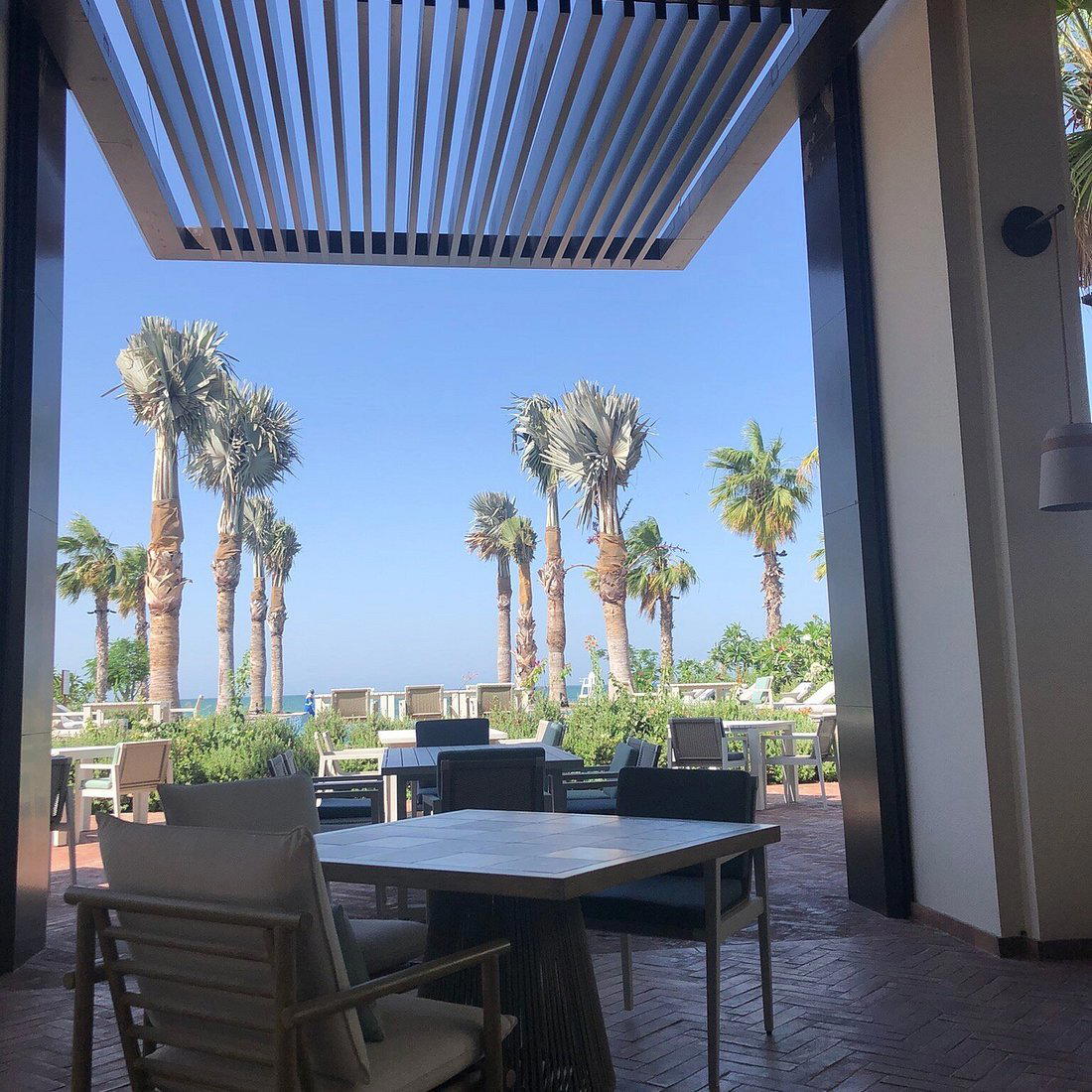
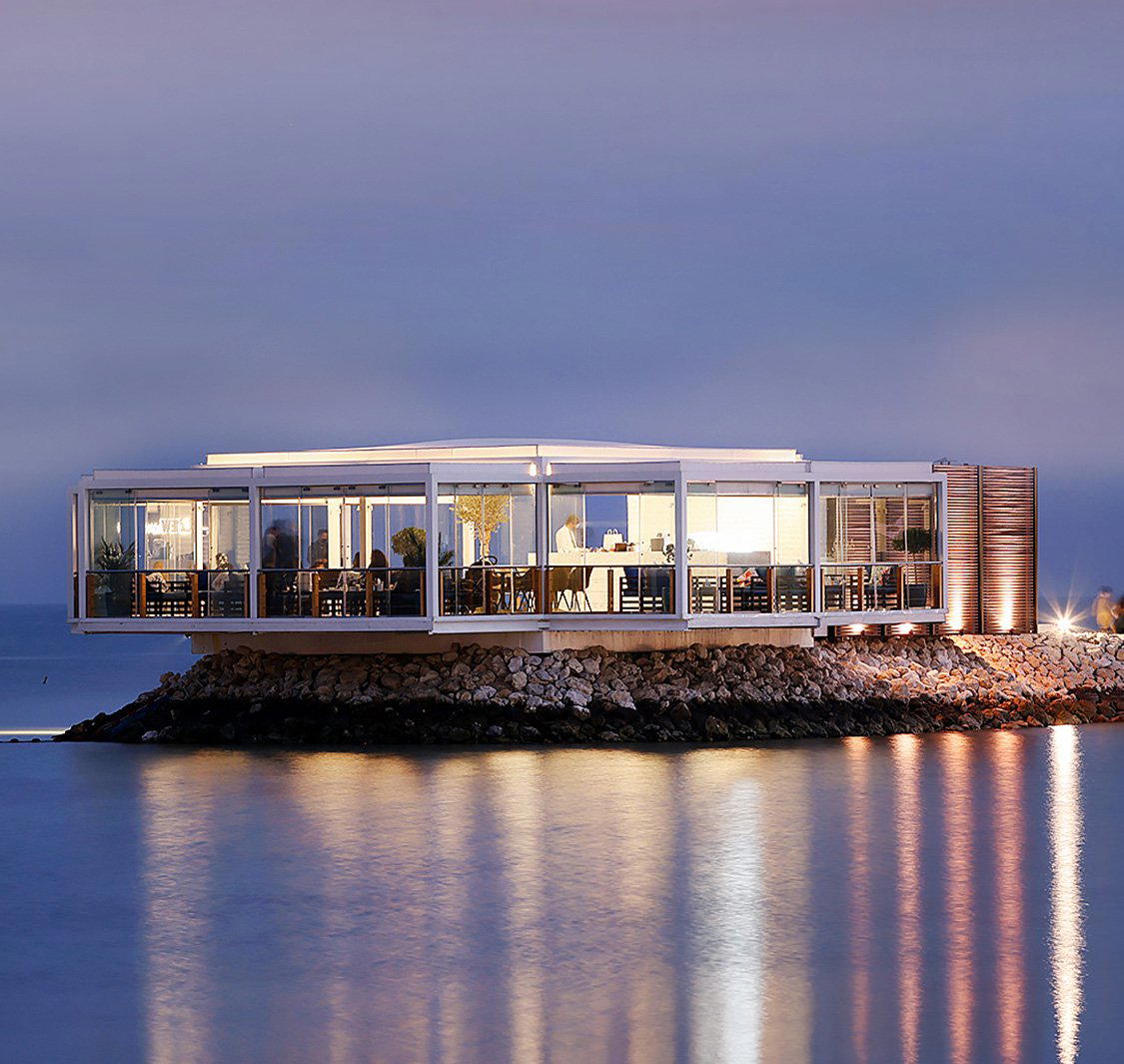
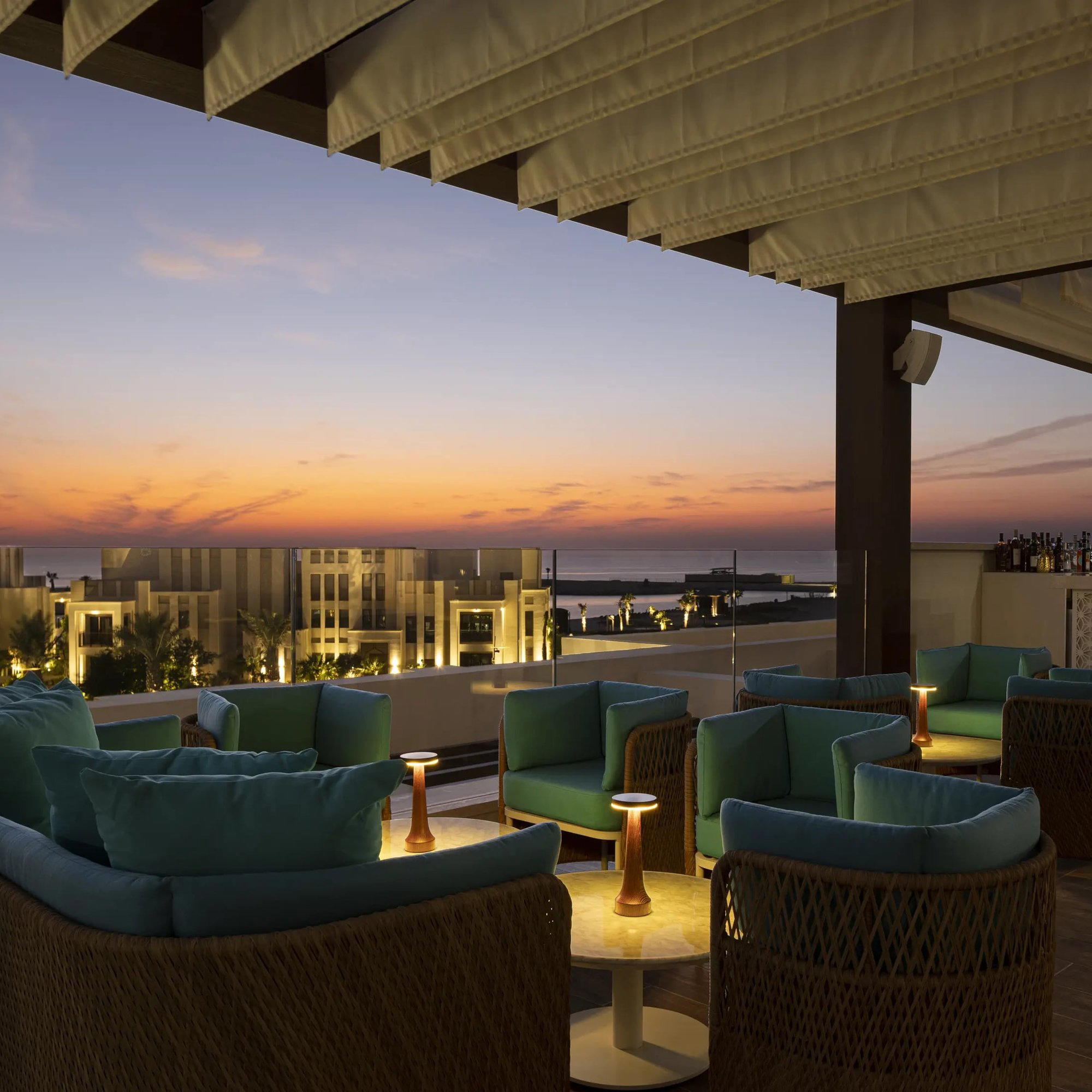
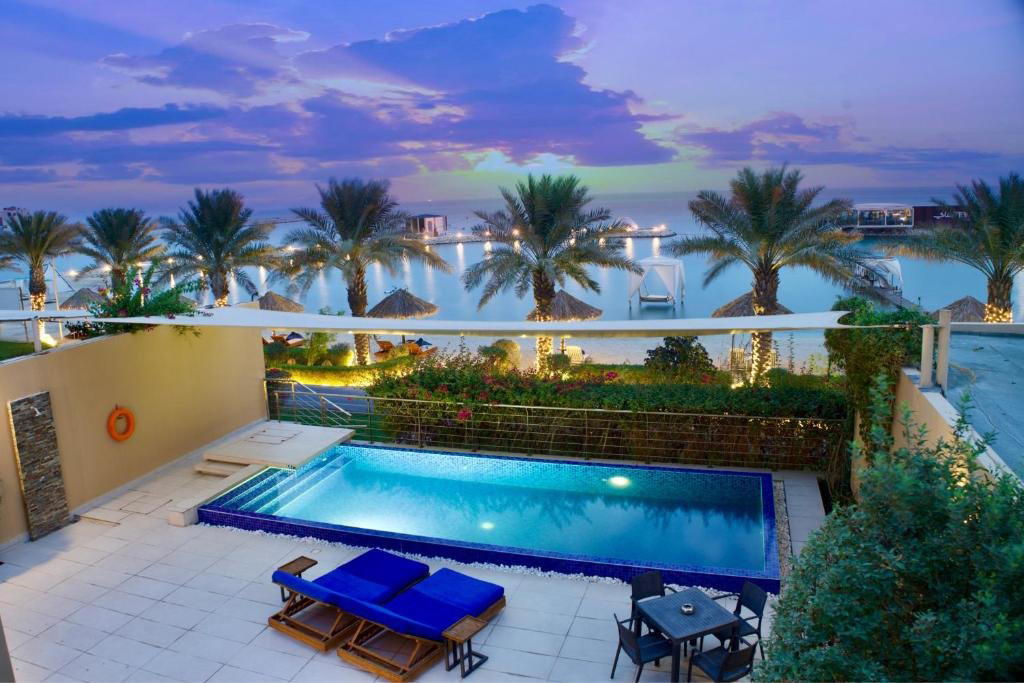
Al Bareh Restaurants belongs to Bahrain’s coastal dining conversation, where seafood culture, Gulf hospitality, and out-of-centre addresses shape the meal before a menu is opened. Its beachfront position in Jau places it away from Manama’s hotel-heavy dining circuits, making the setting part of the editorial reason to go rather than a decorative afterthought.

Pearl is the En Primeur Club membership app — saves, bookings, and concierge access live there. Same editors, same standards.
- Address
- BLD 2129, Road 94, BLK 960 Jau, Bahrain (Beachfront)
- Directions
- Get directions
The menu
What to order
- Bahraini Breakfast
- Lebanese Breakfast
- English Breakfast
- Jaw Breakfast
The approach to dining in Manama changes the register of a Bahrain meal. Polished restaurants and mall-adjacent cafés sit alongside quieter coastal tables, where the water is not a design theme but part of the local condition. Al Bareh Restaurants belongs in that Manama conversation, and the context matters: shared tables, relaxed pacing, and a coast-facing setting make most sense as part of the city’s wider dining rhythm, not as an isolated restaurant category.
That is the useful lens. Bahrain’s restaurant culture is often discussed through capital-city addresses, but its dining identity is wider than a single district or format. The dining map runs from business-focused kitchens and hotel dining rooms to casual cafés, contemporary local cooking, and waterside venues whose authority comes from atmosphere and setting rather than ceremony. For a broader sweep, compare the capital’s urban choices in Our full Manama restaurants guide with the adjacent hospitality ecosystem in Our full Manama hotels guide, Our full Manama bars guide, Our full Manama wineries guide, and Our full Manama experiences guide.
Beachfront dining in Bahrain is about supply, not scenery alone
Ingredient handling is the stronger story than décor. A beachfront restaurant in Manama enters the city’s dining conversation by setting first. The test is not whether the room photographs well; it is whether the meal understands its coastal mood: preparations that do not bury the main ingredient, accompaniments that reset the palate, and shared-table pacing with enough structure for a group meal.
Manama’s range clarifies the distinction. Some dining rooms represent the international restaurant model, where luxury codes and brand recognition frame the spend. Others sit closer to a contemporary local conversation, drawing on Bahrain’s dining habits without becoming formal or fixed. There are also casual cafés and international registers coexisting in the same compact capital. Against that mix, Al Bareh Restaurants reads less like a downtown status table than a coastal-format decision within Manama’s wider dining map.
The setting also explains why Bahrain rewards diners who look beyond a single cuisine label. The island’s restaurants often blur categories, reflecting a broad dining market rather than a rigid menu taxonomy. In a beachfront setting, the strongest meals usually let the primary ingredient keep its identity. Heavy styling and imported luxury signals matter less than timing, freshness, and the kitchen’s handling of heat, texture, and service rhythm.
Why Manama changes the meal's rhythm
Al Bareh Restaurants should be read as part of Manama rather than as a generic city-centre stop. Its coastal tone changes expectations: meals feel more destination-led, less tied to office lunches or quick pre-event timing. The format suits groups, families, and unhurried tables better than diners chasing a fast urban stop. The beachfront position gives the experience its argument, but also raises the bar. A coastal restaurant has to justify the trip through produce handling and table rhythm, not address alone.
Other dining choices in Bahrain make the same point differently. Due Mari places a coastal meal in a polished register, while other Manama dining rooms lean more casual, café-led, or occasion-focused. The useful comparison is not cuisine for cuisine, but how far diners will travel for atmosphere, consistency, and a table that fits the occasion. Al Bareh Restaurants sits in that practical field: it is a venue to consider when the setting and the pace of the meal matter as much as the menu category.
For visitors, this is where Bahrain differs from larger Gulf capitals. The country is compact enough that a coastal meal can remain part of a Manama itinerary, but the tone changes once the plan moves away from the densest hotel and retail circuits. Pairing a beachfront meal with other city dining needs planning: specialist counters, branded international rooms, and casual cafés all belong to different tempos. The Al Bareh Restaurants meal is better treated as an anchor in the day, not a side stop squeezed between unrelated plans.
How to read the table before ordering
With no specific public award or ranking detail supplied for Al Bareh Restaurants, the editorial assessment should stay practical: judge it through setting, coastal logic, and group suitability. Bahrain has enough polished dining rooms that a beachfront restaurant need not imitate them. Its stronger argument is local: a meal near the water, within Manama’s broader dining orbit, where the island’s coastal tone can be read plainly.
Expectations should be calibrated. Diners seeking a named chef-led format, a formal wine programme, or international award validation will find clearer signals elsewhere in Manama’s premium dining scene. Diners looking for a Bahrain-specific coastal meal should focus on what the table does well in the moment: freshness, balance, pacing, shared plates, and service that suits the setting. Here, restraint is not a lack of ambition; it is often the better test of whether the kitchen respects the ingredients in front of it.
The wider EP Club map can place the meal by contrast. Larger global cities often separate specialist formats into deep subcultural dining lanes, while Bahrain’s scale is different. Here, the telling distinction is between capital-centre polish and coast-facing directness. Al Bareh Restaurants belongs to the latter, which is the reason to consider it within a Manama dining itinerary.
Frequently asked questions
Is Al Bareh Restaurants a family-friendly restaurant?
Its beachfront setting in Manama makes it an easy fit for mixed-age groups that want an informal meal. The city location suggests a practical stop rather than a highly formal dining room.
What should I expect atmosphere-wise at Al Bareh Restaurants?
Expect a beachfront restaurant in Manama, which usually means a more relaxed rhythm than the most formal hotel-led dining rooms. The setting is shaped more by its coast-facing feel than by polished city-center theater.
What's Al Bareh Restaurants's location?
Manama.
Do I need a reservation for Al Bareh Restaurants?
A reservation is sensible for peak meal times, especially if the beachfront setting draws local traffic from Manama. With no confirmed booking channel provided here, plan ahead before heading out.
What's Al Bareh Restaurants best at?
Its main advantage is the beachfront setting in Manama, which gives it a different rhythm from more central-feeling dining rooms. If the occasion matters as much as the room, that Manama setting is the useful detail to focus on.
What if I have allergies at Al Bareh Restaurants?
State the allergen clearly when ordering and ask the kitchen to confirm ingredients before anything is sent out. At a beachfront restaurant in Manama, the safest approach is direct communication at the table.
In Context: Similar Options
Comparable venues by cuisine and price in the same metro.
| Venue | Cuisine | Price |
|---|---|---|
| Al Bareh RestaurantsThis venue — the venue you are viewing | Casual Bahraini & Middle Eastern restaurant | $10–20 |
Details
- Family
- Group Dining
- Casual Hangout
- Standalone
- A La Carte
- Set Menu
- Tea
- Coffee
- Vegetarian Friendly
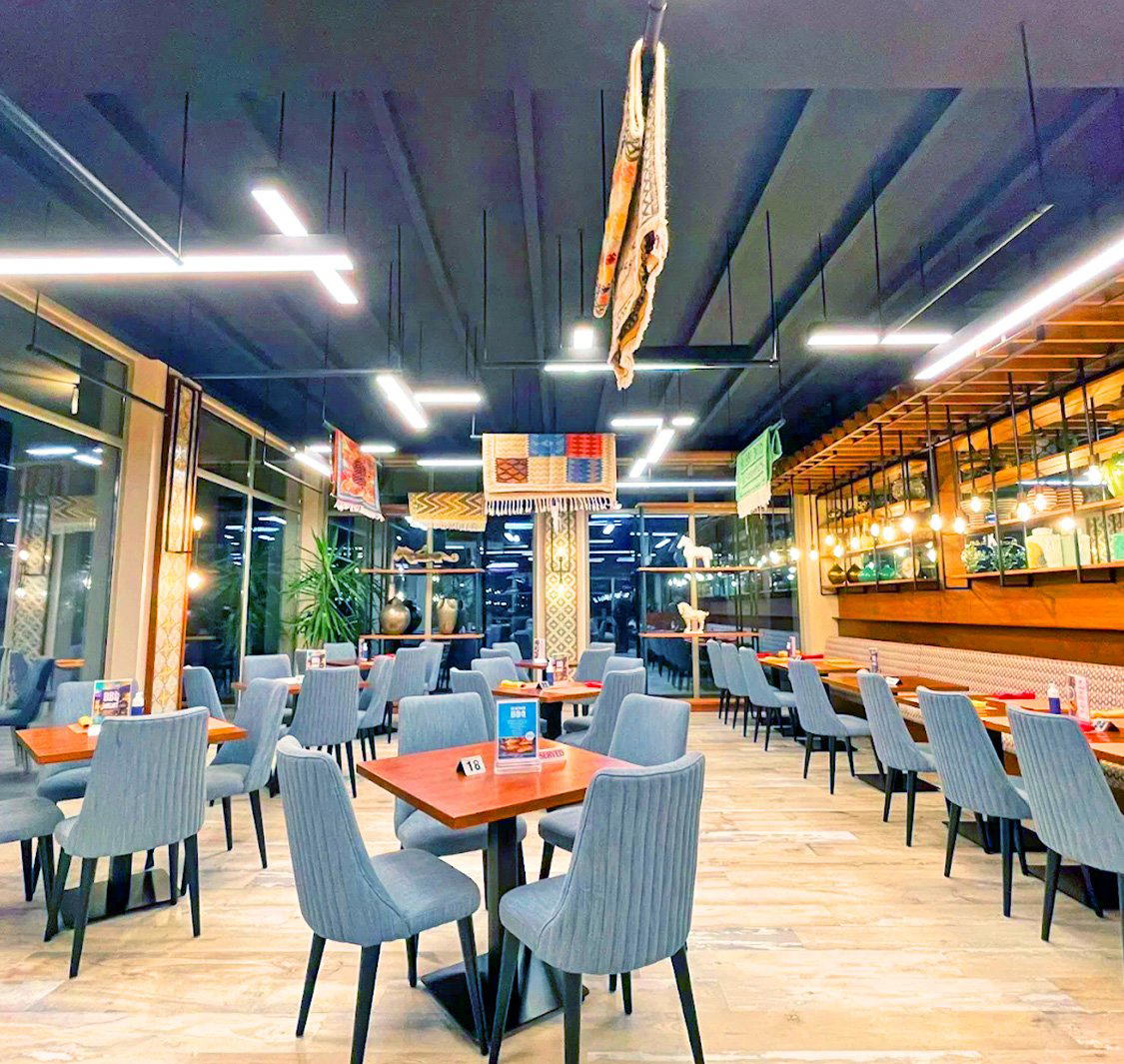
Simple, casual atmosphere focused on convenience and family dining, with a QR code menu for easy browsing and ordering.