Our verdict
BAHRL belongs to Hawar’s small island dining conversation, where setting and supply lines matter as much as cuisine labels. With no public awards, chef credit, price range, or menu format attached, the useful reading is contextual: judge it against Hawar’s developing resort-and-coast food scene rather than Manama’s established restaurant circuit.

Pearl is the En Primeur Club membership app — saves, bookings, and concierge access live there. Same editors, same standards.
- Address
- Block 372 Rd 707, Hawar, Bahrain
- Phone
- +973 1784 9111
- Directions
- Get directions
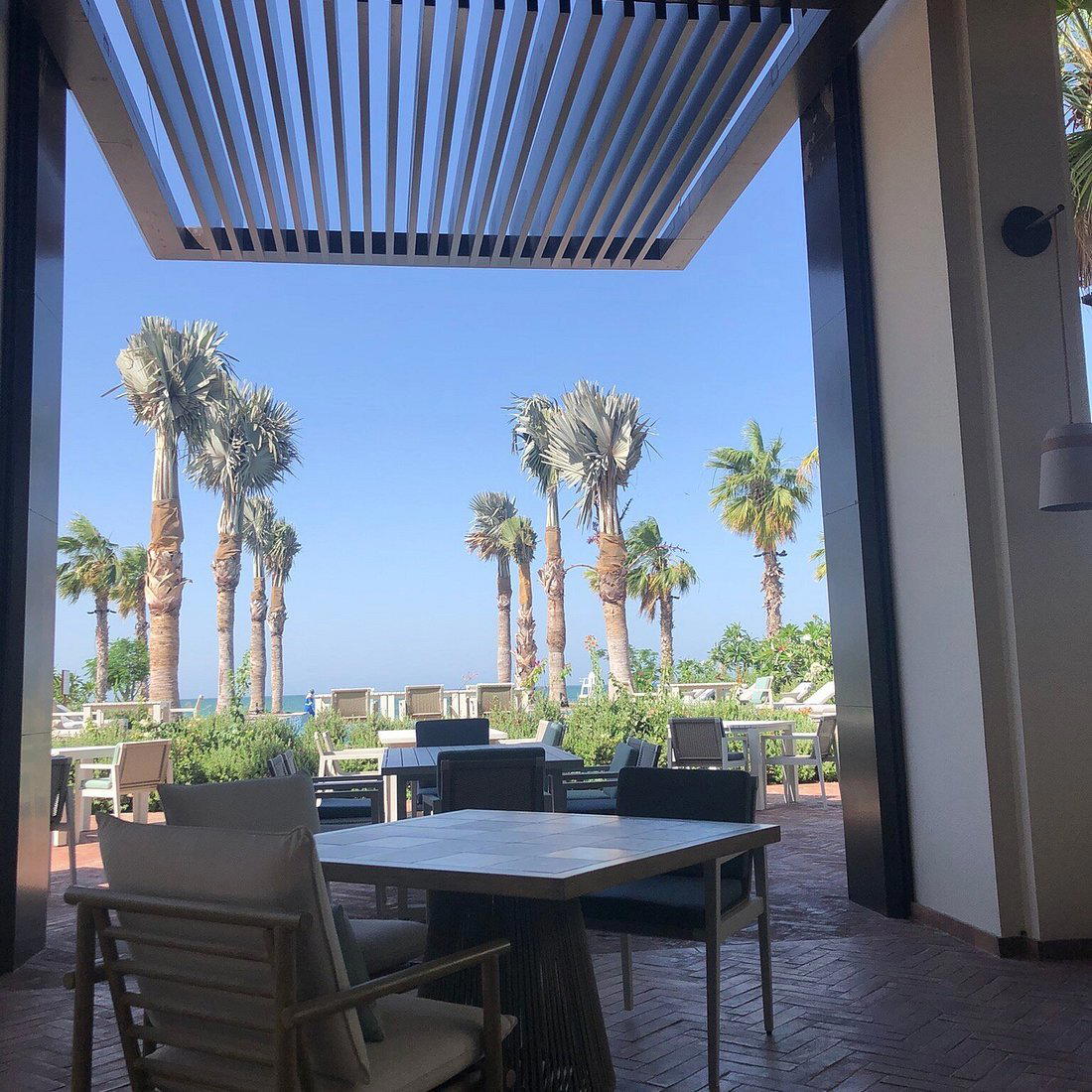
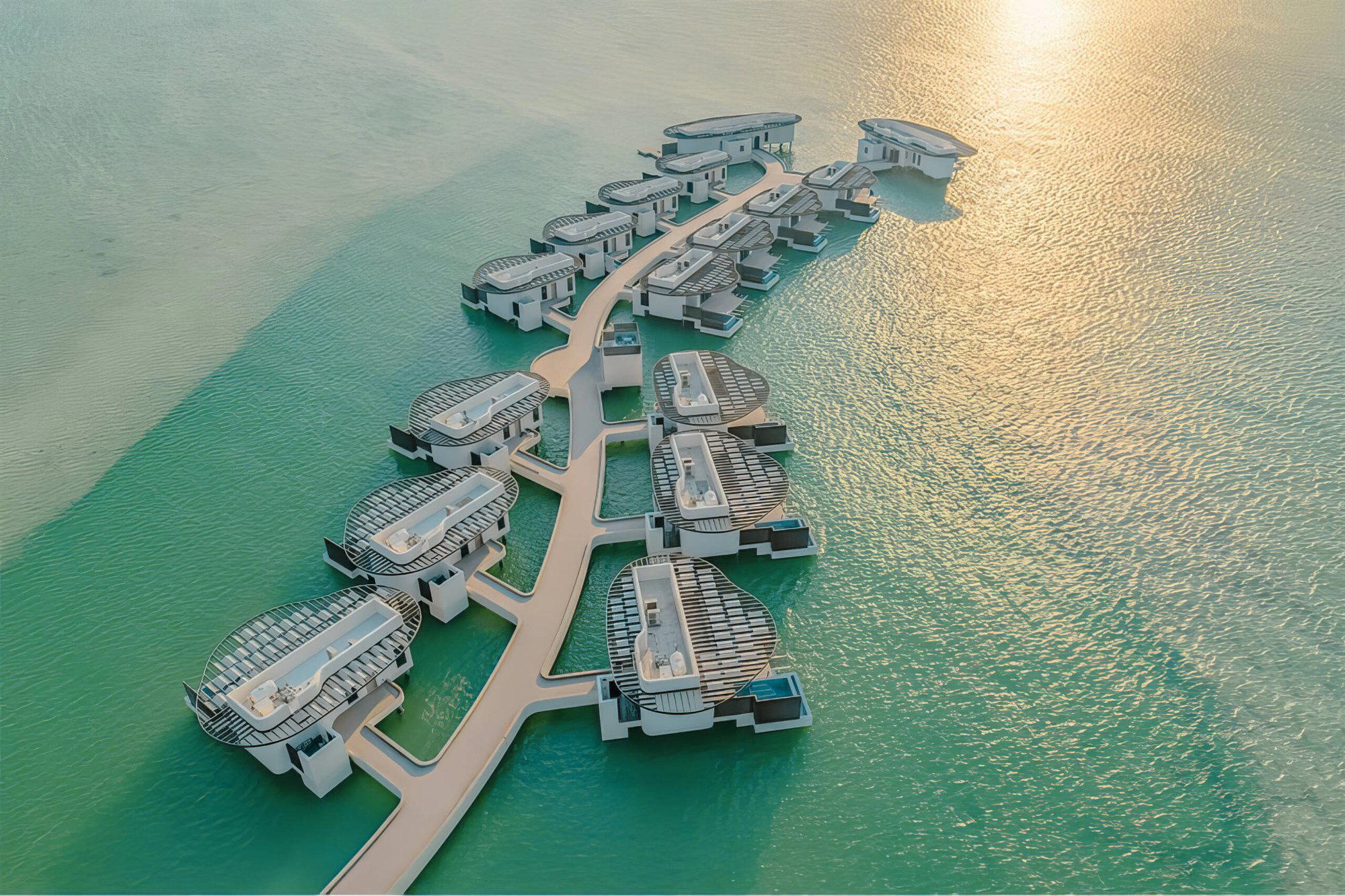
Approaching dining on Hawar means leaving behind the dense restaurant grid of Bahrain’s main island and entering a slower coastal economy, where the room, the weather, and the logistics of bringing ingredients across water shape the meal before any menu is opened. BAHRL sits inside that island context, so the first reading of the venue is not just culinary but geographic. The distance from the mainland changes how a restaurant is experienced: arrival feels more deliberate, the surrounding pace is quieter, and the choices made by the kitchen carry the added pressure of place. In a setting where every meal is part of the wider island stay, even ordinary details can feel more consequential. In a place where supply is less casual than in the city, ingredient planning becomes part of the story: freshness, variety, and pantry depth are not abstract luxuries, they are operational choices that define what a kitchen can credibly serve.
Hawar dining is judged by supply discipline, not city spectacle
Island restaurants are often misunderstood by visitors who compare them directly with capital-city dining rooms. Hawar asks for a different measure, because the value of a meal here is tied to restraint as much as display. The stronger kitchens in this setting tend to work around fewer moving parts: a tighter range of ingredients, a clearer relationship to the coast, and menus that make sense for guests who have already committed time to reaching the island. That does not automatically make the cooking simpler. It makes consistency harder, because freshness, storage, and transport carry more weight than they do in a neighbourhood restaurant with daily urban supply access. A city restaurant can often solve a problem through proximity, substitution, or quick replenishment. On an island, those same problems become structural, and the best answer is usually a menu that understands its own limits.
That is the useful lens for BAHRL. With no public cuisine category or named chef attached, the editorial read should stay with the setting rather than invent a culinary identity. The point is not to assume a signature dish or a house philosophy, and not to dress the restaurant in language it has not yet earned publicly. It is to read the venue as part of Hawar’s food infrastructure, where restaurants serve both as places to eat and as evidence of how the island is positioning itself for longer-stay, higher-spend travel. In that sense, BAHRL matters less as a standalone spectacle and more as part of the practical architecture of the destination. If Hawar is to hold guests beyond a brief visit, its dining rooms need to feel considered, reliable, and appropriate to the island’s tempo. BAHRL’s context is therefore central to how it should be judged.
The comparison is local first, then Bahrain-wide
Within Hawar, the immediate reference points are Bahi and C-Salt, two names that help frame the island’s compact restaurant scene. The better comparison is not with a hotel dining room in a busy Gulf capital, but with other island venues serving travellers who have fewer spontaneous alternatives once they arrive. That changes the stakes: clarity, sourcing reliability, and service rhythm matter more than decorative ambition. A diner on the mainland can move easily from one neighbourhood to another if a meal does not fit the mood. On Hawar, the restaurant has to carry more of the evening itself. It becomes part of the itinerary rather than one option among dozens, so the basics must be handled with particular discipline.
For readers mapping Bahrain more broadly, the contrast with mainland dining is useful. The main island offers a wider spectrum of restaurants, from polished hotel dining rooms to neighbourhood favourites and more clearly defined category-led concepts. References such as N'ovetto and Villas Mamas in Bahrain show how mainland Bahrain can support a broader range of established dining identities. Hawar’s scene is smaller and more dependent on destination planning, which makes any credible sourcing programme more consequential. The island does not need to imitate the mainland’s range to be persuasive; it needs to make sense on its own terms. For BAHRL, that means being assessed through the practical demands of a destination restaurant: whether the experience feels coherent with the journey, the coast, and the limited but meaningful choices available nearby.
How to place it in a Hawar itinerary
BAHRL makes the strongest sense as part of a planned Hawar stay rather than a casual detour. The island format rewards diners who think in terms of sequence: arrival, sea air, a measured meal, then the rest of the evening close by. This is not the kind of setting where the restaurant should be treated as a quick insertion between unrelated city appointments. Its appeal depends on allowing the destination to set the pace, and on understanding that the meal belongs to a broader rhythm of travel. For a broader read on the destination, use Our full Hawar restaurants guide alongside Our full Hawar hotels guide, Our full Hawar bars guide, Our full Hawar wineries guide, and Our full Hawar experiences guide. Readers comparing category expectations across regions can also look at other specialist dining formats in general, not as peers, but as reminders that format discipline is often what separates a destination meal from a generic stop. The lesson from those comparisons is not about cuisine, but about focus: a restaurant becomes more memorable when its format, expectations, and setting are aligned.
Frequently asked questions
Is BAHRL suitable for children?
BAHRL is listed in Hawar, so it fits the kind of island stop that usually works best for family stays rather than spontaneous city dining. For children, the practical question is timing around the rest of the Hawar itinerary.
What's the vibe at BAHRL?
The setting is shaped by Hawar itself: compact, destination-led, and more deliberate than an urban dining room. BAHRL belongs squarely in the island context rather than a city-centre restaurant strip.
Where is BAHRL in Hawar?
Hawar.
Do I need a reservation for BAHRL?
Those details are not published. Its Hawar setting suggests a restaurant that belongs in a planned itinerary rather than an improvised one. Check the venue's official channels for the latest details.
What makes BAHRL worth seeking out?
BAHRL is worth factoring into a Hawar stay because location matters here as much as the meal itself. In an island setting like Hawar, a restaurant has to earn its place within a limited dining circuit, not a crowded city market.
Can BAHRL accommodate dietary restrictions?
No cuisine type or menu detail is listed for BAHRL, so dietary handling cannot be assumed from the public record alone. The safest course is to plan around the restaurant's Hawar location and confirm requirements in advance. Check the venue's official channels for the latest details.
Quick Comparison
Comparable venues by cuisine and price in the same metro.
Details
- Hotel Restaurant