Our verdict
C-Salt belongs to Hawar’s small-island dining conversation, where proximity to the Gulf matters more than dining-room theatre. With little public signalling around chef, awards, or format, the case for seeking it out rests on setting and sourcing logic: seafood, coastal produce, and a slower island rhythm rather than a trophy-restaurant script.

Pearl is the En Primeur Club membership app — saves, bookings, and concierge access live there. Same editors, same standards.
- Address
- Block 372 Rd 707, Hawar, Bahrain
- Directions
- Get directions
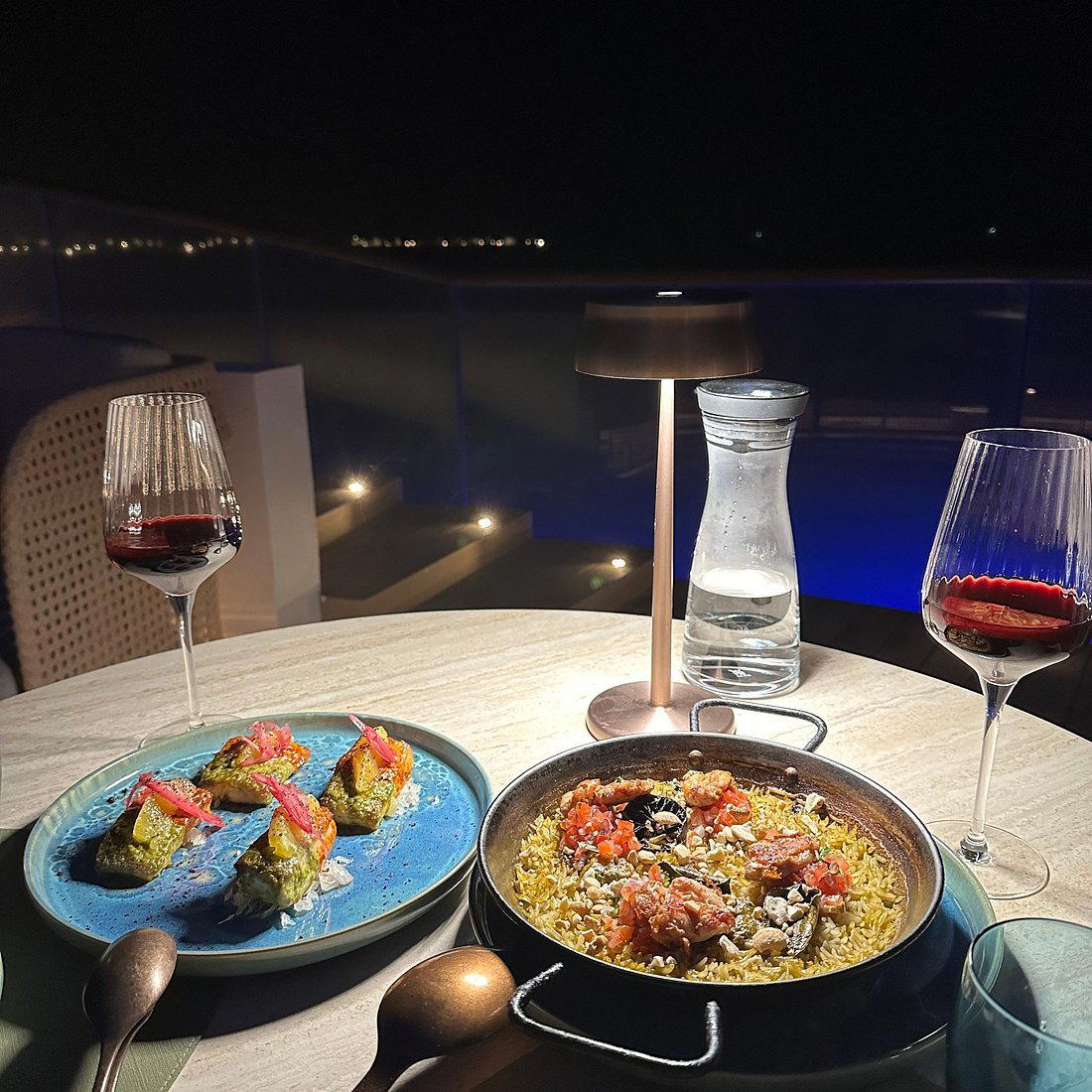
Approaching dining on Hawar begins with the elements before the menu: open water, wind, pale light, and the feeling that the Gulf is not a backdrop but the organising force. In that context, C-Salt reads less as a standalone restaurant to be judged by metropolitan rituals and more as part of a small-island food pattern, where freshness, simplicity, and restraint carry more weight than elaborate presentation or borrowed dining mythology.
Hawar is not simply a city meal with a shorter commute. The island changes the dining equation. Supply lines are thinner, the surrounding water has a clearer role, and meals tend to make more sense when they respond to the coast rather than import a mainland formula. That is why ingredient sourcing is the useful lens here. A restaurant in this setting earns credibility when the cooking feels accountable to place: regional produce, coastal influences, direct preparations, and plates that do not bury the main ingredient under excess technique.
Island dining works when the Gulf sets the terms
The broader Bahraini dining scene splits between polished city rooms, family-led regional cooking, and destination restaurants attached to resort travel. Hawar sits in the third lane, but with a sharper environmental identity than much of the mainland. The island’s dining culture is shaped by water access and relative remove, so the question is not whether a restaurant can mimic the capital. The better question is whether it can translate the island’s pace and pantry into a meal that feels grounded.
C-Salt is useful in that conversation because it places the reader in Hawar rather than asking Hawar to disappear. The available public profile is spare, which makes the setting carry more of the argument. That restraint can be a strength when the food follows the island logic: clean cooking, visible sourcing priorities, and enough confidence not to overload the plate.
For comparison within Hawar, Bahi and BAHRL sit in the same destination-dining orbit, where the surrounding water and resort patterns shape expectations as much as any menu label. Readers mapping the island should start with Our full Hawar restaurants guide, then widen the planning frame through Our full Hawar hotels guide, Our full Hawar bars guide, Our full Hawar wineries guide, and Our full Hawar experiences guide. On an island, the meal is rarely isolated from where guests sleep, drink, and spend the afternoon.
Ingredient sourcing is the real test, not ceremony
In Bahrain, serious eating is often misunderstood from outside as either hotel luxury or old-market nostalgia. The more interesting reality is a dining culture built from trade, family kitchens, and regional borrowing. That gives ingredient-led restaurants a demanding brief: the product has to be treated with clarity, because diners in the Gulf know when something has been overhandled. Heavy sauces can hide weakness; direct heat, acidity, and seasoning expose it.
C-Salt should be read through that standard. The name points toward the sea, but the stronger editorial measure is whether the table feels tied to Hawar’s geography. Island restaurants have an advantage that city dining rooms cannot fake: the sense that the water outside is part of the supply story. They also have a constraint. Remote settings can make consistency harder, especially when menus depend on fresh product and variable demand. That tension is part of the appeal for travellers who care about where food comes from, not just how it photographs.
Mainland Bahrain offers useful contrast through polished urban dining rooms, international-hotel restaurants, resort-adjacent coastal tables, and family-led spots across the country. N'ovetto and Villas Mamas show how varied Bahrain’s restaurant map becomes once diners leave the island frame, while other unnamed dining rooms underline how different Hawar can feel by comparison.
Who should make the trip
The case for C-Salt is strongest for travellers already committing to Hawar rather than those trying to squeeze the island into a city dining checklist. This is a setting-led meal, and that matters. In destination restaurants, a weak room can flatten good food; here, the surrounding geography does part of the work before a dish arrives. The editorial caution is equally clear: diners looking for heavily publicised chef narratives or a tightly documented tasting-menu format may find stronger signals elsewhere.
For families, groups, and resort travellers, the appeal is practical as much as culinary: Hawar dining rewards a slower schedule and a willingness to let lunch or dinner follow the day’s weather and water. For ingredient-focused diners, the useful move is to ask what is fresh, what is local to the region, and which preparations keep the produce closest to its original character. That line of questioning matters more here than chasing a signature dish.
International comparisons help clarify the category without turning it into a competition. In many cities, restaurant format and neighbourhood define expectations before a guest even arrives. Hawar asks a different question: can a restaurant make the island legible through what it serves? C-Salt is worth seeking out when that is the reason for the trip.
Frequently asked questions
Is C-Salt good for families?
C-Salt is in Hawar. For families, that works best when the visit is part of a broader Hawar plan rather than a quick city dinner.
What is the atmosphere like at C-Salt?
The Hawar setting points to an island restaurant rather than an urban room, so the atmosphere is shaped more by location than by big-city bustle. C-Salt reads as a destination restaurant for Bahrain travellers already on the move.
How do I find C-Salt?
Hawar.
How hard is it to get a table at C-Salt?
No reservation details are listed in the public record, so the safest approach is to plan ahead for a restaurant in Hawar. Island dining in Bahrain tends to reward advance timing more than spontaneous detours. Check the venue's official channels for the latest details.
What makes C-Salt worth seeking out?
C-Salt’s case is its Hawar location: the setting changes the equation from standard Bahrain city dining. Travellers headed to the island get a restaurant that fits the trip rather than interrupting it.
Is C-Salt allergy-friendly?
Those details are not published. Hawar is the useful reference point when coordinating any special dietary request. Check the venue's official channels for the latest details.
How It Stacks Up
Comparable venues by cuisine and price in the same metro.

Details
- Scenic
- Elegant
- Romantic
- Lively
- Date Night
- Group Dining
- Family
- Celebration
- After Work
- Brunch
- Waterfront
- Terrace
- Panoramic View
- Hotel Restaurant
- Waterfront
- A La Carte
- Buffet
- Set Menu
- Halal
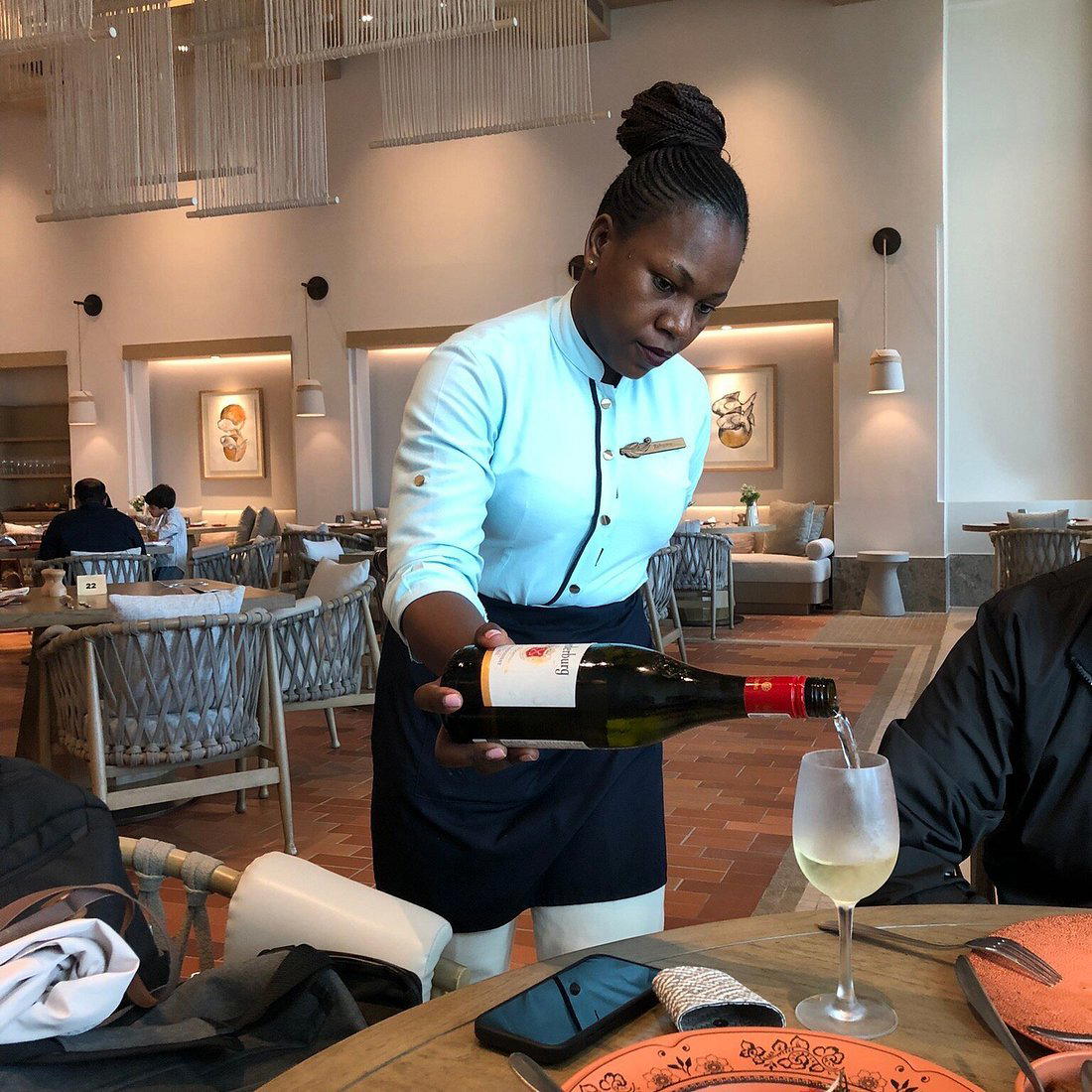
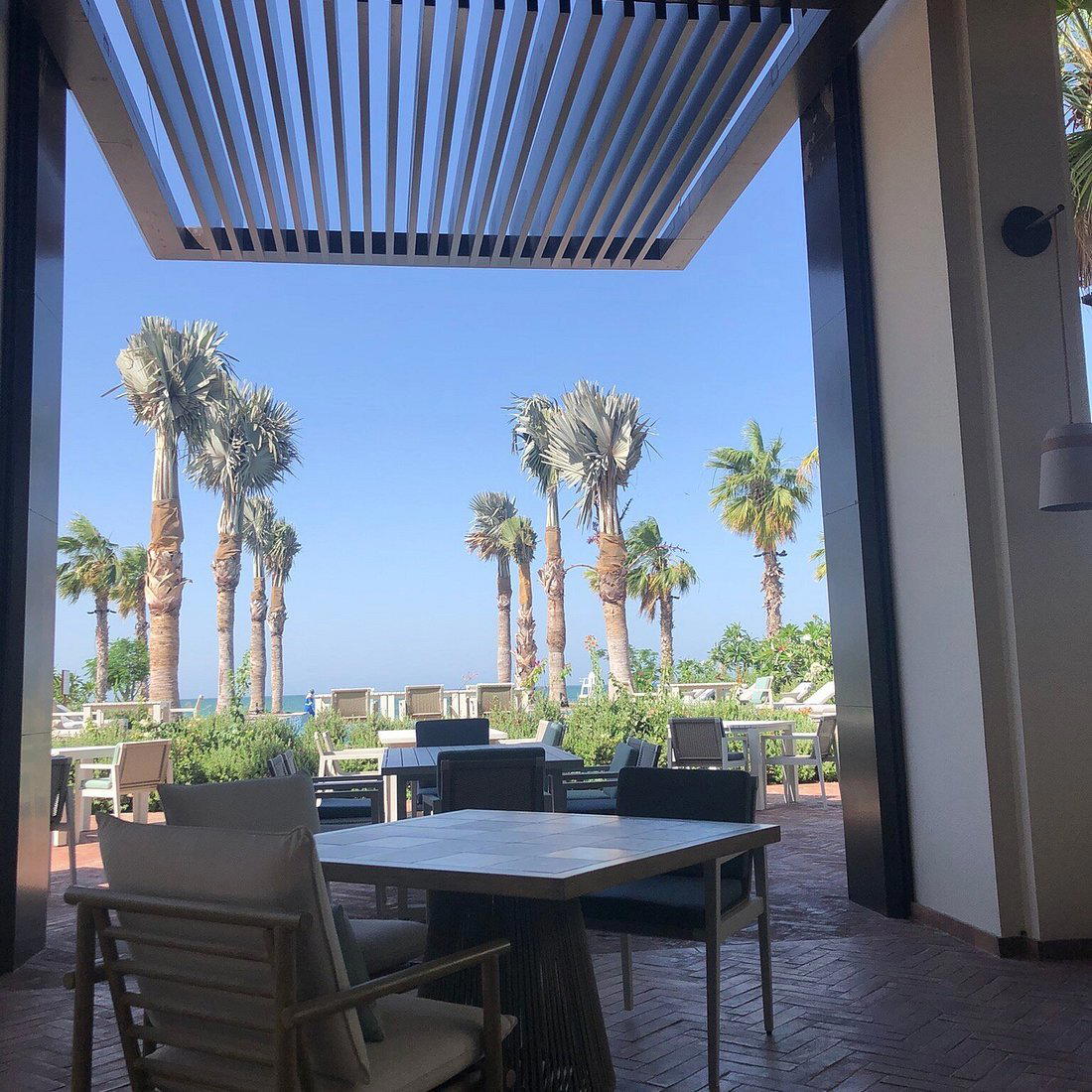
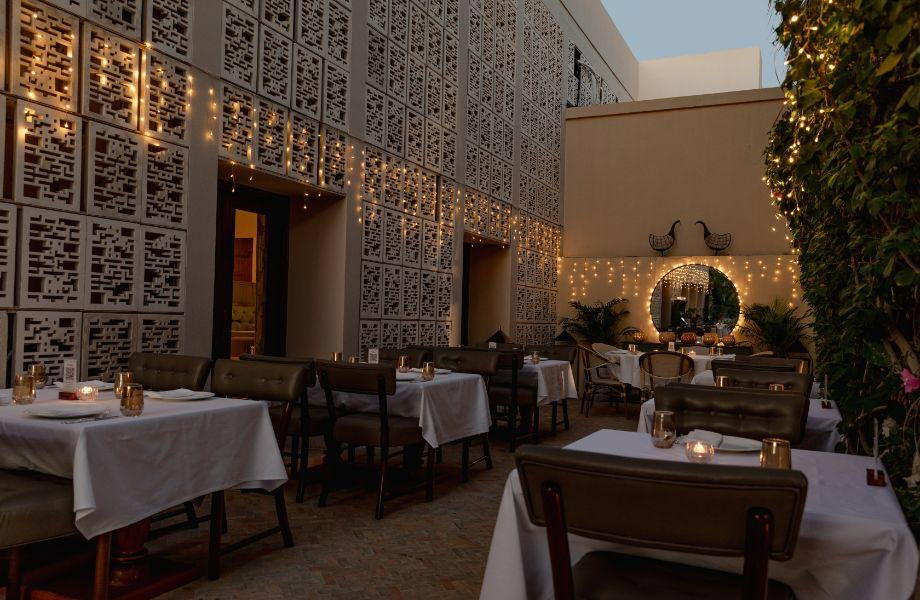
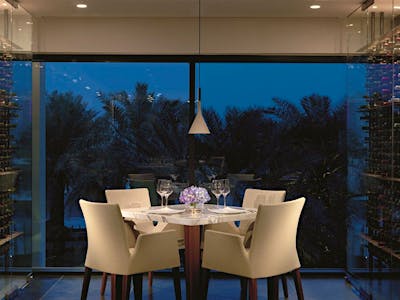
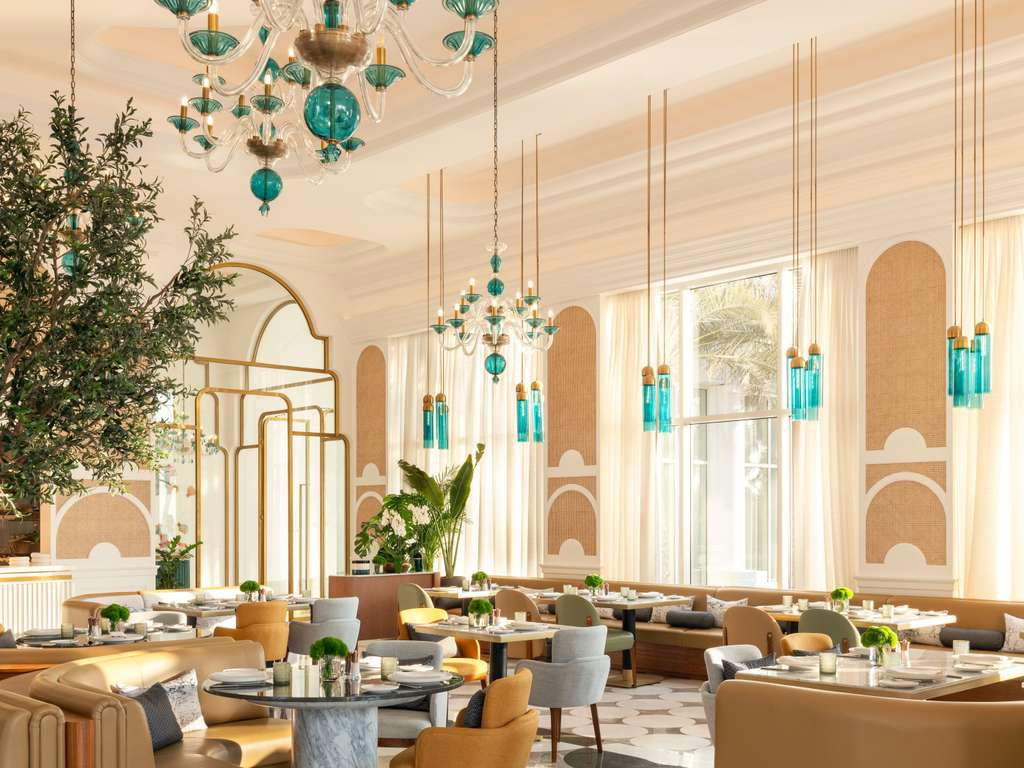
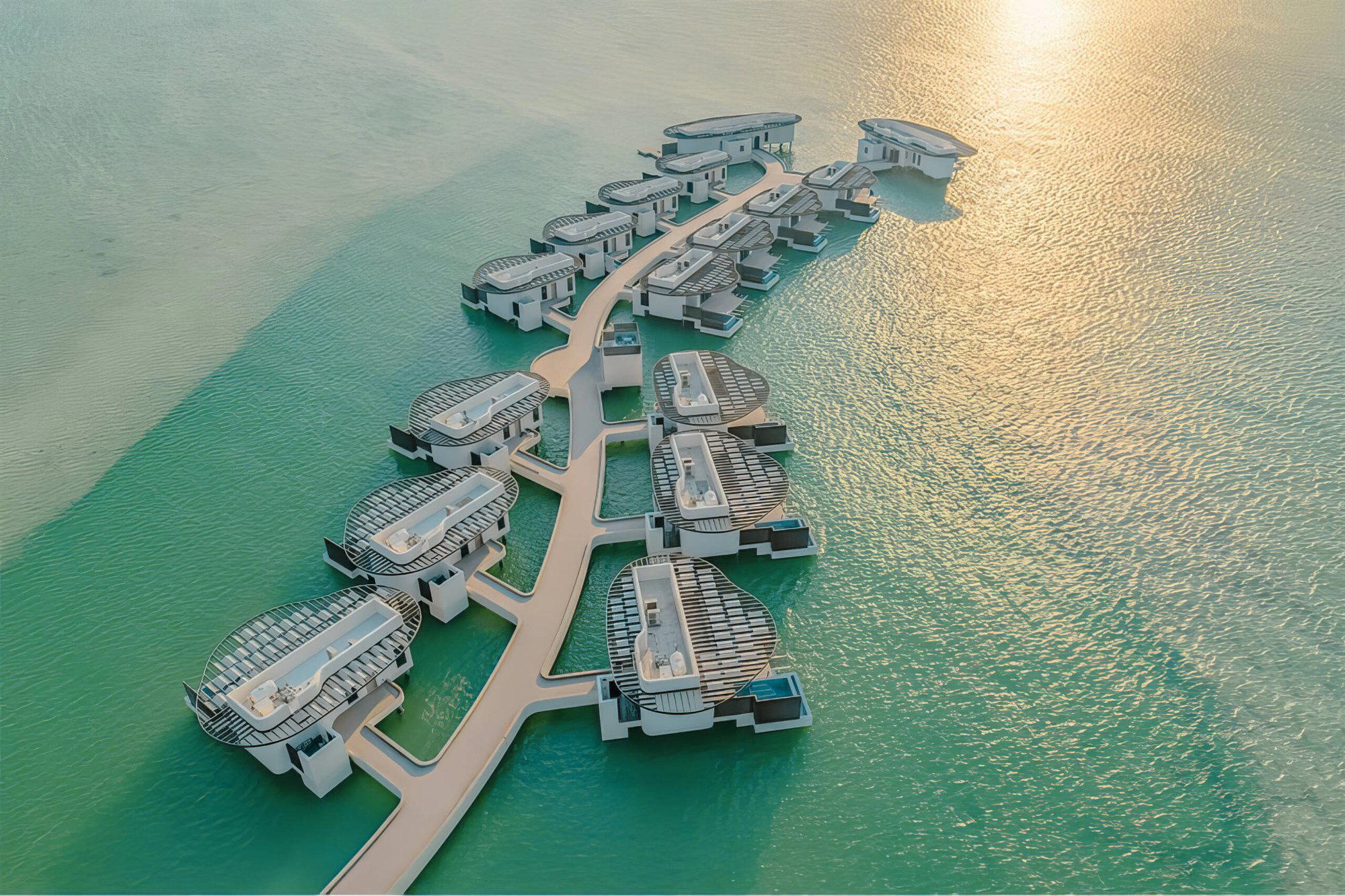
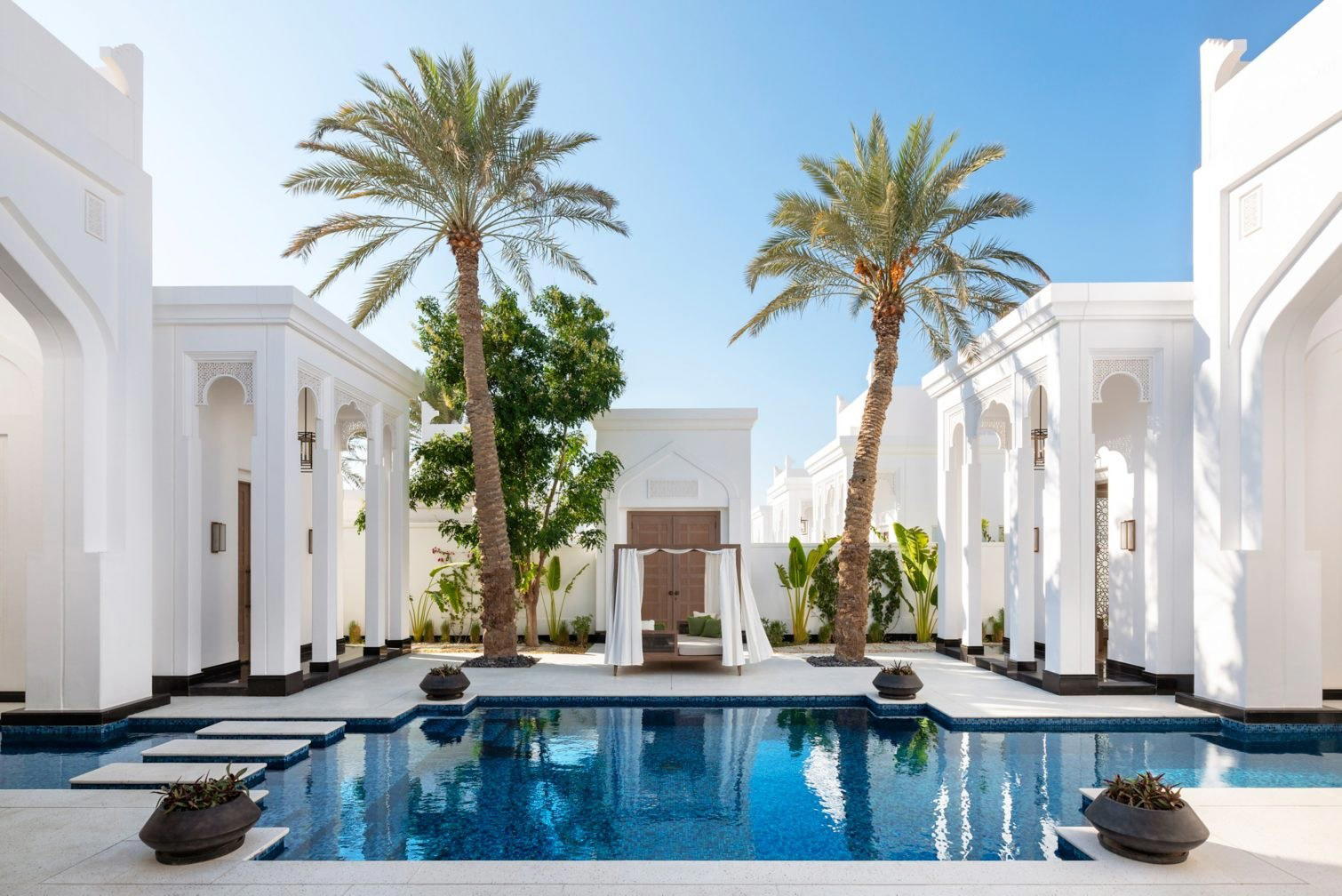
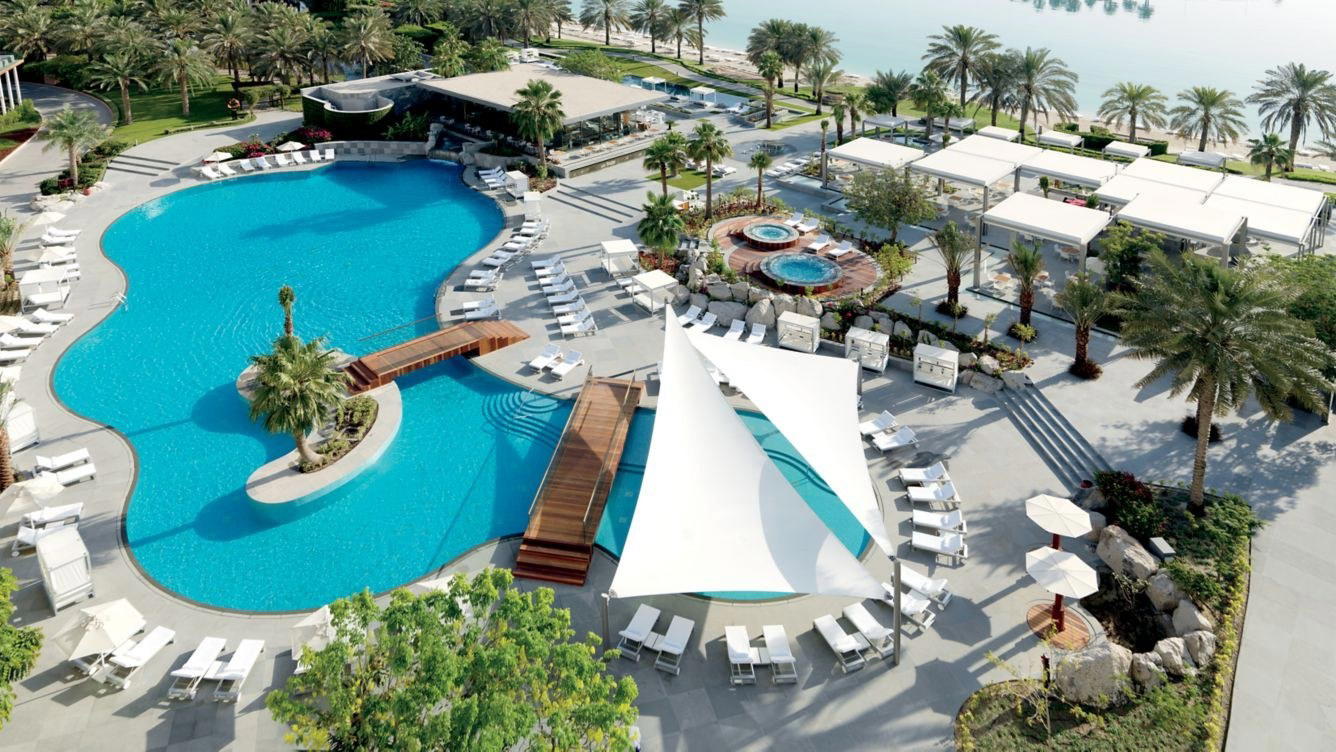
Relaxed yet elegant coastal atmosphere with warm island breezes, sunset views over the water, and a lively social vibe during brunch and group dining.