Acre Restaurant
Acre Restaurant operates out of Parkville, Missouri, a small riverside city north of Kansas City where farm-to-table sourcing carries real geographic weight. The name signals an explicit commitment to land and provenance, placing Acre within a growing tier of Midwest restaurants that treat ingredient origin as the organizing principle of the menu rather than an afterthought. Located at 6325 Lewis St, it sits in a community where independent dining rooms define the character of the local food scene.
Pearl is the En Primeur Club membership app — saves, bookings, and concierge access live there. Same editors, same standards.
- Address
- 6325 Lewis St, Parkville, MO 64152
- Phone
- +18163212958
- Website
- acrekc.com
- Directions
- Get directions
 Saves & bookings on Pearl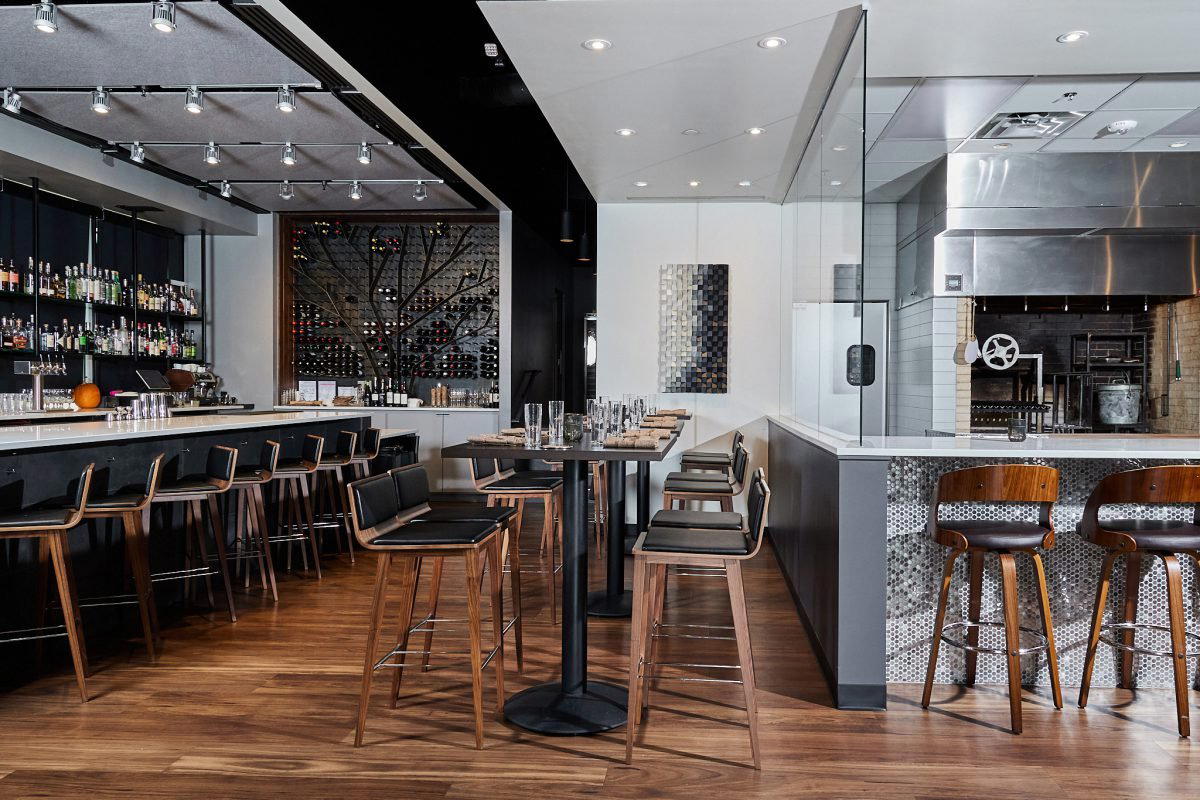
Where Sourcing Is the Argument
In American dining over the past two decades, the phrase "farm-to-table" has been applied so broadly that it lost most of its meaning. It became shorthand for a general attitude rather than a verifiable practice. What distinguished the serious operators from the marketing adopters was specificity: named farms, documented supply chains, menus that shifted because the land dictated it. Acre Restaurant, located at 6325 Lewis St in Parkville, Missouri, positions itself within that more rigorous interpretation. The name itself is a provenance signal, the kind of choice that sets an expectation before a guest walks through the door.
Parkville occupies a particular kind of American small-city position. Sitting on the Missouri River north of Kansas City, it has the scale and independence to support a genuine local dining culture without the competitive density that pushes restaurants in larger metros toward safe, crowd-pleasing formats. The dining rooms here, including Cafe Des Amis and Pappas Restaurant, each occupy a distinct lane. Acre's lane is ingredient-led Midwestern cooking, a category that has developed serious national credibility as sourcing-focused restaurants have moved from coastal markets into the country's interior. For the full scope of where Acre fits in the local dining picture, the full Parkville restaurants guide maps the scene in detail.
The Midwest as Larder
The case for ingredient-driven restaurants in the American Midwest is, in geographic terms, obvious. The region produces an enormous share of the country's grains, proteins, and seasonal vegetables. What has been slower to develop is a restaurant culture that treats that proximity as an editorial advantage rather than a logistics convenience. When a kitchen sources within a tight regional radius, the menu becomes a record of the season and the land in a way that long-supply-chain sourcing cannot replicate. A tomato grown sixty miles away and harvested at peak ripeness is a fundamentally different ingredient than one that traveled two thousand miles under refrigeration.
This principle underpins the programming at restaurants like Blue Hill at Stone Barns in Tarrytown, where the farm is literally on the property, and Single Thread Farm in Healdsburg, which operates its own farm as the foundation of an eleven-course tasting menu. At a different price tier and in a different geography, Smyth in Chicago pursues similar sourcing discipline in an urban Midwest context. These restaurants demonstrate that provenance-led cooking is not a coastal specialty: it is a discipline that any kitchen with the right supplier relationships and menu flexibility can pursue regardless of zip code.
Acre operates in Parkville at a community scale rather than at the destination-tasting-menu tier occupied by those reference points. That distinction matters. The restaurants above, along with other sourcing-focused operations like The Wolf's Tailor in Denver and Frasca Food and Wine in Boulder, are primarily destination dining propositions. Acre's role in Parkville is different: it is a neighborhood anchor in a small city, which means it has to serve the community's regular dining needs while maintaining the sourcing commitments its identity implies. That is a harder operational balance to sustain than a high-ticket tasting format where sourcing costs are absorbed into a single refined price point.
What Ingredient Focus Means in Practice
For any restaurant that positions itself around provenance, the menu is the proof. Seasonal rotation is the minimum commitment: if the same dishes appear year-round without adjustment, the sourcing story is aesthetic rather than operational. Beyond rotation, the question is specificity. A menu that names the farm, the region, or the growing method signals a kitchen that has built real supplier relationships rather than ordering through a broadline distributor and retelling the story differently. The difference between these two approaches is legible to regular guests over time, even if it is not always visible on a first visit.
American restaurants that have built the most durable sourcing reputations tend to share a few operational characteristics: long relationships with a small number of producers, menus that are genuinely constrained by what is available rather than what is wanted, and a willingness to feature less glamorous ingredients when those are what the season produces. This is distinct from the prestige-ingredient sourcing model at high-end seafood houses like Le Bernardin in New York City or Providence in Los Angeles, where sourcing is about access to the finest global product. Regional sourcing as a philosophy is about place and season rather than global best-in-class procurement.
Parkville's Dining Position
Small cities adjacent to major metros occupy an interesting position in American dining. They benefit from proximity to a larger talent pool and food culture without the overhead costs that define urban restaurant economics. Parkville's relationship to Kansas City gives it access to a sophisticated dining public while maintaining a pace and price structure that a standalone rural market could not support. This dynamic has produced durable independent restaurants in similar markets across the country, from college towns with strong local food cultures to historic river cities that developed their own culinary identities independent of the nearest metro.
For context on how ingredient sourcing plays across different American dining markets, the range is wide. At one end sit highly capitalized destination operations like The French Laundry in Napa and Addison in San Diego, where sourcing is one element of a comprehensive luxury proposition. In the middle tier, restaurants like Lazy Bear in San Francisco and Emeril's in New Orleans have built lasting identities around distinct culinary points of view. At the community anchor level, which is where Acre operates, the measure is different: consistency, honest sourcing, and genuine usefulness to the people who live nearby. Restaurants built at this scale and around these principles, including international references like Atelier Moessmer Norbert Niederkofler in Brunico, whose entire menu is organized around Alpine ingredient sovereignty, and urban genre-shifters like Atomix in New York City and ITAMAE in Miami, demonstrate that sourcing conviction is not a format but a value that scales across dining contexts.
Planning a Visit
Acre Restaurant is located at 6325 Lewis St, Parkville, MO 64152, within the walkable commercial core of Parkville's historic downtown, which sits along the Missouri River and is accessible by car from Kansas City in under thirty minutes. Given that detailed hours, booking methods, and current pricing are not publicly confirmed at the time of writing, contacting the restaurant directly before visiting is the sensible approach, particularly if you are traveling from outside the immediate area. Parkville's dining scene is compact enough that combining a visit to Acre with a broader evening in the downtown district is a practical itinerary rather than a stretch.
How Acre Restaurant Parkville compares with similar nearby venues.
| Venue | Cuisine |
|---|---|
| KC Turkey Leggman | Barbecue |
Continue exploring
More in Parkville
Restaurants in Parkville
Browse all →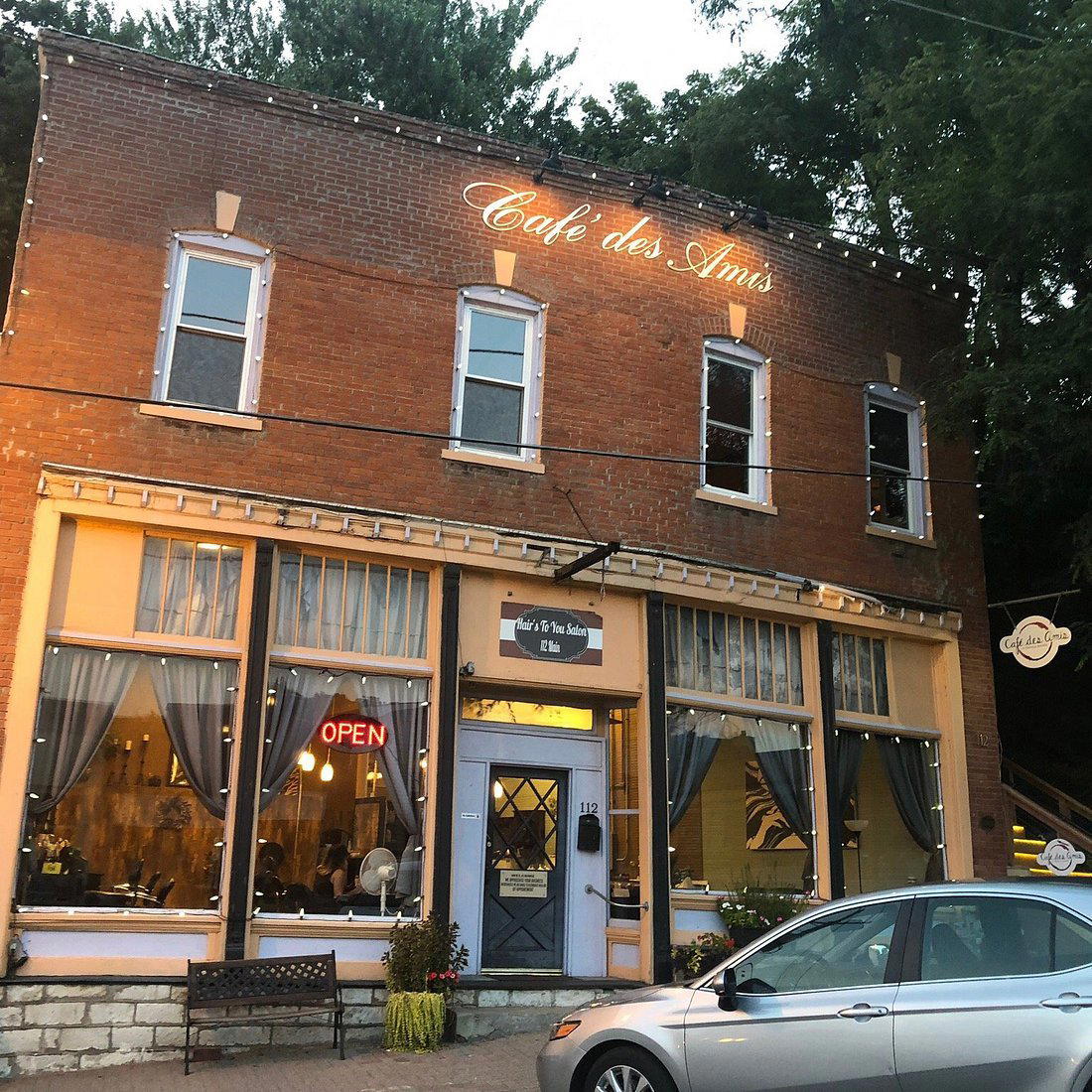
Bars in Parkville
Browse all →

At a Glance
- Cozy
- Elegant
- Rustic
- Date Night
- Business Dinner
- Group Dining
- Family
- Special Occasion
- Open Kitchen
- Private Dining
- Standalone
- Craft Cocktails
- Farm To Table
- Local Sourcing
Current opening hours
- Monday
- Closed
- Tuesday
- 4–9 PM
- Wednesday
- 4–9 PM
- Thursday
- 4–9 PM
- Friday
- 4–10 PM
- Saturday
- 4–10 PM
- Sunday
- Closed
Hours can change for holidays and private events. Last verified .
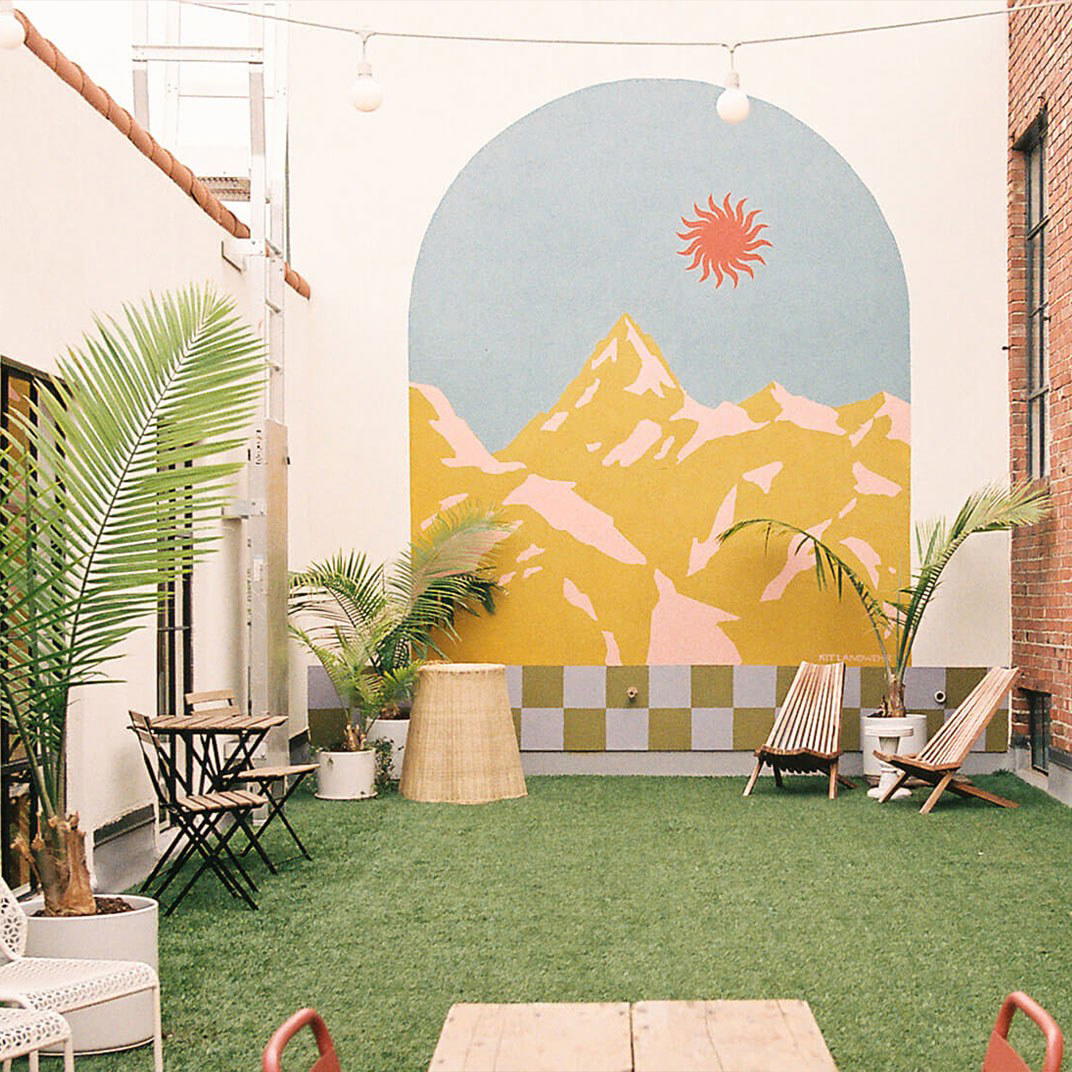
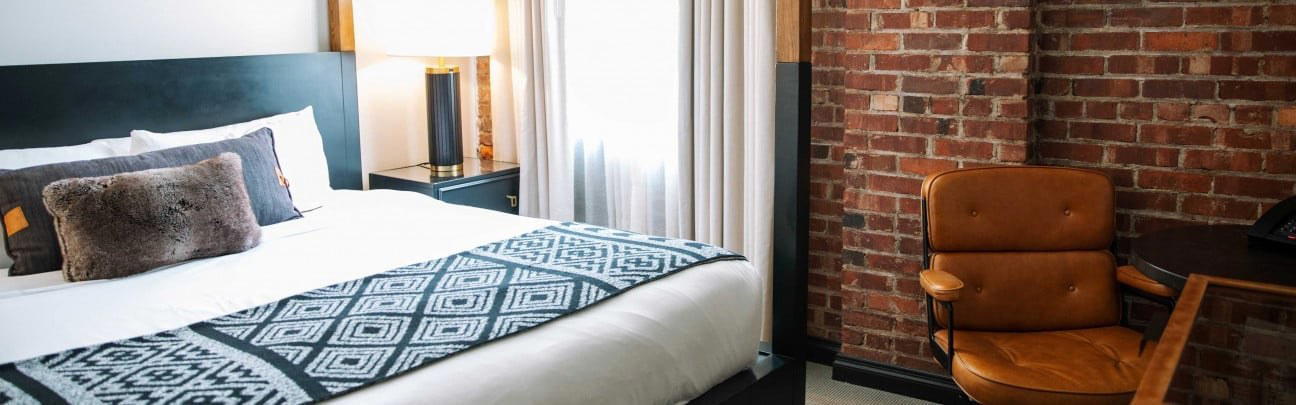
Sedate greige dining room with warm, welcoming atmosphere that feels like home; designed by local firm Herron + Partners with refined yet approachable aesthetic.
Know Before You Go
- Getting there
- 6325 Lewis St, Parkville, MO 64152