20 Degrés Sud Restaurant
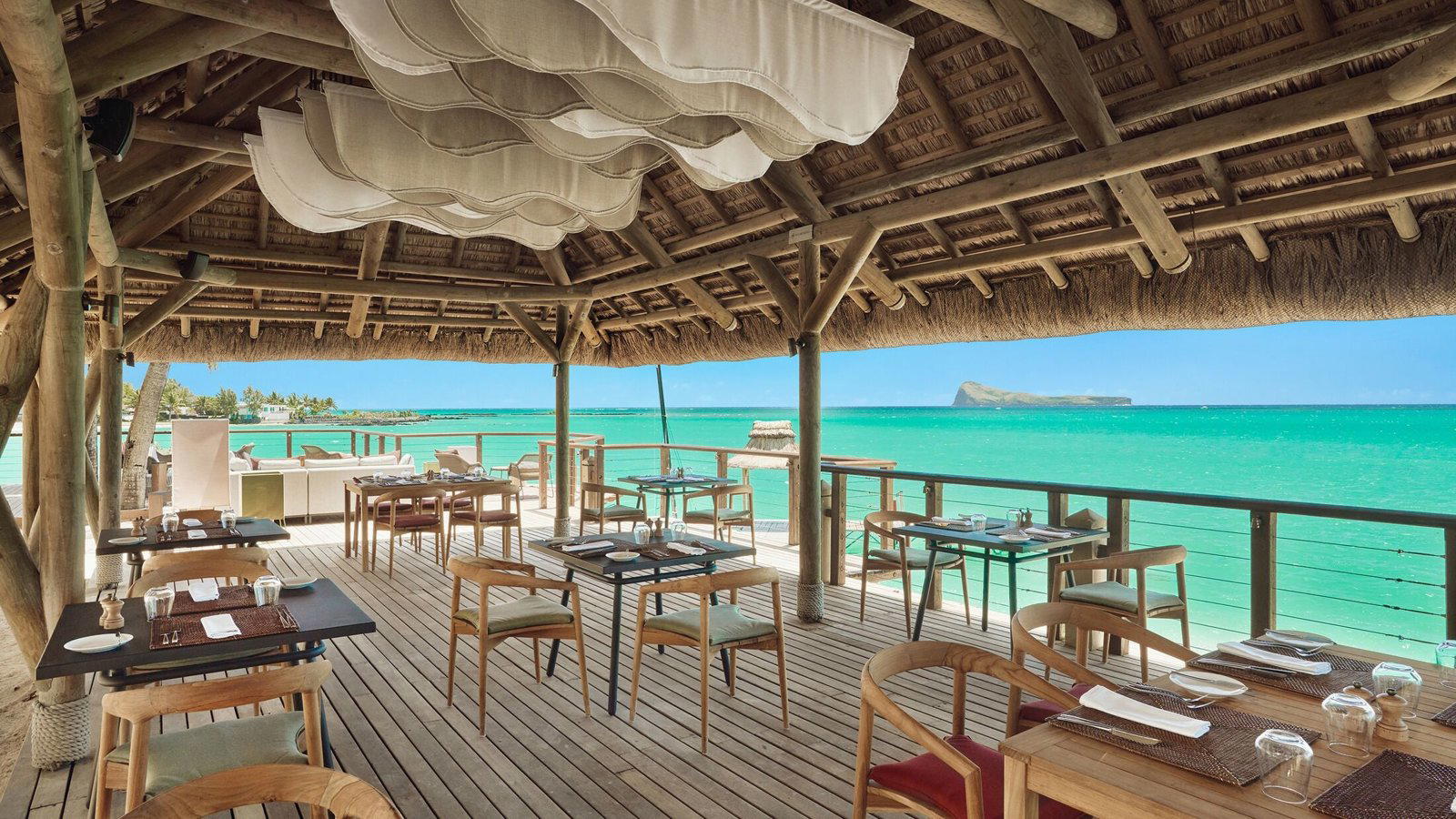
Where the Indian Ocean Becomes the Menu The north coast of Mauritius has a particular quality at the table edge: the lagoon shifts from turquoise to deep blue in the middle distance, dhow silhouettes cross the horizon line, and the salt in the air is present enough to remind you that what arrives on the plate has not travelled far. 20 Degrés Sud Restaurant occupies exactly that kind of position in Grand Baie, set at the water's edge in a way that turns geography into an argument for what gets cooked. In a dining scene where proximity to the sea is often more metaphor than fact, the address here is literal. Grand Baie sits at the northern tip of the island, roughly equidistant from the airport chaos and the relative quiet of Pereybère. The town itself has evolved over two decades from a backpacker strip into a more layered destination, with a range of dining rooms that now span hotel dining, independent Creole kitchens, and a handful of addresses that compete seriously against the island's east-coast resort corridor. For context on the wider north-coast scene, our full Grand Baie restaurants guide maps that range in detail. The Ingredient Logic of the Indian Ocean Mauritius sits at a genuinely productive intersection of ocean currents. The waters around the island yield capitaine, bourgeois, dorade, and vacoas — species that appear on menus across the island but carry different weight depending on how close the kitchen is to the catch. The broader principle that governs serious seafood cooking in this part of the world is direct: the shorter the chain between sea and plate, the less the cook has to do. Restaurants on the Indian Ocean's island arc — from the Maldives to Réunion, that understand this tend to cook with less interference, letting the fish carry the flavour rather than masking it. The Creole culinary tradition in Mauritius reinforces that logic. Creole cooking here is not the same as its Louisiana or Caribbean counterparts; it is a synthesis of African, French, South Asian, and Chinese influences that accumulated through the island's colonial and trade history. The spice work is present but measured, the use of locally grown aromatics like thyme, ginger, and piment is habitual rather than theatrical, and the underlying philosophy tends toward enhancement of primary ingredients rather than transformation. For a useful comparative point on how that Creole tradition operates elsewhere in the island's dining rooms, Spoon des Iles applies a more contemporary lens to the same culinary base. The restaurant's name references the latitude line that runs through this part of the Indian Ocean, 20 degrees south, which is less a marketing gesture and more a geographic statement of intent. Kitchens that anchor themselves to a coordinate are making a claim about sourcing specificity, about the idea that what grows and swims at this particular latitude has its own character. That claim carries more weight when the address is genuinely at the water's edge rather than a few streets back from it. Placing 20 Degrés Sud in its competitive context requires understanding how the north coast dining scene differs from the east. The east coast resort corridor, anchored by properties like One & Only Le Saint Geran in Belle Mare and the wine-forward rooms at Blue Penny Cellar at Constance Belle Mare Plage, operates largely within the envelope of luxury resort dining, where the guest is captive and the price architecture reflects that. The north is more porous. Visitors mix with local residents, independent operators compete directly with hotel restaurants, and the dining decisions are less predetermined. Within Grand Baie and its immediate surroundings, the seafood-focused segment is competitive. L'Atlas in Pointe aux Canonniers addresses a similar Mauritian seafood brief from a slightly different angle, and the wine programs at addresses like Blue Penny Cellar in Poste de Flacq and Archipel Wine Cellar in Pointe de Flacq signal that the island's dining public now expects serious beverage pairing alongside serious food. The south and west of the island offer their own reference points, Simply India in Le Morne handles the island's South Asian culinary thread from a different geographic base. Globally, the model of water-edge restaurants that take their sourcing brief seriously has produced particularly compelling dining in the world. The produce-driven philosophy that has shaped rooms like Arpège in Paris or the ingredient-first approach visible at CORE by Clare Smyth in London operates from the same underlying premise, that honest sourcing is a culinary position, not just a marketing one. In an Indian Ocean context, that premise translates directly to the fish market, the coastal garden, and the morning catch. Planning Your Visit 20 Degrés Sud Restaurant is located at the water's edge in Grand Baie, on the north coast of Mauritius. Given the setting and the positioning of the restaurant within the wider 20 Degrés Sud property, it draws both in-house guests and external visitors. The north of the island is accessible from Sir Seewoosagur Ramgoolam International Airport in roughly 45 to 60 minutes depending on traffic, with Grand Baie sitting at the end of the main northern motorway corridor. For visitors using the island's informal taxi network, the Grand Baie strip is a well-known destination and fares are negotiable in advance. Given the waterfront position and the profile of the address, reservations in advance are the sensible approach, particularly during the Mauritian high season running from June through September and again over the December to January period, when the north coast sees significant visitor density. The dress code at this tier of Indian Ocean dining tends toward smart casual, the formality of the setting does not require a jacket, but arriving in beach attire to a water-edge room of this type would register as a misread of the room. For visitors building a wider island dining itinerary, the north coast offers enough range to anchor two or three serious meals without repeating the same register. Cross-referencing with our Grand Baie restaurants guide will help sequence those decisions against geography, cuisine type, and price point. Frequently Asked Questions Is 20 Degrés Sud Restaurant good for families?The waterfront setting is appealing for families, but Grand Baie at this price tier skews toward couples and adult groups rather than young children.What's the overall feel of 20 Degrés Sud Restaurant?The feel is Indian Ocean resort dining at its most atmospheric, water directly in view, Creole and French culinary references on the plate, and a formality level that sits between casual beachside eating and the more structured hotel dining rooms found further along the east coast. Within Grand Baie's dining scene, it sits toward the upper end of the register without the captive-audience pricing structure of dedicated resort restaurants.What do regulars order at 20 Degrés Sud Restaurant?The kitchen's credibility rests on the local catch, the Indian Ocean species native to these waters are one logical anchor for any meal here. The Mauritian Creole culinary tradition points toward fish prepared with local aromatics and moderate spice, and that is the direction the menu's strengths are likely to lie.Is the restaurant reservation-only?At a water-edge address in Grand Baie operating at this positioning level, booking ahead is strongly advisable rather than optional. During the June to September and December to January high seasons, walk-in availability at rooms of this profile on the north coast is unreliable.Does the restaurant reflect the island's Creole culinary heritage or a more European framework?Mauritian cooking at this level typically operates as a synthesis rather than a choice between the two, the French structural influence and the Creole spice and sourcing logic coexist on most serious menus in the country. The restaurant's name and water-edge position suggest a sourcing identity anchored to the Indian Ocean, which places local fish and Creole preparation methods at the centre of the offer. Visitors looking for a comparable tension between European technique and local ingredients on the island can cross-reference dining rooms like Spoon des Iles for a sense of how that balance plays out across the scene.
Pearl is the En Primeur Club membership app — saves, bookings, and concierge access live there. Same editors, same standards.
- Address
- Coastal Road Pointe Malartic Mauritius, Grand Baie, Mauritius
- Phone
- +230 263 5000
- Website
- 20degressud.com
- Directions
- Get directions
 Saves & bookings on Pearl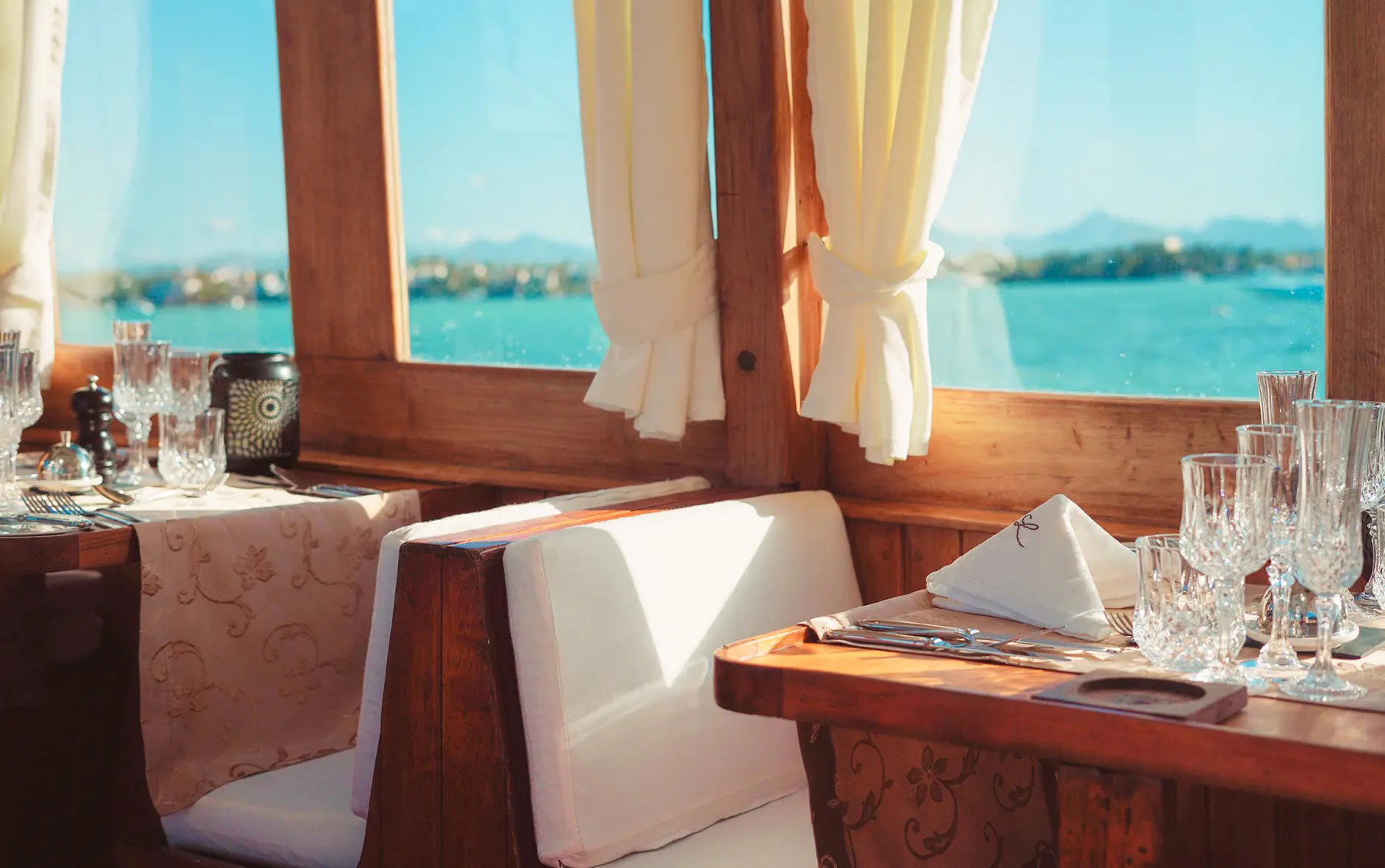
Where the Indian Ocean Becomes the Menu
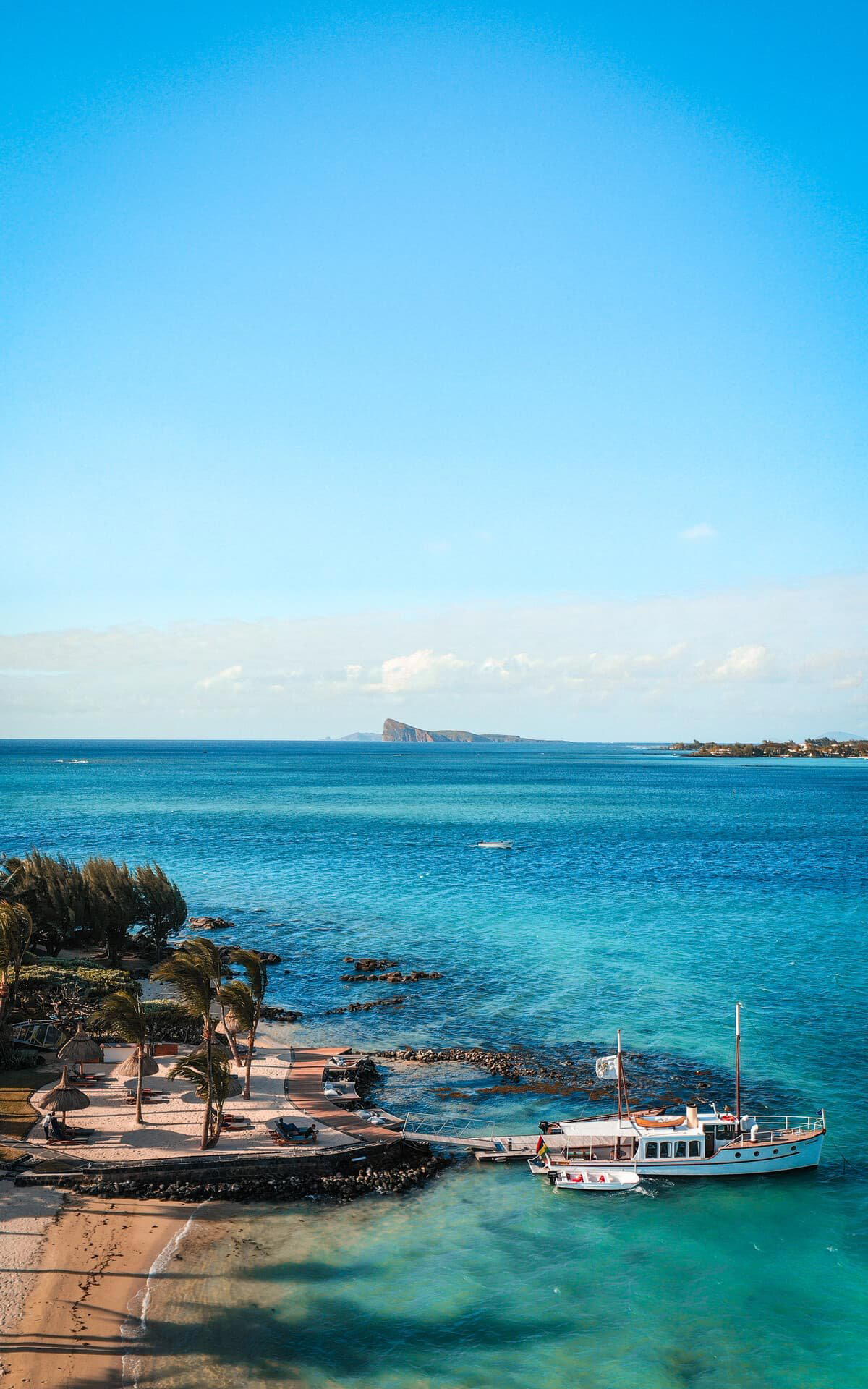
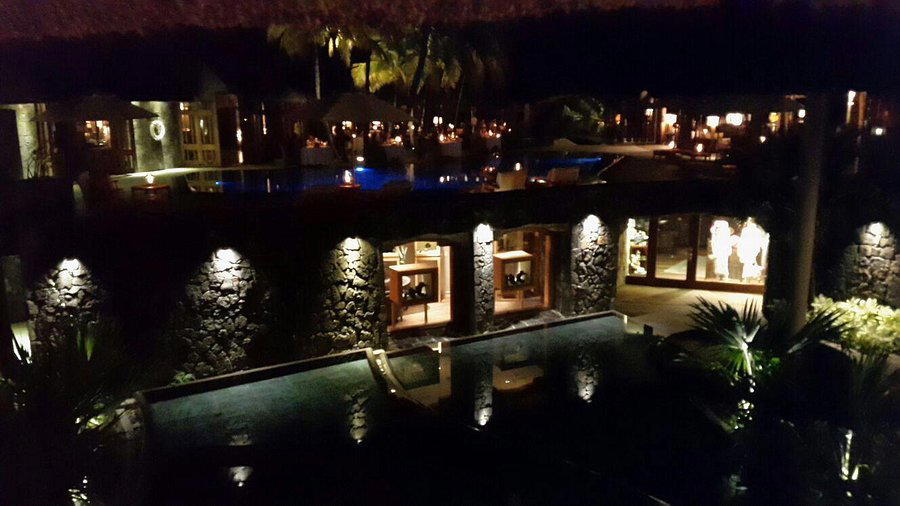
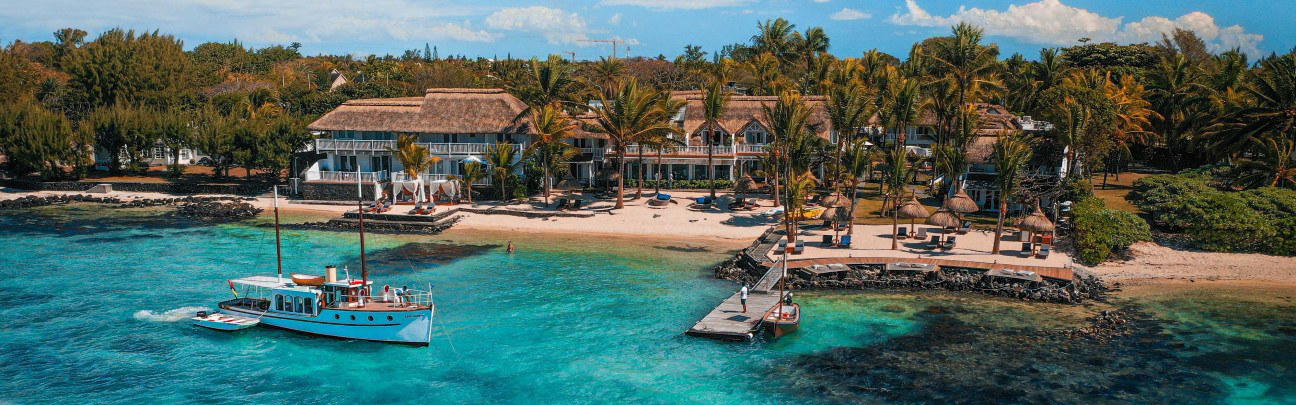
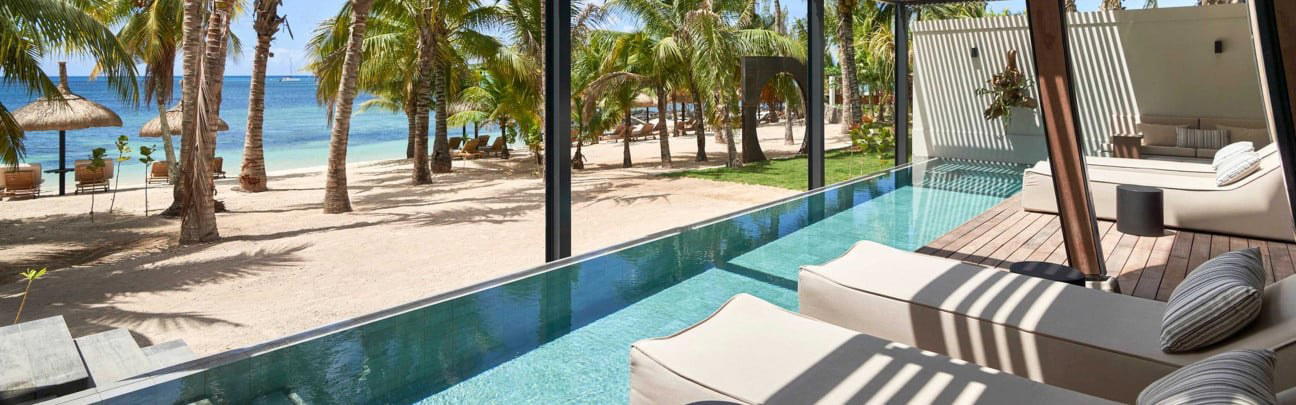
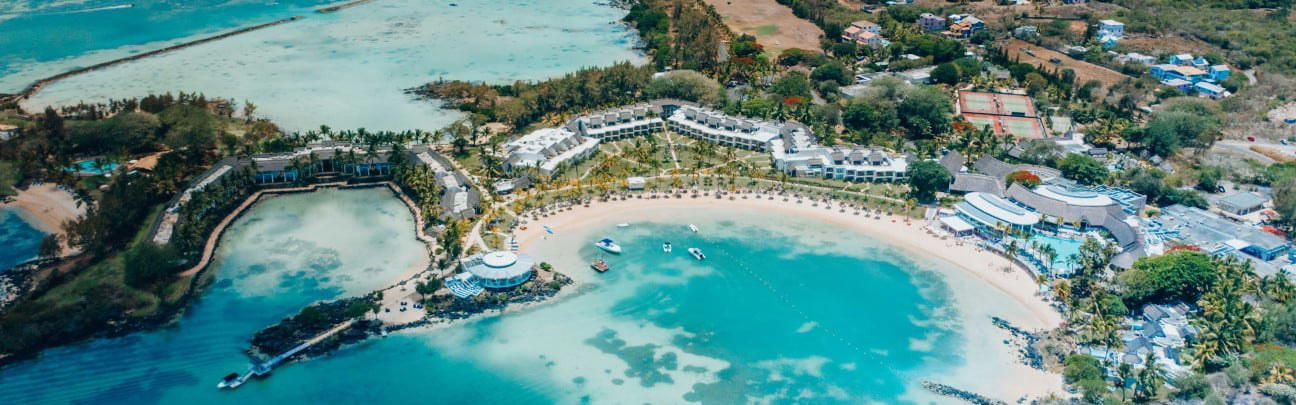
The north coast of Mauritius has a particular quality at the table edge: the lagoon shifts from turquoise to deep blue in the middle distance, dhow silhouettes cross the horizon line, and the salt in the air is present enough to remind you that what arrives on the plate has not travelled far. 20 Degrés Sud Restaurant occupies exactly that kind of position in Grand Baie, set at the water's edge in a way that turns geography into an argument for what gets cooked. In a dining scene where proximity to the sea is often more metaphor than fact, the address here is literal.
Grand Baie sits at the northern tip of the island, roughly equidistant from the airport chaos and the relative quiet of Pereybère. The town itself has evolved over two decades from a backpacker strip into a more layered destination, with a range of dining rooms that now span hotel dining, independent Creole kitchens, and a handful of addresses that compete seriously against the island's east-coast resort corridor. For context on the wider north-coast scene, our full Grand Baie restaurants guide maps that range in detail.
The Ingredient Logic of the Indian Ocean
Mauritius sits at a genuinely productive intersection of ocean currents. The waters around the island yield capitaine, bourgeois, dorade, and vacoas — species that appear on menus across the island but carry different weight depending on how close the kitchen is to the catch. The broader principle that governs serious seafood cooking in this part of the world is direct: the shorter the chain between sea and plate, the less the cook has to do. Restaurants on the Indian Ocean's island arc — from the Maldives to Réunion, that understand this tend to cook with less interference, letting the fish carry the flavour rather than masking it.
The Creole culinary tradition in Mauritius reinforces that logic. Creole cooking here is not the same as its Louisiana or Caribbean counterparts; it is a synthesis of African, French, South Asian, and Chinese influences that accumulated through the island's colonial and trade history. The spice work is present but measured, the use of locally grown aromatics like thyme, ginger, and piment is habitual rather than theatrical, and the underlying philosophy tends toward enhancement of primary ingredients rather than transformation. For a useful comparative point on how that Creole tradition operates elsewhere in the island's dining rooms, Spoon des Iles applies a more contemporary lens to the same culinary base.
The restaurant's name references the latitude line that runs through this part of the Indian Ocean, 20 degrees south, which is less a marketing gesture and more a geographic statement of intent. Kitchens that anchor themselves to a coordinate are making a claim about sourcing specificity, about the idea that what grows and swims at this particular latitude has its own character. That claim carries more weight when the address is genuinely at the water's edge rather than a few streets back from it.
Placing 20 Degrés Sud in its competitive context requires understanding how the north coast dining scene differs from the east. The east coast resort corridor, anchored by properties like One & Only Le Saint Geran in Belle Mare and the wine-forward rooms at Blue Penny Cellar at Constance Belle Mare Plage, operates largely within the envelope of luxury resort dining, where the guest is captive and the price architecture reflects that. The north is more porous. Visitors mix with local residents, independent operators compete directly with hotel restaurants, and the dining decisions are less predetermined.
Within Grand Baie and its immediate surroundings, the seafood-focused segment is competitive. L'Atlas in Pointe aux Canonniers addresses a similar Mauritian seafood brief from a slightly different angle, and the wine programs at addresses like Blue Penny Cellar in Poste de Flacq and Archipel Wine Cellar in Pointe de Flacq signal that the island's dining public now expects serious beverage pairing alongside serious food. The south and west of the island offer their own reference points, Simply India in Le Morne handles the island's South Asian culinary thread from a different geographic base.
Globally, the model of water-edge restaurants that take their sourcing brief seriously has produced particularly compelling dining in the world. The produce-driven philosophy that has shaped rooms like Arpège in Paris or the ingredient-first approach visible at CORE by Clare Smyth in London operates from the same underlying premise, that honest sourcing is a culinary position, not just a marketing one. In an Indian Ocean context, that premise translates directly to the fish market, the coastal garden, and the morning catch.
Planning Your Visit
20 Degrés Sud Restaurant is located at the water's edge in Grand Baie, on the north coast of Mauritius. Given the setting and the positioning of the restaurant within the wider 20 Degrés Sud property, it draws both in-house guests and external visitors. The north of the island is accessible from Sir Seewoosagur Ramgoolam International Airport in roughly 45 to 60 minutes depending on traffic, with Grand Baie sitting at the end of the main northern motorway corridor. For visitors using the island's informal taxi network, the Grand Baie strip is a well-known destination and fares are negotiable in advance.
Given the waterfront position and the profile of the address, reservations in advance are the sensible approach, particularly during the Mauritian high season running from June through September and again over the December to January period, when the north coast sees significant visitor density. The dress code at this tier of Indian Ocean dining tends toward smart casual, the formality of the setting does not require a jacket, but arriving in beach attire to a water-edge room of this type would register as a misread of the room.
For visitors building a wider island dining itinerary, the north coast offers enough range to anchor two or three serious meals without repeating the same register. Cross-referencing with our Grand Baie restaurants guide will help sequence those decisions against geography, cuisine type, and price point.
Continue exploring
More in Grand Baie
Restaurants in Grand Baie
Browse all →
Bars in Grand Baie
Browse all →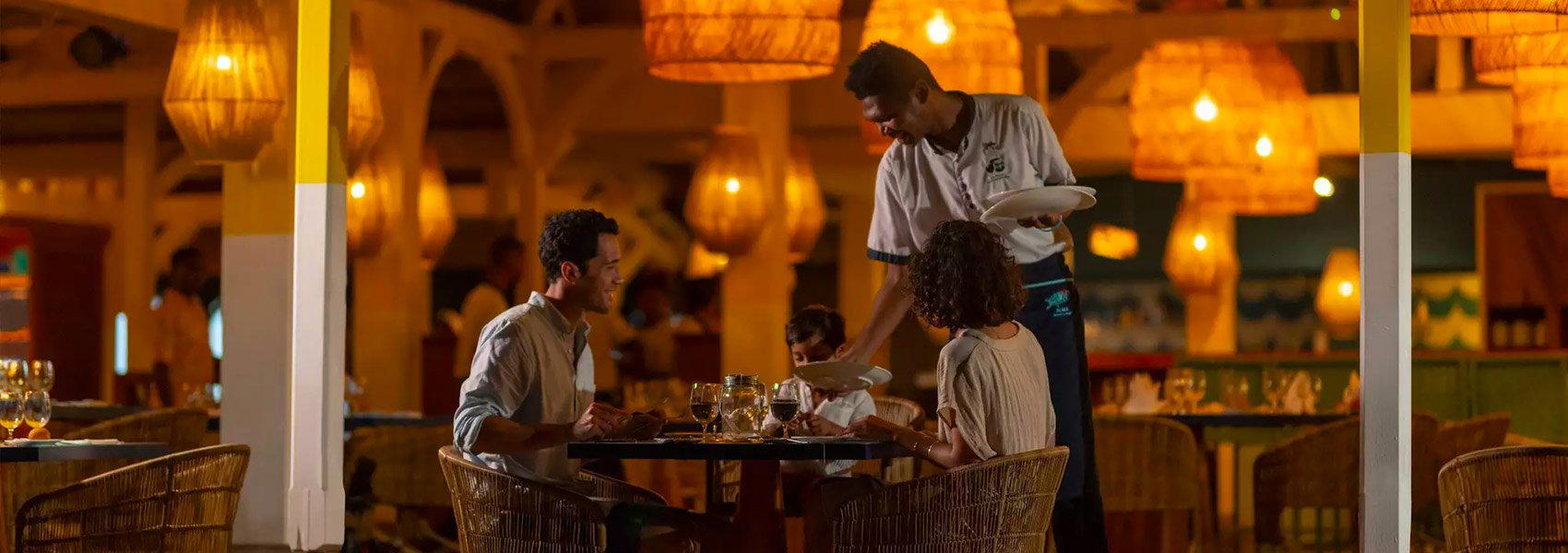
At a Glance
- Romantic
- Elegant
- Scenic
- Intimate
- Sophisticated
- Date Night
- Special Occasion
- Waterfront
- Hotel Restaurant
- Terrace
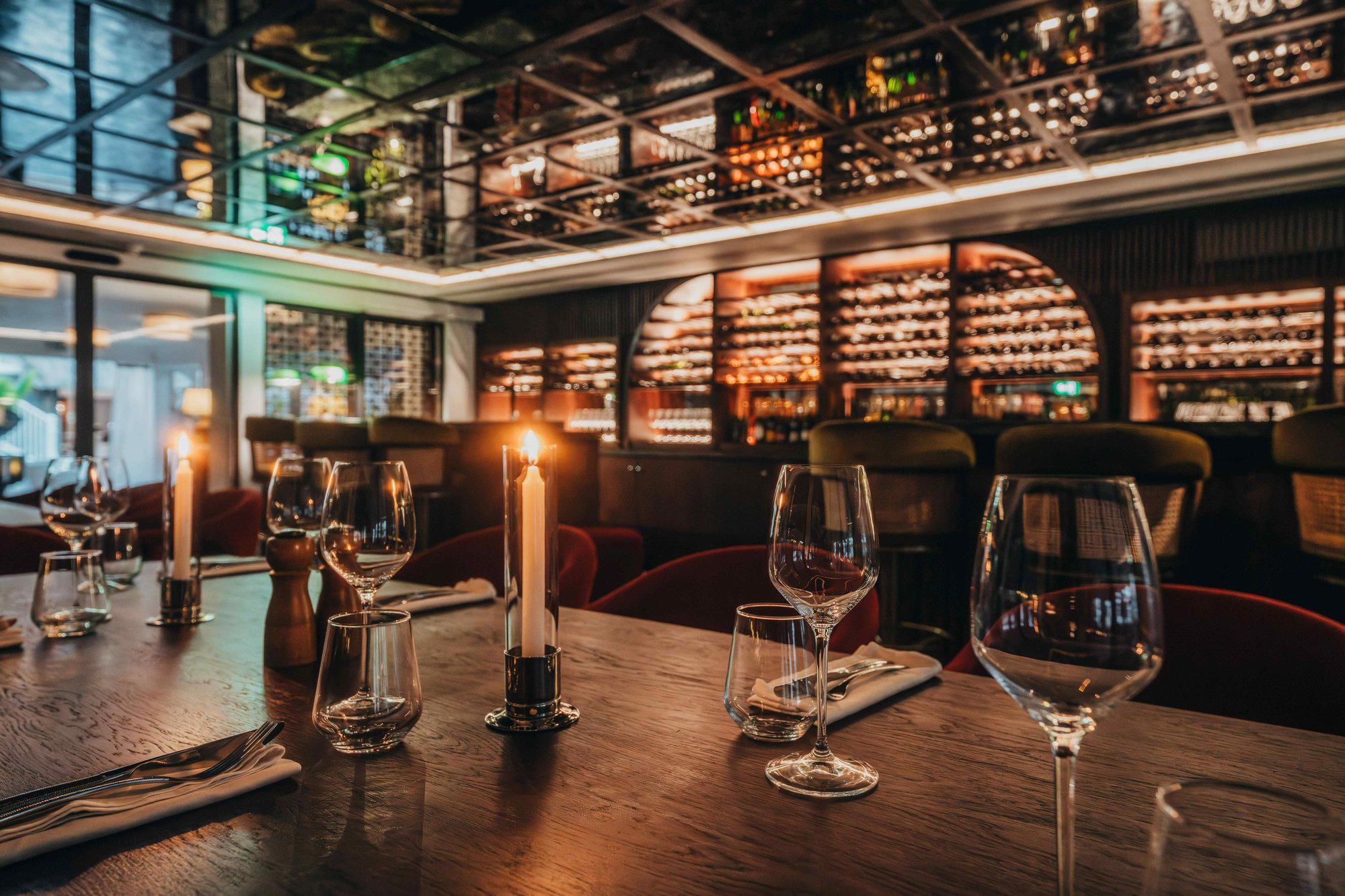
- Extensive Wine List
- Local Sourcing
- Waterfront
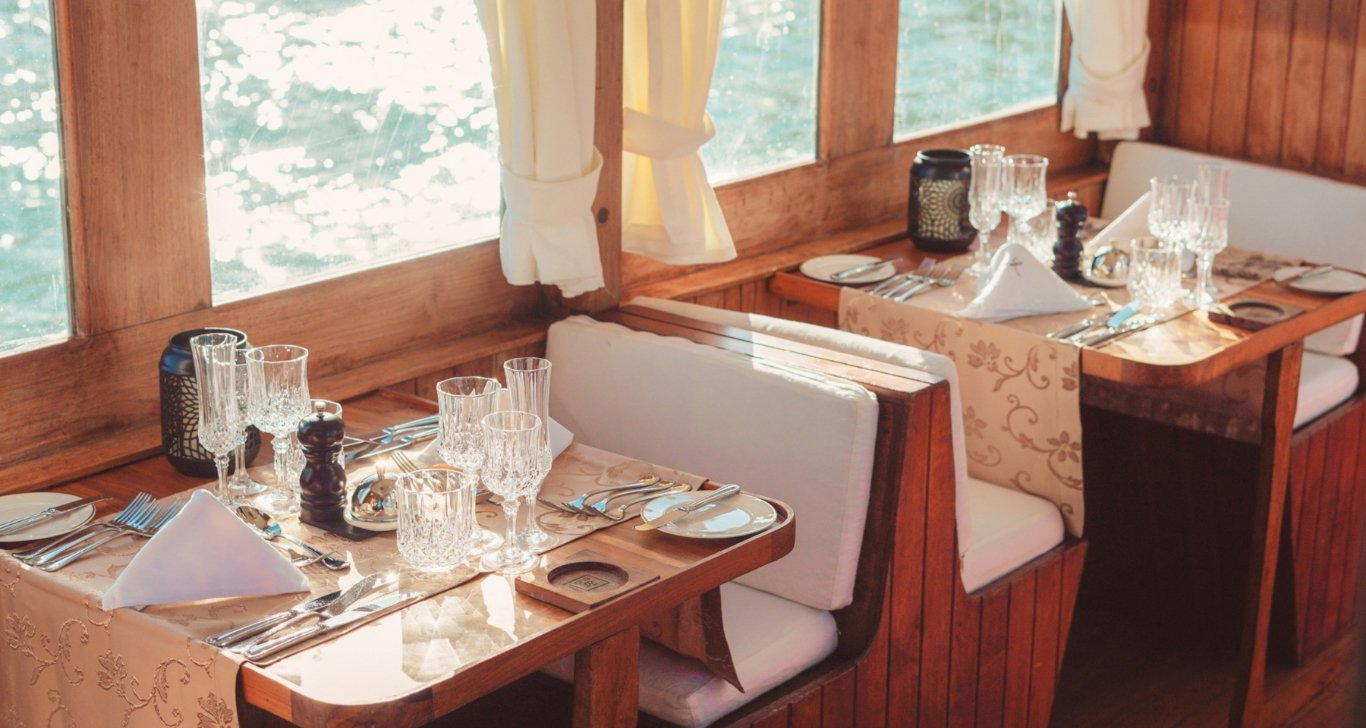
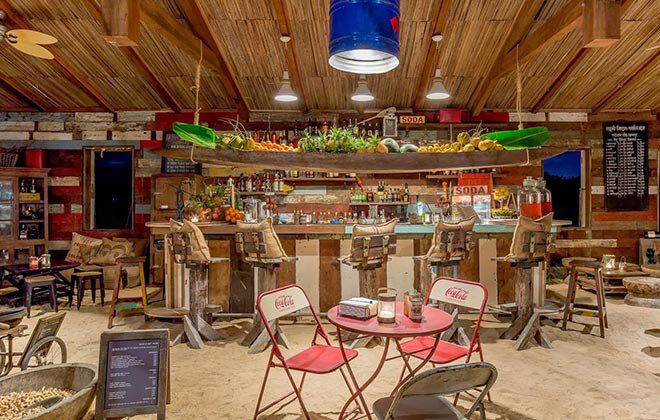
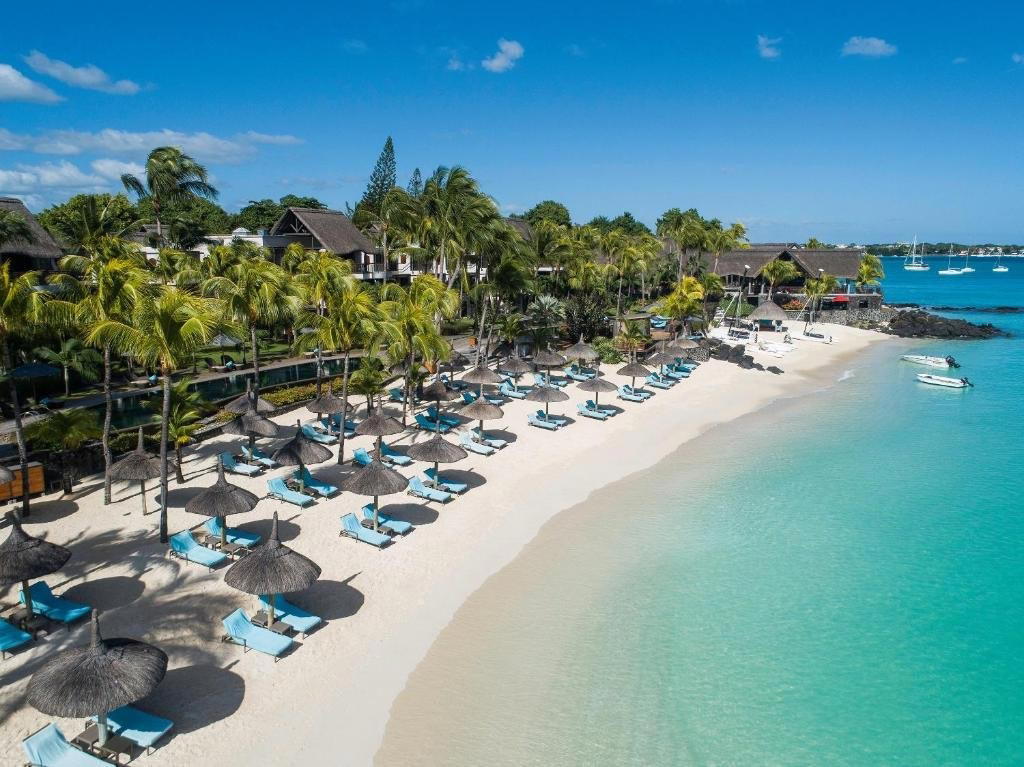
Dreamy sea views from stone terrace by the pool, intimate waterfront setting blending elegance with relaxed tropical charm.