1931
Our verdict
Hope Street and What It Asks of a Restaurant Hope Street is not a neutral address in Liverpool. Running between the Anglican and Catholic cathedrals, it carries more cultural weight per metre than almost any other stretch in the city. Restaurants here are measured not just against each other but against the street's own seriousness. The building at 38b holds a specific place in that context: the name 1931 is a timestamp, not a brand exercise, gesturing at the site's own layered past and the idea that what you eat should have a legible history behind it. That framing matters because it shapes how the kitchen thinks about ingredients. The most coherent argument a restaurant on this street can make is one about place and provenance, and that is the argument 1931 appears to be making. In the current British dining conversation, sourcing-led cooking has moved from a marketing differentiator to a genuine discipline, one that separates operations with real supplier relationships from those with well-written menus. The distinction shows on the plate. Sourcing as a Structural Choice, Not a Garnish Across the United Kingdom, the restaurants that have made the strongest case for regional ingredient sourcing are not necessarily the ones with the longest tasting menus. L'Enclume in Cartmel built its reputation in part on deep Cumbrian producer relationships. Moor Hall in Aughton, closer to Liverpool than most diners realise, has made Lancashire provenance central to its identity. Further afield, Le Manoir aux Quat'Saisons in Oxford and Gidleigh Park in Chagford have demonstrated for decades that estate-level and local-market sourcing can anchor a restaurant's entire logic. What makes the North West particularly well-suited to this approach is the density of quality producers within a short radius: Cheshire dairy, Lancashire game and livestock, Irish Sea fish landed at nearby ports. A Liverpool restaurant that takes sourcing seriously has access to a genuinely strong larder, one that doesn't require the same supply-chain engineering that a London kitchen faces. The question is always whether a kitchen commits to those relationships year-round or reaches for them selectively when the menu needs a story. 1931's position on Hope Street places it in conversation with Liverpool's more considered independent operators. Belzan has built a following through a similar instinct toward careful, ingredient-led cooking. Bistrot Vérité, working in a classic French register at a more accessible price point, demonstrates that rigour about sourcing doesn't require elaborate formats. The Art School, operating at the £££ tier with a Modern British identity, sits closest to 1931 in both ambition and audience. These restaurants collectively define a tier of Liverpool dining that is serious without being theatrical. The Hope Street Dining Room The physical experience of eating at 1931 is shaped by the address as much as the interior. Hope Street's character is quieter than the waterfront or the city centre's busier corridors, which means arrivals feel considered rather than incidental. The building's 1931 reference suggests an interior that acknowledges its own history rather than erasing it, a common instinct among Liverpool's more thoughtful independents, where the city's architectural stock rewards rather than resists that approach. Across the broader category of serious British dining rooms, the ones that hold attention over time tend to be those where the physical environment and the food operate at the same register. CORE by Clare Smyth in London and Restaurant Sat Bains in Nottingham both demonstrate how a coherent physical identity reinforces the kitchen's argument. At the other end of the format spectrum, Hand and Flowers in Marlow shows that seriousness about food and a relaxed physical environment are not mutually exclusive. 1931's challenge, like any independent on a culturally loaded street, is to hold both elements in balance. Liverpool's Independent Dining Scene in 2024 Liverpool's restaurant scene has developed a more defined character over the past decade. The city moved away from a reliance on chain-heavy dining relatively quickly compared to other UK cities of similar size, and the independents that emerged in that space range from casual to genuinely ambitious. Cafe Tabac occupies a neighbourhood-regular role on Bold Street. Delifonseca Dockside built a deli-and-dining hybrid that draws on a similar provenance logic to 1931. EastZeast demonstrates that the city's appetite extends across formats and cuisines. What 1931 represents within that landscape is a specific kind of wager: that Liverpool diners will support a restaurant that treats its address and its ingredients as the primary arguments, rather than leading with personality, spectacle, or concept. That wager has been made before, at Midsummer House in Cambridge and Restaurant Andrew Fairlie in Auchterarder, in cities that are not London and where the dining public is more selective about which restaurants earn their loyalty. For a broader view of where 1931 sits within Liverpool's dining options, the EP Club Liverpool restaurants guide maps the full range of the city's stronger independents across formats and price points. Planning Your Visit 1931 is located at 38b Hope Street, L1 9DA, within walking distance of Liverpool Lime Street station and the city's main cultural quarter. Hope Street's position between the two cathedrals makes it a natural endpoint for an afternoon spent in the Georgian Quarter before moving into an evening reservation. Given the address and the restaurant's positioning within Liverpool's more serious independent tier, booking ahead is the sensible approach, particularly for weekend evenings when Hope Street's dining options draw a concentrated audience. Frequently Asked Questions Is 1931 suitable for children? This is a considered independent restaurant in Liverpool's Hope Street cultural corridor, not a casual family dining format. Children are not excluded, but the environment and price register are oriented toward adults. Is 1931 better for a quiet night or a lively one? If you want a lively, high-energy room, Hope Street is probably not your starting point. The street's character trends quieter and more considered, which suits 1931's positioning as a serious independent. If the kitchen is performing at the level its address implies, the food is the event, and the room supports that rather than competing with it. What's the signature dish at 1931? What the restaurant's sourcing-led framing suggests is a kitchen that builds around strong regional produce rather than a single set piece. For verified current menu information, check directly with the restaurant before visiting. Should I book 1931 in advance? For a Hope Street independent operating at a serious register in Liverpool, advance booking is the practical default. The city's stronger independents at this tier fill on weekends and for special occasions. If you are planning around a specific event at the Philharmonic Hall or either cathedral, book before you finalise the rest of the evening. What sets 1931 apart from other restaurants on Hope Street? The name itself is a signal: 1931 anchors the restaurant to its building's specific history rather than a generic hospitality concept, which aligns with a sourcing-led kitchen that treats provenance as a structural commitment rather than a menu note. Hope Street already holds some of Liverpool's most architecturally and culturally significant buildings; a restaurant that earns its place there tends to do so by matching that seriousness rather than contrast it. For comparable approaches within the city, Belzan and Bistrot Vérité offer useful reference points across different price tiers.

Pearl is the En Primeur Club membership app — saves, bookings, and concierge access live there. Same editors, same standards.
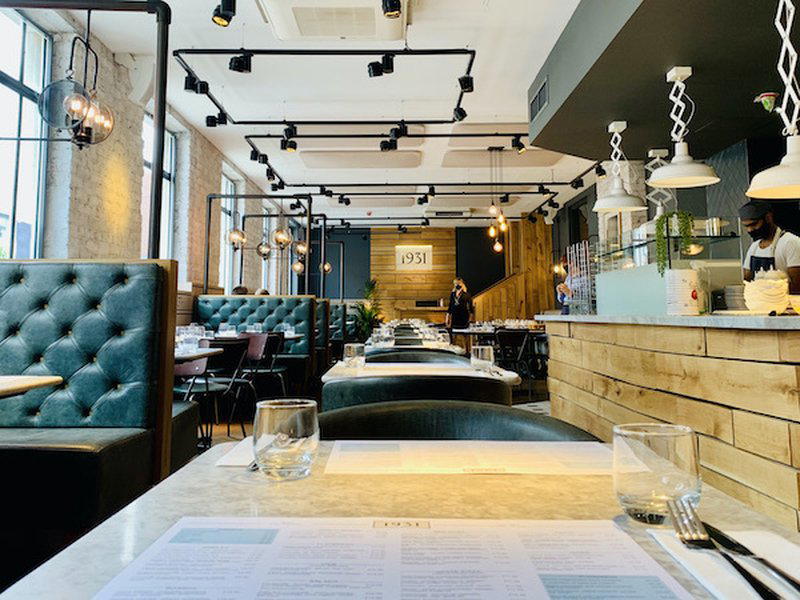
Hope Street and What It Asks of a Restaurant
Hope Street is not a neutral address in Liverpool. Running between the Anglican and Catholic cathedrals, it carries more cultural weight per metre than almost any other stretch in the city. Restaurants here are measured not just against each other but against the street's own seriousness. The building at 38b holds a specific place in that context: the name 1931 is a timestamp, not a brand exercise, gesturing at the site's own layered past and the idea that what you eat should have a legible history behind it.
That framing matters because it shapes how the kitchen thinks about ingredients. The most coherent argument a restaurant on this street can make is one about place and provenance, and that is the argument 1931 appears to be making. In the current British dining conversation, sourcing-led cooking has moved from a marketing differentiator to a genuine discipline, one that separates operations with real supplier relationships from those with well-written menus. The distinction shows on the plate.
Sourcing as a Structural Choice, Not a Garnish
Across the United Kingdom, the restaurants that have made the strongest case for regional ingredient sourcing are not necessarily the ones with the longest tasting menus. L'Enclume in Cartmel built its reputation in part on deep Cumbrian producer relationships. Moor Hall in Aughton, closer to Liverpool than most diners realise, has made Lancashire provenance central to its identity. Further afield, Le Manoir aux Quat'Saisons in Oxford and Gidleigh Park in Chagford have demonstrated for decades that estate-level and local-market sourcing can anchor a restaurant's entire logic.
What makes the North West particularly well-suited to this approach is the density of quality producers within a short radius: Cheshire dairy, Lancashire game and livestock, Irish Sea fish landed at nearby ports. A Liverpool restaurant that takes sourcing seriously has access to a genuinely strong larder, one that doesn't require the same supply-chain engineering that a London kitchen faces. The question is always whether a kitchen commits to those relationships year-round or reaches for them selectively when the menu needs a story.
1931's position on Hope Street places it in conversation with Liverpool's more considered independent operators. Belzan has built a following through a similar instinct toward careful, ingredient-led cooking. Bistrot Vérité, working in a classic French register at a more accessible price point, demonstrates that rigour about sourcing doesn't require elaborate formats. The Art School, operating at the £££ tier with a Modern British identity, sits closest to 1931 in both ambition and audience. These restaurants collectively define a tier of Liverpool dining that is serious without being theatrical.
The Hope Street Dining Room
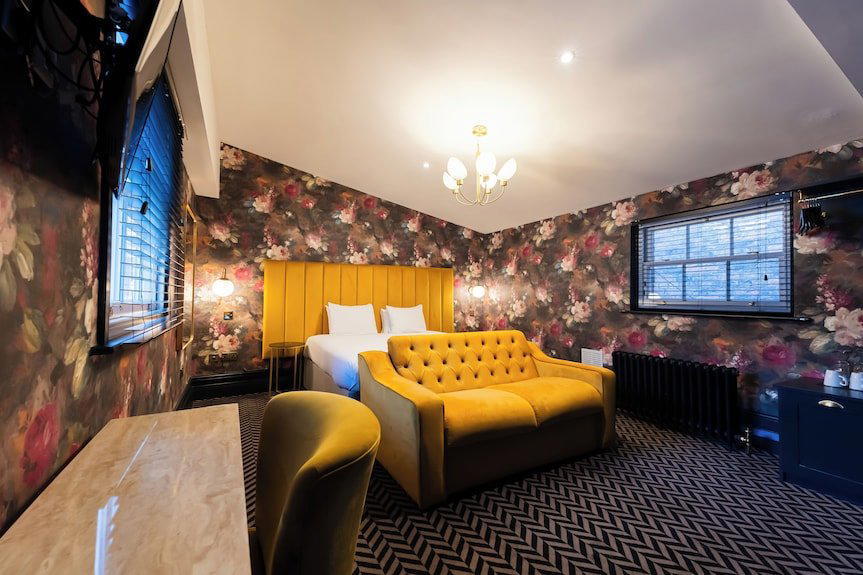
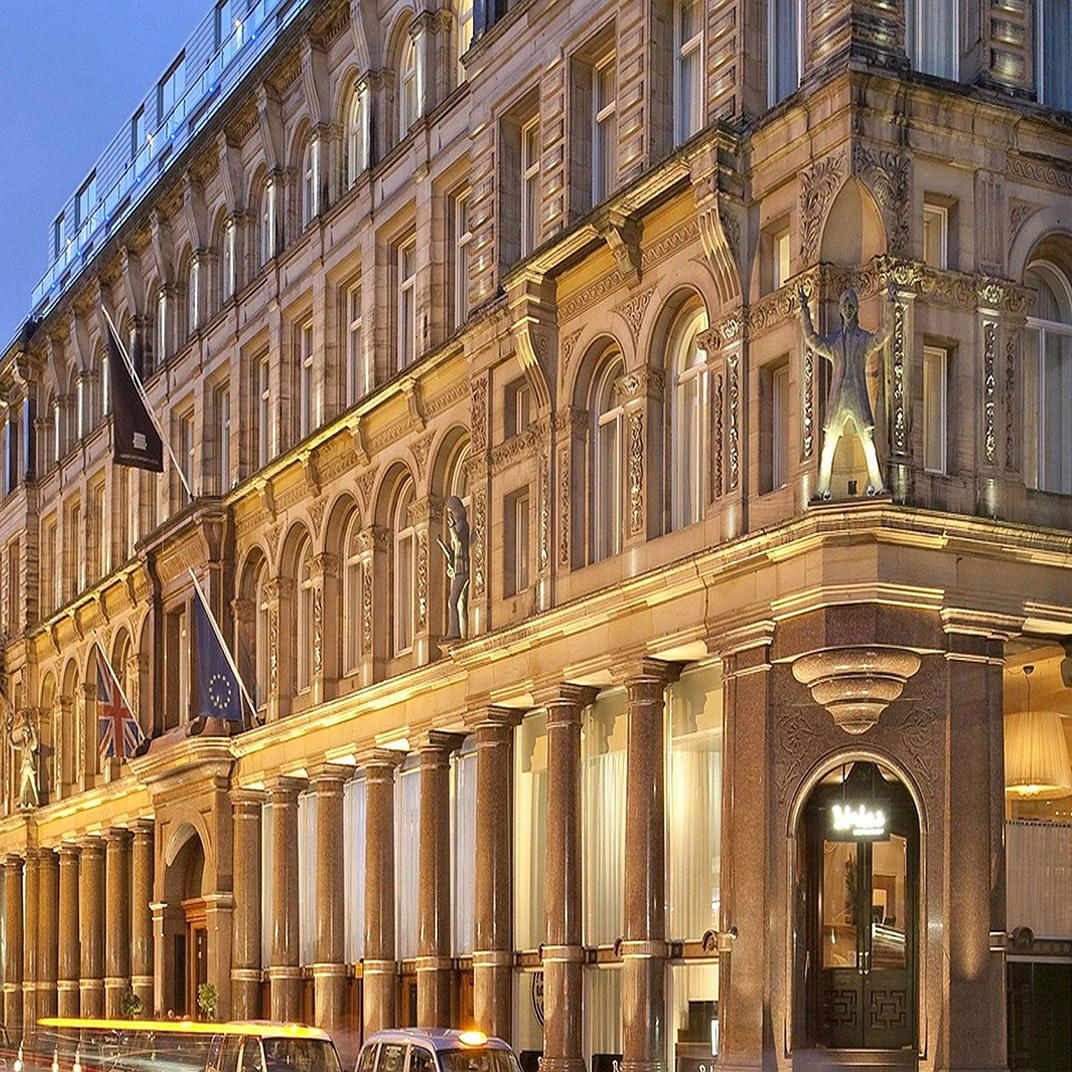
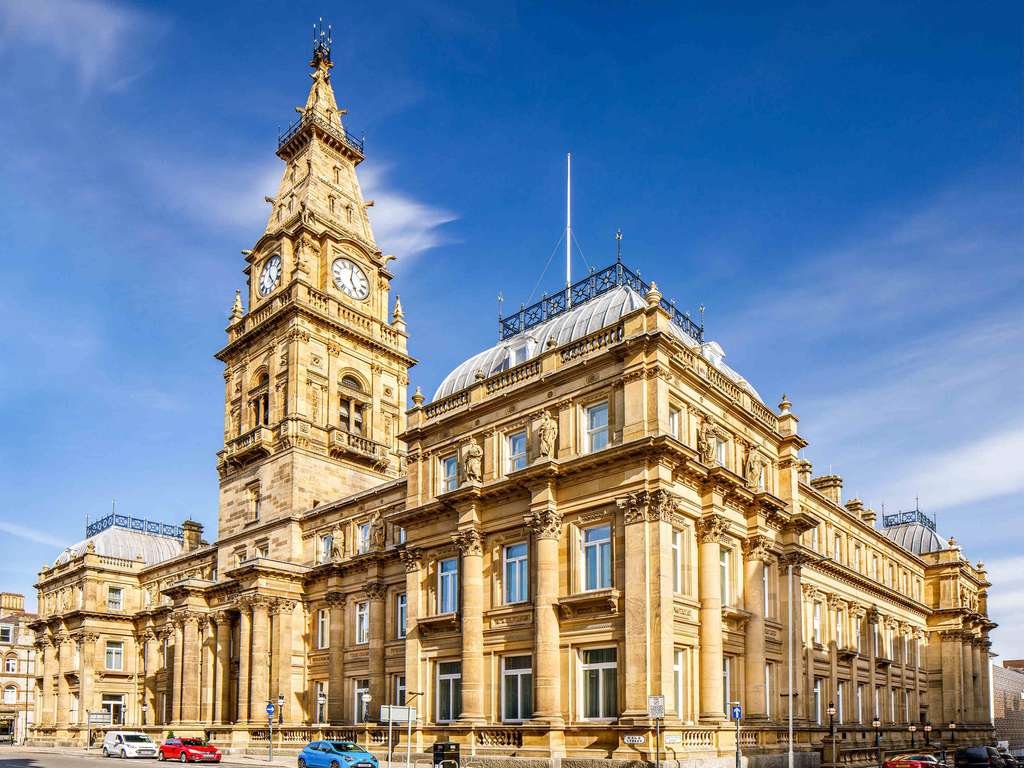
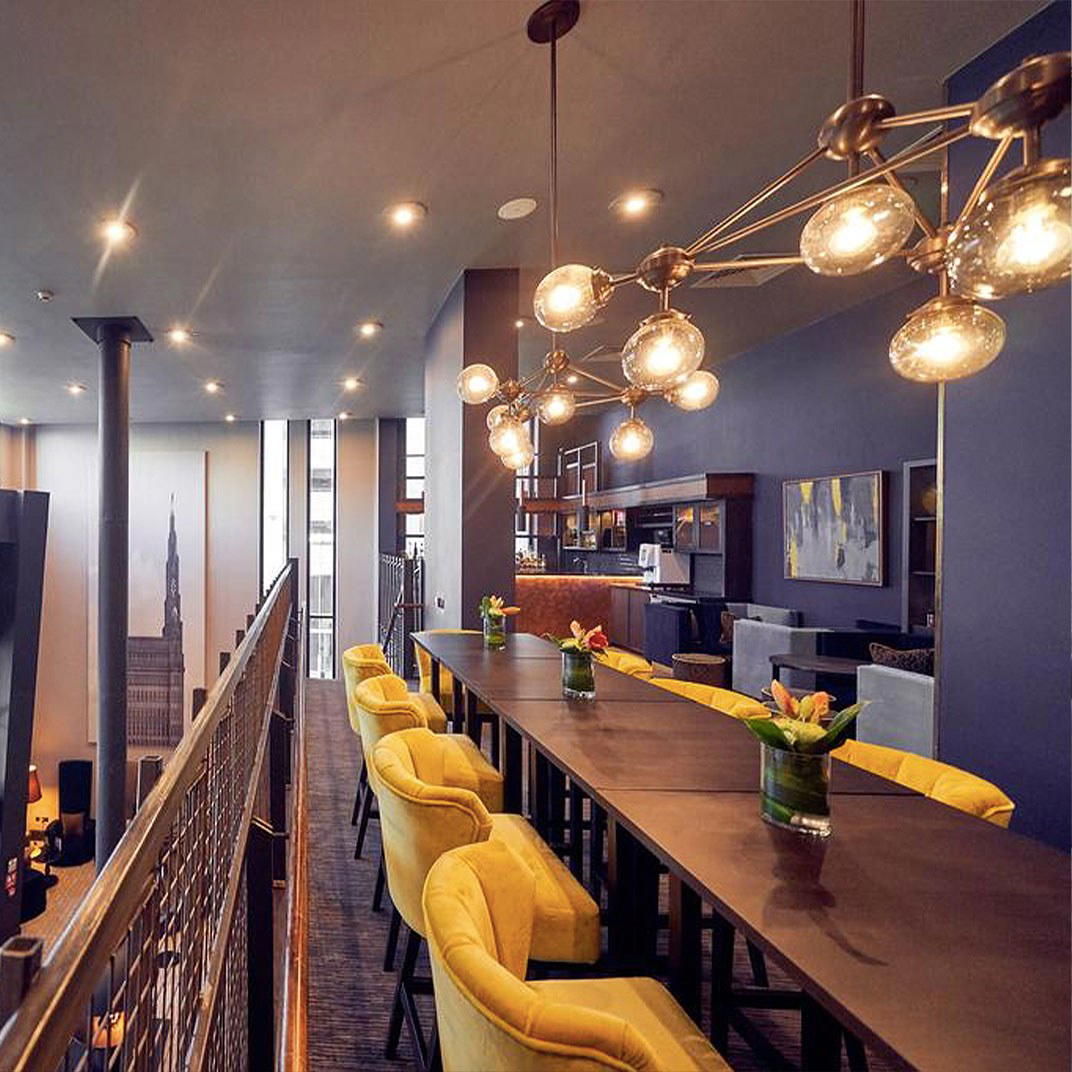
The physical experience of eating at 1931 is shaped by the address as much as the interior. Hope Street's character is quieter than the waterfront or the city centre's busier corridors, which means arrivals feel considered rather than incidental. The building's 1931 reference suggests an interior that acknowledges its own history rather than erasing it, a common instinct among Liverpool's more thoughtful independents, where the city's architectural stock rewards rather than resists that approach.
Across the broader category of serious British dining rooms, the ones that hold attention over time tend to be those where the physical environment and the food operate at the same register. CORE by Clare Smyth in London and Restaurant Sat Bains in Nottingham both demonstrate how a coherent physical identity reinforces the kitchen's argument. At the other end of the format spectrum, Hand and Flowers in Marlow shows that seriousness about food and a relaxed physical environment are not mutually exclusive. 1931's challenge, like any independent on a culturally loaded street, is to hold both elements in balance.
Liverpool's Independent Dining Scene in 2024
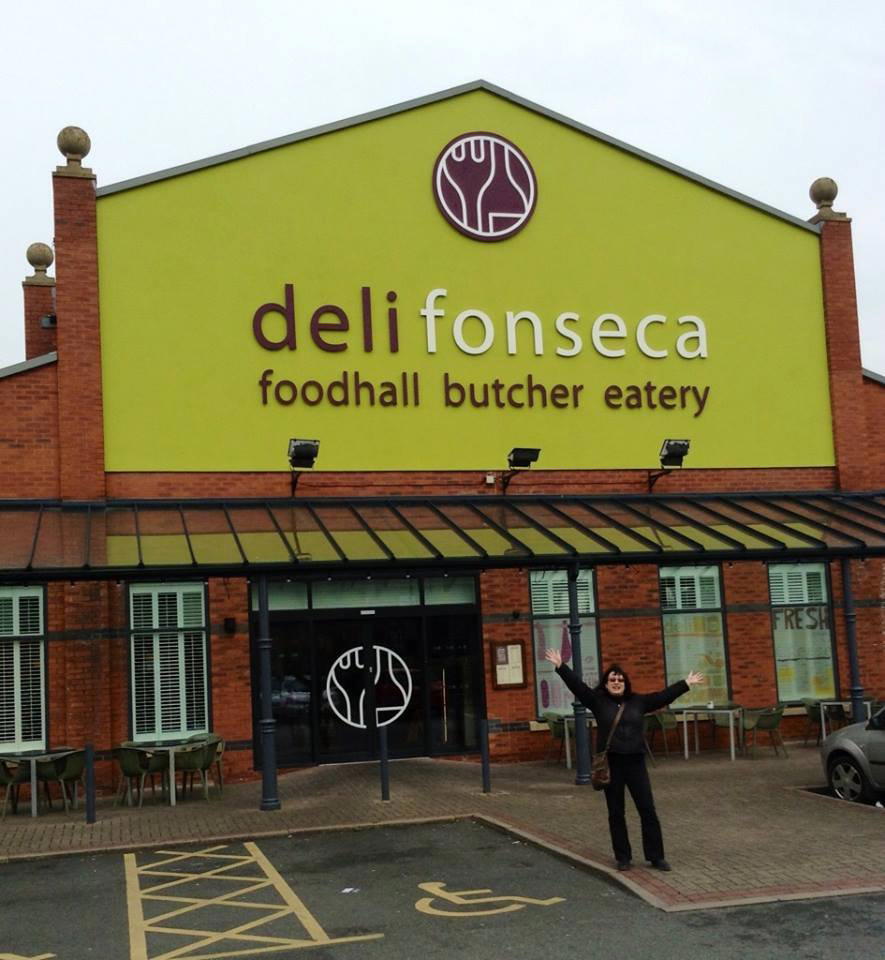
Liverpool's restaurant scene has developed a more defined character over the past decade. The city moved away from a reliance on chain-heavy dining relatively quickly compared to other UK cities of similar size, and the independents that emerged in that space range from casual to genuinely ambitious. Cafe Tabac occupies a neighbourhood-regular role on Bold Street. Delifonseca Dockside built a deli-and-dining hybrid that draws on a similar provenance logic to 1931. EastZeast demonstrates that the city's appetite extends across formats and cuisines.
What 1931 represents within that landscape is a specific kind of wager: that Liverpool diners will support a restaurant that treats its address and its ingredients as the primary arguments, rather than leading with personality, spectacle, or concept. That wager has been made before, at Midsummer House in Cambridge and Restaurant Andrew Fairlie in Auchterarder, in cities that are not London and where the dining public is more selective about which restaurants earn their loyalty.
For a broader view of where 1931 sits within Liverpool's dining options, the EP Club Liverpool restaurants guide maps the full range of the city's stronger independents across formats and price points.
Planning Your Visit
1931 is located at 38b Hope Street, L1 9DA, within walking distance of Liverpool Lime Street station and the city's main cultural quarter. Hope Street's position between the two cathedrals makes it a natural endpoint for an afternoon spent in the Georgian Quarter before moving into an evening reservation. Given the address and the restaurant's positioning within Liverpool's more serious independent tier, booking ahead is the sensible approach, particularly for weekend evenings when Hope Street's dining options draw a concentrated audience.
Frequently asked questions
Is 1931 suitable for children?
This is a considered independent restaurant in Liverpool's Hope Street cultural corridor, not a casual family dining format. Children are not excluded, but the environment and price register are oriented toward adults.
Is 1931 better for a quiet night or a lively one?
If you want a lively, high-energy room, Hope Street is probably not your starting point. The street's character trends quieter and more considered, which suits 1931's positioning as a serious independent. If the kitchen is performing at the level its address implies, the food is the event, and the room supports that rather than competing with it.
What's the signature dish at 1931?
What the restaurant's sourcing-led framing suggests is a kitchen that builds around strong regional produce rather than a single set piece. For verified current menu information, check directly with the restaurant before visiting.
Should I book 1931 in advance?
For a Hope Street independent operating at a serious register in Liverpool, advance booking is the practical default. The city's stronger independents at this tier fill on weekends and for special occasions. If you are planning around a specific event at the Philharmonic Hall or either cathedral, book before you finalise the rest of the evening.
What sets 1931 apart from other restaurants on Hope Street?
The name itself is a signal: 1931 anchors the restaurant to its building's specific history rather than a generic hospitality concept, which aligns with a sourcing-led kitchen that treats provenance as a structural commitment rather than a menu note. Hope Street already holds some of Liverpool's most architecturally and culturally significant buildings; a restaurant that earns its place there tends to do so by matching that seriousness rather than contrast it. For comparable approaches within the city, [Belzan](https://www.enprimeurclub.com/restaurants/belzan-liverpool-restaurant) and [Bistrot Vérité](https://www.enprimeurclub.com/restaurants/bistrot-vrit-liverpool-restaurant) offer useful reference points across different price tiers.
Continue exploring
More in Liverpool
Restaurants in Liverpool
All restaurants in Liverpool →
Bars in Liverpool
All bars in Liverpool →
Details
- Lively
- Modern
- Cozy
- Family
- Group Dining
- Casual Hangout
- Open Kitchen
- Hotel Restaurant
- A La Carte
- Vegetarian Friendly
- Vegan Options
- Gluten Free Options
Current opening hours
- Monday
- 12–9 PM
- Tuesday
- 12–9 PM
- Wednesday
- 12–9 PM
- Thursday
- 12–9 PM
- Friday
- 12–10 PM
- Saturday
- 12–10 PM
- Sunday
- 12–9 PM
Hours can change for holidays and private events. Last verified .
Lively and family-friendly atmosphere with Art Deco interiors in a historic hotel setting.