Our verdict
Desert Terrain as Dining Context Wickenburg sits roughly 55 miles northwest of Phoenix, at an elevation where the Sonoran Desert grades into the lower reaches of Arizona's high-desert scrubland. The town's identity was forged by gold mining and cattle ranching, and that dual legacy persists in how the surrounding land is used and understood. Along Vulture Mine Road, the address of 19, the built environment thins out quickly, and the physical approach involves open range, saguaro, and a sky that runs unbroken to the Bradshaw Mountains to the south. That setting is not incidental to what a restaurant here can be. In high-desert ranch country, the question of where ingredients come from is not an abstract sourcing principle — it is a geographic condition. Across American fine dining, the farm-to-table framework has become so widespread as to lose much of its original meaning. At places like Blue Hill at Stone Barns in Tarrytown or Single Thread Farm in Healdsburg, the sourcing relationship is architecturally built into the venue — the farm is on-site or immediately adjacent, and the menu is explicitly structured around what that land produces. That model requires a specific kind of capital investment and a particular climate. What Wickenburg offers instead is proximity to working ranches and a food culture shaped by cattle, citrus, and the produce rhythms of the Sonoran growing season. A dining concept at this address either engages with that context or ignores it. The more interesting editorial question is whether 19 has found a way to make the land legible on the plate. The Sourcing Frame in High-Desert Dining Arizona's agricultural profile is less discussed than California's, but the state produces a substantial volume of cattle, pecans, dates, citrus from the Salt River Valley, and winter vegetables from Yuma, which supplies a significant share of the nation's leafy greens between November and March. Wickenburg itself sits in Maricopa County ranching territory, where beef production has a longer continuous history than any other local food category. Restaurants that operate in this terrain with genuine sourcing commitments tend to build menus around beef cuts, seasonal desert produce, and preserved or fermented components that bridge the summer heat gap when fresh local supply narrows. This is the regional context that venues like Frasca Food and Wine in Boulder and The Wolf's Tailor in Denver have addressed from different climatic starting points in the Mountain West. In Colorado, the growing season and the cattle tradition have generated a coherent farm-to-table vocabulary that those restaurants articulate with precision. Arizona's equivalent vocabulary exists but has been less systematically translated into fine dining formats. That gap represents both a challenge and an opening for any serious dining concept operating in Wickenburg's orbit. What Wickenburg's Restaurant Scene Looks Like Wickenburg is a small town by any measure, with a population under 7,000 and a dining scene that has historically served its ranching and snowbird communities rather than destination travelers. The town's Guest Ranch tradition, Rancho de los Caballeros being the most established example, has long provided a parallel dining track oriented toward resort guests, with menus calibrated to that audience. Independent restaurants in this market occupy a different position, operating without the captive audience or infrastructure support of a resort property. Against that backdrop, a restaurant at 1551 South Vulture Mine Road is not competing with downtown Scottsdale's dining corridor or the concentrated fine-dining cluster that includes Addison in San Diego or Providence in Los Angeles. The competitive set is more localized, and the reader's frame of reference matters here. Visitors arriving from Phoenix with experience at Bacchanalia-level farm-forward American restaurants will find the Wickenburg dining scene operating at a different register of ambition and investment. That is neither a criticism nor a concession, it is a geographic and economic reality that shapes what a venue here can reasonably promise. The national reference points for ingredient-led American dining, from The French Laundry in Napa to Smyth in Chicago, involve significant kitchen infrastructure, dedicated sourcing relationships built over years, and price points that reflect both. A restaurant in Wickenburg with genuine sourcing ambitions would logically operate with more modest scope, fewer covers, a tighter menu, and a reliance on the specific regional suppliers that make geographic sense for this location. Planning a Visit The address, 1551 South Vulture Mine Road, Wickenburg, Arizona, places the venue on the southern edge of town, accessible by car from Phoenix via US-60 West, a drive of roughly an hour under normal conditions. For a town of Wickenburg's size and visitor profile, advance confirmation is sensible regardless of how the restaurant is classified. Travelers combining a visit with a wider sweep of Arizona's restaurant scene can find the broader Wickenburg context in our full Wickenburg restaurants guide. For those building a longer Arizona or Southwest itinerary, the regional fine-dining comparison points worth knowing include the farm-forward American work being done at Oyster Oyster in Washington, D.C. and the coastal ingredient discipline at Le Bernardin in New York City, both of which illustrate what serious sourcing commitment looks like when it is fully realized at the fine-dining tier. ITAMAE in Miami and Lazy Bear in San Francisco represent the progressive American format that draws on local producer networks in a similarly deliberate way. These are not peer comparisons for 19 in scale or price, but they provide a useful calibration for what ingredient-led dining can accomplish when the sourcing framework is fully operational. For readers whose interest extends to international reference points, the territory-to-table argument that Osteria Francescana in Modena makes through Emilian ingredients, or the Korean terroir emphasis at Atomix in New York City, illustrates how place-specific sourcing can become the organizing principle of a restaurant's entire identity. Emeril's in New Orleans and The Inn at Little Washington each demonstrate how regional American kitchens have built durable identities around the ingredient profiles of their specific geographies. That is the broader tradition within which any serious Wickenburg dining concept would be operating. Frequently Asked Questions Is 19 okay with children?Given that Wickenburg is a small ranching town rather than a high-price urban dining destination, and that no formal dress code or prix-fixe format has been documented for 19, families with children are unlikely to encounter a policy barrier. Confirm directly before visiting, as current operating details are limited in the public record.What is the atmosphere like at 19?The address on Vulture Mine Road, away from Wickenburg's small downtown core, suggests a setting defined by the surrounding desert landscape rather than urban street energy. Without current awards or a documented style format on record, the atmosphere cannot be described with precision, visitors accustomed to the calibrated environments of Wickenburg's guest ranch properties should confirm format expectations in advance.What should I order at 19? What the regional context does suggest is that beef and Sonoran-adjacent produce would be the most coherent foundation for an ingredient-led menu in this location, consistent with the ranching character of Maricopa County and the agricultural rhythms of southern Arizona.Is 19 a destination restaurant worth traveling from Phoenix specifically to visit?Wickenburg is roughly an hour from central Phoenix, and the drive along US-60 West is direct. Whether 19 justifies a dedicated trip depends on what the current menu and format actually deliver, neither cuisine type, awards, nor chef credentials are on public record at this time. Visitors already planning time in Wickenburg for its ranch culture or desert scenery will find the detour low-friction; those traveling solely for dining should verify current offerings before committing to the journey.

Pearl is the En Primeur Club membership app — saves, bookings, and concierge access live there. Same editors, same standards.
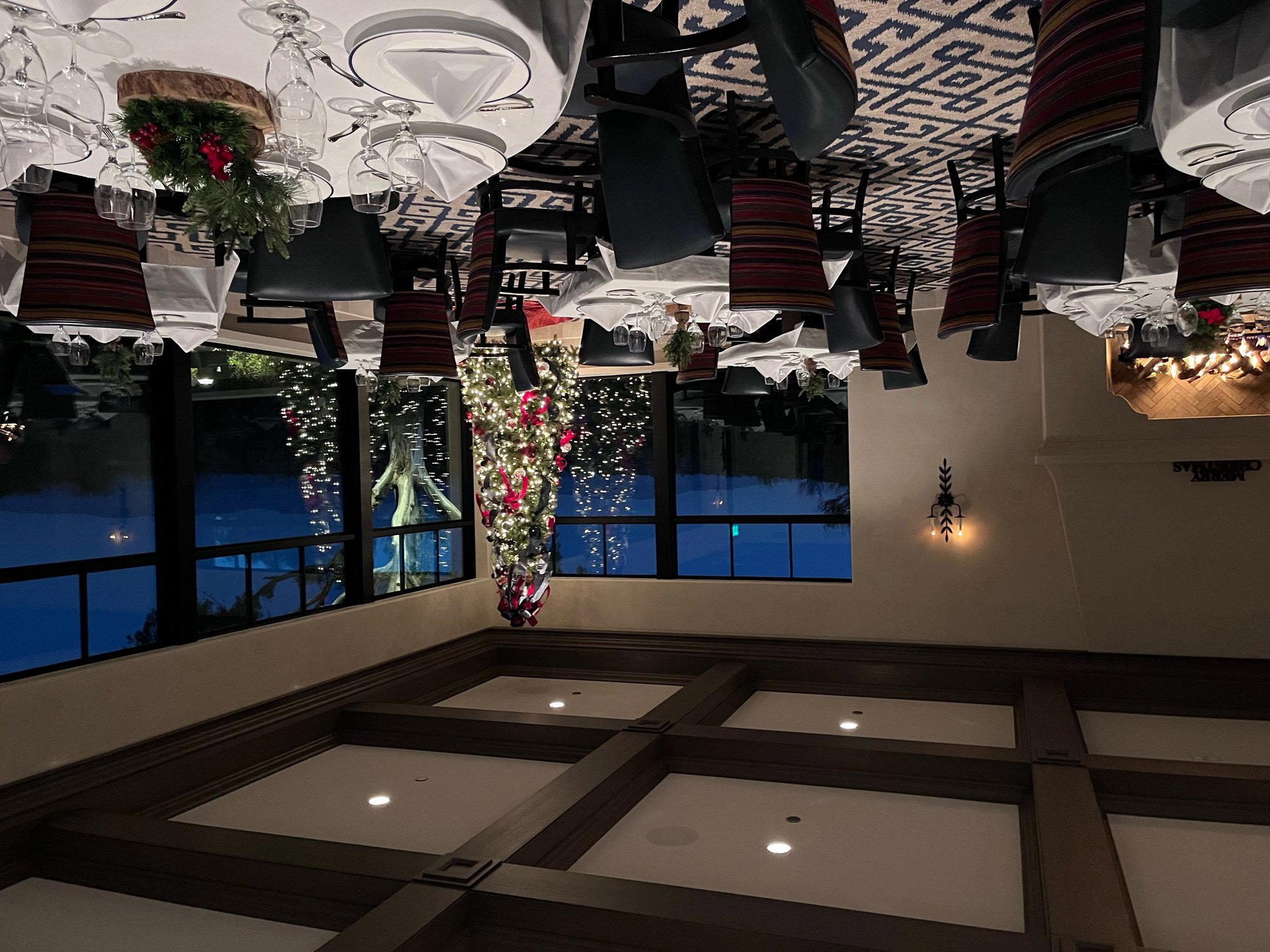
Desert Terrain as Dining Context
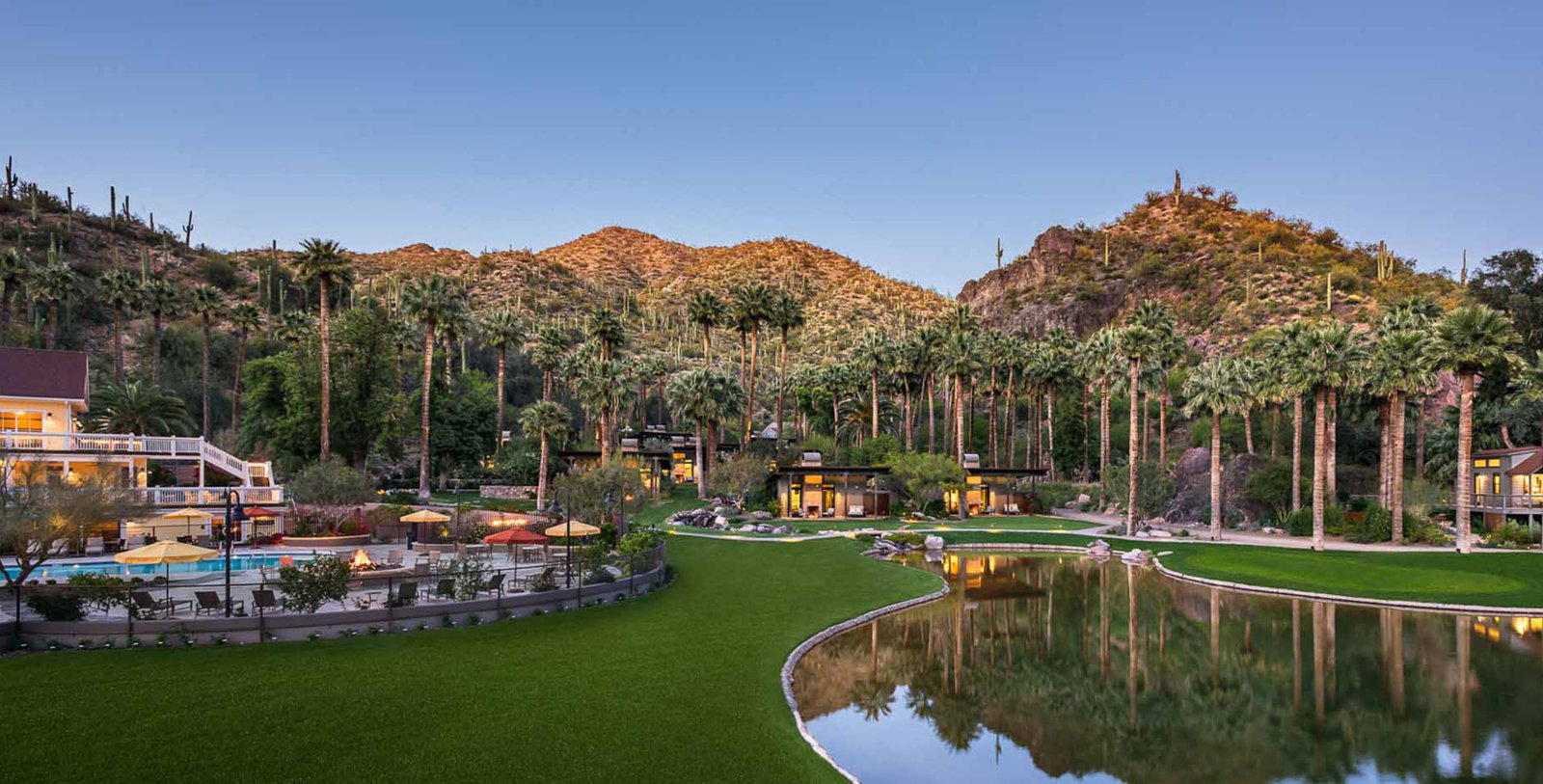
Wickenburg sits roughly 55 miles northwest of Phoenix, at an elevation where the Sonoran Desert grades into the lower reaches of Arizona's high-desert scrubland. The town's identity was forged by gold mining and cattle ranching, and that dual legacy persists in how the surrounding land is used and understood. Along Vulture Mine Road, the address of 19, the built environment thins out quickly, and the physical approach involves open range, saguaro, and a sky that runs unbroken to the Bradshaw Mountains to the south. That setting is not incidental to what a restaurant here can be. In high-desert ranch country, the question of where ingredients come from is not an abstract sourcing principle — it is a geographic condition.
Across American fine dining, the farm-to-table framework has become so widespread as to lose much of its original meaning. At places like Blue Hill at Stone Barns in Tarrytown or Single Thread Farm in Healdsburg, the sourcing relationship is architecturally built into the venue — the farm is on-site or immediately adjacent, and the menu is explicitly structured around what that land produces. That model requires a specific kind of capital investment and a particular climate. What Wickenburg offers instead is proximity to working ranches and a food culture shaped by cattle, citrus, and the produce rhythms of the Sonoran growing season. A dining concept at this address either engages with that context or ignores it. The more interesting editorial question is whether 19 has found a way to make the land legible on the plate.
The Sourcing Frame in High-Desert Dining
Arizona's agricultural profile is less discussed than California's, but the state produces a substantial volume of cattle, pecans, dates, citrus from the Salt River Valley, and winter vegetables from Yuma, which supplies a significant share of the nation's leafy greens between November and March. Wickenburg itself sits in Maricopa County ranching territory, where beef production has a longer continuous history than any other local food category. Restaurants that operate in this terrain with genuine sourcing commitments tend to build menus around beef cuts, seasonal desert produce, and preserved or fermented components that bridge the summer heat gap when fresh local supply narrows.
This is the regional context that venues like Frasca Food and Wine in Boulder and The Wolf's Tailor in Denver have addressed from different climatic starting points in the Mountain West. In Colorado, the growing season and the cattle tradition have generated a coherent farm-to-table vocabulary that those restaurants articulate with precision. Arizona's equivalent vocabulary exists but has been less systematically translated into fine dining formats. That gap represents both a challenge and an opening for any serious dining concept operating in Wickenburg's orbit.
What Wickenburg's Restaurant Scene Looks Like
Wickenburg is a small town by any measure, with a population under 7,000 and a dining scene that has historically served its ranching and snowbird communities rather than destination travelers. The town's Guest Ranch tradition, Rancho de los Caballeros being the most established example, has long provided a parallel dining track oriented toward resort guests, with menus calibrated to that audience. Independent restaurants in this market occupy a different position, operating without the captive audience or infrastructure support of a resort property.
Against that backdrop, a restaurant at 1551 South Vulture Mine Road is not competing with downtown Scottsdale's dining corridor or the concentrated fine-dining cluster that includes Addison in San Diego or Providence in Los Angeles. The competitive set is more localized, and the reader's frame of reference matters here. Visitors arriving from Phoenix with experience at Bacchanalia-level farm-forward American restaurants will find the Wickenburg dining scene operating at a different register of ambition and investment. That is neither a criticism nor a concession, it is a geographic and economic reality that shapes what a venue here can reasonably promise.
The national reference points for ingredient-led American dining, from The French Laundry in Napa to Smyth in Chicago, involve significant kitchen infrastructure, dedicated sourcing relationships built over years, and price points that reflect both. A restaurant in Wickenburg with genuine sourcing ambitions would logically operate with more modest scope, fewer covers, a tighter menu, and a reliance on the specific regional suppliers that make geographic sense for this location.
Planning a Visit
The address, 1551 South Vulture Mine Road, Wickenburg, Arizona, places the venue on the southern edge of town, accessible by car from Phoenix via US-60 West, a drive of roughly an hour under normal conditions. For a town of Wickenburg's size and visitor profile, advance confirmation is sensible regardless of how the restaurant is classified. Travelers combining a visit with a wider sweep of Arizona's restaurant scene can find the broader Wickenburg context in our full Wickenburg restaurants guide.
For those building a longer Arizona or Southwest itinerary, the regional fine-dining comparison points worth knowing include the farm-forward American work being done at Oyster Oyster in Washington, D.C. and the coastal ingredient discipline at Le Bernardin in New York City, both of which illustrate what serious sourcing commitment looks like when it is fully realized at the fine-dining tier. ITAMAE in Miami and Lazy Bear in San Francisco represent the progressive American format that draws on local producer networks in a similarly deliberate way. These are not peer comparisons for 19 in scale or price, but they provide a useful calibration for what ingredient-led dining can accomplish when the sourcing framework is fully operational.
For readers whose interest extends to international reference points, the territory-to-table argument that Osteria Francescana in Modena makes through Emilian ingredients, or the Korean terroir emphasis at Atomix in New York City, illustrates how place-specific sourcing can become the organizing principle of a restaurant's entire identity. Emeril's in New Orleans and The Inn at Little Washington each demonstrate how regional American kitchens have built durable identities around the ingredient profiles of their specific geographies. That is the broader tradition within which any serious Wickenburg dining concept would be operating.
Frequently asked questions
Is 19 okay with children?
What is the atmosphere like at 19?
What should I order at 19?
Is 19 a destination restaurant worth traveling from Phoenix specifically to visit?

Continue exploring
More in Wickenburg
Restaurants in Wickenburg
All restaurants in Wickenburg →
Bars in Wickenburg
Browse all →
Details
- Rustic
- Classic
- Elegant
- Date Night
- Special Occasion
- Hotel Restaurant
- Standalone
- Extensive Wine List
- Farm To Table
- Local Sourcing
- Mountain
- A La Carte
- Wine
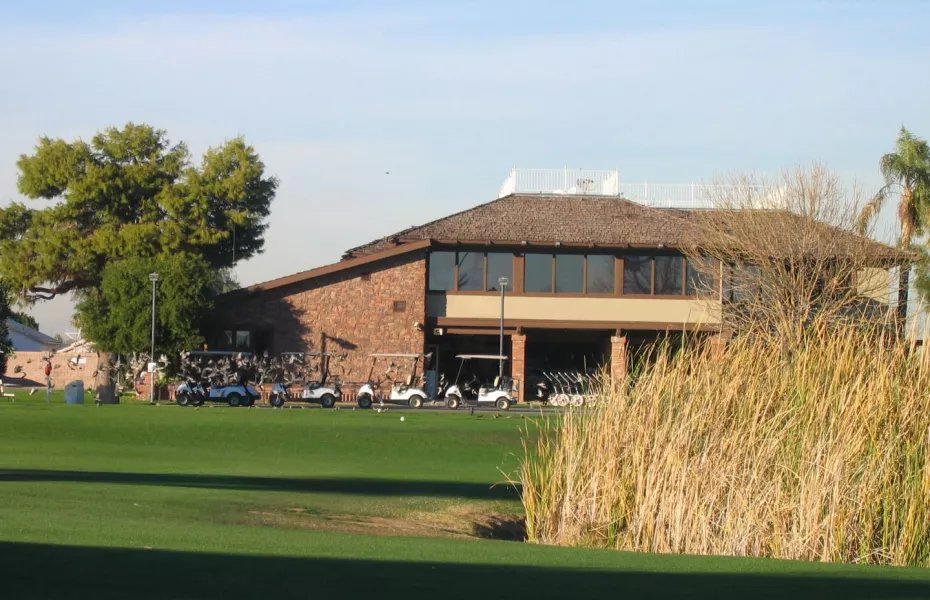
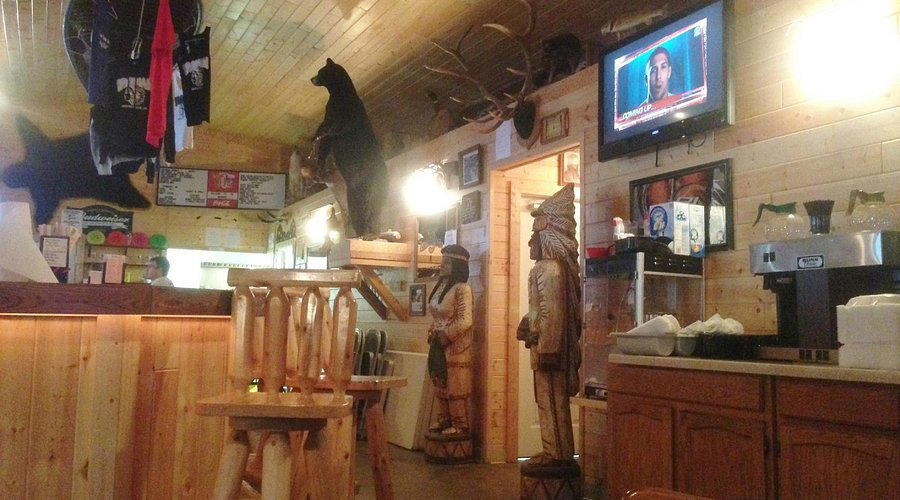
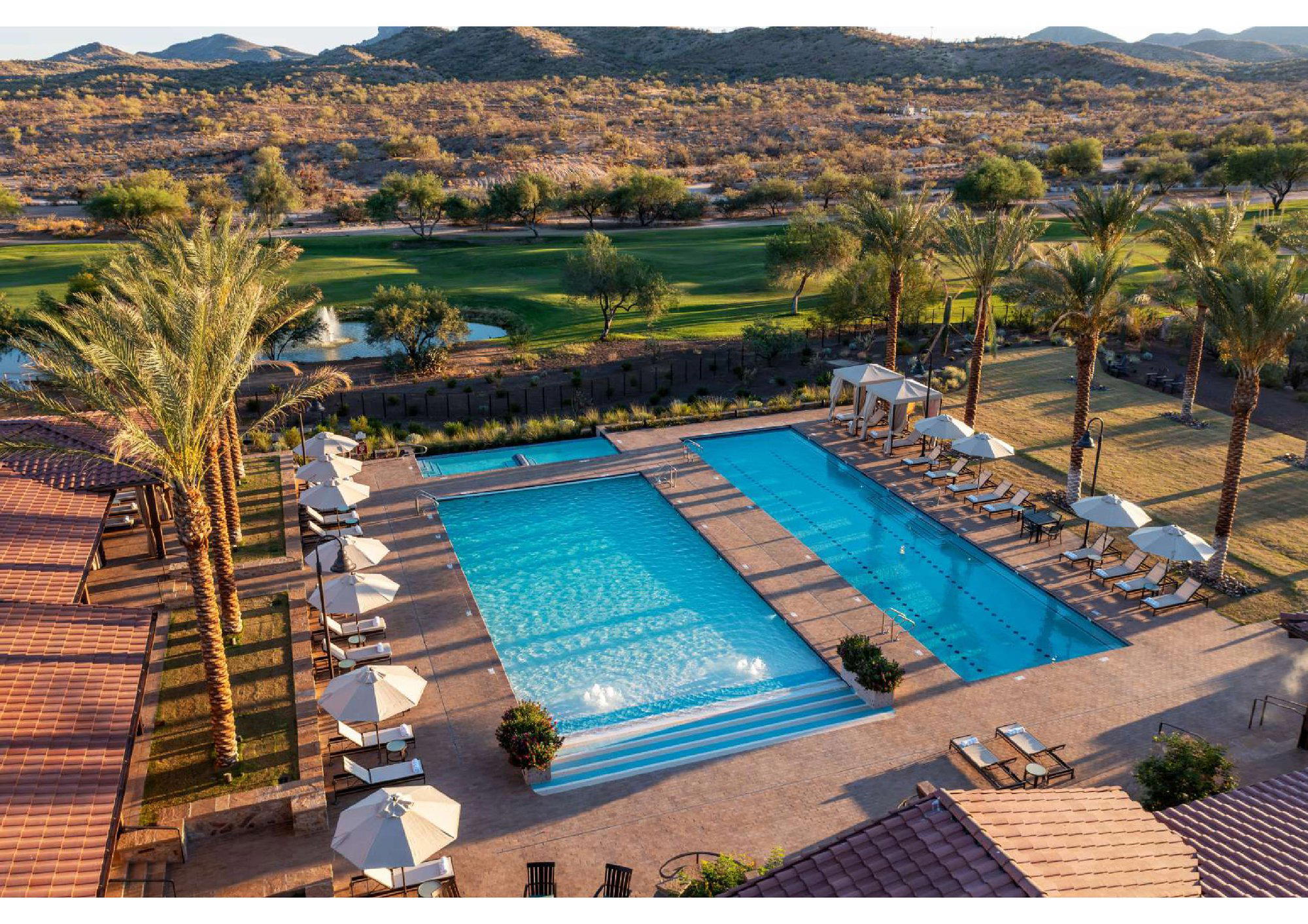
Traditional ranch dining in a resort setting; the venue is presented as an on-site dining option at Rancho de los Caballeros.