Kay El Bar Guest Ranch

USA Today Best Ranches Best Ranches #9
Listed on the National Register of Historic Places, Kay El Bar Guest Ranch is one of Arizona's longest-operating dude ranches, set along the Hassayampa Riverbed just over an hour northwest of Phoenix. Saguaro forest trails, slot canyon rides, and a deliberately small-scale setting place it in a different tier from resort-scale western properties. This is working-ranch atmosphere preserved in adobe and timber.

Pearl is the En Primeur Club membership app, where members save venues, book tables and use the concierge.
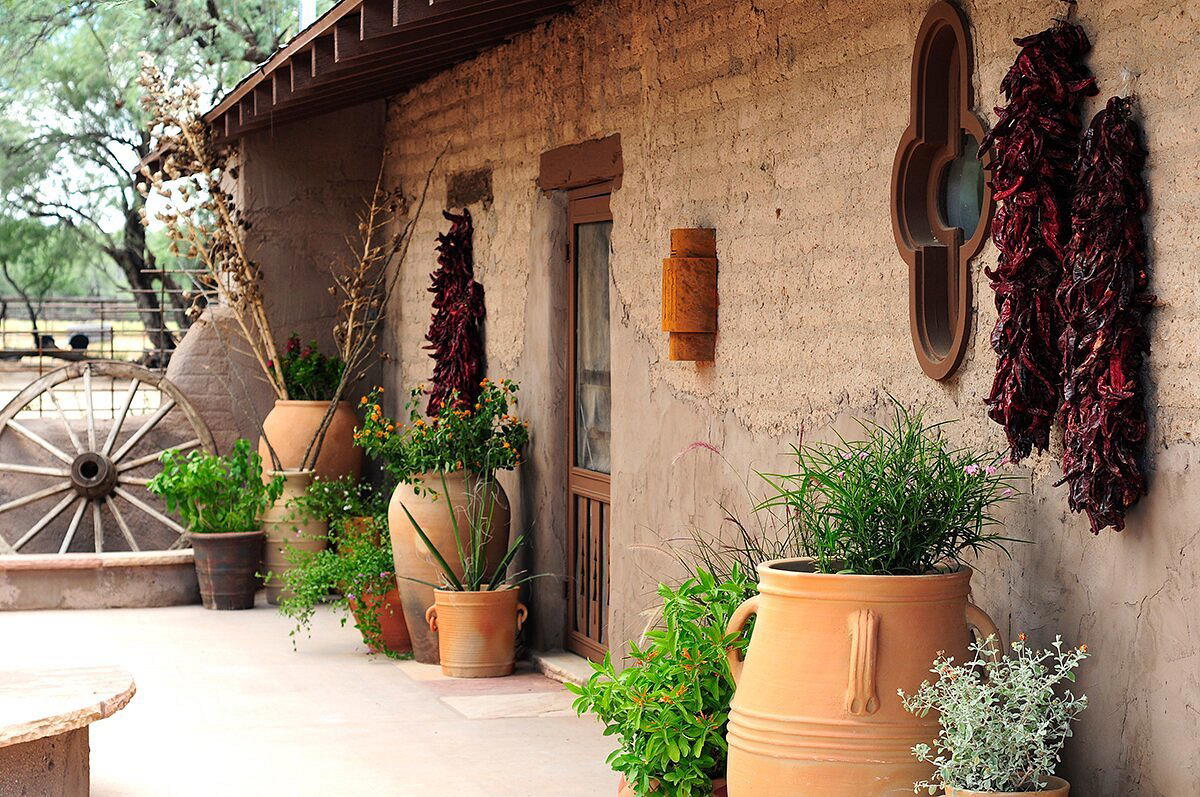
Where Adobe Walls and Desert Silence Define the Stay
Wickenburg sits at the edge of the Sonoran Desert where the Hassayampa River cuts through a basin ringed by boulder-strewn ridges and saguaro forest. The town built its early identity around gold mining and cattle ranching, and when those industries contracted, the guest ranch took their place. By the mid-twentieth century, Wickenburg was marketing itself as the Dude Ranch Capital of the World, a designation that held enough economic weight to draw visitors from both coasts looking for structured outdoor life in a recognizably western setting. Kay El Bar Guest Ranch occupies a particular position in that history: it is among the earliest surviving examples of the genre in the region, and its listing on the National Register of Historic Places confirms a physical and cultural continuity that most competitors cannot match.
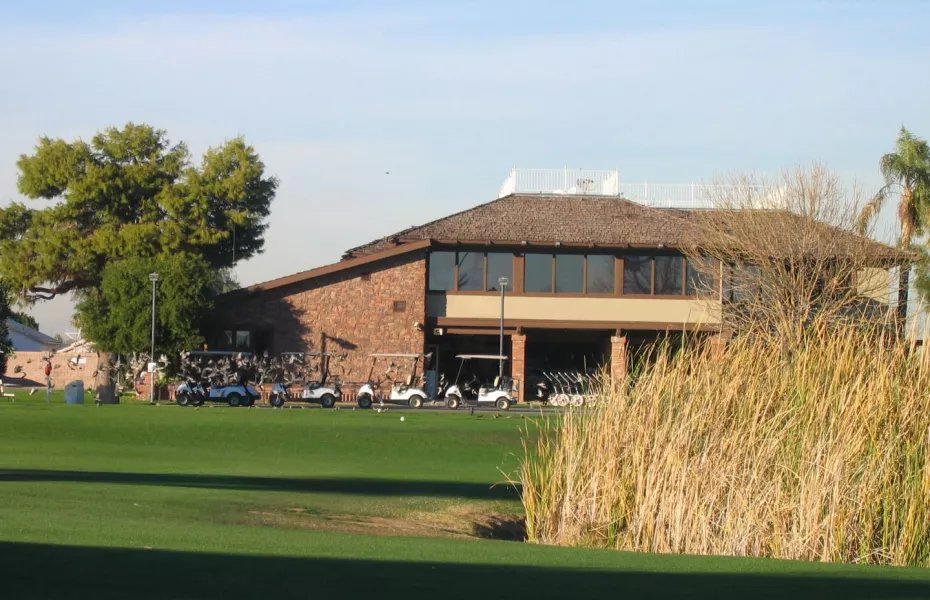
The ranch sits at 2655 S Kay el Bar Rd, roughly an hour and fifteen minutes northwest of Phoenix by road, which places it within day-trip range of the city but far enough removed to function as a genuine retreat. That distance matters architecturally as much as geographically. Properties closer to the Phoenix metro tend to absorb suburban scale and amenity expectations. Kay El Bar has not. The compound reads as a preserved specimen of early twentieth-century desert construction: low-slung adobe structures, covered porches calibrated for shade rather than spectacle, and a site plan that orients guests toward the land rather than toward a pool deck or wellness pavilion.
Adobe, Timber, and the Logic of Desert Building
Adobe construction is not decorative at Kay El Bar. It is functional in the most direct sense: thick earthen walls that absorb heat during the day and release it slowly through the evening, a passive thermal strategy that predates mechanical air conditioning by centuries. The visual effect is a palette of warm ochre and sand that reads as inseparable from the surrounding Sonoran terrain. Corrals, outbuildings, and guest quarters hold a consistent material language across the property, which gives the compound a coherence rare in western properties that have been renovated and expanded across different architectural periods.
This material fidelity is significant when placed against the broader category. Many ranch properties in the American Southwest have layered contemporary amenities over original structures in ways that produce a tonal mismatch: spa facilities in buildings that reference barn vernacular, or fitness centers dressed in reclaimed wood. Kay El Bar's National Register designation acts as a governing constraint that keeps the physical environment aligned with its historical identity. For guests whose interest is in a specific architectural period and experience type, that constraint functions as a feature rather than a limitation.
Comparable properties operating at the intersection of historic preservation and western hospitality include Rancho de los Caballeros, also in Wickenburg, which operates at a larger scale with golf and a more resort-oriented amenity stack. The two properties represent different points on the spectrum between working-ranch atmosphere and resort comfort, and the choice between them is fundamentally a question of what ratio of authenticity to amenity the guest is seeking. Kay El Bar is not competing in that bracket.
The Land Program as Architecture's Extension
At ranches operating in this tradition, the outdoor program is not an add-on to the built environment but a continuation of it. The saguaro forests that surround the property, the rocky mountain trail network, and the sandy floor of the Hassayampa Riverbed function as the property's primary spatial experience. Riding through the riverbed or working through slot canyon terrain on horseback puts guests in direct contact with the geological and ecological forces that shaped the adobe vernacular in the first place. The walls were built from this landscape; the rides take guests back into it.
This integration of built environment and outdoor program is more pronounced at smaller-scale properties than at resort-scale ranches where the outdoor offering competes with internal amenities for guest attention. At properties like Sage Lodge in Pray or Alpine Falls Ranch in Superior, the surrounding wilderness is similarly central to the proposition. The difference at Kay El Bar is the specific desert ecology: saguaro, slot canyon, and dry riverbed constitute a landscape type that the interior mountain west does not replicate.
Placing Kay El Bar in the Wider Range of Intimate Ranch Properties
The American ranch stay has diversified considerably over the past two decades. At the premium end, properties like Blackberry Farm in Walland or SingleThread Farm Inn in Healdsburg blend agricultural identity with dining programs sophisticated enough to attract guests who would otherwise book a city restaurant. Elsewhere, the ranch format has been absorbed into wellness positioning, as at Canyon Ranch Tucson. Kay El Bar sits outside both of those directions. Its register listing and Wickenburg address anchor it in a more specific tradition: the early twentieth-century dude ranch as a format that was less about luxury than about structured outdoor life in a physically demanding environment.
That positioning makes it a natural reference point for travelers comparing historic property types across the country. The intimacy of the compound puts it in the same conceptual conversation as small-scale properties like Troutbeck in Amenia or Post Ranch Inn in Big Sur, even though the architectural traditions and climates are entirely different. What connects them is a preference for limited scale and a physical environment that does not defer to the guest's urban expectations.
Planning Your Stay
Kay El Bar is located at 2655 S Kay el Bar Rd, Wickenburg, Arizona 85390, approximately 75 miles northwest of Phoenix, making it accessible as a weekend destination for Phoenix and Scottsdale travelers or as a stopping point on longer desert itineraries. Wickenburg's dude ranch season historically runs from October through April, when desert temperatures support extended outdoor activity; summer heat in the Sonoran Desert routinely exceeds 100°F and most ranches in the region adjust operations accordingly. For broader context on where Kay El Bar fits within Wickenburg's dining and hospitality scene, see our full Wickenburg restaurants guide. Booking should be confirmed directly with the property; contact information is leading sourced through the National Register listing or current hospitality directories.
Travelers weighing Arizona options against the wider Southwest should note that the state's desert ranch offer is distinct from canyon-country luxury properties like Amangani in Jackson Hole or coastal retreat formats like Little Palm Island Resort in Little Torch Key. The Wickenburg model is drier, older in format, and less amenity-driven than either of those alternatives, which is precisely why it retains a distinct audience.
In Context: Similar Options
Comparable venues nearby, for context on price, style, and recognition.
| Venue | Cuisine | Price | Awards | Notes |
|---|---|---|---|---|
| Kay El Bar Guest RanchThis venue (the venue you are viewing) | Authentic historic western dude ranch with original adobe brick buildings and modern comfortable accommodations, positioned as an intimate alternative to larger resort ranches. | $100–200 | USA Today Best Ranches Best Ranches #9 | Not listed |
| RANCHO DE LOS CABALLEROS | Luxury all-inclusive dude ranch combining authentic Western heritage with upscale resort amenities and modern comforts. | Not listed | Top 50 Ranches · USA Today Best Ranches Best Ranches #15 | Wickenburg |
| W Scottsdale | urban resort with high-energy social scene | $300–500 | Michelin Selected | Old Town Scottsdale |
| Royal Palms Resort and Spa | Historic Spanish Colonial Revival estate with residential-style luxury | Not listed | 1 Michelin Key · Forbes Recommended | Camelback East |
| Grand Hyatt Scottsdale Resort | Contemporary luxury desert resort blending Frank Lloyd Wright-inspired architecture with Sonoran Desert aesthetics and modern minimalist design. | $300–500 | Not listed | Gainey Ranch |
| Hotel Congress | Eclectic urban historic boutique with Southwest deco-inspired vintage rooms. | Not listed | Not listed | downtown |
Recognition history
Dated appearances from independent guides and award organizations, with the underlying list record or original source where available.
USA Today Best Ranches Best Ranches #9
USA Today Best Ranches
Continue exploring
More in Wickenburg
Hotels in Wickenburg
All hotels in Wickenburg →
Bars in Wickenburg
Browse all →

Details
- Rustic
- Quiet
- Intimate
- Cozy
- Scenic
- Family Vacation
- Romantic Getaway
- Weekend Escape
- Group Retreat
- Historic Building
- Garden
- Terrace
- Panoramic View
- Wi Fi
- Pool
- Hot Tub
- Restaurant
- Bar
- Mountain
- Garden
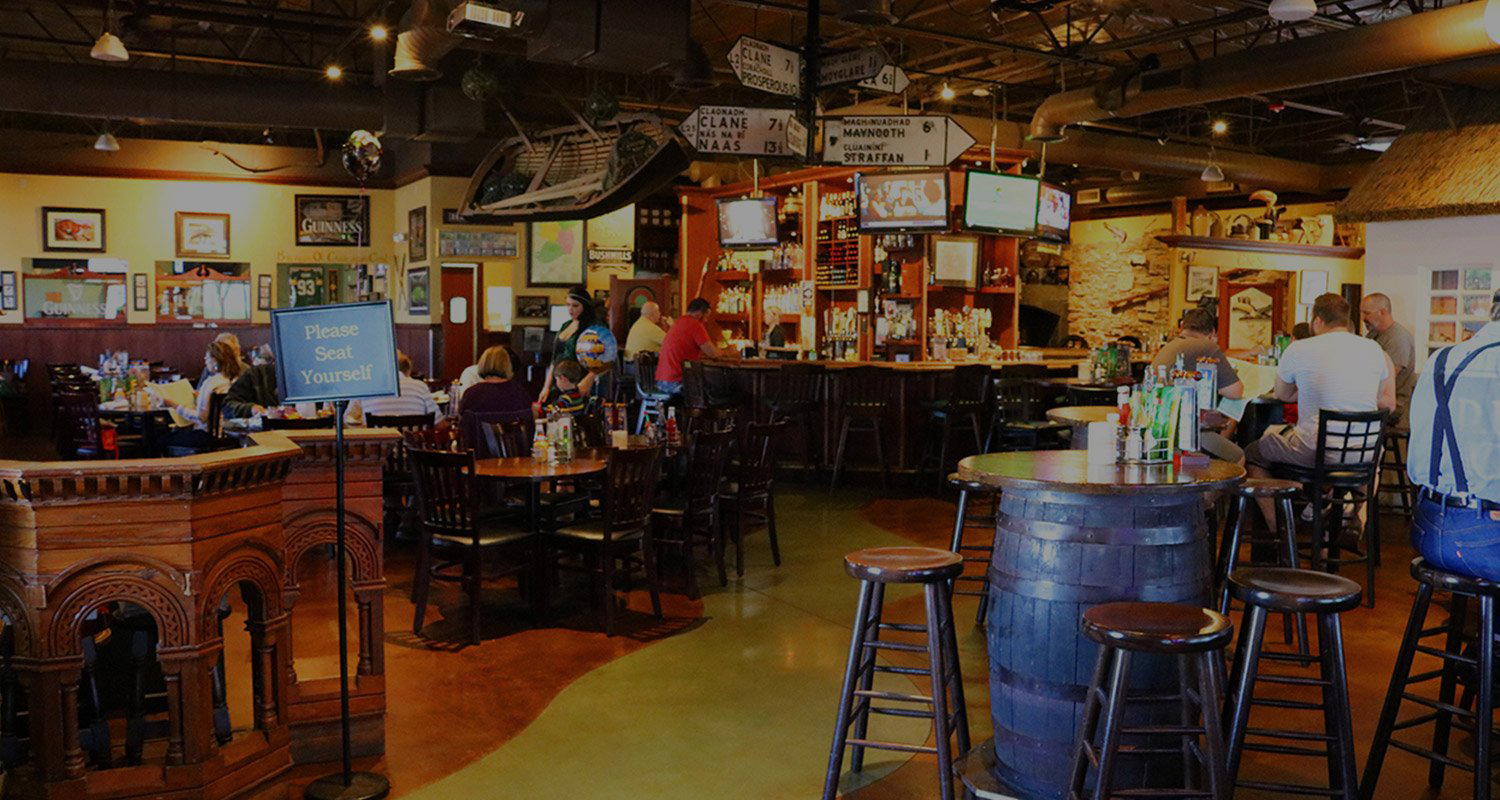
Warm and welcoming with rustic charm, featuring cozy lodge spaces with fireplaces, an honor bar, and communal dining that encourages guest interaction in a peaceful desert setting.