← Guides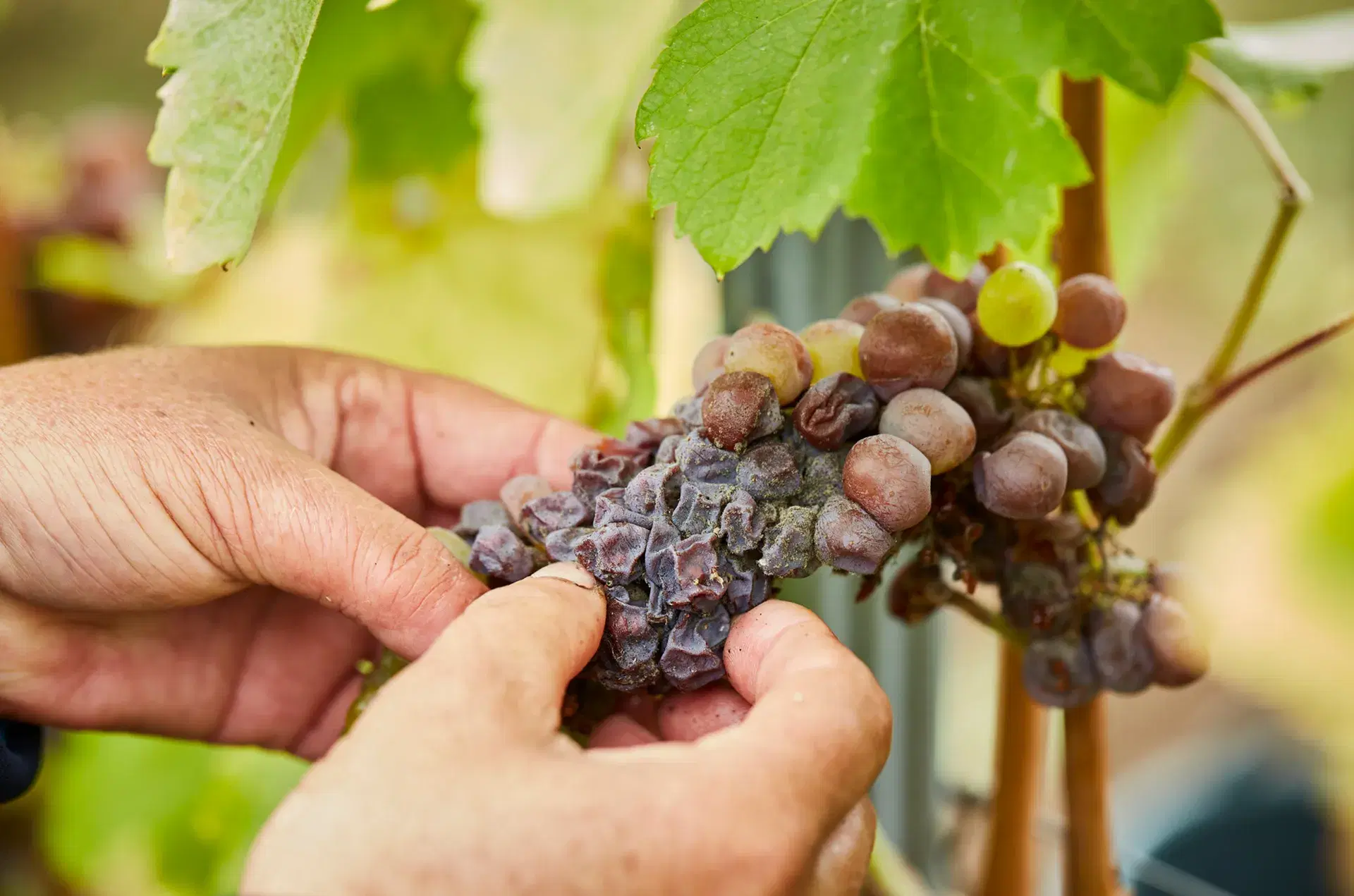
According to Decanter, Royal Tokaji’s 2019 single-vineyard Aszús trace five Mád sites through 35°C heat, late botrytis and Hungarian oak.
According to Decanter, Royal Tokaji’s 2019 single-vineyard Aszús trace five Mád sites through 35°C heat, late botrytis and Hungarian oak.
For collectors who usually read Tokaji through sweetness levels and age, the better question is direct: what happens when five Mád sites meet the same vintage pressure and the same oak programme? Decanter’s preview gives no simple hierarchy of volume or price. It gives contrast: Nyulászó’s dried-floral lift, Szt. Tamás’ vinous dried fruit, Betsek’s spice and herbal freshness, Mézes Mály’s savoury creaminess, Birsalmás’ quince and acacia honey.
Royal Tokaji was co-founded in 1990 by Hugh Johnson, the bestselling wine author and Decanter Hall of Fame winner, and the estate has made single-vineyard Aszús since the 1990s, according to Decanter. The releases have not always appeared in consecutive years, which gives the 2019s an added collector’s angle: this vintage follows the run of 2016, 2017 and 2018, with Birsalmás absent from that sequence because of replanting.
According to Decanter, the upcoming Royal Tokaji 2019 Aszú single-vineyard set comes from the estate’s own plots in the commune of Mád: Birsalmás, Nyulászó, Szt. Tamás, Betsek and Mézes Mály. Each wine is a Tokaji Aszú 6 Puttonyos, and each follows the same cellar logic. Royal Tokaji ferments the base wine to 5%-6% alcohol, then adds the aszú berries to the still-fermenting must for two days of maceration. After pressing, fermentation finishes in Hungarian oak, 30% new for the 2019s, before ageing on fine lees in 300- and 500-litre barrels made from oak sourced from the Zemplén Hills.
That shared method is the point. If Nyulászó reads differently from Betsek, or if Mézes Mály carries a different texture from Birsalmás, the reason is not a different vessel, a different cooper, or a wish to make one wine louder than the others. Royal Tokaji uses one vinification and ageing process across the single-vineyard Aszús so the sites can be read against one another. For a serious tasting table, that control turns dessert wine into a terroir exercise.
The 2019 growing season in Tokaj did not begin with abundance. Decanter reports a cool spring, then a hot summer, with temperatures regularly reaching 35°C. August stayed dry. For a wine style that depends on noble rot rather than simple ripeness, those conditions sharpened the risk: sugar and maturity could arrive before the botrytis character that gives Aszú its saffroned, marmalade-laced depth.
"we were hopeless at the beginning of September as there wasn't a sign of aszú"
Zoltán Kovács, winery director, Decanter1
Zoltán Kovács had joined Royal Tokaji in 2017, the same year the estate adopted its current Hungarian oak fermentation approach for these wines. His September memory matters because it catches the vintage’s hinge point. Rain in mid-September, combined with high temperatures, triggered the rapid onset and spread of botrytis. Later rain toward the end of October shortened the picking window, but Royal Tokaji reported picking fruit it described as rich and clean for the single-vineyard Aszús, beginning with Nyulászó and finishing with Szt. Tamás.
That sequence gives the Royal Tokaji 2019 Aszú release its tension. A dry August and 35°C summer did not yield a simple, sun-heavy set. The acidity that defines Tokaji, aided by the region’s late-ripening, high-acid Furmint, as Decanter notes in its broader explanation of the style, had to hold the sweetness in line while botrytis arrived quickly after mid-September rain. In the glass, that means propulsion rather than syrup: pineapple, dried mango, marmalade, sweet spice and camomile, with sweetness cut by a vivid streak of acidity.
Decanter’s top pick among the 2019 single-vineyard wines was Nyulászó, whose name means “a good place to catch hares.” The site carries volcanic bedrock topped with brown clay and rhyolite tuff. In the preview, Nyulászó showed layered complexity, dried-floral character, a seamless mouthfeel and acidity that drove the finish long. The appeal here is sweetness, yes, but also the way botrytis richness and mineral line move together.
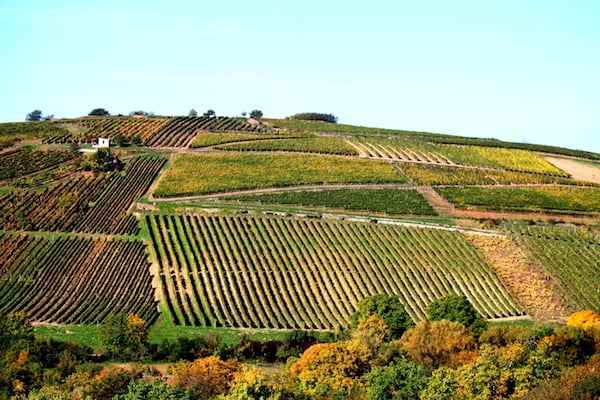
For collectors building a Tokaji flight, Nyulászó may be the bottle to place first or last depending on the lesson you want from the evening. First, it establishes the aromatic reach of Royal Tokaji 2019 Aszú, the dried-floral notes, the citrus-peel edge implied by the acidity, the long finish. Last, it lets the table return to finesse after the darker profile of Betsek or the creamier register of Mézes Mály. Either way, Nyulászó gives the set a high-acid axis.
Betsek sits within the Mád basin, with dark soils of clay mixed with white volcanic minerals. Decanter’s preview points to ripeness, spiciness, smokiness and a touch of herbal freshness, backed by purity of fruit. It also notes that Betsek has the lowest alcohol among the 2019 single-vineyard bottlings. That final detail will interest anyone who tracks balance in sweet wine, because alcohol can frame sweetness as either weight or lift. In Betsek, the reported profile suggests spice and herbal lift working against the density of botrytised fruit.
These two wines also show why a single-vineyard Aszú tasting deserves more than the last minutes of dinner. Serve them with attention, before palates go quiet. Betsek’s spice and herbal freshness can speak with blue cheese, roast quince or a dish with saffron and preserved citrus; Nyulászó’s floral lift and acidity ask for a cleaner frame. The pairing logic begins with texture, not sugar.
Mézes Mály brings another register to the Royal Tokaji 2019 Aszú set. Decanter describes it as one of the estate’s top sites, with south-facing slopes, volcanic bedrock and loess soils. The preview note opens with savoury creaminess and moves toward peach. That phrase, savoury creaminess, is useful because it keeps the wine out of a simple fruit-and-honey box. In great Tokaji, botrytis can feel almost tactile: beeswax, tea, dried peel, spice, and a grain of bitterness that keeps the finish awake.
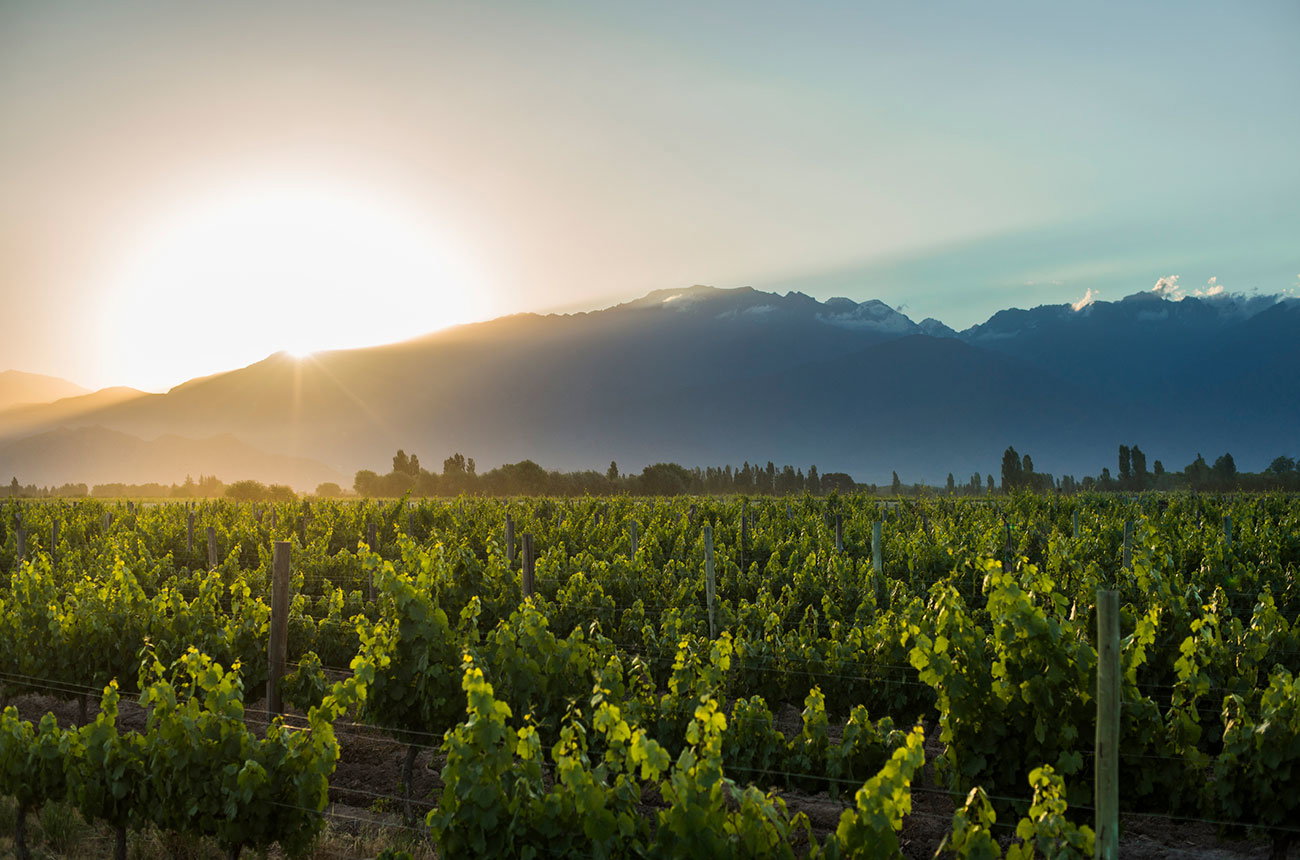
The south-facing aspect of Mézes Mály matters within a vintage defined by heat. Nyulászó came first and Szt. Tamás last. Mézes Mály’s 2019 profile, as previewed, sits on creaminess and peach rather than the dried-floral line of Nyulászó or the darker spice of Betsek. In a side-by-side tasting, that contrast gives the middle of the flight a broader texture.
Birsalmás, whose name means “quince orchard,” returns in the 2019 set after replanting kept it out of the preceding unbroken run. Decanter’s note follows the name: stone fruit on the nose, quince, acacia honey and a mixed bag of floral tea. That makes Birsalmás among the more immediately legible wines in the group. Quince is a key Tokaji marker; it sits between fruit, pectin, peel and perfume, and it gives Aszú a bridge between orchard fruit and botrytis complexity.
Tasted beside Mézes Mály, Birsalmás should sharpen the question of how honeyed notes behave across sites. Acacia honey can read pale, lifted and floral; savoury creaminess moves differently across the palate. The same 30% new Hungarian oak fermentation for 2019 and the same fine-lees ageing in Zemplén Hills oak barrels keep the comparison clean. The two wines do not need to shout over one another. They map texture.
Szt. Tamás sits next to Nyulászó, but Decanter’s description sends it in a different direction. Royal Tokaji’s parcels there are rich in red clay and volcanic rocks, sloping southwest. In 2019, the wine brought a more vinous, dried-fruit-driven aroma to the glass, while the palate carried zesty freshness. That tension, dried fruit on the nose, freshness in the mouth, is precisely where Aszú earns its place in a collector’s cellar rather than only on a restaurant dessert list.
The picking sequence adds another useful detail. Royal Tokaji began with Nyulászó and finished with Szt. Tamás, according to Decanter. Without over-reading the calendar, the sequence helps explain why Szt. Tamás can feel like the set’s late chapter: deeper aromatics, dried fruit, then acidity returning on the palate. In a vintage where rain toward the end of October shortened the picking window, that freshness is no casual detail. It is the structural line that keeps the wine from collapsing into richness.
If you plan to taste the Royal Tokaji 2019 Aszú wines as a set, Szt. Tamás belongs near the end, after Birsalmás and Mézes Mály have shown the honeyed and creamy side of the vintage. Its red clay and volcanic rock profile, filtered through dried fruit and zesty freshness, can close the flight with a firmer shape. Follow it with Nyulászó if you want the final word to be floral and acid-led; close with Szt. Tamás if you want the last impression to be vinous.
The collector case for the Royal Tokaji 2019 Aszú release rests on comparison. These are five single-vineyard 6 Puttonyos Aszús from one commune, one vintage and one cellar method: Birsalmás, Nyulászó, Szt. Tamás, Betsek and Mézes Mály, all seen through 2019’s heat, dry August, mid-September botrytis and compressed late picking conditions.
That should make collectors disciplined. Track the wines by site, not by noise. Nyulászó carries the strongest preview signal, with Decanter naming it a leading pick among the 2019s. Betsek adds the lowest alcohol among the single-vineyard bottlings and a spice-herbal profile. Mézes Mály brings south-facing loess and savoury creaminess. Birsalmás returns with quince, acacia honey and floral tea. Szt. Tamás finishes the picking sequence and pairs dried-fruit aroma with zesty freshness.
The broader climate frame also matters. Decanter reports that Hungary reached a record high of 42°C in summer 2024, and Charlie Mount, Royal Tokaji’s managing director, pointed to heat and lack of humidity as variables that make future Aszú production a close study. Kovács’ view, as reported by Decanter, is pragmatic: autumn rain can still change the situation, as it did in 2019. For Tokaji, patience during harvest remains part of the craft.
For travel-minded drinkers, Mád is the name to keep in view. The appeal reaches beyond the glass of amber wine at the table; it lies in understanding why brown clay over rhyolite tuff in Nyulászó does not taste like dark clay mixed with white volcanic minerals in Betsek, or why loess in Mézes Mály changes the feel of botrytised Furmint. Tokaj rewards those who taste slowly. The 2019 Royal Tokaji single-vineyard Aszús give that patience a structure, and the next warm vintages will show how far Mád’s sites can bend without losing their line.
The 2019 release includes five single-vineyard Aszús from Mád, Birsalmás, Nyulászó, Szt. Tamás, Betsek, and Mézes Mály, all vinified using the identical cellar regime. This lets collectors compare how different volcanic soils and terroirs express themselves within the same vintage and winemaking framework, turning the tasting into a focused terroir study rather than a comparison of techniques.
The 2019 vintage was marked by a hot, dry summer with temperatures regularly reaching 35°C, which delayed botrytis development until mid-September rains finally triggered noble rot. This late-season shift created tension in the wines, balancing the heat and ripeness with the acidity and botrytis character essential to high-quality Aszú.
Royal Tokaji ferments the base wine to 5-6% alcohol, then macerates aszú berries in the still-fermenting must for two days before pressing. Fermentation finishes in Hungarian oak (30% new for 2019), followed by ageing on fine lees in 300- and 500-litre barrels made from Zemplén Hills oak.
The release includes five single-vineyard Aszús from Mád: Birsalmás, Nyulászó, Szt. Tamás, Betsek, and Mézes Mály. Each is classified as Tokaji Aszú 6 Puttonyos and carries distinct terroir characteristics, from Nyulászó's dried-floral lift to Mézes Mály's savoury creaminess.
Birsalmás was absent from the 2016, 2017, and 2018 releases due to replanting at the vineyard. Its return in the 2019 vintage adds collector interest, as it rejoins the single-vineyard lineup alongside Nyulászó, Szt. Tamás, Betsek, and Mézes Mály.
Get the App
Take the shortlist into the En Primeur Club app for concierge access, saved places, and the next step after discovery.
Get Exclusive AccessMore from the editors