The ornate bubble chandelier and emerald-green Belle Époque punkah fans befit the centennial dining room dripping in heritage. In the kitchen, chef André Chiang leads a young team to reinterpret French classics with a distinctive Singapore spin. Diners can devise their own 4- or 5-course set menu or opt for the 7-course tasting menu. The chef’s papillote de bouillabaisse seduces with seafood umami and fragrant fennel and saffron.
Pearl is the En Primeur Club membership app — saves, bookings, and concierge access live there. Same editors, same standards.
- Address
- 1 Beach Rd, Singapore 189673
- Phone
- +65 6412 1816
- Website
- restaurantsandbars.accor.com
- Directions
- Get directions
 Saves & bookings on Pearl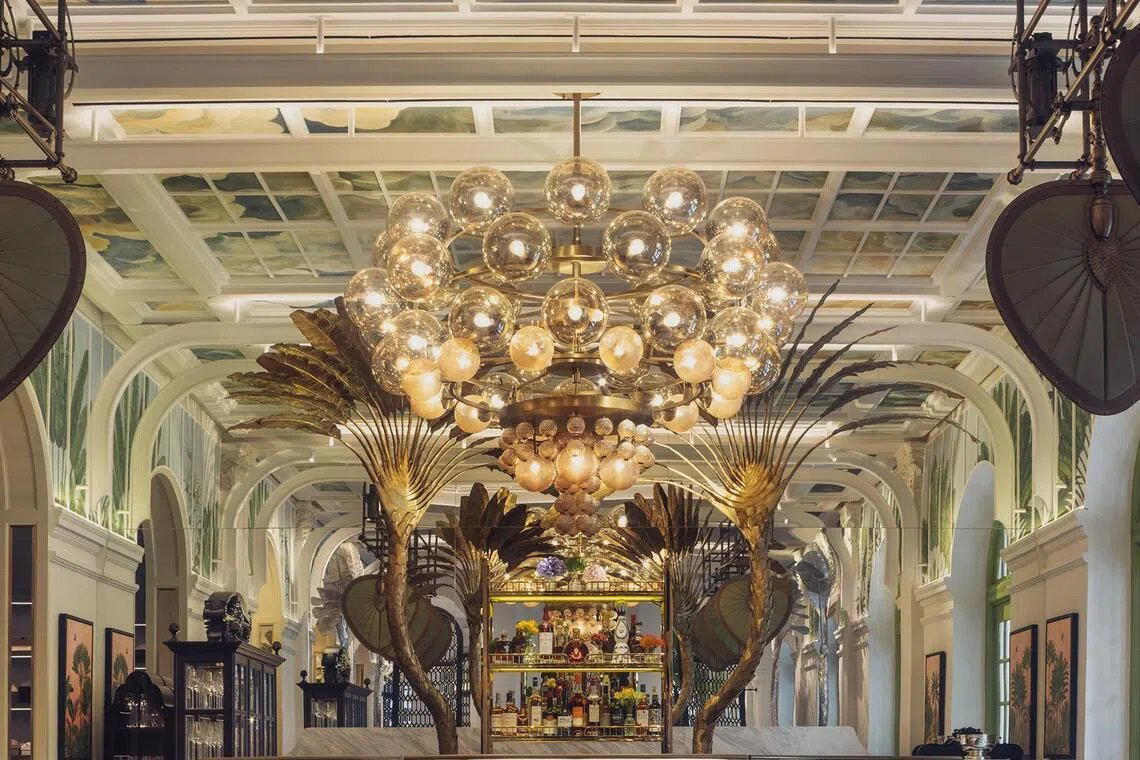
Beach Road's Fine-Dining Register
Singapore's fine-dining circuit has reorganised itself considerably over the past decade. The dominant pattern now runs toward tasting-menu formats, imported European frameworks applied to regional produce, and addresses that carry institutional weight — either through hotel backing, Michelin recognition, or lineage from a named chef. Odette and Zén represent one end of that spectrum: European Contemporary at the highest price tier, with the awards architecture to match. Jaan by Kirk Westaway and Meta operate at a slightly different register, where the cuisine conversation leans toward identity and sourcing as much as technique. 1887 by André at 1 Beach Road enters that broader scene carrying a name that already has currency in Singapore's dining memory.
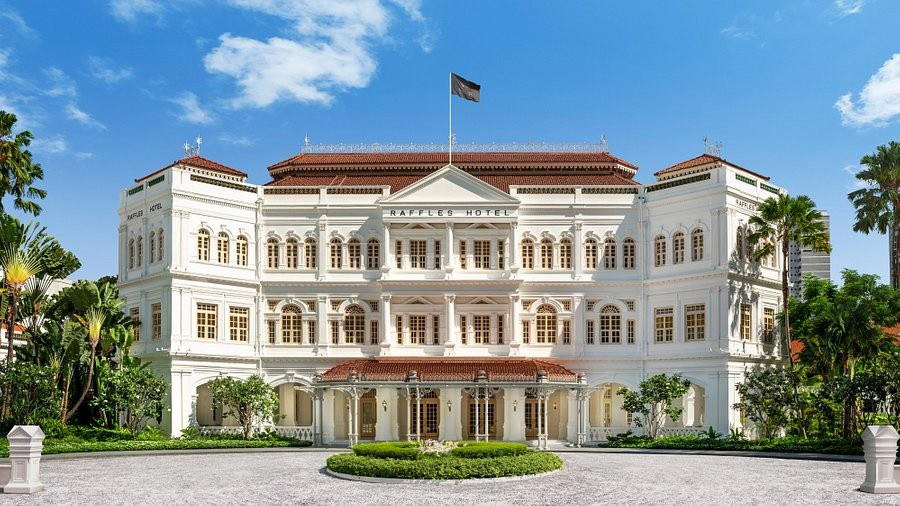
Beach Road itself is worth understanding as a location signal. The address sits at the edge of the Civic District, where colonial-era architecture gives the streetscape a density that newer precincts lack. The area is not the concentrated dining corridor of Dempsey or the pedestrian intensity of Chinatown, but it carries institutional weight — the Raffles Hotel complex anchors one end, and the War Memorial Park opens the sightlines toward the Marina Bay skyline. Restaurants that choose this address are, in some sense, choosing a conversation with Singapore's longer history rather than its contemporary food-court energy.
The Name, the Address, and What They Signal
The year 1887 predates Singapore's independence by nearly eight decades and aligns roughly with the colonial consolidation of the island's mercantile identity. Embedding that date in a restaurant name is a deliberate positioning move. It says something about the intended register: not casual, not trend-chasing, and not attempting to reinvent Singapore's hawker culture for a fine-dining audience. The André reference connects to a recognisable strand of Singapore's contemporary restaurant history, associating the project with a fine-dining sensibility that the city's international dining audience will read as a credential.
That kind of name-based positioning matters in a market where Les Amis has spent decades building institutional authority through French classicism, and where newer entrants compete for a small pool of visitors who cross-reference Asia's 50 Best, Michelin Singapore, and a handful of specialist publications before booking. The fine-dining visitor arriving in Singapore today has more structured intelligence about the market than at any previous point. A restaurant name that carries recognisable lineage is a shortcut through that noise.
Sourcing as Editorial: Where the Food Comes From
Singapore's geography creates a specific set of constraints and opportunities for restaurants operating at the fine-dining tier. The island produces almost none of its own food at scale, roughly 90 percent of what Singapore eats is imported, a figure the government has been working to shift through its "30 by 30" food security programme, which targets 30 percent local production by 2030. For a fine-dining kitchen, that reality shapes every sourcing decision. Japan remains the dominant high-end protein supplier for Singapore's premium market: A5 wagyu, live seafood, and aged fish move through well-established import channels. European produce, French butter, Italian truffles, Spanish Ibérico, travels the longer route but arrives reliably enough for tasting menus that depend on consistency.
The more interesting sourcing story in Singapore's current dining moment involves the smaller operators working with regional Southeast Asian producers: farms in Cameron Highlands supplying highland vegetables, aquaculture operations in the Riau Islands, and specialty growers in peninsular Malaysia producing ingredients that sit outside the standard fine-dining import playbook. Restaurants like Meta have built part of their identity around that regional sourcing argument.
An address at the Raffles-adjacent end of Beach Road would logistically support either approach. The kitchen access to Singapore's cold-chain import infrastructure is equivalent across most central-district fine-dining addresses. What differs is editorial commitment: a restaurant that names itself after a colonial-era date is making a statement about legacy that tends to align more naturally with the premium-import model, where classical European techniques meet high-grade Japanese or French produce. That is, broadly, the model that has defined Singapore's top tier since Les Amis established the template in the mid-1990s.
The Competitive Bracket
Singapore's fine-dining market is small enough that peer positioning is unusually legible. At the top tier, Zén and Odette operate at the $$$$ price tier with three-Michelin-star credentials. One bracket below, Jaan by Kirk Westaway at $$$ competes on British Contemporary with a strong Michelin position and a rooftop address that gives it a locational identity separate from the CBD hotel belt. Waku Ghin at $$$$ occupies the creative Japanese Contemporary tier, drawing on a different audience than the European-framework restaurants.
1887 by André, placed at 1 Beach Road, is close enough to the Raffles Hotel precinct to sit in the same tourist-and-affluent-local catchment as those upper-tier addresses. The question for any restaurant at this price point and in this neighbourhood is whether it builds a booking base that runs independently of hotel dining, the more resilient model, or whether it draws primarily on hotel guests and event-driven occasions. The former requires a cuisine proposition specific enough to generate its own word-of-mouth and media cycle. The latter is commercially viable but positions the restaurant differently against Les Amis, Odette, or Meta, each of which has built a standalone reputation that operates above and beyond its address.
For broader context on where this address sits within Singapore's dining geography, the EP Club Singapore restaurants guide maps the full range from the civic district down to Outram (OSO Ristorante), across to Orchard (Béni), and into the neighbourhoods where Cicheti in Rochor and The Auld Alliance in the Museum district serve different but overlapping audiences. The city's dining geography rewards planning: Imperial Treasure Fine Chinese Cuisine in Downtown Core covers the formal Chinese tier, while OCEAN Restaurant in the Southern Islands demonstrates how far some operators are willing to travel from the centre to build a concept. International reference points like Le Bernardin in New York and Lazy Bear in San Francisco indicate the global tier against which Singapore's leading restaurants are increasingly measured.
Planning a Visit
1887 by André is located at 1 Beach Road, Singapore 189673, within walking distance of City Hall MRT and the Padang. Given the address and the positioning signals in the name, this is a restaurant suited to pre-booking rather than walk-in visits. For a restaurant of this calibre and setting, contacting the venue directly through its official channels is the reliable route; same-day availability at the fine-dining tier in Singapore's central district is the exception rather than the rule, particularly on weekends and during the Formula 1 Grand Prix window in September, when hotel-adjacent dining in this precinct sees compressed availability. Visitors who prefer to build around a multi-neighbourhood dining itinerary should also note the range of options in EP Club's Singapore guide, which covers the full price spectrum from hawker-adjacent entries like KTMW chicken rice tea-cafe in Bedok and 大巴窟93炒粿 in Kallang to the full tasting-menu tier. For visitors sequencing across multiple cities, the Singapore-to-regional comparison is helped by Asian Twist by 365 Food in Queenstown and Haidilao Hot Pot at Sun Plaza in Sembawang, which represent distinct ends of the city's dining range.
How 1887 by André Singapore compares with similar nearby venues.
| Venue | Cuisine | Price |
|---|---|---|
| Butcher's Block | Meats and Grills | $$$ |
| Yì By Jereme Leung | Chinese Contemporary | $$ |
Recognition history
Dated appearances from independent guides and award organizations, with the underlying list record or original source where available.
Michelin Guide 2 Stars
Michelin Guide
Continue exploring
More in Singapore
Restaurants in Singapore
Browse all →
Bars in Singapore
Browse all →
At a Glance
- Elegant
- Sophisticated
- Well Known
- Intimate
- Historic
- Ornate
- Special Occasion
- Date Night
- Celebration
- Historic Building
- Hotel Restaurant
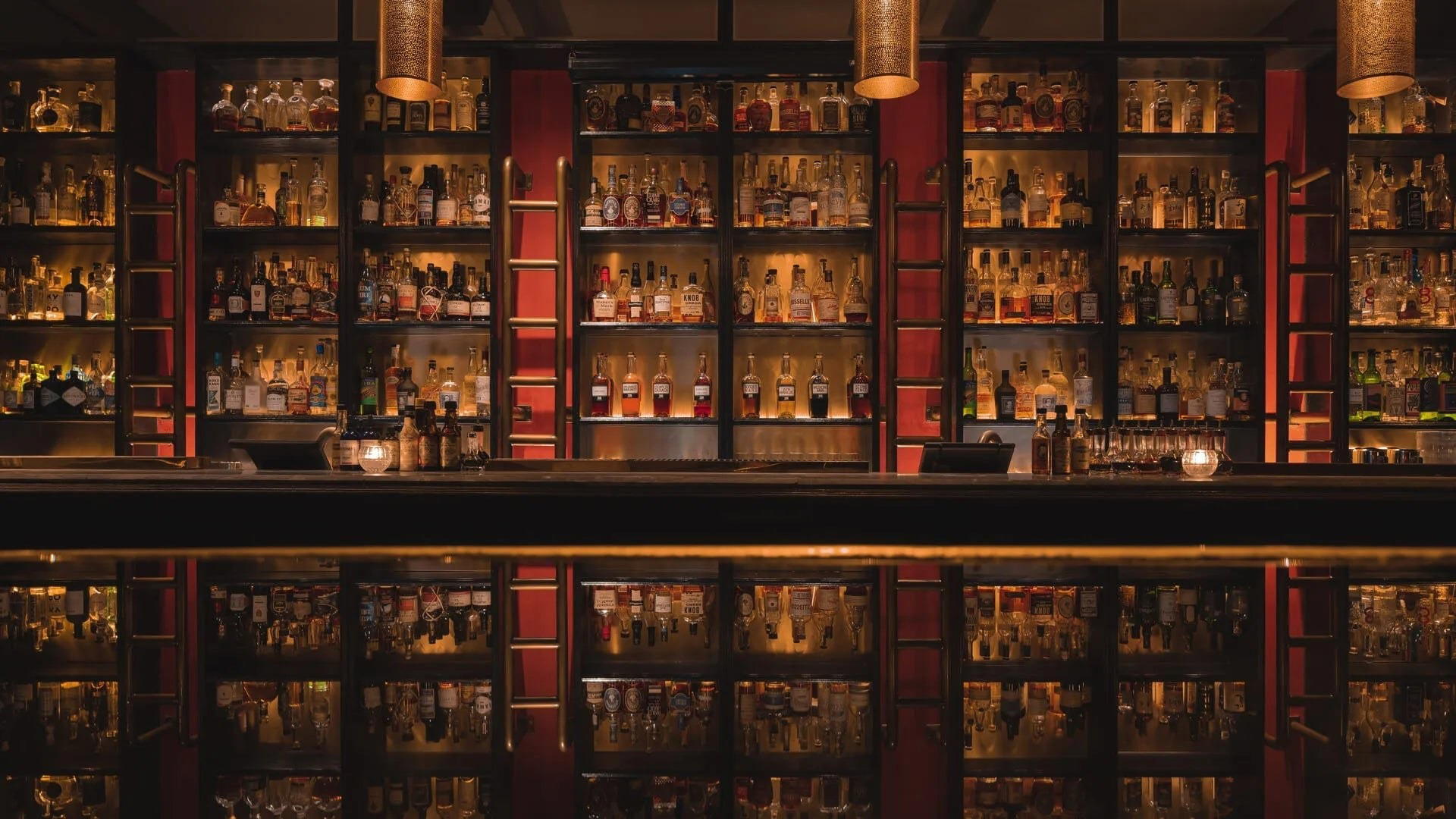
- Craft Cocktails
Current opening hours
- Monday
- Closed
- Tuesday
- 11:30 AM–1:30 PM, 6–8 PM
- Wednesday
- 11:30 AM–1:30 PM, 6–8 PM
- Thursday
- 11:30 AM–1:30 PM, 6–8 PM
- Friday
- 11:30 AM–1:30 PM, 6–8 PM
- Saturday
- 11:30 AM–1:30 PM, 6–8 PM
- Sunday
- Closed
Hours can change for holidays and private events. Last verified .
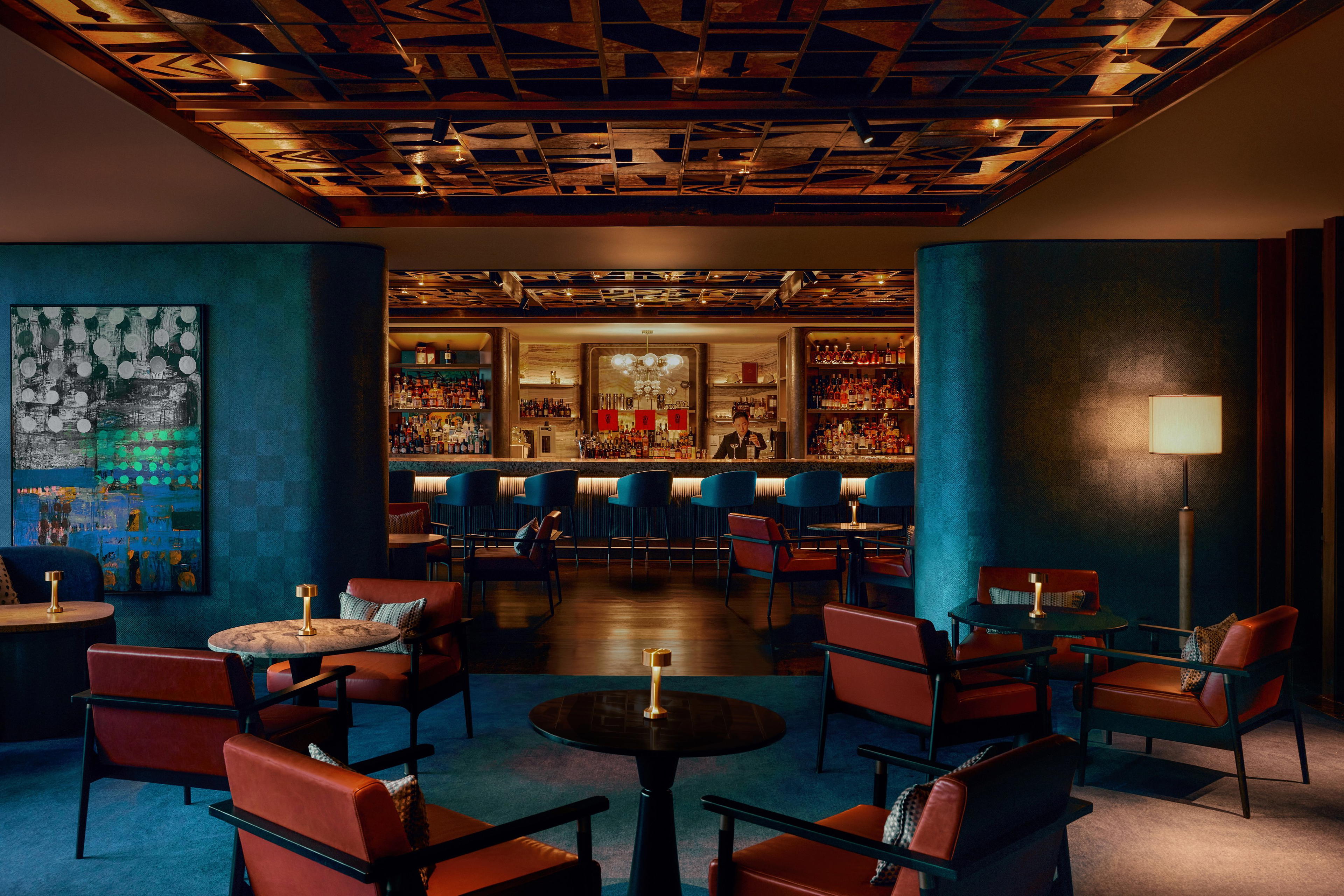
Refined and historic atmosphere within the well-known Raffles Hotel main building, evoking timeless elegance with polished heritage silverware and a narrative dining journey through time.
Know Before You Go
- Getting there
- 1 Beach Rd, Singapore 189673