1818
Our verdict
Where Altitude Shapes What's on the Plate Bahnhofstrasse in Zermatt is not a street you drift down accidentally. The Matterhorn frames the best of the road like a fixed point on a compass, and the pedestrian flow — ski boots in winter, trail runners in summer — gives the whole corridor a purposeful quality that filters into its restaurants. At 1,608 metres above sea level, Zermatt operates under a logistics constraint that most alpine towns share but few visitors fully appreciate: everything edible arrives by rail or cable, since private motor vehicles are banned from the village. That physical reality concentrates the mind of any serious kitchen. 1818, addressed at Bahnhofstrasse 80, sits inside that framework, and the address alone places it at the centre of where Zermatt's dining ambitions have historically been expressed. The car-free nature of Zermatt is not merely a tourist-friendly policy, it is a supply-chain fact that distinguishes the village's food culture from lower-altitude Swiss resort towns. Kitchens here cannot simply call a produce truck for a same-day delivery of something they ran short of. The Matterhorn Gotthard Bahn and the Zermatt shuttle system define what gets in and how fast. That constraint has historically pushed serious Zermatt kitchens toward closer relationships with regional producers in the Valais canton, where the high-altitude agriculture of Switzerland's driest region yields ingredients, rye bread, dried meats, Raclette-style cheeses from Anniviers and Bagnes, that carry a provenance story rooted in the specific conditions of this landscape. The Sourcing Logic of a High-Alpine Kitchen Swiss alpine cuisine, at its most considered, is not a cuisine of abundance. It is a cuisine of precision and seasonality, shaped by what can be grown, raised, or transported to altitude. The Valais sits at the intersection of French and German culinary traditions, and its larder reflects that: air-dried beef (Walliser Rohschinken and Viande séchée du Valais carry protected designation of origin status), aged cheeses that develop character from the brevity of their grazing season, and a wine tradition along the Rhône valley that produces Fendant (Chasselas) and Cornalin in quantities that rarely reach export markets. Any kitchen in Zermatt that takes sourcing seriously has access to this regional vocabulary, the question is always how deliberately it chooses to use it. Across Zermatt's dining tier, the sourcing question plays out differently depending on the format and price point. Chez Vrony, positioned on the slopes above the village, has built its reputation explicitly on Valais agriculture, with its own animals grazing in view of the terrace. Alpine Gourmet Prato Borni takes a more creative approach at the top of the price bracket. Brasserie Uno occupies the contemporary middle ground. After Seven works within a creative format at the upper end. The diversity of approaches across a single alpine village reflects how much the sourcing question has opened up as a point of differentiation, it is no longer enough to serve fondue and call it local. For a broader view of how these venues relate to one another across format and price, the full Zermatt restaurants guide maps the competitive set in detail. The sister property 1818 Eat & Drink offers a point of comparison within the same address cluster, covering a more casual register of the same dining corridor. Switzerland's Broader Fine-Dining Reference Points To understand where Zermatt's serious kitchens sit within the Swiss dining structure, it helps to look at the country's established benchmarks. Hotel de Ville Crissier in Crissier and Schloss Schauenstein in Fürstenau represent the country's highest Michelin-recognised tier, with the latter's estate garden model setting a benchmark for ingredient sourcing that has influenced thinking across the country's alpine restaurant culture. Cheval Blanc by Peter Knogl in Basel and Memories in Bad Ragaz demonstrate how Swiss fine dining has developed a technical fluency that holds its own against comparable European tiers. The Restaurant in Zürich and Einstein Gourmet in Sankt Gallen extend the picture into the country's urban centres. In the mountain resort corridor, Da Vittorio in St. Moritz offers a useful comparison: an Italian fine-dining flag planted in a Swiss alpine town, where the sourcing question gets complicated by the kitchen's Italian culinary identity and Swiss geographic reality. Colonnade in Lucerne and Mammertsberg in Freidorf each represent different approaches to regional ingredient commitment at the mid-to-upper tier. Beyond Switzerland, the sourcing-as-identity model appears across serious international kitchens: L'Atelier Robuchon in Geneva, Le Bernardin in New York City, and Lazy Bear in San Francisco each demonstrate, in different registers, how provenance can function as the primary editorial voice of a menu. Planning Your Visit Zermatt's seasonal rhythm divides cleanly into ski season (December through April) and summer hiking season (June through September), with shoulder months in between that see reduced hours across much of the village's dining offer. Bahnhofstrasse restaurants tend to be busiest on weekend evenings during peak season, and the village's limited accommodation capacity means that restaurant bookings, particularly at the upper price tiers, should be secured before arrival rather than left to chance on the night. The village is accessible by train from Täsch, where cars must be parked, with the shuttle running frequently enough that logistics from arrival to table rarely present a problem. Dress codes in Zermatt's mid-to-upper dining tier tend to sit at smart-casual, the alpine context means that ski jackets are tolerated at lunch but dinner service at serious addresses generally expects a step up. Frequently Asked Questions Can I bring kids to 1818?Zermatt's mid-to-upper dining tier generally accommodates families, though the atmosphere at evening service on Bahnhofstrasse skews toward adult diners. If the price point and format lean toward a formal dinner experience, younger children tend to be better suited to lunch, when the room is typically less full and the pace more relaxed.Is 1818 formal or casual?Zermatt occupies an interesting register: it is a high-spending resort town where outdoor activity sits alongside evening dining, so the dress code expectations are more flexible than in a comparable Swiss city address. Kitchens at this price point in Zermatt generally expect smart-casual rather than formal attire, with the alpine context giving cover for relaxed but considered dressing. Awards and format, where applicable, would sharpen that expectation, a Michelin-recognised address typically signals a step up.What do people recommend at 1818?In an alpine sourcing context, the menu's strongest moments tend to follow what the Valais region is producing rather than a fixed signature, that is the nature of a cuisine defined by altitude and season rather than by a chef's permanent calling card.How hard is it to get a table at 1818?Zermatt's limited accommodation base and concentrated visitor calendar mean that popular addresses fill quickly during peak ski and summer seasons. Bahnhofstrasse locations see the heaviest footfall in the village, and any restaurant at the mid-to-upper price bracket in this corridor is worth booking at least two to three weeks ahead during peak periods, and further out for weekend evenings in high season.What has 1818 built its reputation on?In a village where the sourcing story and the alpine context do much of the narrative work, the location itself carries weight as a trust signal.Is 1818 connected to the history of the Matterhorn's first ascent?The name 1818 does not correspond to the year of the Matterhorn's first ascent (1865), but the date 1818 does appear in Zermatt's wider historical record in relation to early settlement and the village's documented past. The address at Bahnhofstrasse 80 places it within the corridor most associated with Zermatt's modern identity as a destination.

Pearl is the En Primeur Club membership app — saves, bookings, and concierge access live there. Same editors, same standards.
The menu
What to order
- Slow-cooked short rib
- Picanha
- Posta negra
- Ceviche
- Tiradito de hamachi
- Pulpo
- Carne asada tacos
- Matured duck
Where Altitude Shapes What's on the Plate
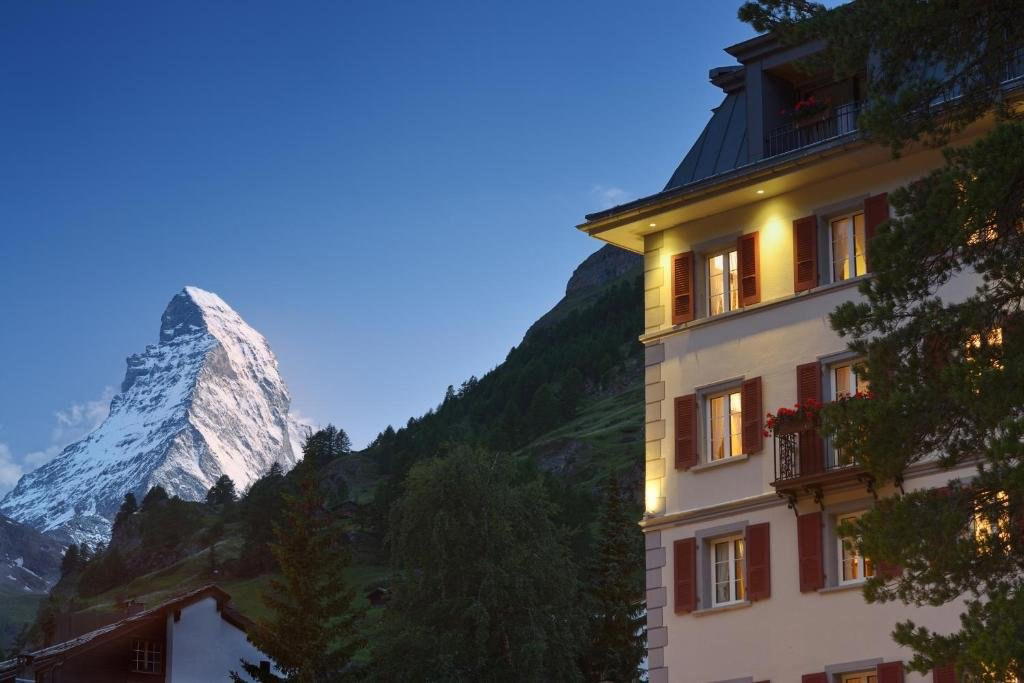
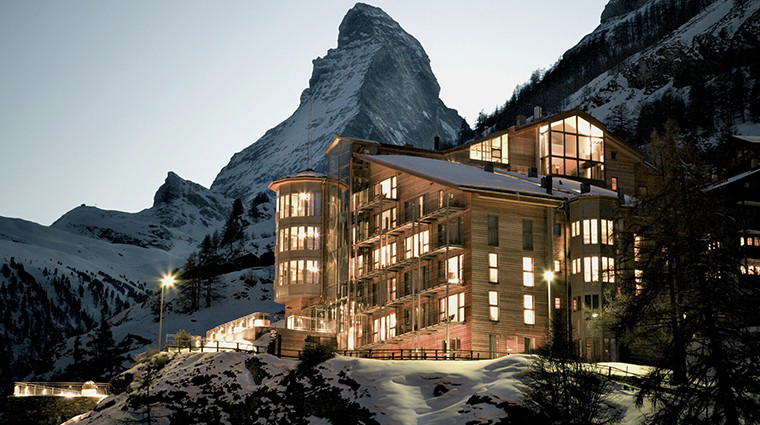
Bahnhofstrasse in Zermatt is not a street you drift down accidentally. The Matterhorn frames the best of the road like a fixed point on a compass, and the pedestrian flow — ski boots in winter, trail runners in summer — gives the whole corridor a purposeful quality that filters into its restaurants. At 1,608 metres above sea level, Zermatt operates under a logistics constraint that most alpine towns share but few visitors fully appreciate: everything edible arrives by rail or cable, since private motor vehicles are banned from the village. That physical reality concentrates the mind of any serious kitchen. 1818, addressed at Bahnhofstrasse 80, sits inside that framework, and the address alone places it at the centre of where Zermatt's dining ambitions have historically been expressed.
The car-free nature of Zermatt is not merely a tourist-friendly policy, it is a supply-chain fact that distinguishes the village's food culture from lower-altitude Swiss resort towns. Kitchens here cannot simply call a produce truck for a same-day delivery of something they ran short of. The Matterhorn Gotthard Bahn and the Zermatt shuttle system define what gets in and how fast. That constraint has historically pushed serious Zermatt kitchens toward closer relationships with regional producers in the Valais canton, where the high-altitude agriculture of Switzerland's driest region yields ingredients, rye bread, dried meats, Raclette-style cheeses from Anniviers and Bagnes, that carry a provenance story rooted in the specific conditions of this landscape.
The Sourcing Logic of a High-Alpine Kitchen
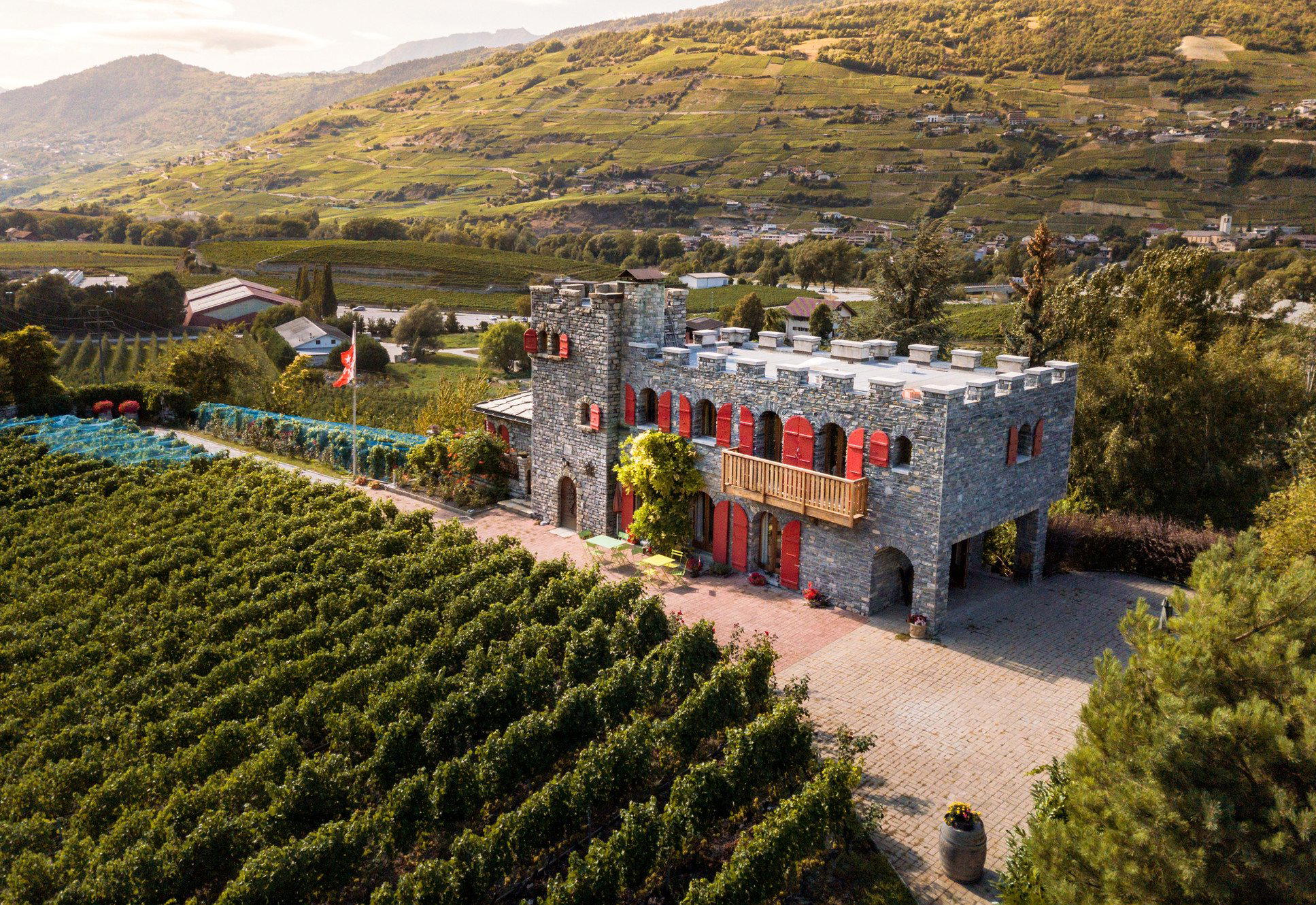
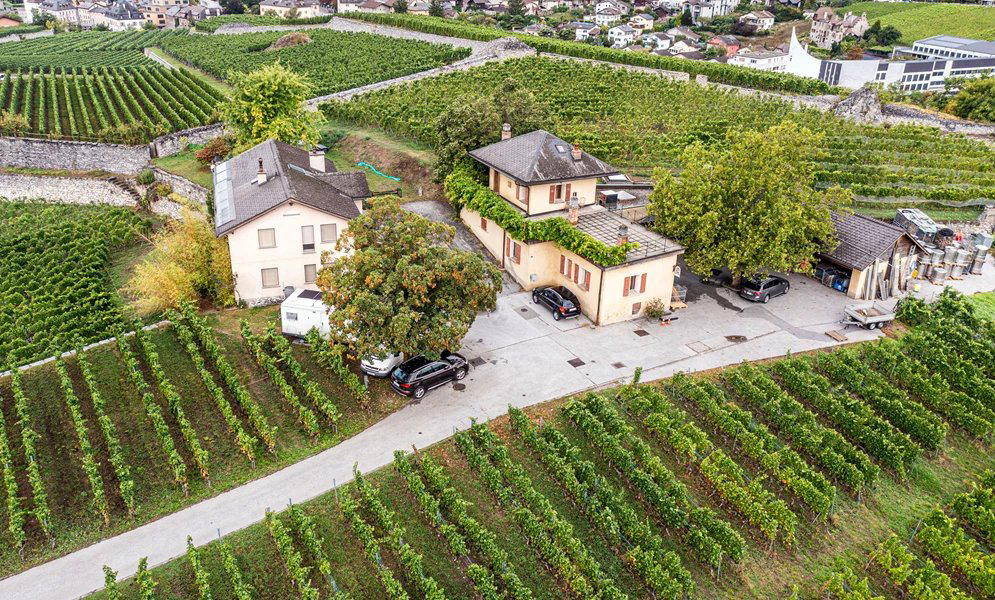
Swiss alpine cuisine, at its most considered, is not a cuisine of abundance. It is a cuisine of precision and seasonality, shaped by what can be grown, raised, or transported to altitude. The Valais sits at the intersection of French and German culinary traditions, and its larder reflects that: air-dried beef (Walliser Rohschinken and Viande séchée du Valais carry protected designation of origin status), aged cheeses that develop character from the brevity of their grazing season, and a wine tradition along the Rhône valley that produces Fendant (Chasselas) and Cornalin in quantities that rarely reach export markets. Any kitchen in Zermatt that takes sourcing seriously has access to this regional vocabulary, the question is always how deliberately it chooses to use it.
Across Zermatt's dining tier, the sourcing question plays out differently depending on the format and price point. Chez Vrony, positioned on the slopes above the village, has built its reputation explicitly on Valais agriculture, with its own animals grazing in view of the terrace. Alpine Gourmet Prato Borni takes a more creative approach at the top of the price bracket. Brasserie Uno occupies the contemporary middle ground. After Seven works within a creative format at the upper end. The diversity of approaches across a single alpine village reflects how much the sourcing question has opened up as a point of differentiation, it is no longer enough to serve fondue and call it local.
For a broader view of how these venues relate to one another across format and price, the full Zermatt restaurants guide maps the competitive set in detail. The sister property 1818 Eat & Drink offers a point of comparison within the same address cluster, covering a more casual register of the same dining corridor.
Switzerland's Broader Fine-Dining Reference Points
To understand where Zermatt's serious kitchens sit within the Swiss dining structure, it helps to look at the country's established benchmarks. Hotel de Ville Crissier in Crissier and Schloss Schauenstein in Fürstenau represent the country's highest Michelin-recognised tier, with the latter's estate garden model setting a benchmark for ingredient sourcing that has influenced thinking across the country's alpine restaurant culture. Cheval Blanc by Peter Knogl in Basel and Memories in Bad Ragaz demonstrate how Swiss fine dining has developed a technical fluency that holds its own against comparable European tiers. The Restaurant in Zürich and Einstein Gourmet in Sankt Gallen extend the picture into the country's urban centres.
In the mountain resort corridor, Da Vittorio in St. Moritz offers a useful comparison: an Italian fine-dining flag planted in a Swiss alpine town, where the sourcing question gets complicated by the kitchen's Italian culinary identity and Swiss geographic reality. Colonnade in Lucerne and Mammertsberg in Freidorf each represent different approaches to regional ingredient commitment at the mid-to-upper tier. Beyond Switzerland, the sourcing-as-identity model appears across serious international kitchens: L'Atelier Robuchon in Geneva, Le Bernardin in New York City, and Lazy Bear in San Francisco each demonstrate, in different registers, how provenance can function as the primary editorial voice of a menu.
Planning Your Visit
Zermatt's seasonal rhythm divides cleanly into ski season (December through April) and summer hiking season (June through September), with shoulder months in between that see reduced hours across much of the village's dining offer. Bahnhofstrasse restaurants tend to be busiest on weekend evenings during peak season, and the village's limited accommodation capacity means that restaurant bookings, particularly at the upper price tiers, should be secured before arrival rather than left to chance on the night. The village is accessible by train from Täsch, where cars must be parked, with the shuttle running frequently enough that logistics from arrival to table rarely present a problem. Dress codes in Zermatt's mid-to-upper dining tier tend to sit at smart-casual, the alpine context means that ski jackets are tolerated at lunch but dinner service at serious addresses generally expects a step up.
Frequently asked questions
Can I bring kids to 1818?
Is 1818 formal or casual?
What do people recommend at 1818?
How hard is it to get a table at 1818?
What has 1818 built its reputation on?
Is 1818 connected to the history of the Matterhorn's first ascent?
Continue exploring
More in Zermatt
Restaurants in Zermatt
All restaurants in Zermatt →
Bars in Zermatt
Browse all →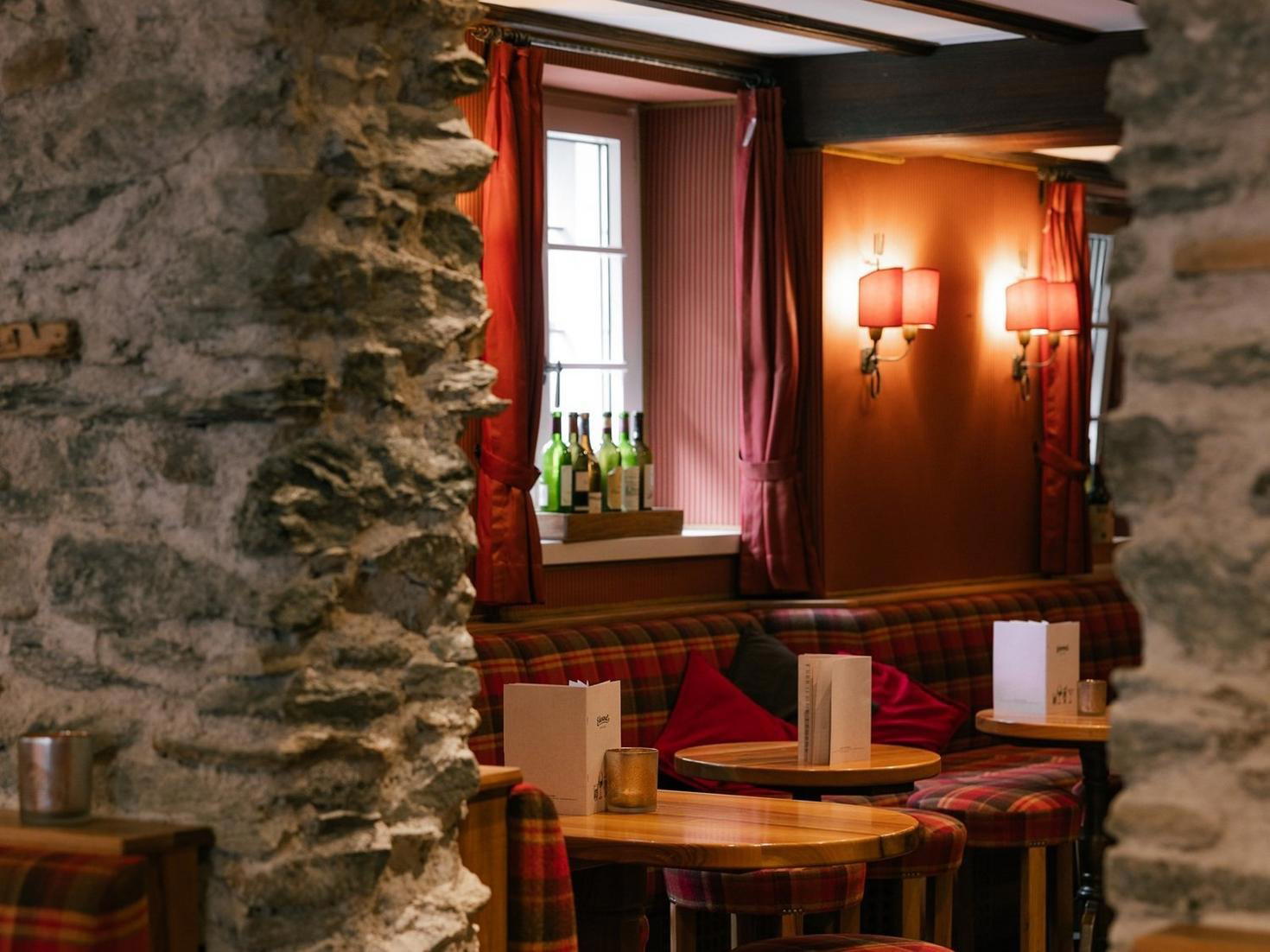
1818
The wine
- Wine program
- Curated wine list
- Sommelier-led
- Craft cocktails
Details
- Cozy
- Elegant
- Romantic
- Rustic
- Sophisticated
- Date Night
- Special Occasion
- Celebration
- Group Dining
- Open Kitchen
- Historic Building
- Design Destination
- Hotel Restaurant
- Garden
- Terrace
- Craft Cocktails
- Sommelier Led
- Local Sourcing
- Mountain
- Garden
- Small Plates
- A La Carte
- Family Style
- Craft Cocktails
- Wine Pairings
- Vegetarian Friendly
- Vegan Options
- Gluten Free Options
- Allergy Accommodating
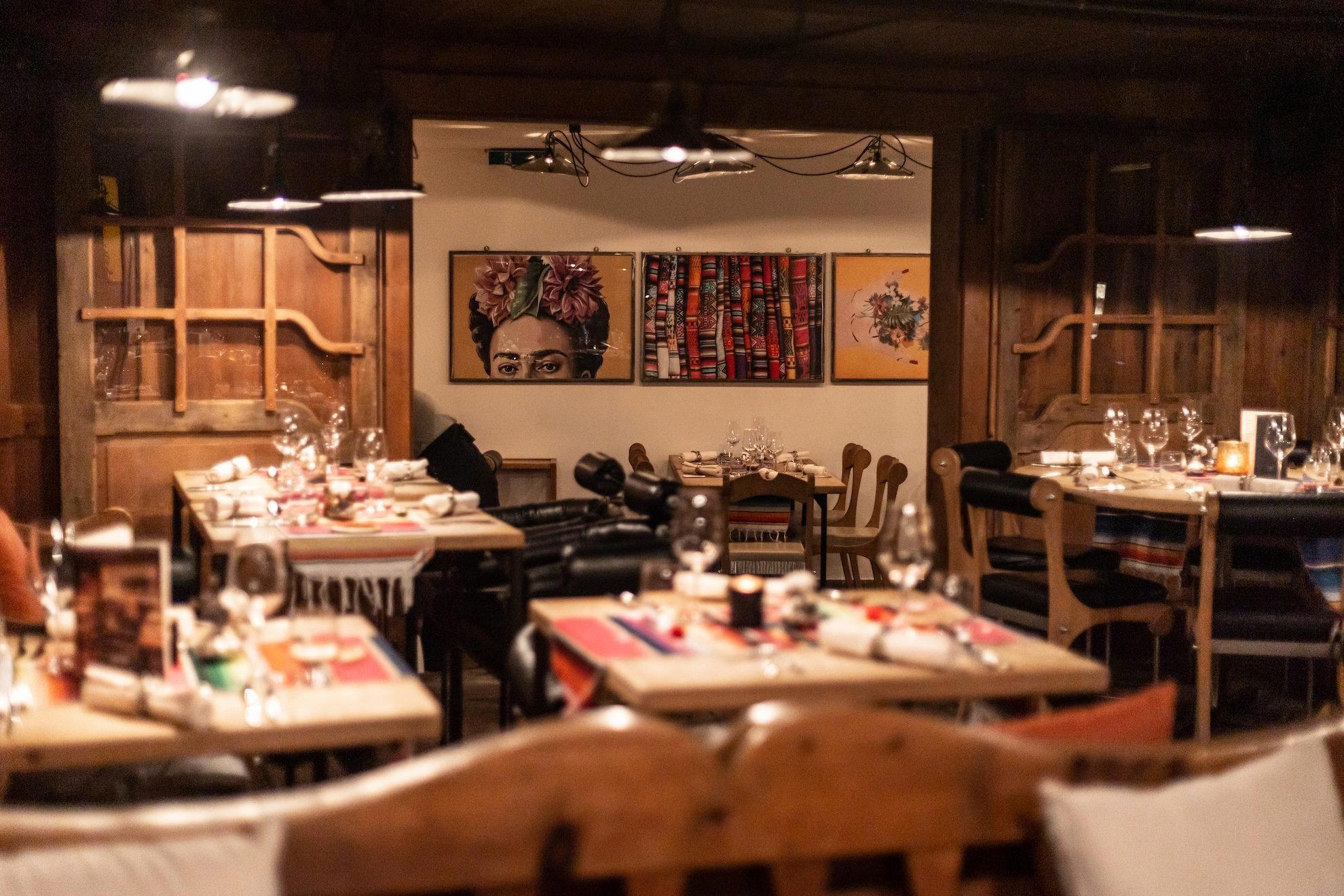
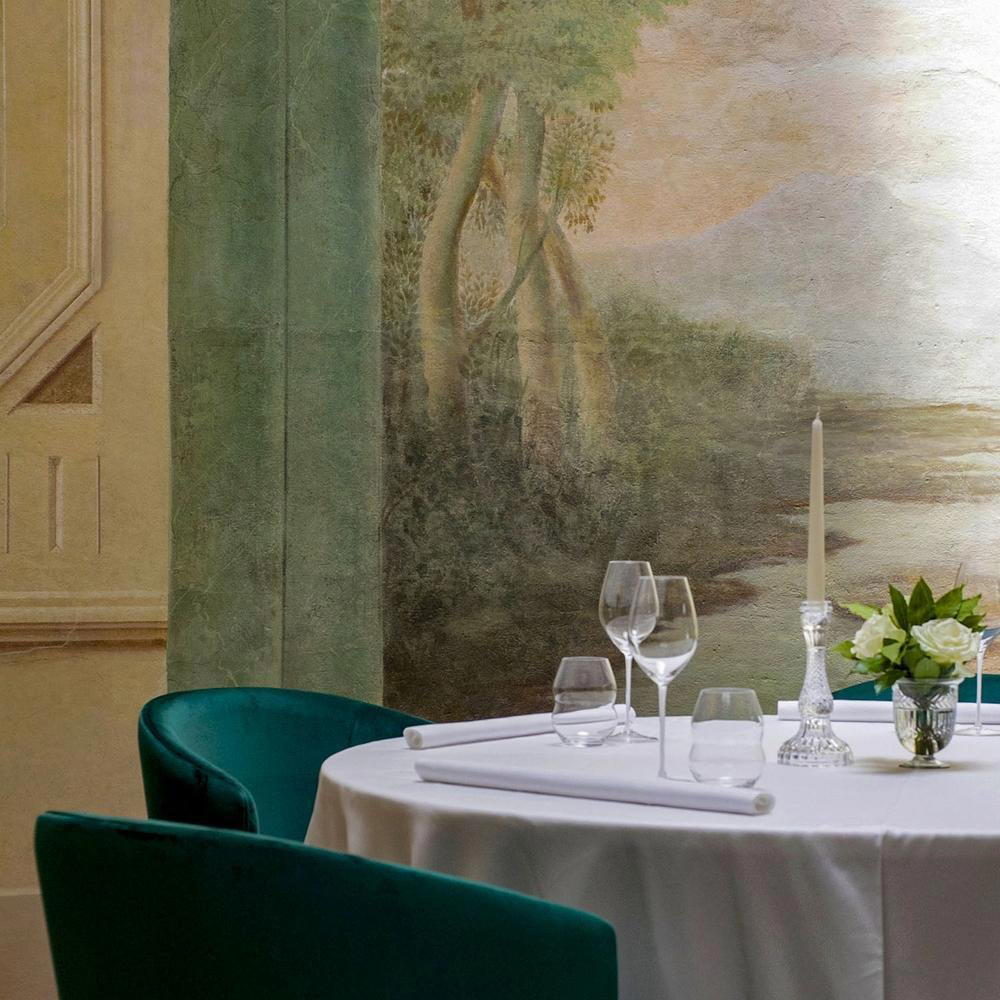
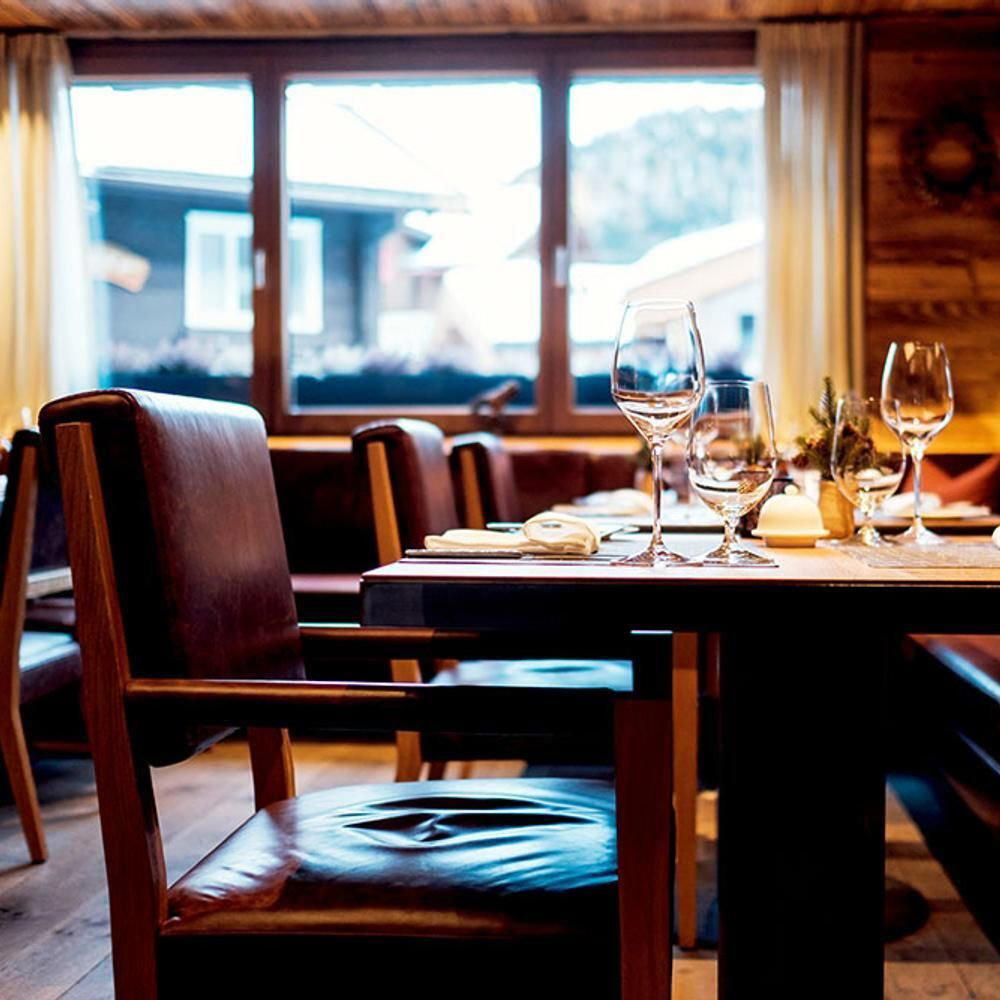
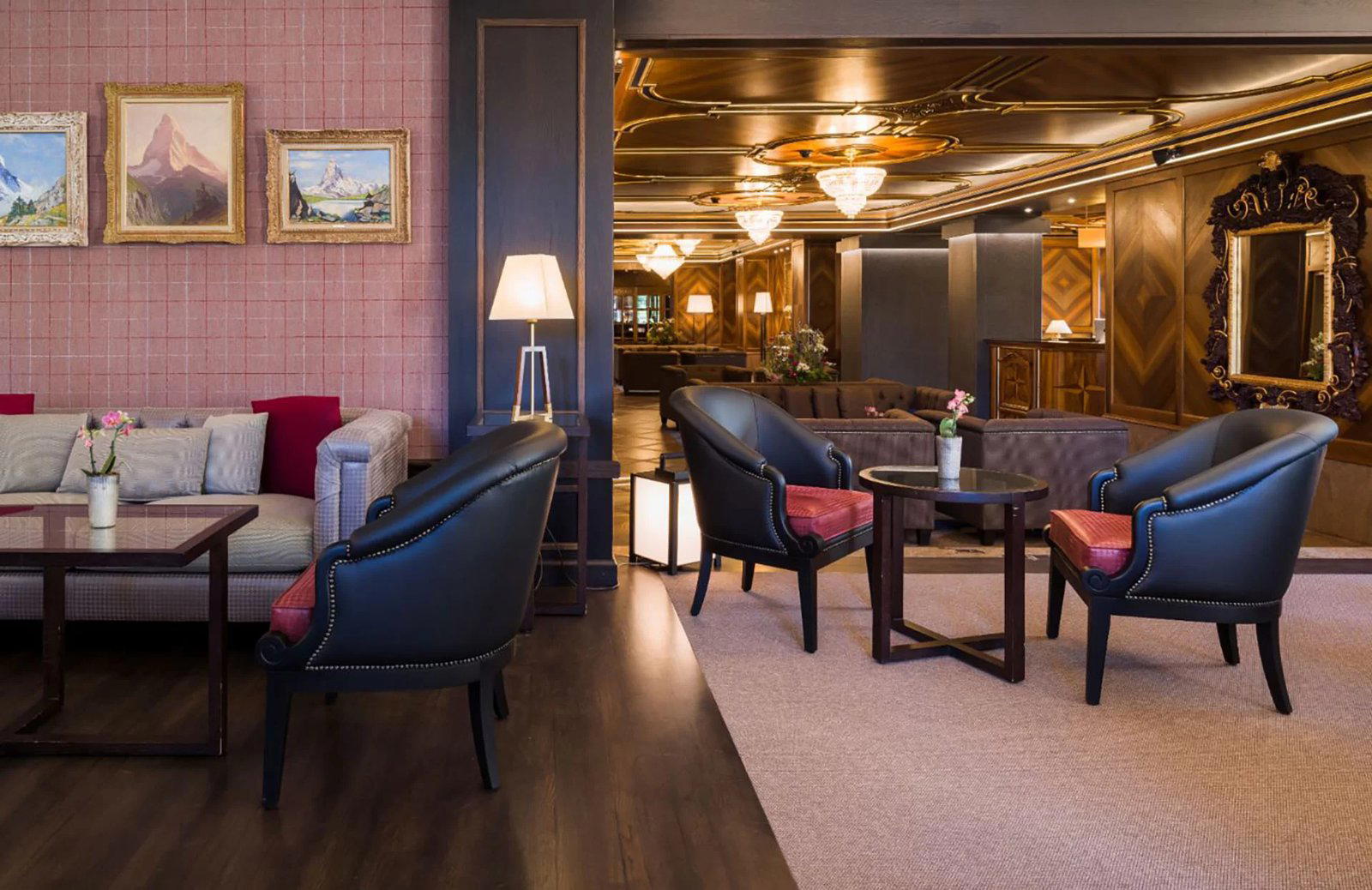
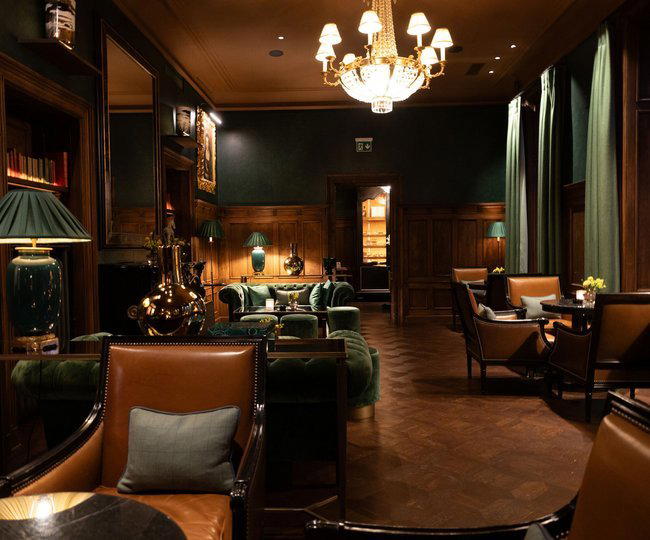
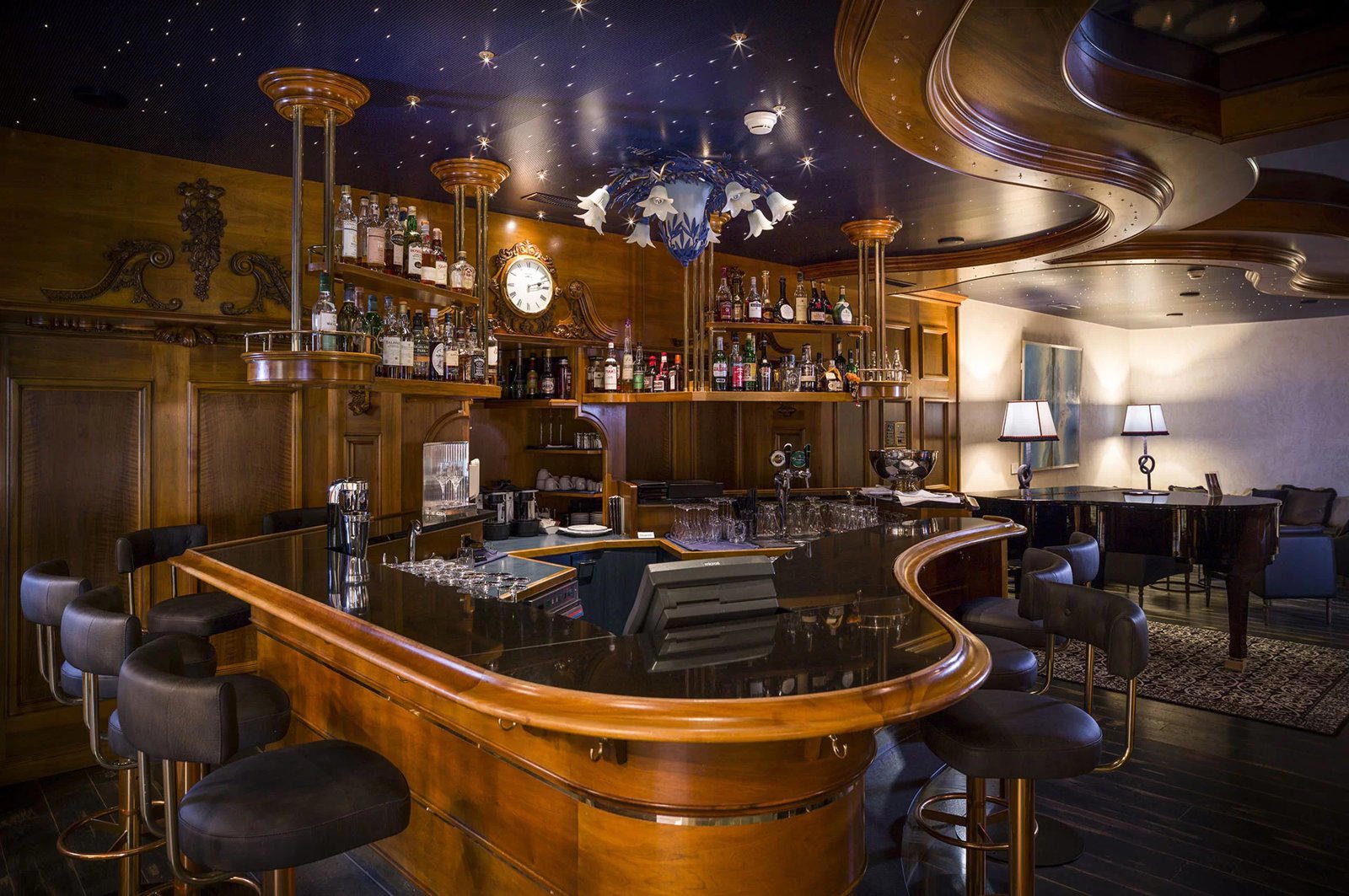
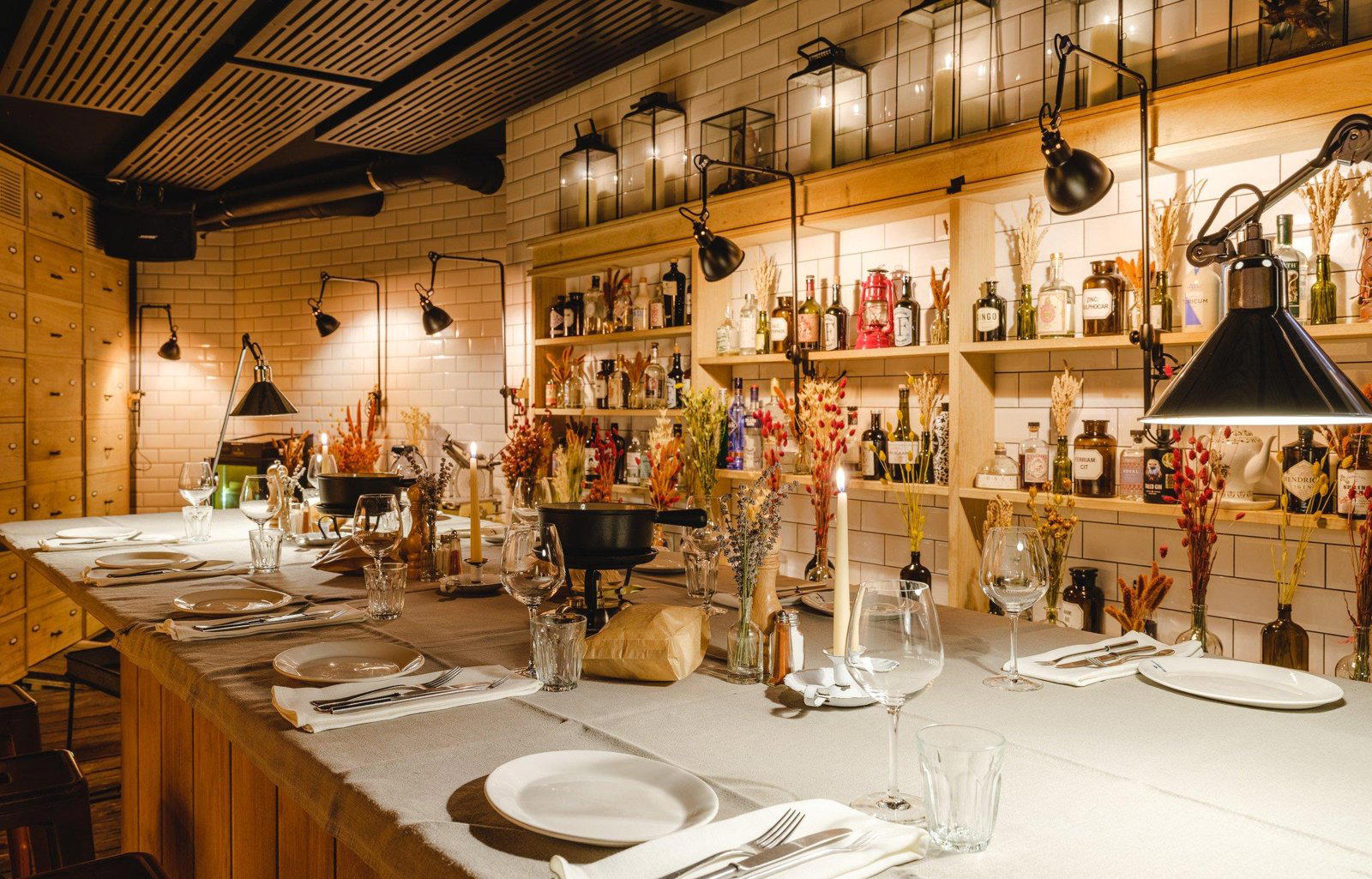
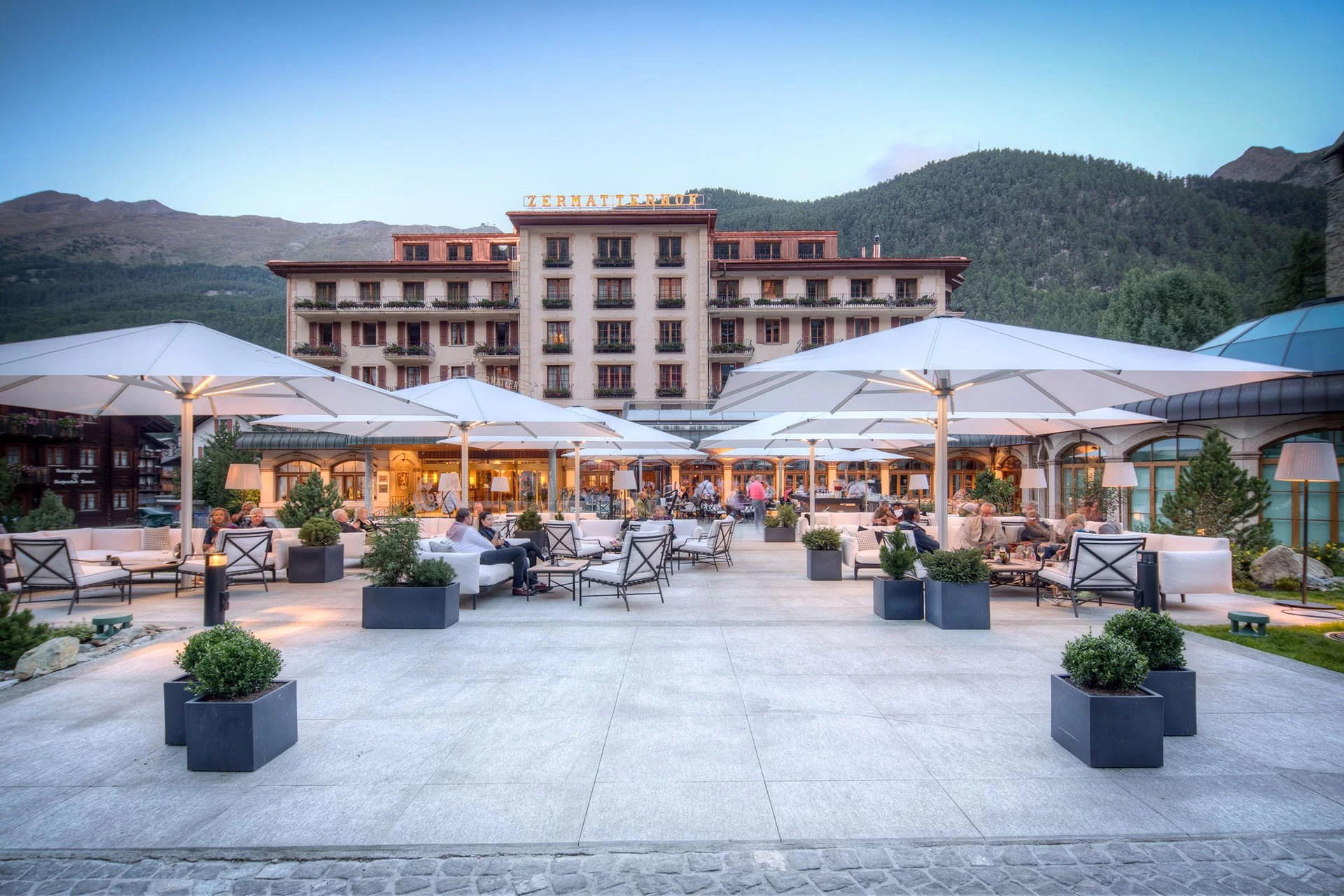
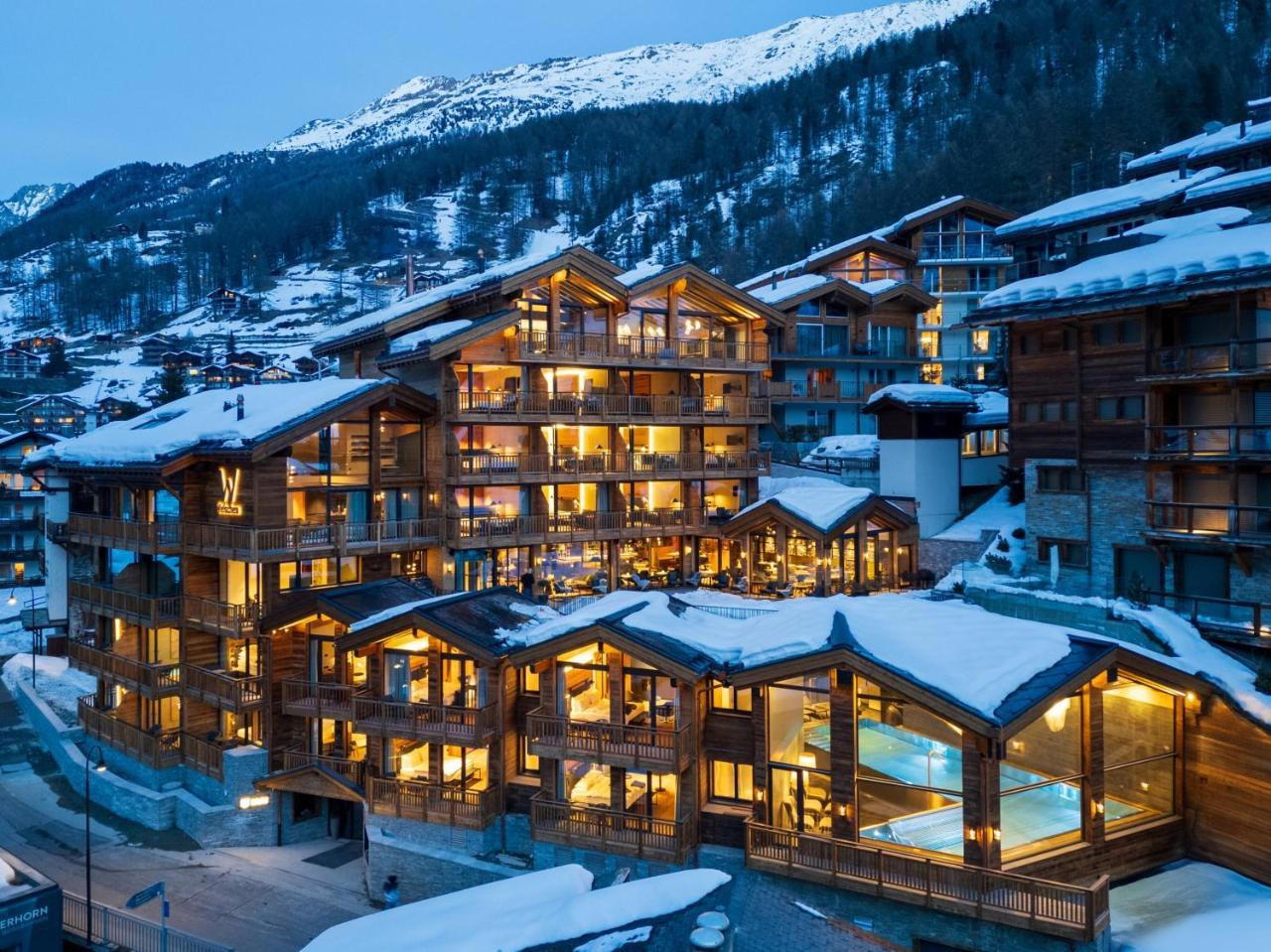
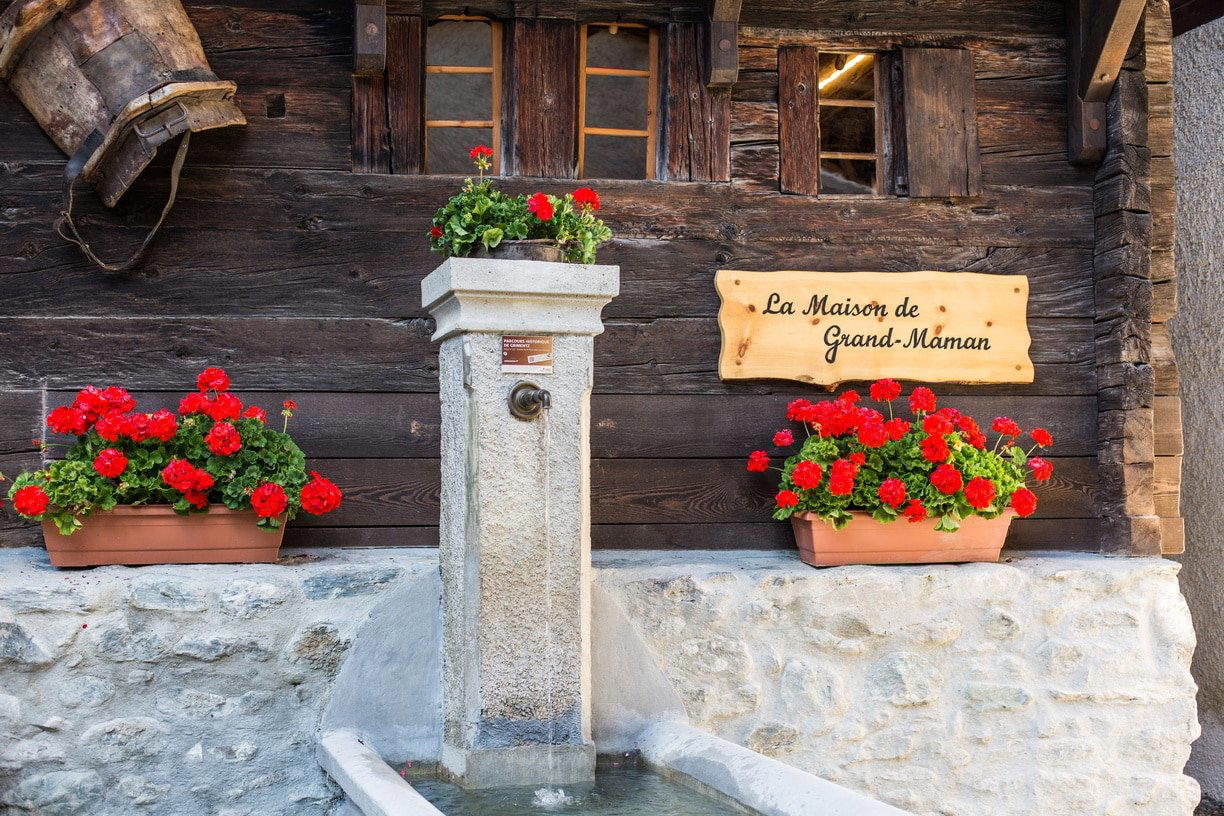
Warm, intimate chalet atmosphere with rough stone entranceways, designer furniture, cowhide and leather accents, sheepskin rugs, and a secluded garden; combines rustic alpine charm with contemporary elegance and an open kitchen concept.