1800
Our verdict
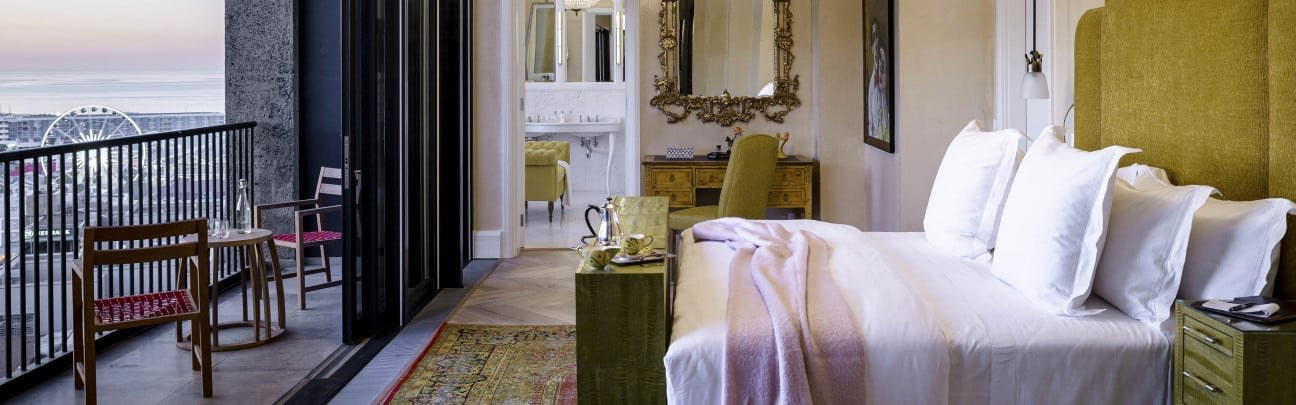
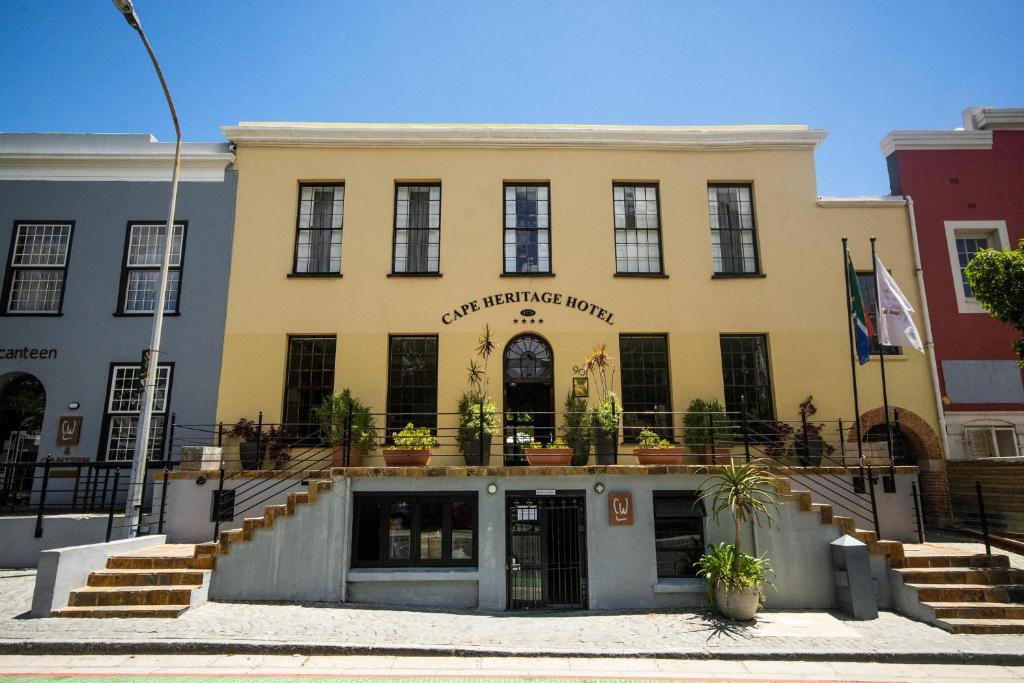
Green Point's Hotel Dining Scene and Where 1800 Fits Cape Town's hotel restaurant category has always occupied an awkward position. The city's most talked-about dining rooms, from The Test Kitchen and La Colombe to Fyn and Salsify at the Roundhouse, have largely operated as standalone destinations with their own identities rather than as amenities attached to accommodation. Hotel kitchens that do succeed here tend to do so by meeting a specific local need: reliable sourcing, consistent execution, and a menu that reads credibly to a Cape Town diner who has access to an entire city worth of alternatives. 1800, the restaurant inside Cape Royale Luxury Suites on 47 Main Road in Green Point, operates within that context. It is not competing directly with the city's major award-chasing kitchens; it is addressing a different set of expectations from a different kind of guest. Green Point itself is a neighbourhood that rewards a closer look. Positioned between the V&A Waterfront's commercial density and De Waterkant's compact, gallery-lined streets, it functions as something of a residential buffer zone that has gradually accumulated a more considered food culture. Main Road here runs through a stretch of mid-range to premium accommodation, and the dining options that have lasted longest are those that understand both the transient hotel guest and the returning local. That dual audience is the shaping pressure on any kitchen in the area. Sourcing as a Signal: What Cape Town's Better Hotel Kitchens Prioritise South Africa's Western Cape gives any serious kitchen an unusual advantage on the sourcing front. The cold Benguela Current running along the Atlantic coast produces snoek, yellowtail, and West Coast rock lobster that arrive at Cape Town restaurants with far shorter supply chains than equivalent seafood in most European or North American cities. The surrounding agricultural belt, including the Boland valleys and the Overberg, supplies stone fruits, heritage grains, and lamb reared in conditions that shape flavour in ways that commodity production cannot replicate. For a hotel restaurant operating in this environment, the sourcing question is less about access and more about commitment: whether the kitchen treats its proximity to good produce as a given or as something to build a menu around. The most compelling Cape Town dining rooms, including Wolfgat in Paternoster on the West Coast, have made ingredient origin the foundation of their editorial identity, not merely a footnote on a printed menu. Further afield, Chefs Warehouse at Maison in Stellenbosch demonstrates how a kitchen anchored in a wine-producing terroir can use that geography to shape the entire dining logic. Dusk in Stellenbosch represents the more format-forward end of the same regional conversation. Even Le Quartier Français in Franschhoek has historically used its Winelands setting to ground its menu decisions in a legible sense of place. What unites these restaurants is a transparency about origin that Cape Town diners have come to expect as a baseline, not a differentiator. Premium hotel groups in South Africa have become more deliberate about this in recent years, partly because international guests with exposure to farm-to-table programming elsewhere now arrive with that expectation already formed. The Green Point Address: Practical Considerations Cape Royale Luxury Suites sits at 47 Main Road, a location that puts guests within reasonable distance of Green Point Urban Park and the Cape Town Stadium precinct, with the Waterfront accessible by a short drive or a longer walk depending on tolerance for Atlantic-facing wind. For visitors who are not renting vehicles, the address sits on a well-served public transport corridor, and the concentration of accommodation nearby means the area functions as a de facto base neighbourhood for a certain category of Cape Town visitor. Hotel dining in this bracket tends to attract a mix of in-house guests eating for convenience and neighbourhood residents who want a more contained evening than the effort of booking at 95 at Parks or one of the city's more reservation-intensive rooms. That split audience shapes what a restaurant like 1800 is being asked to deliver: enough ambition to justify the hotel's positioning, enough accessibility to keep a mixed room comfortable. Across South Africa, that same tension appears in dining rooms from Capito in Pretoria to Kolonaki Greek Kouzina in Johannesburg, wherever a premium address has to earn its room rate through a credible food and beverage offering. For international travellers using Cape Town as a gateway to wider South African itineraries that include destinations like Londolozi Game Reserve or Silvan Safari Lodge in Kruger, the Green Point base has a specific logistical logic: proximity to Cape Town International Airport via the N2 makes early departures manageable, and the neighbourhood's relatively contained scale means orientation is quick for first-time visitors. Cape Town's Dining Tier and How to Read It Understanding where a hotel restaurant sits within Cape Town's dining architecture requires a working map of the city's different registers. At the format-driven, internationally benchmarked end, rooms like those above are drawing comparisons to destination kitchens in other cities. Le Bernardin in New York City and Lazy Bear in San Francisco represent the kind of committed single-format precision that Cape Town's most ambitious restaurants are measured against by a globally mobile readership. Hotel dining rooms are not competing in that register, but they are operating in the same city, which raises the baseline expectation for any kitchen attached to a premium address. For a fuller map of where Cape Town's restaurant scene sits today, our full Cape Town restaurants guide covers the city across categories and price points. You can also compare the broader South African circuit through stops like Milky Lane in East London and Pedros on Grobler Street in Polokwane to understand how differently different cities calibrate their dining offer. Planning a Visit 1800 is located inside Cape Royale Luxury Suites at 47 Main Road, Green Point, Cape Town. The address is accessible from the V&A Waterfront area and from the De Waterkant neighbourhood, and sits on a public transport corridor along Main Road. Green Point has enough alternative dining options on and around Main Road to give any visit flexibility if plans change. Frequently Asked Questions Would 1800 be comfortable with kids? Hotel restaurants in Cape Town's premium accommodation tier tend to be more accommodating of families than standalone fine-dining rooms, largely because their guest mix includes travelling families alongside business visitors. Green Point's Cape Royale is a suites property pitched at a relatively formal level, so the environment is unlikely to be optimised around younger children the way a casual beachfront venue would be. If you are visiting with children, a daytime visit or an early evening booking would sit more comfortably with the likely room tone than a late-night dinner service. Is 1800 formal or casual? Cape Town's hotel dining rooms at the luxury suites level generally operate in smart-casual territory rather than enforcing formal dress codes. A step above beach or tourist-casual would be a reasonable baseline for dressing, in keeping with the Cape Royale Luxury Suites positioning. What do regulars order at 1800? What the Western Cape kitchen environment makes available as a baseline, given the region's proximity to Atlantic seafood and Boland produce, suggests that a kitchen in this location would have strong sourcing options across both seafood and meat categories. For the most current menu information, contacting the restaurant directly will give you a more accurate picture than any third-party summary. Does 1800 draw from local Western Cape producers, or is the menu more internationally oriented? This is the more useful question for a Cape Town hotel restaurant, because the Western Cape's proximity to some of South Africa's most distinctive agricultural and marine produce makes sourcing choices a genuine editorial signal. Hotel kitchens at premium addresses in the city have increasingly incorporated regional provenance into their menus, partly in response to guest expectations shaped by the broader Cape Town dining conversation.

Pearl is the En Primeur Club membership app — saves, bookings, and concierge access live there. Same editors, same standards.
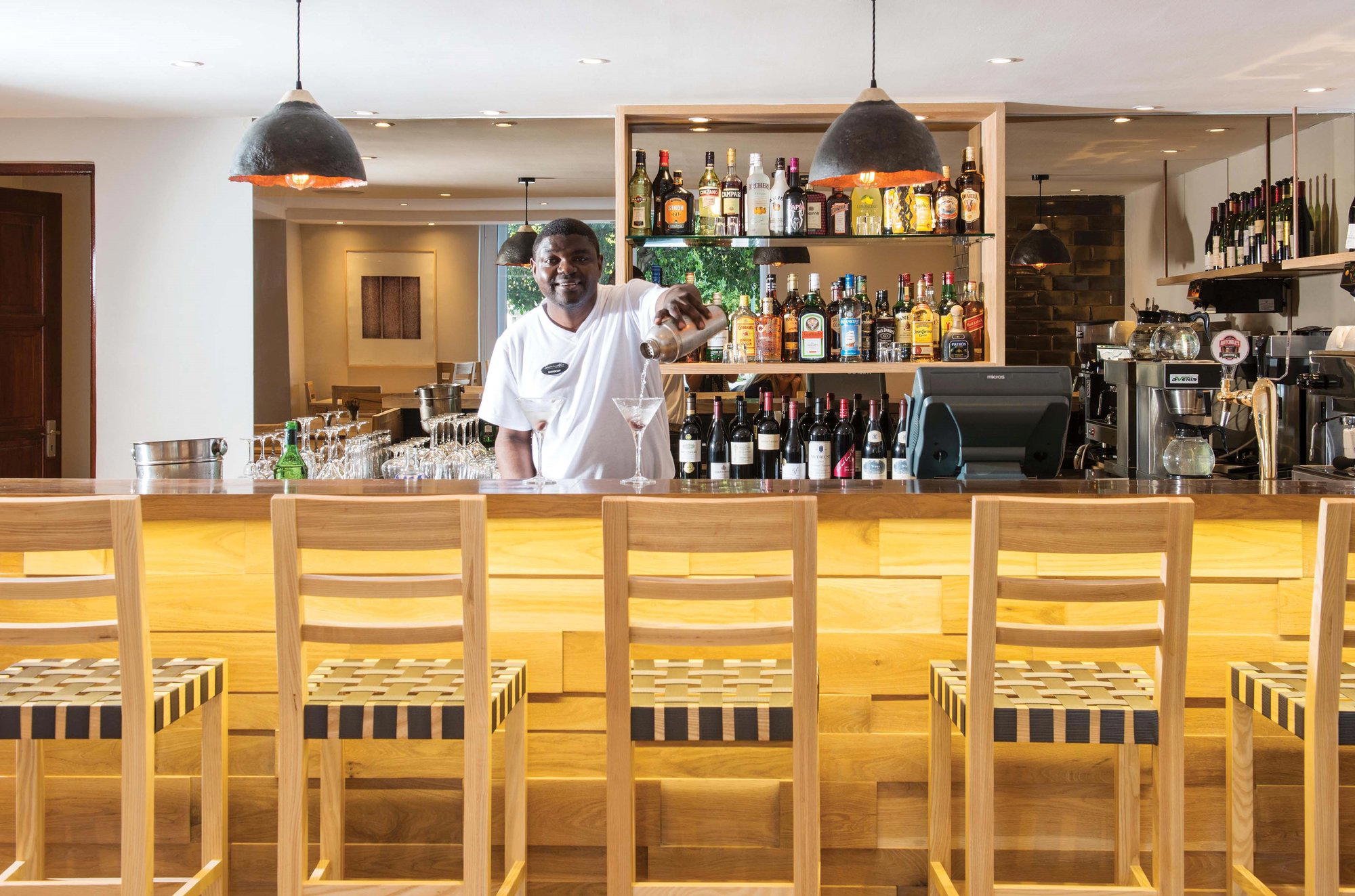
Green Point's Hotel Dining Scene and Where 1800 Fits
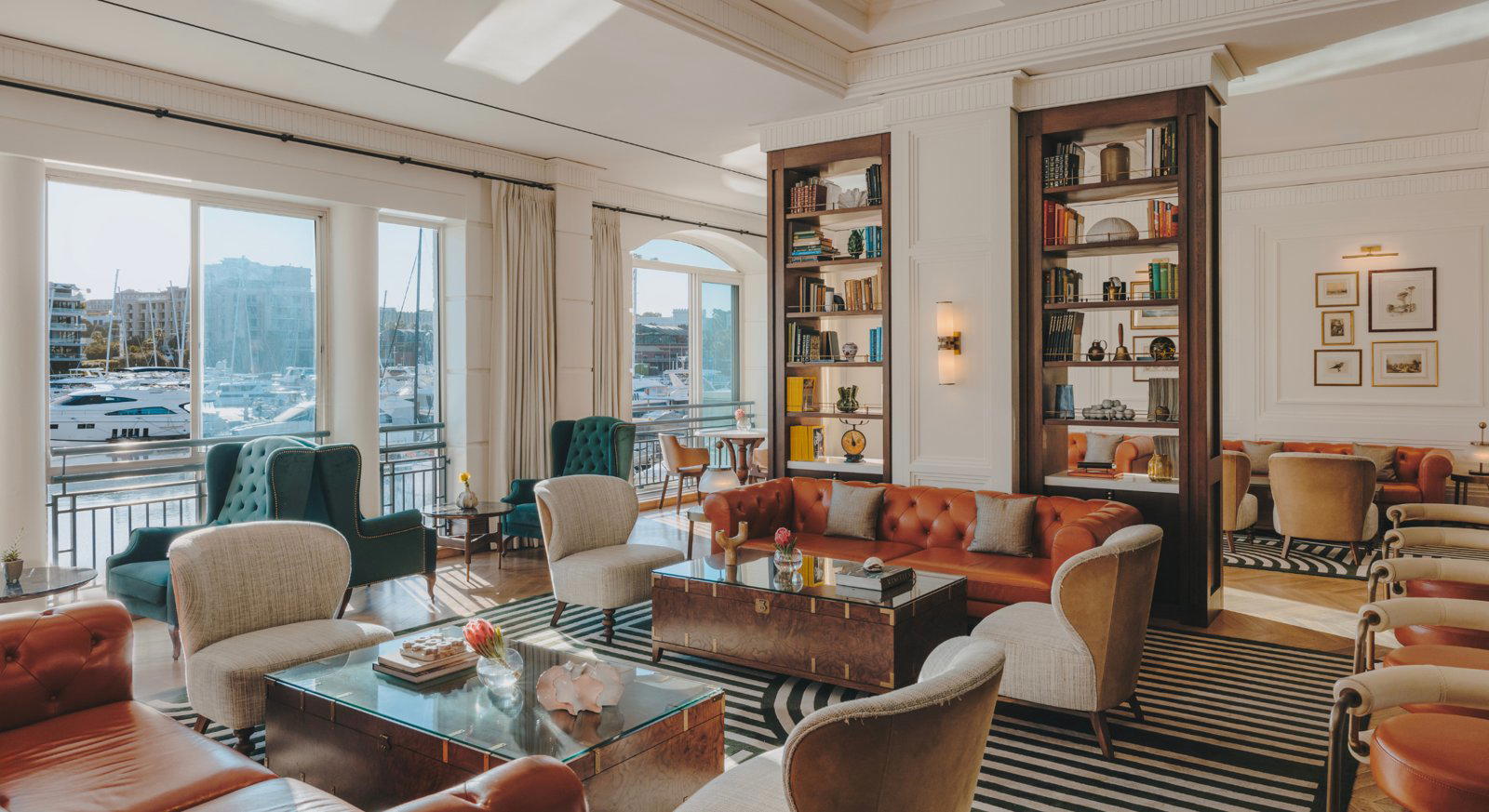
Cape Town's hotel restaurant category has always occupied an awkward position. The city's most talked-about dining rooms, from The Test Kitchen and La Colombe to Fyn and Salsify at the Roundhouse, have largely operated as standalone destinations with their own identities rather than as amenities attached to accommodation. Hotel kitchens that do succeed here tend to do so by meeting a specific local need: reliable sourcing, consistent execution, and a menu that reads credibly to a Cape Town diner who has access to an entire city worth of alternatives. 1800, the restaurant inside Cape Royale Luxury Suites on 47 Main Road in Green Point, operates within that context. It is not competing directly with the city's major award-chasing kitchens; it is addressing a different set of expectations from a different kind of guest.
Green Point itself is a neighbourhood that rewards a closer look. Positioned between the V&A Waterfront's commercial density and De Waterkant's compact, gallery-lined streets, it functions as something of a residential buffer zone that has gradually accumulated a more considered food culture. Main Road here runs through a stretch of mid-range to premium accommodation, and the dining options that have lasted longest are those that understand both the transient hotel guest and the returning local. That dual audience is the shaping pressure on any kitchen in the area.
Sourcing as a Signal: What Cape Town's Better Hotel Kitchens Prioritise
South Africa's Western Cape gives any serious kitchen an unusual advantage on the sourcing front. The cold Benguela Current running along the Atlantic coast produces snoek, yellowtail, and West Coast rock lobster that arrive at Cape Town restaurants with far shorter supply chains than equivalent seafood in most European or North American cities. The surrounding agricultural belt, including the Boland valleys and the Overberg, supplies stone fruits, heritage grains, and lamb reared in conditions that shape flavour in ways that commodity production cannot replicate. For a hotel restaurant operating in this environment, the sourcing question is less about access and more about commitment: whether the kitchen treats its proximity to good produce as a given or as something to build a menu around.
The most compelling Cape Town dining rooms, including Wolfgat in Paternoster on the West Coast, have made ingredient origin the foundation of their editorial identity, not merely a footnote on a printed menu. Further afield, Chefs Warehouse at Maison in Stellenbosch demonstrates how a kitchen anchored in a wine-producing terroir can use that geography to shape the entire dining logic. Dusk in Stellenbosch represents the more format-forward end of the same regional conversation. Even Le Quartier Français in Franschhoek has historically used its Winelands setting to ground its menu decisions in a legible sense of place. What unites these restaurants is a transparency about origin that Cape Town diners have come to expect as a baseline, not a differentiator.
Premium hotel groups in South Africa have become more deliberate about this in recent years, partly because international guests with exposure to farm-to-table programming elsewhere now arrive with that expectation already formed.
The Green Point Address: Practical Considerations
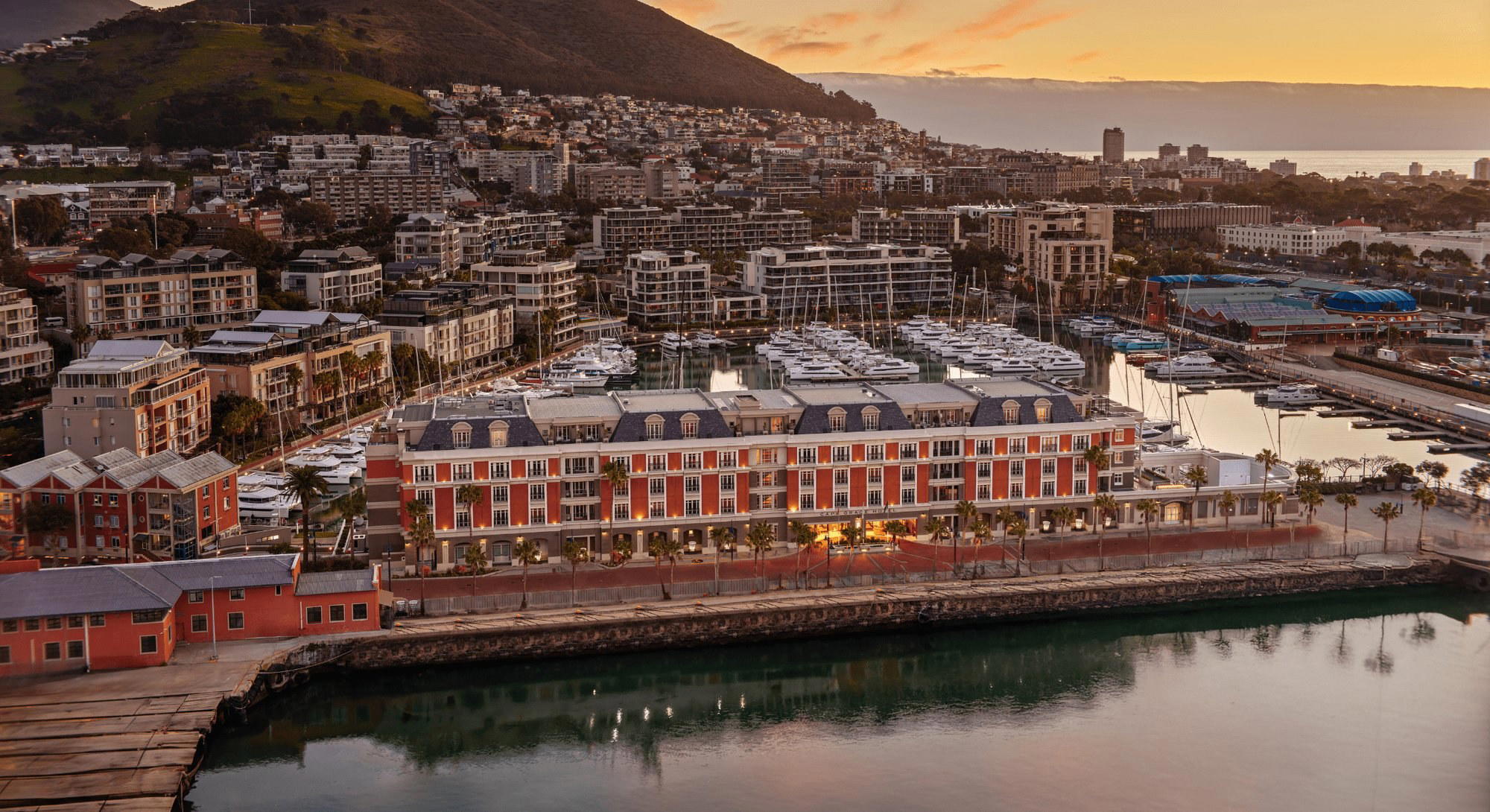
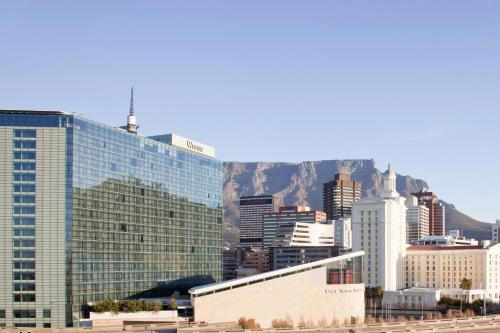
Cape Royale Luxury Suites sits at 47 Main Road, a location that puts guests within reasonable distance of Green Point Urban Park and the Cape Town Stadium precinct, with the Waterfront accessible by a short drive or a longer walk depending on tolerance for Atlantic-facing wind. For visitors who are not renting vehicles, the address sits on a well-served public transport corridor, and the concentration of accommodation nearby means the area functions as a de facto base neighbourhood for a certain category of Cape Town visitor.
Hotel dining in this bracket tends to attract a mix of in-house guests eating for convenience and neighbourhood residents who want a more contained evening than the effort of booking at 95 at Parks or one of the city's more reservation-intensive rooms. That split audience shapes what a restaurant like 1800 is being asked to deliver: enough ambition to justify the hotel's positioning, enough accessibility to keep a mixed room comfortable. Across South Africa, that same tension appears in dining rooms from Capito in Pretoria to Kolonaki Greek Kouzina in Johannesburg, wherever a premium address has to earn its room rate through a credible food and beverage offering.
For international travellers using Cape Town as a gateway to wider South African itineraries that include destinations like Londolozi Game Reserve or Silvan Safari Lodge in Kruger, the Green Point base has a specific logistical logic: proximity to Cape Town International Airport via the N2 makes early departures manageable, and the neighbourhood's relatively contained scale means orientation is quick for first-time visitors.
Cape Town's Dining Tier and How to Read It
Understanding where a hotel restaurant sits within Cape Town's dining architecture requires a working map of the city's different registers. At the format-driven, internationally benchmarked end, rooms like those above are drawing comparisons to destination kitchens in other cities. Le Bernardin in New York City and Lazy Bear in San Francisco represent the kind of committed single-format precision that Cape Town's most ambitious restaurants are measured against by a globally mobile readership. Hotel dining rooms are not competing in that register, but they are operating in the same city, which raises the baseline expectation for any kitchen attached to a premium address. For a fuller map of where Cape Town's restaurant scene sits today, our full Cape Town restaurants guide covers the city across categories and price points. You can also compare the broader South African circuit through stops like Milky Lane in East London and Pedros on Grobler Street in Polokwane to understand how differently different cities calibrate their dining offer.
Planning a Visit
1800 is located inside Cape Royale Luxury Suites at 47 Main Road, Green Point, Cape Town. The address is accessible from the V&A Waterfront area and from the De Waterkant neighbourhood, and sits on a public transport corridor along Main Road. Green Point has enough alternative dining options on and around Main Road to give any visit flexibility if plans change.
Frequently asked questions
Would 1800 be comfortable with kids?
Hotel restaurants in Cape Town's premium accommodation tier tend to be more accommodating of families than standalone fine-dining rooms, largely because their guest mix includes travelling families alongside business visitors. Green Point's Cape Royale is a suites property pitched at a relatively formal level, so the environment is unlikely to be optimised around younger children the way a casual beachfront venue would be. If you are visiting with children, a daytime visit or an early evening booking would sit more comfortably with the likely room tone than a late-night dinner service.
Is 1800 formal or casual?
Cape Town's hotel dining rooms at the luxury suites level generally operate in smart-casual territory rather than enforcing formal dress codes. A step above beach or tourist-casual would be a reasonable baseline for dressing, in keeping with the Cape Royale Luxury Suites positioning.
What do regulars order at 1800?
What the Western Cape kitchen environment makes available as a baseline, given the region's proximity to Atlantic seafood and Boland produce, suggests that a kitchen in this location would have strong sourcing options across both seafood and meat categories. For the most current menu information, contacting the restaurant directly will give you a more accurate picture than any third-party summary.
Does 1800 draw from local Western Cape producers, or is the menu more internationally oriented?
This is the more useful question for a Cape Town hotel restaurant, because the Western Cape's proximity to some of South Africa's most distinctive agricultural and marine produce makes sourcing choices a genuine editorial signal. Hotel kitchens at premium addresses in the city have increasingly incorporated regional provenance into their menus, partly in response to guest expectations shaped by the broader Cape Town dining conversation.
Continue exploring
More in Cape Town
Restaurants in Cape Town
All restaurants in Cape Town →
Bars in Cape Town
All bars in Cape Town →
Details
- Elegant
- Sophisticated
- Date Night
- Special Occasion
- Hotel Restaurant
- Open Kitchen
- Street Scene
- A La Carte
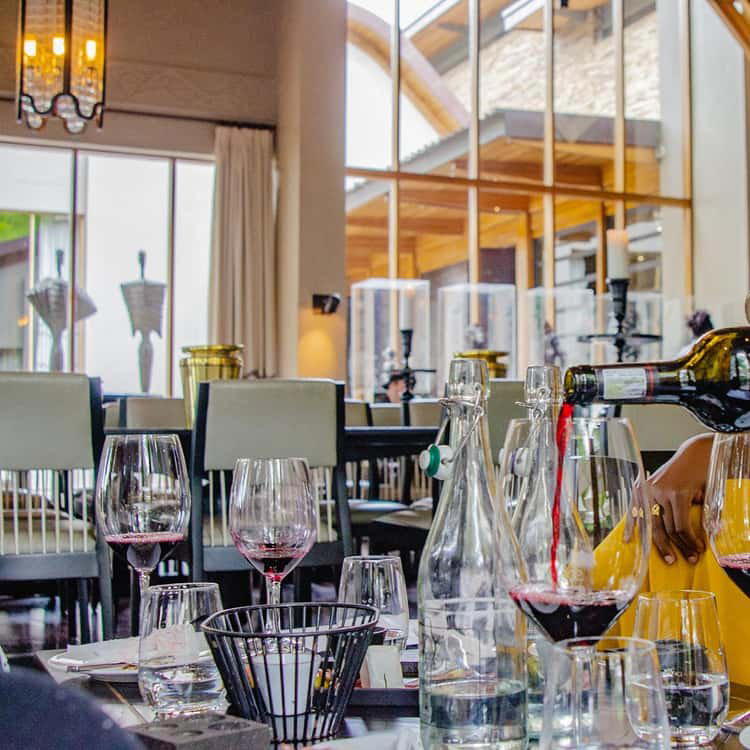
Elegant hotel restaurant atmosphere