Wilderness Ruckomechi

World Travel Awards
Named Zimbabwe's Leading Safari Lodge at the 2025 World Travel Awards, Wilderness Ruckomechi occupies one of the most remote stretches of Mana Pools National Park, where the Zambezi floodplain meets dense riverine forest. The camp's architecture works with the terrain rather than against it, placing guests directly inside the rhythms of one of Africa's least-crowded UNESCO World Heritage ecosystems.

Pearl is the En Primeur Club membership app, where members save venues, book tables and use the concierge.
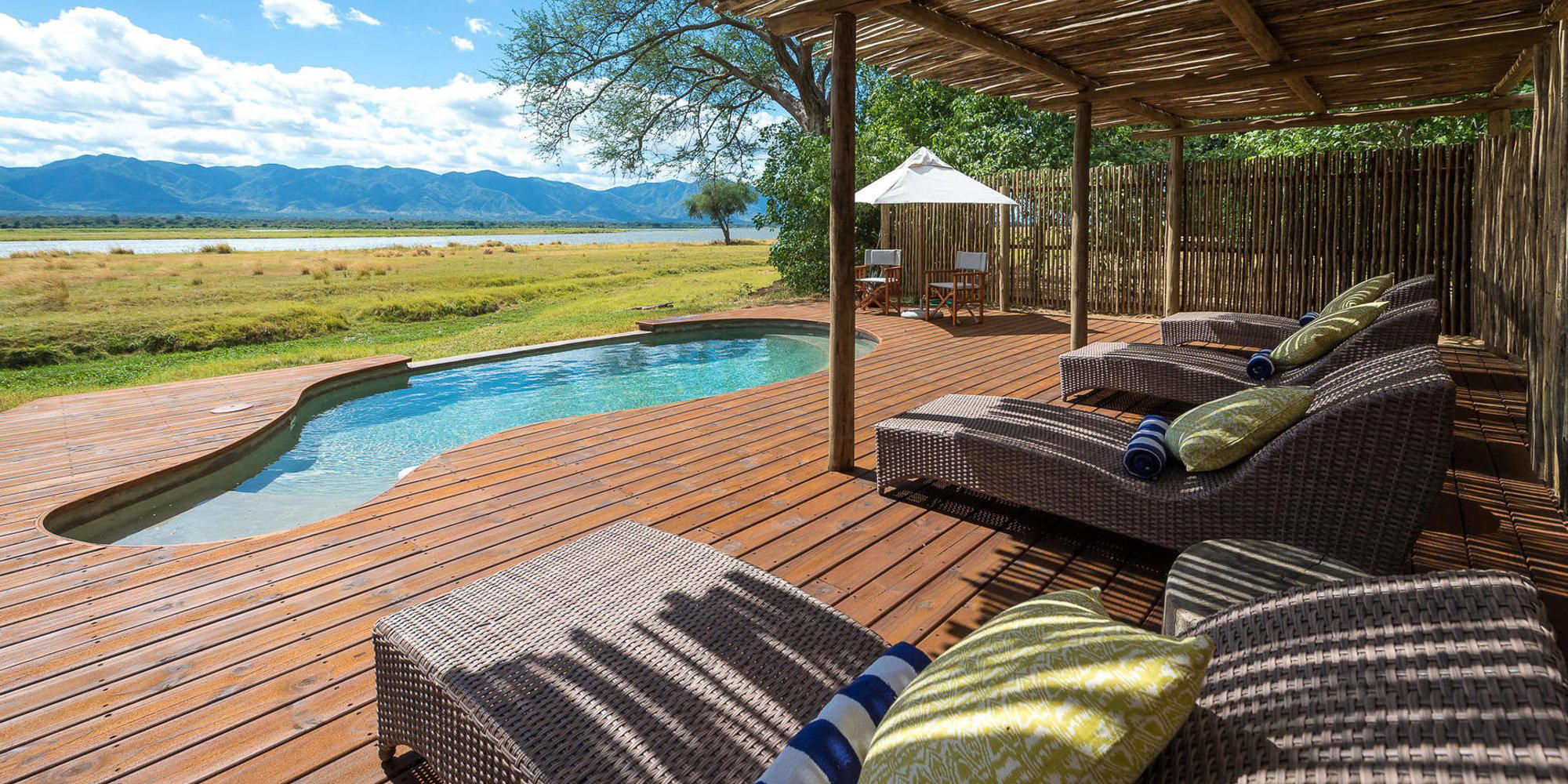
Where the Floodplain Sets the Terms
Mana Pools National Park operates on a different register from most of Africa's safari destinations. There are no fences, no paved approach roads, and during the dry season the Zambezi recedes to reveal a floodplain so active with wildlife that the park earned its UNESCO World Heritage status as much for ecological density as for landscape. Within this context, the camps that perform leading architecturally are those that treat the terrain as the primary design material rather than an obstacle to comfort. Wilderness Ruckomechi, sitting at the western edge of the park where visitor pressure is lowest, belongs to that category.
The camp's position on the banks of the Zambezi is not incidental to its design logic. Structures are oriented to maximise unobstructed sightlines across the river toward Zambia, and the open-sided configuration of the main areas means the boundary between interior and exterior is, for much of the year, effectively absent. In a regional market where luxury safari lodges increasingly compete through imported finishes and architectural statements, this is a deliberate counter-position: let the floodplain carry the room.
The Architecture of Openness
Safari camp design across southern Africa has, over the past two decades, split into two broad schools. The first pursues enclosed luxury: air-conditioned suites, curated interiors, spa infrastructure that could plausibly be transplanted to a resort in the Maldives or the Swiss Alps. The second school argues that the quality of the experience is proportional to the degree of permeability between the guest and the ecosystem. Wilderness Ruckomechi sits firmly in the second tradition.
The tented structures here follow a logic common to the Wilderness portfolio's higher-end camps: canvas walls that roll back, refined timber decking that extends the living space toward the riverbank, and a materials palette drawn from the immediate environment rather than flown in. What distinguishes the western Mana Pools execution is the scale of what those open walls face. The Zambezi at this latitude is wide, slow-moving in the dry months, and used daily by elephant, hippo, and a range of bird species that make the corridor one of the continent's more productive for ornithologists. The view from the tent is, in practical terms, the product.
Comparable camps in the Wilderness portfolio, such as Wilderness Little Makalolo in Hwange National Park, operate within the same open-sided design philosophy but face a different ecological backdrop: dense teak forest and open plains rather than a river corridor. The architectural response at Ruckomechi is calibrated specifically to the Zambezi's horizontal drama, where the long visual axis across water rewards the refined, outward-facing deck configuration more than it would in a woodland setting.
Position in the Zimbabwe Safari Market
Zimbabwe's premium safari tier has consolidated around a handful of operators whose camps hold consistent award recognition. The 2025 World Travel Awards designation of Wilderness Ruckomechi as Zimbabwe's Leading Safari Lodge places it at the apex of that recognition hierarchy for the current season, a position it competes for against well-resourced rivals including Singita Pamushana Lodge in Chiredzi, which operates in the private Malilangwe Wildlife Reserve, and Tembo Plains Camp, which shares the broader Mana Pools region.
The distinction between these properties is partly ecological and partly architectural. Singita Pamushana operates within a controlled private reserve, which allows a different kind of infrastructure density. Ruckomechi's appeal is built on the opposite premise: a national park setting with strict limits on development, meaning that the number of beds in the area remains low and the sense of exclusivity is structural rather than manufactured. Mana Pools does not permit the kind of lodge sprawl that some other destinations in the region accommodate, so the small camp footprint here is a regulatory feature as much as a design choice.
For travellers comparing properties within a Zimbabwe itinerary, Somalisa Camp in Hwange offers a useful reference point for the mid-tier of the Wilderness portfolio, while the Anantara Stanley and Livingstone Victoria Falls Hotel represents a different category entirely: fixed-structure hotel infrastructure adjacent to an urban attraction rather than a wilderness camp in an active ecosystem. These are complementary stops on a longer Zimbabwe route rather than direct substitutes.
Getting There and Planning the Visit
Mana Pools is not a simple destination to reach. The national park sits in the Zambezi Valley in northern Zimbabwe, and access typically requires a charter flight from Harare or Kariba, followed by a short transfer. The journey is part of what keeps visitor numbers low and why the western end of the park, where Ruckomechi is positioned, sees less traffic than areas accessible by road from Harare. The dry season, running roughly from May through October, is the primary game-viewing window, when the receding floodplain concentrates wildlife along the river. The camp closes during the wet season, so travel planning needs to align with that operational window.
Booking should be made well in advance for peak dry-season dates, particularly June through September when elephant concentrations on the Zambezi banks are at their highest. Prospective guests should consult the Wilderness Safaris booking infrastructure directly, as camp-specific availability and rates are managed through that central system. For context on how this property sits within a broader Africa luxury trip, our full Mana Pools guide covers the region's other options and the logistical considerations specific to the Zambezi Valley.
For travellers who include Zimbabwe within a wider luxury travel itinerary that spans multiple continents, the structural contrast between a camp like Ruckomechi and urban properties such as Aman New York, Cheval Blanc Paris, or Le Bristol Paris is instructive. The design ambition is no less serious at the camp level, but the vocabulary is entirely different: open canvas over stone and steel, timber over marble, floodplain over city block. Properties like Amangiri in Canyon Point or Hotel Esencia in Tulum represent the closest conceptual parallel in terms of architecture that defers to natural context, though the ecological conditions at Mana Pools have no direct equivalent outside sub-Saharan Africa.
At-a-Glance Comparison
Comparable venues nearby, for context on price, style, and recognition.
| Venue | Cuisine | Price | Awards | Notes |
|---|---|---|---|---|
| Wilderness RuckomechiThis venue (the venue you are viewing) | luxury tented safari camp | Not listed | World Travel Awards | Not listed |
| Tembo Plains Camp | luxury tented safari camp blending canvas and stone inspired by Zimbabwe Ruins | Not listed | Relais Chateaux Award | Sapi Private Reserve |
| Somalisa Camp | Hotel | Not listed | Conde Nast Gold List | Hwange |
| Anantara Stanley & Livingstone Victoria Falls Hotel - Virtuoso Preview | Victorian colonial boutique lodge in private game reserve | Not listed | Virtuoso Luxury Hotel Partner | Victoria Falls Private Game Reserve |
| Victoria Falls River Lodge | luxury safari tented camp | Not listed | Virtuoso Luxury Hotel Partner | Zambezi National Park |
| The Victoria Falls Hotel | Historic colonial resort | $300–500 | Michelin Selected | Victoria Falls |
Recognition history
Dated appearances from independent guides and award organizations, with the underlying list record or original source where available.
World Travel Awards
World Travel Awards
Continue exploring
More in Mana Pools Region
Hotels in Mana Pools Region
All hotels in Mana Pools Region →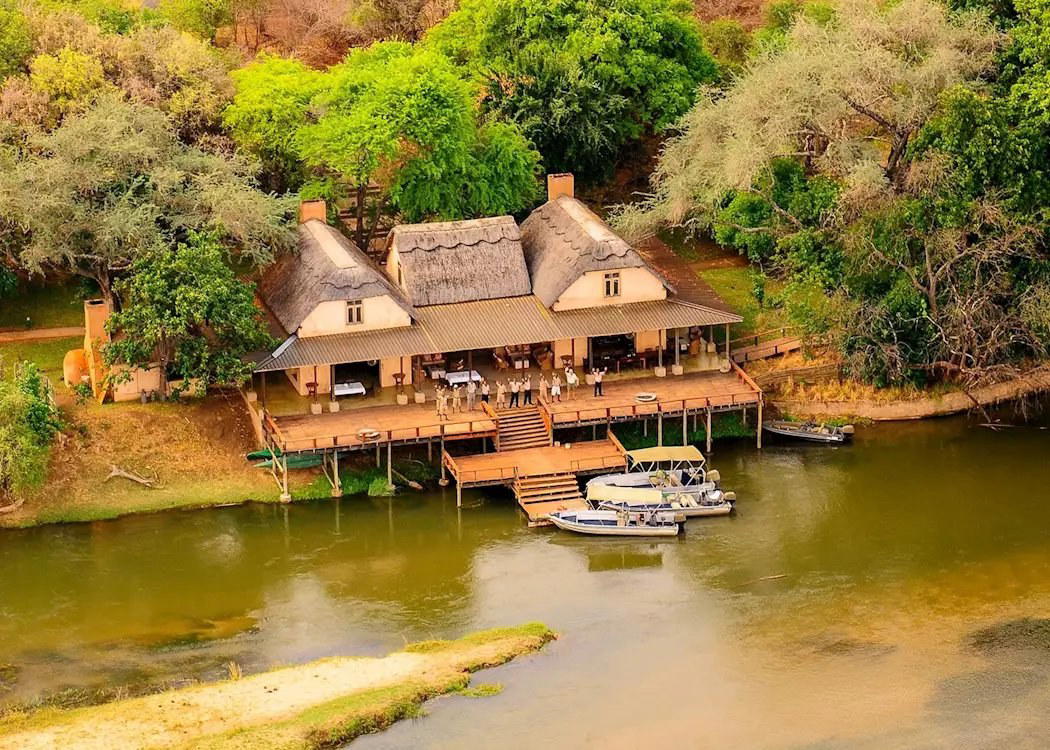
Details
- Scenic
- Elegant
- Intimate
- Rustic
- Sophisticated
- Honeymoon
- Romantic Getaway
- Family Vacation
- Anniversary
- Panoramic View
- Infinity Pool
- Private Dining
- Pool
- Spa
- Room Service
- Concierge
- Airport Transfer
- Waterfront
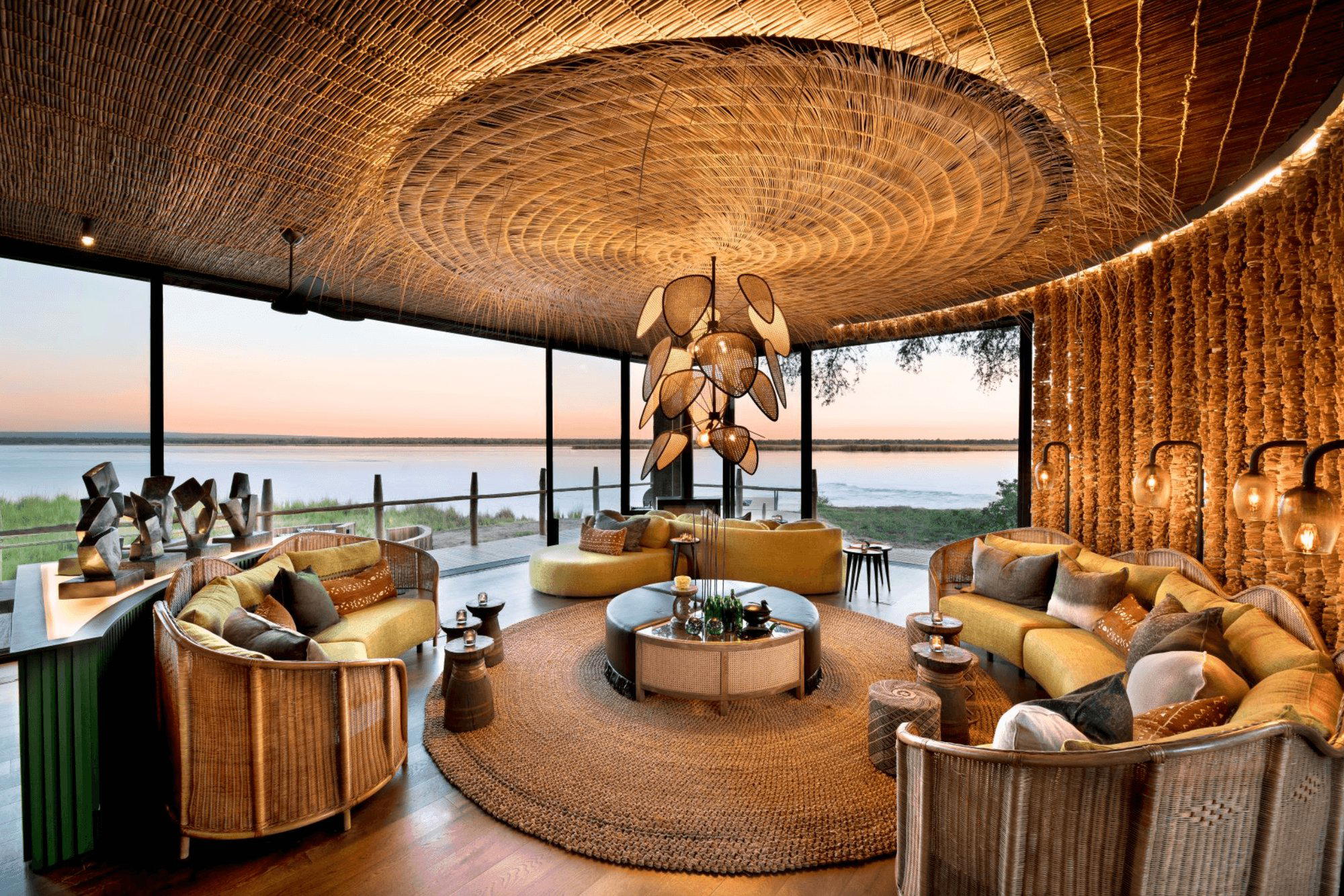
Intimate and elegant atmosphere amidst nature, with open-air tents offering panoramic river views and the sounds of the African wild.