W Las Vegas

Michelin Selected
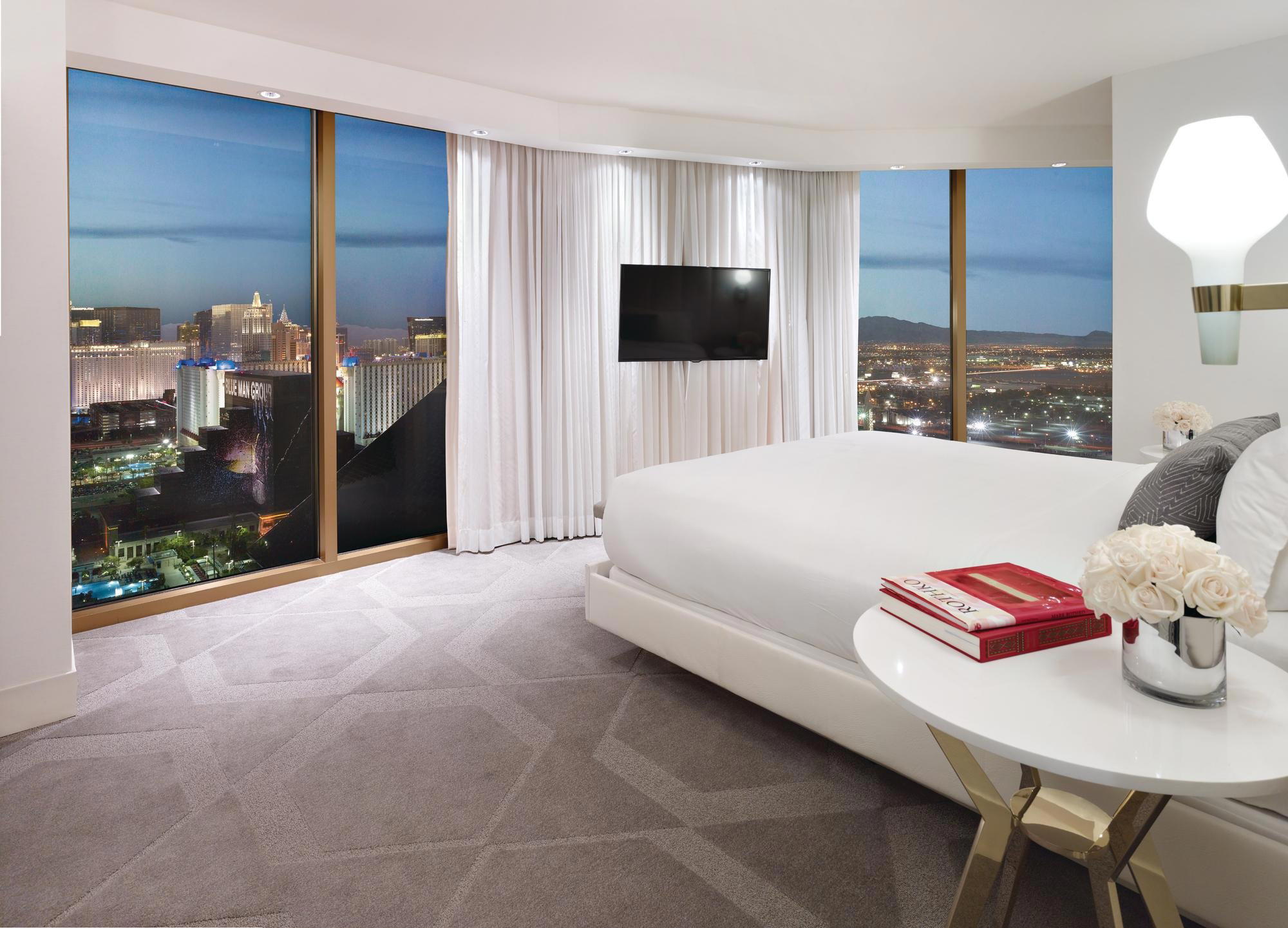
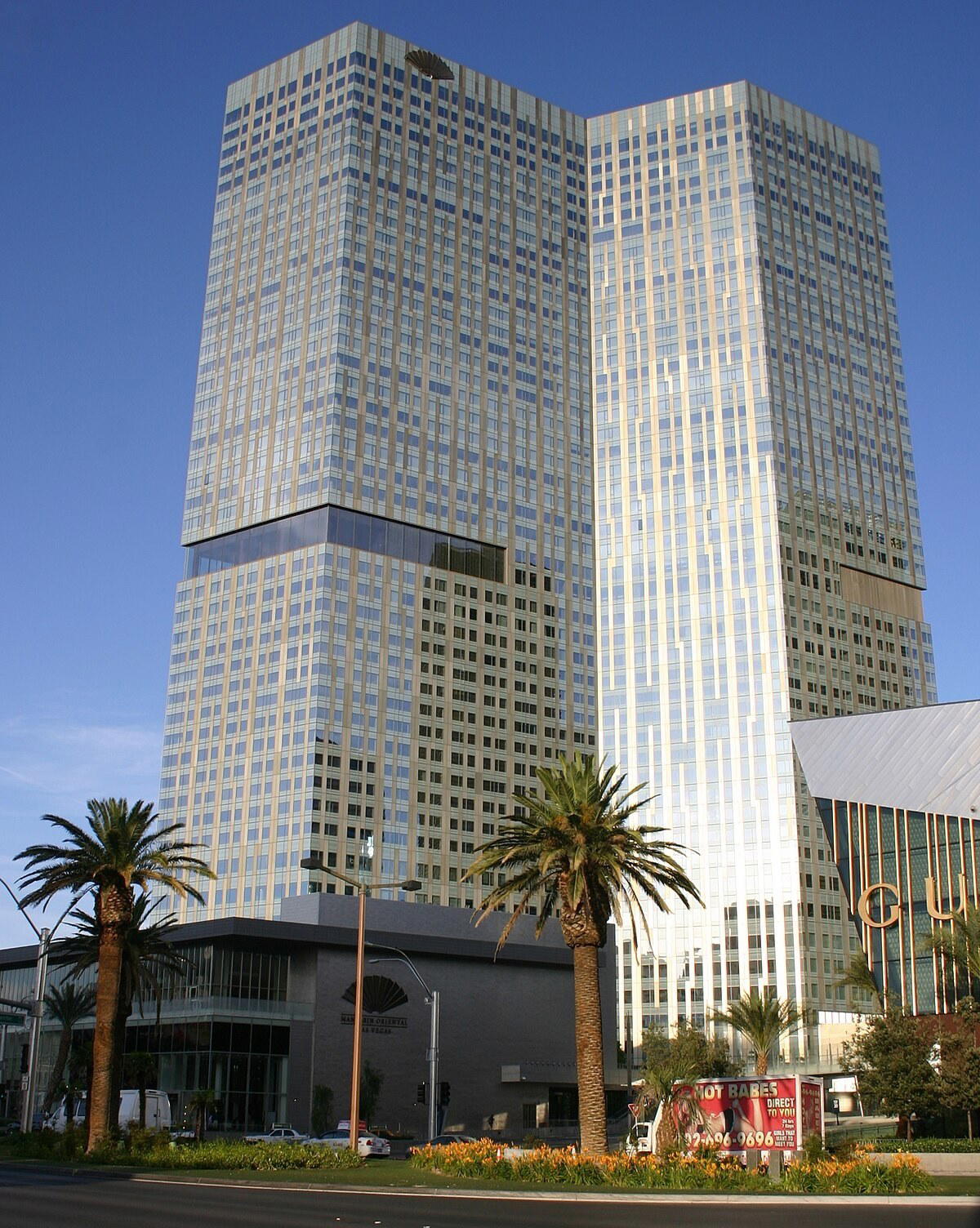
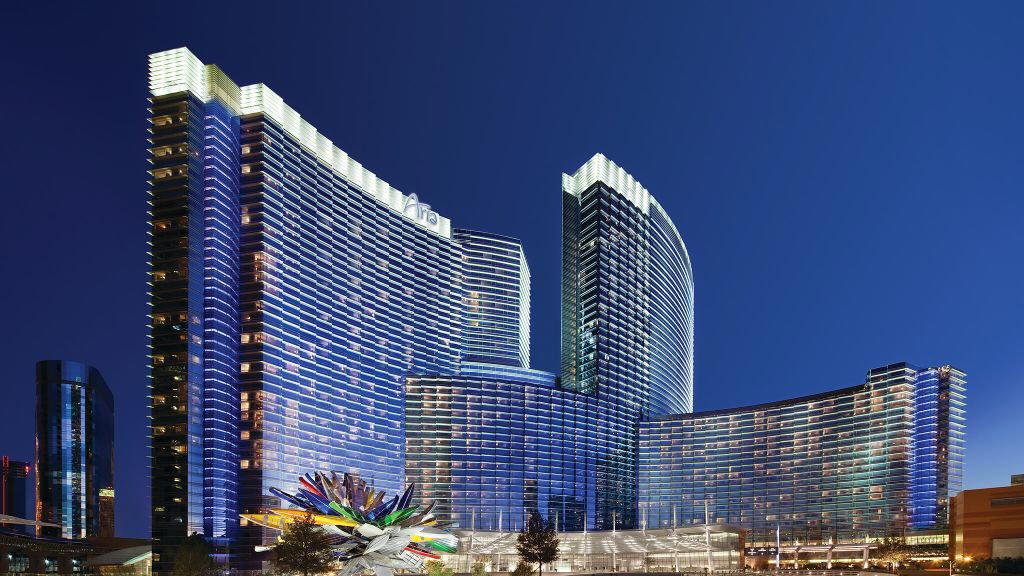
W Las Vegas occupies a prime position on the southern Strip at 3940 S Las Vegas Blvd, placing it within reach of the corridor's densest concentration of entertainment and dining. The property sits in the design-forward tier of Strip hotels, where brand identity and atmosphere carry as much weight as room count. For travelers who want the Strip's energy channeled through a distinct aesthetic lens, it marks a different entry point than the mega-resort mainstream.

Pearl is the En Primeur Club membership app, where members save venues, book tables and use the concierge.
The Strip's Design-Led Tier and Where W Fits
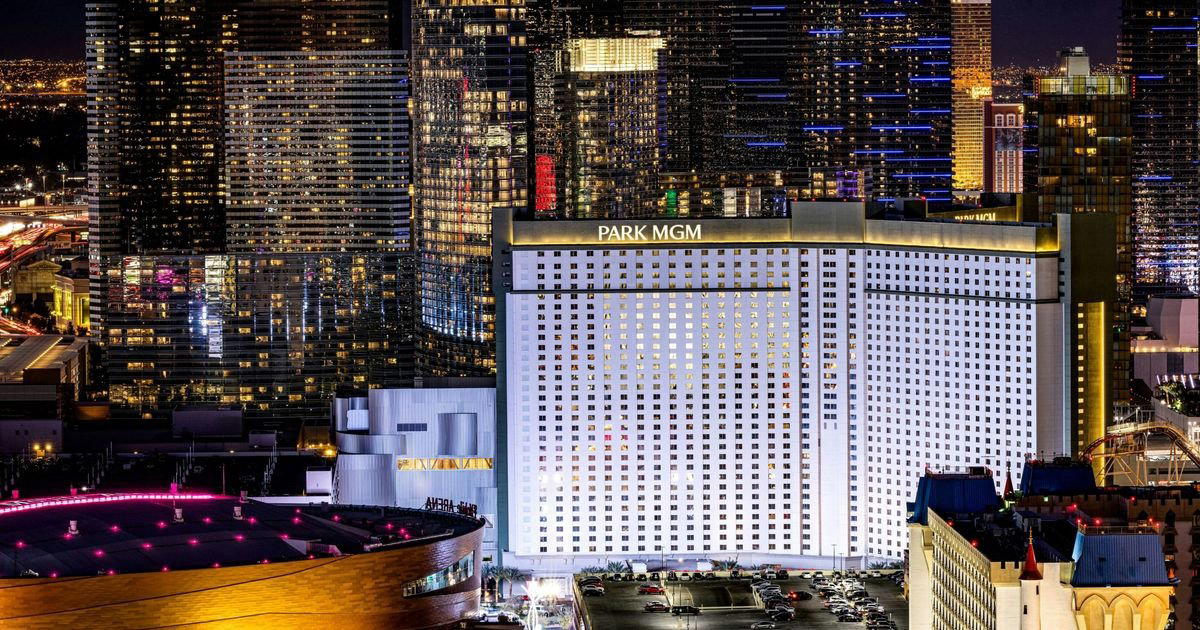
Las Vegas has always sorted itself by ambition. The southern end of Las Vegas Boulevard concentrates properties that use architecture, lighting, and interior language as competitive tools, distinguishing themselves from the sheer-volume model of the mid-Strip mega-resort. W Hotels entered this market at a moment when the brand's identity, built around music programming, late-night energy, and a design vernacular that leans harder on nightlife than convention, had found a receptive audience in markets like New York and Los Angeles. The Las Vegas address at 3940 S Las Vegas Blvd extends that logic onto the Strip itself, where the surrounding block already includes properties occupying distinct positions: Mandalay Bay to the south anchors the far end of the corridor, while New York-New York Hotel & Casino and Park MGM Las Vegas cluster nearby. Each occupies a different register of the hospitality spectrum. W's positioning in this grouping prioritizes atmosphere and brand coherence over the sprawling amenity lists that define its neighbors.
Approaching the Property: What the Strip Tells You First
The southern Strip approaches differently depending on direction. Coming from the airport along Las Vegas Boulevard, the skyline builds incrementally, the density of signage and vertical structure increasing with each block. By the time W Las Vegas comes into view at the 3940 mark, the pedestrian energy of the boulevard has fully established itself: wide sidewalks, refined walkways connecting properties, and the ambient sound of traffic and crowd moving through casino entrances on both sides of the street. This stretch of the Strip has historically attracted a younger demographic than the mid-corridor convention hotels, and the properties that have succeeded here have generally leaned into that energy rather than tried to moderate it. W's design vocabulary, characterized across its portfolio by bold interiors, curated music programming, and spaces that blur the line between lobby and lounge, is calibrated for exactly this kind of street-level environment.
The physical position also means proximity to a cluster of dining and entertainment that runs from Flamingo Las Vegas further north down through the Mandalay Bay complex to the south. Travelers planning around food and nightlife will find the location more navigable on foot than properties at the northern end of the boulevard, where distances between major venues stretch walking times considerably.
The Heritage of the Site and the W Brand's Las Vegas Arc
W brand's history in Las Vegas is part of a broader pattern in which lifestyle hotel flags have moved onto the Strip to capture segments that the legacy casino-resort operators were less equipped to reach. W Hotels, operating under Marriott Bonvoy since the 2016 Starwood acquisition, built its identity in the late 1990s and early 2000s around urban markets where design and nightlife cachet mattered more than gambling floor square footage. Las Vegas represented both an obvious and counterintuitive extension of that model: obvious because the city's entertainment infrastructure aligned with the brand's sensibility, counterintuitive because the Strip's casino economics have historically favored scale over curation.
Properties like The Cromwell and NOBU Hotel Las Vegas represent similar moves, lifestyle-oriented brands inserting themselves into a market dominated by MGM and Caesars properties with room counts in the thousands. The W sits in this cohort. Its heritage is less about a single building's history and more about what it represents within the Strip's ongoing negotiation between mass hospitality and brand-driven distinction. For context, the nearby The Signature at MGM Grand and The Reserve at Park MGM each approach that same negotiation through a different set of values, one leaning into suite-format separation from the casino floor, the other toward a cultural program. W's version of the answer runs through music, design, and a lobby experience oriented toward sociability rather than transit.
How W Las Vegas Sits Against the Wider Travel Tier
The question of where W Las Vegas fits relative to the full spectrum of American hotel travel is worth framing directly. Design-forward city hotels in the Marriott Bonvoy portfolio at this tier compete against properties that use restraint and locality as their primary signals: The Fifth Avenue Hotel in New York City, Raffles Boston, or Hotel Bel-Air in Los Angeles each represent a quieter register of the urban luxury conversation. W Las Vegas operates on a different frequency entirely. Volume, visual intensity, and proximity to the Strip's entertainment infrastructure are features, not bugs. Travelers calibrating their expectations against resort destinations like Amangiri in Canyon Point or Post Ranch Inn in Big Sur are measuring against the wrong metric. The correct comparison set is properties that treat the city's energy as the primary amenity, where the hotel's permeability to its surroundings, rather than its insulation from them, is the value proposition.
Within that frame, the southern Strip location delivers. The walk to Mandalay Bay's dining complex, access to the monorail, and pedestrian connectivity to New York-New York and Park MGM mean that guests aren't dependent on a single property's amenity stack. Las Vegas's hospitality model, uniquely among American cities, encourages cross-property movement; the W's position makes it a functional base for that kind of itinerary. For broader context on dining and entertainment across the corridor, our full Paradise restaurants guide maps the options in useful detail.
Planning a Stay: Practical Notes
The Marriott Bonvoy loyalty framework covers bookings at W Las Vegas, which means points redemptions and elite status benefits apply through the standard program channels. The southern Strip location near the Las Vegas Boulevard and Tropicana Avenue intersection puts the property roughly fifteen to twenty minutes from Harry Reid International Airport by road, with rideshare services running consistently along that corridor. Peak pricing on the Strip follows event calendars more than seasons, with major fights, EDC, Formula 1 race weekends, and New Year's Eve driving rate spikes that can be significant. Midweek stays outside event windows represent the Strip's most consistent value window across all properties at this tier. For travelers arriving in summer, when Strip surface temperatures make extended outdoor walking uncomfortable, the property's position within a connected network of air-conditioned casino floors and covered walkways is a practical advantage worth noting.
Peers You’d Cross-Shop
Comparable options at a glance, pulled from our tracked venues.
| Venue | Price | Awards |
|---|---|---|
| W Las VegasThis venue (the venue you are viewing) | Not listed | Michelin Selected |
| Vdara Hotel & Spa | $1–100 | Not listed |
| Flamingo Las Vegas | $100–200 | Not listed |
| New York-New York Hotel & Casino | $300–500 | Not listed |
| Park MGM Las Vegas | $100–200 | Not listed |
Recognition history
Dated appearances from independent guides and award organizations, with the underlying list record or original source where available.
Michelin Selected
Michelin
Continue exploring
More in Paradise
Hotels in Paradise
All hotels in Paradise →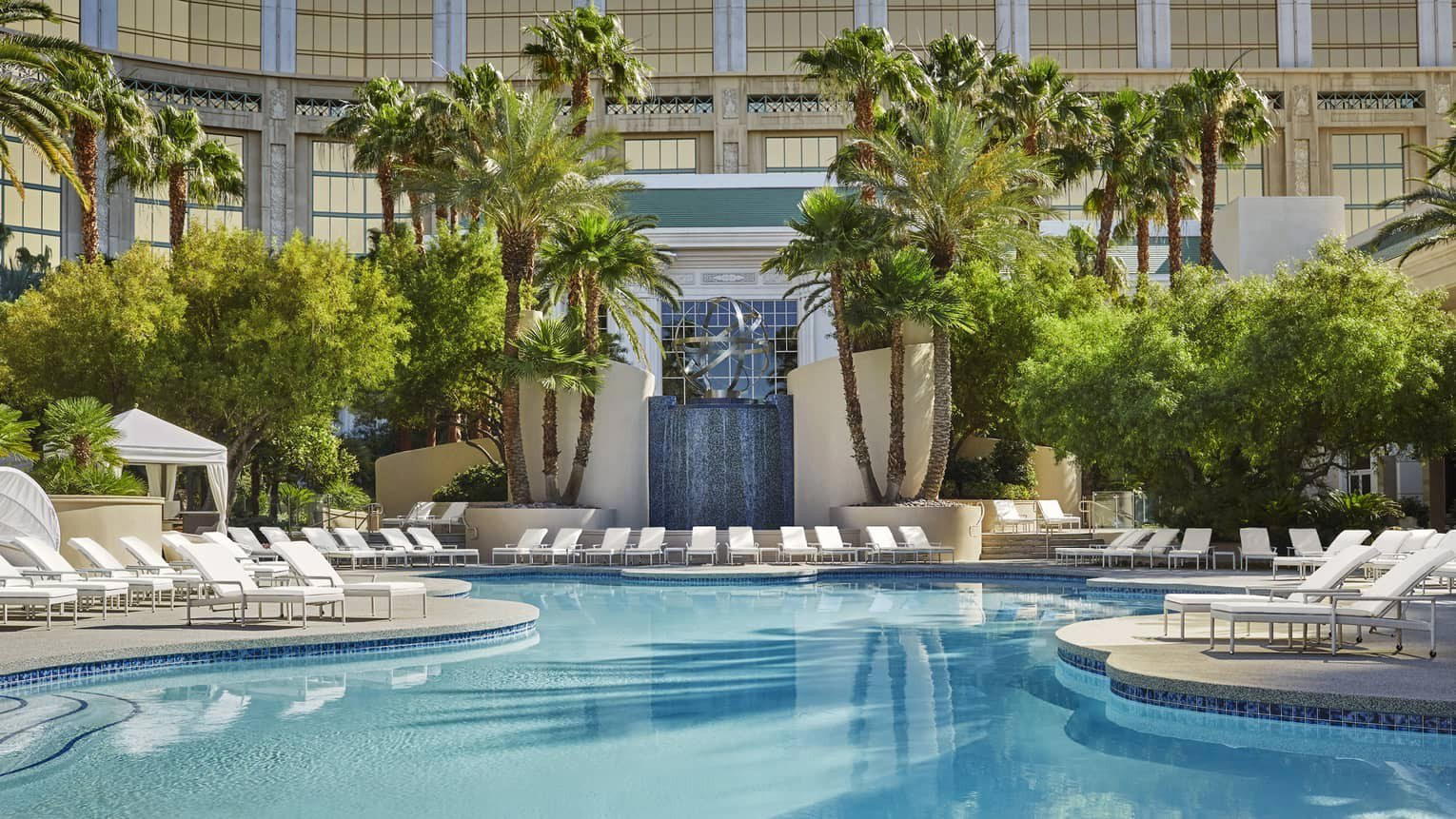
Details
- Trendy
- Lively
- Modern
- Energetic
- Sophisticated
- Weekend Escape
- Celebration
- Rooftop Pool
- Pool
- Spa
- Fitness Center
- Room Service
- Concierge
- Valet Parking
- Skyline
- Mountain
- Wheelchair Accessible
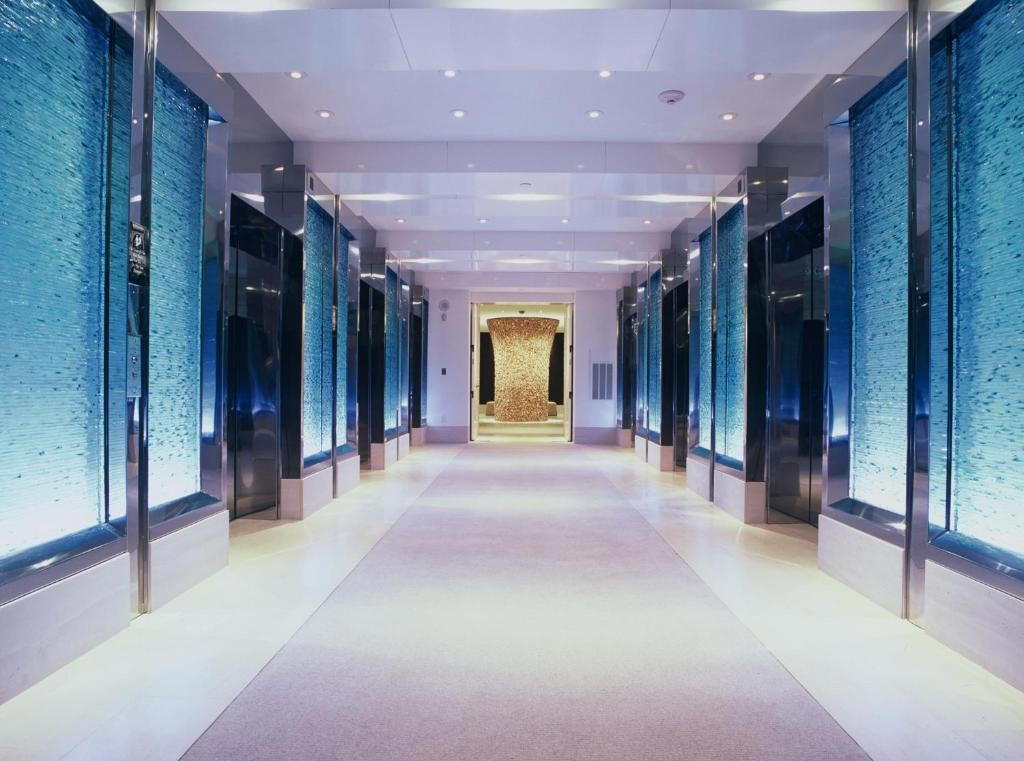
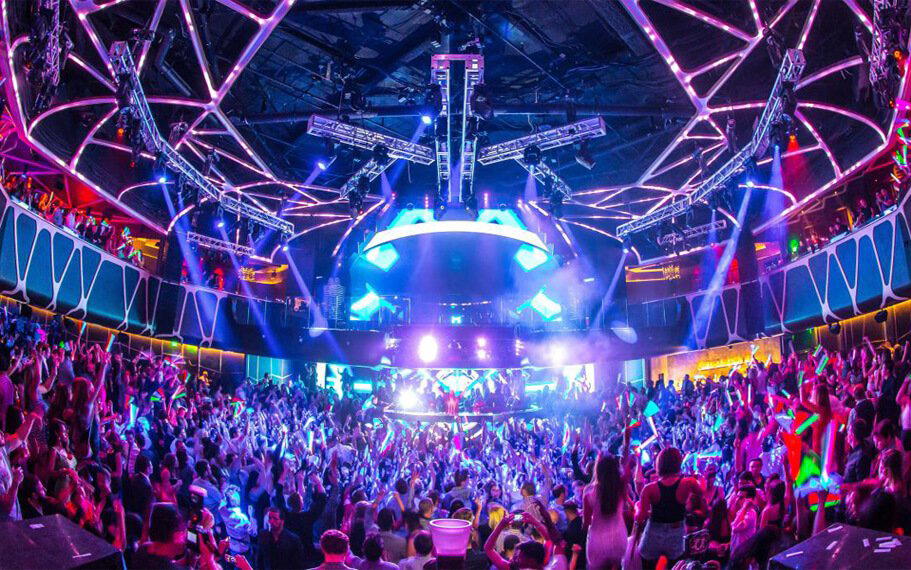
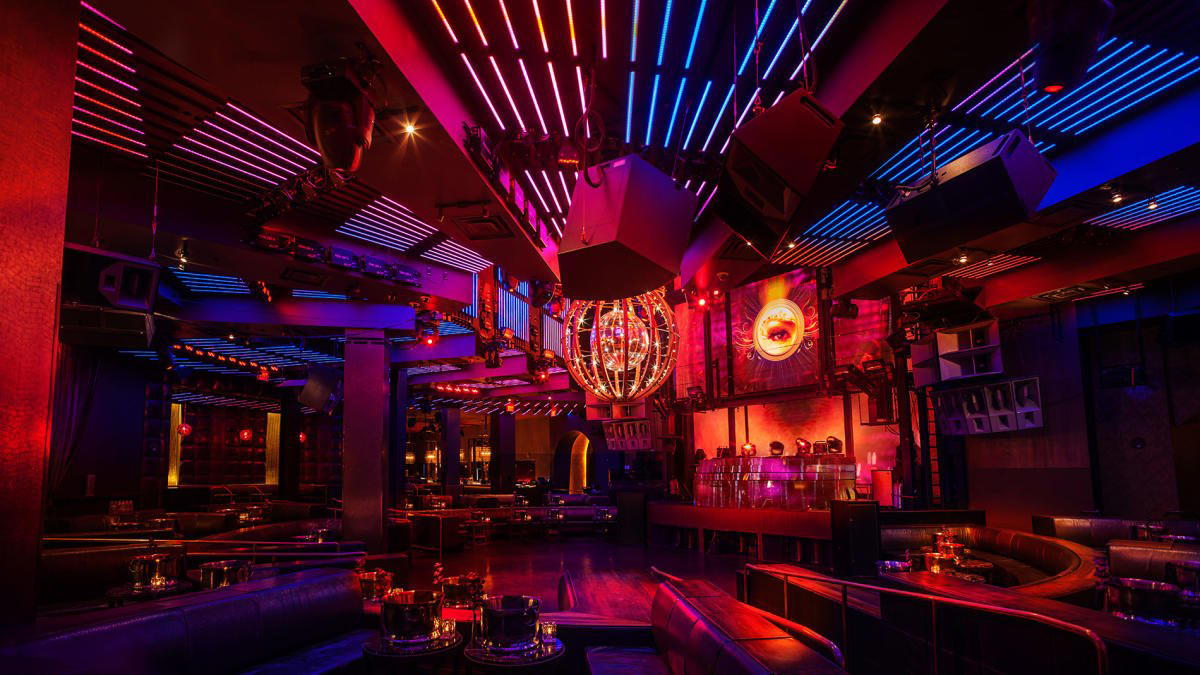
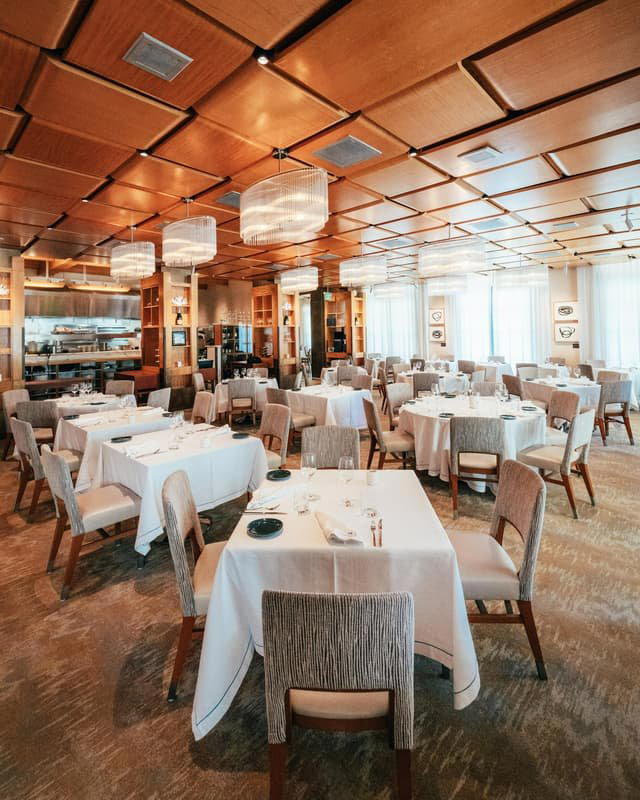
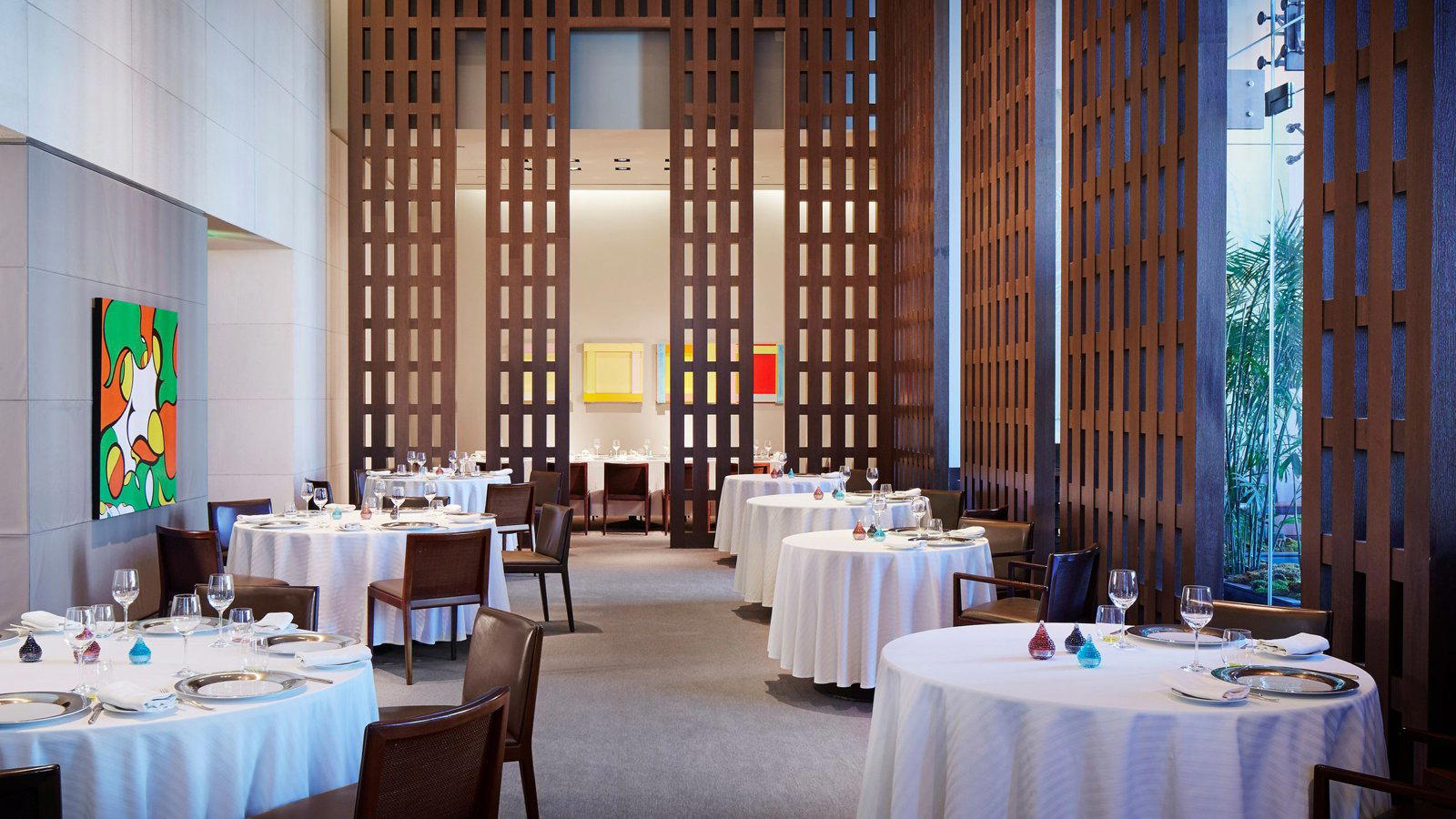
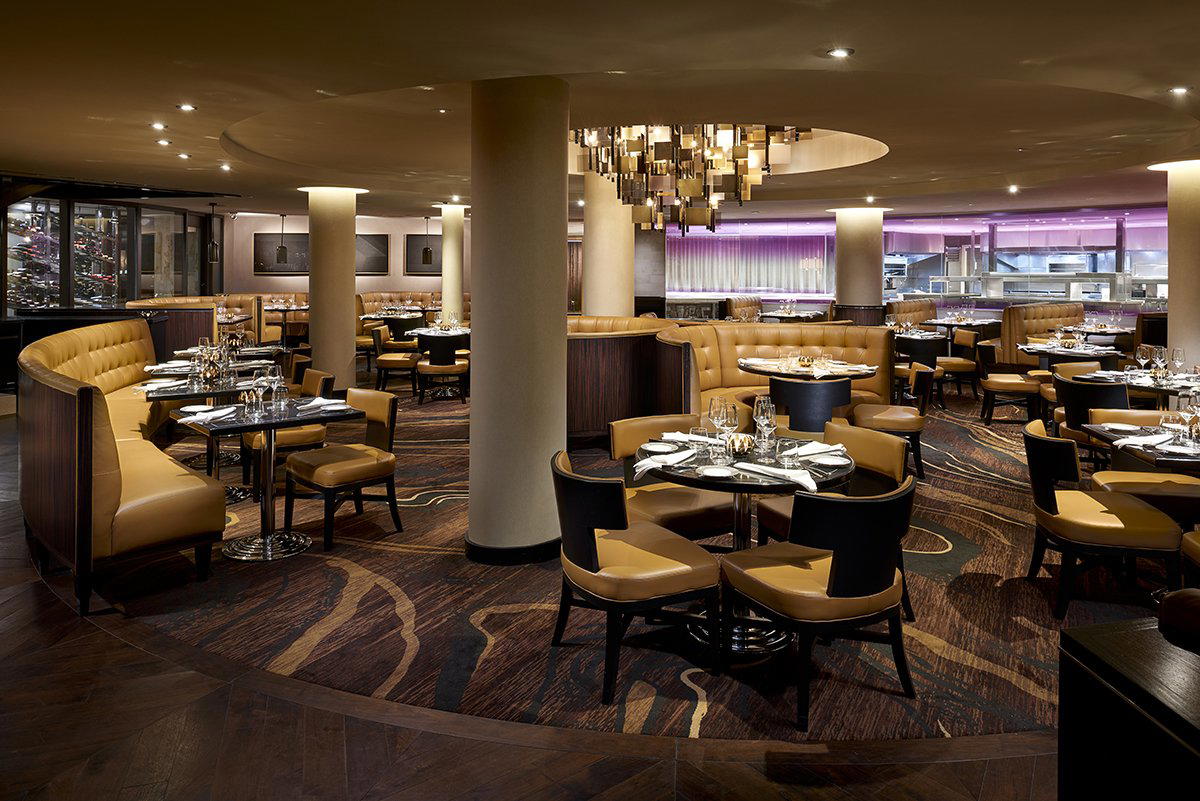
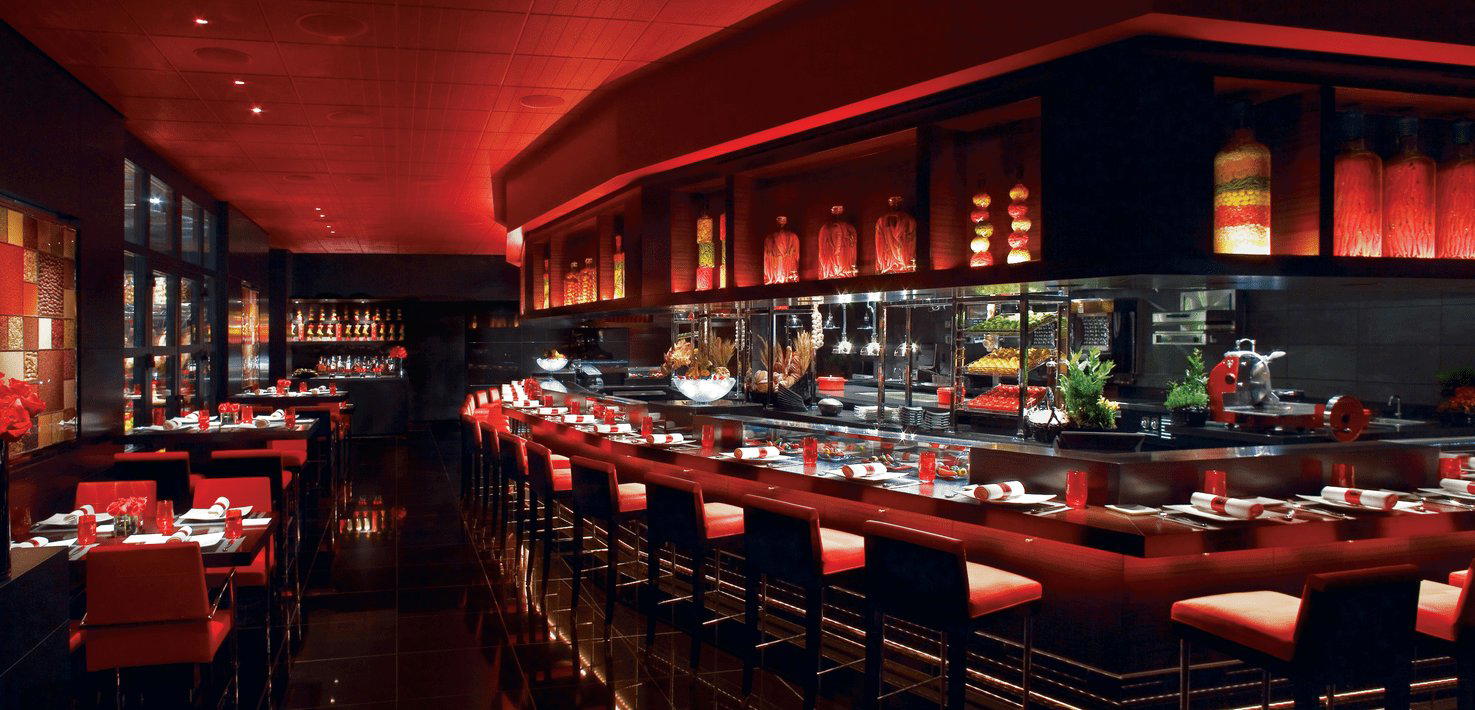
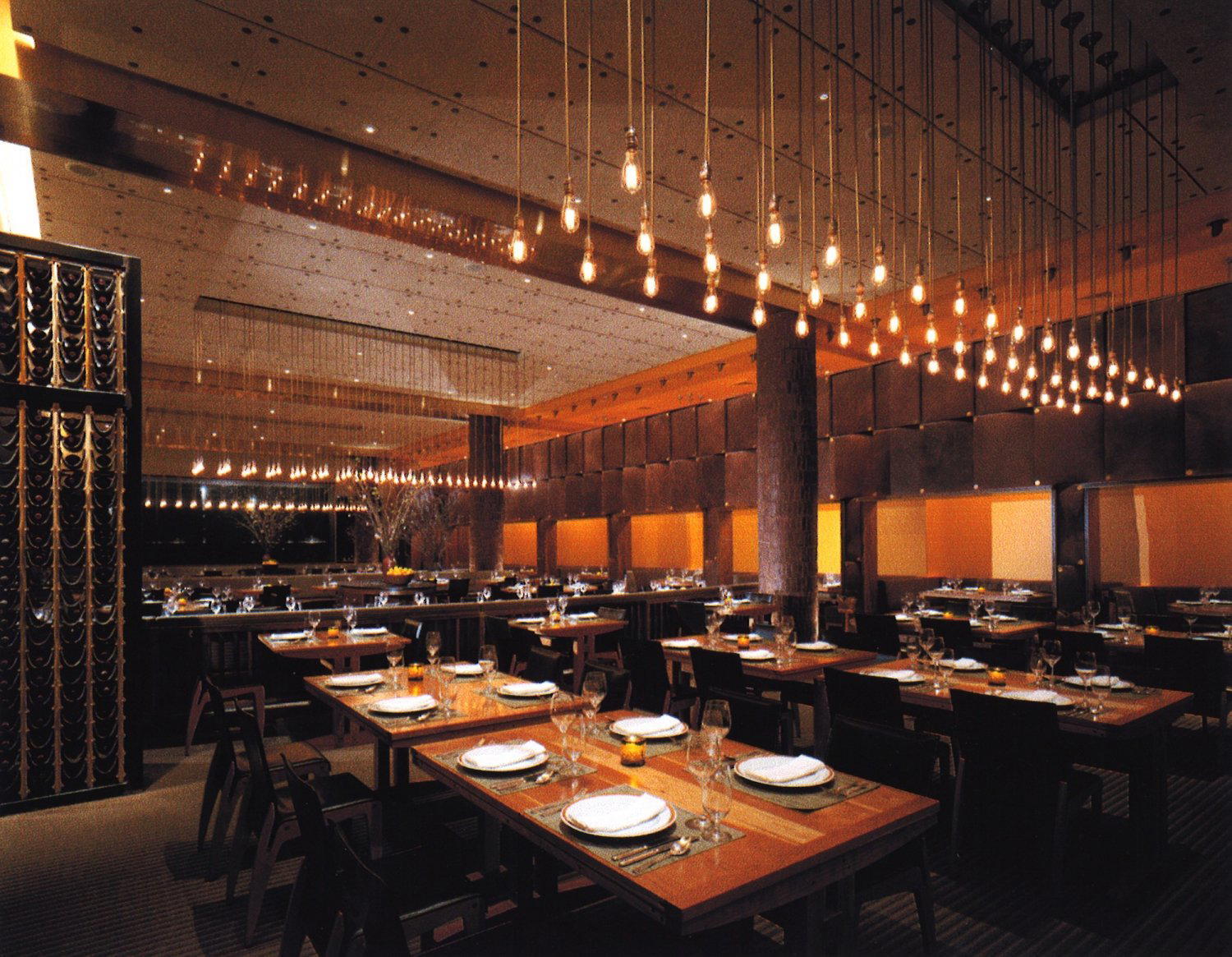
Moody lighting, lively social spaces with neon art installations, sleek modern furnishings, and a dynamic nightlife-infused atmosphere.