The Whiteface Lodge

The Whiteface Lodge holds a 2025 Michelin Key distinction, placing it among a select tier of recognized lodge properties in the Adirondack Mountains. Its address on Whiteface Inn Lane situates guests within reach of Lake Placid's alpine terrain and outdoor programming. For travelers weighing the region's accommodation options, this is the property that anchors the upper end of the local market.
Pearl is the En Primeur Club membership app — saves, bookings, and concierge access live there. Same editors, same standards.
- Address
- 7 Whiteface Inn Lane, Adirondack Mountains, NY, USA
- Phone
- 888-582-0505
 Saves & bookings on Pearl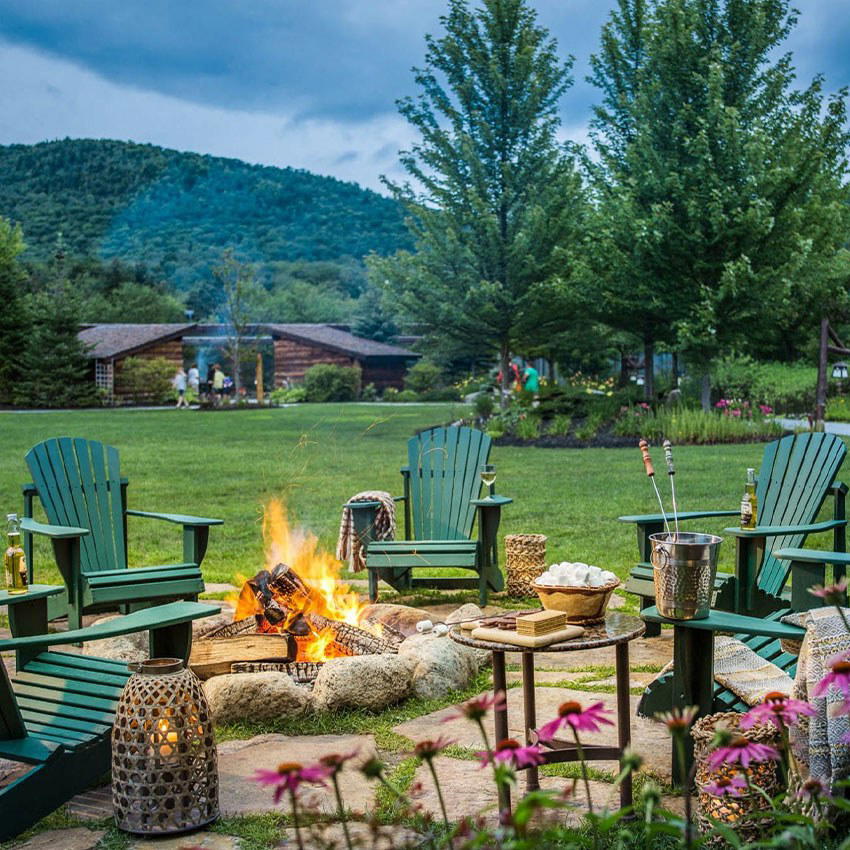
Arriving in the Adirondacks: What the Setting Asks of a Property
The Adirondack Mountains occupy a particular position in American travel: genuinely remote enough to require intention, yet accessible enough from New York City and Montreal that the region draws a consistent mix of outdoor-focused guests and those seeking structured withdrawal from urban pace. That positioning places real demands on lodging. A property here cannot rely on urban amenity density or proximity to a restaurant scene. It has to create its own gravitational pull, and the guest experience either holds together from arrival to departure or it doesn't.
The Whiteface Lodge, at 7 Whiteface Inn Lane in the Adirondack Mountains, is a 4-star hotel with 96 rooms and a 2025 Michelin Key distinction. Its 2025 Michelin Key distinction, awarded through the Michelin Guide's hotels program, places it in a category that the guide reserves for properties demonstrating consistent quality across accommodation, service, and atmosphere. In the Adirondack market, where the range runs from roadside motels to design-forward independents like Eastwind Lake Placid and lakeside addresses like Saranac Waterfront Lodge, that credential carries meaningful weight.
The Lodge Format and What It Signals
Lodge-style properties in North America have bifurcated over the past decade. One branch has leaned into rustic minimalism, favoring exposed materials, curated silence, and a stripped-back aesthetic that reads as deliberately anti-resort. The other branch holds to the grand-lodge tradition: generous common spaces, stone fireplaces, heavy timber framing, and a programming depth that keeps guests on-property rather than pushing them outward. The Whiteface Lodge belongs to the latter school.
That choice of format is itself a service philosophy. Properties that invest in internal atmosphere and programming are making a specific argument: that the guest's experience should be largely self-contained, that arrival should feel like arrival at a destination rather than a base camp. Across the broader range of Michelin Key-recognized American resort properties, from Meadowood Napa Valley to Post Ranch Inn in Big Sur, this self-contained logic tends to be paired with a service model that anticipates rather than reacts.
Service as the Connective Tissue
In mountain resort contexts, service philosophy often reveals itself in the transitions: between outdoor activity and return to the property, between the informality of a hiking trail and the relative warmth of a well-staffed lobby. Properties that manage those transitions well don't require guests to recalibrate. The physical warmth is there before it's requested. The recommendation about trail conditions was offered at breakfast, not after the guest has already committed to the wrong route.
The Michelin Key framework, as articulated by the guide, evaluates hotels partly on this kind of anticipatory attention. It's a different standard from the star system applied to restaurants: less about technical perfection in a single dimension and more about whether the full experience coheres. That standard applies pressure evenly across the property, which means the quality of an interaction at check-in should be consistent with the quality of one at the front desk at 10pm when a guest returns from dinner.
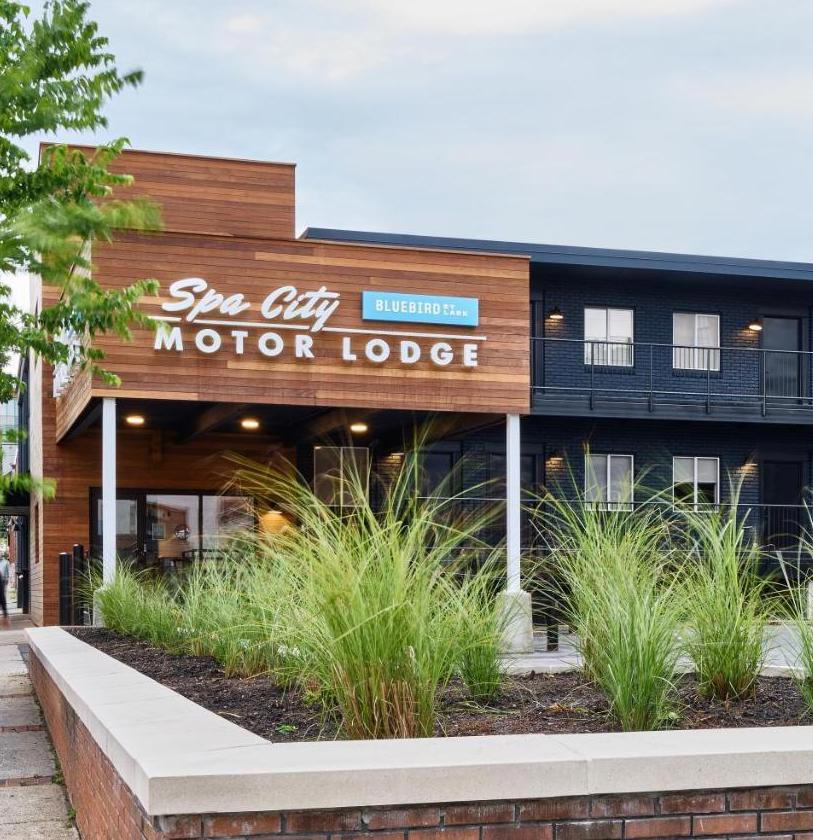
For guests comparing the Adirondack field, properties like Laurel Lake Placid and Bluebird Spa City Motor Lodge occupy different market positions and carry different programming assumptions. The Whiteface Lodge's Michelin recognition positions it as a strong choice in this market for guests seeking cohesion across the full stay, not just a comfortable room.
The Adirondack Context: Region, Season, and Timing
Lake Placid's reputation as a two-season destination has strengthened over the past several years, with winter activity anchored by the Whiteface Mountain ski area and summer drawing hikers, paddlers, and guests seeking cooler temperatures than the coastal alternatives. The shoulder seasons, particularly late September through mid-October, offer the Adirondacks' most photographed foliage conditions alongside reduced crowds. That timing window tends to book out for recognized properties earlier than guests typically anticipate.
For international travelers or those building multi-stop American itineraries, the Adirondacks pair logically with properties in neighboring regions. Troutbeck in Amenia anchors a Hudson Valley circuit that connects naturally to a Lake Placid extension, while those approaching from New York City can use The Fifth Avenue Hotel as a transit point before heading north. Guests building a broader American wilderness itinerary might also consider how the Adirondack experience compares against properties like Amangiri in Canyon Point, Sage Lodge in Pray, or Dunton Hot Springs in Dunton, each of which anchors a different American landscape with a similarly self-contained lodge philosophy.
For those whose travel framework extends to international lodge and resort comparisons, the service standard implied by a Michelin Key distinction carries across geographies. Properties like Badrutt's Palace Hotel in St. Moritz operate in the same broad category of mountain resort with deep institutional service cultures, though at a different scale and price position. The comparison is useful for calibrating expectations rather than equating experiences.
Planning Your Stay
The Whiteface Lodge is located at 7 Whiteface Inn Lane in the Lake Placid area of the Adirondack Mountains. Booking well in advance is advisable, particularly for foliage-season and winter ski weekends. Reach out directly for room category preferences and availability.
What It’s Closest To
Comparable venues nearby, for context on price, style, and recognition.
| Venue | Cuisine | Price | Awards | Notes |
|---|---|---|---|---|
| The Whiteface LodgeThis venue — the venue you are viewing | Rustic luxury lodge evoking historic Adirondack Great Camps with modern amenities and comprehensive resort facilities. | $$$$ | 4-Star | |
| Saranac Waterfront Lodge | Adirondack Modern waterfront lodge | $$$ | 4-Star | Saranac Lake |
| Bluebird Spa City Motor Lodge | reimagined retro motor lodge | $$ | 3-Star | Downtown Saratoga Springs |
| Eastwind Lake Placid | hygge-inspired boutique motor lodge with glamping cabins | $$$ | 2-Star | Lake Placid |
| Laurel Lake Placid | Modern alpine chalet with Scandinavian influences, deliberately departing from regional rustic style while maintaining cozy lodge character. | $$$ | 3-Star | Downtown Lake Placid |
| The Roundtree, Amagansett | Restored historic farmstead with shingled main house, barn, and cottages | $$$$ | 4-Star | Amagansett |
Continue exploring
More in Adirondack Mountains
At a Glance
- Rustic
- Scenic
- Cozy
- Elegant
- Classic
- Family Vacation
- Wellness Retreat
- Group Retreat
- Weekend Escape
- Destination Spa
- Panoramic View
- Historic Building
- Garden
- Waterfront
- Spa
- Pool
- Fitness Center
- Kids Club
- Game Room
- Bowling Alley
- Movie Theater
- Tennis Court
- Ice Skating Rink
- Yoga Classes
- Restaurant
- Room Service
- Concierge
- Mountain
- Garden
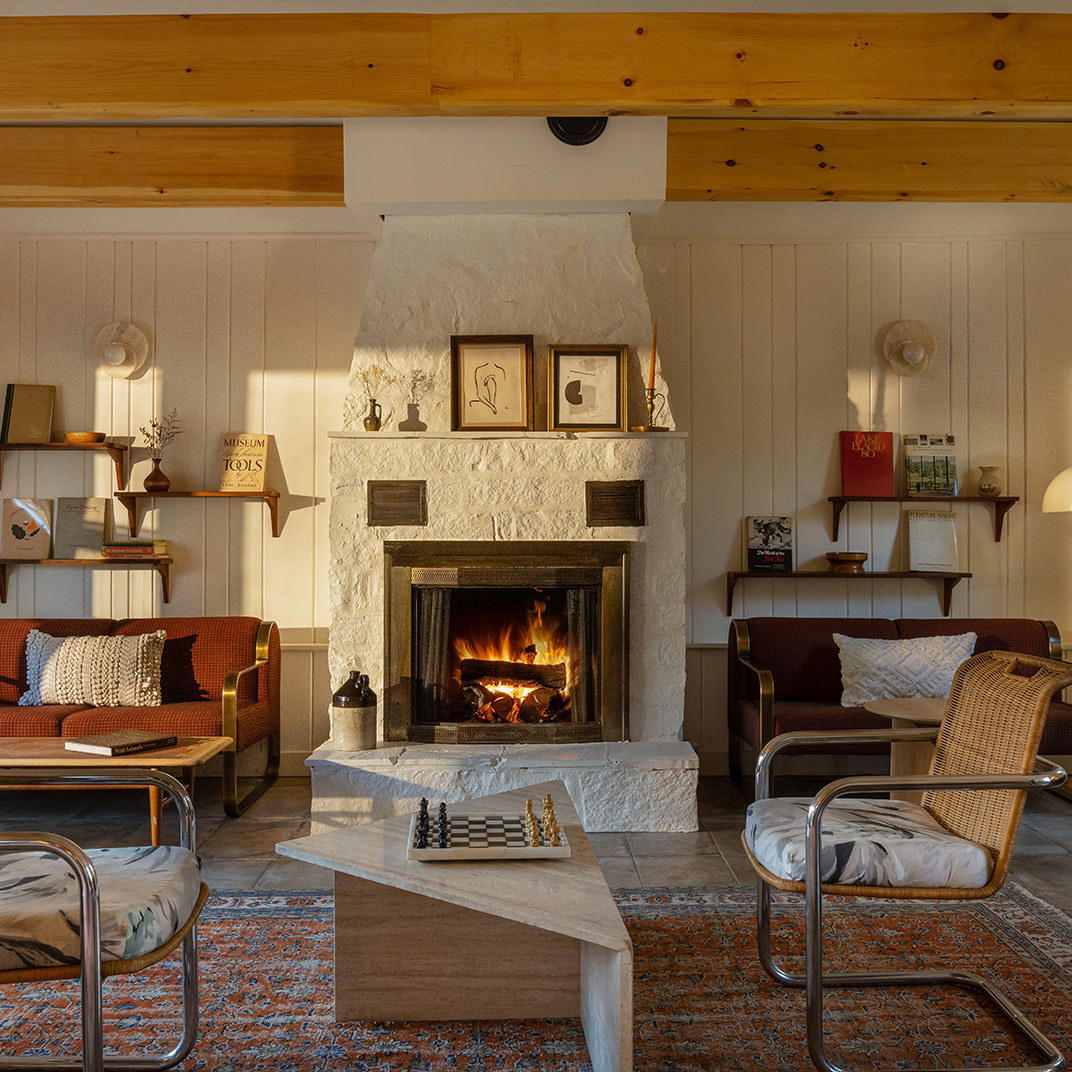
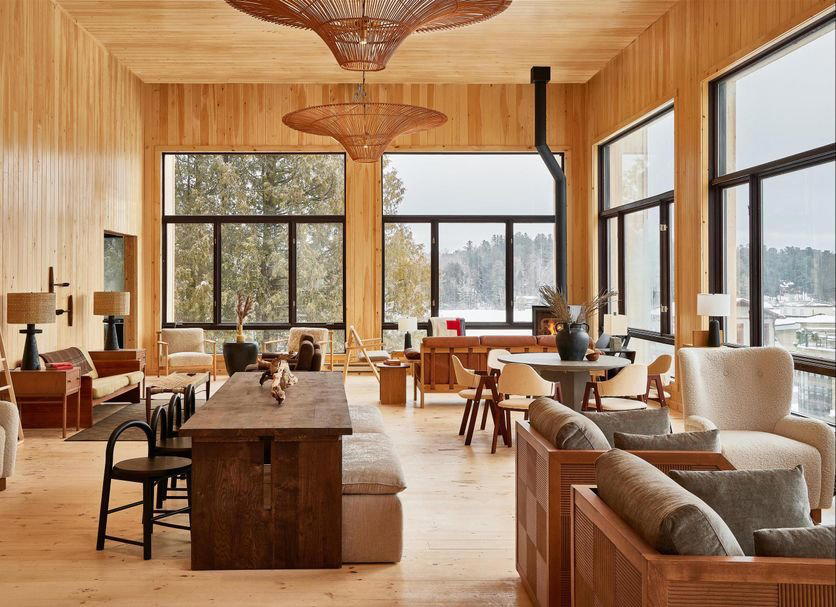
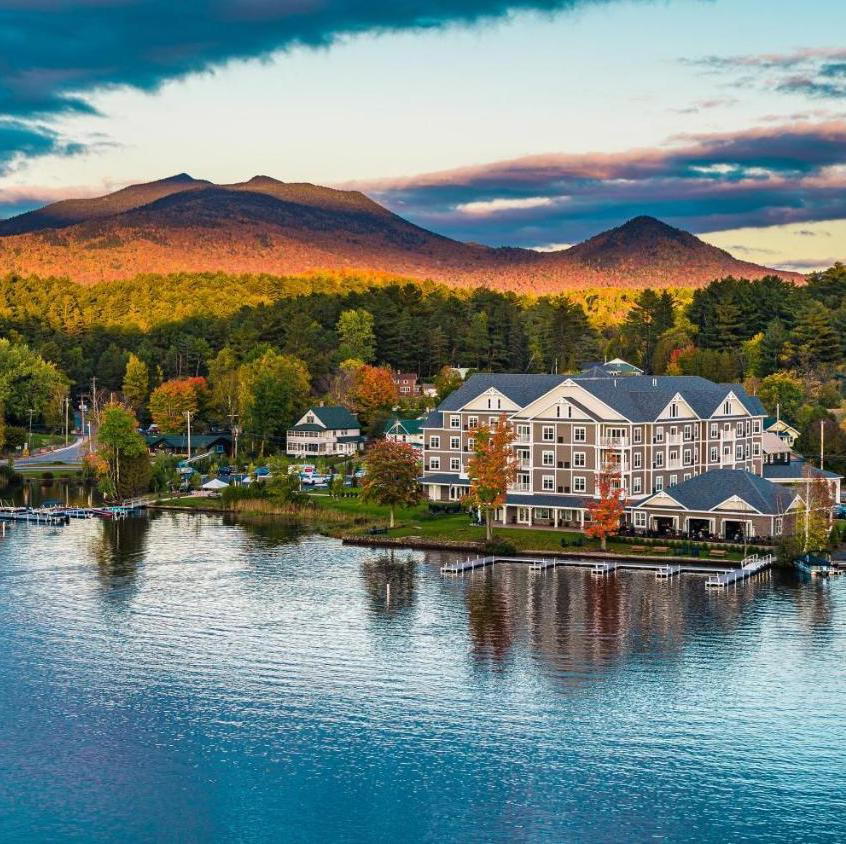
Warm, inviting north woods retreat with grand fireplaces, timber construction, and natural forest-inspired decor creating a cozy yet luxurious atmosphere.