The Longère is the principal restaurant at Domaine des Étangs, a converted medieval estate set across 1,000 hectares of Charente countryside. The dining room occupies a restored farmhouse building, positioning it among France's more architecturally distinctive rural retreats. It belongs to a small tier of estate-based restaurants where the physical setting and the kitchen are equally weighted propositions.
Pearl is the En Primeur Club membership app — saves, bookings, and concierge access live there. Same editors, same standards.
- Address
- Massignac, France
- Directions
- Get directions
 Saves & bookings on Pearl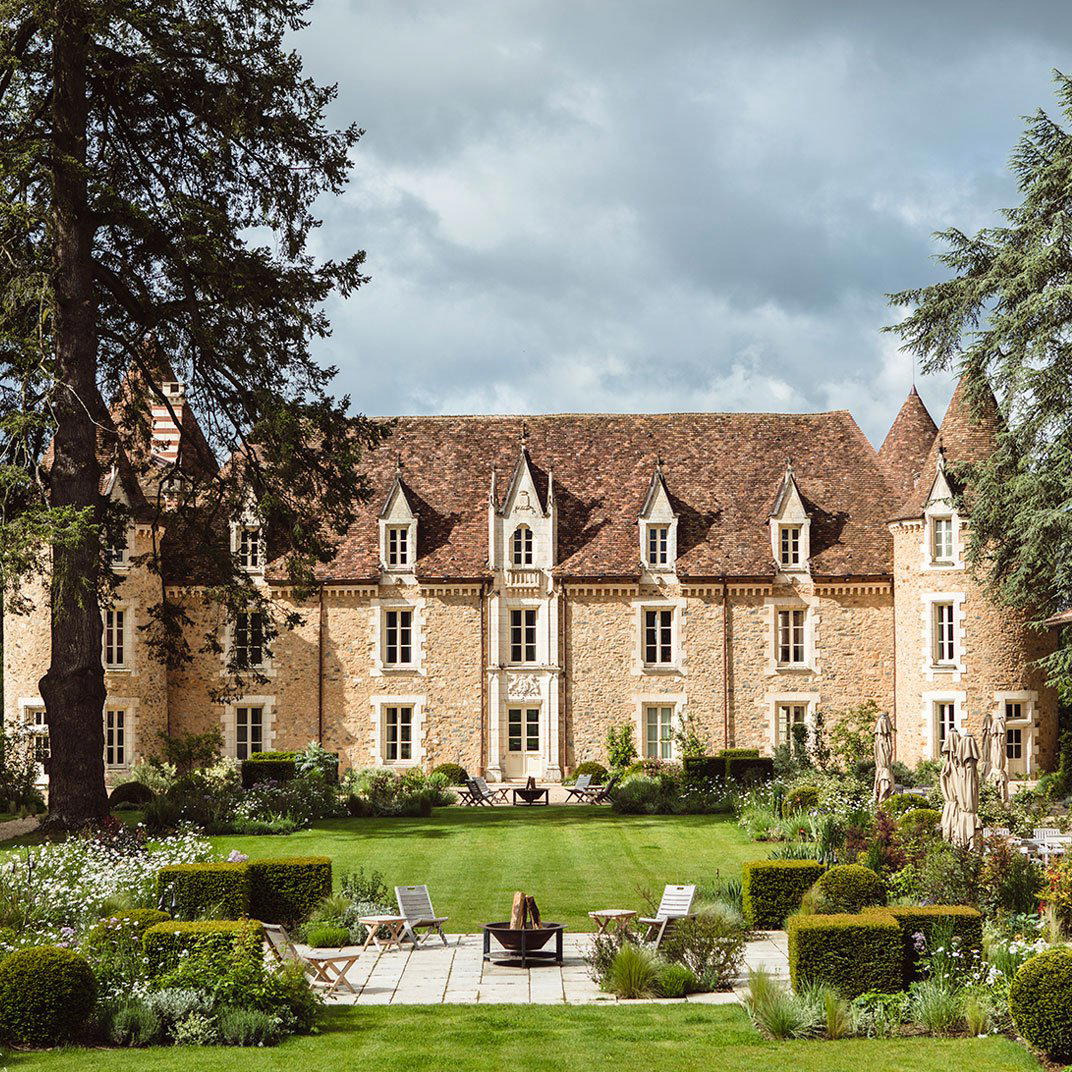
Stone, Water, and the Architecture of Arrival
Rural France has produced a particular category of dining destination where the building is inseparable from the meal. The Longère, the signature restaurant at Domaine des Étangs, sits firmly in that category. The approach to the estate through the Charente countryside — flat agricultural land giving way to forest and open water — sets a tempo that the restaurant itself sustains. The longère form, a traditional elongated farmhouse found across western France, carries centuries of agricultural vernacular in its proportions and materials: thick stone walls, low roof lines, an earthbound relationship with the terrain it occupies. At Domaine des Étangs, that vernacular has been preserved and refined rather than replaced, which places this dining room in a different register from the purpose-built country house restaurants that multiplied across France in the 1990s and 2000s.
The estate spans roughly 1,000 hectares in the Charente department of Nouvelle-Aquitaine, a region better known internationally for Cognac production than for destination dining. That relative obscurity is part of the premise. Guests arriving at Domaine des Étangs are, by definition, making a deliberate journey rather than a passing stop. The nearest major city, Angoulême, lies to the north; the broader Cognac corridor extends westward. This is countryside that rewards commitment to getting there, and the architecture of the property reflects that remove: the ponds (étangs) that give the estate its name create a layered landscape, with water and woodland framing views from the restaurant's interior.
The Longère in Context: Where Rural Architecture Meets Dining Ambition
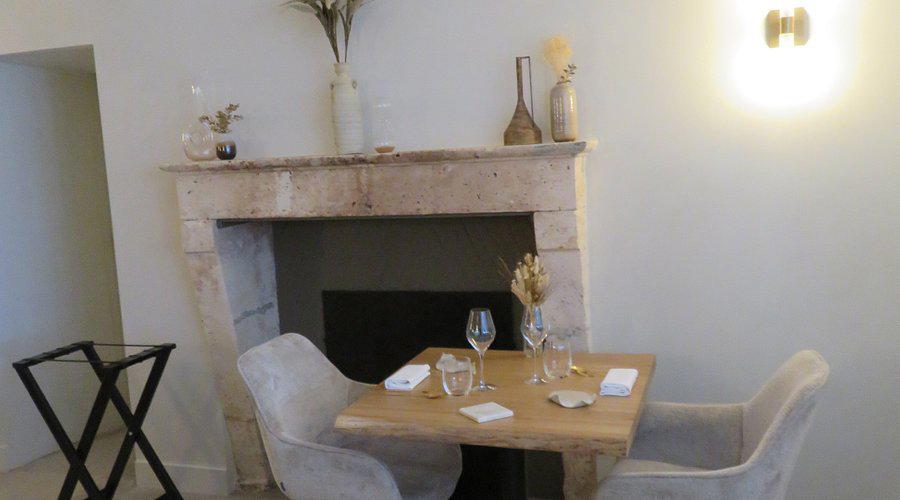
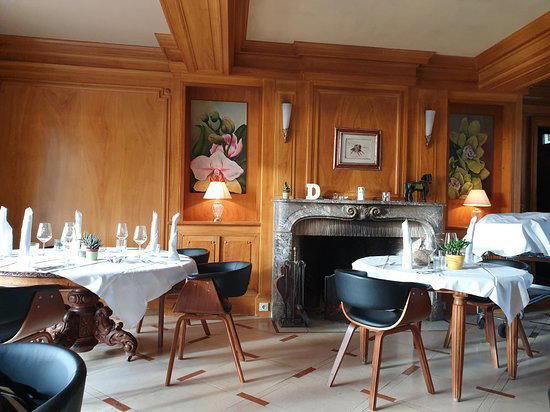
France's most compelling estate restaurants share a structural logic: the physical space makes a claim on the guest before a single dish arrives. Baumanière Les Baux-de-Provence works within the drama of Les Alpilles limestone; Les Sources de Caudalie in Bordeaux organises itself around vineyard choreography; Domaine Les Crayères in Reims occupies a Belle Époque château surrounded by Champagne-country parkland. What distinguishes The Longère from that peer group is the absence of grandeur as a design mechanism. Where other estate restaurants deploy scale, height, or formal garden geometry to signal occasion, the longère typology works through compression and materiality: low ceilings, stone floors, the smell of old walls, apertures cut into thick masonry that frame the pond views like paintings rather than panoramas.
This is a meaningful architectural distinction. In a French luxury dining context that has historically equated prestige with palatial volume, think the mirrored salons of Le Bristol Paris or the gilded registers of Hôtel de Paris Monte-Carlo, a restaurant that operates through restraint and vernacular material is making a positioning choice. The Longère sits closer to the rural design philosophy found at properties like La Bastide de Gordes or Villa La Coste, where local materials and agricultural history carry more weight than imported luxury codes.
Nouvelle-Aquitaine as Culinary Context
The Charente sits within one of France's most ingredient-rich regions. Cognac and Pineau des Charentes anchor the drinks tradition; the Atlantic coast, less than two hours west, supplies oysters and seafood through Marennes-Oléron and Royan. Inland, the Limousin cattle breed, raised on the pastures directly surrounding the Massignac area, represents one of France's most respected beef traditions. A kitchen operating in this landscape has access to a larder that few French regions can match in terms of both variety and provenance proximity. The estate's own grounds, woodland, ponds, kitchen gardens, extend that logic further, creating conditions where the gap between source and plate can be unusually short.
This positions The Longère within a broader trend in French fine dining: the turn away from classical brigade formality toward place-specific, seasonally driven menus where the chef's primary act is selection and restraint rather than transformation. Properties like Royal Champagne Hotel & Spa in Champillon and Château du Grand-Lucé operate within comparable frameworks: estate-anchored, ingredient-led, with a dining offer that derives much of its meaning from where the property sits rather than from imported culinary signatures.
Planning a Visit
Massignac is a commune of fewer than 700 residents, and the Domaine des Étangs estate functions, in practical terms, as a self-contained destination. Guests staying at the hotel access The Longère as part of a broader immersion in the estate; day visitors making the drive from Angoulême or Périgueux arrive with the restaurant as the primary objective. The surrounding area, covered in more depth in our full Massignac restaurants guide, offers little in the way of alternative high-end dining, which reinforces the estate's position as the dominant culinary proposition for the region. Travellers comparing this type of destination against alternatives elsewhere in France might consider Hôtel Chais Monnet & Spa in Cognac, roughly an hour to the west, or the coastal register offered by Hôtel du Palais in Biarritz, though both represent a markedly different relationship between architecture and setting.
For those building a longer itinerary through France's estate-dining circuit, the Charente represents a less-travelled node between the Bordeaux wine country experiences anchored by Les Sources de Caudalie to the southwest and the Dordogne and Périgord properties to the east. The Atlantic coastal properties, from Casadelmar in Porto-Vecchio to the Norman coastline represented by La Ferme Saint-Siméon in Honfleur, offer a comparison point for how French estate dining performs across different landscape registers.
At-a-Glance Comparison
Comparable venues nearby, for context on price, style, and recognition.
| Venue | Cuisine | Price | Awards | Notes |
|---|---|---|---|---|
| The LongèreThis venue — the venue you are viewing | luxury countryside estate | $$$$ | 5-Star | Not listed |
| Domaine des Étangs | Restored 13th-century château estate blending heritage luxury with modern comforts | $$$$ | Michelin 2 Key | Massignac |
| La Tartane | Provençal village-style with 1920s Riviera homage and Balinese influences | $$$$ | 5-Star | Route des Salins |
| Pashmina | luxury mountain refuge | $$$$ | 5-Star | Val Thorens |
| Hôtel Parister | Boutique wellness hotel blending classic Parisian and modern industrial design | $$$$ | 5-Star | Faubourg Montmartre |
| Rosewood Courchevel | Contemporary alpine chalet blending 1940s-1950s Courchevel roots with modern luxury | $$$$ | 5-Star | Courchevel (Commune Non Irisée) |
Continue exploring
More in Massignac
Hotels in Massignac
Browse all →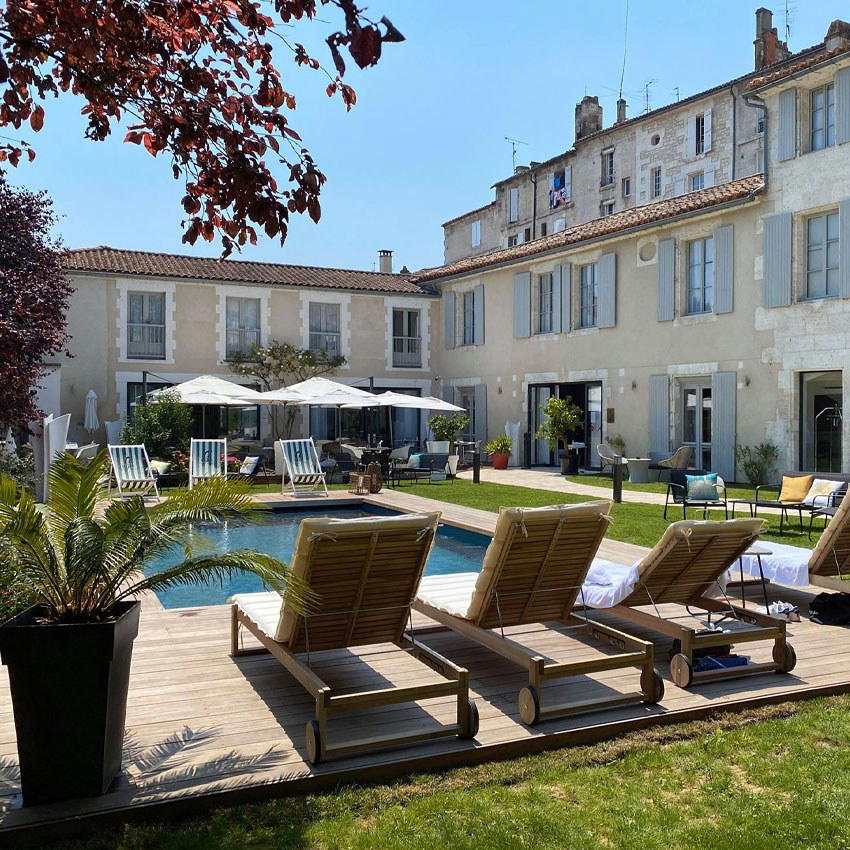
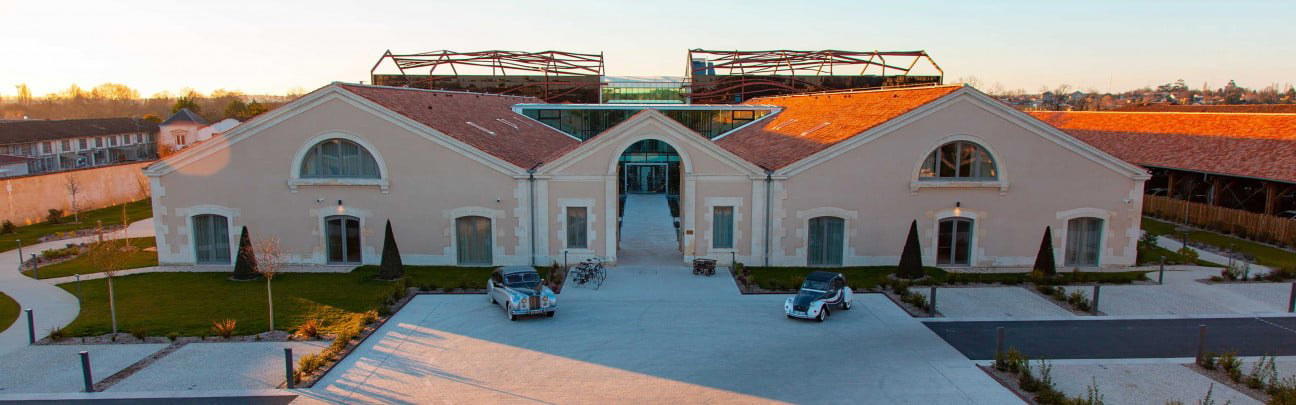
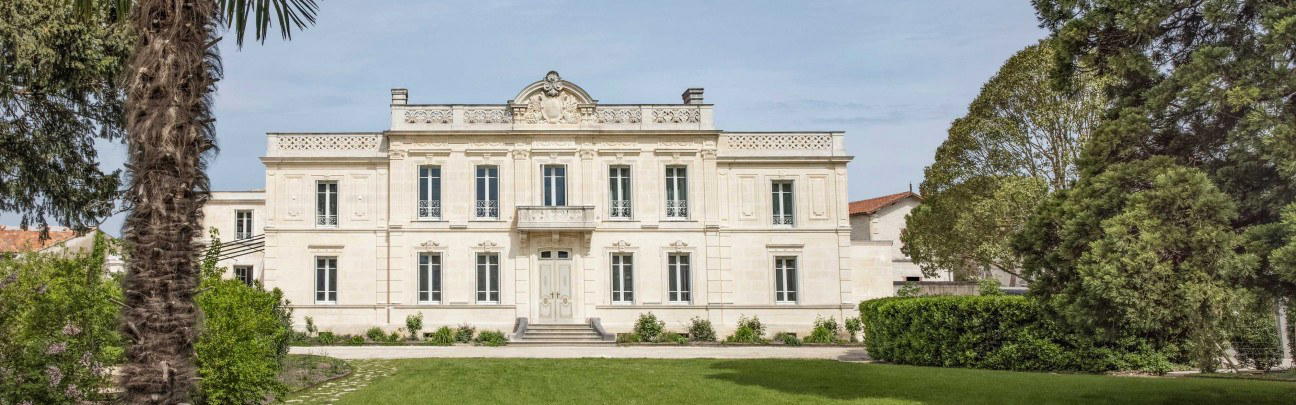
Bars in Massignac
Browse all →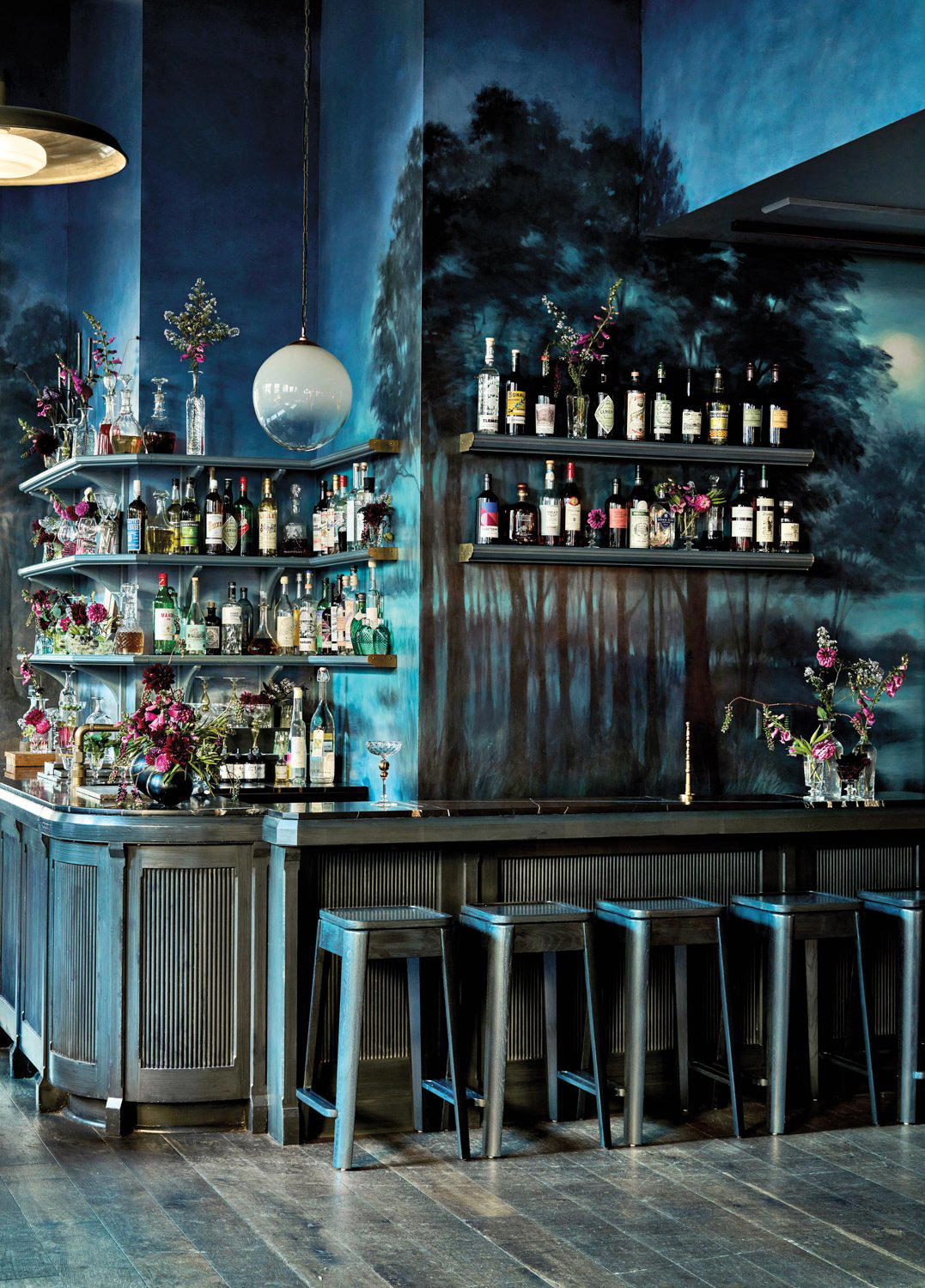
Restaurants in Massignac
Browse all →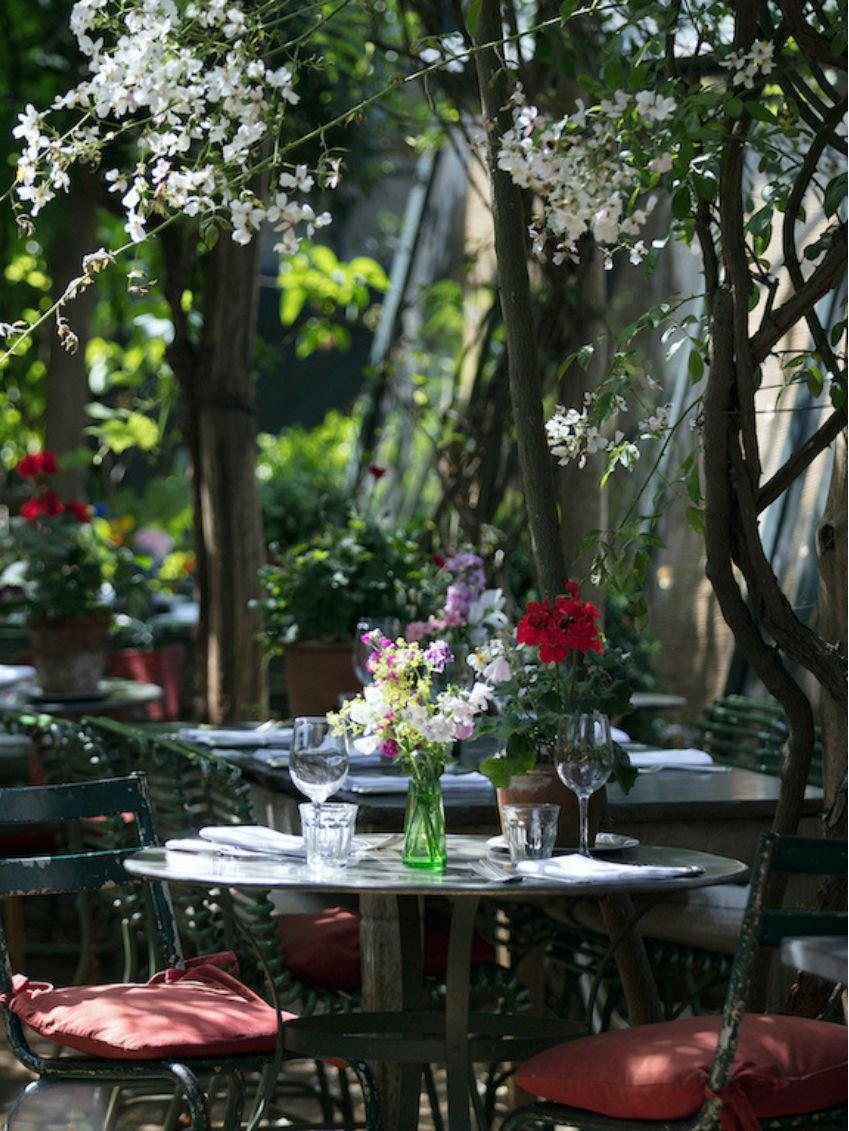
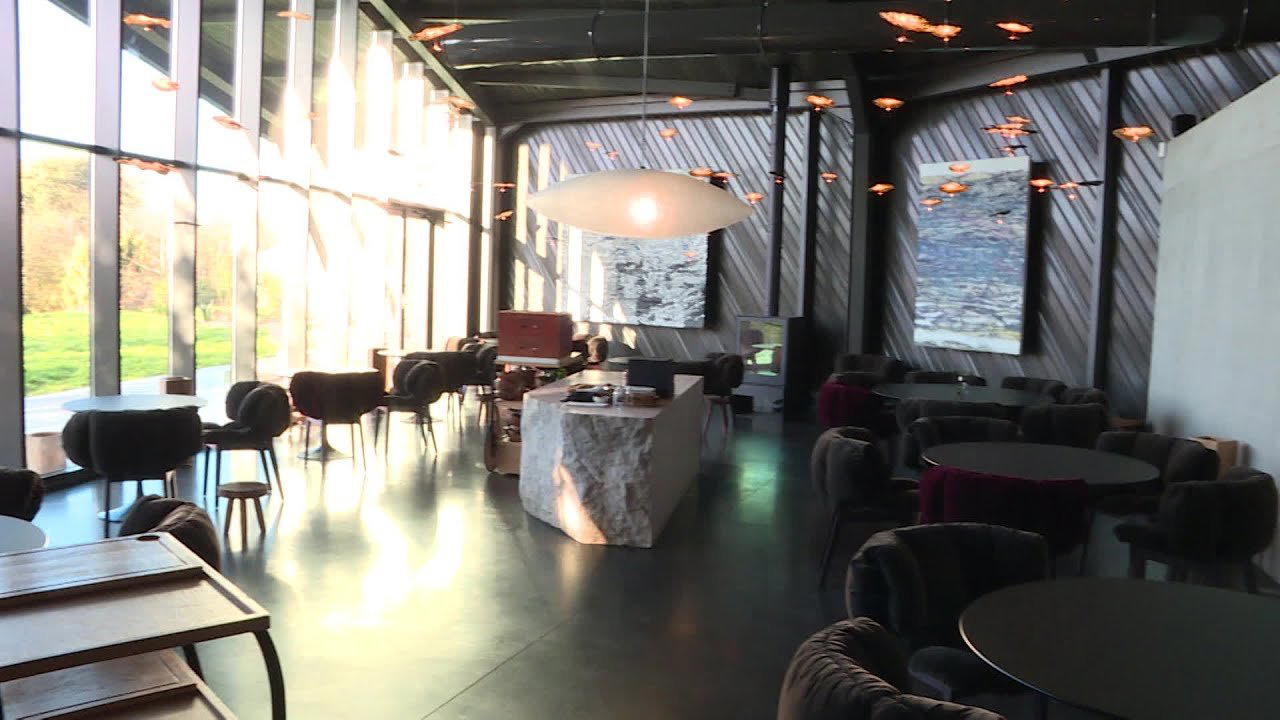
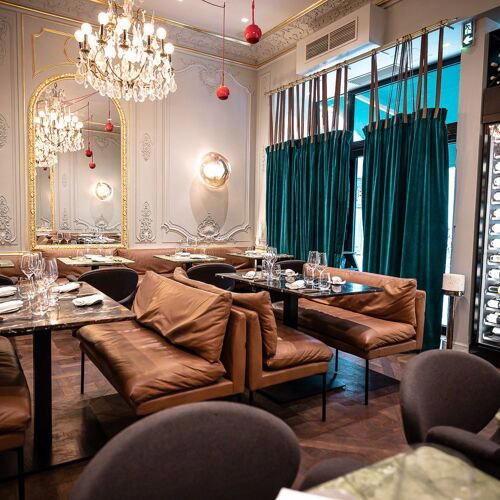
Wineries in Massignac
Browse all →
At a Glance
- Romantic
- Quiet
- Scenic
- Elegant
- Rustic
- Whimsical
- Romantic Getaway
- Family Vacation
- Wellness Retreat
- Weekend Escape
- Historic Building
- Panoramic View
- Private Dining
- Garden
- Pool
- Spa
- Fitness Center
- Room Service
- Concierge
- Kids Club
- Garden
- Waterfront
- Pool
- Spa
- Fitness Center
- Room Service
- Concierge
- Kids Club
Serene and elegant countryside retreat with natural light, cozy fireplaces, and whimsical art amidst forests and lakes.