In one of the Pacific's most remote archipelagos, Tabon Te Keekee Eco Lodge occupies the Gilbert Islands of Kiribati, a country that straddles both the equator and the international date line. Accommodation here is shaped by the atoll environment itself, where land is measured in meters above sea level and the ocean is omnipresent. For travellers who reach Tarawa, this lodge represents one of the few structured bases from which to encounter I-Kiribati culture and the extraordinary flatness of equatorial Micronesia.

Pearl is the En Primeur Club membership app, where members save venues, book tables and use the concierge.
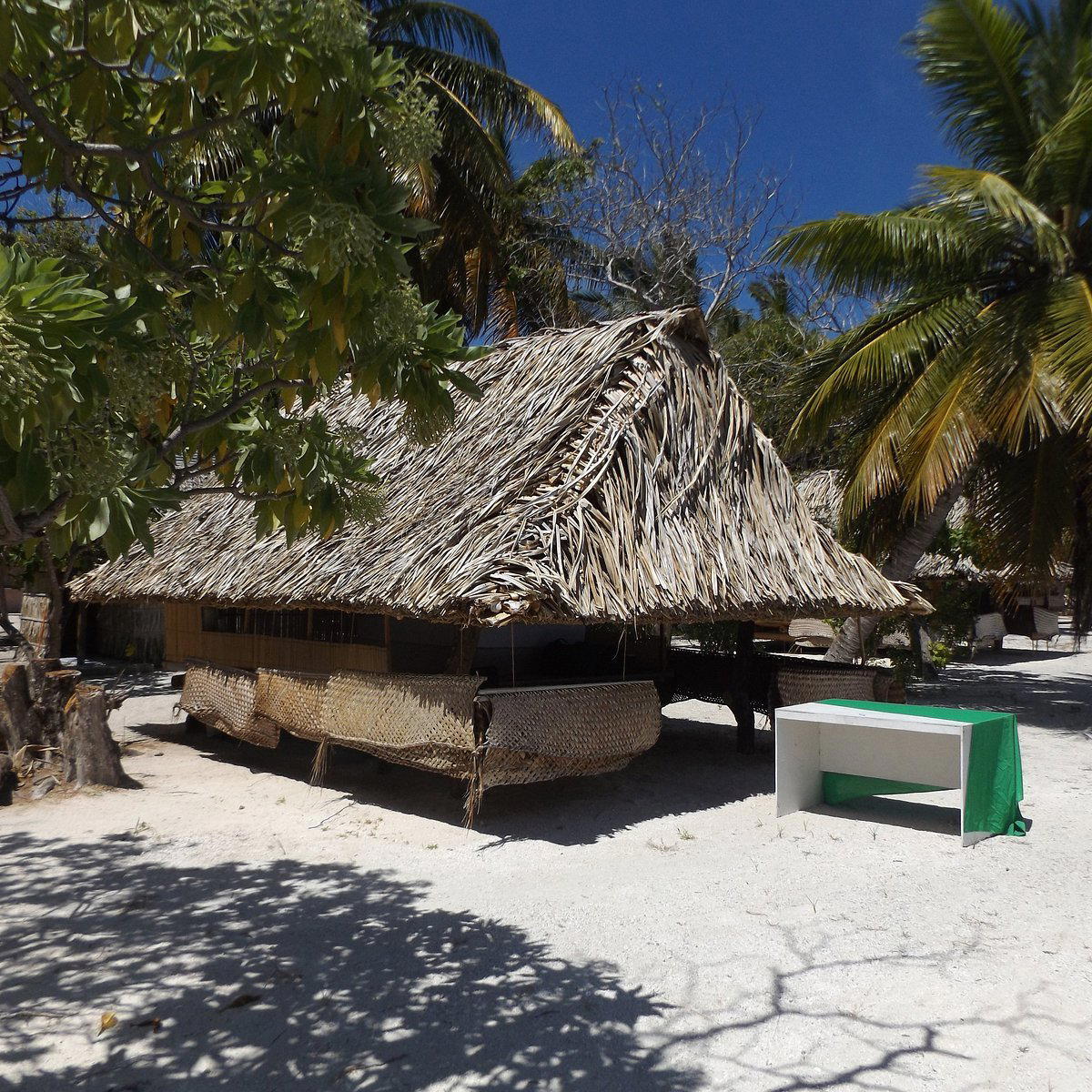
At the Edge of the Pacific: Arriving on Tarawa
The approach to South Tarawa by air delivers one of the more arresting geographical encounters in the Pacific. The atoll sits barely two metres above sea level at its highest point, a sliver of coral and sand stretched across the equator, with the ocean pressing in from both sides. There is no gradual arrival here, no mountain backdrop or forest canopy to soften the transition. You step off the plane into equatorial heat, salt air, and a flatness so complete that the horizon feels closer than it should. For travellers accustomed to eco-lodges positioned against dramatic elevation or dense jungle, Tabon Te Keekee presents a different logic entirely: the architecture of its setting is defined by water, light, and the radical openness of atoll geography.
This is a destination that self-selects. Kiribati ranks among the least-visited sovereign nations on earth, receiving only a few thousand international tourists annually. Infrastructure is limited, flight connections are infrequent and often routed through Fiji or the Marshall Islands, and the island chain spans a maritime zone larger than continental Europe. Travellers who reach Tarawa have, by definition, cleared a series of logistical hurdles that filter out most of the global tourist market. What remains is a cohort with a specific appetite: remote-island immersion, proximity to one of the Pacific War's most significant battlegrounds, and engagement with Micronesian culture that has remained comparatively insulated from mass tourism's homogenising effects.
Eco-Lodge Design in an Atoll Context
Eco-lodge architecture on Pacific atolls operates under constraints that mainland properties never encounter. There is no stone to quarry, no timber forest to draw from, no elevation to exploit for natural cooling. Every material either arrives by ship or derives from what the atoll itself provides: coral, pandanus, coconut palm. Kiribati's traditional building vocabulary, the maneaba (community meeting house), uses woven pandanus thatch and open-sided frames precisely because this combination moves air, resists humidity, and can be repaired locally without specialist contractors. Eco-lodges that work within this tradition rather than imposing imported construction norms tend to age better and sit more honestly in the environment. Tabon Te Keekee, operating within the Gilbert Islands group, exists in a context where this design philosophy is not an aesthetic choice so much as a structural necessity.
The eco-lodge category globally has fragmented into two broad camps: properties that perform sustainability as branding while delivering a largely conventional luxury experience, and properties that accept meaningful compromises in exchange for genuine environmental integration. The latter are rarer, and they attract a different traveller. On Tarawa, where the grid is unreliable and water management is a daily operational reality on a freshwater-scarce atoll, the second approach is the only credible one. Travellers comparing Tabon Te Keekee to design-forward eco-resorts in regions with more developed infrastructure, such as Hotel Esencia in Tulum or One&Only Mandarina in Riviera Nayarit, should calibrate expectations accordingly. The category looks similar on the surface; the operational reality is categorically different.
What the Location Demands of Its Guests
Tarawa is not a passive destination. The lagoon side and ocean side of the atoll offer contrasting water conditions, and the surrounding reef systems are among the less-pressured dive environments in the central Pacific, a direct consequence of the island's low visitor numbers. The wreck and battle sites from the 1943 Battle of Tarawa, one of the bloodiest engagements of the Pacific campaign proportional to its duration, remain accessible and add a layer of historical weight that distinguishes the island from purely recreational Pacific destinations. For guests with an interest in Second World War history, Tarawa carries a significance that more developed Pacific resort islands, whatever their natural assets, cannot replicate.
The Kiribati climate is equatorial and consistent, with temperatures holding in the low-to-mid 30s Celsius year-round. The northern wet season, roughly November through April, brings higher rainfall and occasional strong winds. Travel during the drier months of May through October involves calmer conditions and generally better visibility for water activities, though the window of difference is narrower than in more seasonally variable destinations. Flight access from Fiji takes approximately three hours; from the Marshall Islands, connections to Tarawa are shorter but less frequent. Travellers should confirm current airline schedules well in advance, as Pacific atoll routes operate on limited capacity and can be affected by weather or operational changes without significant notice.
Placing Tabon Te Keekee in a Broader Context
The premium eco-lodge category globally rewards specificity over polish. Properties like Amangiri in Canyon Point, which draws its design authority from the surrounding canyon geology, or Castello di Reschio in Lisciano Niccone, rooted in Umbrian agricultural heritage, illustrate how the most compelling hospitality properties make their location non-negotiable to the experience. Tabon Te Keekee operates by a related logic: the atoll is the point. Remove the setting, and there is no equivalent product available elsewhere. That specificity, in a market where design-led properties from Aman Venice in Venice to The Siam in Bangkok compete intensely for the same frequent international traveller, represents a genuine differentiator.
For context on where Tarawa's accommodation sits within the broader Pacific region, and to compare planning considerations with other remote island formats, our full Tarawa restaurants guide covers the local dining and hospitality scene in more detail. Travellers accustomed to the service architecture of properties like Mandarin Oriental Bangkok in Bangkok or Cheval Blanc Paris in Paris should approach Tarawa with recalibrated expectations: the measure of quality here is environmental authenticity and access to a genuinely rare geography, not service ratios or amenity breadth.
Planning a Stay
Given the absence of published booking infrastructure for Tabon Te Keekee in current directories, travellers should approach the property through direct inquiry via relevant Kiribati tourism channels or specialist Pacific operators, who tend to maintain current operational contacts for remote island accommodation. Availability is likely constrained by the property's scale, and lead times for remote Pacific travel of this nature typically warrant planning several months in advance, particularly for the drier-season window between May and October. Visitors combining Tarawa with wider Micronesian or Pacific itineraries will find the island's position in the central Pacific adds logistical complexity but also genuine remoteness that few destinations in the region can match.
Continue exploring
More in Tarawa
Restaurants in Tarawa
All restaurants in Tarawa →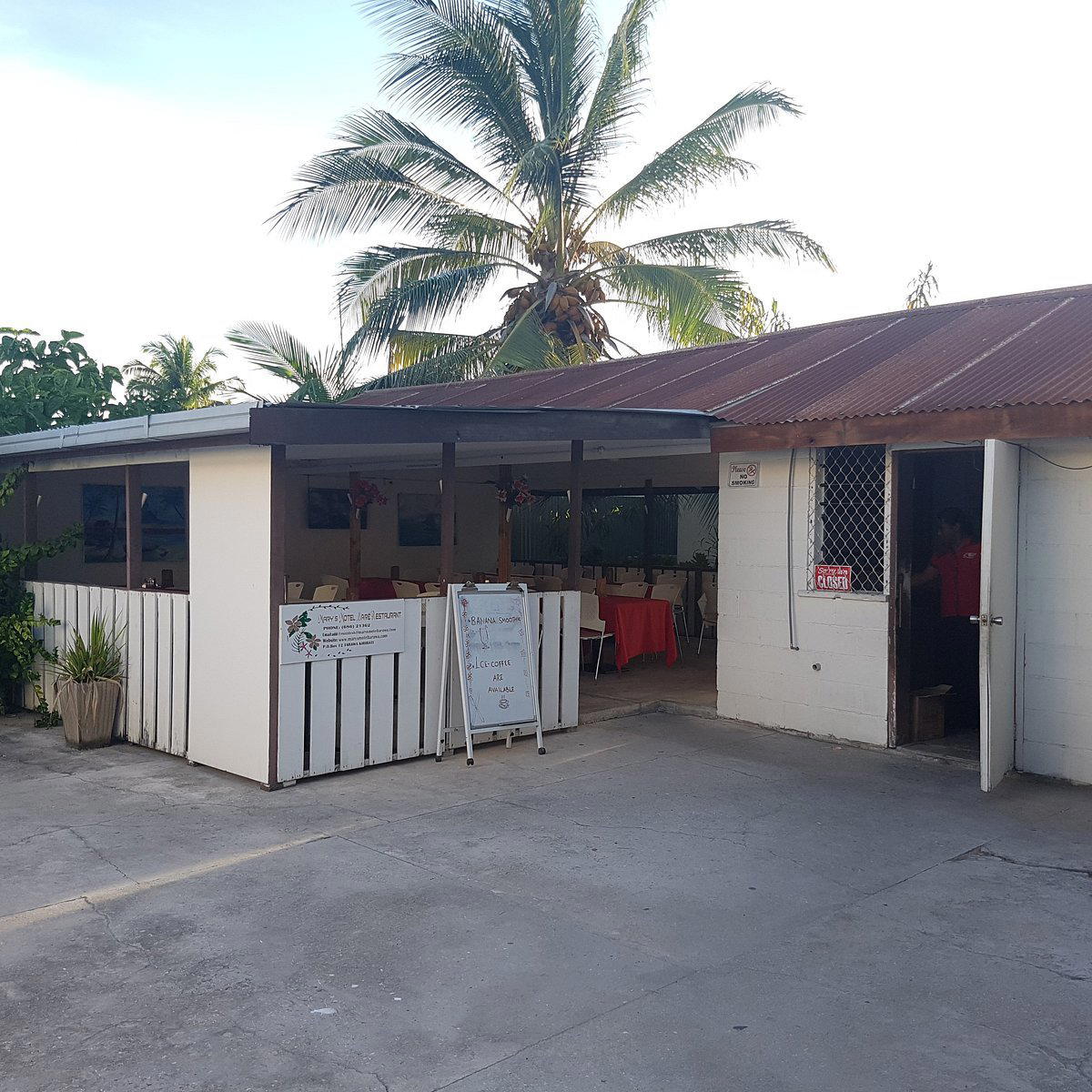
Details
- Rustic
- Scenic
- Quiet
- Cozy
- Romantic Getaway
- Weekend Escape
- Waterfront
- Wi Fi
- Waterfront
Peaceful and scenic with natural surroundings, exceptionally clean, and lulling waves for sleep.