
Michelin Selected
A Dominican monastery turned luxury hotel, the Steigenberger Inselhotel occupies its own peninsula in the heart of Lake Constance, earning Michelin Selected recognition in 2025. The medieval cloister architecture and water-facing rooms place it in a category that few German lakeside hotels can match. Booking directly through the hotel website is advisable, particularly for rooms with unobstructed lake views.

Pearl is the En Primeur Club membership app, where members save venues, book tables and use the concierge.

A Monastery on the Water
The convention in German lakeside hospitality is to position the building near the shore, frame the view through a terrace, and let the scenery do the work. The Steigenberger Inselhotel takes a fundamentally different approach: the hotel occupies its own peninsula in Lake Constance, surrounded on three sides by water, so that the lake is not a backdrop but the operative condition of being there. Arriving by foot from the old town of Konstanz, guests cross a narrow land bridge that separates the hotel from the medieval city grid. That threshold moment, moving from dense centuries-old streetscape onto an island-like platform, is the first structural argument the building makes.
The building itself is a converted Dominican monastery, founded in the 13th century and functioning as a place of religious life for several hundred years before its transformation into a hotel. The transition from cloister to hospitality use is a category that recurs across European historic preservation, but the Inselhotel's version has a clarity that many such conversions lack: the original courtyard survives as the architectural heart of the building, and the rhythm of arched passageways, stone walls, and interior garden space remains legible throughout. The hotel received Michelin Selected recognition in the 2025 guide, a designation that reflects assessed quality across hospitality standards rather than culinary achievement alone.
The Design Condition: When History Is the Structure
Historic conversion hotels split broadly into two camps. The first uses heritage as surface decoration, applying exposed stone and period references onto a contemporary interior that functions like any other hotel room. The second treats the original architecture as the load-bearing element of the guest experience, making fewer concessions to standardization in exchange for spatial authenticity. The Steigenberger Inselhotel belongs in the second camp. The monastery's structural logic, its proportions, corridor relationships, and the central cloister garden, shapes how guests move through the building and how rooms relate to their surroundings.
The cloister courtyard, in particular, functions as an anchor point that most new-build lakeside hotels cannot replicate. It creates an interior atmosphere that is genuinely separate from both the lake and the city, a middle register between the external drama of water views and the medieval street texture outside the gates. Few hotels in southern Germany offer this layering of distinct spatial registers within a single property. For reference, properties like Schloss Elmau Luxury Spa Retreat & Cultural Hideaway in Elmau achieve a comparable integration of historic architecture with contemporary hospitality, though in an alpine rather than lacustrine setting.
Lake Constance in the German Luxury Hotel Conversation
Germany's premium hotel geography clusters in expected places: Hamburg's Alster waterfront, Munich's hotel corridor, the Black Forest spa belt, and the Bavarian Alps. Lake Constance sits outside those clusters, which partly explains why the Inselhotel occupies an unusual position in the national conversation. The lake itself is shared among Germany, Austria, and Switzerland, which gives the region a cross-border character that few purely German destinations match. Konstanz, positioned at the western end of the lake where it narrows into the Rhine, is the most substantial German city on the shore and a natural base for the wider region.
In the lakeside luxury category within Germany, the closest comparable is Althoff Seehotel Überfahrt in Rottach-Egern on Lake Tegernsee, which occupies a similarly prominent waterfront position with comparable Michelin recognition. Both properties make the case that German lakeside hospitality can compete with Alpine or urban properties on overall quality, though they serve somewhat different audiences: Tegernsee draws heavily from Munich, while Konstanz draws from the tri-national Lake Constance basin. Other Michelin Selected properties worth benchmarking across Germany include Fairmont Hotel Vier Jahreszeiten in Hamburg and Hotel Traube Tonbach in Baiersbronn, each representing the national premium tier in their respective categories and settings.
Placing the Inselhotel Within Konstanz
Konstanz is a city whose medieval center survived the Second World War largely intact, which is comparatively rare in Germany and gives the old town a density of historic fabric that rewards walking. The Inselhotel sits at the water's edge within that old town, close enough to the cathedral and market square that guests can move on foot between the hotel and the city's main cultural points without crossing any significant distance. The proximity to Switzerland, with the border running through the adjacent town of Kreuzlingen, means that guests often move between countries within a single day's itinerary. The lake itself is navigable by ferry, with routes connecting Konstanz to Meersburg, Mainau island, and the Swiss shore.
For those using the Inselhotel as a base for broader Lake Constance exploration, the ferry system is more useful than a car for day movements in summer, when lakeside road traffic is slow. For the wider Konstanz dining and hospitality context, our full Konstanz restaurants guide covers the city's food and drink scene in depth. The competing hotel case within Konstanz itself is RIVA - Das Hotel am Bodensee, which takes a contemporary design approach on the same waterfront and operates in a different register: fewer historic references, a more stripped-back aesthetic, and a guest profile that skews toward design-conscious shorter stays.
Planning a Stay
Summer on Lake Constance runs from late May through early September, when ferry schedules are at their fullest and the surrounding towns are most active. Shoulder season, particularly May and October, offers the same architectural and spatial qualities of the hotel with fewer visitors on the lake and in the city. Booking lakeview rooms early is advisable for summer periods; the peninsula position means that many rooms face water, but the specific orientation varies by wing, and rooms facing the cloister garden offer a genuinely different spatial experience to those facing the lake directly. Germany's wider lakeside and nature-led premium hotel options, for comparison, include Weissenhaus Private Nature Luxury Resort in Weissenhaus and Seezeitlodge Hotel & Spa in Gonnesweiler, both of which share the water-adjacent positioning that defines the Inselhotel's offer but in markedly different geographic and architectural contexts.
Additional properties in the German Michelin Selected tier worth considering for a broader itinerary include Luisenhöhe in Horben, Der Öschberghof in Donaueschingen, and Das Kranzbach Hotel & Wellness Retreat in Kranzbach, each representing distinct regional positions within the southern German premium hospitality tier. For those routing through urban Germany before or after a Lake Constance stay, Excelsior Hotel Ernst in Cologne, Breidenbacher Hof Düsseldorf in Düsseldorf, and Sofitel Frankfurt Opera in Frankfurt represent the urban equivalent tier. International comparisons for the historic-conversion-on-water category extend to properties such as Badrutt's Palace Hotel in St. Moritz and Hôtel de Paris Monte-Carlo in Monte Carlo, though the Inselhotel's monastery provenance places it in a more historically specific niche than either.
Fast Comparison
Comparable venues nearby, for context on price, style, and recognition.
| Venue | Cuisine | Price | Awards | Notes |
|---|---|---|---|---|
| Steigenberger InselhotelThis venue (the venue you are viewing) | Historic luxury hotel in former monastery | $200–300 | Michelin Selected | Not listed |
| RIVA - Das Hotel am Bodensee | Historic Art Nouveau villa blended with modern extensions | $300–500 | 1 Michelin Key · La Liste Top Hotels | Petershausen |
| The Florentin | Luxury urban retreat in a restored historic villa with a Mediterranean courtyard focus and comprehensive spa and dining offering. | Not listed | 5-Star | Sachsenhausen |
| Ceres Am Meer | Contemporary design hotel blending timeless elegance with modern comfort in a sophisticated Baltic seaside setting. | $200–300 | Michelin Selected | Binz |
| Le Méridien Stuttgart | Modern luxury hotel with art and culture integration | $300–500 | Michelin Selected | Gaisburg |
| The Florentin by Althoff Collection | Historic villa transformed into contemporary urban luxury retreat | Not listed | 1 Michelin Key · Michelin Guide New Hotels New Hotel | Sachsenhausen |
Recognition history
Dated appearances from independent guides and award organizations, with the underlying list record or original source where available.
Michelin Selected
Michelin
Continue exploring
More in Konstanz
Hotels in Konstanz
All hotels in Konstanz →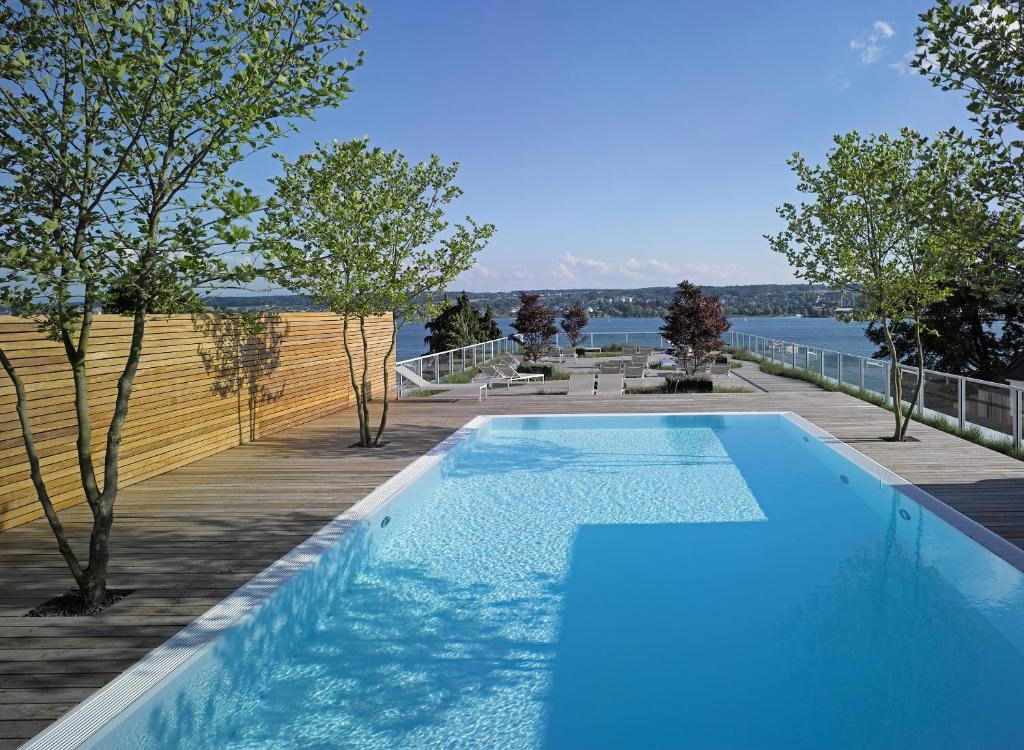
Restaurants in Konstanz
All restaurants in Konstanz →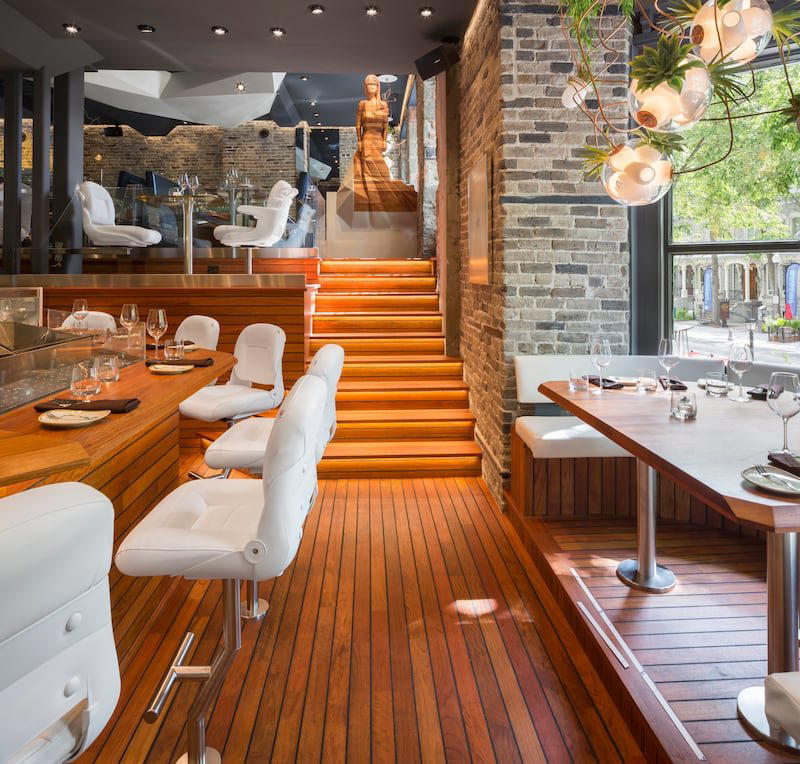
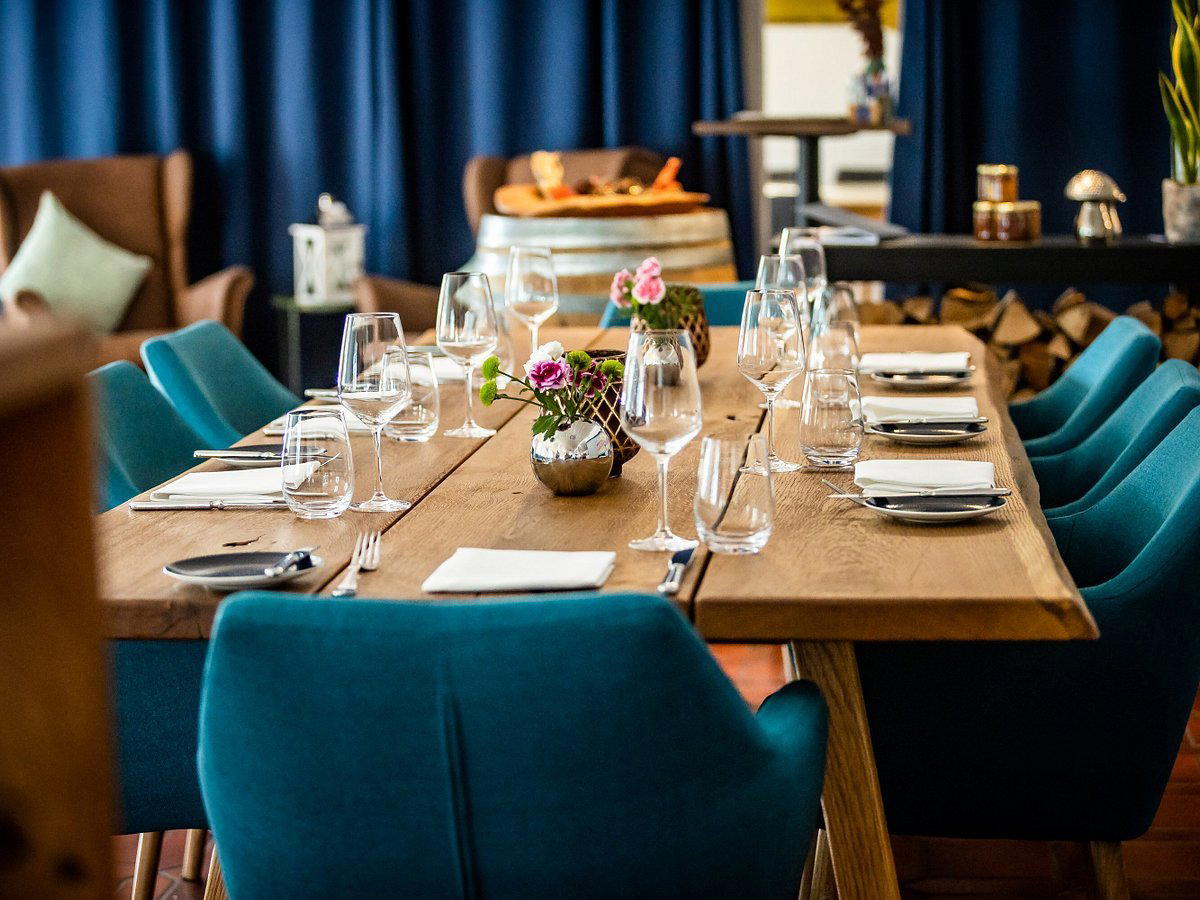


Wineries in Konstanz
All wineries in Konstanz →
Details
- Romantic
- Elegant
- Historic
- Scenic
- Quiet
- Sophisticated
- Romantic Getaway
- Honeymoon
- Anniversary
- Weekend Escape
- Waterfront
- Historic Building
- Panoramic View
- Terrace
- Wi Fi
- Spa
- Sauna
- Fitness Center
- Room Service
- Concierge
- Restaurant
- Parking
- Air Conditioning
- Waterfront
- Elevator
- Wheelchair Accessible
- Accessible Parking
Elegant blend of historic cloister charm with modern luxury, featuring soft lighting, tranquil lakeside atmosphere, and thoughtful details like murals.