Southampton Town Quay Hotel
Southampton Town Quay Hotel belongs to a port-city hotel conversation shaped by ferry terminals, cruise traffic, medieval walls, and waterfront redevelopment rather than country-house ceremony.

Pearl is the En Primeur Club membership app — saves, bookings, and concierge access live there. Same editors, same standards.
- Address
- Southampton, United Kingdom
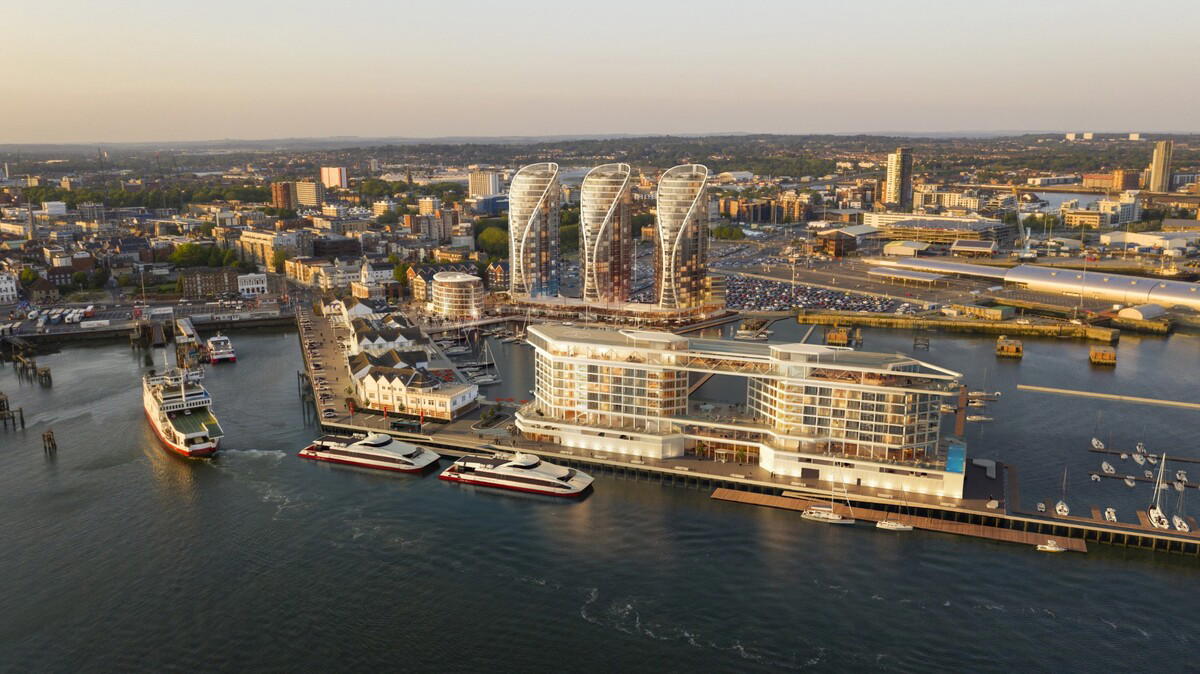
At the quay, Southampton reads as a working waterfront first
Approaching the Town Quay area, the city does not perform coastal romance in the softened language of resort towns. Southampton is a port city, and the physical cues are direct: ferry traffic, cruise infrastructure, service roads, tidal air, and the practical geometry of docks. That setting matters because hotels near this edge of the city operate within a different tradition from manor-house Hampshire retreats or grand railway hotels. The stay is framed by arrival and departure, by ships and terminals, by the old town just inland and the Solent beyond. Southampton Town Quay Hotel should be understood through that urban-maritime context rather than through unsupported claims about amenities, design authorship, restaurant quality, or service style.
The hotel can be placed in Southampton’s hospitality geography, but not dressed up with invented detail. The area around Town Quay is about access, water, and city-edge practicality, and any meaningful reading of the property starts there.
The design story is the quay itself, not a named architect
Town Quay has a spatial character that separates it from Southampton’s more inward-facing hotel addresses. The waterfront exposes scale: ships, ramps, traffic lanes, parking, terminal buildings, and open sky. Hotels in this part of the city are shaped by the demands of movement. The visual language tends to be less about hushed drawing rooms and more about thresholds: leaving the city, arriving from the water, pausing before onward travel.
This is why Southampton’s hotel scene divides into useful categories. There are city-centre bases for shopping, theatres, offices, and rail access. There are heritage-adjacent stays near the medieval walls and the old town. There are country-house and New Forest addresses that treat Southampton as a gateway rather than the subject. And there are waterfront properties whose value lies in proximity to the port.
For comparison within the city, THE PIG in the Wall sits in a more historic, compact register, where the old city fabric carries greater editorial weight. Fairmont Southampton, as a named luxury flag, signals a different scale of expectation. The waterfront context also invites comparison with coastal resort properties such as The Reefs Resort & Club, although the Town Quay setting is more urban and transport-led than beach-resort in character. These comparisons matter because they clarify the decision: this is not the same hotel brief as a rural spa retreat, a members-club country house, or a grand capital address.
Southampton's hospitality identity is built on movement
Southampton has long been defined by maritime traffic, and that history still shapes how visitors use the city. Cruise passengers, ferry travellers, business guests, university visitors, football weekends, theatre nights, and New Forest itineraries all overlap here. The result is a hotel market with less decorative consensus than Bath or Oxford and more functional variety. A hotel near Town Quay sits inside this pattern of transition. It is relevant for travellers who want the waterfront and old town within the same mental map, rather than a countryside cocoon outside the city.
The city’s medieval walls, surviving gates, and maritime museums sit close to a contemporary port economy that never feels ornamental. That tension gives Southampton a harder edge than many south-coast destinations. The hotel decision is therefore less about romance and more about sequence: arrival by rail or road, a night near the water, onward travel by ship, a dinner in town, or a base for Hampshire and the New Forest. For broader planning across the city, Our full Southampton hotels guide gives the wider accommodation frame, while Our full Southampton restaurants guide, Our full Southampton bars guide, Our full Southampton wineries guide, and Our full Southampton experiences guide help separate a port stopover from a more rounded city stay.
Where this sits against country-house Hampshire
The comparison with nearby countryside hotels is especially instructive. Hampshire and the New Forest have a strong country-house tradition, where landscape, estate management, gardens, and long lunches often drive the stay. Lime Wood in Lyndhurst belongs to that rural New Forest orbit, with a different relationship to space and pace. In the broader British country-house category, Estelle Manor in North Leigh, The Newt in Somerset in Castle Cary, Gleneagles in Auchterarder, Crossbasket Castle in High Blantyre, and Farlam Hall Hotel & Restaurant in The Lake District represent properties where the building and surrounding estate often carry the narrative.
A quay-side Southampton hotel answers a different question. It is not trying to remove the traveller from infrastructure; it is positioned near it. That can be a strength when the itinerary depends on port access, city dining, or a short Hampshire stay that does not justify rural isolation. It can also be the wrong fit for guests seeking grounds, long drives, and the controlled quiet of a country estate. The distinction is not a matter of hierarchy. It is a matter of travel architecture: what the day needs to do, where the night should sit, and how much friction the guest is willing to accept between dinner, sleep, and departure.
How design-led hotels elsewhere sharpen the comparison
Looking beyond Southampton helps define the category. In London, The Savoy in London carries the expectations of a capital grand hotel, with cultural memory built into the address. In Scotland, Hotel du Vin at One Devonshire Gardens in Glasgow and The Rutland in Edinburgh occupy urban hospitality traditions where townhouse scale and city identity are part of the appeal. Aviator Hotel in Farnborough belongs to a more transport-adjacent design conversation, where aviation context shapes the guest’s reading of place. That is the closer intellectual cousin for a Town Quay stay: infrastructure is not background noise, it is part of the reason the address exists.
There are sharper waterfront comparisons as well. Antonia's Pearls in Charlestown Harbour works through harbour character on a more intimate Cornish scale, while Dunluce Lodge in Portrush draws from a coastal setting with a different leisure rhythm. Muir, A Luxury Collection Hotel, Halifax in Halifax brings another port-city reference, this time through a polished Canadian waterfront lens. These links are not interchangeable alternatives; they show how waterfront hotels can range from working-port pragmatism to resort theatre to civic design statement.
At the far end of the international luxury spectrum, Hôtel de Paris Monte-Carlo in Monte Carlo, Badrutt's Palace Hotel in St. Moritz, and The Fifth Avenue Hotel in New York City operate through highly legible reputations and destination glamour. The useful comparison is therefore not status but function. Its editorial frame is a city-port address in a practical travel corridor, not a trophy hotel built around international ceremony.
Food, drink, and the limits of the record
No dining claims should be made beyond that. For a hotel page, this matters because the presence or absence of a serious restaurant can change the whole stay: a property with a destination dining room competes differently from one used mainly for sleep, meetings, or transit. In this case, the responsible reading is to treat local dining as part of the Southampton plan rather than assume the hotel itself supplies the main culinary reason to book.
Southampton’s restaurant scene is shaped by students, port traffic, regional commuters, and visitors heading to the New Forest or Isle of Wight. That produces a practical range rather than a single dominant dining identity. Travellers staying near Town Quay should think in terms of geography: old town streets for a compact evening, city-centre addresses for choice, waterfront spots for convenience, and New Forest dining if the itinerary stretches beyond Southampton. The key editorial point is restraint.
Planning the stay: what can be said, and what should be checked
That is especially relevant in Southampton, where cruise schedules, football fixtures, university dates, and summer ferry traffic can alter hotel demand. The Town Quay area is inherently useful for waterfront access, but the exact walking times, parking arrangements, room categories, check-in rules, and cancellation terms should not be assumed from the name alone.
The stronger timing advice is city-level rather than venue-specific. Southampton can feel busiest around cruise turnarounds and major event weekends, while midweek corporate demand can affect pricing in less visible ways. A traveller using the city as a port stopover should prioritise logistics over decoration: confirmed arrival time, onward connection, luggage plan, and dinner radius. A traveller using Southampton as a base for the New Forest should compare the convenience of staying in town against the slower pace of Lyndhurst, Brockenhurst, or rural Hampshire. For remote, estate-led stays where arrival is part of the experience rather than a logistical problem, Kilchoan Estate in Inverie shows how different the hotel brief becomes when access itself defines the trip.
Editorial verdict
Southampton Town Quay Hotel is useful to read as a waterfront-positioned city hotel in a port shaped by movement. The relevant question is not whether the property competes with luxury country houses or capital grand hotels. It is whether a traveller needs to be near Southampton’s working waterline, close to the old town and port logic, with the city functioning as a practical hinge between arrival and onward travel.
For design-minded travellers, the appeal lies less in documented interiors than in urban context: a hotel at the edge where Southampton’s medieval city, modern docks, ferry routes, and cruise economy meet. That is a specific form of place. It will suit itineraries built around access and waterfront orientation. It will not replace the spatial drama of a country estate, the ceremony of a grand hotel, or a documented restaurant-led stay. In Southampton, however, the quay has its own authority. It tells the truth about the city quickly.
Comparable venues nearby, for context on price, style, and recognition.
| Venue | Cuisine | Price | Awards | Notes |
|---|---|---|---|---|
| Southampton Town Quay HotelThis venue — the venue you are viewing | Large mixed-use waterfront lifestyle hotel integrated with marina, restaurants, and event facilities. | Not listed | Not listed | Not listed |
| THE PIG in the Wall | shabby chic historic townhouse | $100–200 | Michelin Selected · Mr & Mrs Smith Seal of Approval | city centre |
| Hoi Polloi Media | Not listed | Not listed | Not listed | Holborn |
| The Wheatsheaf Inn | Revamped historic coaching inn | Not listed | Michelin Selected · Mr & Mrs Smith Seal of Approval | Northleach |
| Lace Market Hotel Nottingham | Contemporary luxe in historic Georgian townhouses | Not listed | Michelin Selected | Lace Market |
| The Beacon | Historic Arts & Crafts country house turned restaurant with rooms | $100–200 | Michelin Selected | Langton Green |
Continue exploring
More in Southampton
Hotels in Southampton
Browse all →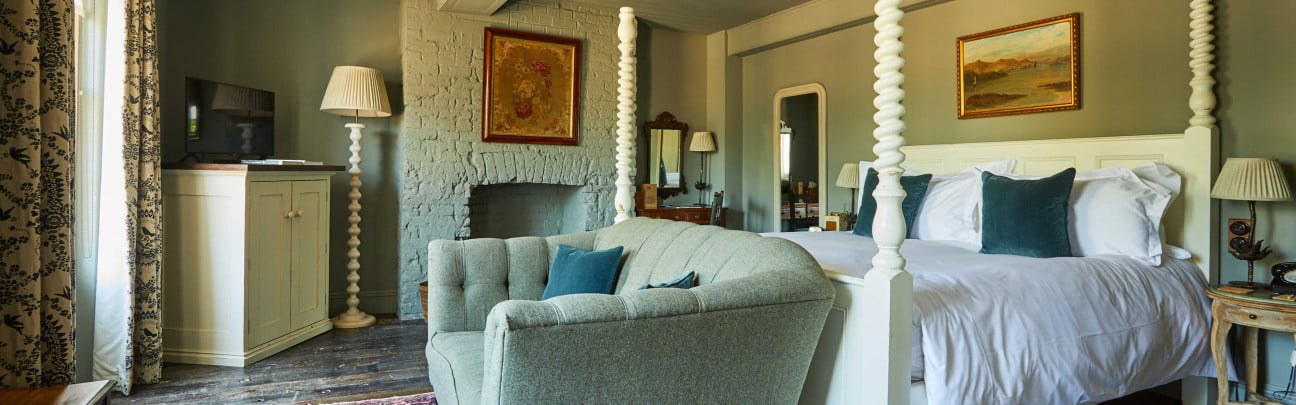
Bars in Southampton
Browse all →



Details
- Modern
- Scenic
- Elegant
- Sophisticated
- Weekend Escape
- Business Trip
- Group Retreat
- Celebration
- Waterfront
- Panoramic View
- Design Destination
- Spa
- Business Center
- Waterfront
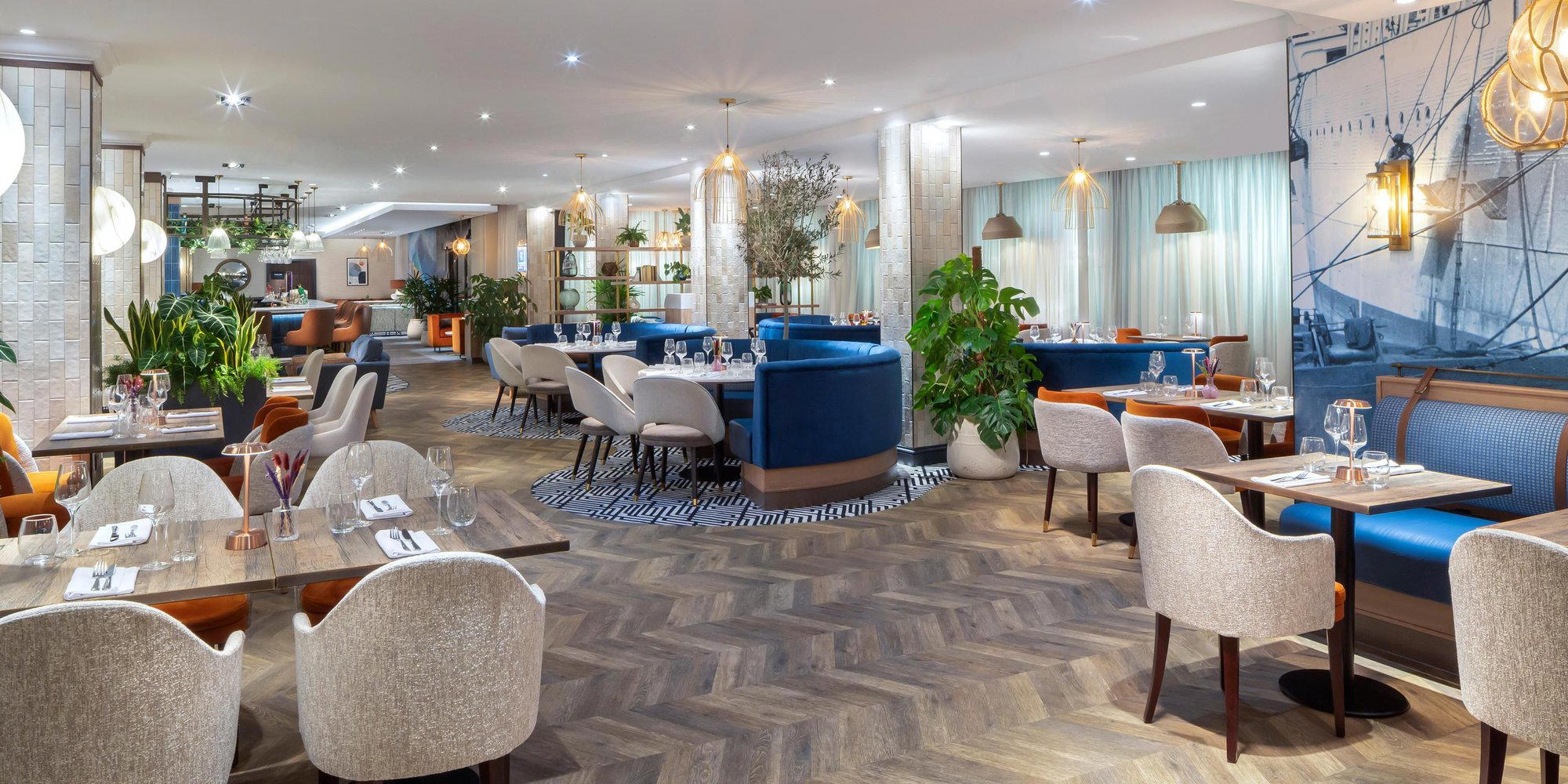
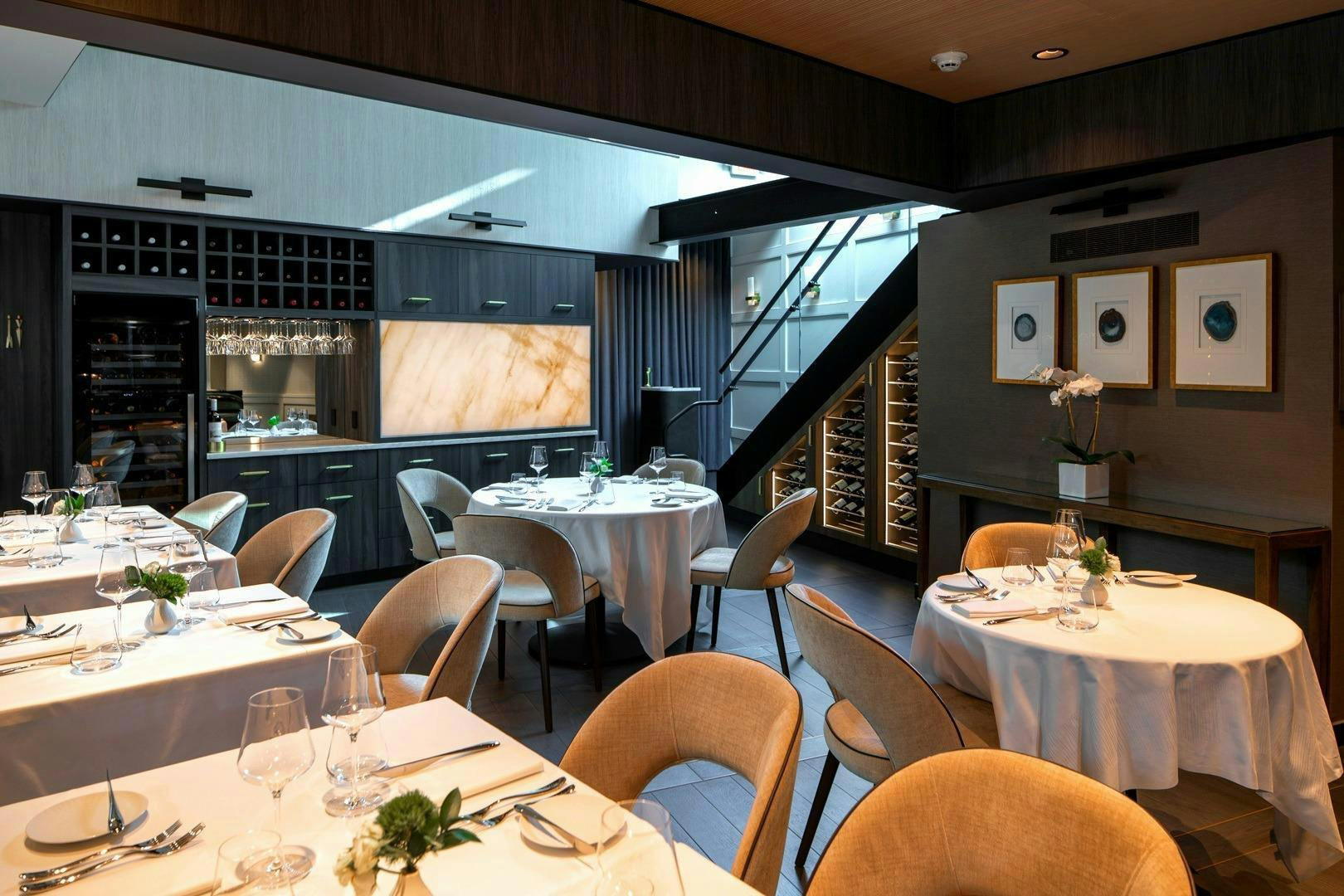
Planned as a contemporary waterfront lifestyle hotel integrated into a larger marina and dining destination, suggesting light-filled spaces and a resort-like, sophisticated feel on Southampton’s quay.