Sir William Wallace Hotel
Sir William Wallace Hotel sits on Cameron Street in Birchgrove, one of Sydney's quieter harbour-adjacent peninsulas, operating within a pub tradition that has shaped inner-west Sydney's social fabric for well over a century. The venue occupies a Victorian-era corner position that places it firmly in the neighbourhood-local category, distinct from the design-hotel tier found closer to the CBD.
- Address
- 31 Cameron St, Sydney NSW 2041, Australia
- Phone
- +61 2 9555 8570
- Website
- williamwallacehotel.com.au
- Directions
- Get directions
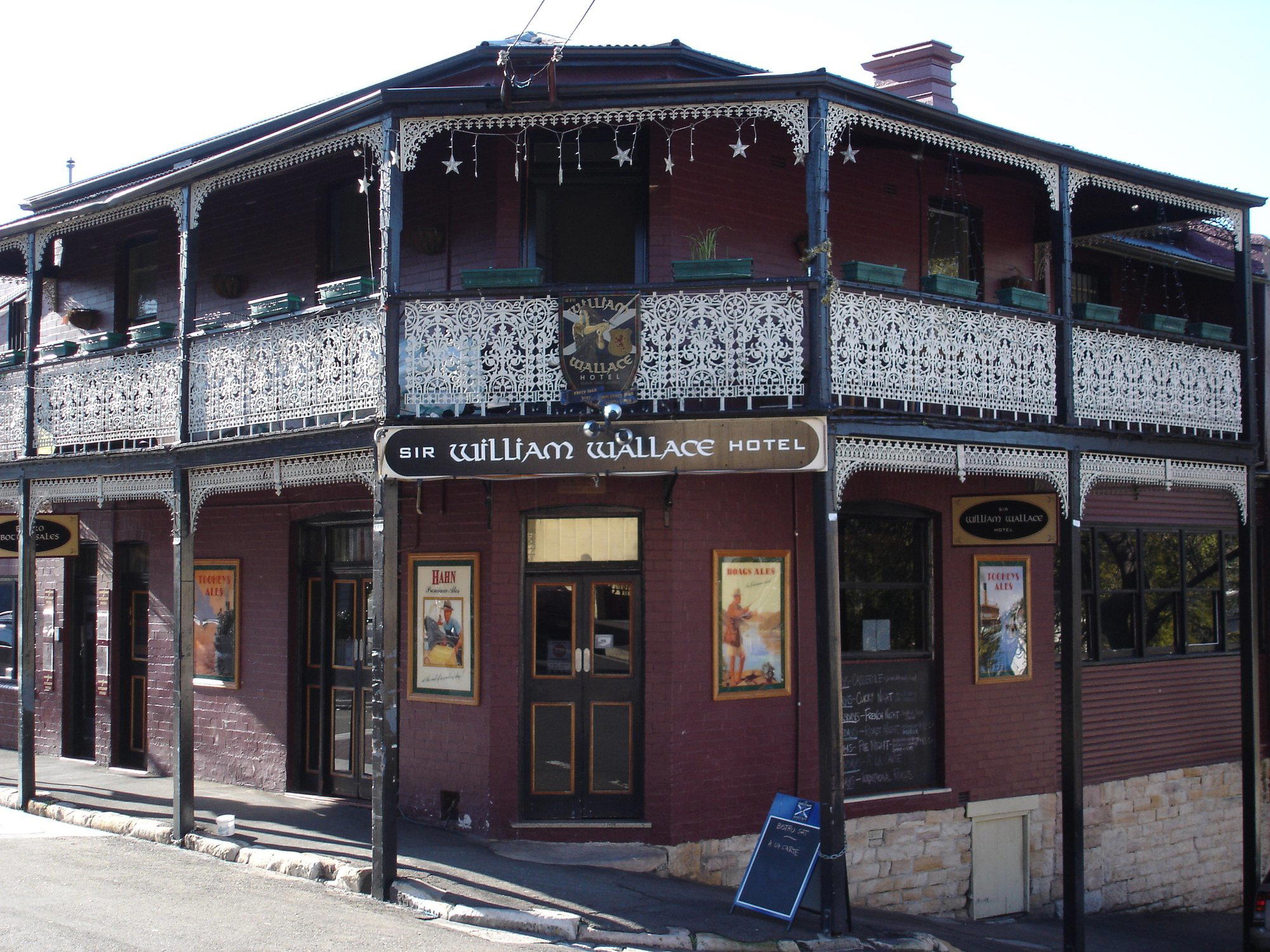
A Corner Building That Anchors the Street
Birchgrove is not a neighbourhood that announces itself. Tucked onto the Balmain peninsula's northern tip, it faces the harbour without the foot traffic or tourist infrastructure that marks the more visited stretches of Sydney's inner west. The streets here are residential in character, the pubs are corner buildings that have been folded into the local routine for generations, and the built fabric is predominantly Victorian and Federation-era terrace stock. Sir William Wallace Hotel, at 31 Cameron Street, sits within that pattern rather than against it. The building occupies the kind of corner position that Sydney's nineteenth-century publicans favoured: maximum street frontage, dual-aspect entry, and a visual presence that reads as civic even without grand architectural gestures.
The Victorian hotel typology that produced buildings like this one across inner Sydney was not incidental. These structures were designed to function as community infrastructure, and their massing reflects that intention. Wide verandas, load-bearing brick construction, and the rhythmic articulation of window openings are recurring features of the form, and they age well precisely because they were never reliant on decorative fashion to carry their weight. In a city that has demolished much of this stock or converted it beyond recognition, the survival of intact examples in suburbs like Birchgrove carries a value that sits outside any rating system.
The Inner-West Pub Hotel Tradition
The licensed hotel with accommodation above the bar is a distinctly Australian institution, and the inner-western suburbs of Sydney produced a concentration of them during the colonial and Federation periods that remains visible today. These were not boutique properties in the contemporary sense. They served working populations, provided bed and board for travellers arriving by ferry or road, and functioned as the primary social venue for surrounding streets. The design language was practical: thick walls for thermal mass, covered outdoor areas to manage the climate, and internal layouts that separated the public bar from more private accommodation areas.
That model produced buildings of considerable architectural longevity, and the Sir William Wallace Hotel is one of the more intact survivors of its type in this part of Sydney. The comparison set is not the design-led independents or the large international chains that dominate CBD accommodation, properties like Capella Sydney or the InterContinental Sydney Double Bay by IHG, which occupy a different tier entirely in terms of format, scale, and price positioning. The Wallace belongs to a neighbourhood category where the physical building and its relationship to the surrounding streets matter as much as any internal fitout specification.
Across Australia, the tension between heritage conservation and commercial viability has pushed many comparable properties toward one of two outcomes: full conversion to a gastro-pub without accommodation, or sale and redevelopment. Properties that retain the dual function, accommodation plus licensed venue, while maintaining architectural integrity, represent a contracting subset. For travellers interested in how this type has been handled elsewhere in the country, Four in Hand Hotel in Paddington and Harbour Rocks Hotel in The Rocks each illustrate different approaches to the heritage pub-hotel format within the Sydney basin.
Birchgrove as a Setting
The neighbourhood context matters when assessing a property of this type. Birchgrove operates at a remove from Sydney's main hospitality corridors. The Balmain peninsula is accessible by ferry from Circular Quay, a route that takes roughly twenty-five minutes and delivers passengers to Darling Street rather than the harbour edge. From central Balmain, Birchgrove is a ten-to-fifteen minute walk north. The suburb's relative insularity, no through-traffic, limited commercial strip, strong community identity, has kept the character of the streets stable in ways that more accessible inner-west suburbs have not maintained.
For a visitor arriving from interstate or internationally, Birchgrove works well as a base if the intention is to spend time in Balmain, Rozelle, or Leichhardt rather than the CBD or eastern suburbs. The ferry connection to the city is frequent and the journey itself is a reasonable introduction to Sydney Harbour. For those whose itinerary is more geographically spread, properties closer to major transit nodes or in higher-density areas will offer more practical flexibility. The Watsons Bay Hotel and Bondi Beach House offer a comparable inner-suburb harbour or coastal character from different parts of the city.
Within Australia's broader hospitality spectrum, properties operating at the neighbourhood-pub end of the market sit in a different conversation from destination retreats like Southern Ocean Lodge in Kingscote or Wildman Wilderness Lodge in Marrakai, or from the design-forward urban independents represented by The Calile in Brisbane or Medusa Hotel in Darlinghurst. Understanding which category a property occupies is the more useful frame than applying a uniform ranking across incommensurable types.
Planning Your Visit
For comparison with other Australian heritage hotel formats handled at different price and quality tiers, Bells at Killcare on the Central Coast and Lake House in Daylesford illustrate how the pub-with-rooms format has been repositioned at the premium end of the market in regional settings. Jonah's in Palm Beach represents a third trajectory, the coastal boutique hotel that retains a restaurant identity as its primary draw. Each model involves trade-offs between accessibility, atmosphere, and price that a traveller choosing between them would weigh differently depending on their priorities.
Comparison Snapshot
Comparable venues nearby, for context on price, style, and recognition.
| Venue | Cuisine | Price | Notes |
|---|---|---|---|
| Sir William Wallace HotelThis venue — the venue you are viewing | Victorian Filigree heritage pub with period architectural elements including panelled lace verandah, timber posts, and iron lace balustrades. | $$ | Not listed |
| Henson Park Hotel | Hotel | $$ | Marrickville |
| 202 Elizabeth | Boutique lifestyle hotel blending art-deco charm with cutting-edge Sydney style. | $$$$ | Surry Hills |
| Regent Melbourne | Modern upper‑luxury hotel created through the transformation of a historic city property with extensive event and lifestyle facilities. | $$$$ | Melbourne |
| Radisson Perth | Upscale urban hotel embedded in a mixed-use ‘connected village’ precinct serving both corporate and leisure guests. | $$$ | West Perth / Sydney Charles Quarter (SCQ) |
| Bondi Beach House | Coastal Australian boutique hotel restored and refreshed. | $$$ | Bondi Beach |
Continue exploring
More in Birchgrove
Hotels in Birchgrove
Browse all →
Bars in Birchgrove
Browse all →
Restaurants in Birchgrove
Browse all →
Wineries in Birchgrove
Browse all →

At a Glance
- Classic
- Well Known
- Lively
- Weekend Escape
- Historic Building
- Waterfront
- Panoramic View
- Waterfront
- Skyline
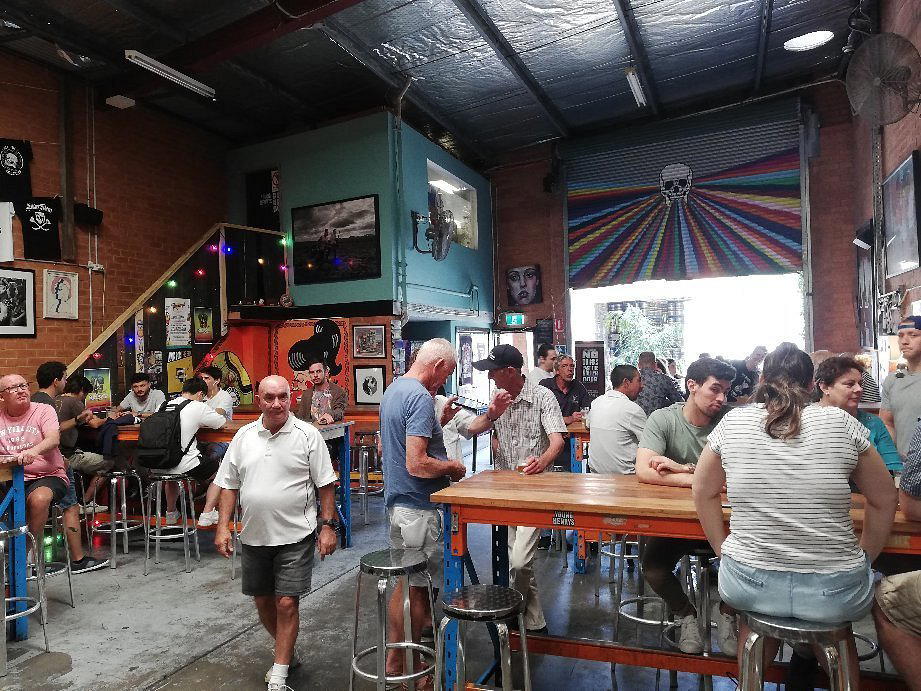
Lively and social during early evening with friends; becomes louder and more boisterous later at night with a brawly atmosphere.