
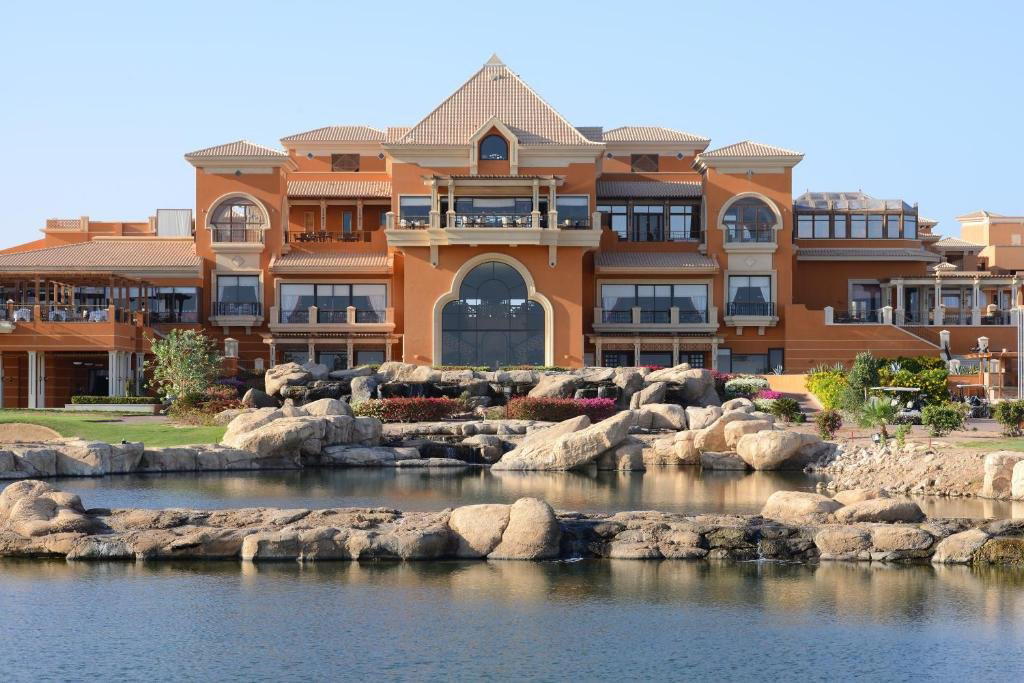
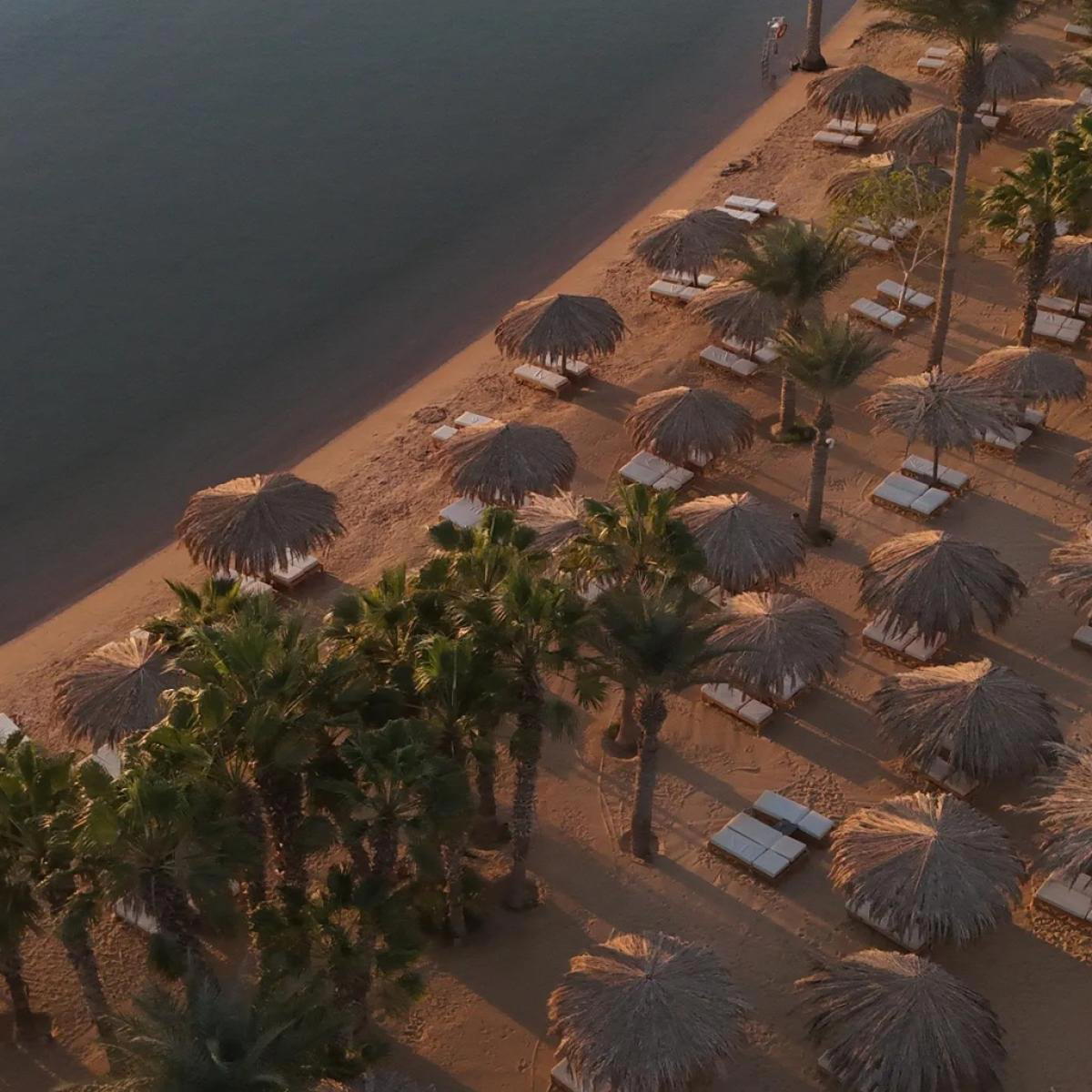
Serry Beach Resort occupies the Touristic Villages strip of Hurghada's Red Sea coast with 453 rooms across a large-scale beach compound. The property sits in the volume-resort tier that defines much of Hurghada's accommodation offer, trading on direct beach access and extensive on-site facilities. Travelers comparing it against Hurghada's smaller, design-led alternatives should read the room count as a signal of its format.
Pearl is the En Primeur Club membership app — saves, bookings, and concierge access live there. Same editors, same standards.
- Address
- Touristic Villages, Hurghada 1, Red Sea Governorate 84511
- Phone
- +20 65 3404455
- Website
- theserry.com
- Directions
- Get directions
 Saves & bookings on Pearl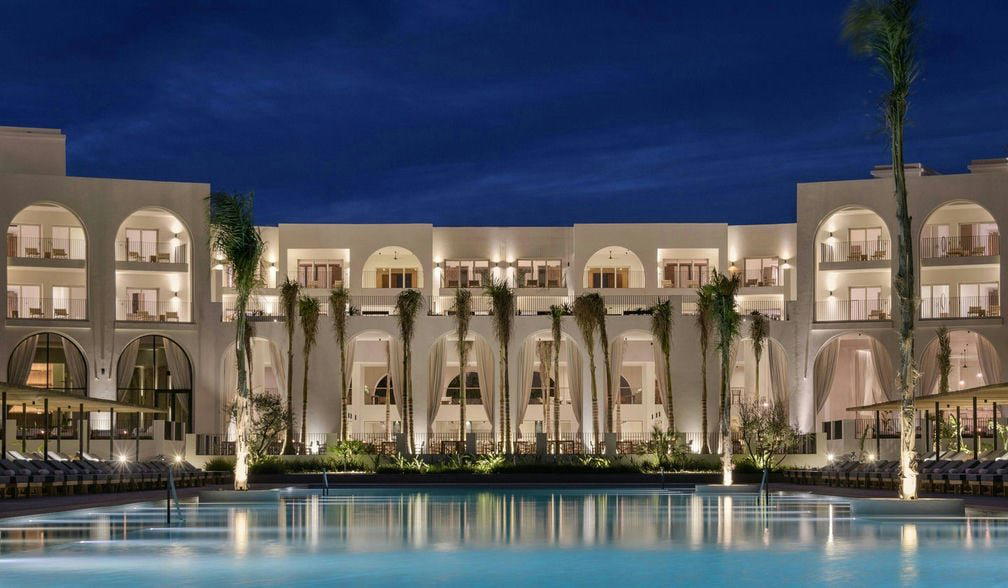
Hurghada's Resort Strip and Where Serry Beach Sits Within It
Hurghada's hotel market divides into two recognizable categories: the all-inclusive mega-resorts that line the Touristic Villages road and the smaller, more considered properties that cluster around El Gouna to the north or Sahl Hasheesh to the south. Serry Beach Resort belongs firmly to the first group. At 453 rooms, it operates at the scale that defines Hurghada's dominant hospitality format, large compounds with private beach frontage, multiple pool zones, and dining facilities built for volume. Understanding that scale is the starting point for any honest assessment of the property.
The Touristic Villages corridor, where Serry Beach is addressed, represents the historical core of Hurghada's tourist development. It sits between the older fishing settlement of El Dahar and the newer marina district, placing guests close to the main commercial strip but without the self-contained character of purpose-built resort towns like El Gouna. For travelers who want Hurghada's reef access and Red Sea light without the architectural ambition of a boutique property, this stretch of coast has long been the practical answer. By contrast, travelers looking for smaller-scale design and lower key counts might find more alignment at properties like La Maison Bleue in El Gouna or the considered minimalism of Good Days Boutique Hotel in Somabay.
The Dining Programme in Large-Format Red Sea Resorts
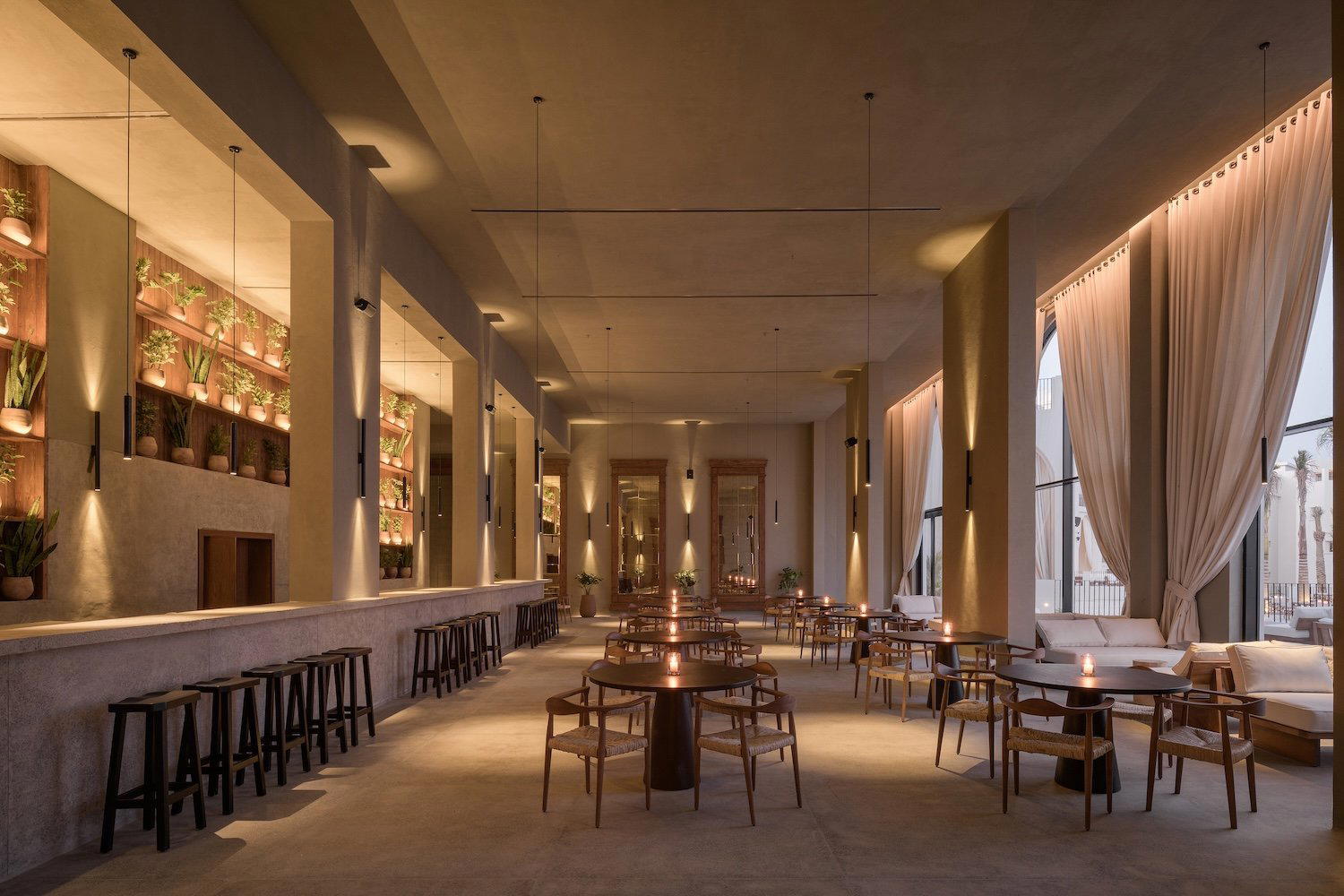
In Egypt's volume resort sector, the dining programme is typically structured around retained guests rather than destination diners. Properties at the 400-plus room scale on the Red Sea coast almost universally operate a main buffet restaurant supplemented by à la carte specialty venues covering broad flavor profiles: an Italian option, a grilled seafood outlet, a pool bar. The logic is coverage rather than depth.
This is worth naming directly because the dining programme is often where large Red Sea resorts either justify their rate or fail to. Properties at comparable scale in Egypt's Red Sea market that have invested in named culinary talent or differentiated kitchen programs have historically been able to command higher average rates and sustain stronger repeat visitation. The absence of publicly documented culinary credentials at Serry Beach aligns it with a mid-market positioning where food and beverage is a supporting facility rather than a draw. Travelers arriving primarily for reef diving, watersports, or direct beach access will likely find this acceptable; those with serious food priorities are better directed elsewhere in the region, whether toward The Oberoi Beach Resort at Sahl Hasheesh or further afield toward Sofitel Legend Old Cataract Aswan, where culinary heritage is more deliberately maintained.
Room Count as a Planning Signal
A property of 453 rooms on the Red Sea coast is operating in the same tier as the large European charter-market hotels that expanded rapidly along this coastline from the 1990s onward. For context, Premier Le Rêve Hotel and Spa competes on a nearby stretch of coast, and properties in this bracket typically offer standardized room typologies across superior, deluxe, and suite categories. The room category decision at Serry Beach, in the absence of specific database data on star rating, price range, or room descriptions, comes down to a general principle that applies across large Egyptian resort compounds: sea-facing allocations on higher floors reduce noise exposure from pool areas and provide the cleaner sightlines that differentiate the experience from garden or parking-adjacent rooms. In a 453-room property, the gap between the leading and worst room allocation is measurable.
Off-peak summer bookings are generally more available and carry meaningfully reduced rates, though Red Sea summer temperatures regularly exceed 38°C, which concentrates activity in air-conditioned or water-based environments.
The Broader Egypt Resort Context
Egypt's resort hotel sector spans a wider range than Hurghada alone suggests. On the North Coast, Address Beach Resort Marassi in Sidi Abd El Rahman and Address Marassi Golf Resort represent a more recently developed, brand-managed tier with stronger design credentials. In Sharm El Sheikh, Four Seasons Resort Sharm El Sheikh anchors the market's upper end on the Sinai coast. Cairo's luxury hotel circuit, including Dusit Thani LakeView Cairo and the Four Seasons Hotel Alexandria at San Stefano, operates in an entirely different register, oriented toward business travel, cultural tourism, and restaurant dining rather than beach access. Hurghada sits in a category of its own: a purpose-built resort coast with little cultural infrastructure beyond the water itself, where the quality of the reef, the beach, and the on-site facilities determine the entire stay.
For travelers planning a wider Egypt itinerary that combines beach time in Hurghada with Nile Valley destinations, the internal flight connection between Hurghada and Luxor runs under an hour, making a combined itinerary practical. Properties like Al Moudira Hotel on Luxor's West Bank offer a character-led counterpoint to the volume-resort format of the Red Sea coast. The contrast between those two modes of Egyptian travel is sharper than the distances suggest.
Planning Your Stay
Serry Beach Resort is located on the Touristic Villages road in Hurghada, Red Sea Governorate, within the main resort corridor accessible from Hurghada International Airport, a transfer that runs roughly 20 to 30 minutes depending on traffic and exact departure point. The 453-room scale means that organized transfers, airport pickup, and group coordination are logistically well-suited to this type of property.
Pricing, Compared
Comparable venues nearby, for context on price, style, and recognition.
| Venue | Price | Awards | Notes |
|---|---|---|---|
| Serry Beach ResortThis venue — the venue you are viewing | $$$ | 5-Star | Not listed |
| Premier Le Rêve Hotel & Spa | $$$$ | 5-Star | Sahl Hasheesh, Luxurious adults-only beachfront resort with modern spa facilities and all-inclusive dining. |
| The Oberoi Beach Resort, Sahl Hasheesh | $$$$ | 5-Star | Sahl Hasheesh, Low-slung domed suites in landscaped gardens with neoclassical columns and Arabian style. |
| La Maison Bleue El Gouna | $$$$ | 5-Star | El Gouna, Adults-only luxury boutique mansion |
| The Cascades Golf Resort, Spa & Thalasso | $$$$ | 5-Star | Somabay, Luxury resort positioned as a premier golf and wellness destination with colonial-inspired architecture perched on the highest point of Somabay Peninsula. |
| Storia the Dahabeya | $$$$ | 5-Star | Luxor City Center, luxury Nile dahabeya cruise ship |
Recognition history
Dated appearances from independent guides and award organizations, with the underlying list record or original source where available.
Preferred Hotels Member
Preferred Hotels
At a Glance
- Scenic
- Elegant
- Romantic
- Family Vacation
- Romantic Getaway
- Honeymoon
- Beachfront
- Infinity Pool
- Pool
- Spa
- Fitness Center
- Kids Club
- Beach Access
- Room Service
- Concierge
- Tennis Court
- Waterfront
- Garden
- Pool
- Spa
- Fitness Center
- Kids Club
- Beach Access
- Room Service
- Concierge
- Tennis Court
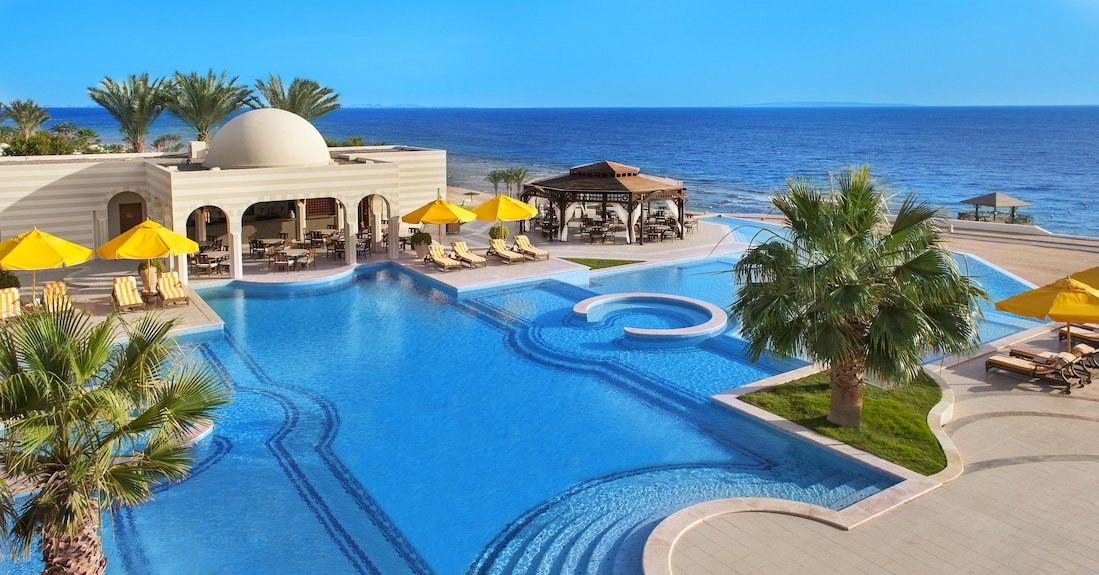
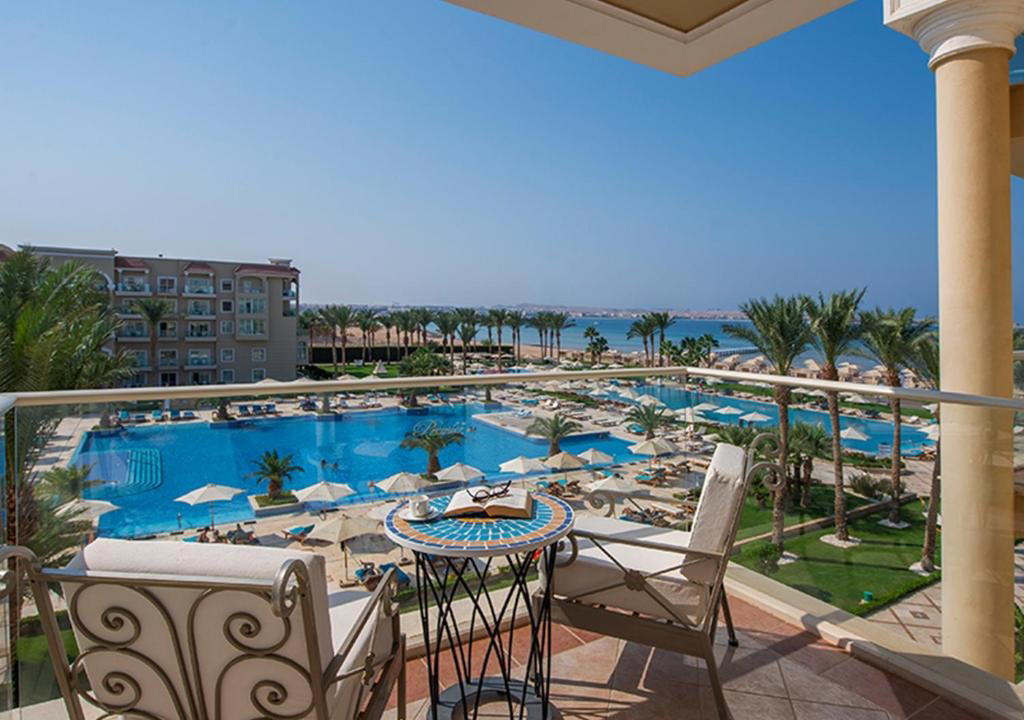
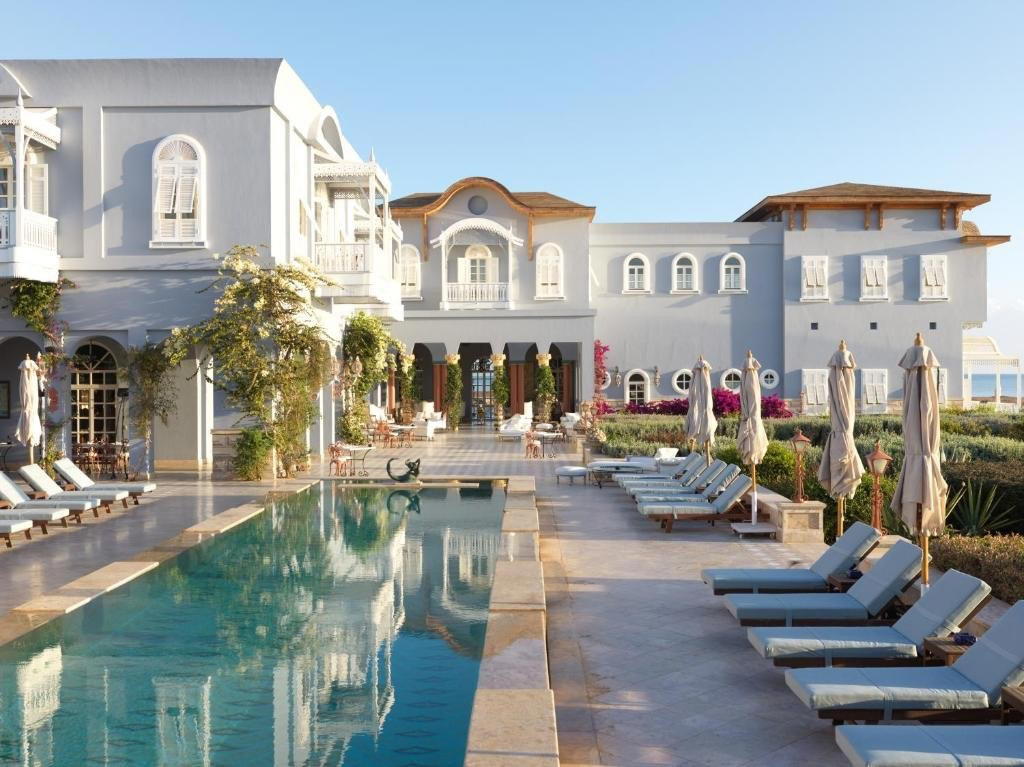
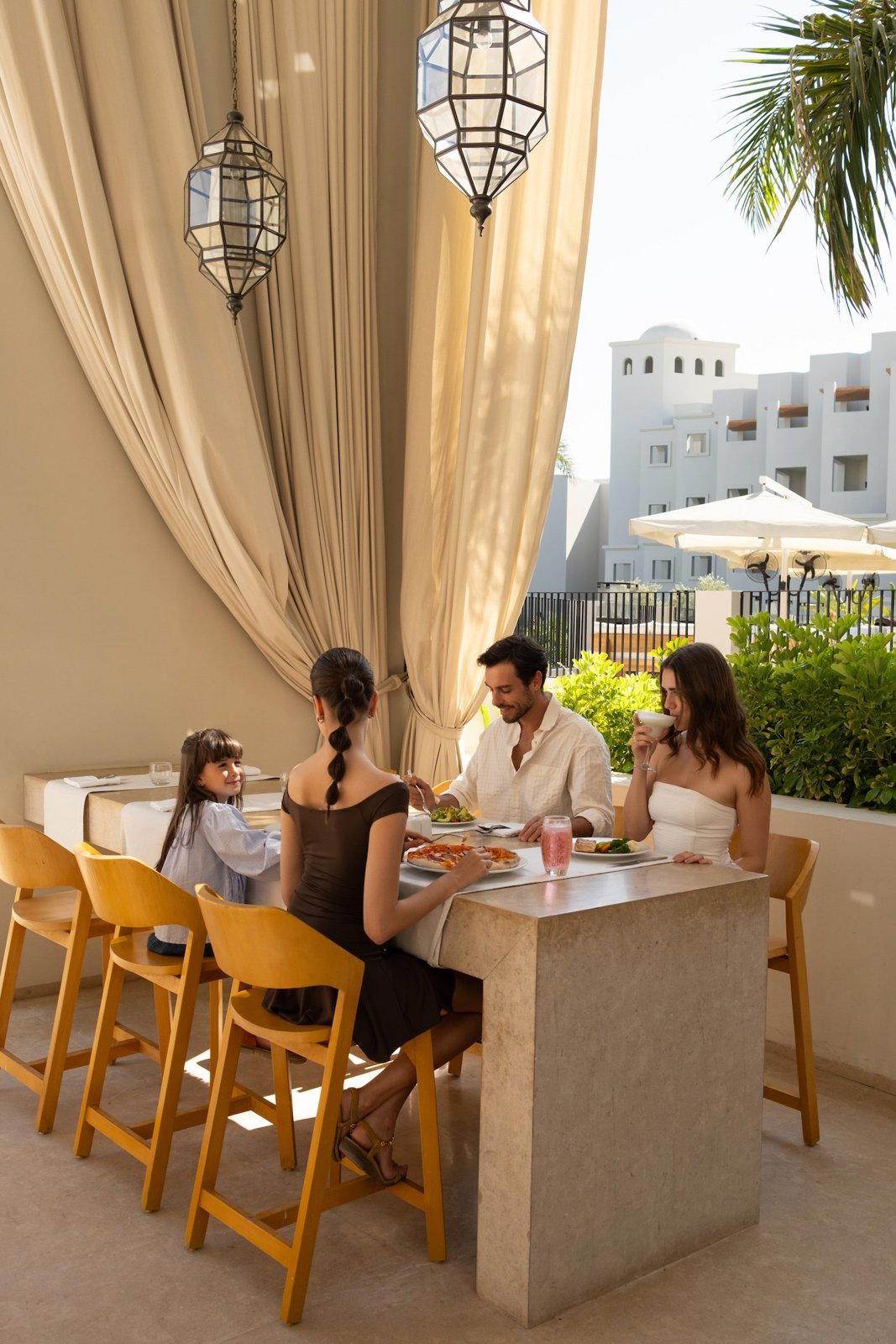
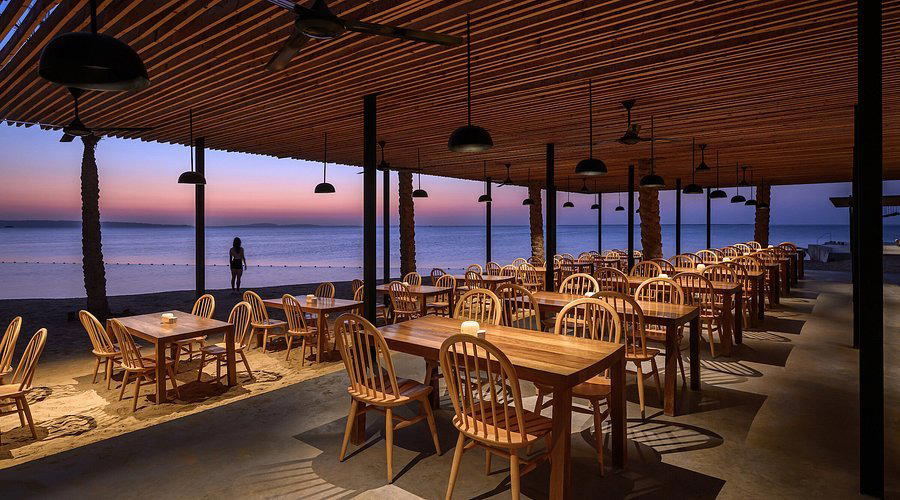
Serene and stylish with 1001 nights vibes, beautiful architecture, peaceful atmosphere, and sounds of waves in hallways.