SENSEI Porcupine Creek


A 230-acre adults-only desert retreat set against the Santa Rosa Mountains in Rancho Mirage, SENSEI Porcupine Creek pairs minimalist stone architecture with science-led wellness programming and Nobu dining, exclusively for guests. The property operates at the intersection of performance sport, spa, and landscape design, a format that places it in a distinct tier among California's destination wellness resorts.
Pearl is the En Primeur Club membership app — saves, bookings, and concierge access live there. Same editors, same standards.
- Address
- 42765 Dunes View Rd
- Phone
- +1 855-961-0077
- Website
- sensei.com
- Directions
- Get directions
 Saves & bookings on Pearl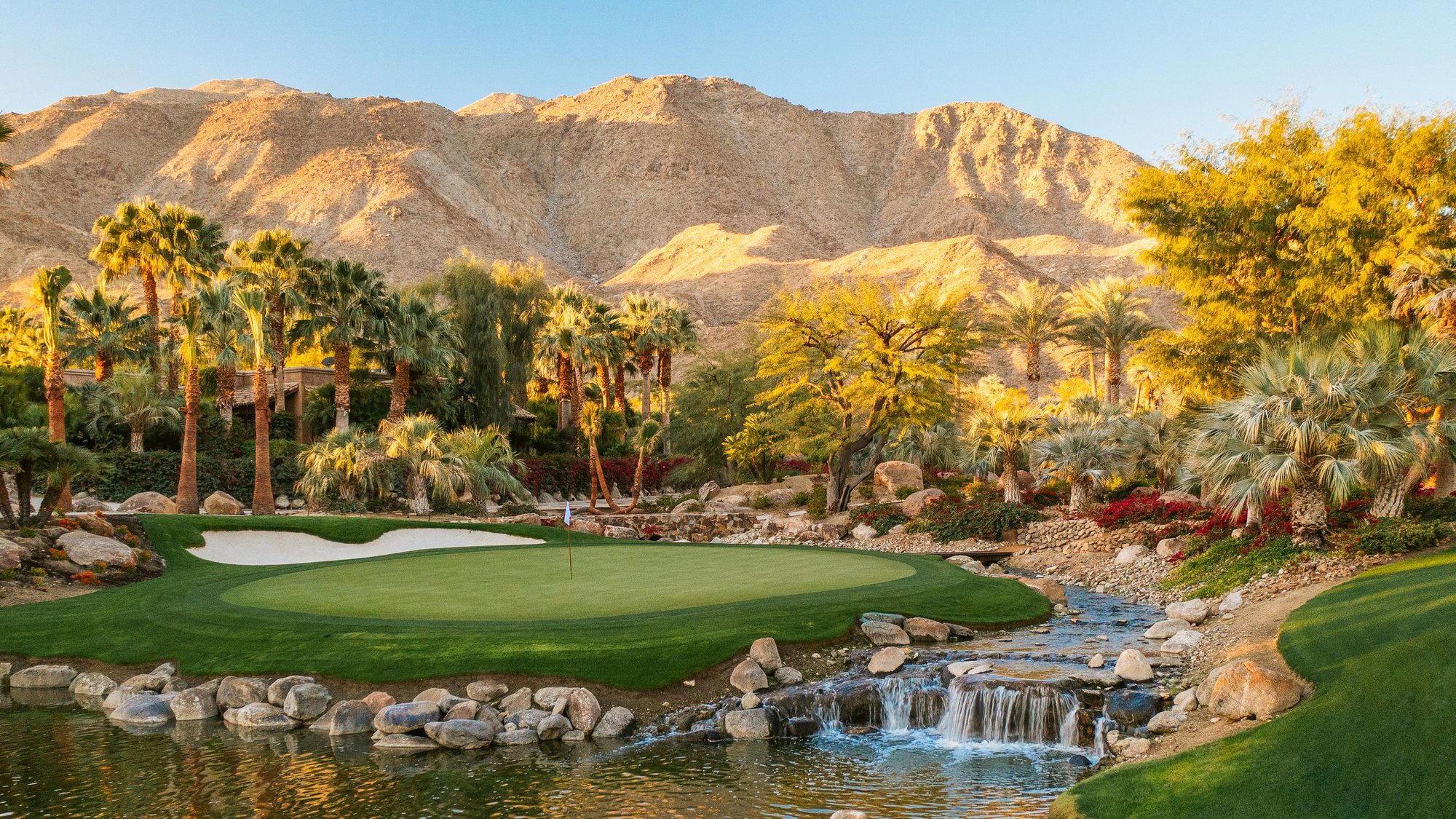
Desert Architecture as Program
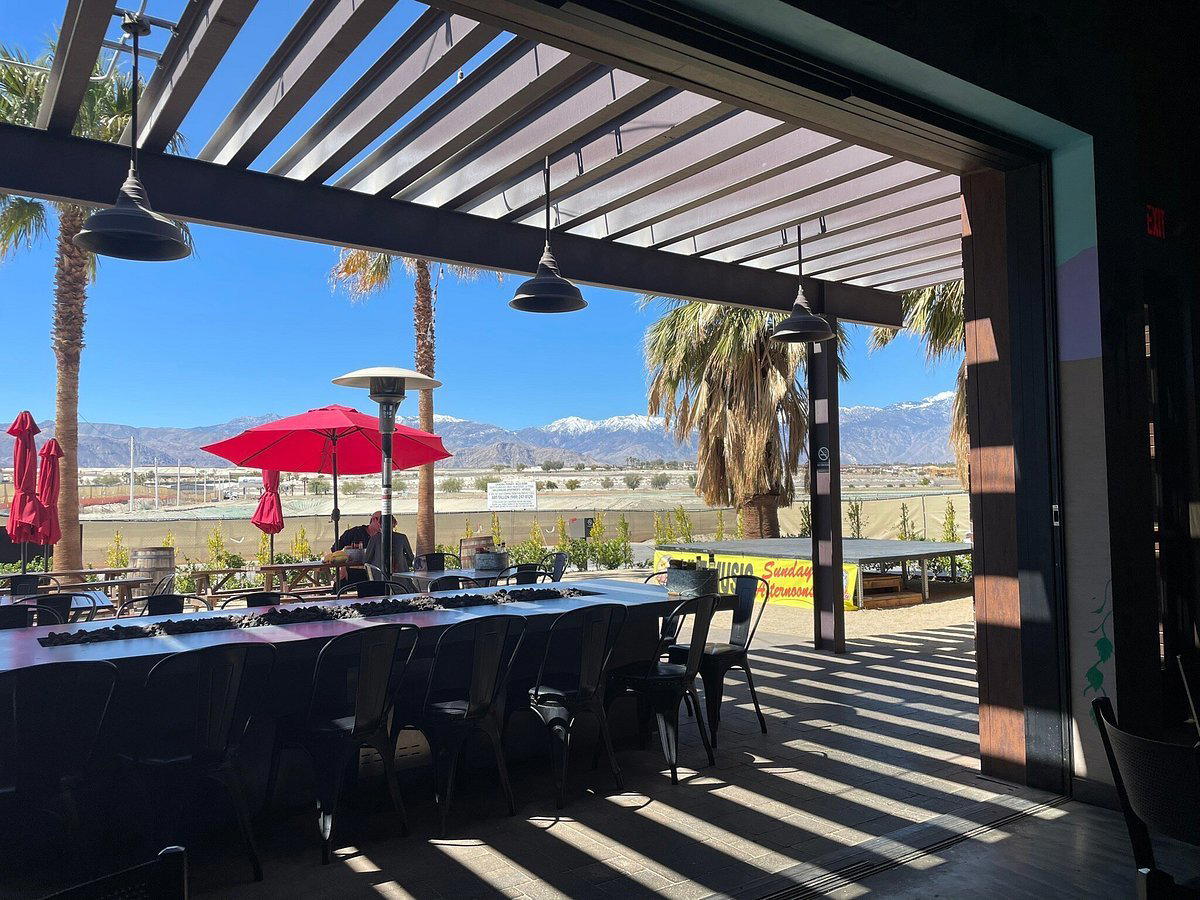
The approach to SENSEI Porcupine Creek sets the register before you reach the door. The Santa Rosa Mountains rise directly behind the property, and the minimalist stone buildings are composed to read as extensions of that geology rather than impositions on it. At 230 acres in Rancho Mirage, the estate has the scale to absorb architectural ambition without crowding it: circulation paths move through lush spa gardens, past sculpture, and across terrain that shifts from cultivated to raw desert within a short walk. This is the grammar of a certain kind of American luxury resort, one that treats the surrounding environment as structural material.
The design lineage here draws from a tradition of desert modernism that Greater Palm Springs has refined over decades. Where many regional properties default to Spanish Colonial revival or mid-century pastiche, Porcupine Creek's stone-and-mineral palette stays closer to the contemporary desert architecture that properties like Amangiri in Canyon Point and Ambiente in Sedona have made legible internationally. The formal gesture is restraint: materials that echo the site, volumes that don't compete with the mountain backdrop, and a spatial sequence that keeps guest attention moving outward toward landscape rather than inward toward amenity.
Property's origins as a private estate are architecturally legible. The scale is intimate relative to the acreage, an adults-only format that preserves the sense of having arrived somewhere that was not designed for throughput. That heritage shapes the guest experience in ways that a purpose-built resort of comparable size rarely replicates: the gardens feel tended rather than installed, the artwork collection reads as accumulated rather than curated to brief, and the relationship between interior and exterior space has the kind of specificity that tends to come from a single site's long history rather than from a master plan.
Where Wellness Meets Performance Sport
Desert wellness resorts in the American Southwest occupy a wide spectrum. At one end sit the large-footprint spa hotels that treat relaxation as the primary product; at the other, the small specialist retreats built around specific protocols. SENSEI Porcupine Creek operates in a third register: a science-led model that integrates medical and performance frameworks with luxury hospitality at a scale most competitors in either category cannot match. The property runs programming through Sensei Guides, Wellness Practitioners, and sports professionals working in coordination.
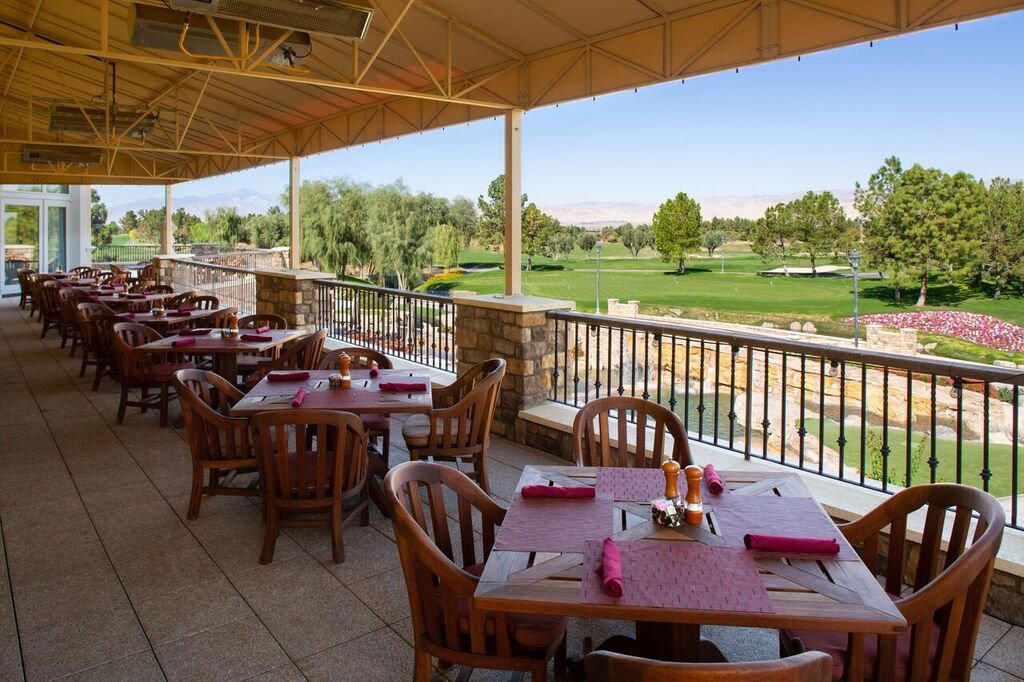
Golf and tennis facilities here are described as premier-tier, which in the context of a property this size and with this guest profile means equipment, instruction, and court or course quality calibrated against serious recreational players, not casual amenity. This places Porcupine Creek in a category distinct from pure-relaxation retreats like Canyon Ranch Tucson, though both operate in the premium Southwest wellness market. For guests comparing options across California's resort corridor, the performance sports dimension is the differentiator that most clearly separates this property from spa-first alternatives.
The Rancho Mirage address matters for that positioning. Greater Palm Springs has developed a parallel identity as a serious golf destination alongside its spa resort heritage, and Porcupine Creek's dual emphasis on wellness science and sport reflects that local context. Properties elsewhere in California's luxury hotel market, Bernardus Lodge in Carmel Valley or Auberge du Soleil in Napa, for instance, serve guests whose primary lens is wine country and agriculture. Porcupine Creek's lens is the desert itself: its light, its temperatures across a season, and the particular kind of physical reset that a dry, high-sun climate offers.
Nobu Dining in a Closed Format
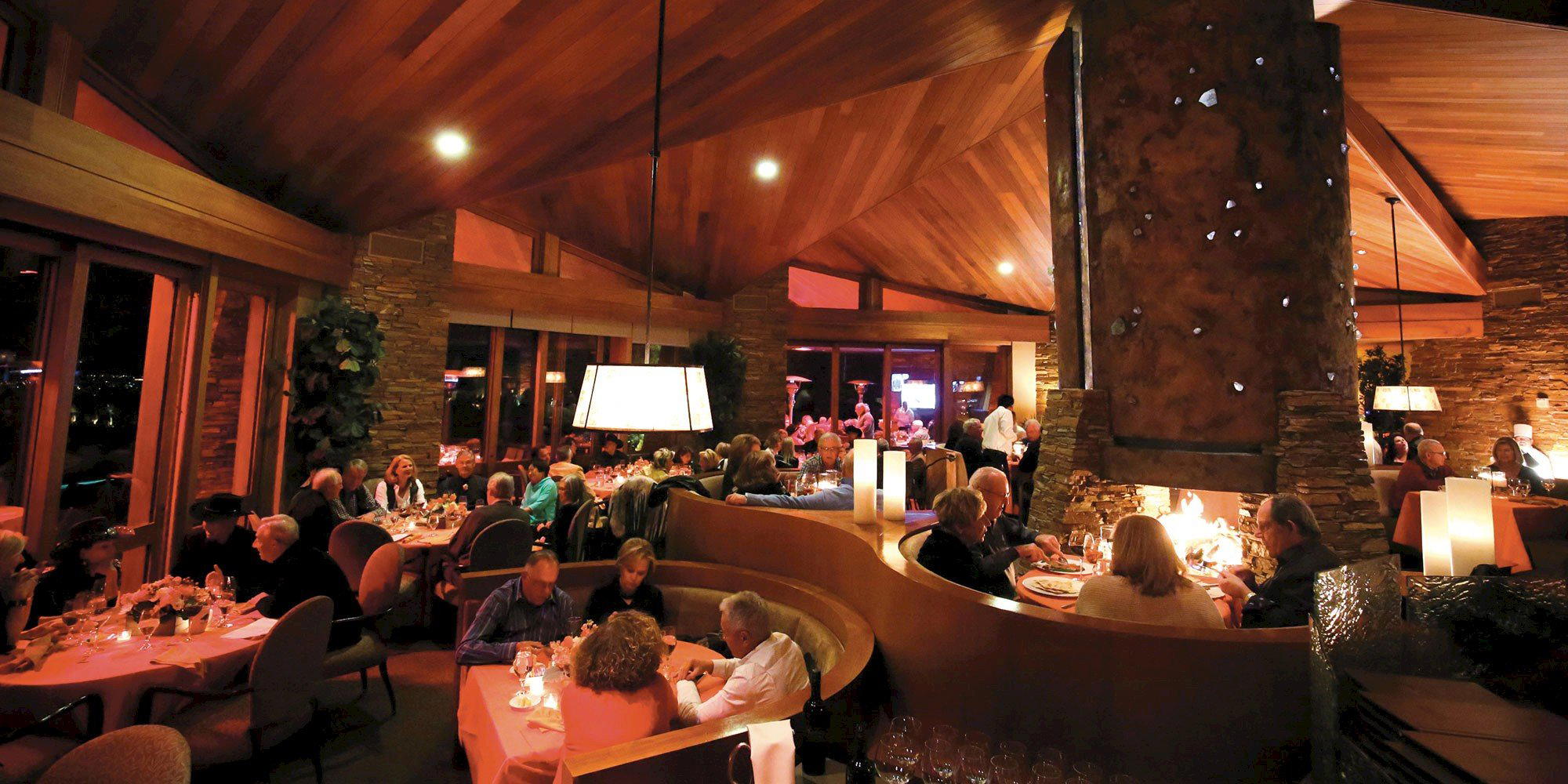
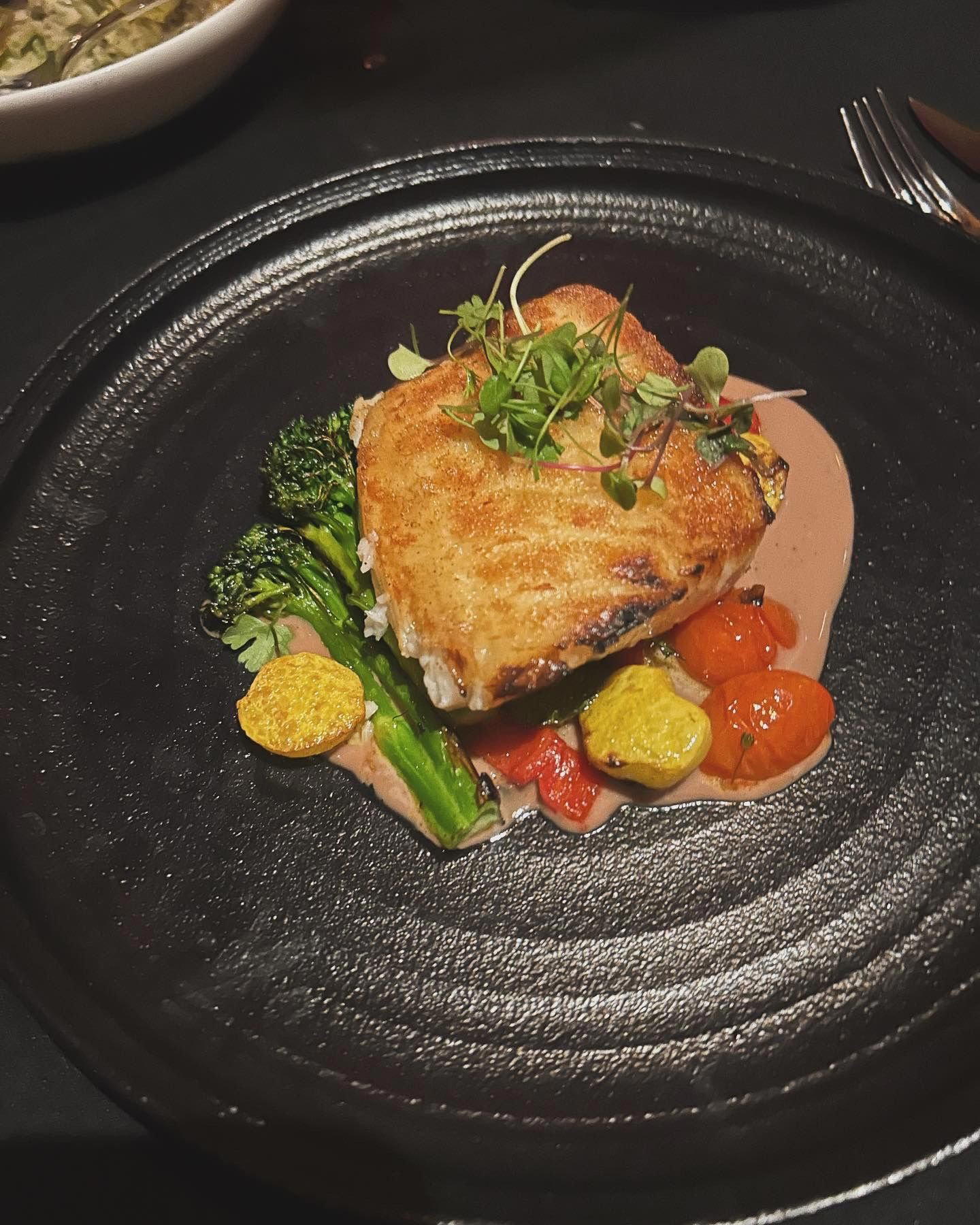
Dining arrangement at Porcupine Creek is structurally distinct from most luxury resort food programs. Nobu operates here exclusively for retreat guests. That exclusivity changes the dynamic considerably. A Nobu dining room at a city hotel or a large-format resort draws on a broad, publicly accessible guest base and operates as a revenue center in its own right. At Porcupine Creek, the audience is self-selected by the retreat booking itself, which gives the kitchen a more predictable guest profile and allows service to be calibrated accordingly.
Closed format also means dining functions as part of an integrated stay rather than as a standalone destination. Guests eat within a curated program rather than choosing among nearby restaurants. This is architecturally consistent with the retreat model, the same logic that keeps the spa gardens within the property boundary and the wellness programming under a single coordinated team. The service context is different from any public-facing Nobu address.
Planning a Stay
SENSEI Porcupine Creek operates as an adults-only retreat, which effectively removes it from the family resort category entirely. The property is at 42765 Dunes View Rd in Rancho Mirage, positioned within the Greater Palm Springs area, a region accessible by air through Palm Springs International Airport, which receives direct service from several major West Coast and Southwest hubs, with connecting service from broader US gateways. The desert climate runs hot from late spring through early fall, with October through April offering temperate conditions for outdoor programming, golf, and extended garden time. The Santa Rosa Mountains behind the property carry snow at elevation in winter months, which alters the visual register of the retreat substantially from its summer face.
Guests whose frame of reference is California coastal luxury, Hotel Bel-Air in Los Angeles or Post Ranch Inn in Big Sur, will find Porcupine Creek operating in a different physical idiom entirely. The comparison set is more usefully drawn from landscape-integrated desert or wilderness retreats: Amangani in Jackson Hole, Sage Lodge in Pray, or Blackberry Farm in Walland, where terrain is the organizing principle and the built environment answers to the site rather than overriding it. For travelers whose interest in wellness extends into performance sport or who want a structured science-backed program rather than a menu of unconnected treatments, this property occupies a position that few California resorts match at comparable scale. Booking is handled directly through the property. Given the adults-only, retreat format and limited capacity relative to the acreage, advance planning is advisable, particularly for the peak winter and spring desert season.
For broader context on what the Greater Palm Springs area offers across price points and formats, see our full Rancho Mirage restaurants guide. Travelers comparing premium American wellness and landscape retreats more broadly may also find useful context in our coverage of Little Palm Island Resort in Little Torch Key, Kona Village in Kailua-Kona, and SingleThread Farm Inn in Healdsburg.
At-a-Glance Comparison
Comparable venues nearby, for context on price, style, and recognition.
| Venue | Cuisine | Price | Awards | Notes |
|---|---|---|---|---|
| SENSEI Porcupine CreekThis venue — the venue you are viewing | Private estate transformed into an intimate wellness retreat with minimalist stone architecture integrated into desert landscapes. | $$$$ | 5-Star | Not listed |
| The Ritz-Carlton, Rancho Mirage | Mountain luxury resort with desert-inspired opulence and personalized service. | $$$$ | 5-Star | Rancho Mirage |
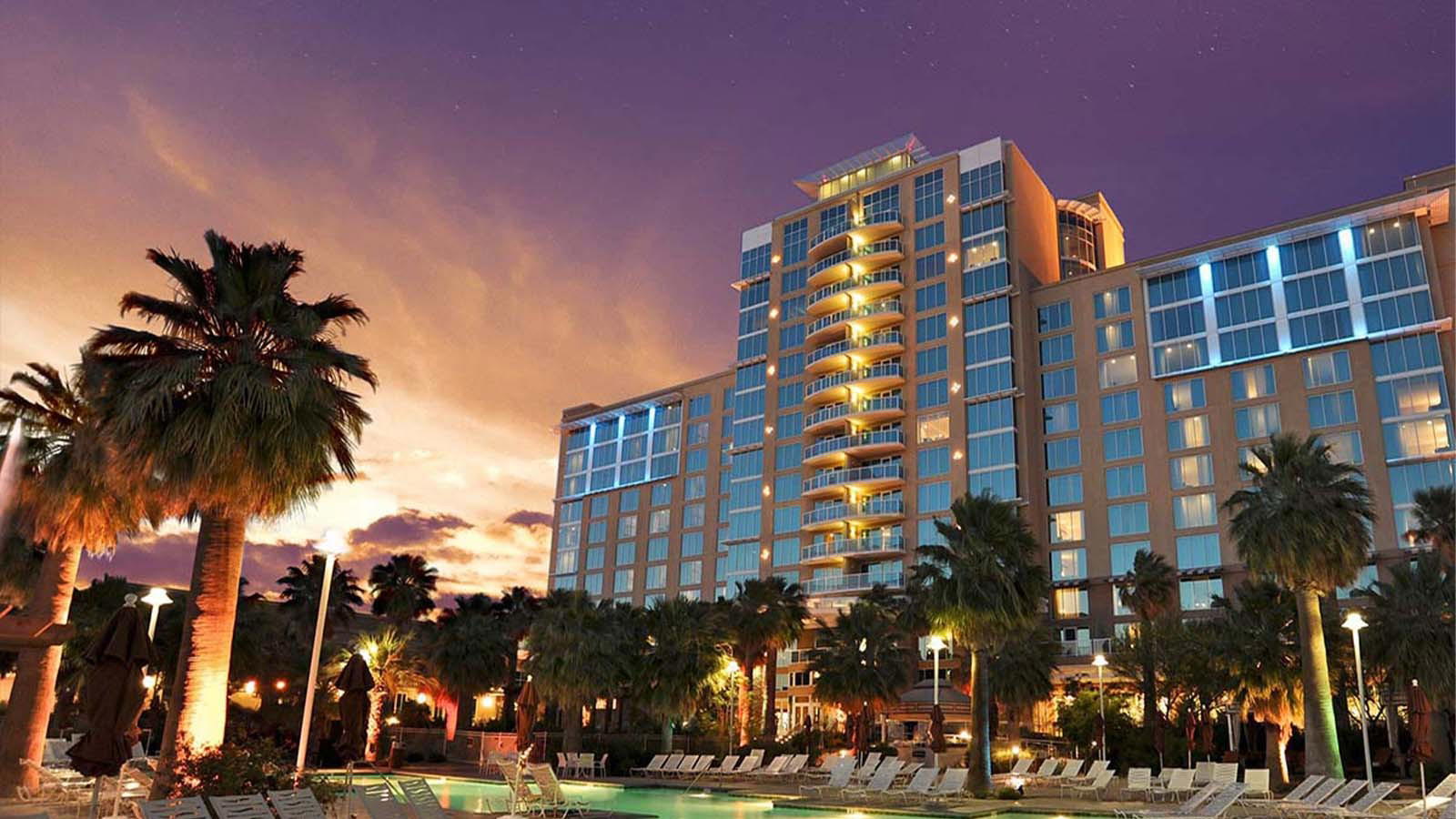
| Agua Caliente Resort Casino Spa Rancho Mirage | Upscale casino-resort with modern luxury and desert retreat vibes | $$$$ | 4-Star | Rancho Mirage |
| Bernardus Lodge & Spa | Monterey Territorial-style architecture blending Pueblo and Victorian influences with natural textures | $$$$ | 5-Star | Carmel Valley |
| SIXTY Beverly Hills | Refined modern West Coast casual luxury | $$$$ | 5-Star | Beverly Hills |
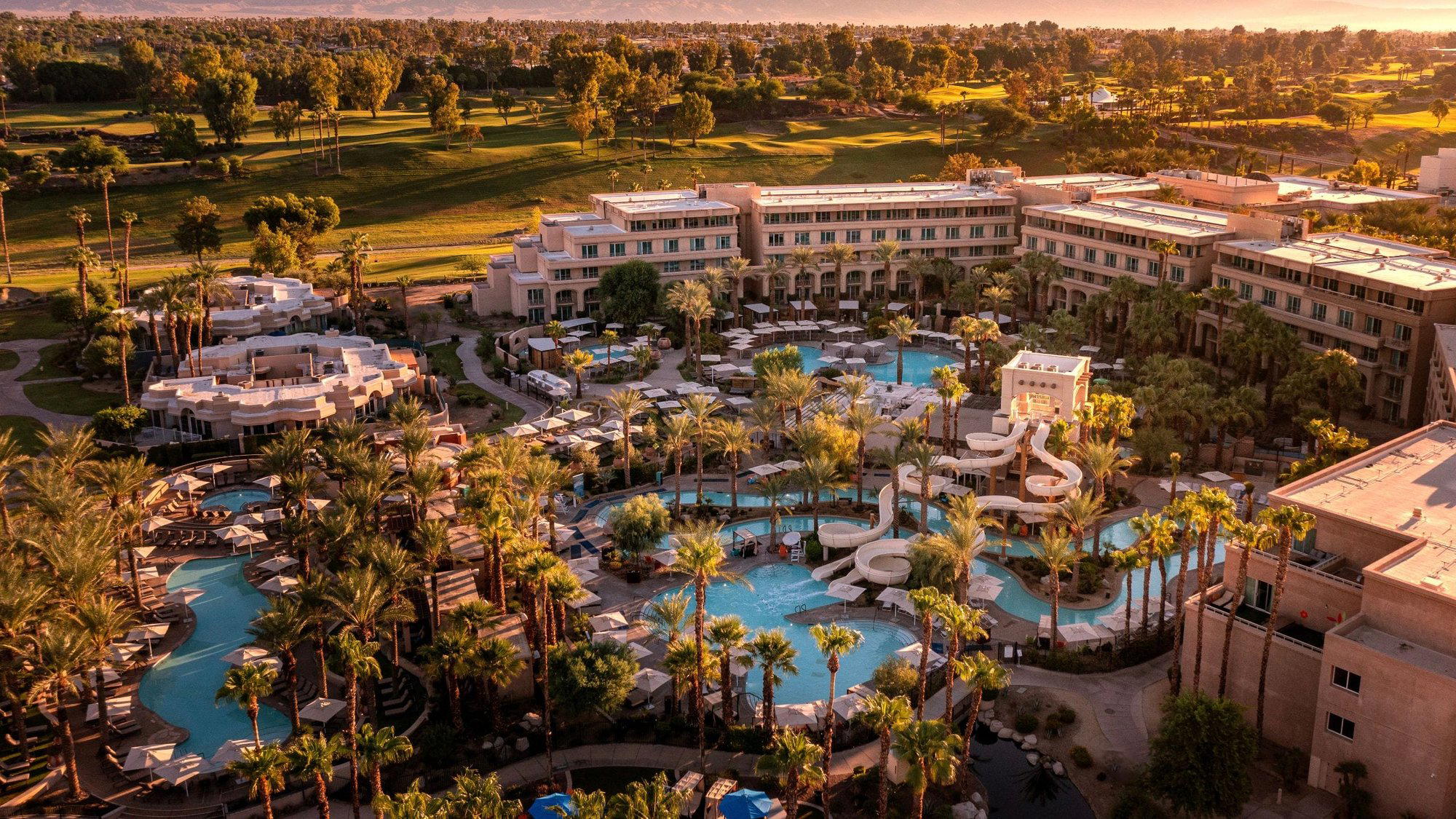
| JW Marriott Desert Springs Resort & Spa | Luxury desert resort oasis with lush gardens and lakes | $$$$ | 4-Star | Palm Desert |
Recognition history
Dated appearances from independent guides and award organizations, with the underlying list record or original source where available.
Virtuoso Luxury Hotel Partner
Virtuoso
World Spa Awards California's Best Wellness Retreat 2025 Nominee
World Spa Awards
Continue exploring
More in Rancho Mirage
Hotels in Rancho Mirage
Browse all →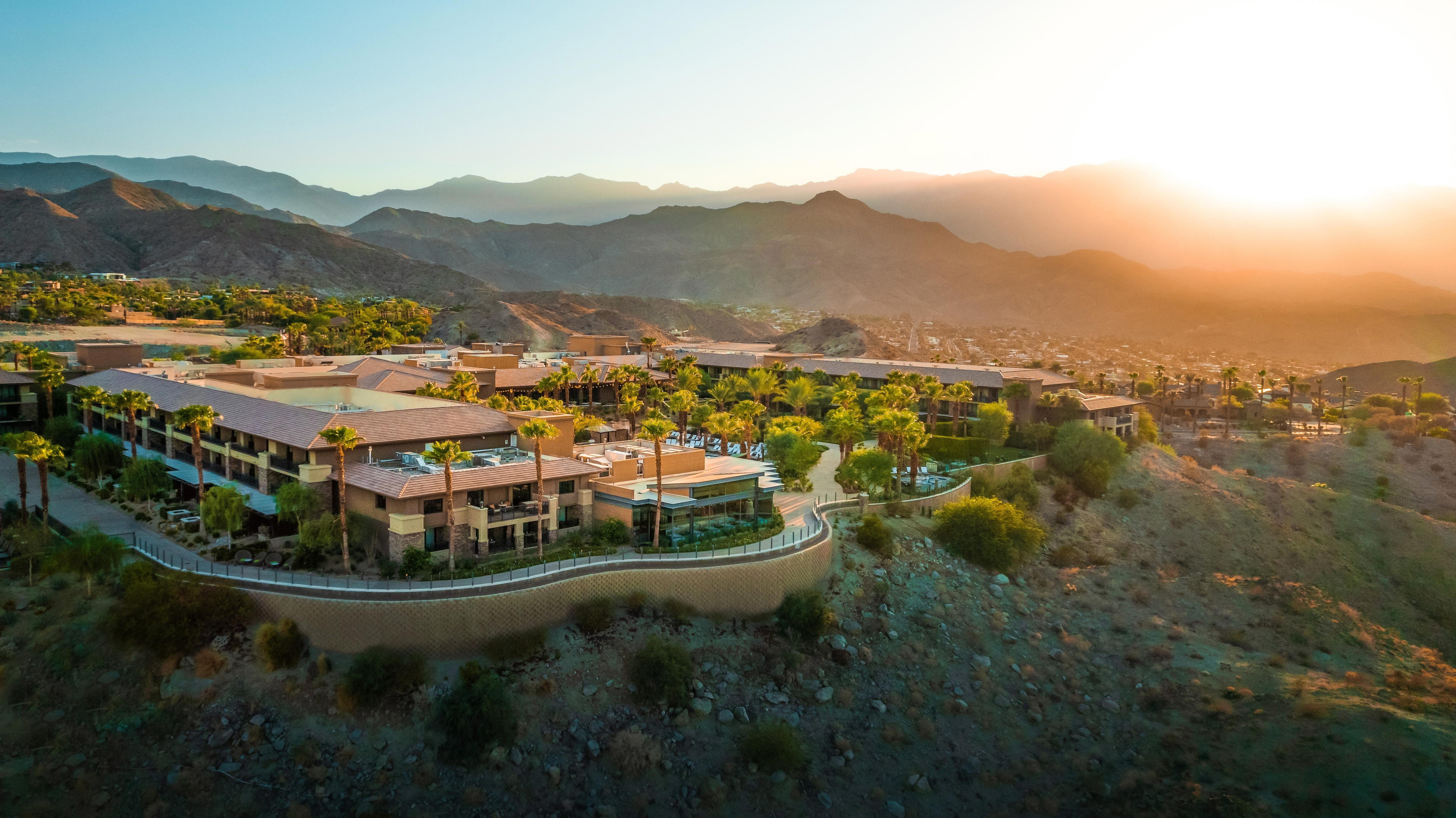
Bars in Rancho Mirage
Browse all →
At a Glance
- Quiet
- Elegant
- Sophisticated
- Minimalist
- Ornate
- Wellness Retreat
- Romantic Getaway
- Anniversary
- Weekend Escape
- Group Retreat
- Golf Course
- Destination Spa
- Panoramic View
- Pool
- Spa
- Fitness Center
- Room Service
- Concierge
- Valet Parking
- Wi Fi
- Tennis
- Mountain
- Garden
- Pool
- Spa
- Fitness Center
- Room Service
- Concierge
- Valet Parking
- Wi Fi
- Tennis
Tranquil and serene with natural light-flooded minimalist interiors, lush gardens, calming desert sounds, and an intimate oasis atmosphere praised for rejuvenation.