Scribner’s Catskill Lodge

Scribner's Catskill Lodge sits in Hunter Mountain as one of the Catskills' most considered retreats, translating the region's long tradition of wilderness escape into a design-forward, lodge-scale format. The property works as a base for four-season outdoor access while positioning itself within a growing tier of American nature lodges where aesthetic intentionality and artisanal food programs carry as much weight as the surrounding terrain.
Pearl is the En Primeur Club membership app — saves, bookings, and concierge access live there. Same editors, same standards.
- Address
- 13 Scribner Hollow Rd, Hunter Mountain 12442, USA
- Phone
- +1 518-628-5130
- Website
- marriott.com
- Directions
- Get directions
 Saves & bookings on Pearl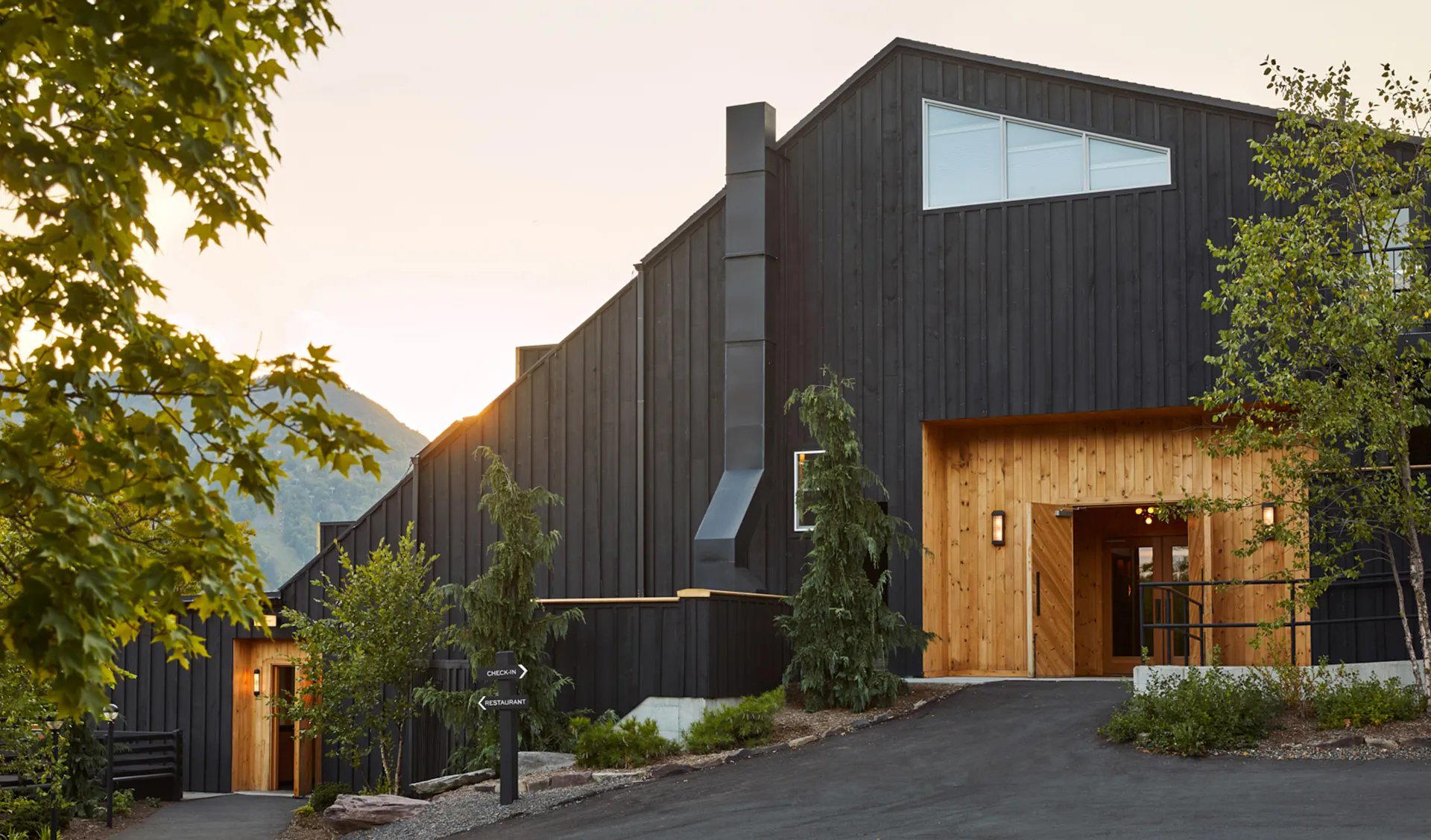
A Lodge Built Into the Logic of the Catskills
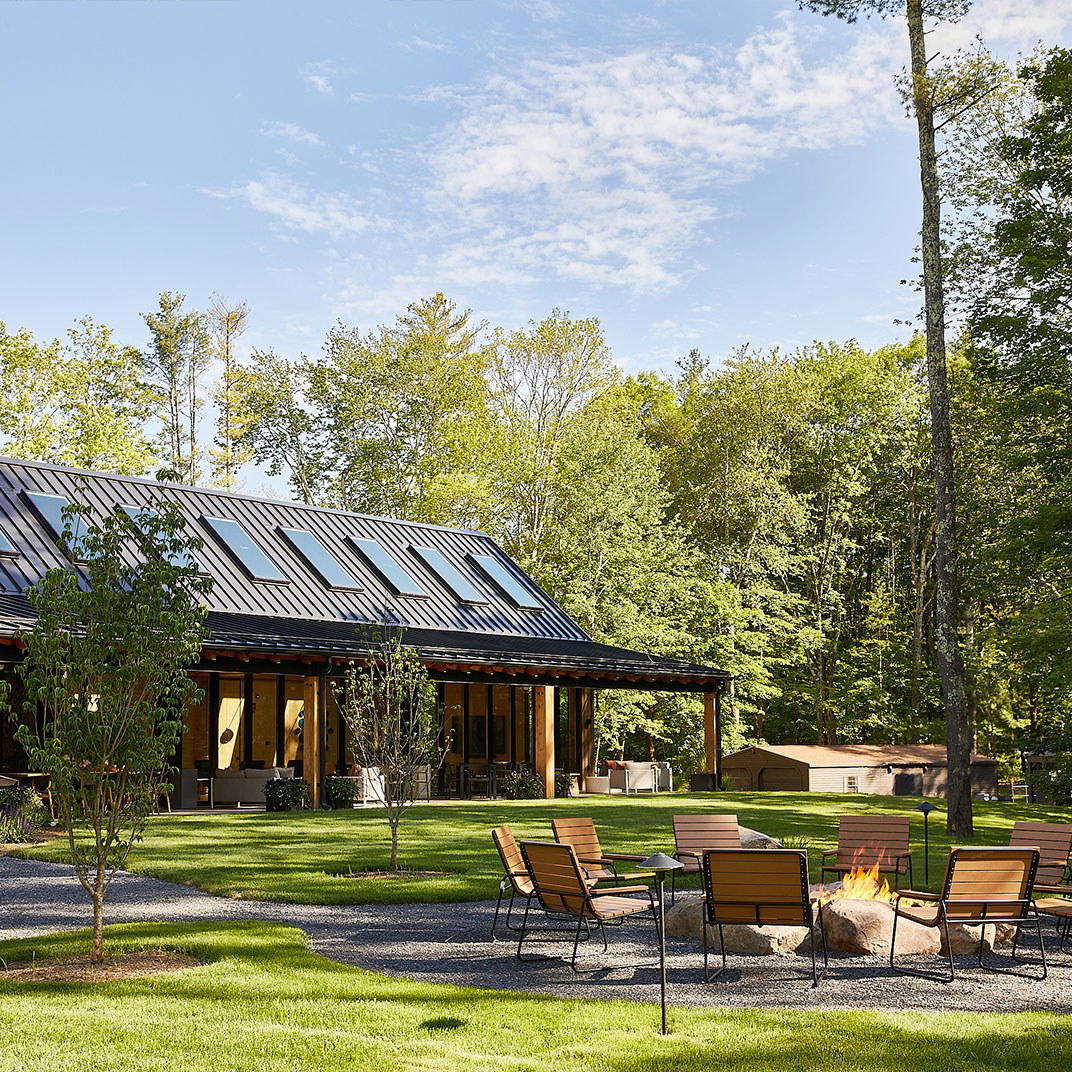
The approach to Scribner's Catskill Lodge sets its terms clearly. Hunter Mountain's ridgeline dominates the view on Route 23A, and the lodge — addressed at 13 Scribner Hollow Road — reads as a deliberate response to that geography rather than an imposition on it. This is the architectural posture that separates the better American nature lodges from resort hotels that happen to have trees nearby: the building feels like it grew from a site decision rather than a brand strategy.
The Catskills have always attracted this kind of intentionality. From the nineteenth-century boarding houses that drew New York's urban middle class up the Hudson Valley to the mid-century bungalow colonies that made Sullivan and Greene counties shorthand for seasonal retreat, the mountains have been shaped by successive waves of people who came looking for something the city couldn't offer. The current wave, which includes properties like Scribner's, trades in a more design-conscious version of that escape, one where the materiality of the interior, the sourcing philosophy of the kitchen, and the relationship between indoor and outdoor space are treated as editorial decisions. For comparable thinking applied to different geographies, Troutbeck in Amenia offers an instructive parallel in the Hudson Valley tradition, while Post Ranch Inn in Big Sur represents what the format looks like when taken to its Pacific Coast extreme.
The Design Argument
American mountain lodges have split into two recognizable camps over the past decade. The first doubles down on rustic-maximalist signaling: antler chandeliers, taxidermy, reclaimed barn wood deployed with the subtlety of a set designer. The second takes a more restrained position, using natural materials with enough editing to suggest architectural ambition rather than regional costume. Scribner's belongs to the second camp. The visual language is mountain-informed without being mountain-themed, a distinction that matters more than it might initially seem, because it determines how the space ages and whether it reads as a considered retreat or a period piece.
The lodge format itself carries specific spatial implications. Unlike the large-footprint resort hotels that define ski destinations in Colorado or Utah, a lodge at this scale creates a compressed social geography: common spaces function as genuine gathering areas rather than lobbies, and the ratio of shared to private space is deliberately weighted toward encounter. This is the model that properties like Sage Lodge in Pray and Amangani in Jackson Hole have refined in the American West, and it translates with particular logic to the Catskills, where the scale of the landscape is intimate by mountain standards, more folded valley than dramatic summit.
For readers drawn to the architectural intensity that comes with landscape-as-design-brief, Ambiente in Sedona and Amangiri in Canyon Point represent what happens when that ambition is applied to desert geology rather than northeastern forest. The comparison is useful for understanding what Scribner's is optimizing for: a softer, more forested register of the same nature-integrated design logic.
Artisanal Food as Landscape Extension
The Catskills have developed a credible artisanal food economy over the past fifteen years, built on farm density, proximity to New York's chef talent pipeline, and a regional identity that is increasingly self-conscious about provenance. Greene County, where Hunter Mountain sits, participates in this network alongside Ulster and Delaware counties to its south. A lodge food program in this context is expected to engage with that supply chain, not as marketing language, but as a practical expression of what the region produces well.
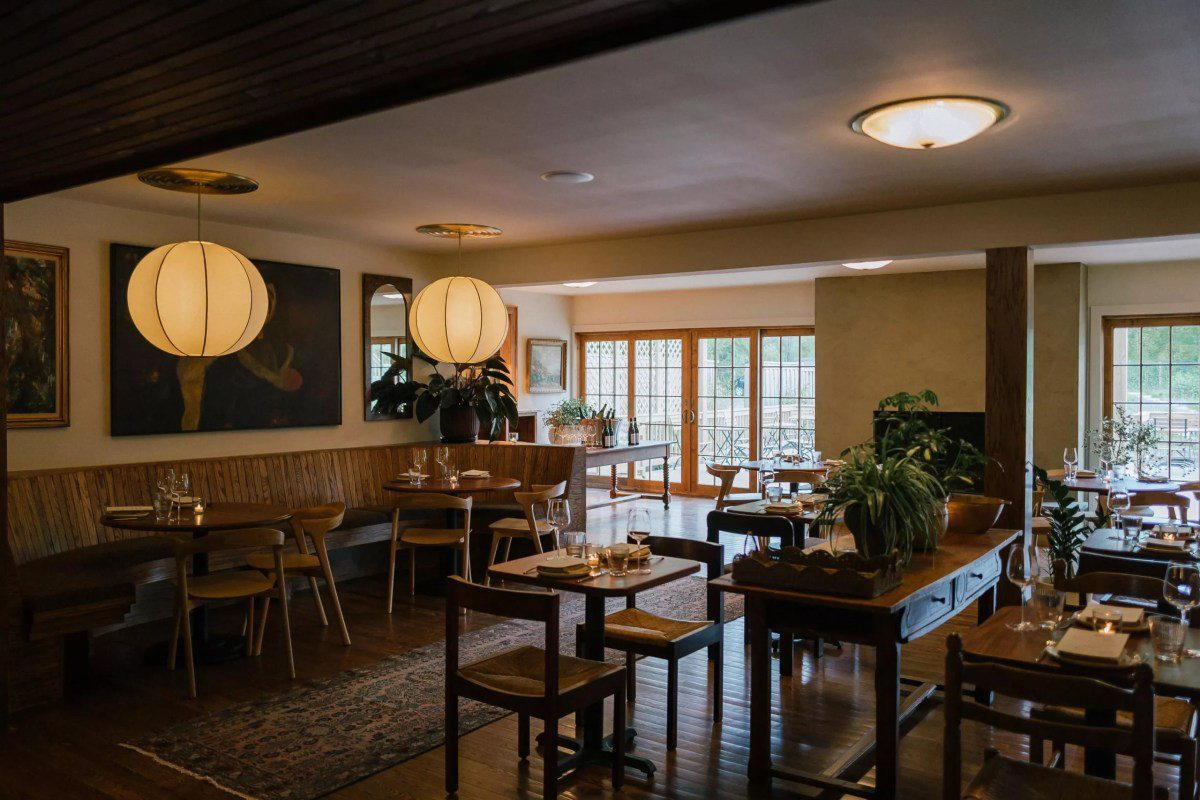
Properties that have made food a structural part of their identity in comparable American rural settings include Blackberry Farm in Walland, where the farm-to-table relationship is literal and the wine program reflects years of serious cellar investment, and SingleThread Farm Inn in Healdsburg, which integrates its own farm into a three-Michelin-star restaurant format. Scribner's operates at a different scale and with different ambitions, but the broader point about artisanal fare as a defining characteristic of the contemporary American nature lodge is shared across all of them.
Four Seasons, One Mountain
Hunter Mountain's ski area makes the lodge viable as a winter destination in a way that many Catskill properties are not. The ski season typically runs from late November through March, subject to snowmaking capacity and natural conditions, which means the lodge operates across genuinely distinct seasonal modes rather than relying on summer hiking traffic alone. This four-season accessibility places it in a different planning conversation than warmer-climate retreats like Little Palm Island in Little Torch Key or Kona Village in Kailua Kona, where seasonality is about humidity and hurricane windows rather than snow depth.
Fall is the competitive peak. The Catskills' foliage window, typically running from late September through mid-October, drives significant demand from the New York metropolitan area, and properties along Route 23A see their highest booking pressure during that period. Spring, by contrast, is the Catskills' least visited season, which makes it the most practical entry point for travelers who want the terrain without the weekend traffic from the city.
The relevant comparison set for Scribner's is not the large urban luxury hotel, not The Fifth Avenue Hotel in New York City, not Raffles Boston, not Aman New York. In that frame, Troutbeck in Amenia is the closest geographical comparison; Alpine Falls Ranch in Superior and Bernardus Lodge in Carmel Valley share the format logic from different regional contexts. Canyon Ranch in Tucson represents what happens when wellness becomes the primary organizing principle rather than design or food.
What Scribner's represents in the Catskills context specifically is a maturation of the region's hospitality offer. The mountains spent decades in a holding pattern between the faded resort era and the farm-to-table weekend getaway wave. The current generation of properties, Scribner's among them, is attempting something more durable: a design-led, food-serious lodge format that takes the landscape as a given and builds an interior proposition strong enough to hold attention when the weather does not cooperate. For more on what Hunter Mountain and its surrounding area offer at the restaurant and experience level, see our full Hunter Mountain restaurants guide.
Planning Considerations
The lodge is located at 13 Scribner Hollow Road in Hunter Mountain, New York 12442, accessible from New York City via the New York State Thruway to exit 20 (Saugerties), then Route 32 north and Route 23A west, a drive of roughly two and a half to three hours depending on traffic and departure point. Weekend bookings during ski season and fall foliage require significant lead time; midweek stays in winter and spring represent the most accessible entry points. For travelers comparing mountain-adjacent luxury options at a greater distance from New York, Four Seasons at The Surf Club in Surfside, Hotel Bel-Air in Los Angeles, and Auberge du Soleil in Napa occupy adjacent positions in the premium American leisure market, each with a different relationship between landscape and interior proposition. Closer to the design-and-nature axis that defines Scribner's category, 1 Hotel San Francisco, Chicago Athletic Association, Bowie House in Fort Worth, Badrutt's Palace in St. Moritz, and Aman Venice round out the broader luxury lodge and design-hotel conversation for readers building a comparison framework.
How Scribner's Catskill Lodge compares with similar nearby venues.
| Venue | Awards |
|---|---|
| Scribner’s Catskill Lodge | 2026 Design Hotels Member - Scribner’s Catskill Lodge |
Recognition history
Dated appearances from independent guides and award organizations, with the underlying list record or original source where available.
Design Hotels Member
Design Hotels
Continue exploring
More in Hunter Mountain
Hotels in Hunter Mountain
Browse all →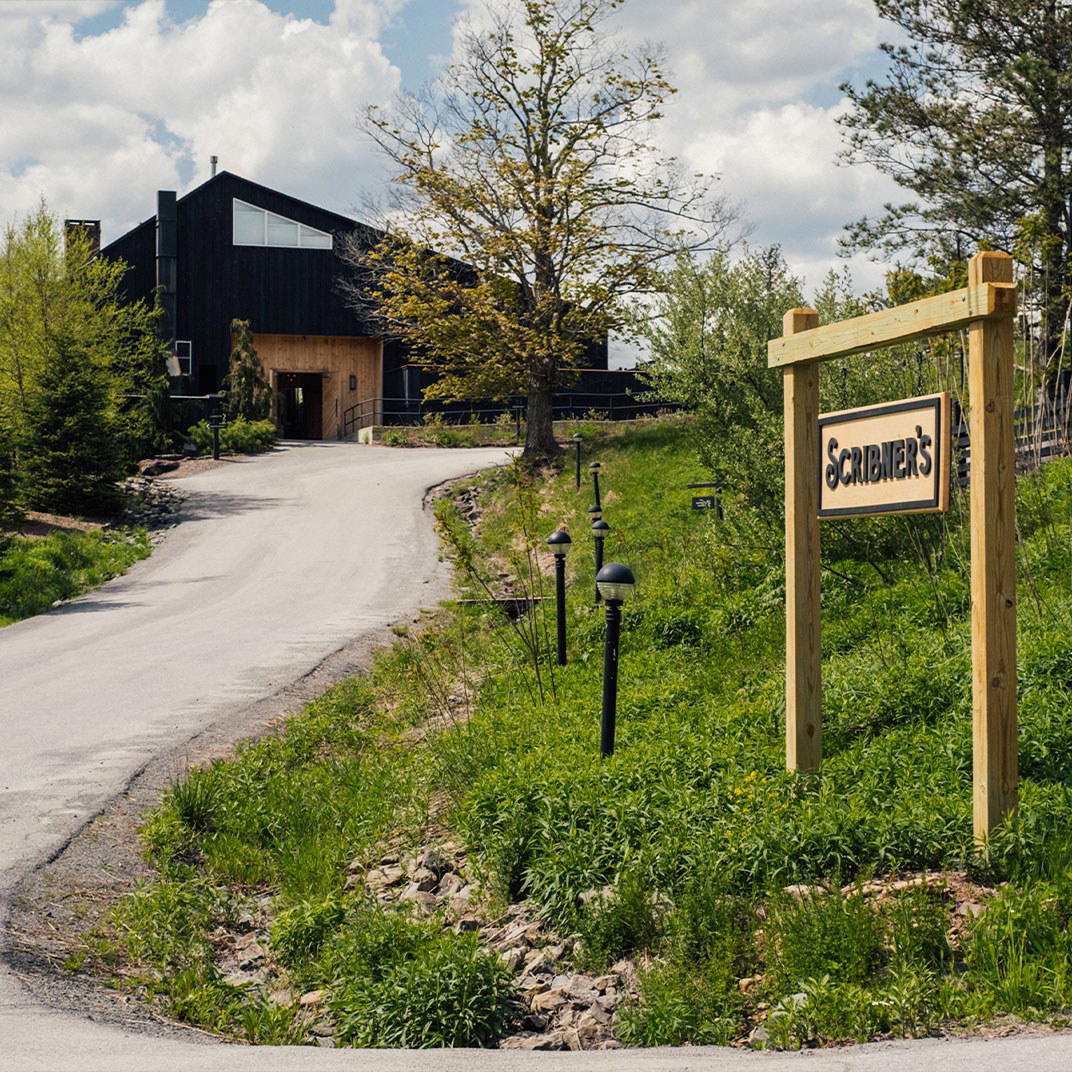
Bars in Hunter Mountain
Browse all →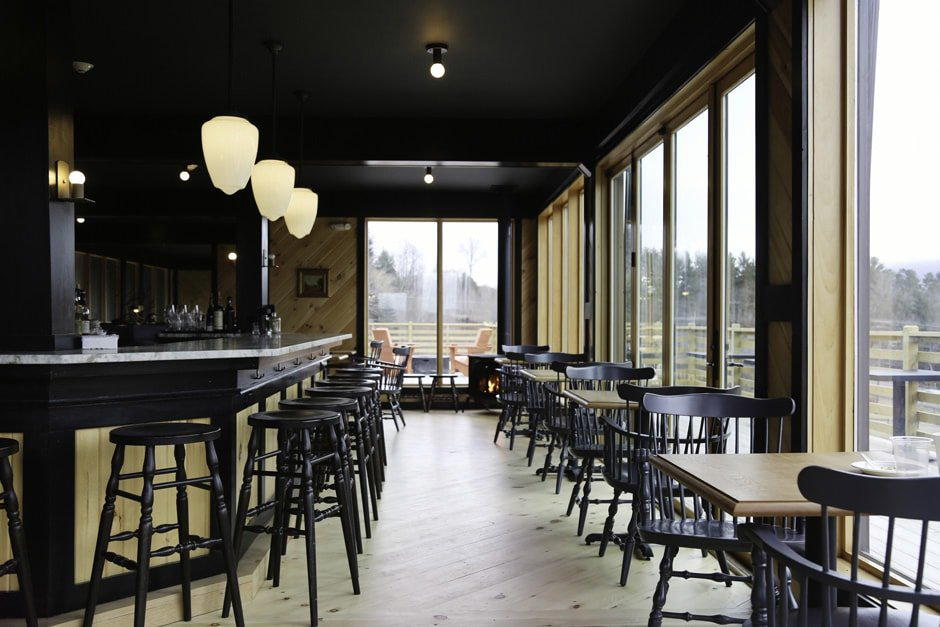
Restaurants in Hunter Mountain
Browse all →
Wineries in Hunter Mountain
Browse all →
At a Glance
- Rustic
- Cozy
- Modern
- Scenic
- Romantic Getaway
- Weekend Escape
- Family Vacation
- Panoramic View
- Ski In Ski Out
- Wi Fi
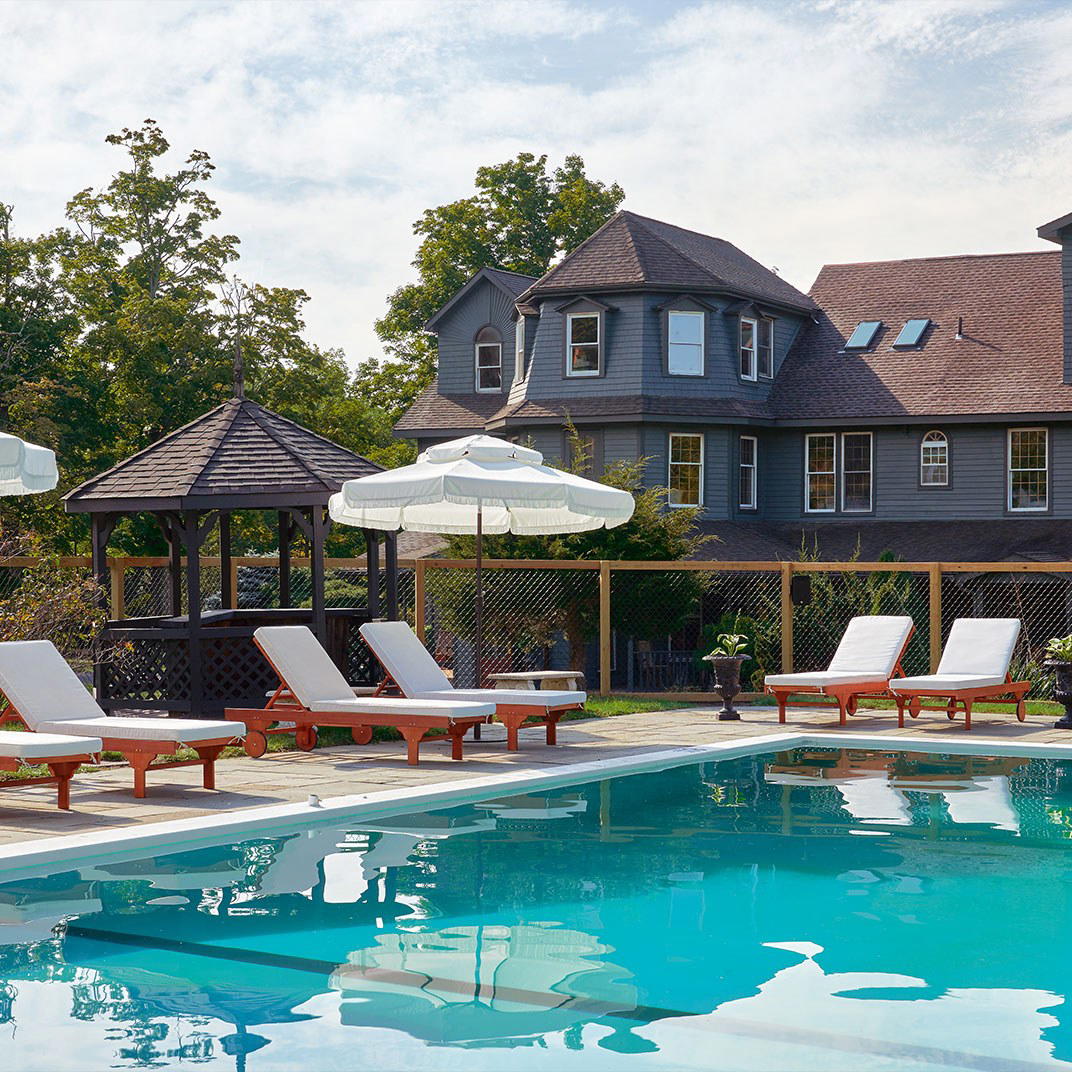
- Pool
- Sauna
- Fitness Center
- Restaurant
- EV Charging
- Mountain
- Wi Fi
- Pool
- Sauna
- Fitness Center
- Restaurant
- EV Charging
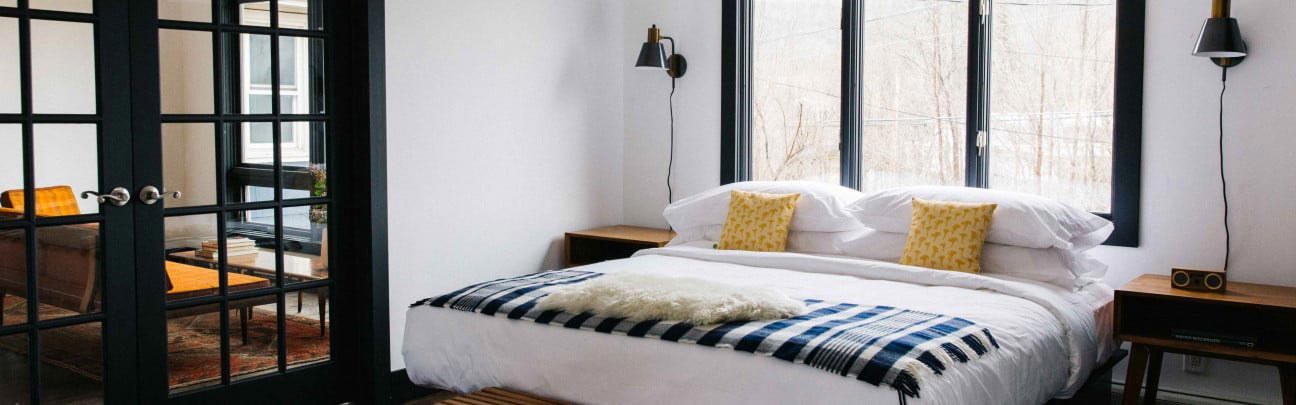
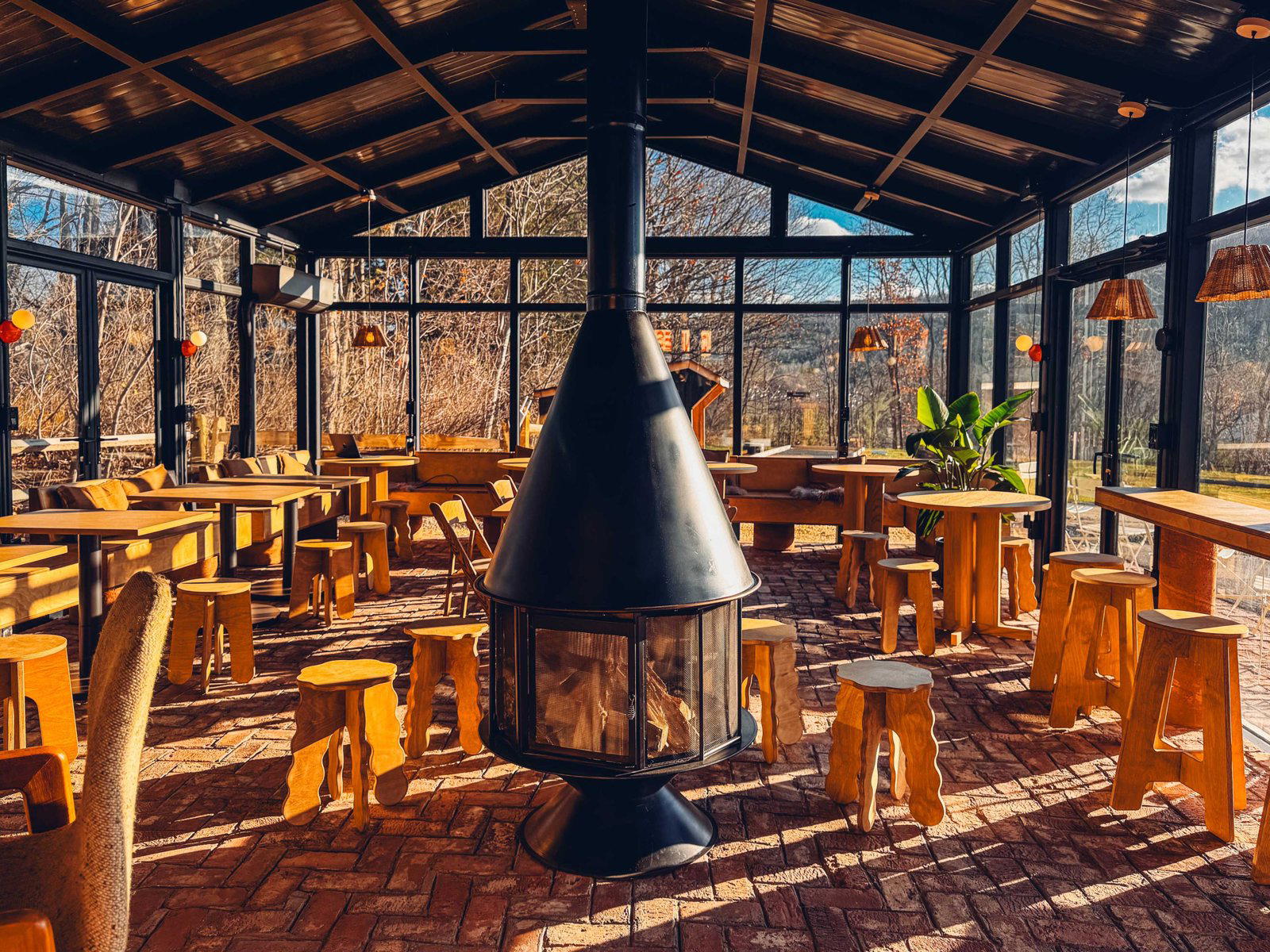
Cozy atmosphere with central fireplaces, warm lighting from wood-burning fires, and relaxed mountain retreat vibes enhanced by vintage rugs and artisanal details.
Know Before You Go
- Getting there
- 13 Scribner Hollow Rd, Hunter Mountain 12442, USA