sala khaoyai

Michelin Selected
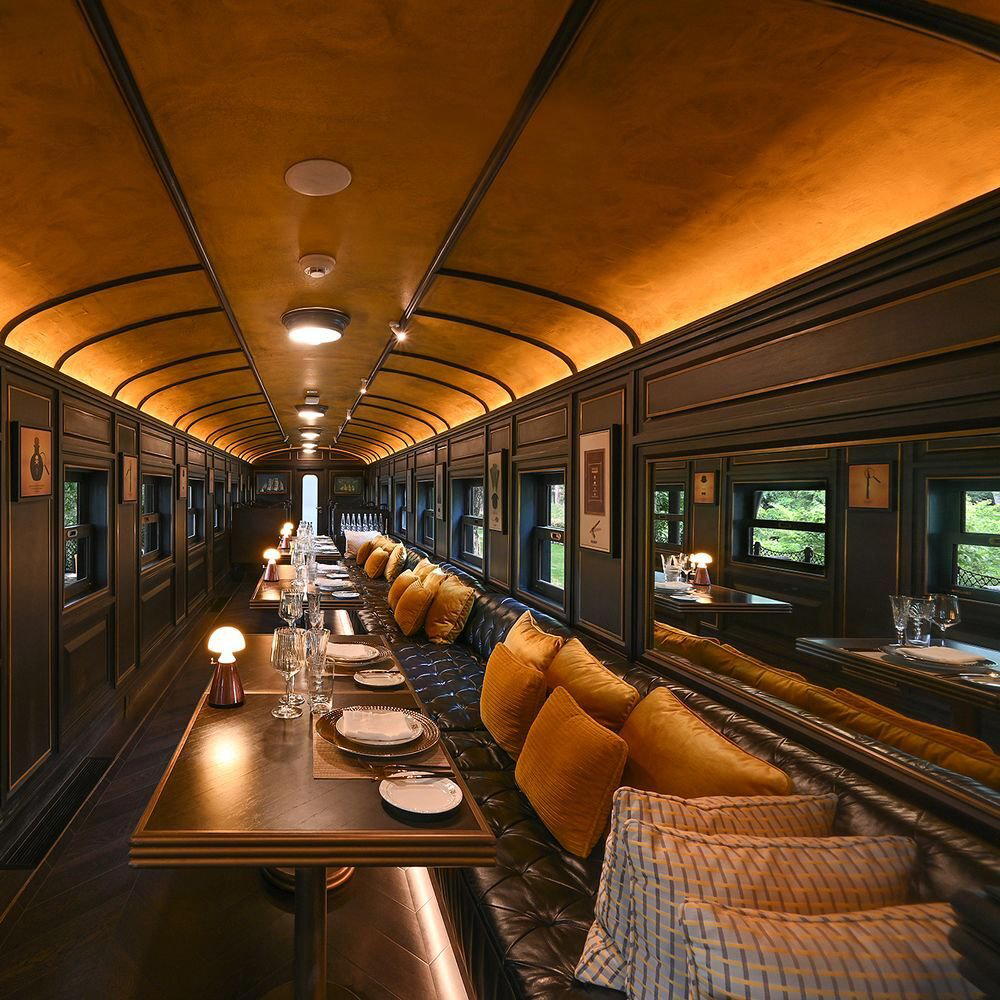
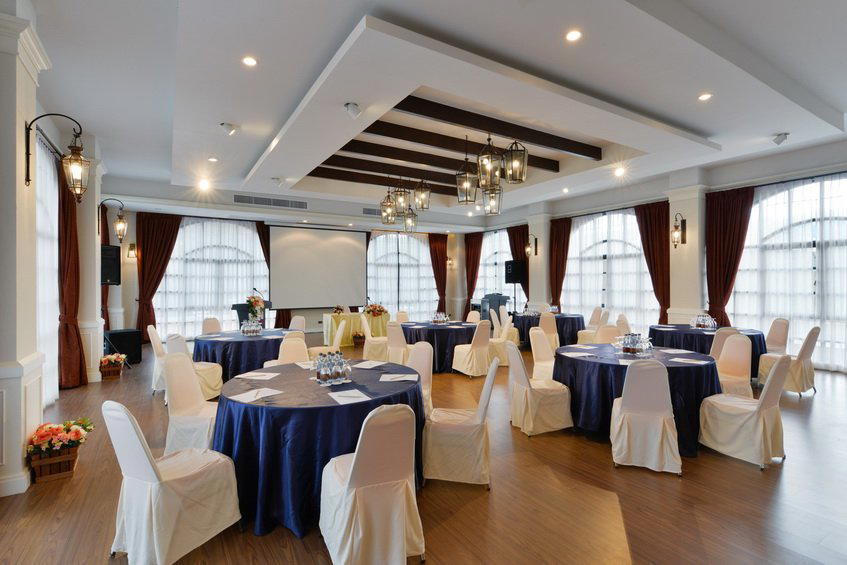
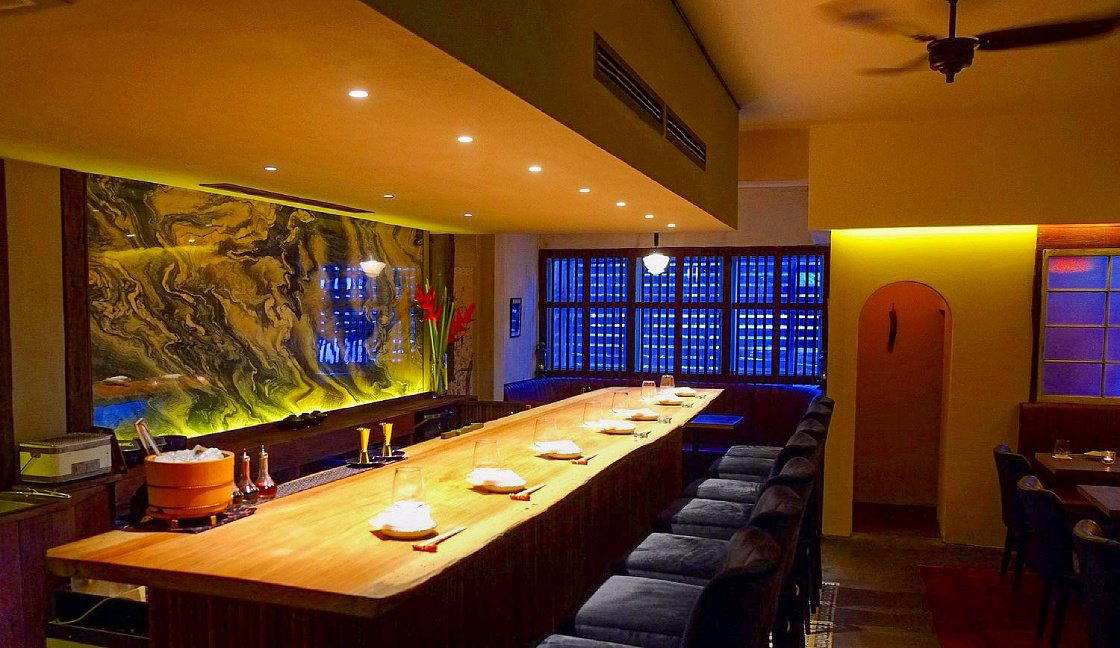
Sala Khaoyai sits in Pak Chong, the gateway district to Khao Yai National Park, and carries a 2025 MICHELIN Selected distinction — placing it among a small cohort of recognised properties in one of Thailand's most visited natural corridors. The property represents the design-led, nature-integrated approach that has come to define premium accommodation along this stretch of Nakhon Ratchasima province.

Pearl is the En Primeur Club membership app — saves, bookings, and concierge access live there. Same editors, same standards.
- Address
- 99 Moo 11, Wangkata Pong Ta Long, Pak Chong District, Nakhon Ratchasima 30130, Thailand
- Phone
- +66 44 009 950
- Website
- salahospitality.com
- Directions
- Get directions
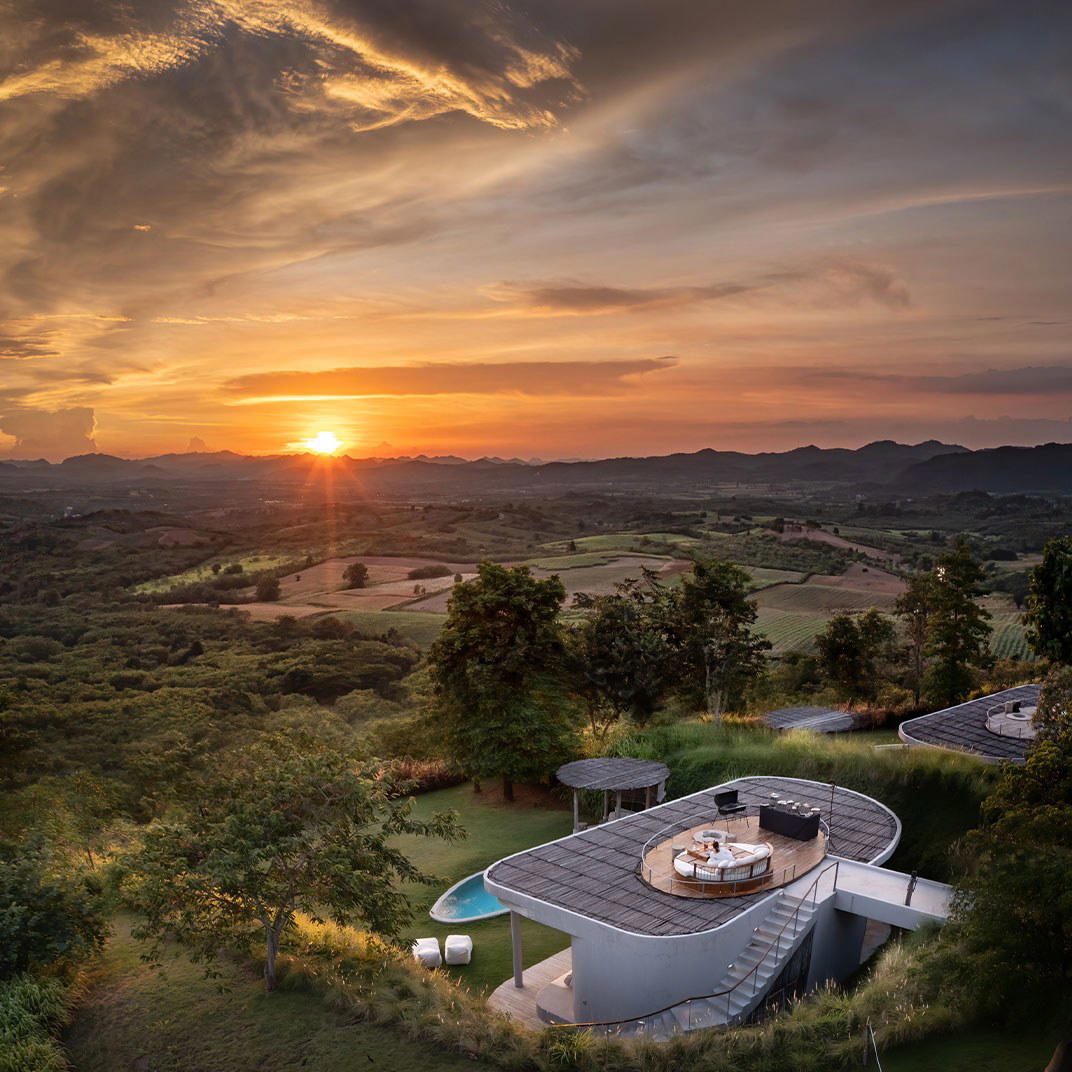
Where the Forest Dictates the Architecture
The road into Pak Chong, Nakhon Ratchasima's gateway to Khao Yai National Park, passes through a landscape that shifts almost imperceptibly from highway commerce to something greener and cooler. Elevation climbs, roadside stalls selling fresh fruit give way to tree cover, and the air carries a different weight. Sala Khaoyai sits within this transition zone, at 99 Moo 11, Wangkata Pong Ta Long — an address that signals remoteness from central Nakorn Ratchasima but proximity to one of Southeast Asia's most biodiverse national parks, a UNESCO World Heritage site since 2005.
The property belongs to a category of Thai accommodation that has grown more defined over the past decade: resort hotels positioned not as destinations in themselves but as considered frames for a specific natural environment. The design logic here is the same that governs properties like Keemala in Phuket or Soneva Kiri in Trat — where the surrounding ecosystem is the primary draw and the built environment is asked not to compete with it, but to make it legible and comfortable.
The Design Approach Along the Khao Yai Corridor
Khao Yai has attracted a particular kind of property developer over the past fifteen years. Unlike the beach resort model that dominates southern Thailand, this region rewards a different aesthetic sensibility. There are no long white corridors, no ocean-view infinity pools calibrated for social media. What works here, what the site demands, tends toward horizontal structures, natural materials, and a restrained material palette that reads against a forested backdrop rather than an open horizon.
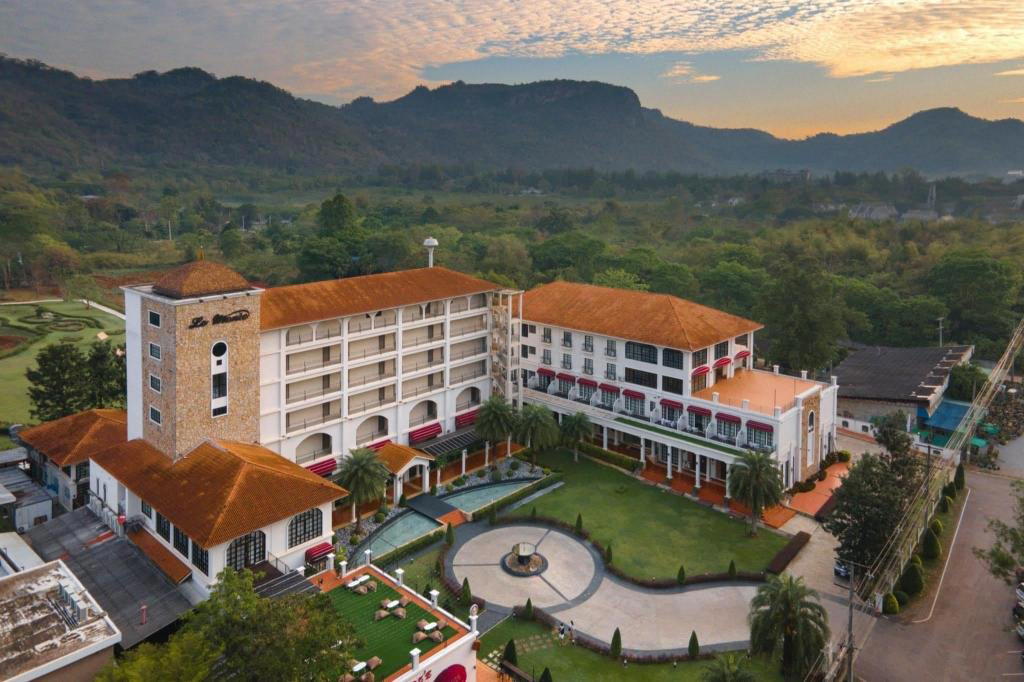
The sala brand, which operates across several Thai destinations, has consistently applied this reading of context. The approach places sala khaoyai in the same general tier as Le Monte Hotel Khao Yai in Pakchong, another Michelin-recognised property in the same district, evidence that Pak Chong's premium accommodation sector, though smaller and less internationally profiled than Phuket or Chiang Mai, has developed genuine quality credentials. For comparison, flagship properties in other Thai regions, such as Four Seasons Resort Chiang Mai or Phulay Bay, A Ritz-Carlton Reserve in Krabi, operate at scale and international-brand recognition that sala khaoyai does not attempt to match, nor does it need to, given its different competitive context.
Recognition and What It Signals
The 2025 MICHELIN Selected distinction for sala khaoyai, listed in the Michelin Guide's hotels and stays category for Nakorn Ratchasima, places it in a tier below the formal star hierarchy but within the guide's curated shortlist of properties worth recommending. MICHELIN Selected is not a consolation category; it reflects a specific evaluation of guest experience, physical condition, and service consistency. For a region that does not generate the guide's headline coverage, inclusion is a meaningful signal about where the property sits relative to its regional peers.
Thailand's MICHELIN hotel selections have historically been weighted toward Bangkok, see the long-standing recognition of Mandarin Oriental Bangkok, and toward the major southern resort markets. Properties in the northeast, including Nakhon Ratchasima province, represent a smaller subset of the guide's total selections, which makes sala khaoyai's presence in the 2025 list a more pointed editorial choice than the same recognition would be in Phuket or Koh Samui.
Getting to Pak Chong and Timing Your Visit
Pak Chong sits approximately 200 kilometres northeast of Bangkok, making it accessible by road in two to three hours depending on traffic, or by rail from Hua Lamphong and Krung Thep Aphiwat (Bang Sue Grand) stations on the northeastern line. The journey is a practical option for Bangkok-based travellers seeking a weekend format: close enough to reach on a Friday afternoon, far enough to feel genuinely removed from the city.
The Khao Yai area is most visited between November and February, when temperatures are cooler and park wildlife activity is higher. The rainy season, roughly June through October, brings lush vegetation but also heavier park closures and wildlife trail restrictions. For a design-led stay where the setting is central to the experience, the dry-cool months reward the most: clearer mornings, lower humidity, and the kind of light that makes forested architecture read at its finest.
For travellers comparing options across Thailand's inland nature destinations, the Khao Yai corridor sits in a different register from the river experiences offered by properties like The Xcape River Kwai in Mueang Kanchanaburi, or from the northern mountain formats represented by Onsen at Moncham in Mae Rim. Each offers a distinct ecological context; Khao Yai's designation as part of the Dong Phayayen-Khao Yai Forest Complex carries its own draw for travellers motivated by serious natural heritage.
Sala Khaoyai in the Broader Thai Boutique Tier
Thailand's boutique hotel market has stratified over the past decade. At the upper end sit international-brand properties and large private villa compounds, places like Samujana Villas in Koh Samui or Sri Panwa Phuket, that compete on pool-villa format and coastal position. Below that sits a mid-tier that has expanded considerably, with strong coastal representation from properties like InterContinental Hua Hin Resort and Veranda Pattaya.
Sala khaoyai sits in the local design-led tier within that broader picture, a category that prioritises site-specificity and editorial coherence over scale or brand infrastructure. Its Michelin recognition separates it from the mass of properties along the Pak Chong road that serve the national park visitor market without any independent quality validation. It is not competing with Anantara Golden Triangle or Pimalai Resort in Koh Lanta on their terms; it is making a different argument about what a well-made regional property should do.
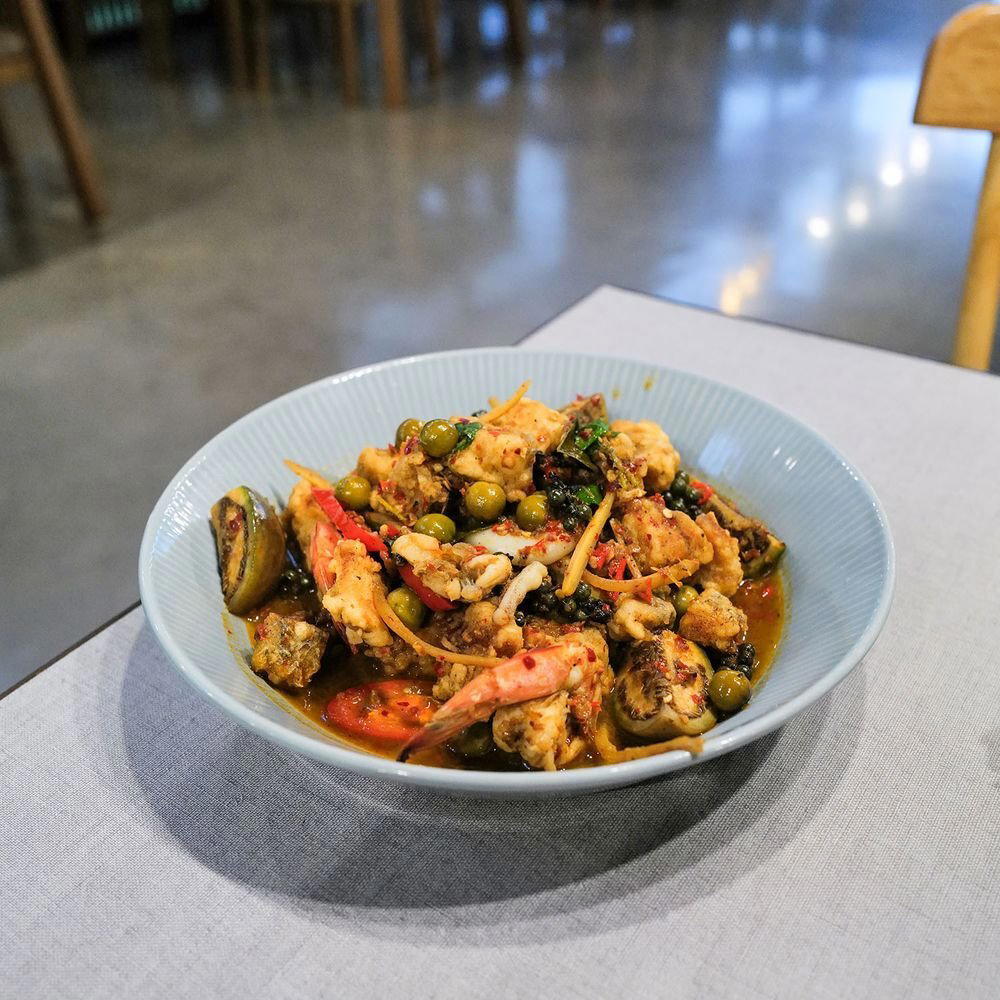
For travellers who have exhausted the coastal circuit and are looking for inland Thailand beyond Chiang Mai, the Khao Yai stretch, anchored by properties like sala khaoyai, represents a coherent alternative: fewer crowds, a genuine national park on the doorstep, and accommodation that has earned independent critical attention. Our full Nakorn Ratchasima guide covers the broader region in depth, including food, day trips, and how to sequence a visit around park access timings.
Comparable Spots, Quickly
| Venue | Price | Awards |
|---|---|---|
| sala khaoyaiThis venue — the venue you are viewing | Not listed | Michelin Selected |
| Mandarin Oriental Bangkok | $500–750 | 3 Michelin Keys · World's 50 Best #10 |
| Capella Bangkok | Not listed | 3 Michelin Keys · World's 50 Best #2 |
| Rosewood Bangkok | $200–300 | 2 Michelin Keys · Michelin Guide New Hotels New Hotel |
| Soneva Kiri | $2,500+ | 3 Michelin Keys |
| Amanpuri | $1,000–1,500 | 3 Michelin Keys · La Liste Top Hotels |
Recognition history
Dated appearances from independent guides and award organizations, with the underlying list record or original source where available.
Michelin Selected
Michelin
Continue exploring
More in Nakorn Ratchasima
Hotels in Nakorn Ratchasima
Browse all →
Details
- Scenic
- Quiet
- Intimate
- Romantic
- Sophisticated
- Romantic Getaway
- Family Vacation
- Weekend Escape
- Destination Wedding
- Anniversary
- Honeymoon
- Private Villa
- Infinity Pool
- Private Dining
- Panoramic View
- Pool
- Spa
- Room Service
- Concierge
- Mountain
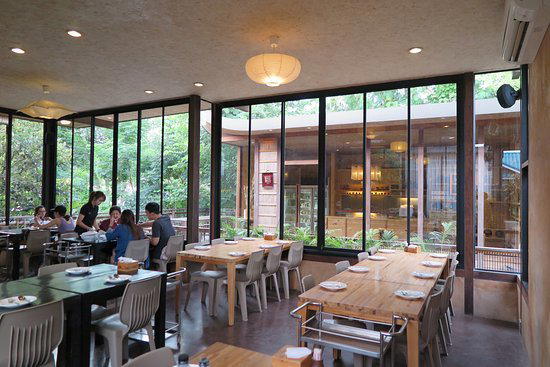
Quiet, secluded, and scenic, with a design-forward atmosphere shaped by hilltop views, natural light, and open-air spaces that emphasize relaxation and privacy.