

Set on St Lucia's oldest cocoa farm in the hills above Soufriere, Rabot Hotel from Hotel Chocolat places cacao at the centre of everything, from the cuisine to the treatments to the architecture. The British chocolate firm has converted Rabot Estate into a working plantation hotel where the crop grown on the hillside is the ingredient on your plate and in your glass. For travellers who want provenance they can actually walk through, this is a distinctive proposition in the southern Caribbean.
Pearl is the En Primeur Club membership app — saves, bookings, and concierge access live there. Same editors, same standards.
- Address
- Rabot Estate, Soufriere N/A, Saint-Lucia
- Phone
- +1 758 572 9600
- Directions
- Get directions
 Saves & bookings on Pearl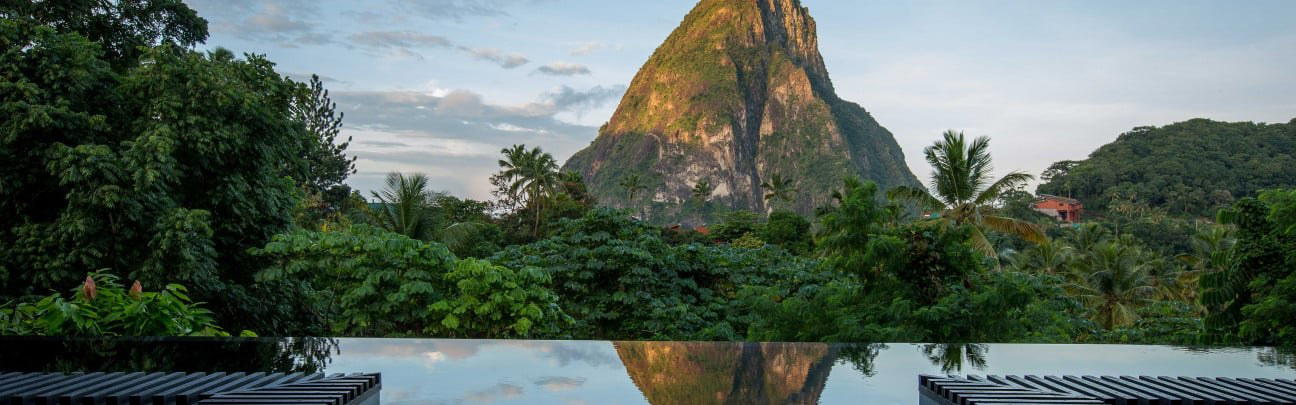
Where the Plantation Is the Point
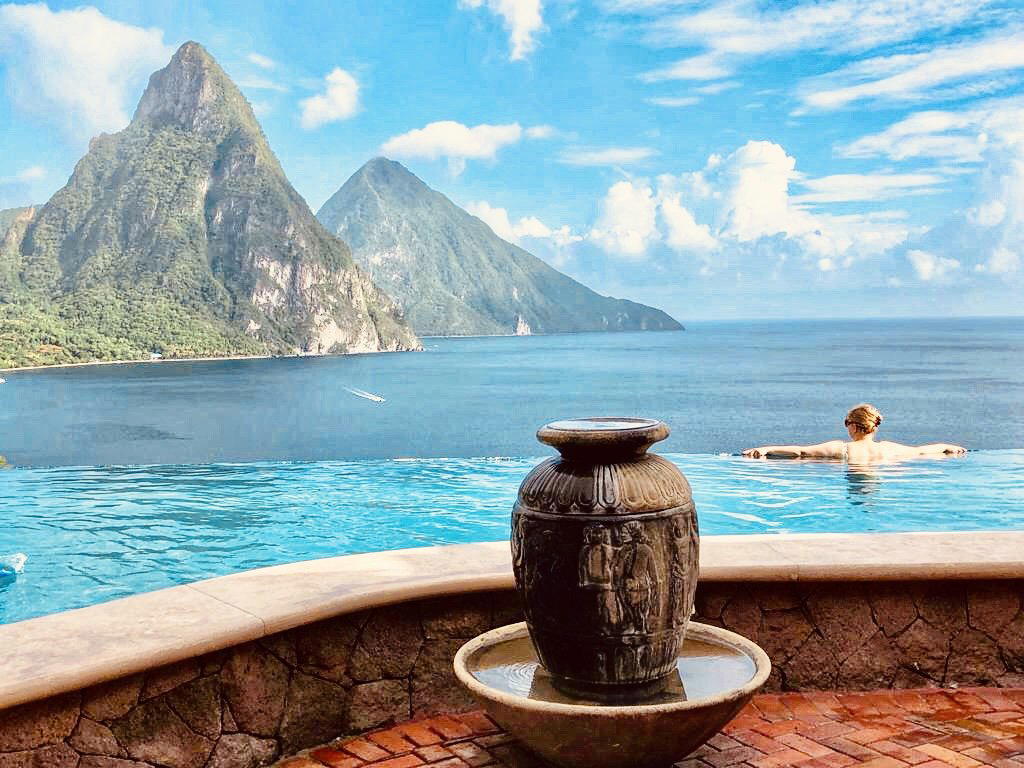
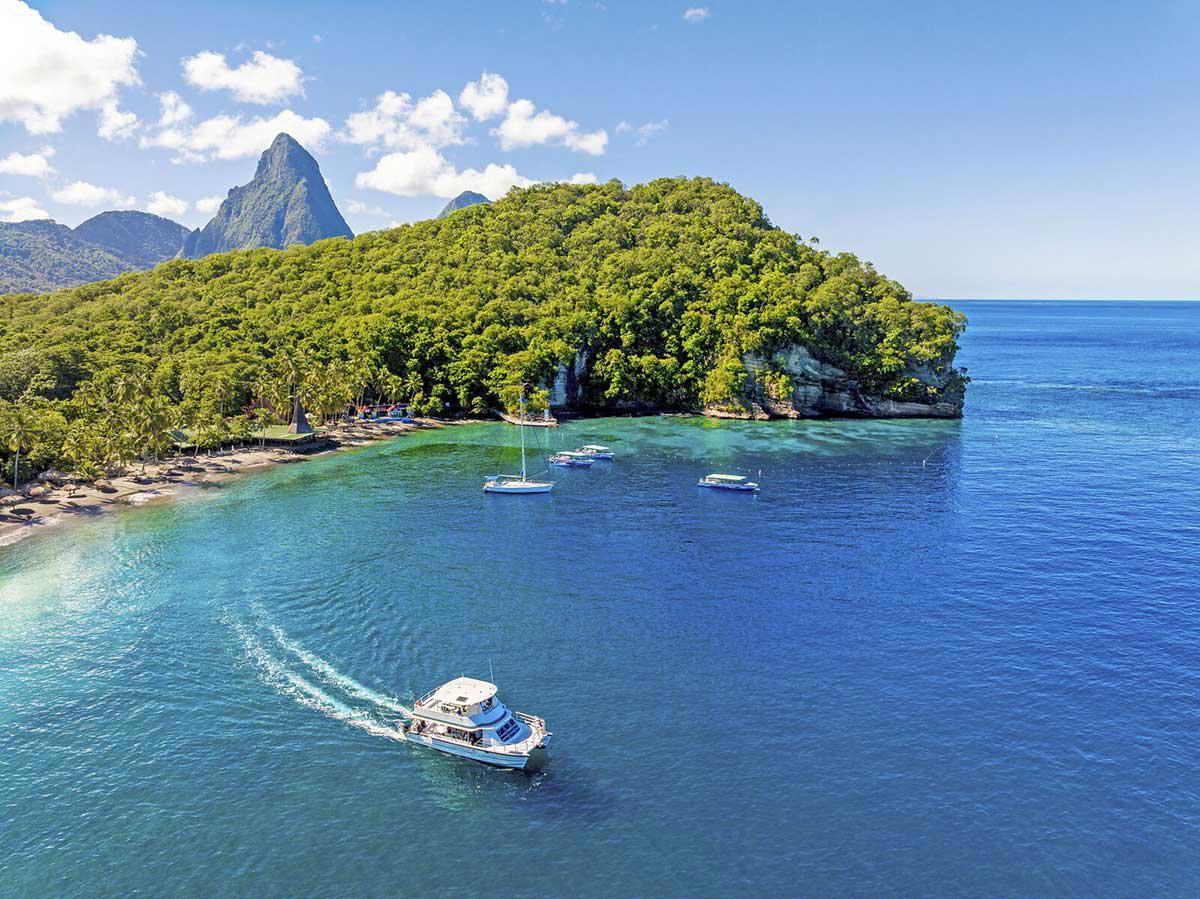
The southern end of St Lucia has always attracted a particular kind of hotel: properties that use the Piton backdrop as their primary selling proposition, where the volcanic landscape does most of the atmospheric work. Rabot Hotel from Hotel Chocolat operates on a different logic. The estate sits in the hills above Soufriere on land that has grown cacao since the 18th century, making it the island's oldest working cocoa farm. The physical environment here is not a backdrop — it is the subject. Guests arrive through working plantation grounds, with cacao trees producing the pods that feed directly into the hotel's food and drink programme. That level of farm-to-table integration is rare anywhere in the Caribbean, and in St Lucia it occupies an entirely different tier from the standard luxury resort formula.
The broader category of brand-led hospitality has expanded considerably in the past decade, with fashion houses, food companies, and lifestyle brands all converting their equity into accommodation. Hotel Chocolat's approach at Rabot is more operationally grounded than most. The estate is not themed around chocolate as a novelty — it is a functioning agricultural property where the crop is traceable and the culinary programme is built around it with genuine depth. That distinction matters when assessing where this property sits relative to peers like Ladera Resort or Caille Blanc Villa and Hotel, both of which offer strong Piton views and design-led accommodation but without the agricultural integration that defines Rabot's identity.
The Guest Experience: Cacao as a Through-Line
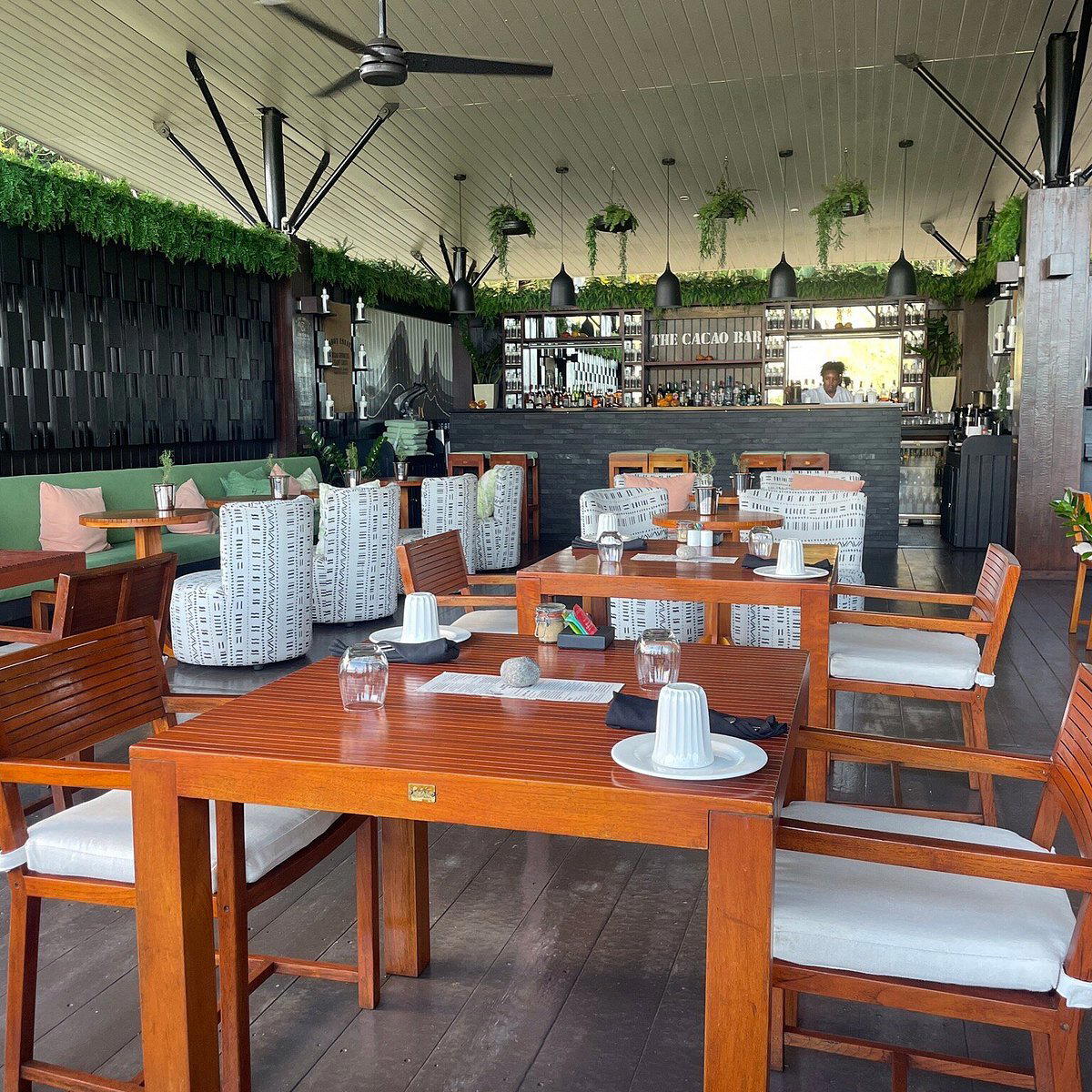
In estate hotels built around a single ingredient, the test is always whether that ingredient feels like a genuine thread running through the stay or a marketing overlay dropped onto a conventional hotel experience. At Rabot, cacao works through multiple contact points: the kitchen, the bar, the spa treatments, and the plantation walks that form part of the property's structured programming. The cuisine draws directly from the estate's production, with cacao in its various forms appearing across both savoury and sweet applications. Cacao-based spa treatments add a physical dimension that extends the ingredient beyond the dining room.
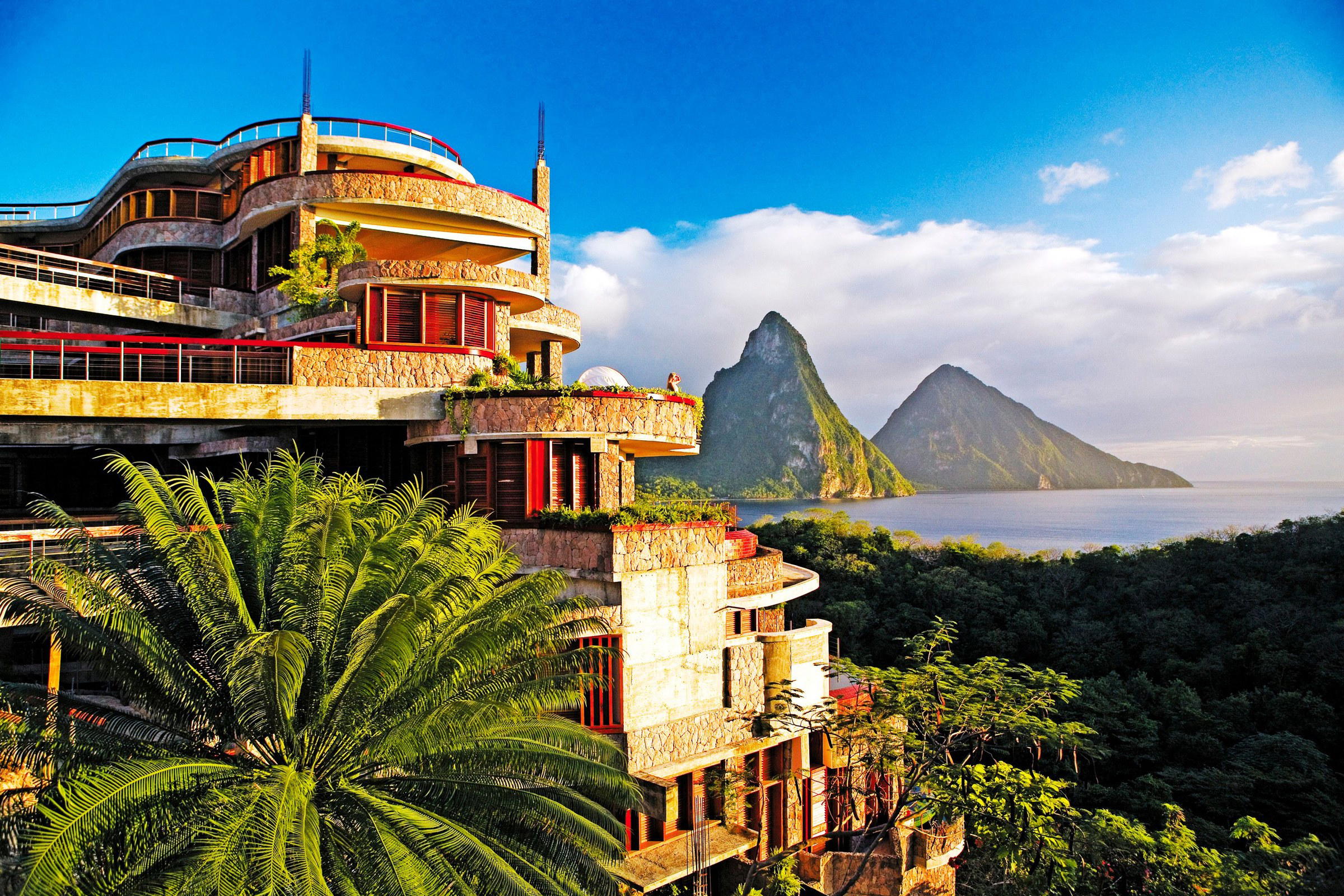
Service in properties of this type tends to reflect the depth of the brand's commitment. Where the concept is operationally integrated rather than decoratively applied, staff knowledge follows. At Rabot, the expectation is that the team can speak to the cacao growing cycle, the estate's history, and the translation from pod to plate with the kind of specificity that comes from working within that system rather than simply narrating it. For guests who engage with that knowledge base, the stay gains a layer of educational depth that distinguishes it from conventional luxury accommodation across the island, including larger-scale resorts such as Jade Mountain Resort or Calabash Cove Resort and Spa.
The Soufriere Context
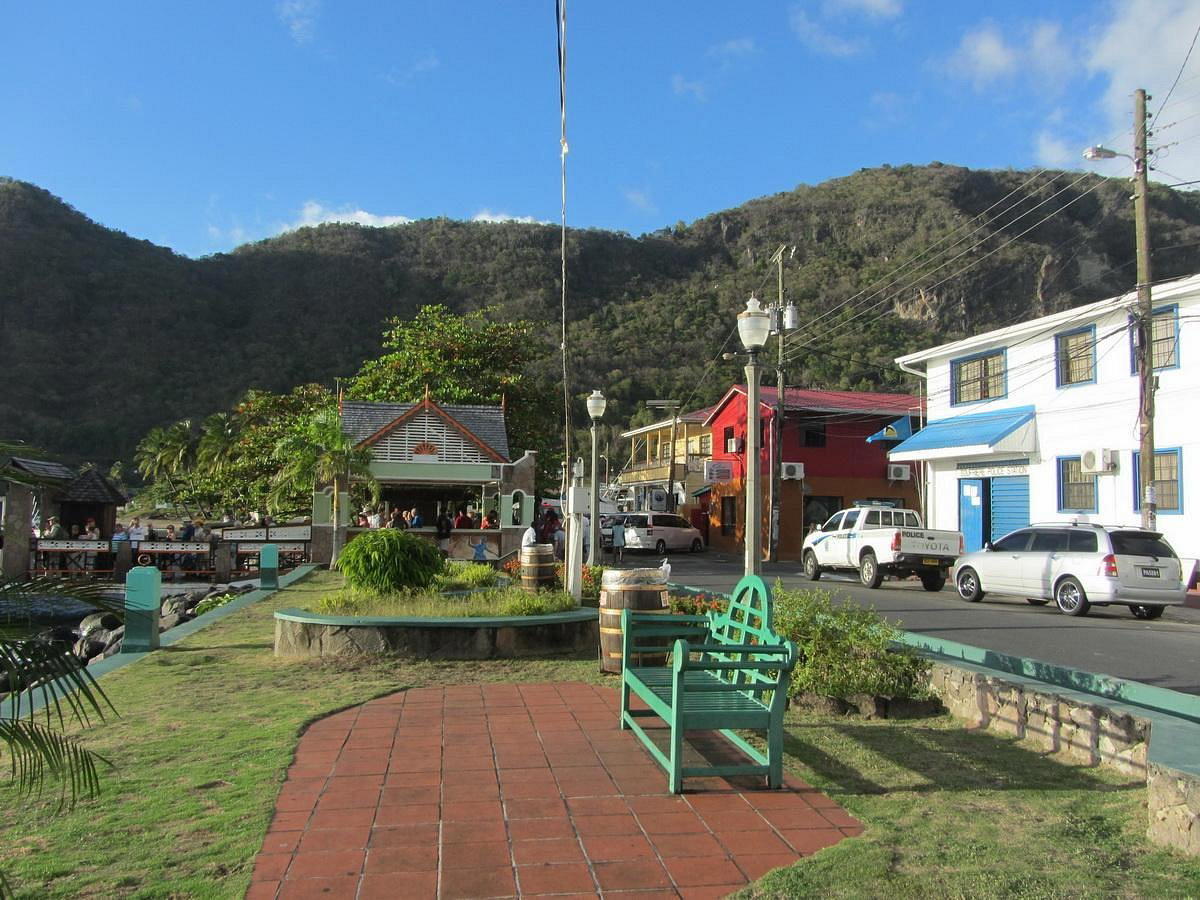
Soufriere is the most historically layered town in St Lucia. French colonial architecture, the drive-in volcano at Sulphur Springs, the Diamond Botanical Gardens, and the immediate proximity of both Gros Piton and Petit Piton give the area a density of interest that the northern resort corridor around Gros Islet and Cap Estate does not replicate. Properties along the north, including Harbor Club St. Lucia and BodyHoliday in Cap Estate, trade on beach access and proximity to Rodney Bay's infrastructure. Soufriere trades on landscape and character.
For guests choosing between the island's two primary zones, the southern choice involves a longer transfer from Hewanorra International Airport than from the north, though the journey by road passes through some of the island's most dramatic scenery. Helicopter transfers are available from the airport and cut the journey significantly, a practical consideration worth building into any planning budget. The town of Soufriere itself provides enough local context, from the Saturday market to the fishing harbour, that guests willing to engage with it gain a more textured experience of St Lucian life than the northern resort strip typically affords. Our full Soufriere restaurants and hotels guide covers the town and its surroundings in more detail.
Planning a Stay
St Lucia's dry season runs broadly from December through April, which is when the island draws its heaviest visitor volume and rates at most properties reach their annual peak. The shoulder months of May and November offer more available inventory and more moderate pricing without the significant weather compromises that the August-to-October peak hurricane period can bring. For a property like Rabot, where the outdoor plantation experience forms a central part of the offer, the dry season months give the leading conditions for estate walks and outdoor dining.
Booking lead times in this tier of St Lucian accommodation are meaningful during high season. Properties of comparable positioning, from Ti Kaye Resort and Spa to Zoetry Marigot Bay, regularly fill their December-to-April allocation several months in advance. Approaching Rabot with a similar timeline is the appropriate frame. Contact via the Hotel Chocolat website is the most direct route to reservations and current rate information, as published rates shift with season and package configuration.
Guests positioning Rabot within a wider Caribbean itinerary will find the Soufriere area pairs naturally with a northern St Lucia stay. The island is compact enough that splitting time between zones is operationally direct and gives access to both the cultural depth of the south and the beach infrastructure of the north. For those extending beyond St Lucia entirely, other island properties in the EP Club portfolio, including Windjammer Landing Resort and Residences in Castries and BodyHoliday Saint Lucia, provide useful regional comparisons across different formats and price points.
How Rabot Fits Within the Wider Luxury Hotel Conversation
The category of estate-based brand hotels, where a company's primary product becomes the architectural and experiential organising principle of a property, remains relatively small. Most brand-led hotels operate at the fashion or spirits end of the market, where the connection to a consumable product is looser. Hotel Chocolat's approach at Rabot is more literal and arguably more committed: the cacao growing on the estate is the raw material for what guests eat and drink during their stay. That vertical integration is the property's clearest differentiator within St Lucia's premium accommodation tier.
Compared to design-driven properties at this level globally, from Castello di Reschio in Umbria to Hotel Esencia in Tulum, Rabot operates in a more modest register in terms of room count and infrastructure scale. What it offers instead is specificity: a single compelling idea, executed with agricultural seriousness on a site with genuine historical roots. For travellers who have covered the larger-canvas Caribbean luxury options and are looking for something with a tighter conceptual focus, Rabot's proposition is considerably more pointed than most of what the island offers.
Recognition history
Dated appearances from independent guides and award organizations, with the underlying list record or original source where available.
Design Hotels Member
Design Hotels
Mr & Mrs Smith Smith Seal of Approval
Mr & Mrs Smith
Michelin Selected
Michelin
At a Glance
- Romantic
- Scenic
- Elegant
- Intimate
- Sophisticated
- Honeymoon
- Romantic Getaway
- Anniversary
- Wellness Retreat
- Weekend Escape
- Infinity Pool
- Panoramic View
- Garden
- Terrace
- Private Dining
- Wi Fi
- Pool
- Spa
- Room Service
- Concierge
- Breakfast Included
- Beach Access
- Mountain
- Garden
- Wi Fi
- Pool
- Spa
- Room Service
- Concierge
- Breakfast Included
- Beach Access
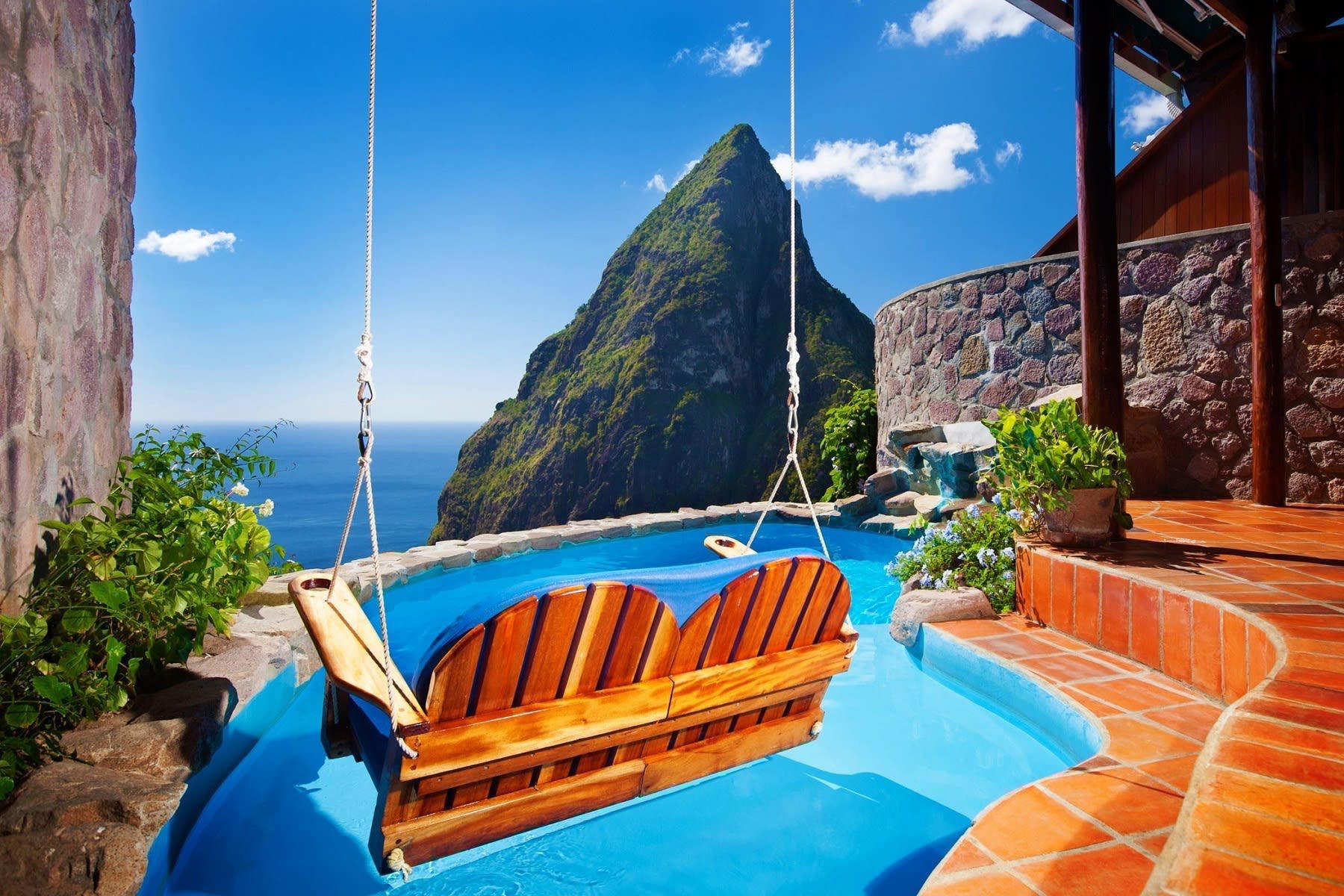
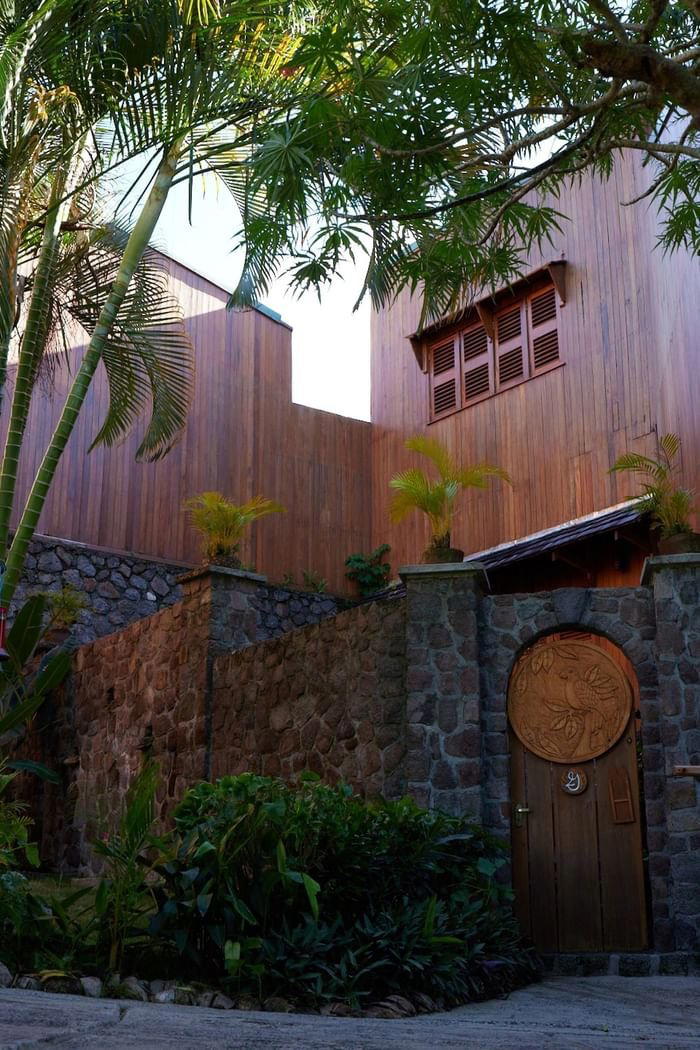
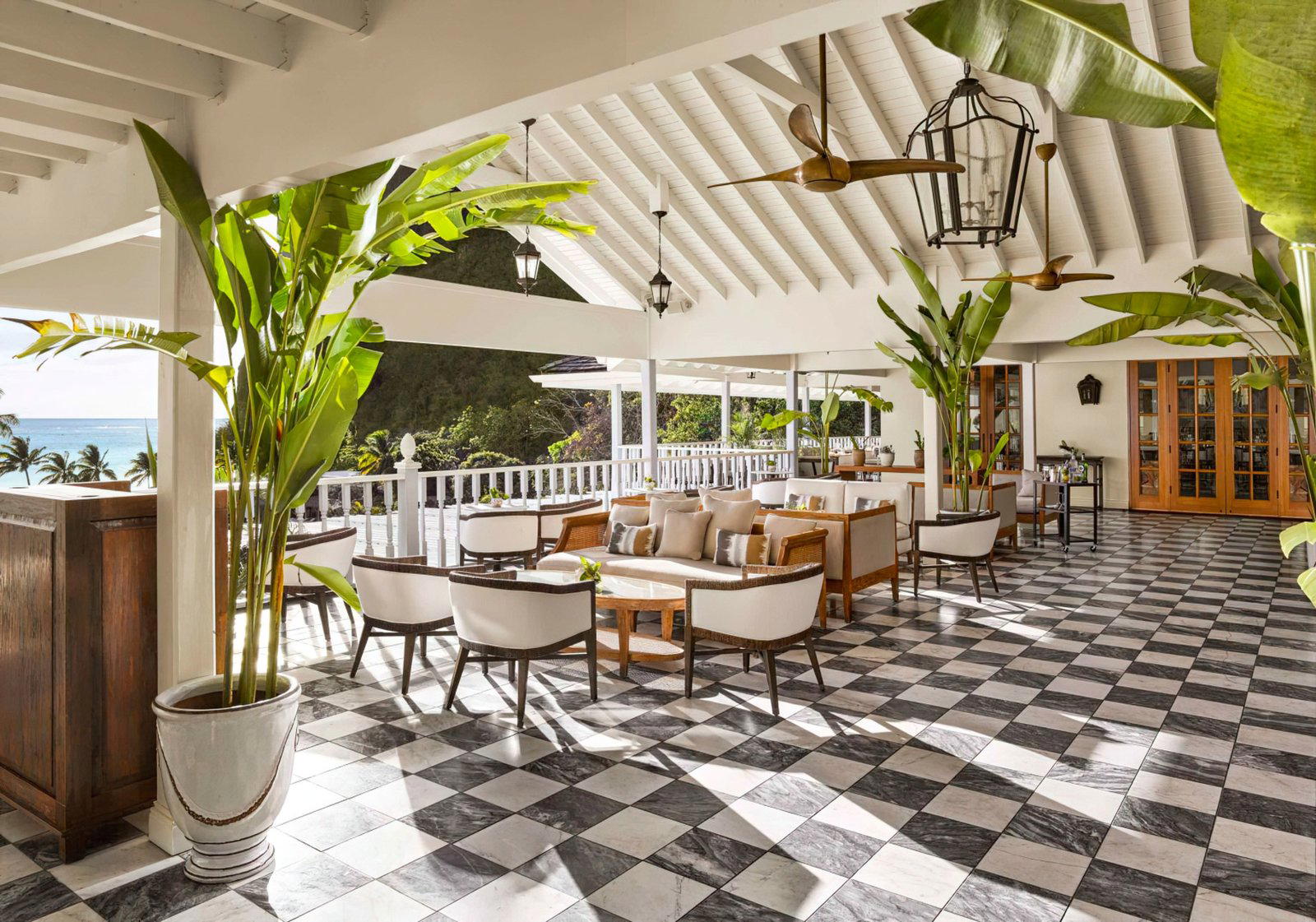
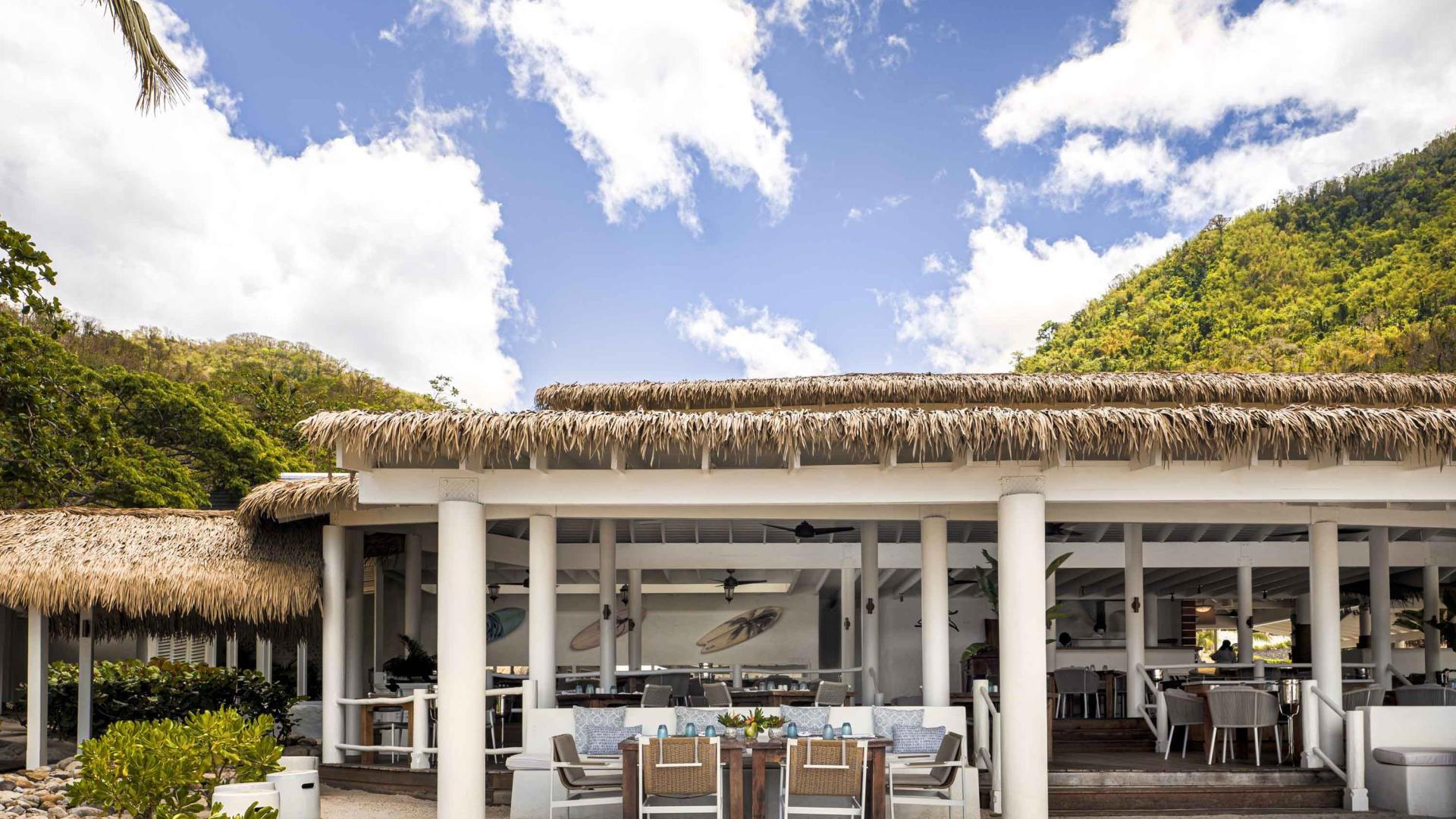
Open-air lodges with natural light, cooling breezes, rainforest showers, and a serene rainforest atmosphere enhanced by bird songs and estate playlists.
Know Before You Go
- Getting there
- Rabot Estate, Soufriere N/A, Saint-Lucia