


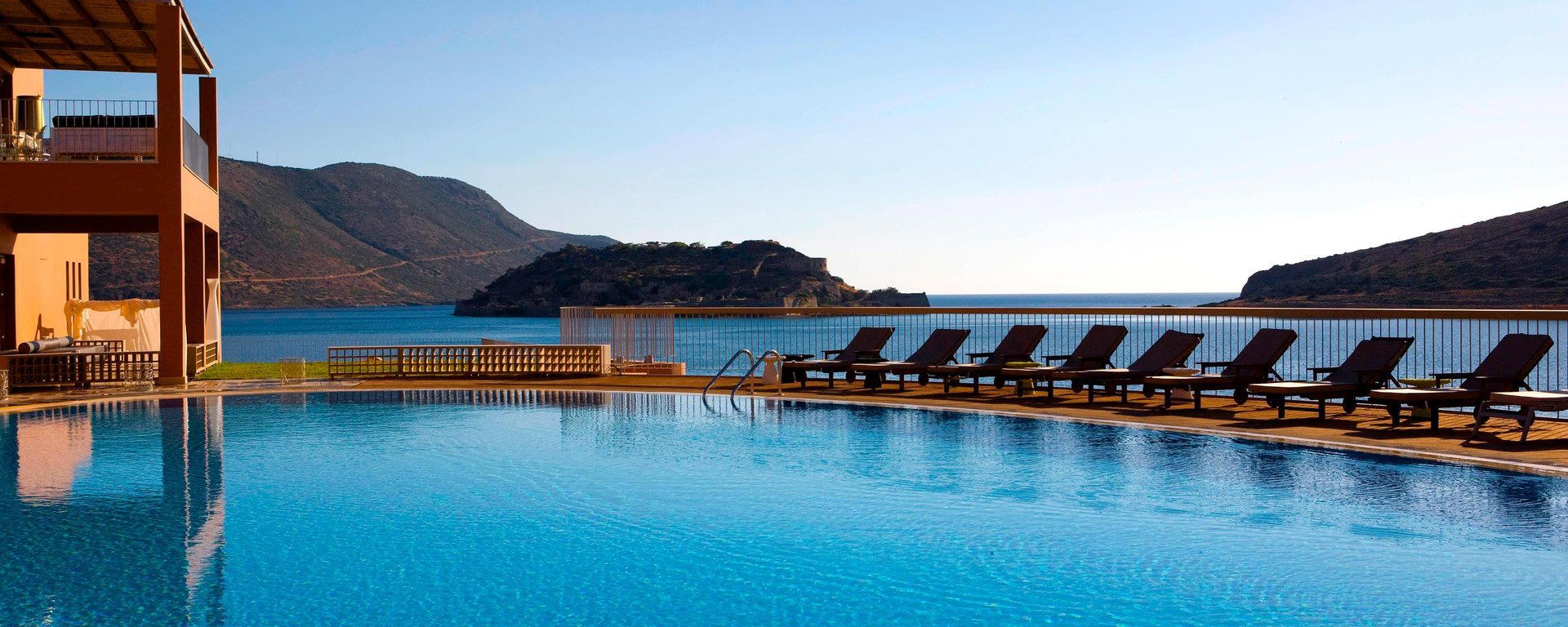
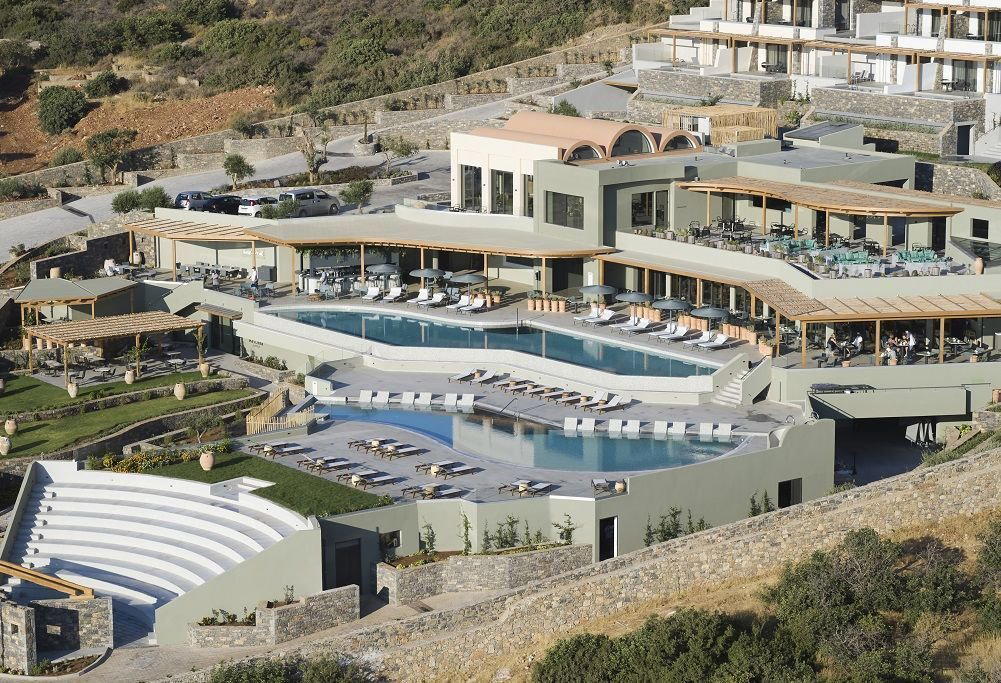
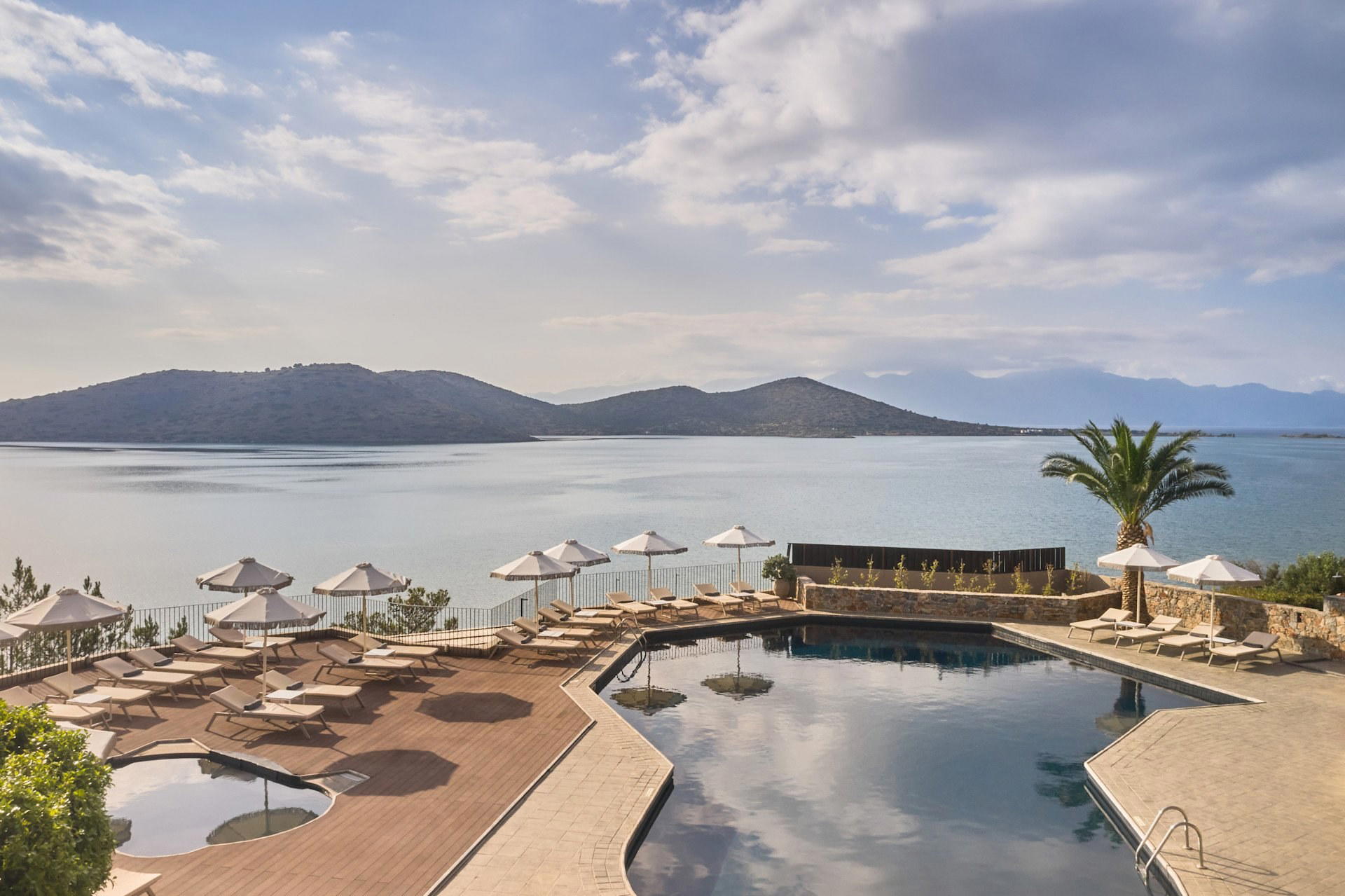
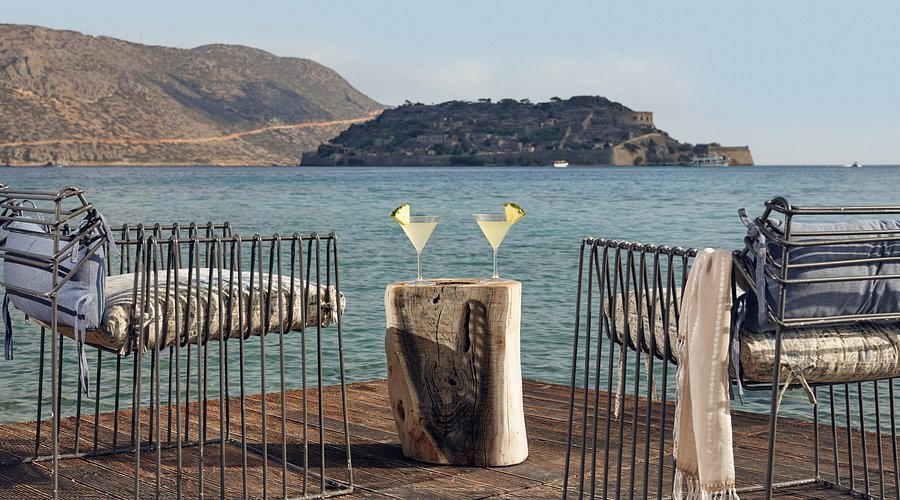
Positioned between the fishing village of Plaka and the port of Elounda on Crete's northeastern coast, Phaea Blue is a small-scale SLH-member property with direct beach access and unobstructed views of Spinalonga Island. The accommodation runs from bungalows and suites to a three-bedroom private villa, with a design language drawn from Greek art, natural materials, and local craft traditions. It occupies a quieter register of Aegean luxury than the larger resort complexes in the area.
Pearl is the En Primeur Club membership app — saves, bookings, and concierge access live there. Same editors, same standards.
- Address
- Plaka 720 53
- Phone
- +30 2841 065500
- Website
- phaeablue.com
- Directions
- Get directions
 Saves & bookings on Pearl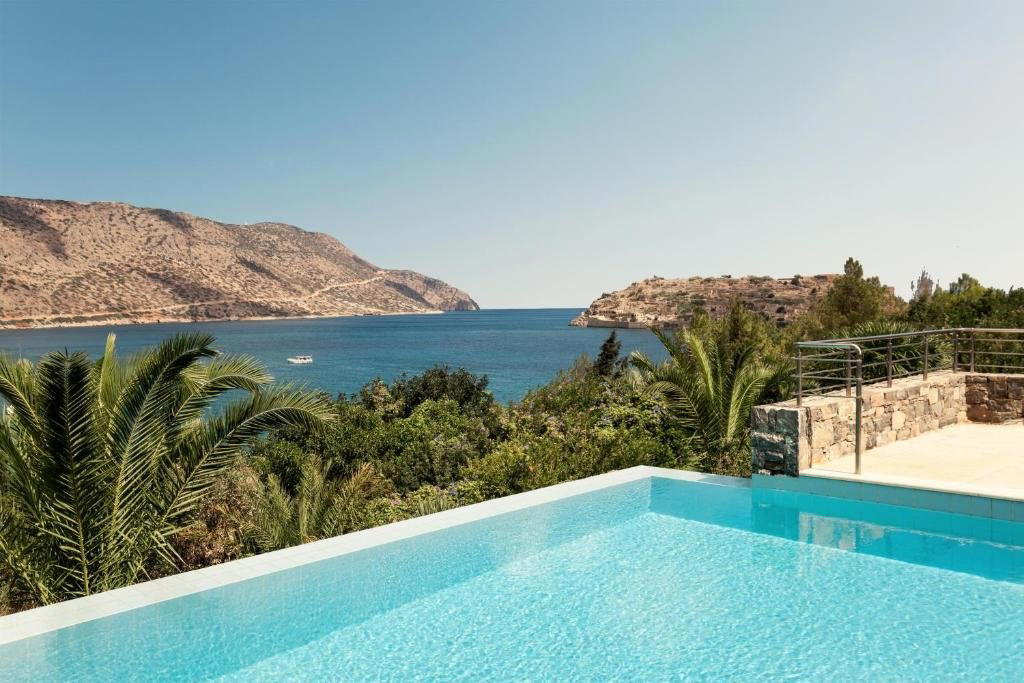
Where Crete's Coastline Earns Its Reputation
The northeastern tip of Crete, anchored by Elounda and its surrounding villages, has spent decades accumulating a reputation as one of the Aegean's most serious luxury destinations. The bay is calm, the light is particular — angled from cliffs and reflected back off water that runs through a range of blues most places only approximate — and the proximity to Spinalonga Island gives the coast a historical gravity that larger resort areas rarely carry. Phaea Blue sits in a corridor between Plaka, a small fishing village to the north, and the more developed port of Elounda, a placement that keeps it at one remove from the busier end of the area's hotel strip.
In a zone where several well-established properties compete for the same discerning traveller, including Elounda Bay Palace, Elounda Beach Hotel & Villas, and Domes of Elounda, Autograph Collection, Phaea Blue operates at a distinctly smaller scale. That is a deliberate editorial choice about what luxury means at this latitude.
The Room Experience: What the Overnight Stay Actually Delivers
The accommodation typology at Phaea Blue runs from bungalows and suites through to a three-bedroom private villa, and the design language across all categories draws from a consistent vocabulary: natural materials, a colour palette sourced from the surrounding environment, and art and decorative objects that tie each space to a broader Greek cultural lineage. This is not the kind of neutral luxury finish that reads identically in every time zone. The rooms are intentionally specific to place.
The villa represents the property's most complete expression of that approach. Furnished with original artwork and pieces from documented Greek design sources, including a Klismos chair produced by the Saridis studio in Athens, a house established in 1867 and whose work references ancient Greek vase drawings, the space carries a material authenticity that distinguishes it from generic high-end interiors. Collectors and design-literate travellers will recognise the references; those who don't will simply register that something in the room has more weight than the usual resort furniture.
For guests whose primary objective is extended time in a contained private environment, the villa's structure rewards that kind of stay. The suite and bungalow categories, meanwhile, carry the same design instinct at a more accessible scale, with natural materials and Greek art providing continuity across the tier rather than a diluted version of the villa's proposition. The rooms face seaward, and the view of Spinalonga Island is present across the property in a way that makes it a functional part of the room experience rather than a postcard backdrop.
Position, Access, and the Beach Question
Direct beachfront positioning is rarer in Crete's luxury tier than the density of high-end hotels might suggest. Many of the peninsula's established properties sit above the waterline or require internal transit to reach the sea. Phaea Blue's claim to be the only luxury boutique hotel in Crete situated directly on the beach is consistent with how SLH-category properties market differentiated physical assets, and the Plaka address supports the description: the beach is immediate rather than adjacent.
For guests travelling from Heraklion, the drive to the Elounda area runs roughly 60 to 70 kilometres along the northern coastal road, with Elounda itself a further short transfer from Plaka. The geography rewards guests who plan to spend most of their time on the property or in the immediate villages rather than those looking to cover significant ground. Elounda's small port and the boat connections to Spinalonga are the natural complement to a stay here. For broader Crete exploration, Le Méridien Sissi Crete and Abaton Island Resort & Spa operate from different coastal positions that suit different itinerary structures.
Food, Place, and What Farm-to-Table Means Here
Farm-to-table as a culinary posture has become so broadly claimed across Mediterranean hospitality that it risks losing meaning. In Crete's case, it has specific content: the island has one of the most documented local food cultures in Greece, built around olive oil, legumes, wild greens, and a proximity to fishing waters that gives the Aegean catch genuine freshness rather than supply-chain credibility. Properties in this area that connect their food programs to that tradition are working with material that has earned its reputation over centuries, not a marketing concept assembled to match a trend.
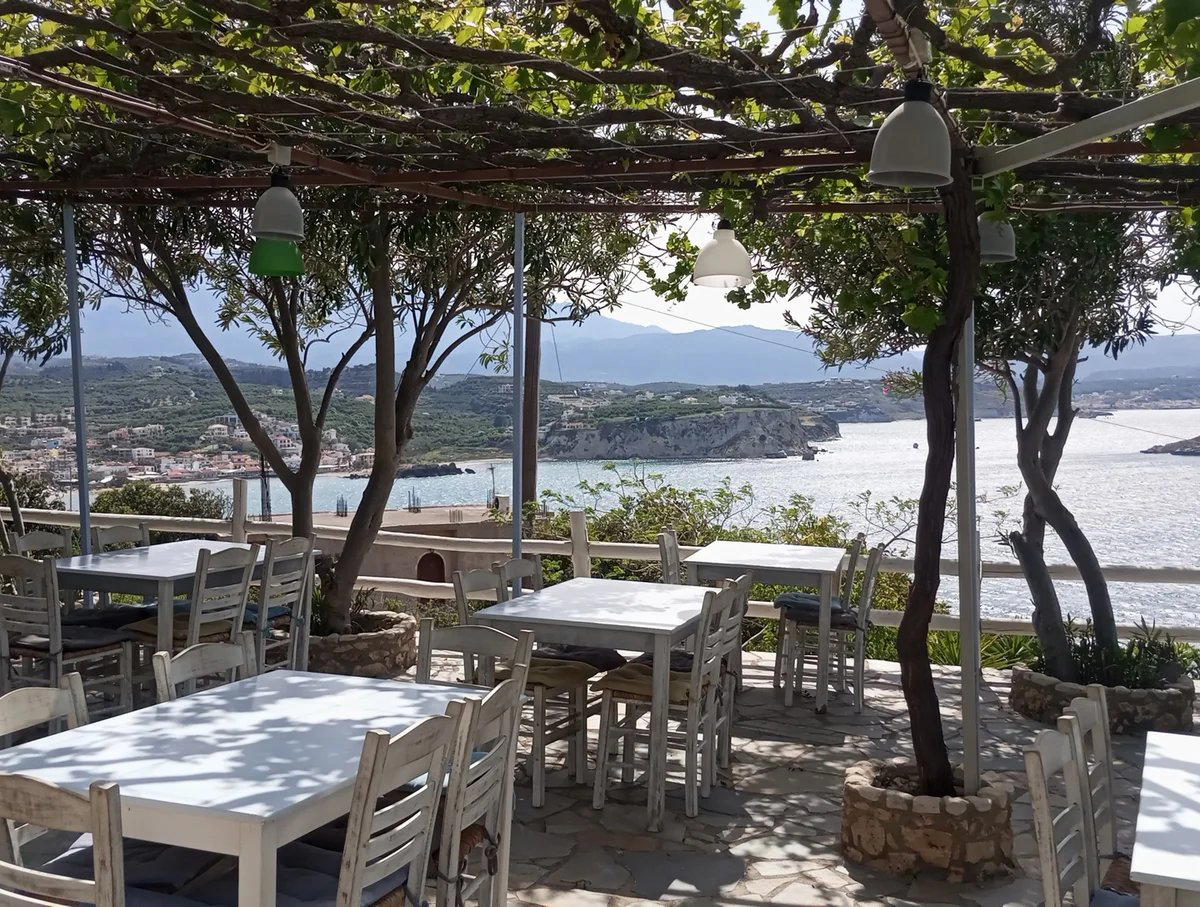
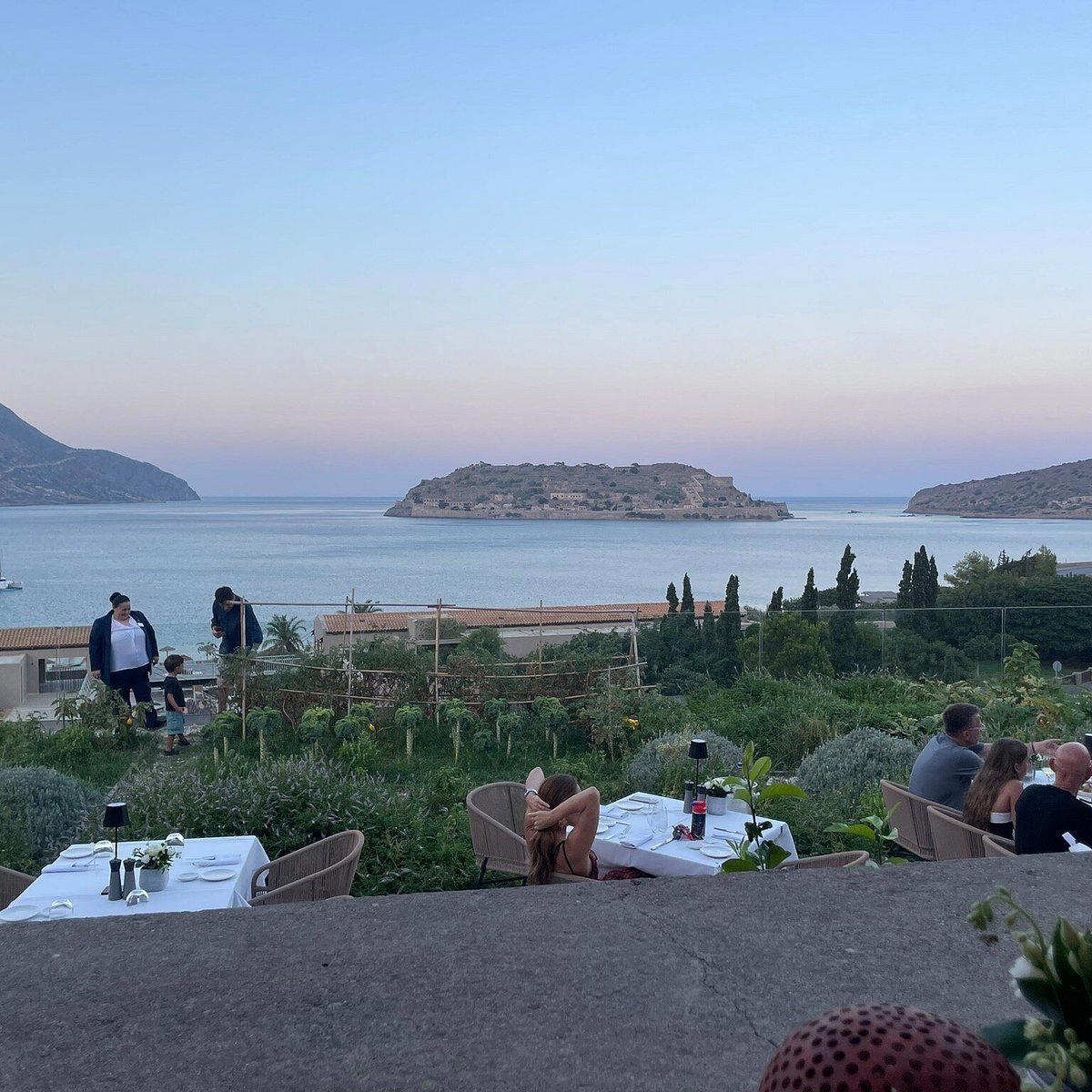
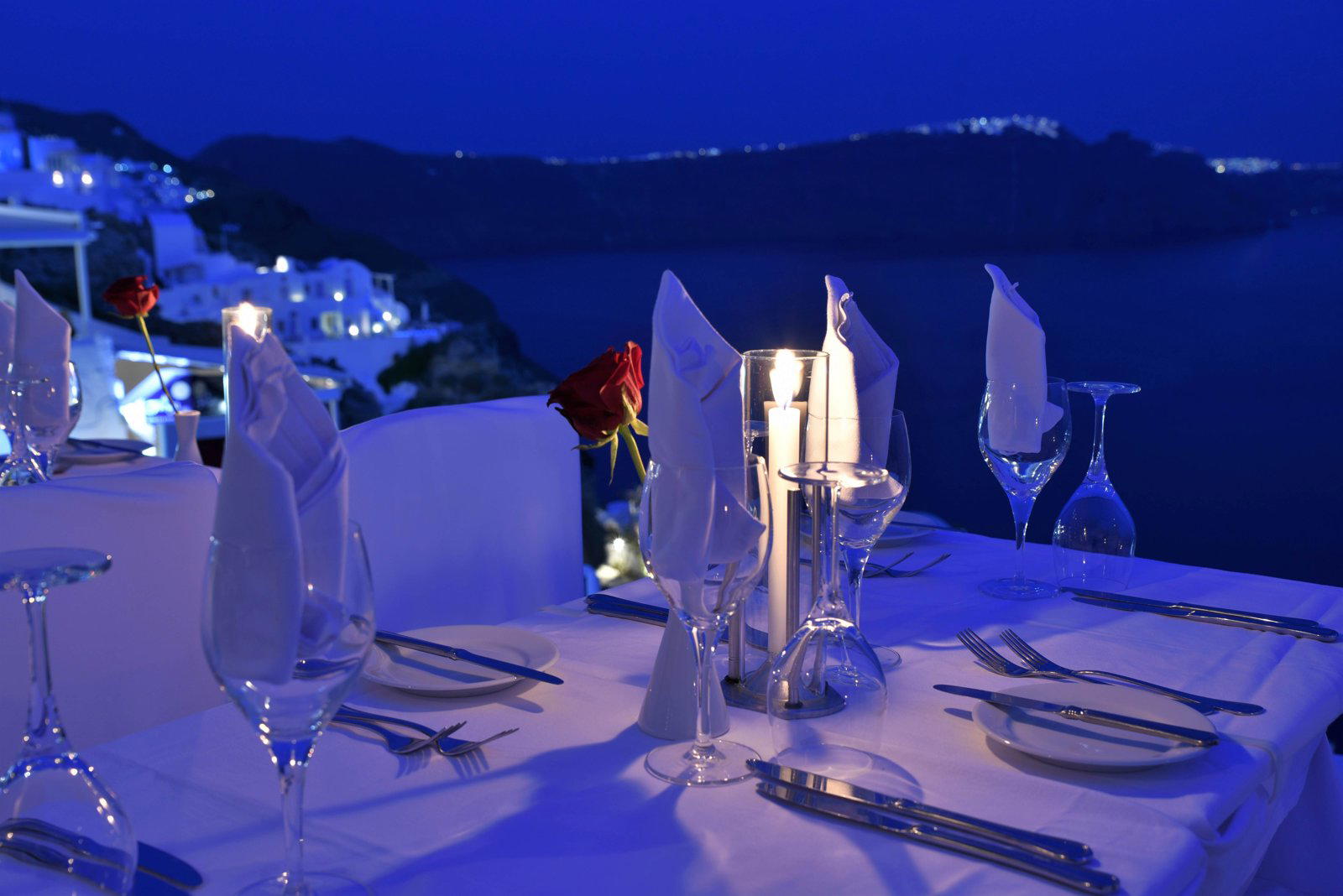
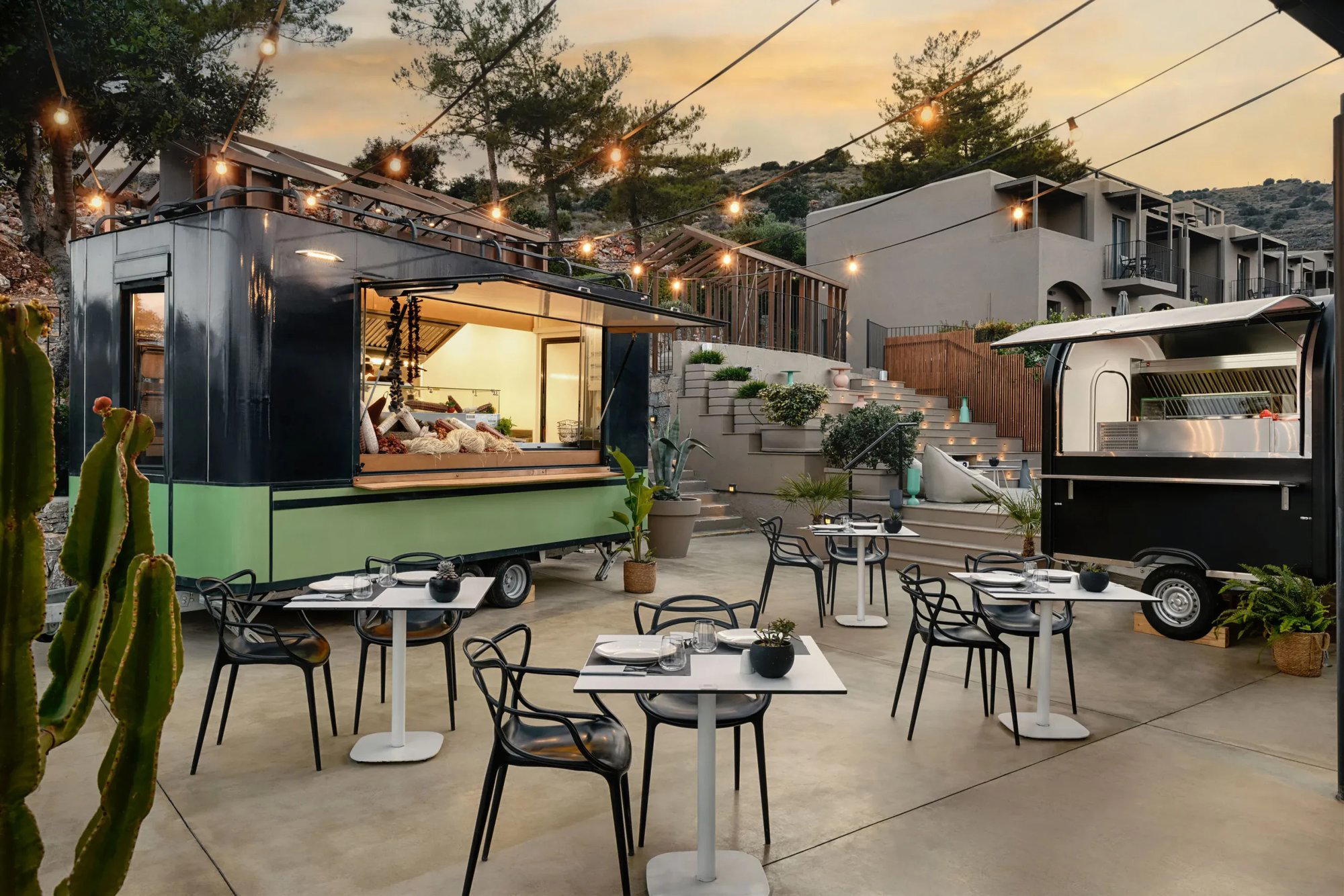
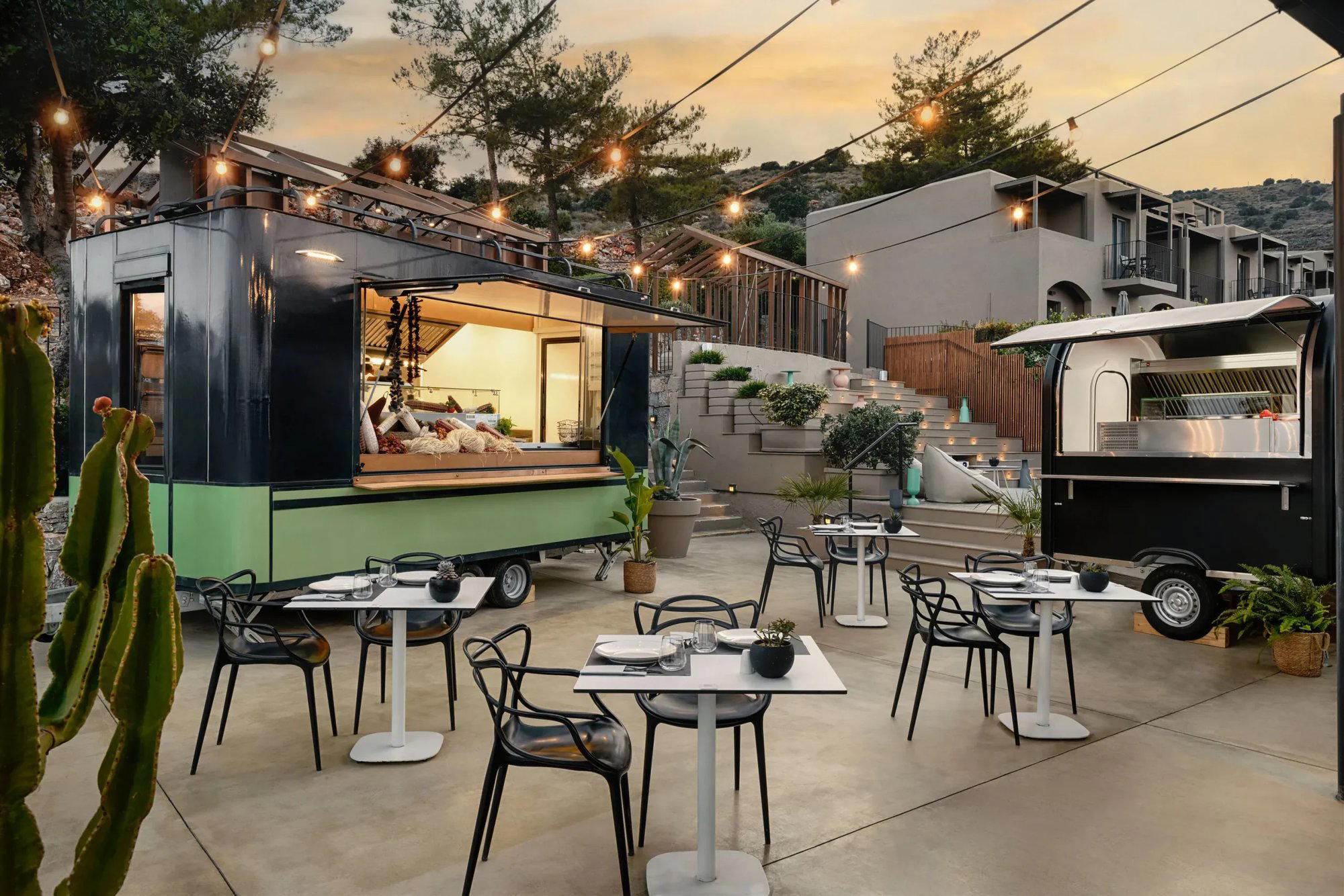
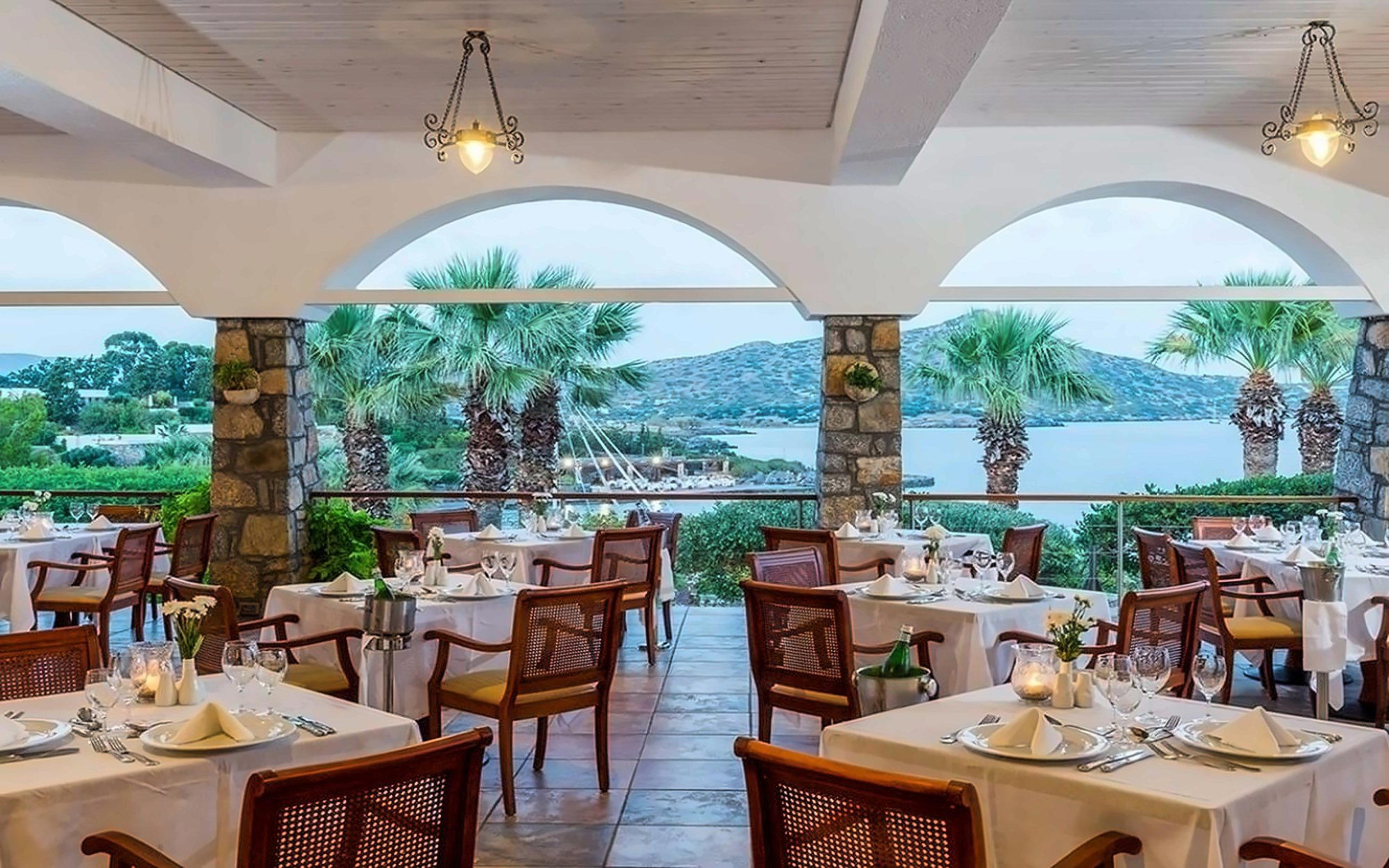
Phaea Blue positions its culinary offering around farm-to-table practice and seaside dining, which in context means Cretan ingredients prepared within reach of the water. The emphasis on local culture extends to how the property frames its role: less resort-as-destination and more access point to a place with its own depth. For guests comparing options across the Elounda area, our full Elounda restaurants guide maps the dining scene beyond individual hotel programs.
How Phaea Blue Sits Within the Greek Luxury Conversation
Greece's premium accommodation sector has, over the past decade, sorted itself into a recognisable structure. Large international-branded properties like Four Seasons Astir Palace Hotel Athens and the Domes Aulūs Elounda occupy one end, offering full resort infrastructure and brand-level consistency. At the other end, smaller independent and SLH-affiliated properties compete on specificity: specific location, specific design, specific access to a place rather than generic access to a market. Phaea Blue sits in the latter category alongside properties like Elounda Gulf Villas and, further across the Greek island circuit, Amoudi Villas in Oia and Eréma in Milos.
The Phaea brand, which holds this property as part of a wider Greek hospitality legacy spanning over two decades, positions its identity around what it calls consciousness, community, and innovation, language that in practice translates to a preference for quiet luxury over demonstrative amenity. Guests comparing this to the larger-scale Cretan properties should understand the trade: you gain intimacy and direct beach positioning; you give up the full resort infrastructure of somewhere like Elounda Mare Hotel. Whether that trade suits your travel objectives is the actual decision.
Planning a Stay
Phaea Blue is located at Plaka 720 53, on Crete's northeastern coast between the village of Plaka and the port of Elounda. Booking is leading approached through the SLH platform or through premium travel advisors familiar with the property's limited room inventory, with a small number of keys and a beach position that has no direct peer in the boutique luxury tier here, availability compresses quickly in summer months, particularly July and August. Guests arriving from further afield in Greece might route through Athens, where Aman-level accommodation standards provide a useful reference point for calibrating expectations before arriving at a property of this scale. For those building a wider Aegean itinerary, Amanzoe in Porto Heli and Gundari in Petousis represent peer-set properties worth considering in sequence.
Recognition history
Dated appearances from independent guides and award organizations, with the underlying list record or original source where available.
Virtuoso Luxury Hotel Partner
Virtuoso
Michelin Selected
Michelin
Small Luxury Hotels of the World Member
Small Luxury Hotels of the World
At a Glance
- Romantic
- Scenic
- Elegant
- Intimate
- Sophisticated
- Honeymoon
- Romantic Getaway
- Anniversary
- Wellness Retreat
- Celebration
- Beachfront
- Private Villa
- Destination Spa
- Panoramic View
- Private Dining
- Garden
- Terrace
- Wi Fi
- Pool
- Spa
- Fitness Center
- Room Service
- Concierge
- Valet Parking
- Kids Club
- Beach Access
- Restaurant
- Bar
- Sauna
- Bicycle Rental
- Airport Transfer
- Waterfront
- Garden
- Wi Fi
- Pool
- Spa
- Fitness Center
- Room Service
- Concierge
- Valet Parking
- Kids Club
- Beach Access
- Restaurant
- Bar
- Sauna
- Bicycle Rental
- Airport Transfer
Serene and understated luxury with natural light, sea views, and intimate spaces that blend contemporary design with locally-crafted art and traditional Greek elements.
Know Before You Go
- Getting there
- Plaka 720 53