

1 Michelin Key · Mr & Mrs Smith Seal of Approval
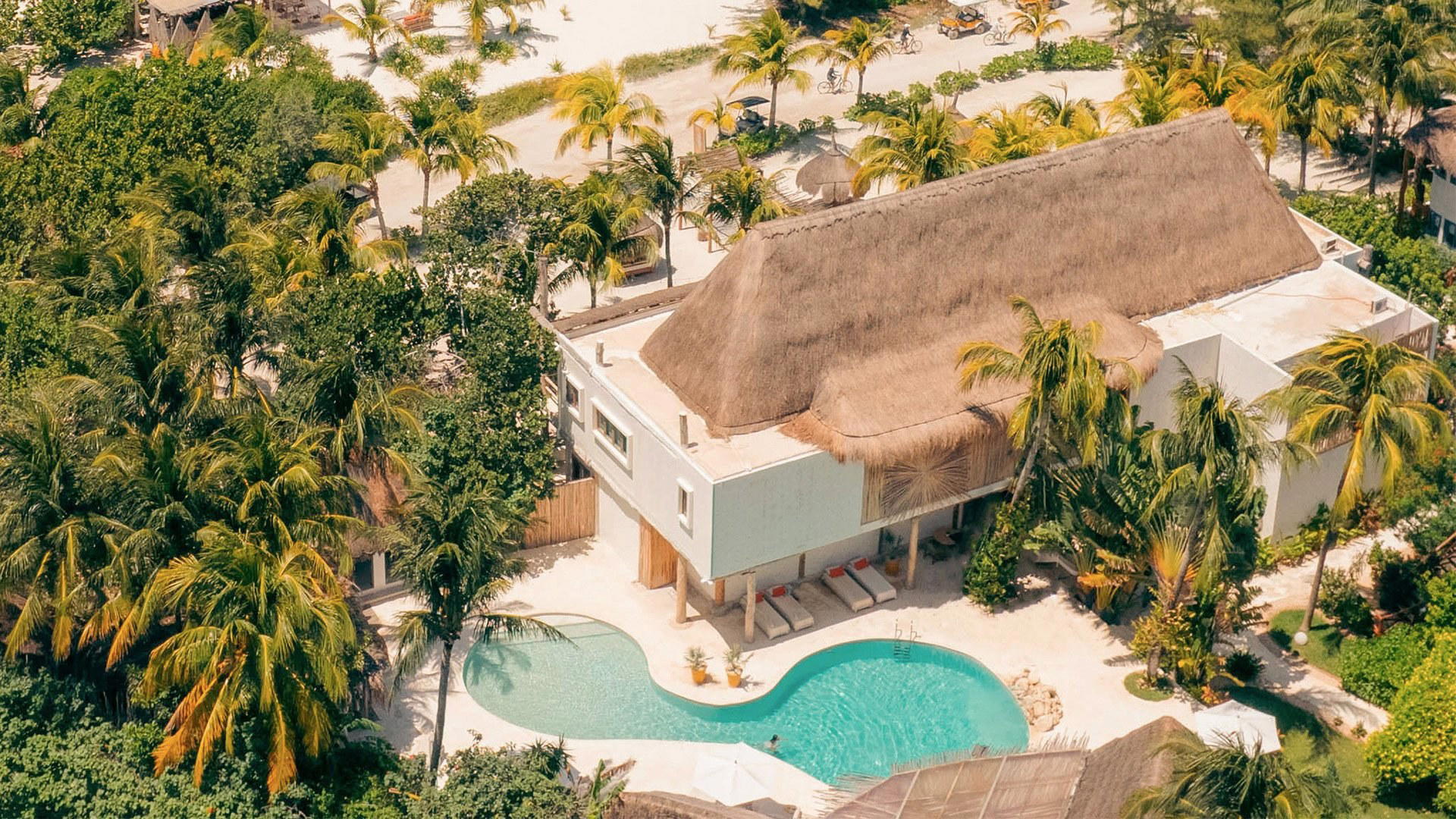
An adults-only, eco-conscious retreat on Isla Holbox priced from $401 per night, Nomade Holbox sits on a secluded beach a 15-minute golf-cart ride from the ferry terminal, away from the island's busier stretches. Thirty rooms and suites built from local wood and straw, a Peruvian-Japanese restaurant, and a wellness programme anchored by Mayan-inspired practices define the property's position in Mexico's growing premium coastal circuit.

Pearl is the En Primeur Club membership app — saves, bookings, and concierge access live there. Same editors, same standards.
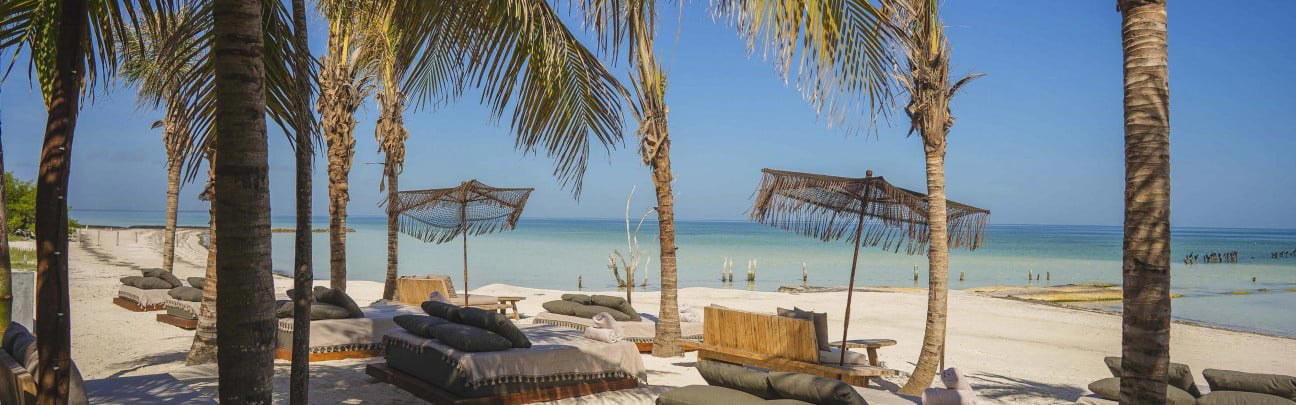
A Quieter Corner of an Island in Transition
Isla Holbox has spent the past decade being discovered, then over-discovered. The car-free island sits just north of the Yucatán Peninsula inside Mexico's Yum Balam nature reserve, a protected zone that doubles as one of the few places on earth where whale sharks gather seasonally in numbers large enough to draw dedicated diving expeditions. That ecological prestige, combined with the island's powder-soft sandbar shores and shallow turquoise flats, created the conditions for a tourism surge that has visibly altered the quieter rhythms Holbox once traded on. The ferry from Chiquilá now deposits a steady stream of international visitors who fan out toward the more central stretches of beach. Finding genuine separation from that current requires intention, and some distance.
Nomade Holbox occupies a position about 15 minutes by golf cart from the ferry terminal, on a stretch of sand that sits beyond the island's busier core. That physical remove is not incidental. The property is adults-only, its 30 rooms and suites priced from $401 per night, and its programming pitched toward guests who have come specifically to slow down rather than to access the island's growing bar and tour-boat scene. For context within Mexico's premium coastal tier, properties like Hotel Esencia in Tulum and Etéreo, Auberge Resorts Collection in Punta Maroma operate on a similar axis: deliberately low key counts, a wellness-forward identity, and a design language that references local materials rather than international luxury templates. Nomade sits inside that cohort, not in the all-inclusive or branded-resort tier represented by properties like One&Only; Mandarina in Riviera Nayarit or Zadun, A Ritz-Carlton Reserve in Los Cabos.
The Food and Drink Programme
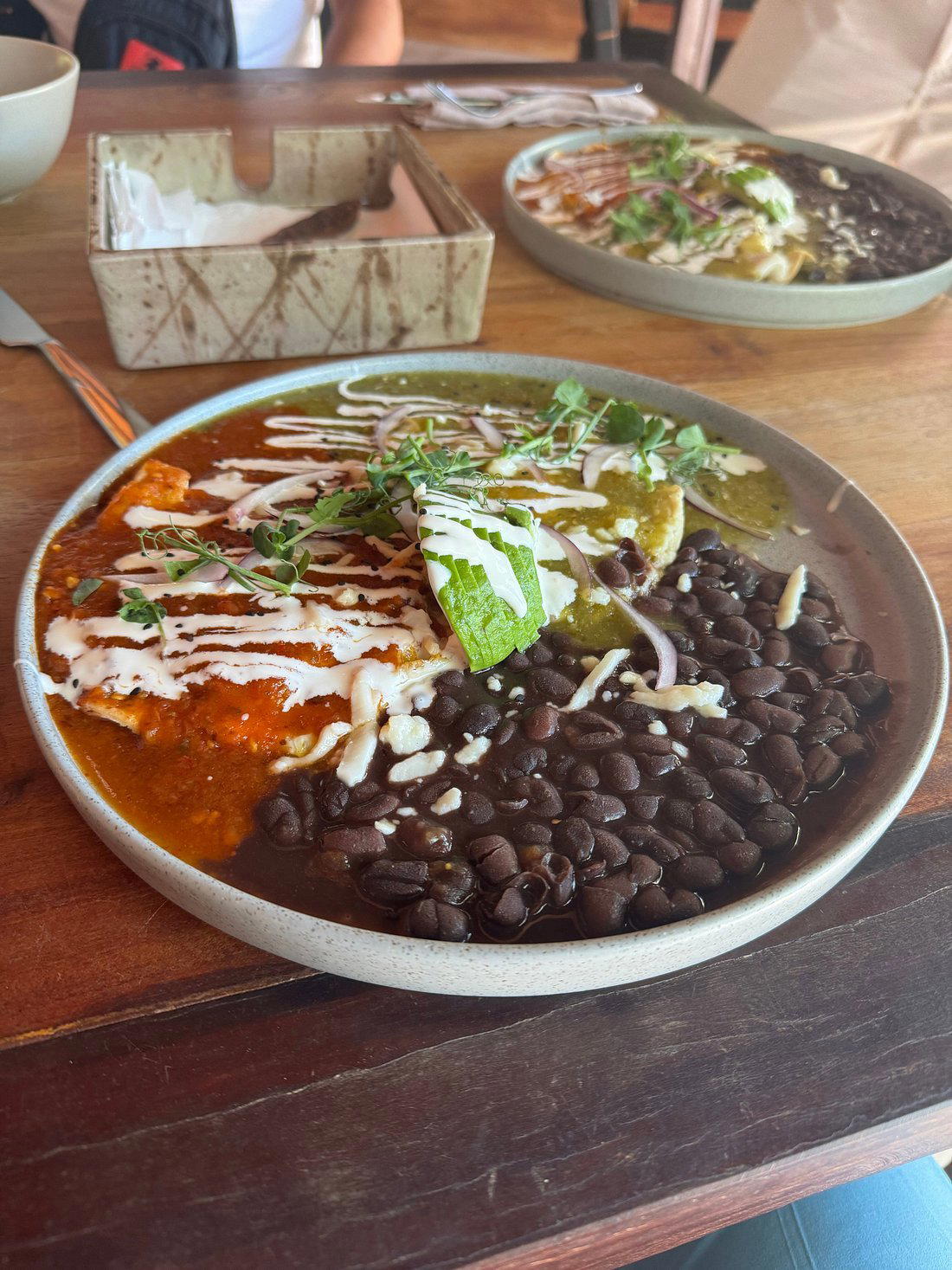
Mexico's coastal hotel restaurant scene has been moving in a specific direction for several years: away from broadly international menus toward concept-driven kitchens with a defined culinary identity. Nomade Holbox's dining anchor is a Peruvian-Japanese restaurant, a combination that reflects the broader Nikkei genre now common across Latin America's premium hospitality tier. The fusion of Japanese technique with Peruvian ingredient logic, particularly around raw fish preparations, ceviche acid structures, and umami-forward condiments, has proven particularly well suited to coastal hotel environments where seafood is the dominant protein and light, acid-bright dishes align with the climate and pace of the setting.
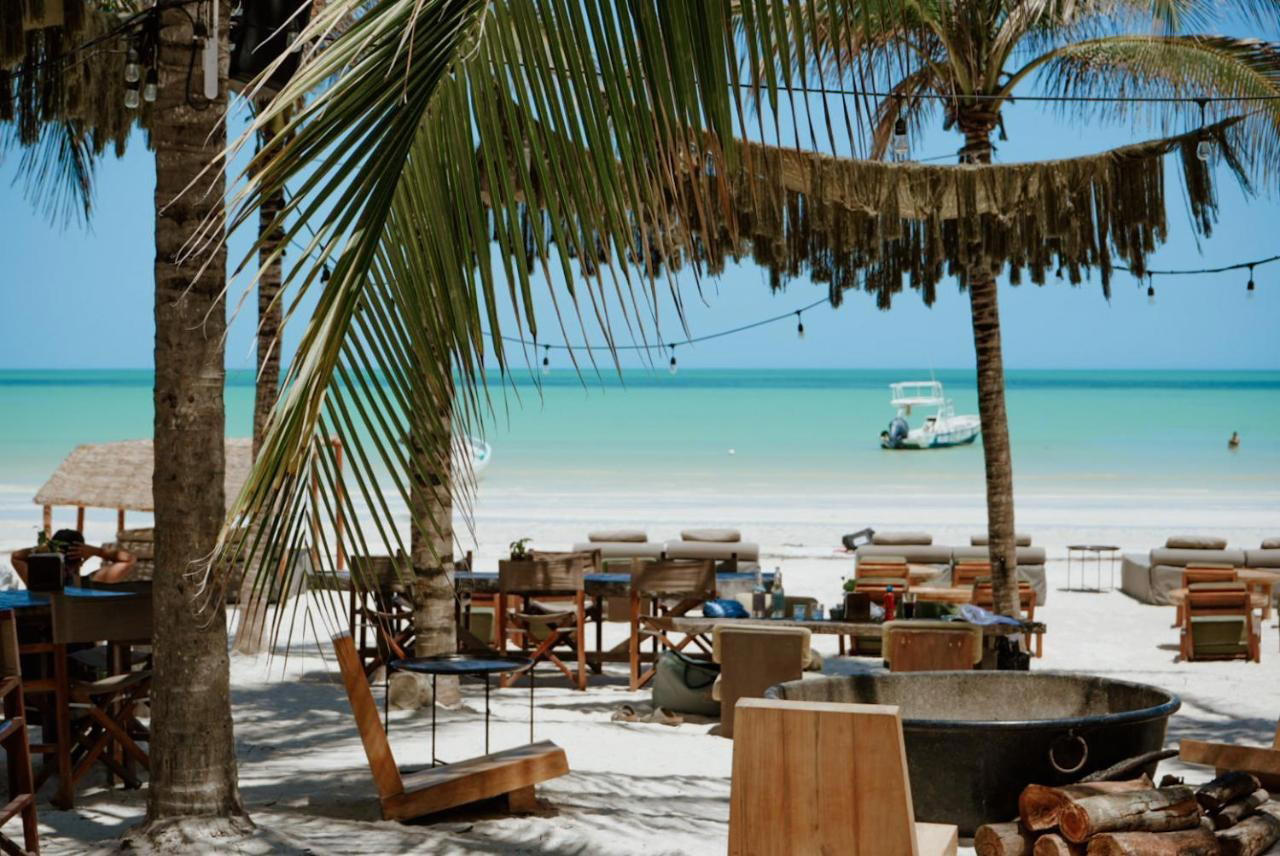
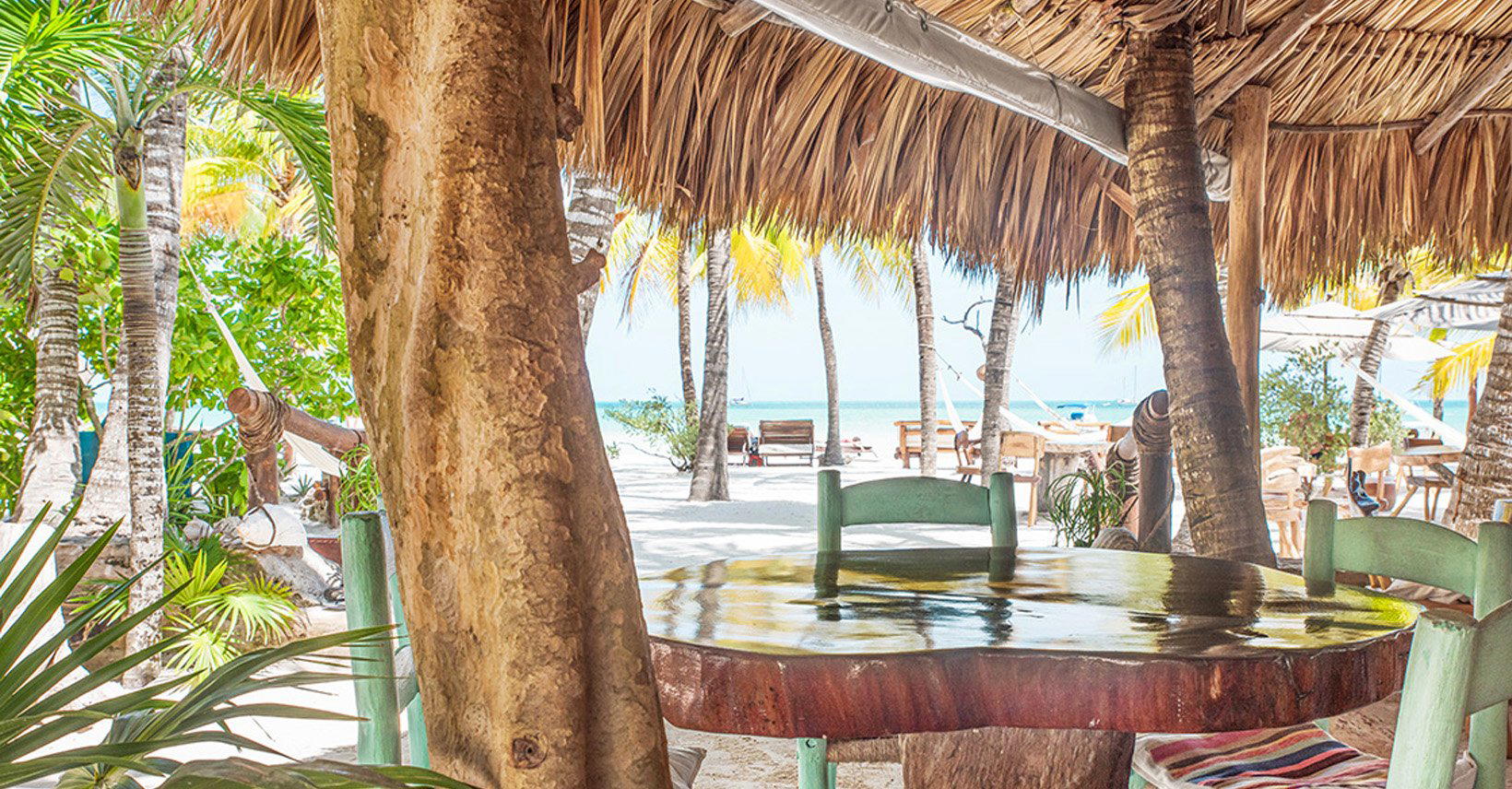
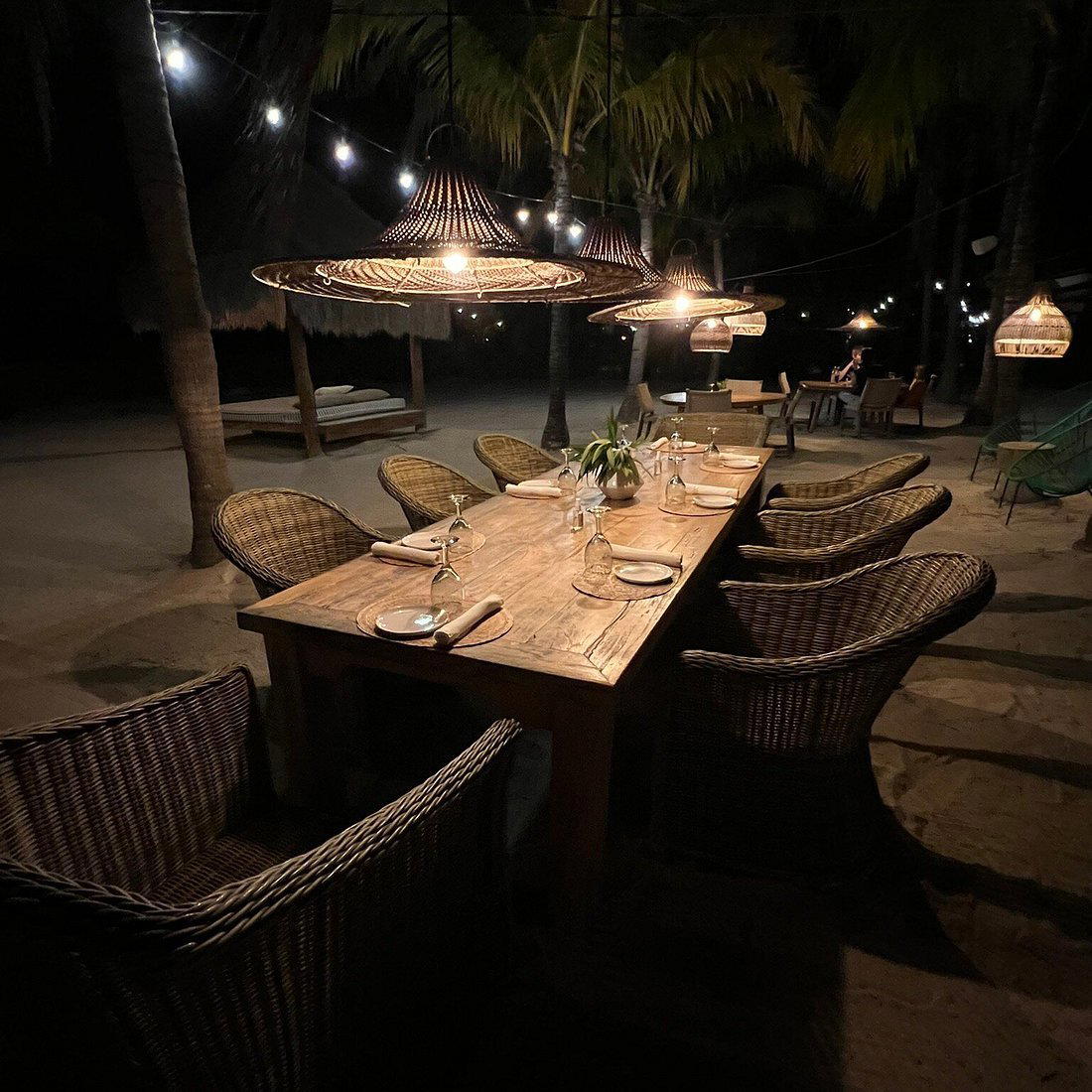
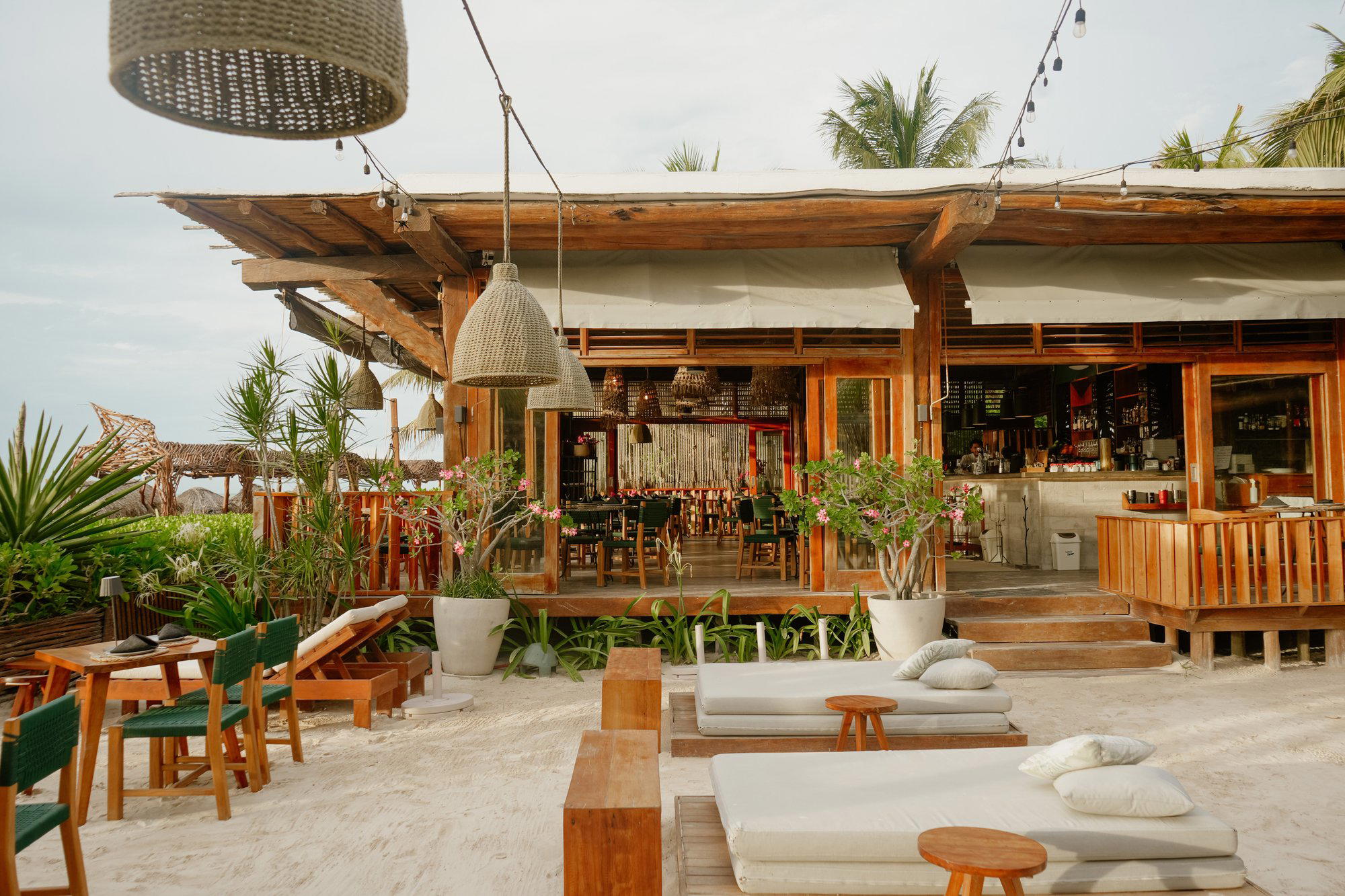
The property also operates a beach bar with high ceilings and an open configuration onto a palm-shaded lounge area directly on the sand. In a setting where the sea is aquamarine and shallow enough to walk considerable distances from shore, the beach bar functions as both a social anchor during the day and a transition point into the evening. The programming around it, cocktails included, extends the property's wellness-adjacent identity rather than pivoting toward a purely drinks-focused nightlife format. This positions Nomade's food and beverage offering somewhat differently from the more elaborate multi-restaurant architectures found at larger Mexican resort properties such as Las Ventanas al Paraíso, A Rosewood Resort in San José del Cabo or Montage Los Cabos in Cabo San Lucas. The scale here is deliberately contained: one restaurant, one bar, and a pool area where water-based rituals and cocktails coexist without contradiction.
Rooms, Suites, and the Treehouse Tier
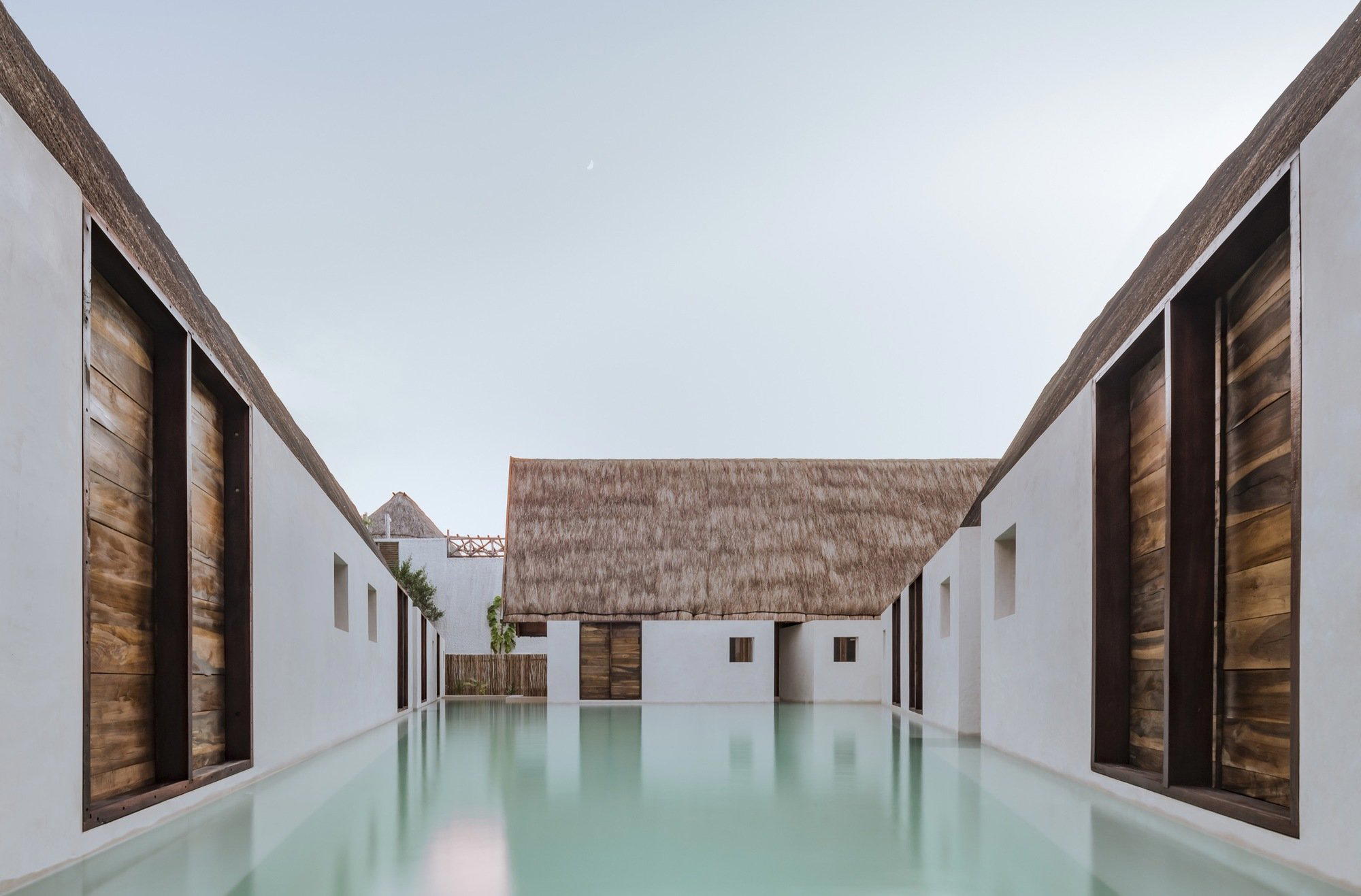
The 30 keys divide across conventional rooms and suites and a category of modern treehouses that represent the property's most discussed accommodation format. The standard rooms and suites are built from locally sourced wood and straw, kept low-lying to respect the island's scale, and finished with canvas walls, earth tones, and natural textures. Private patios come fitted with stone or copper bathtubs, a detail that reads as considered rather than decorative given the outdoor orientation of the broader property. This approach to material sourcing and construction sits within a broader movement among eco-conscious Mexican coastal properties, represented also by Playa Viva in Juluchuca and Xinalani in Quimixto, where structural decisions are treated as part of the environmental positioning rather than purely aesthetic ones.
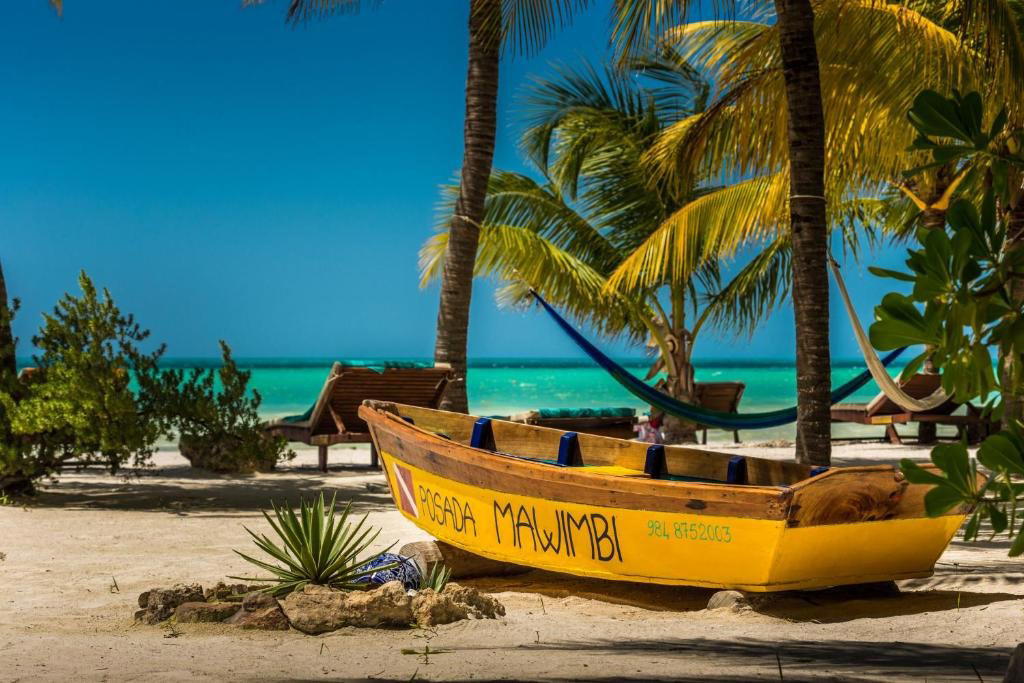
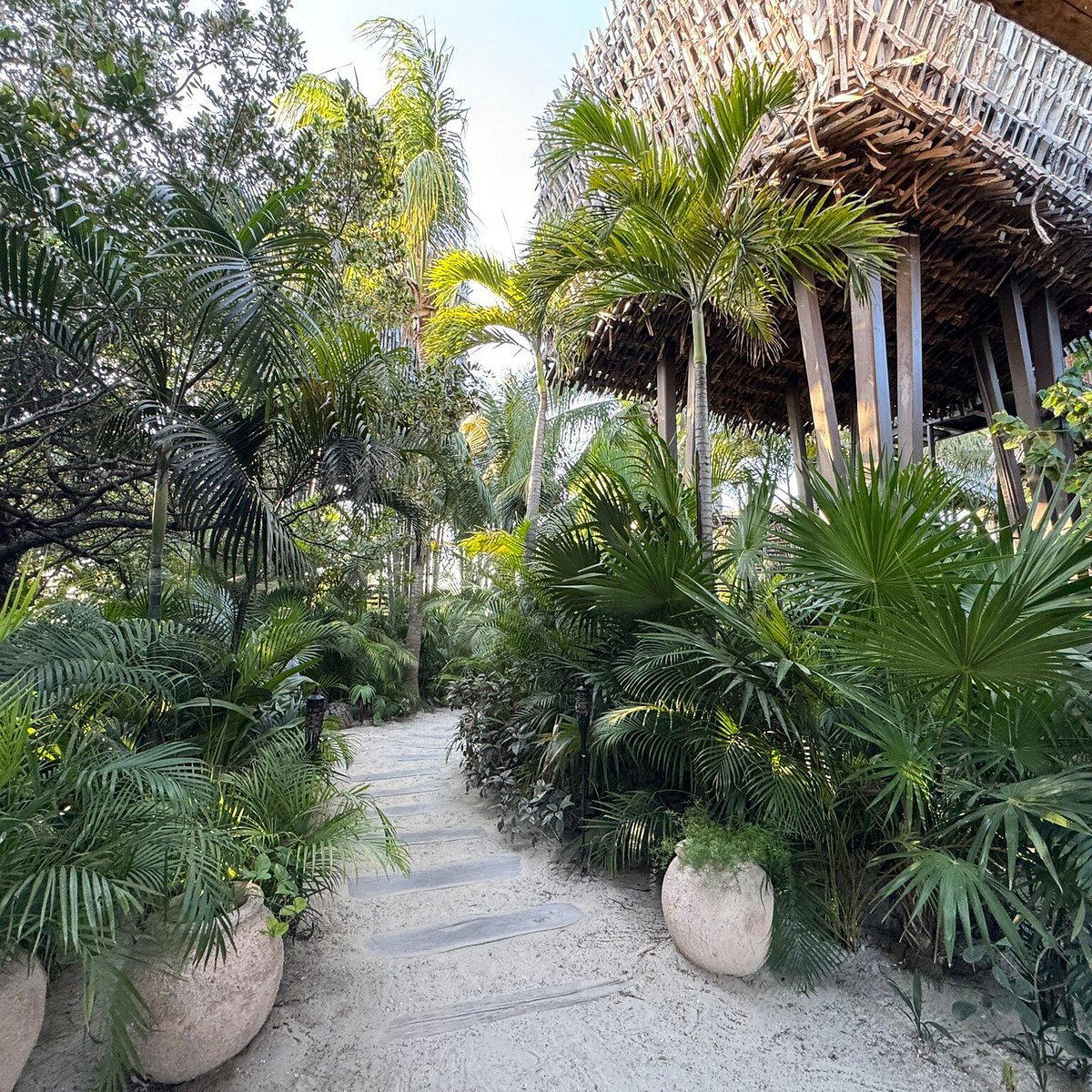
Treehouses occupy a different register. Each contains a queen-sized bed oriented toward the water, an indoor-outdoor shower, and a rooftop terrace with 360-degree views across the island. On an island where the topography is almost entirely flat, an refined position with panoramic sightlines over mangroves, sea, and the protected reserve to the south represents a meaningful spatial premium over ground-level accommodation. For comparison within Holbox specifically, Hotel Mawimbi and Hotel Punta Caliza operate in adjacent market positions but without equivalent vertical accommodation formats.
The Wellness Architecture
Wellness programming at Mexican beach hotels has expanded well beyond spa menus to encompass structured daily practices with pre-Columbian references. Nomade Holbox runs Mayan-inspired sound healing, breathwork, and yoga sessions inside a dedicated structure referred to on property as the Gratitude Tent. The pool on the beach is also deployed as a ceremony space for water-based healing rituals, alongside its conventional function as a place to swim and drink. This dual-use of physical infrastructure is characteristic of the property's approach: nothing is purely ornamental, and the line between amenity and programming is deliberately blurred. Properties like Palmaïa-The House of AïA in Playa del Carmen and Chablé Yucatán in Merida operate on a comparable axis, where wellness is a primary identity rather than a secondary amenity tier.
Getting There and Planning Your Stay
Holbox is accessible from Cancún International Airport, approximately two hours by road to the port of Chiquilá, followed by a 25-minute passenger ferry crossing to the island. From the ferry terminal, Nomade is roughly 15 minutes by golf cart, the only motorised transport permitted on Holbox. The island's car-free status is not a marketing point but an enforced reality, and it materially shapes the pace of any stay. The property's position inside part of Mexico's largest nature reserve adds a further regulatory layer: development is restricted, which is part of what preserves the beach quality and ecological character that make the location viable for a property at this price point. Room rates from $401 per night place Nomade at the accessible end of Mexico's premium independent coastal tier, sitting below the pricing bands common to flagship international-brand properties like Maroma in Riviera Maya while offering a comparable commitment to material quality and low guest density. For readers building a broader Yucatán Peninsula itinerary, our full Holbox restaurants guide covers the island's dining scene beyond the property, and adjacent destinations including Las Alamandas in Costalegre and Four Seasons Resort Punta Mita offer contrasting takes on Mexico's premium coastal format for those extending their trip along the Pacific coast.
Price and Recognition
Comparable venues nearby, for context on price, style, and recognition.
| Venue | Price | Awards | Notes |
|---|---|---|---|
| Nomade HolboxThis venue — the venue you are viewing | $100–200 | 1 Michelin Key · Mr & Mrs Smith Seal of Approval | Not listed |
| Hotel Mawimbi | $200–300 | Not listed | Isla Holbox, Beachfront boutique with lush garden and private beach. |
| Hotel CIGNO | Not listed | 1 Michelin Key · Mr & Mrs Smith Seal of Approval | Barrio de la Ermita, Restored 19th-century colonial mansion with contemporary interpretation |
| La Casa de la Playa | Not listed | La Liste Top Hotels · Forbes 5-Star | Playa del Carmen, Exclusive luxury beachfront boutique |
| MILAM | $200–300 | 1 Michelin Key | La Veleta, Contemporary luxury boutique resort with Mayan-inspired curved architecture and tropical minimalist design. |
| Be Tulum Beach & Spa Resort | $200–300 | 1 Michelin Key · Mr & Mrs Smith Seal of Approval | Zona Hotelera, Jungle-backed beachfront luxury resort with artisanal hospitality. |
Recognition history
Dated appearances from independent guides and award organizations, with the underlying list record or original source where available.
Michelin 1 Key
Michelin
Mr & Mrs Smith Seal of Approval
Mr & Mrs Smith
Full recognition history (3 entries)
Michelin 1 Key
Michelin
Continue exploring
More in Holbox
Hotels in Holbox
All hotels in Holbox →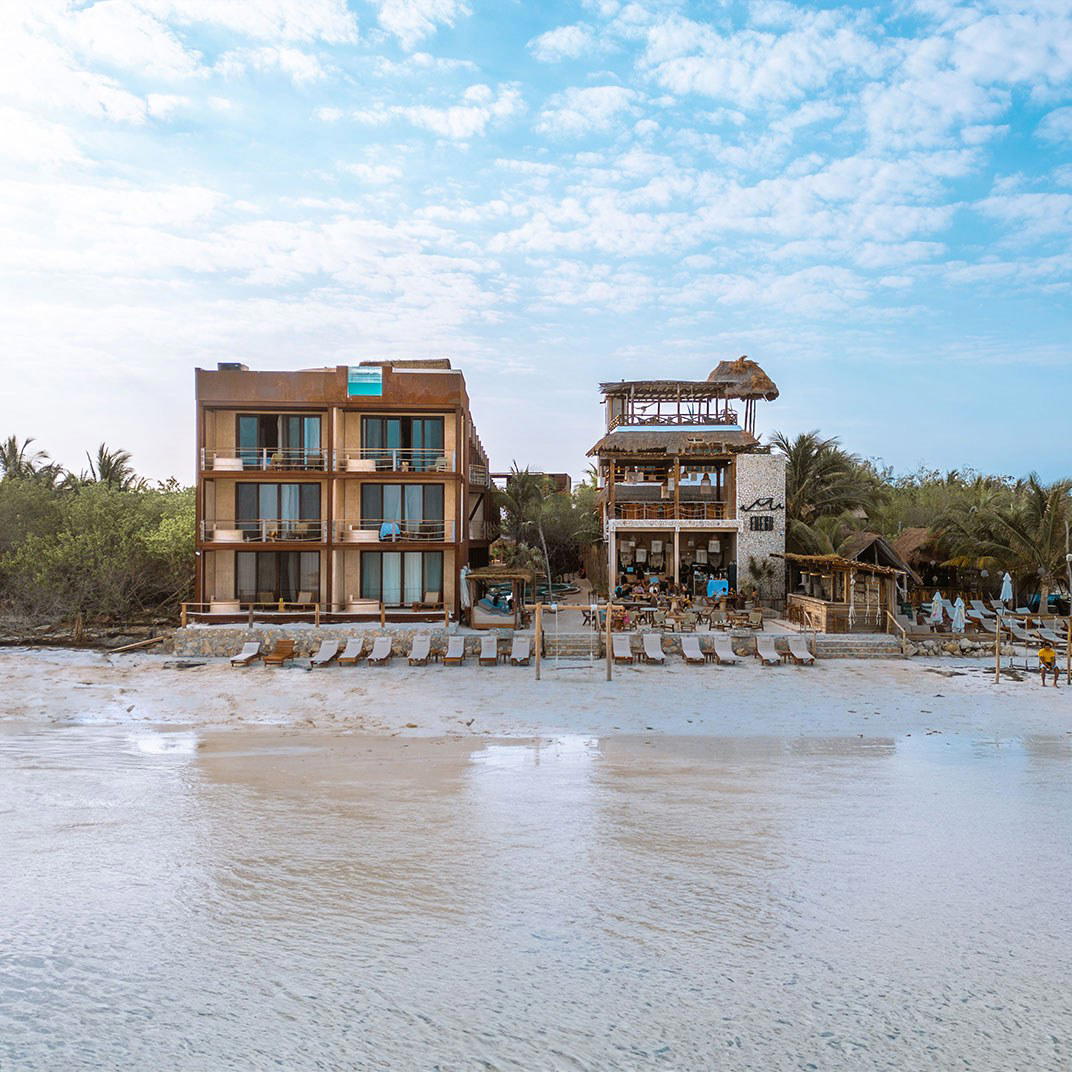
Details
- Romantic
- Quiet
- Bohemian
- Scenic
- Intimate
- Romantic Getaway
- Wellness Retreat
- Honeymoon
- Anniversary
- Beachfront
- Destination Spa
- Private Villa
- Panoramic View
- Garden
- Terrace
- Waterfront
- Wi Fi
- Pool
- Spa
- Room Service
- Concierge
- Beach Access
- Restaurant
- Bar
- Bicycle Rental
- Waterfront
- Garden
Serene and earthy with natural materials, muted tones, airy high-ceilinged beach bar, palm-shaded lounge areas, and ambient indigenous music creating a tranquil, spiritual atmosphere.