Hotel Mürren Palace

Perched above the car-free village of Mürren on the Bernese Oberland cliff face, Hotel Mürren Palace holds a Michelin Selected distinction for 2025 and occupies one of the most dramatically positioned sites in the Swiss Alps. The property sits inside a village accessible only by aerial cable car or mountain railway, placing it in a small tier of Swiss alpine hotels where the journey itself is part of the stay.
Pearl is the En Primeur Club membership app — saves, bookings, and concierge access live there. Same editors, same standards.
- Address
- Höhenmatte 1086, 3825 Mürren, Switzerland
- Phone
- +41 33 856 99 99
- Website
- muerren-palace.ch
- Directions
- Get directions
 Saves & bookings on Pearl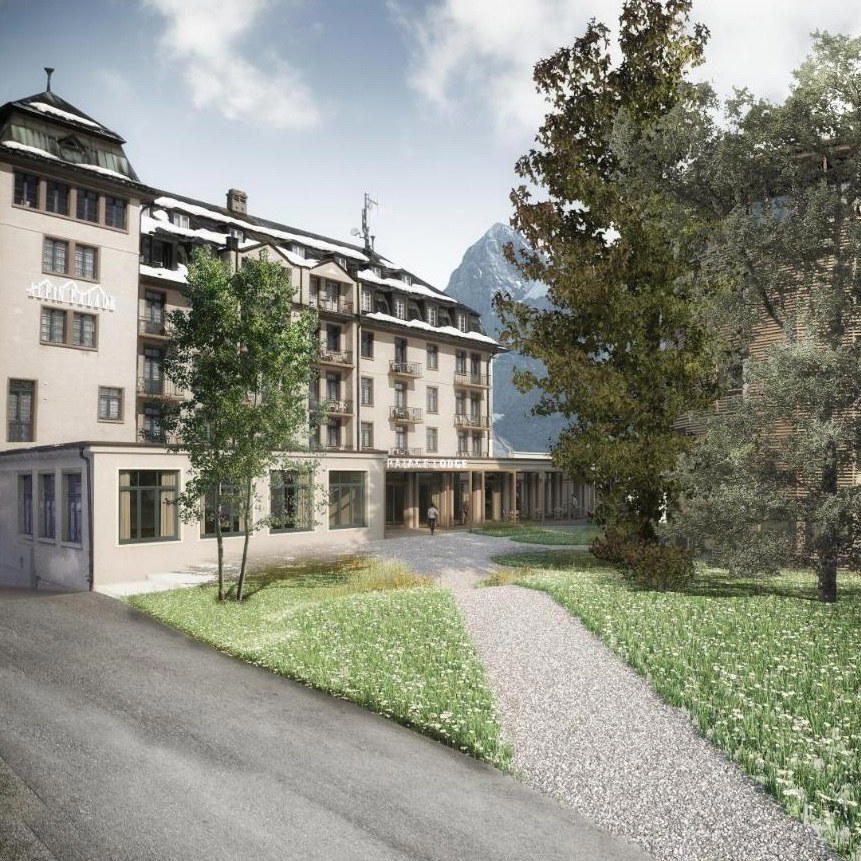
A Village That Filters Its Own Guests
Mürren sits at roughly 1,650 metres on a shelf above the Lauterbrunnen Valley, directly facing the Eiger, Mönch, and Jungfrau. No road connects it to the valley floor. Arriving means boarding a cable car from Stechelberg or a combination of train and aerial gondola from Lauterbrunnen — a logistical threshold that, in practice, defines the character of every property in the village, including Mürren itself as a destination. The guests who make it here have either planned carefully or are willing to improvise; casual drive-by tourism is structurally impossible. That self-selection shapes the atmosphere of the whole ridge.
Hotel Mürren Palace, addressed at 1086 Höhenmatte, occupies a position within that ridge-leading cluster that benefits directly from the Höhenmatte — the open alpine meadow at the village centre, and the orientation toward the Jungfrau massif. The 2025 Michelin Selected designation places it in the guide's curated tier for Switzerland, a category that operates as editorial recognition of consistent quality rather than a starred culinary distinction. In Swiss alpine hospitality, Michelin Selected functions as a credibility signal within a crowded field of historic mountain hotels.
Architecture as Argument: The Palace Typology in the Alps
The word "Palace" in a Swiss alpine hotel name carries specific architectural weight. The late nineteenth and early twentieth centuries produced a generation of grand hotels across the Bernese Oberland, large-volume timber and masonry structures built to a palatial scale, oriented to maximise panoramic exposure, and designed to communicate permanence and prestige to an international clientele arriving by the newly extended mountain railways. The typology was deliberate: high ceilings, wide covered terraces, symmetrical facades, and a massing that reads as civic rather than domestic from the approach.
Hotel Mürren Palace fits within that tradition. Properties built to this formula in car-free alpine villages carry the additional design logic that their exteriors are experienced on foot and at close range, there is no forecourt arrival by car, no porte-cochère moment. The approach through the village is the arrival sequence, and the building must read well from the pedestrian paths that constitute Mürren's circulation. That constraint tends to produce architecture that engages more directly with the surrounding landscape and village fabric than resort hotels designed around road access.
For travellers interested in how Swiss alpine architecture developed alongside the mountain tourism industry, Mürren's collection of historic hotels, including Hotel drei Berge, represents a largely intact example of that built heritage. The village's car-free status has prevented the kind of incremental redevelopment that has altered the ground-level character of more accessible alpine resorts.
Where This Property Sits in the Swiss Luxury Tier
Switzerland's premium hotel market is stratified across different operational models and location types. The grand urban palaces, Baur au Lac in Zürich, Hotel Les Trois Rois in Basel, The Woodward in Geneva, and Beau-Rivage Palace in Lausanne, operate with urban amenity bases and year-round business demand. The alpine tier subdivides further: the established name resorts like Badrutt's Palace Hotel in St. Moritz and The Alpina Gstaad in Gstaad command global recognition; the mid-scale village hotels in less-publicised locations operate differently, building their proposition around setting and atmosphere rather than brand scale.
Hotel Mürren Palace belongs to the latter category. Mürren itself is less marketed internationally than Zermatt or Verbier, yet the Schilthorn cable car, departing from directly above the village, and the proximity to the Jungfrau ski area give it legitimate alpine credentials. That relative lower profile, combined with the Michelin Selected status, positions this property as a reference point for travellers who have already exhausted the obvious Swiss alpine circuit. Comparable alpine properties earning Michelin recognition for consistency include Matterhorn FOCUS in Zermatt, The Capra in Saas-Fee, and Hostellerie du Pas de l'Ours in Crans-Montana, each occupying a specific altitude niche and serving travellers who choose destination over brand.
Planning the Stay: Logistics and Timing
Access to Mürren from Interlaken, the nearest major transport hub, where Victoria-Jungfrau Grand Hotel & Spa anchors the valley base, takes approximately 45 to 60 minutes by train and cable car combination. The Lauterbrunnen valley train to Grütschalp, followed by the cliff railway, is the standard route; the Stechelberg cable car via Gimmelwald offers an alternative approach from the southern end of the valley. Neither route is complicated, but both require luggage management on foot within the village, since no vehicles operate on the streets.
The Bernese Oberland operates a defined alpine season structure. Winter ski access via the Schilthornbahn and the Jungfrau ski region runs roughly December through April; the summer hiking and via ferrata season peaks July through September, when the Höhenmatte meadow in front of the hotel carries the full logic of its alpine position. Shoulder periods, particularly November and early May, see reduced services and some property closures across the village.
Booking through the Michelin guide's hotel portal provides the verified listing for this property. Given that Mürren operates on a constrained capacity model by definition, the village has a finite number of beds and no expansion pressure from road-accessible development, properties here tend to book earlier in peak periods than equivalent-quality hotels in more accessible locations. For the broader Swiss alpine context and how Mürren's dining and accommodation scene compares across the region, see our full Mürren restaurants guide.
The Broader Swiss Alpine Reference Set
Travellers building a multi-property Swiss itinerary frequently pair Bernese Oberland visits with lakeside or pre-alpine stays. Mandarin Oriental Palace, Luzern in Lucerne, Hotel Villa Honegg in Ennetbürgen, and Park Hotel Vitznau in Vitznau represent the central Swiss lakeside tier. For spa-anchored alpine stays, Grand Resort Bad Ragaz in Bad Ragaz, Bürgenstock Resort, and Tschuggen Grand Hotel in Arosa offer medical-grade wellness infrastructure that Mürren's smaller village hotels do not attempt to replicate. The Chedi Andermatt in Andermatt and Hotel Bellevue Palace Bern in Bern complete the sweep of the country's Michelin-recognised upper hotel tier. For those extending beyond Switzerland, Castello del Sole Beach Resort & Spa in Ascona offers a Swiss-Italian border alternative, while Hôtel de Paris Monte-Carlo in Monte Carlo and Aman Venice in Venice represent the wider European palace hotel tradition from which the alpine typology drew its original design vocabulary. The Fifth Avenue Hotel in New York City extends that comparison to the American grand hotel tradition for transatlantic travellers calibrating expectations across markets.
How Hotel Mürren Palace Mürren compares with similar nearby venues.
| Venue | Awards |
|---|---|
| Hotel Mürren Palace | MICHELIN Guide, Hotels Selected (2025) |
Recognition history
Dated appearances from independent guides and award organizations, with the underlying list record or original source where available.
Michelin Selected
Michelin
Continue exploring
More in Mürren
Hotels in Mürren
Browse all →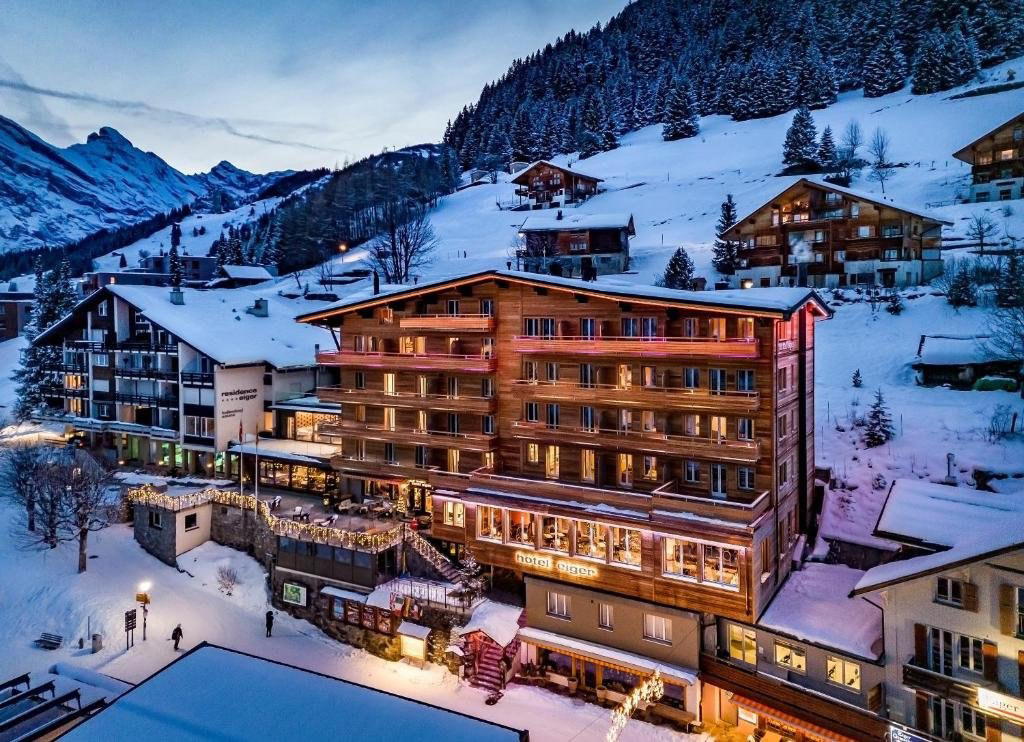
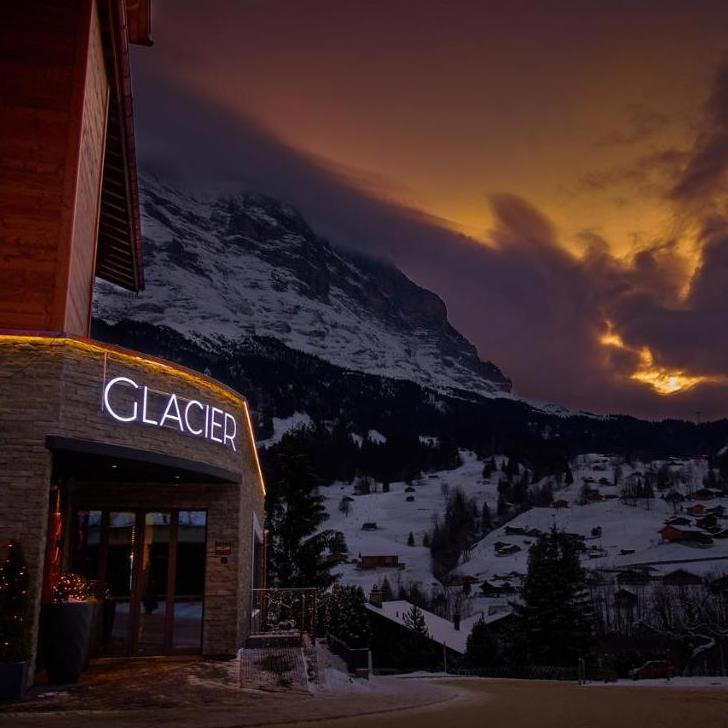
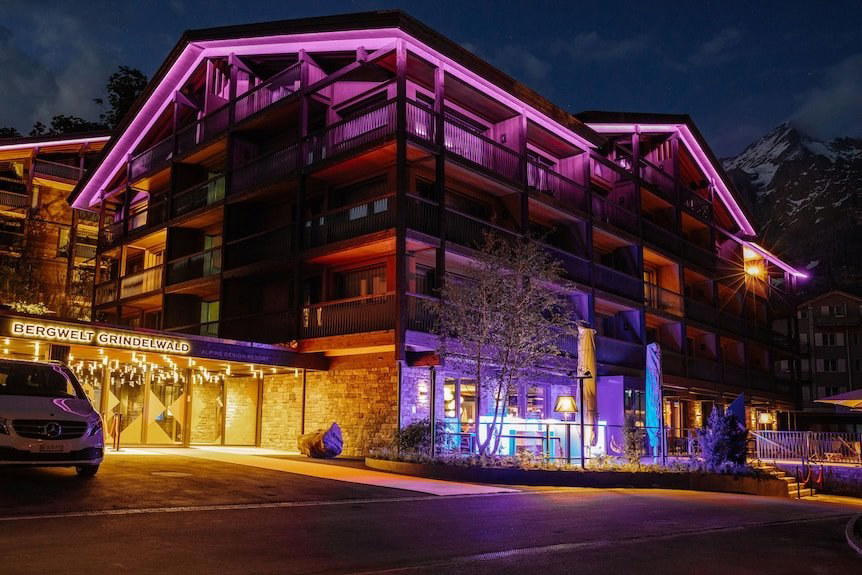
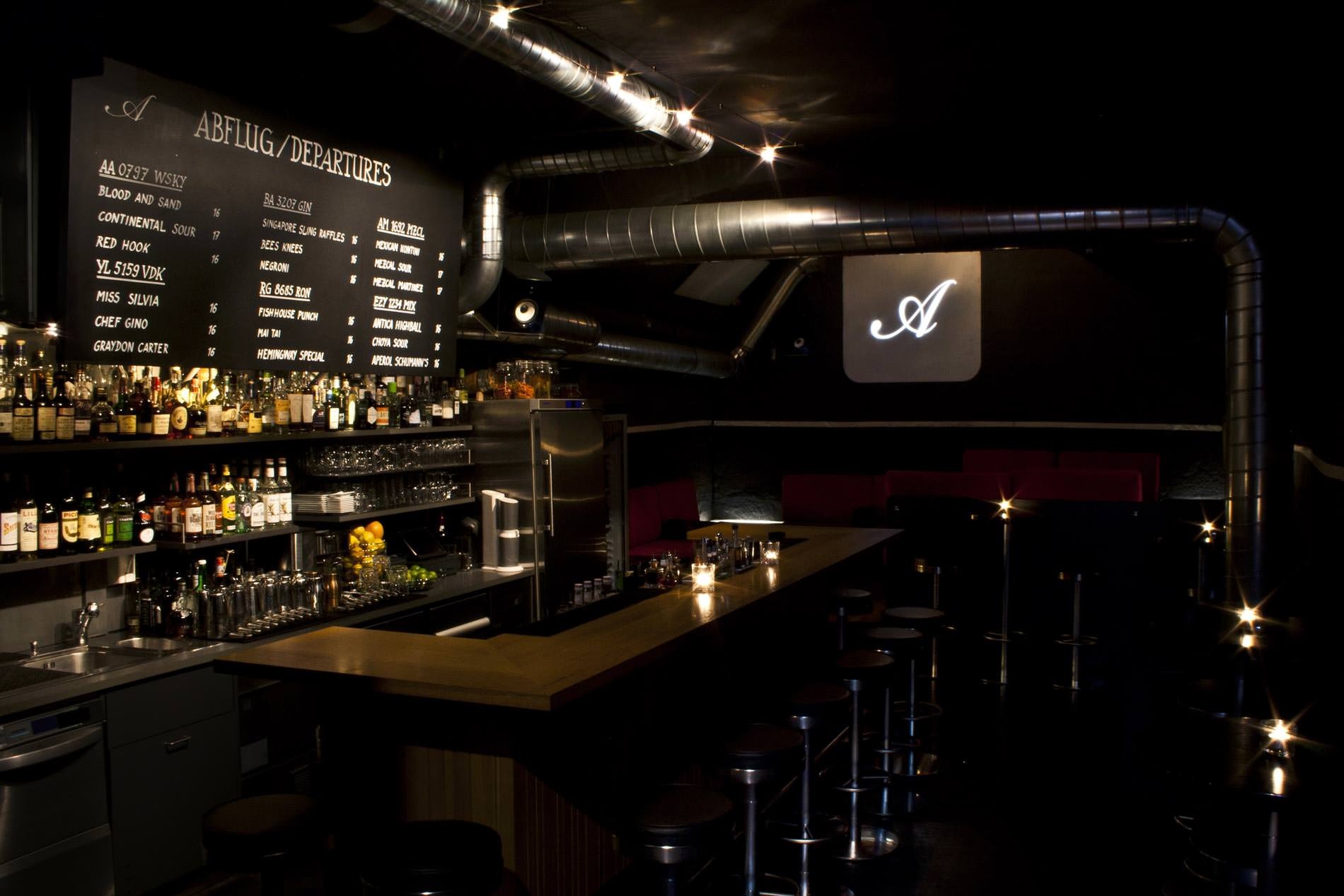
Bars in Mürren
Browse all →

Restaurants in Mürren
Browse all →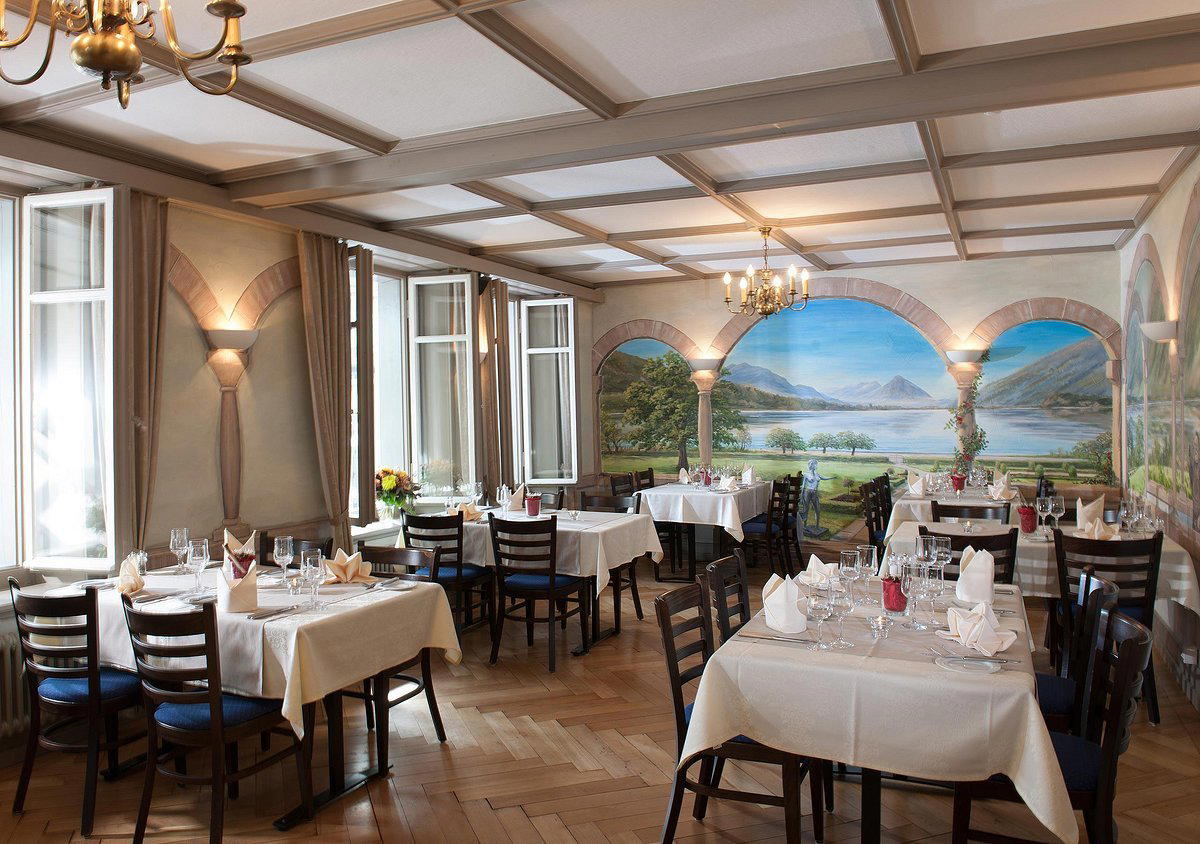

At a Glance
- Classic
- Elegant
- Scenic
- Cozy
- Sophisticated
- Family Vacation
- Romantic Getaway
- Weekend Escape
- Ski In Ski Out
- Panoramic View
- Terrace
- Pool
- Spa
- Kids Club
- Fitness Center
- Room Service
- Concierge
- Wi Fi
- Restaurant
- Mountain
- Garden
- Pool
- Spa
- Kids Club
- Fitness Center
- Room Service
- Concierge
- Wi Fi
- Restaurant
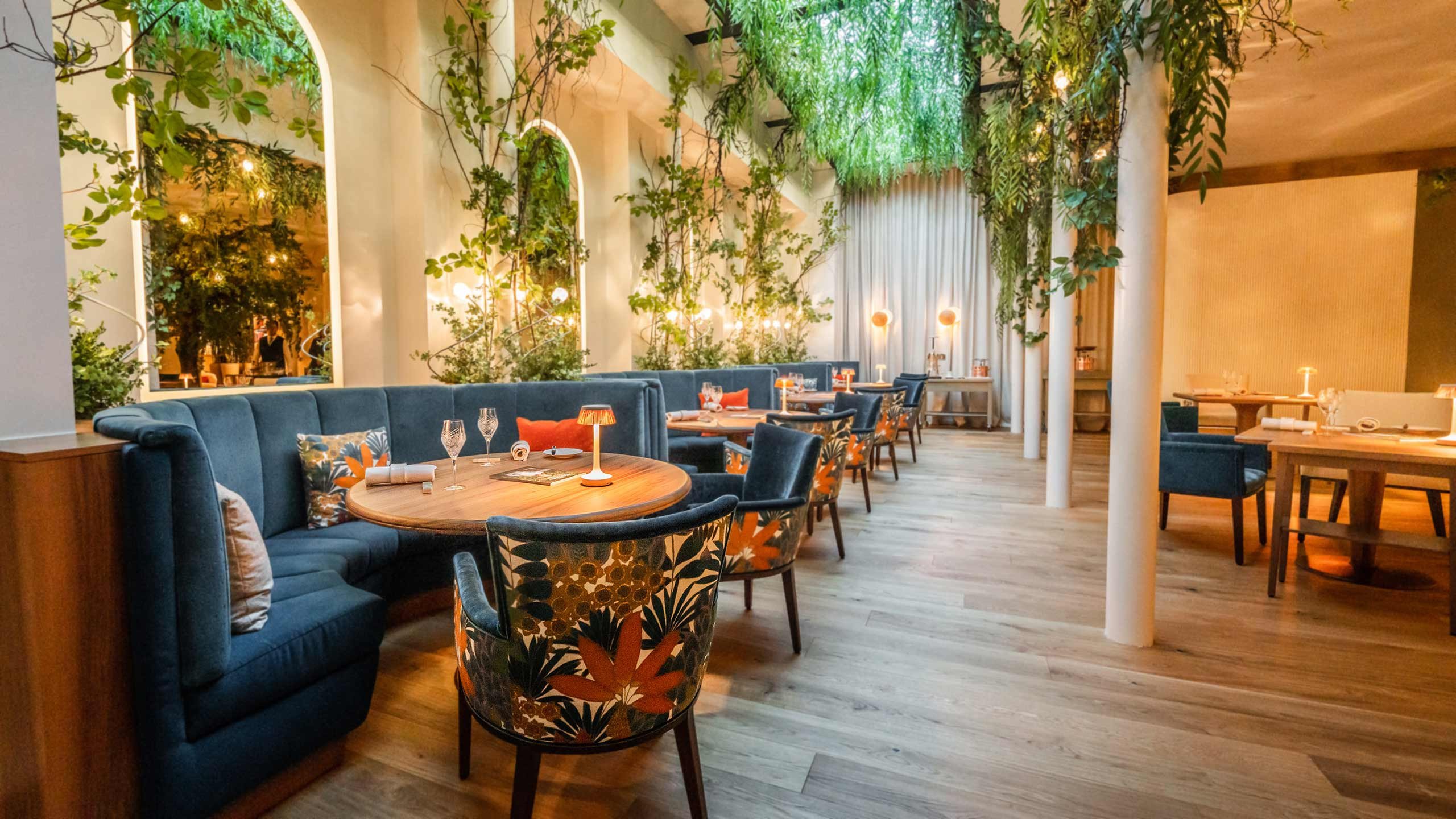
Refined and relaxing atmosphere with elegant decor, modern renovations, midcentury modern room design, and serene mountain retreat feel.
Know Before You Go
- Getting there
- Höhenmatte 1086, 3825 Mürren, Switzerland