Moskito Island Estates

Virtuoso Luxury Hotel Partner
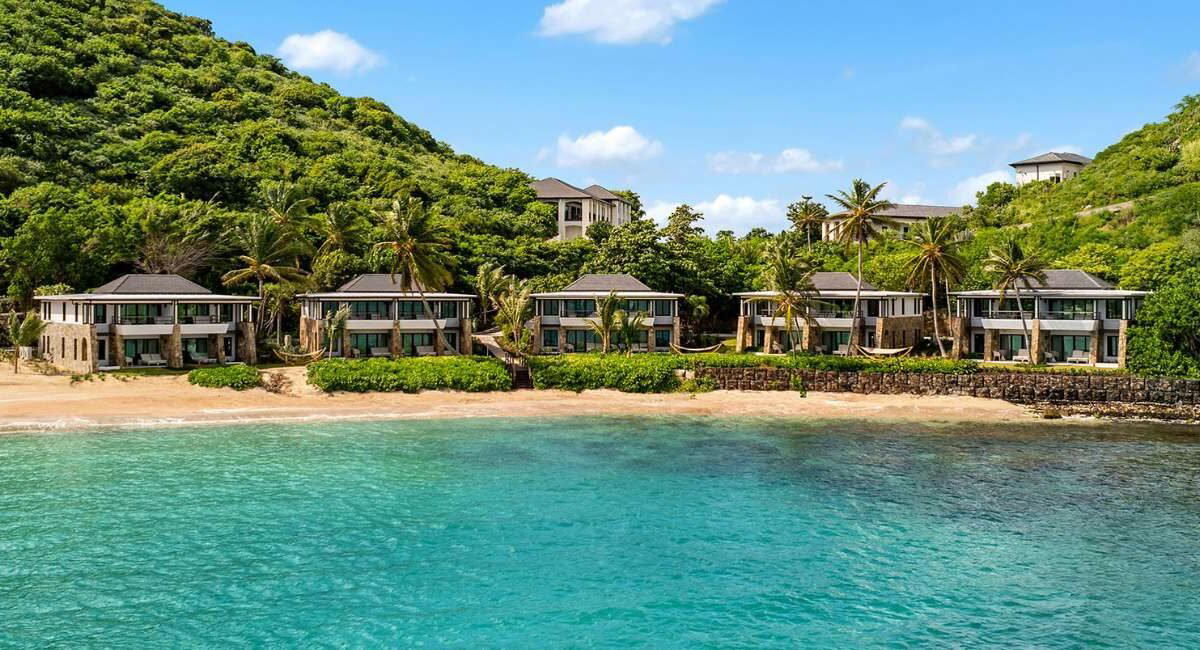
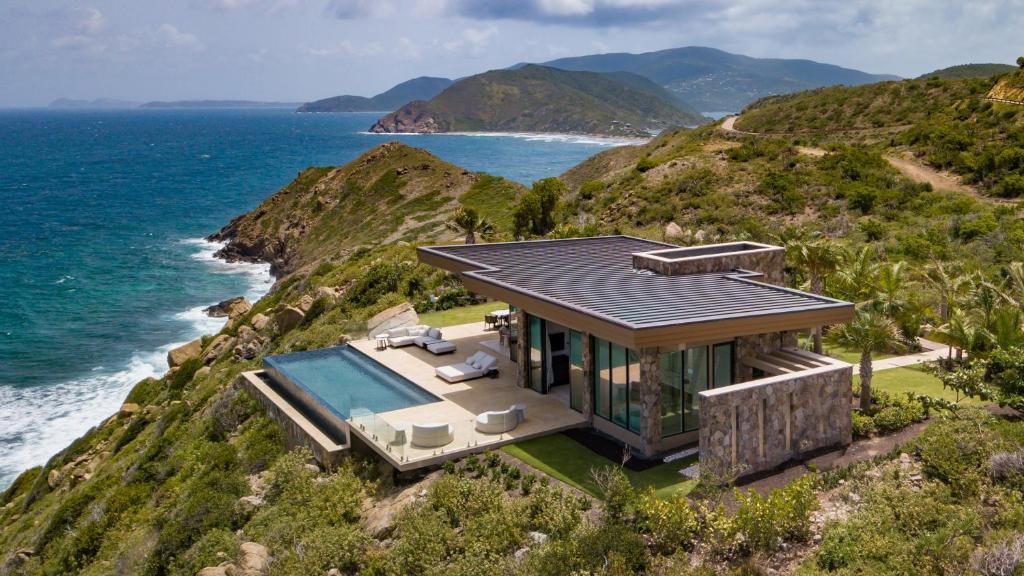
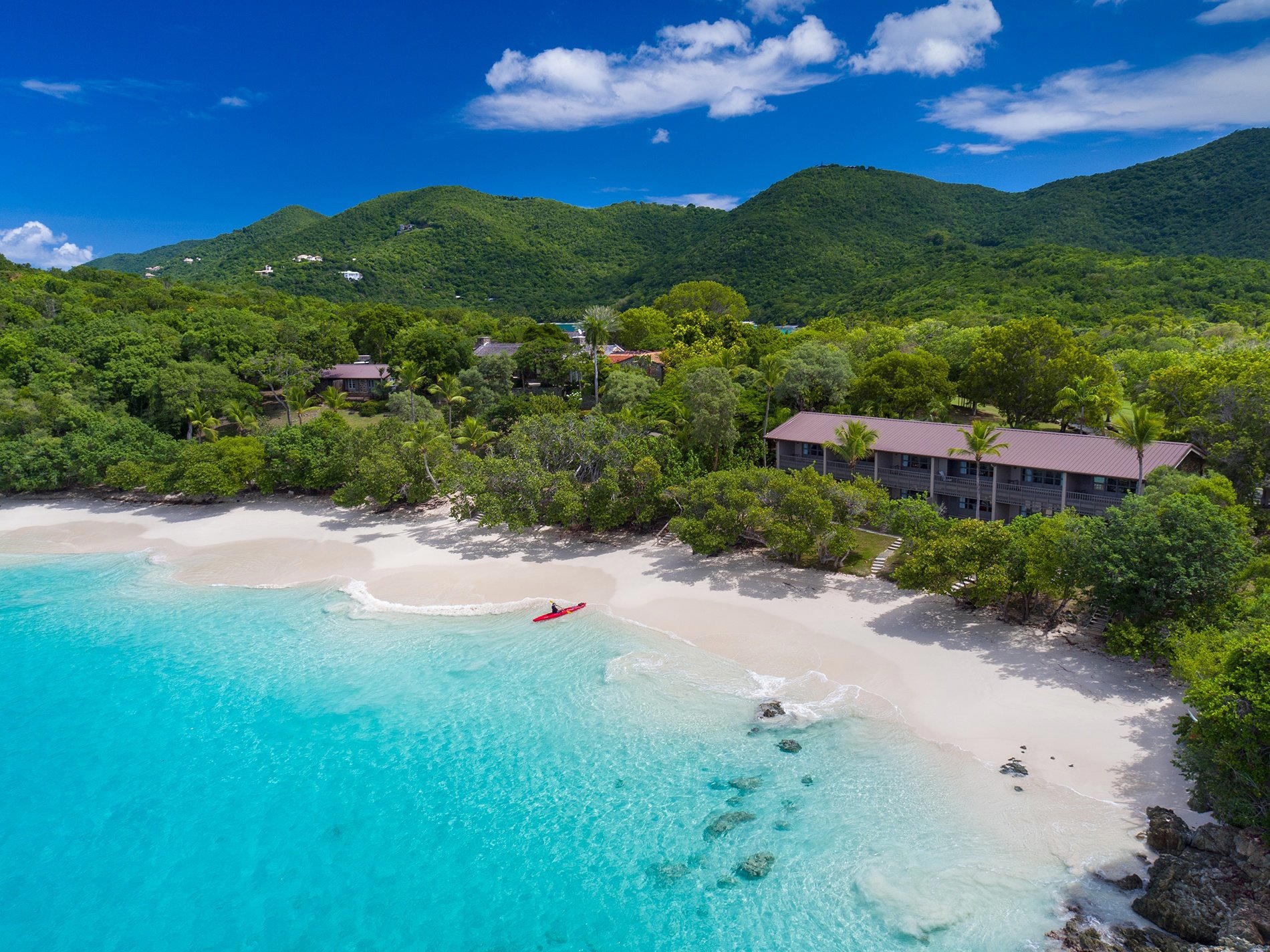
A 132-acre private island in the British Virgin Islands, Moskito Island Estates comprises three distinct estate compounds, The Oasis, The Village, and The Point, each sleeping 20 to 24 guests and designed by a different entrepreneur. A fourth estate, Cape Stout, joined in 2024. The format suits groups seeking full-island privacy, with bespoke itineraries, watersports coaching, and dedicated service teams across every booking.

Pearl is the En Primeur Club membership app, where members save venues, book tables and use the concierge.
A Private Island Built in Layers
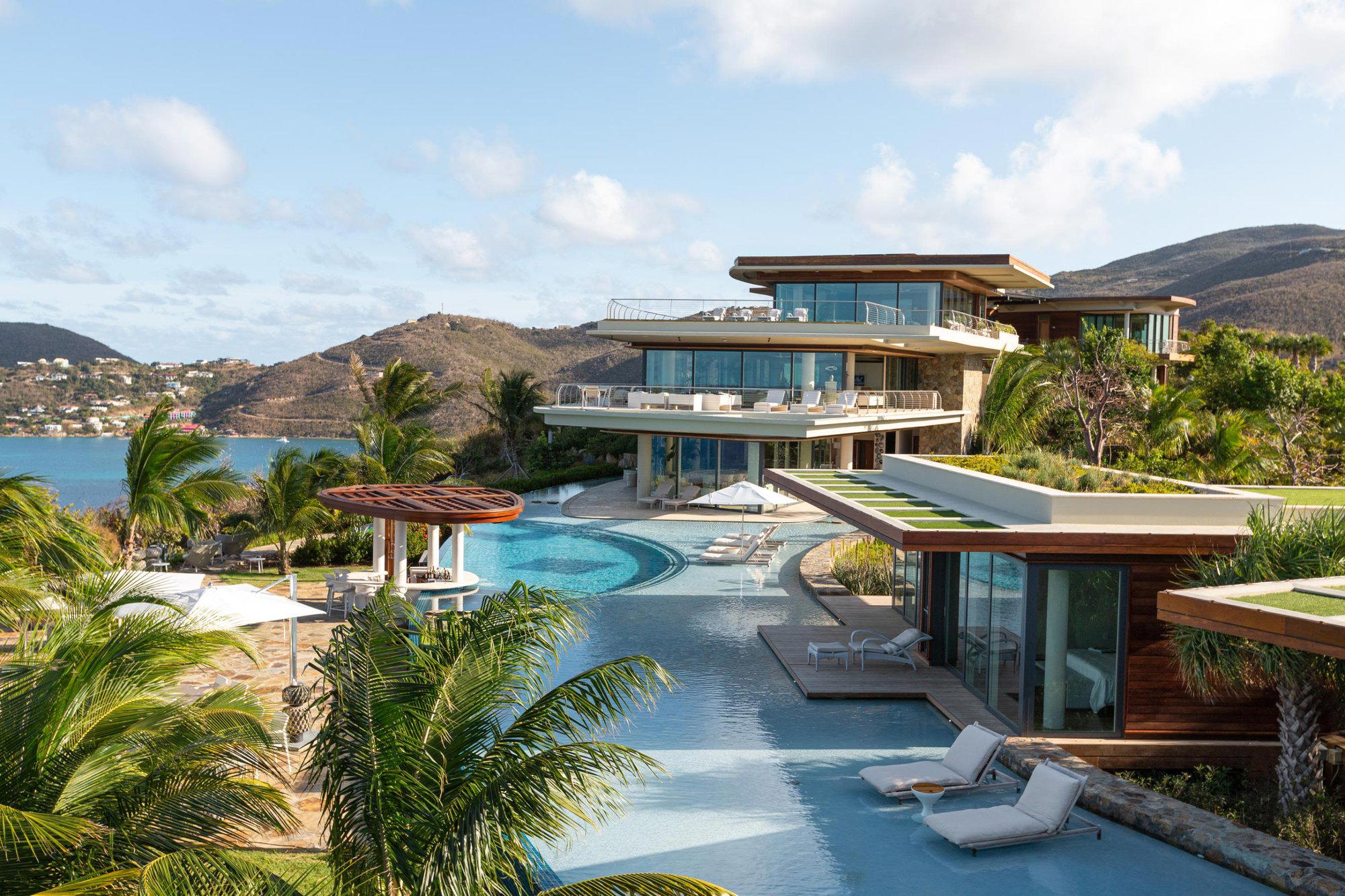
The British Virgin Islands have long attracted a particular kind of private travel: group escapes that require not just seclusion but operational infrastructure. Moskito Island sits in that category, where the product is less a hotel room than a self-contained environment. At 132 acres, the island holds enough terrain for three estate compounds (soon four) to coexist without any sense of proximity to one another, each occupying roughly three acres of private gardens and commanding a distinct position relative to the coastline and topography.
That physical separation is the design concept. Where many private island properties centralise their amenities and scatter rooms around a hub, Moskito has divided the island into independently managed estates, each conceived and selected by a different entrepreneur. The result is that The Oasis, The Village, and The Point feel architecturally and stylistically distinct from one another, reflecting different sensibilities around luxury, materiality, and landscape relationship, rather than expressing a single house aesthetic. For guests booking the whole island across multiple estates, this produces an unusual spatial effect: the sense of being guests in several different worlds simultaneously.
Architecture Across Three Estates
The design differentiation between estates is the most architecturally interesting aspect of Moskito's format. In the premium private island sector, most properties are unified by a single design language, whether colonial plantation revival, Balinese open-pavilion, or contemporary minimalism. Moskito's multi-founder model produces something more variegated. Each estate reflects the patron's own fluency in form and materials, which means the island reads differently depending on where you are standing.
The three current estates each accommodate 20 to 24 guests in configurations that range from poolside villas to cliffside cottages. That range within a single estate is telling: the accommodation hierarchy is not purely horizontal but incorporates elevation and orientation changes, which shapes how light and sea views interact with each structure across the day. Cliffside positions, in particular, create a relationship with the Caribbean that flat-site villas cannot replicate, the visual drop to open water and the spatial compression of being refined above the treeline are architectural experiences in themselves, regardless of interior appointments.
Cape Stout, the fourth estate added in 2024, extends the island's design inventory. Its addition brings the total capacity of the island upward and gives groups booking across all four estates access to a wider range of architectural treatments, useful context for corporate retreats or large private gatherings where architectural variety across sleeping units matters.
For comparison in the broader BVI private property tier, Oil Nut Bay in North Sound and Rosewood Little Dix Bay in Spanish Town represent the resort-format end of the spectrum, where design is unified and amenities are shared. Moskito's estate model occupies a different position: closer to renting a private compound than checking into a property.
The Group Format and What It Demands
Moskito Island operates at the scale where the guest group functions as the entire hotel's clientele. Each estate takes exclusive bookings for 20 to 24 guests, and the island can be taken in full by combining estates, a format that suits family gatherings, multi-generational groups, or corporate retreats with full privacy requirements. The service model is tailored to that scale: dedicated teams, bespoke itinerary design, and programming that spans professional tennis coaching, watersports instruction, and curated excursions.
This format sits at the far end of the private island spectrum. Guana Island in Tortola and Peter Island Resort in Peter Island each offer private island experiences within the BVI but in formats that either retain a resort structure or operate at smaller group capacities. Moskito's 20-to-24-guest-per-estate figure, multiplied across multiple estates, positions it for the largest private group bookings in the territory.
The bespoke itinerary model means the estate experience is not a fixed product. Entertainment, dining, excursions, and scheduling are configured to the group rather than the other way around. That operational flexibility is one of the defining characteristics separating this tier of private island from more standardised luxury resort offerings, it is less about a menu of options and more about a team that builds the program around specific group requirements.
Placement in the Global Private Island Tier
The private island category has evolved considerably over the past two decades, splitting between resort-on-an-island formats (where the island is context rather than product) and full-island-exclusivity models (where the product is the island itself). Moskito belongs to the latter. At 132 acres, it has the land area to support multiple architectural estates without compression, and the multi-estate, multi-founder model gives it design range that single-developer islands rarely achieve.
Within EP Club's broader coverage of private and ultra-luxury properties, comparison points extend well beyond the BVI. Properties like Amangiri in Canyon Point and Castello di Reschio in Lisciano Niccone represent the exclusive-use or limited-access model in very different landscapes, but share a structural logic with Moskito: the property exists to serve a specific group, not a general check-in roster. Hotel Esencia in Tulum offers another reference point in the Caribbean-adjacent luxury tier, a boutique property with strong design identity but operating in a very different access format.
That tier is small, and the BVI's regulatory and geographic character, sheltered sailing waters, reliable Caribbean climate, and proximity to key transit points, makes Moskito's location competitive within it.
For further context on the BVI luxury tier and what the islands offer at this level, see our full Moskito Island restaurants guide, which covers the broader island scene.
Planning a Stay
Access to Moskito Island requires advance coordination. The island does not operate walk-in or short-notice bookings at this format and scale. Groups should approach planning with a lead time appropriate to full-estate exclusive-use properties, typically several months minimum, longer for peak Caribbean season between December and April, when BVI demand across all private island properties compresses availability significantly. The estate model means the booking unit is the full compound, not individual rooms, which affects both pricing structure and the planning timeline. For those researching the full Moskito Island experience, including the separately bookable The Branson Beach Estate on Moskito Island, the distinctions between estates in terms of design character, position on the island, and group capacity are worth investigating in detail before committing to a specific compound.
A Quick Peer Check
| Venue | Price | Awards |
|---|---|---|
| Moskito Island EstatesThis venue (the venue you are viewing) | Not listed | Virtuoso Luxury Hotel Partner |
| Rosewood Little Dix Bay | Not listed | 1 Michelin Key · La Liste Top Hotels |
| The Branson Beach Estate on Moskito Island | Not listed | Virtuoso Luxury Hotel Partner |
| Guana Island | $500–750 | Virtuoso Luxury Hotel Partner |
| Oil Nut Bay | Not listed | Virtuoso Luxury Hotel Partner |
| Peter Island Resort | $1,000–1,500 | Star Wine List · Virtuoso Luxury Hotel Partner |
Recognition history
Dated appearances from independent guides and award organizations, with the underlying list record or original source where available.
Virtuoso Luxury Hotel Partner
Virtuoso
Continue exploring
More in Moskito Island
Hotels in Moskito Island
All hotels in Moskito Island →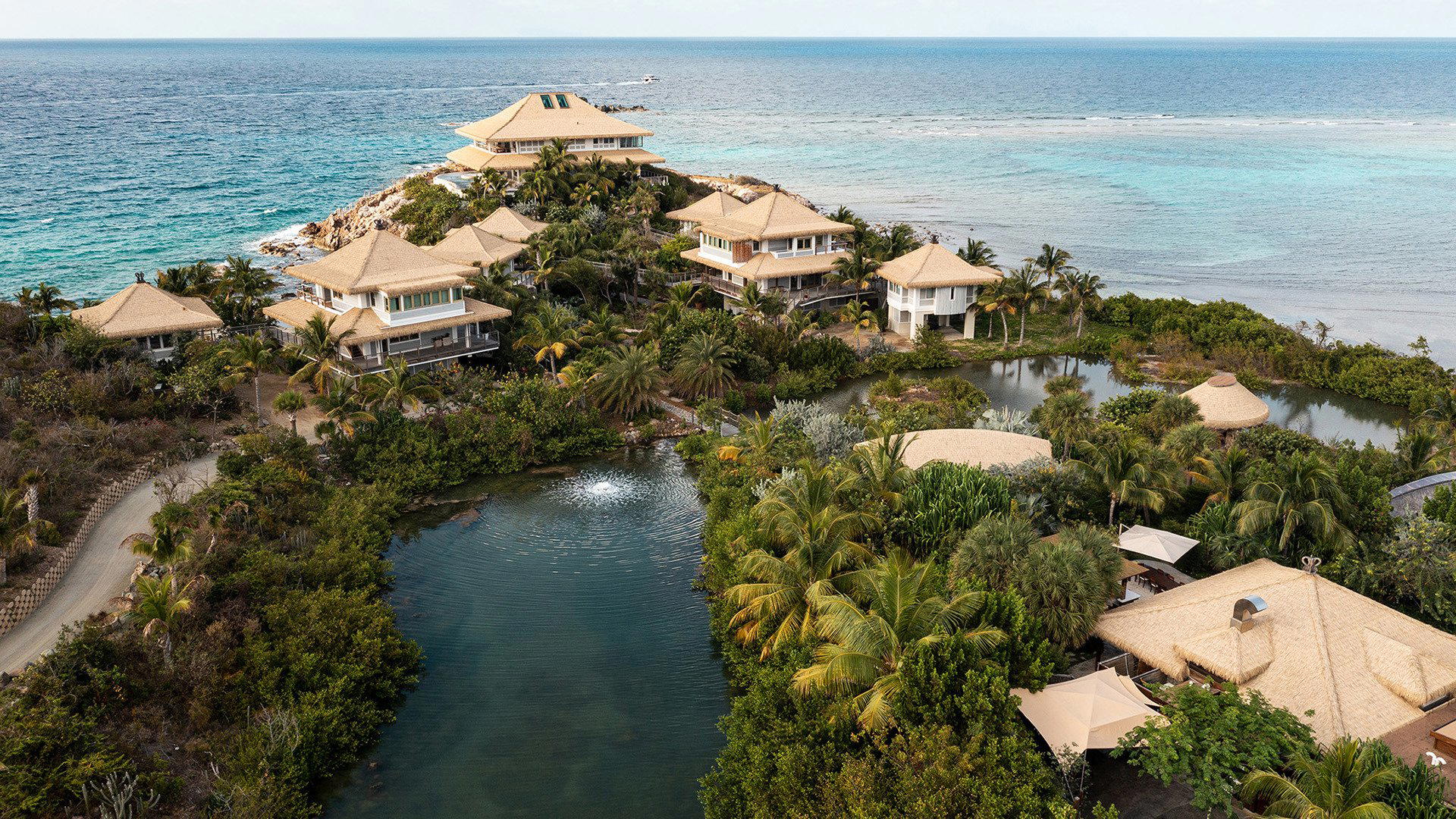
Bars in Moskito Island
Browse all →
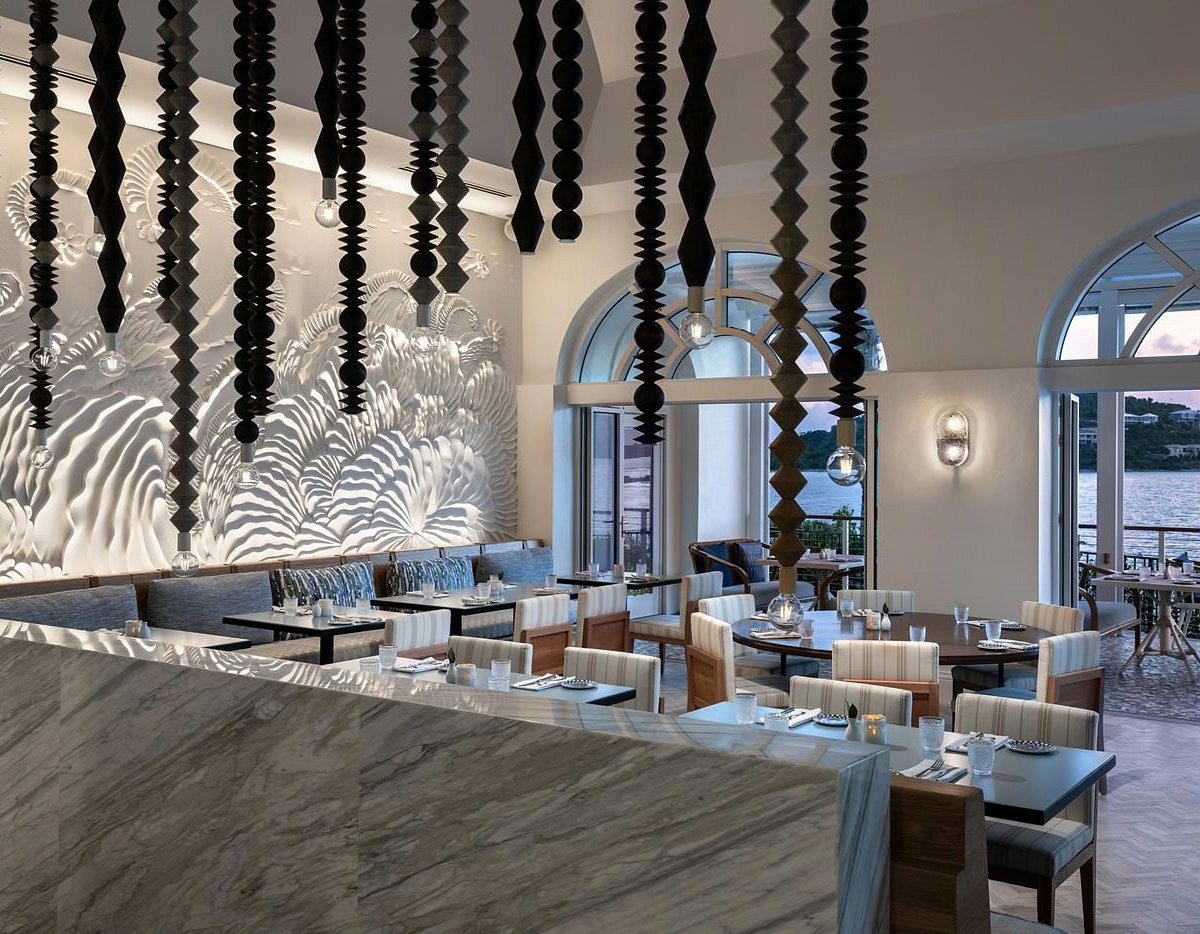
Details
- Romantic
- Quiet
- Elegant
- Scenic
- Intimate
- Ornate
- Honeymoon
- Romantic Getaway
- Family Vacation
- Group Retreat
- Destination Wedding
- Beachfront
- Private Villa
- Infinity Pool
- Panoramic View
- Wi Fi
- Pool
- Spa
- Fitness Center
- Room Service
- Concierge
- Tennis
- Beach Access
- Waterfront
- Elevator
Secluded barefoot luxury with indoor/outdoor living, abundant natural light, and relaxing sea views.