Maloja Palace
Maloja Palace sits at 1,815 metres where the Engadin valley tips toward the Bregaglia, a high Alpine crossing where geology, light, and architectural vernacular converge in ways few other Swiss passes manage. The hamlet of 7516 Bregaglia anchors a district long associated with austere stone building traditions and the singular quality of light that drew painters to the region for generations. Travellers passing through find a place shaped more by topography than tourism.
Pearl is the En Primeur Club membership app — saves, bookings, and concierge access live there. Same editors, same standards.
- Address
- 7516 Bregaglia, Switzerland
- Website
- malojapalace.com
 Saves & bookings on Pearl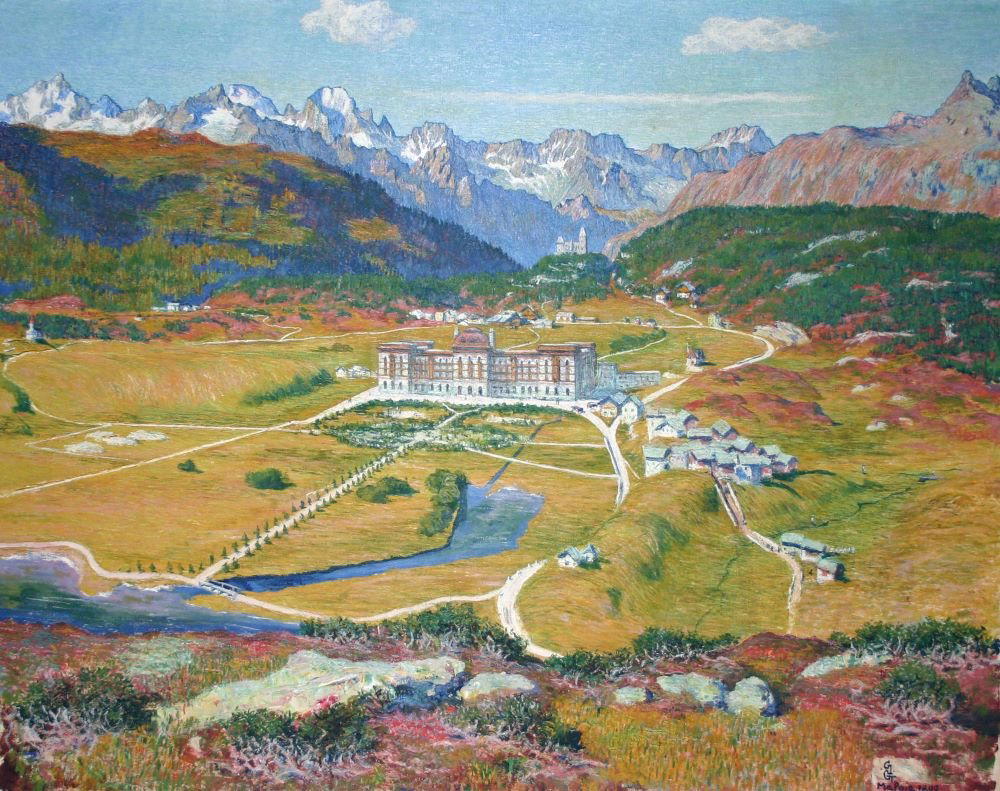
Where the Engadin Ends and the Bregaglia Begins
There is a particular quality to the moment you crest Maloja Palace Hotel at 1,815 metres. The broad, flat floor of the Upper Engadin valley, with its chain of lakes running toward St. Moritz, simply stops, and the land drops sharply into the Bregaglia gorge below. This is not a conventional Alpine pass in the switchback sense; the ascent from the Italian side is steep and dramatic, but the approach from the Engadin is almost imperceptible, the valley floor easing gradually toward the edge before the view opens. That spatial quality, the long horizontal followed by a sudden vertical, defines the character of the place as much as any building or institution within it.
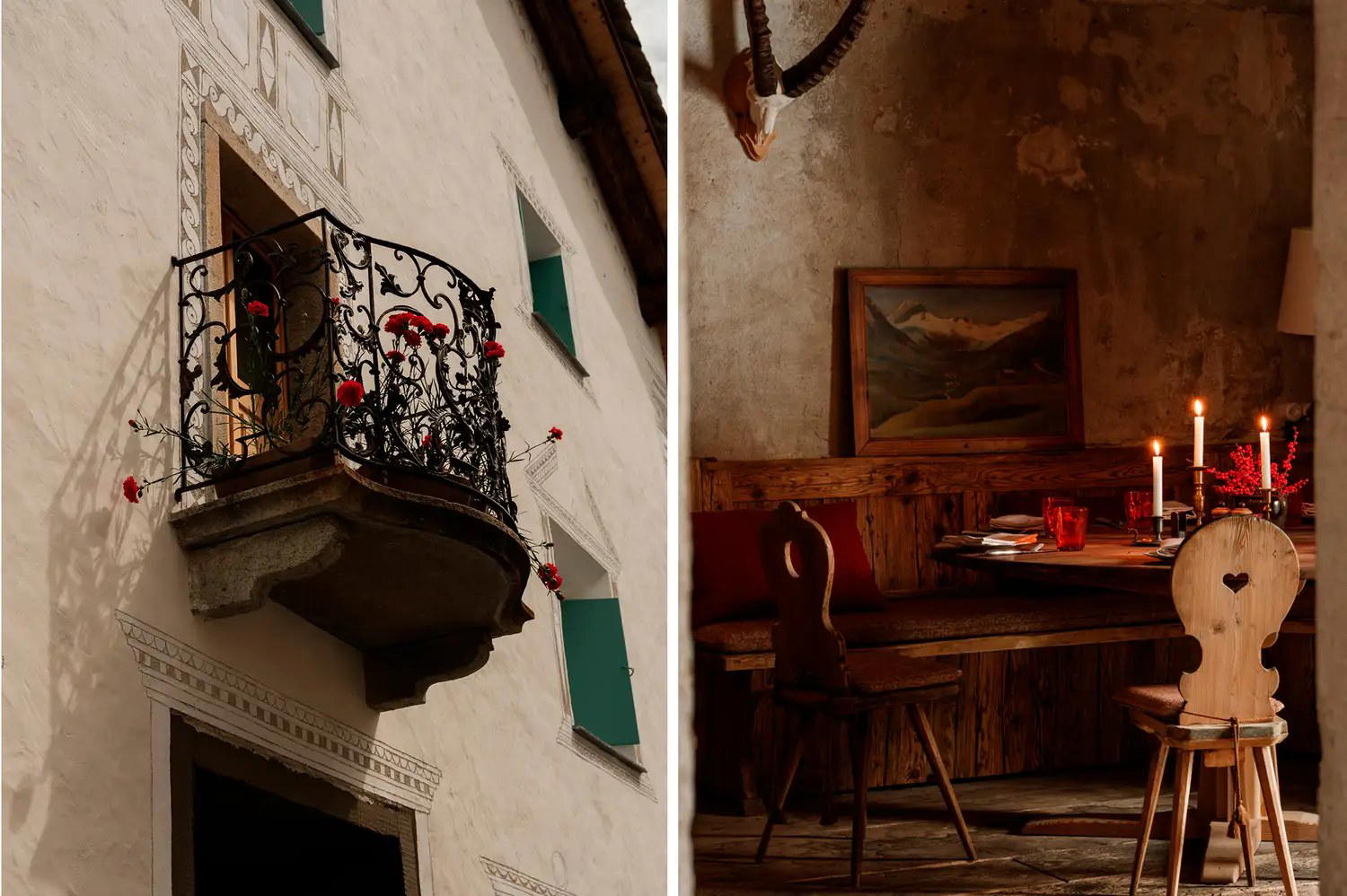
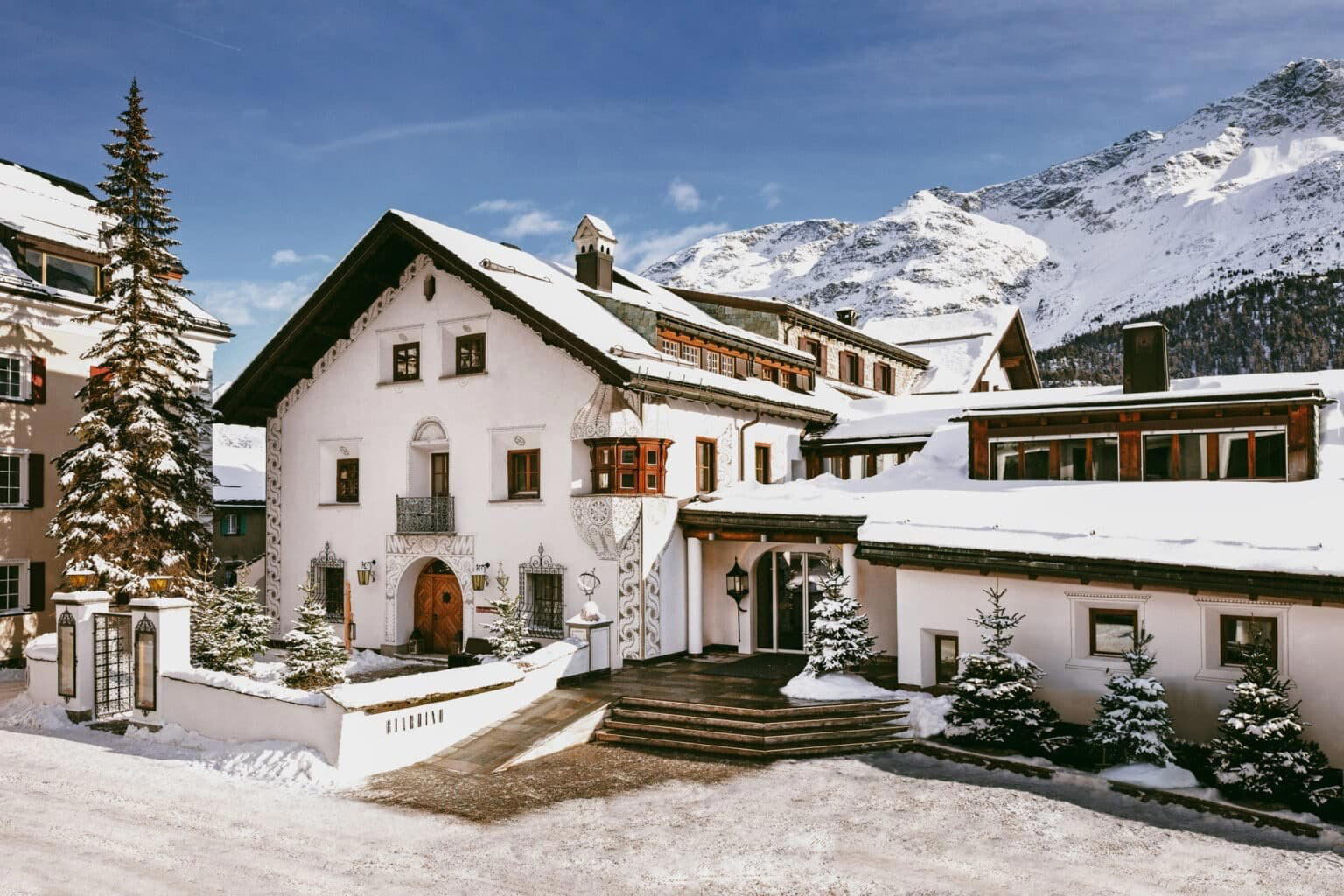
The address, 7516 Bregaglia, places Maloja in the lower Engadin administrative district, though the territory it occupies sits at the cultural boundary between the Romansh-speaking Engadin and the Italian-inflected Bregaglia. This linguistic and architectural tension is visible in the built fabric of the surrounding area: the stone tower houses of the Bregaglia valley below draw comparison with the Bergell tradition found across the border in Lombardy, while the Engadin building type, with its sgraffito-decorated facades and deep-set windows designed against the cold, dominates the plateau above. Maloja itself occupies the hinge between these two traditions.
The Architecture of the Pass
The built environment at Maloja carries the imprint of late nineteenth-century ambition. The pass became accessible to carriage traffic in 1828, and the decades that followed brought a wave of hotel construction tied to the broader development of the Engadin as a destination for visitors. The most consequential architectural intervention was the Maloja Palace, a vast hotel complex begun in the 1880s for a Peruvian entrepreneur who imagined transforming the pass into a resort of continental significance. The project was never fully completed as envisioned, and the partially built palace has stood in various states of use and disuse ever since, its scale entirely out of proportion with the small settlement around it. The complex occupies an unusual position in Swiss architectural history: it is neither a functional ruin nor a working institution, but a preserved ambition, the physical evidence of a moment when the Alps were being imagined as a stage for European leisure on a grand scale.
Design language of the Maloja Palace belongs to the eclectic historicism common in high Alpine resorts of the period, comparable in ambition, if not in outcome, to the grand hotels that defined St. Moritz and Pontresina in the same era. Properties like the Grand Hotel Kronenhof in Pontresina completed and sustained their original ambitions; Maloja took a different path, becoming a document of a particular moment rather than a continuously operated institution. That distinction gives the pass an architectural character that finished, polished properties cannot replicate.
Smaller built fabric around the pass rewards attention on the same terms. Stone construction predominates, with roof pitches and window proportions calibrated against heavy snowfall rather than aesthetic preference. The relationship between built mass and open sky is direct here in a way that lower-altitude Swiss villages, where trees and topography mediate the view, rarely achieve. At 1,815 metres, the scale is elemental.
Light, Landscape, and the Artist Colony
Quality of light at Maloja attracted painters from the late nineteenth century onward, most notably Giovanni Segantini, who worked extensively in the Upper Engadin and whose final large canvases were completed in the region. The light at this altitude has a specific character: high UV, low humidity, and the reflective surface of the lakes in the valley combine to produce an intensity and clarity that lowland conditions cannot replicate. This is not incidental to the architecture; the deep-set windows and thick walls of the Engadin building tradition are direct responses to that same light and the thermal conditions that accompany it. The buildings and the landscape operate in dialogue.
This history positions Maloja within a broader pattern of Alpine artistic geography, where altitude, remoteness, and particular atmospheric conditions created conditions that drew creative practitioners across disciplines. The pass sits within driving distance of St. Moritz, where hotels like Badrutt's Palace Hotel represent a parallel but distinct tradition: the Alps as social stage rather than contemplative subject. Both traditions have produced significant built environments; they simply operate at different registers.
The Pass in the Context of Swiss Alpine Hospitality
Switzerland's premium hospitality infrastructure is concentrated in a relatively small number of established nodes: Zurich, Geneva, Basel, Lucerne, and the major resort towns of Graubünden and the Bernese Oberland. Properties like Baur au Lac in Zurich, Beau-Rivage Geneva, and Beau-Rivage Palace in Lausanne represent the urban anchor of that network, while mountain properties like The Alpina Gstaad, CERVO Mountain Resort in Zermatt, and The Capra in Saas-Fee define the high-altitude leisure offer. Design-led properties in more remote locations, such as 7132 Hotel in Vals or Hotel Villa Honegg in Ennetbürgen, represent a third tier where architectural specificity is itself the primary proposition.
Maloja sits at a remove from all three of these categories. The pass is not a single architecturally defined property. It is a geographic and historical threshold, a place whose interest is structural rather than programmatic. Travellers seeking accommodation in the Upper Engadin will find it more readily in St. Moritz, twenty kilometres up the valley. What Maloja offers instead is the pass itself: its history, its peculiar architectural legacy, and the quality of place that comes from standing at the point where two valleys, two languages, and two building traditions meet.
For those travelling the Engadin circuit, Maloja makes a natural stopping point before or after the descent into the Bregaglia, and the road toward the Italian border connects to a wider itinerary that can incorporate properties like Villa Principe Leopoldo in Lugano or Castello del Sole Beach Resort and Spa in Ascona on the southern slope of the Alps. The pass functions as a natural hinge in that itinerary, the moment before the landscape changes register entirely.
Planning a Visit
Maloja is accessible by the Rhaetian Railway from St. Moritz, with bus connections completing the final stretch to the pass in summer months; the road over the pass closes to heavy vehicles in winter but remains open to passenger cars when conditions allow. Summer visits, broadly June through September, offer the most reliable road access and the leading conditions for appreciating the valley floor and the light quality that defined the region's artistic reputation. The pass itself is a waypoint rather than a destination with structured opening hours or booking requirements; those seeking overnight accommodation will find the nearest concentration of options in St. Moritz or, for a different register, in the Bregaglia valley villages below. Maloja Palace Hotel has no public room inventory of its own.
Comparable Venues
Comparable venues nearby, for context on price, style, and recognition.
| Venue | Cuisine | Price | Awards | Notes |
|---|---|---|---|---|
| Maloja PalaceThis venue — the venue you are viewing | Historic Belle Époque palace with modern renovations | $$$$ | 4-Star | |
| Krone Säumerei am Inn | Contemporary alpine luxury blending 16th-century heritage architecture with minimalist modern design; positioned as a 'restaurant with rooms' emphasizing culinary excellence and art curation. | $$$$ | 4-Star | La Punt-Chamues-ch |
| Royal St. Georges – MGallery Collection | Historic luxury hotel with modern updates in three buildings | $$$$ | 4-Star | central Interlaken |
| Hotel Castell | Historic castle-like building blending tradition and contemporary art. | $$$$ | 4-Star | Zuoz |
| Art Deco Hotel Montana | Luxury Art Deco boutique hotel positioned as an iconic Swiss heritage property with contemporary amenities and personalized service. | $$$$ | 4-Star | Adligenswilerstrasse |
| Chesa Marchetta | Art-centric Alpine heritage hotel blending 16th-century Engadine architecture with contemporary curatorial vision and international sophistication. | $$$$ | 4-Star | Sils Maria |
Continue exploring
More in Maloja
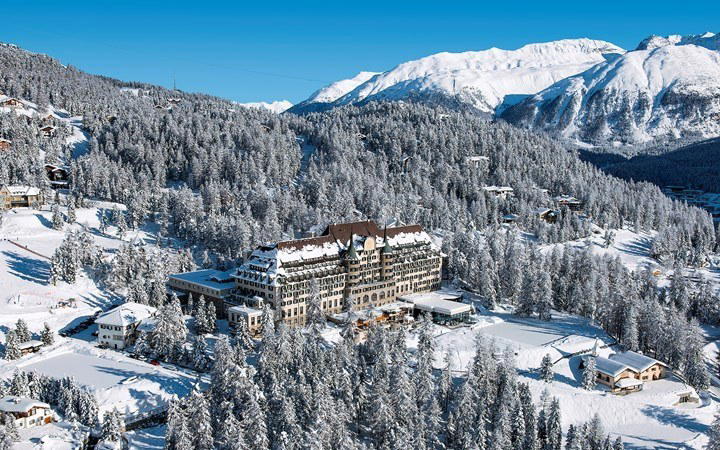
Hotels in Maloja
Browse all →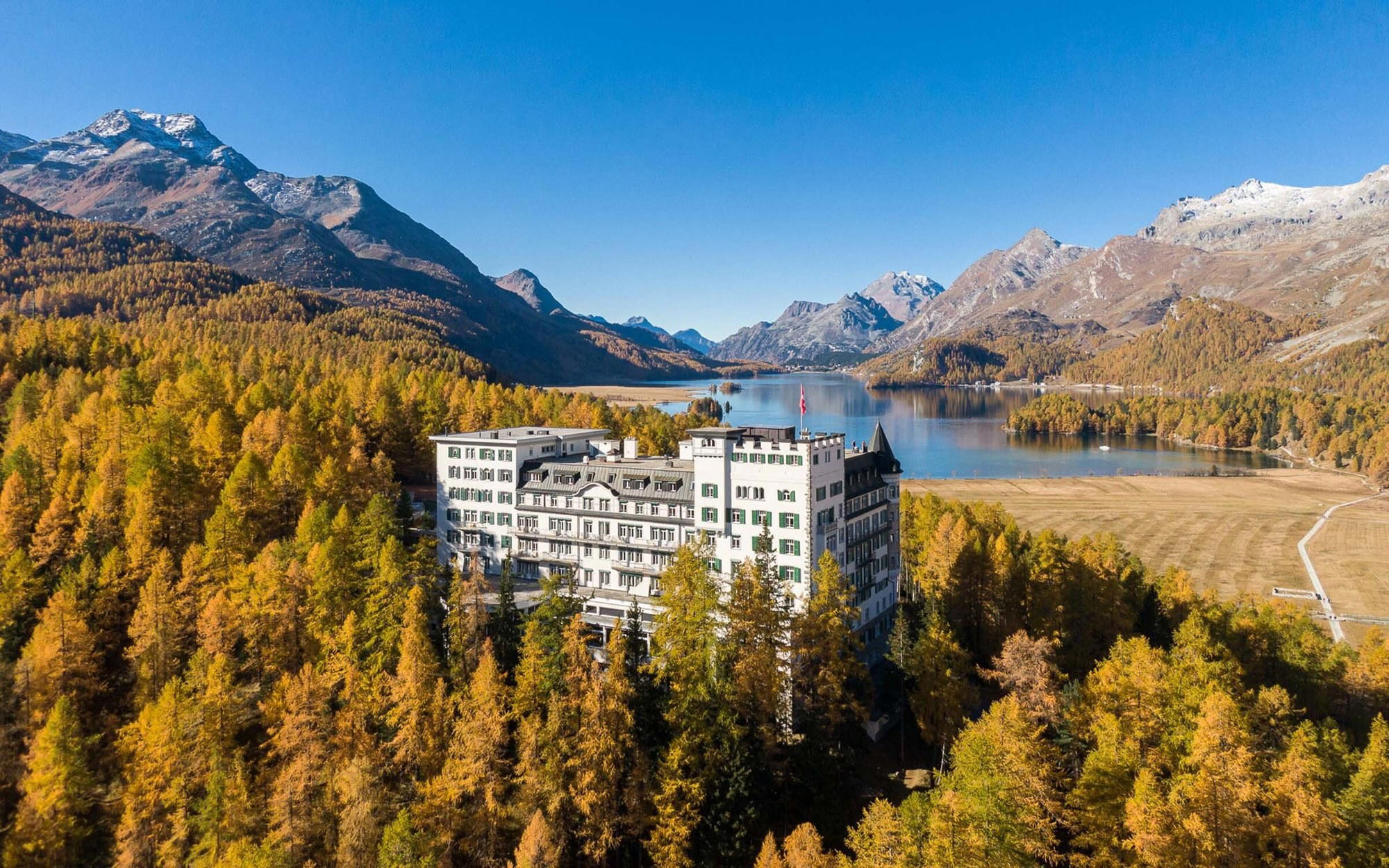
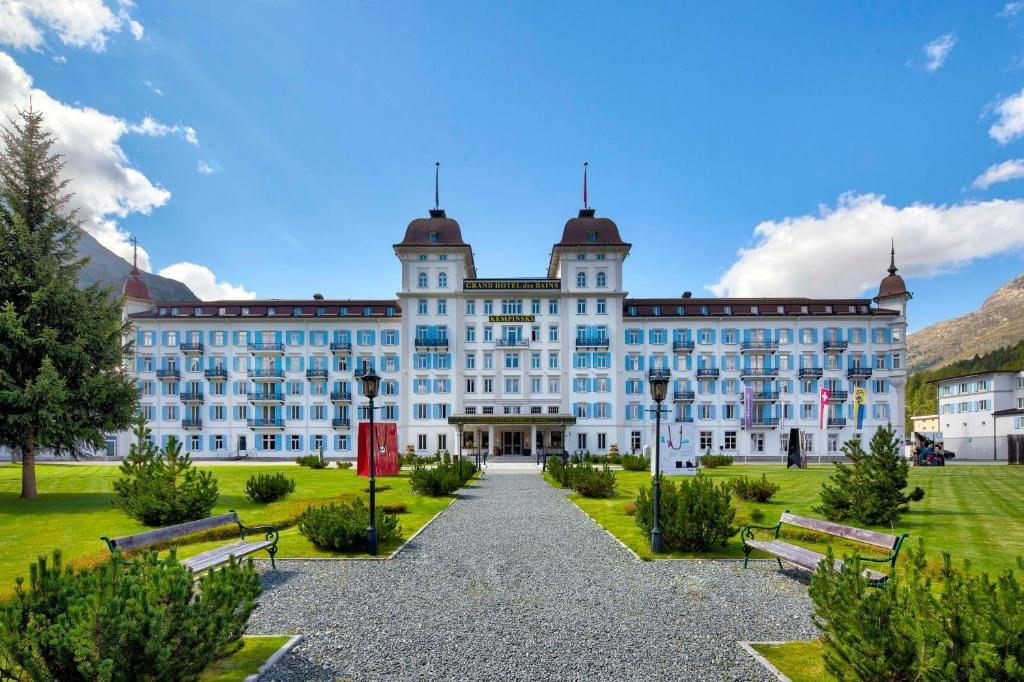
Bars in Maloja
Browse all →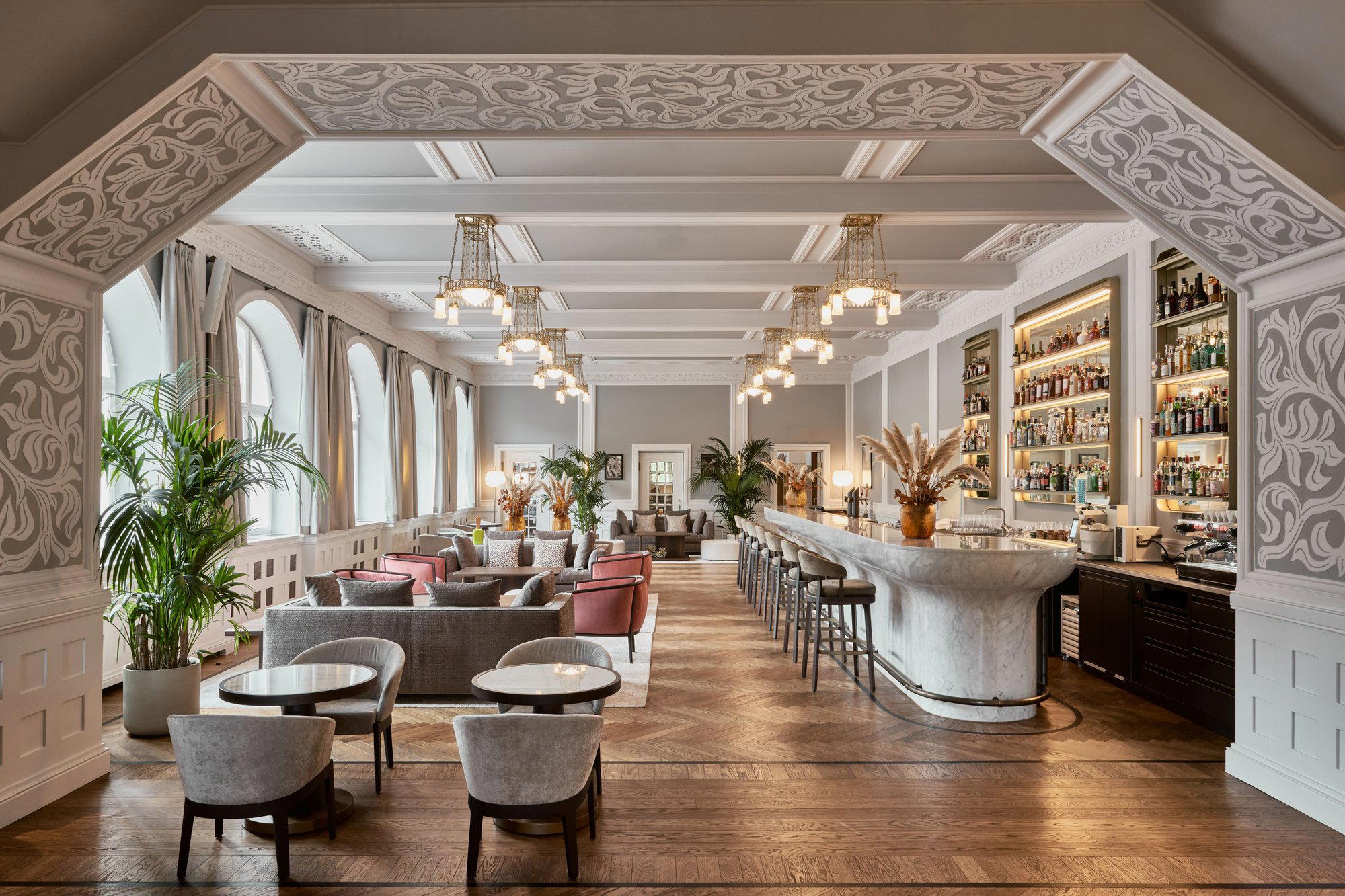
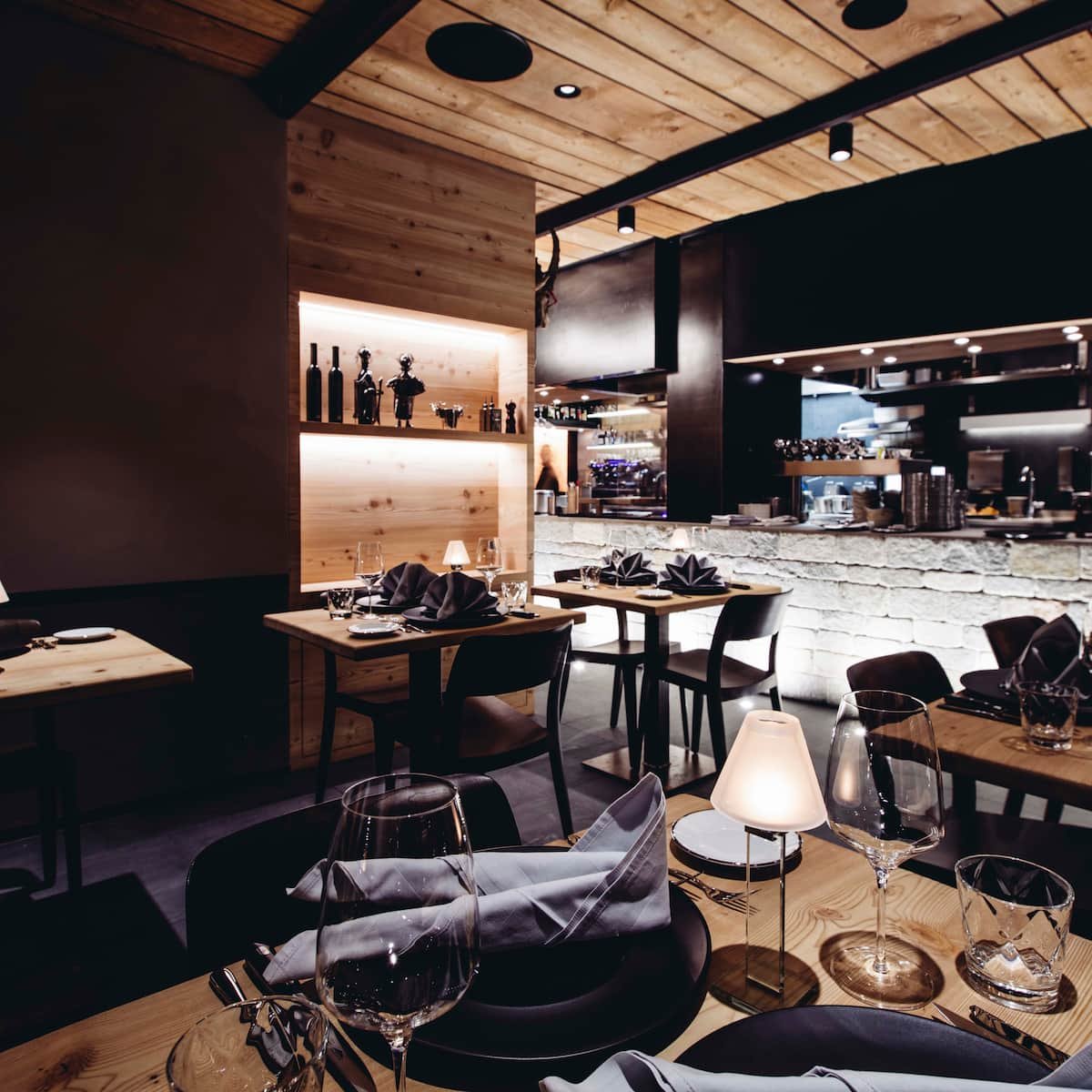
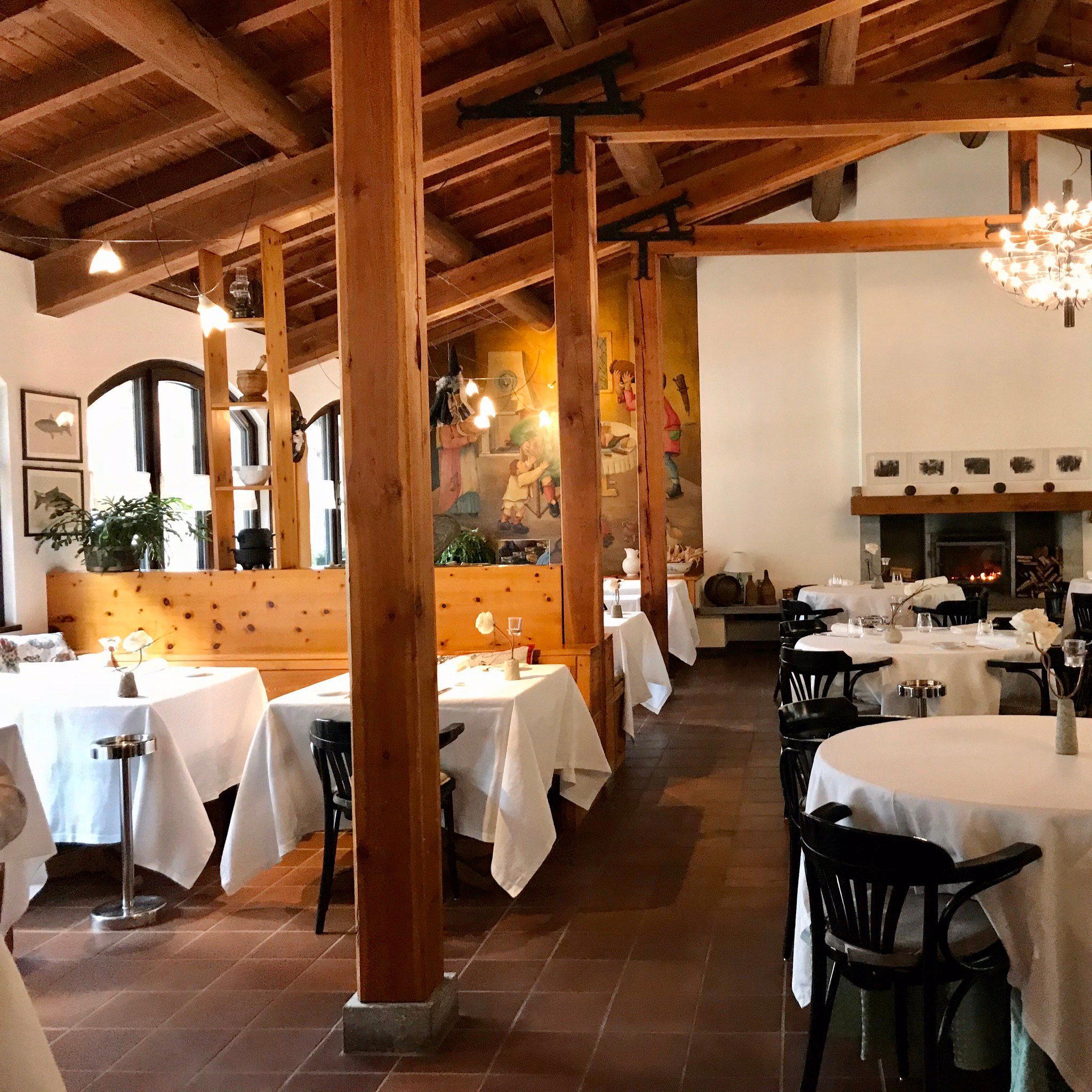
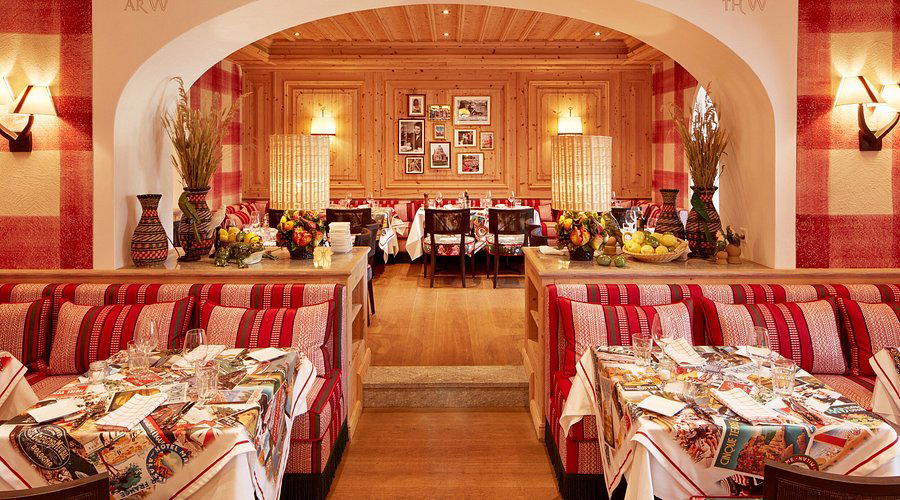
Restaurants in Maloja
Browse all →
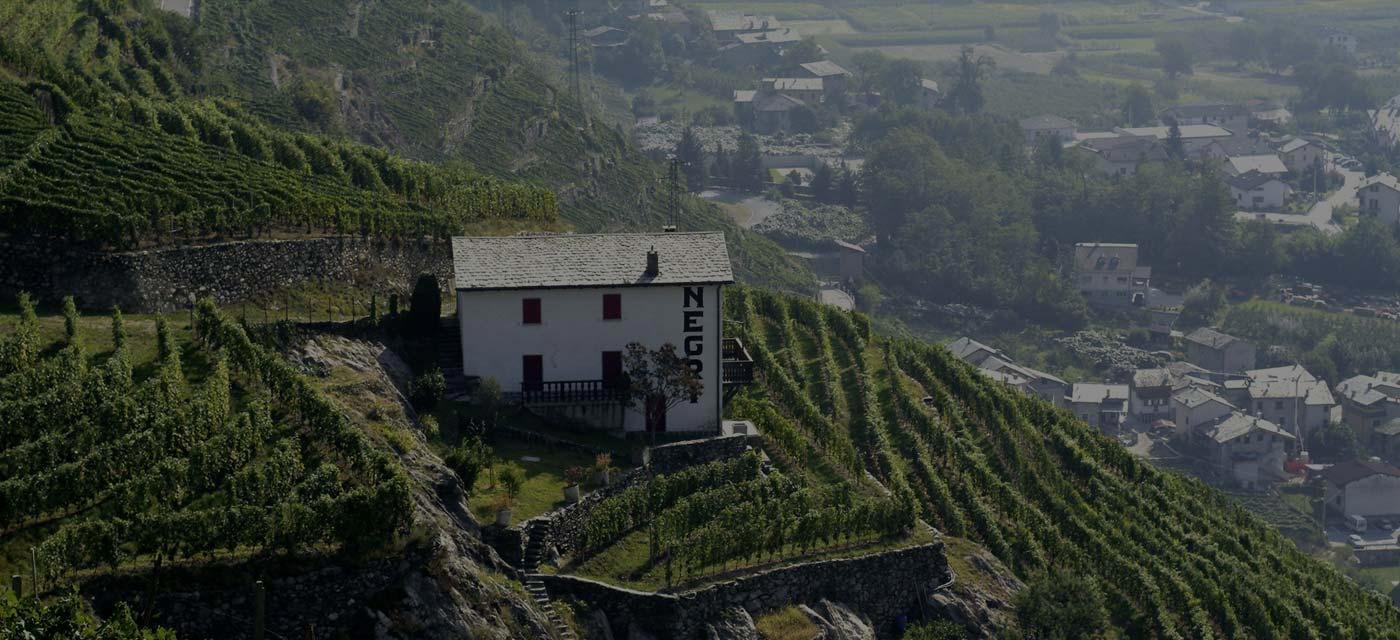
Wineries in Maloja
Browse all →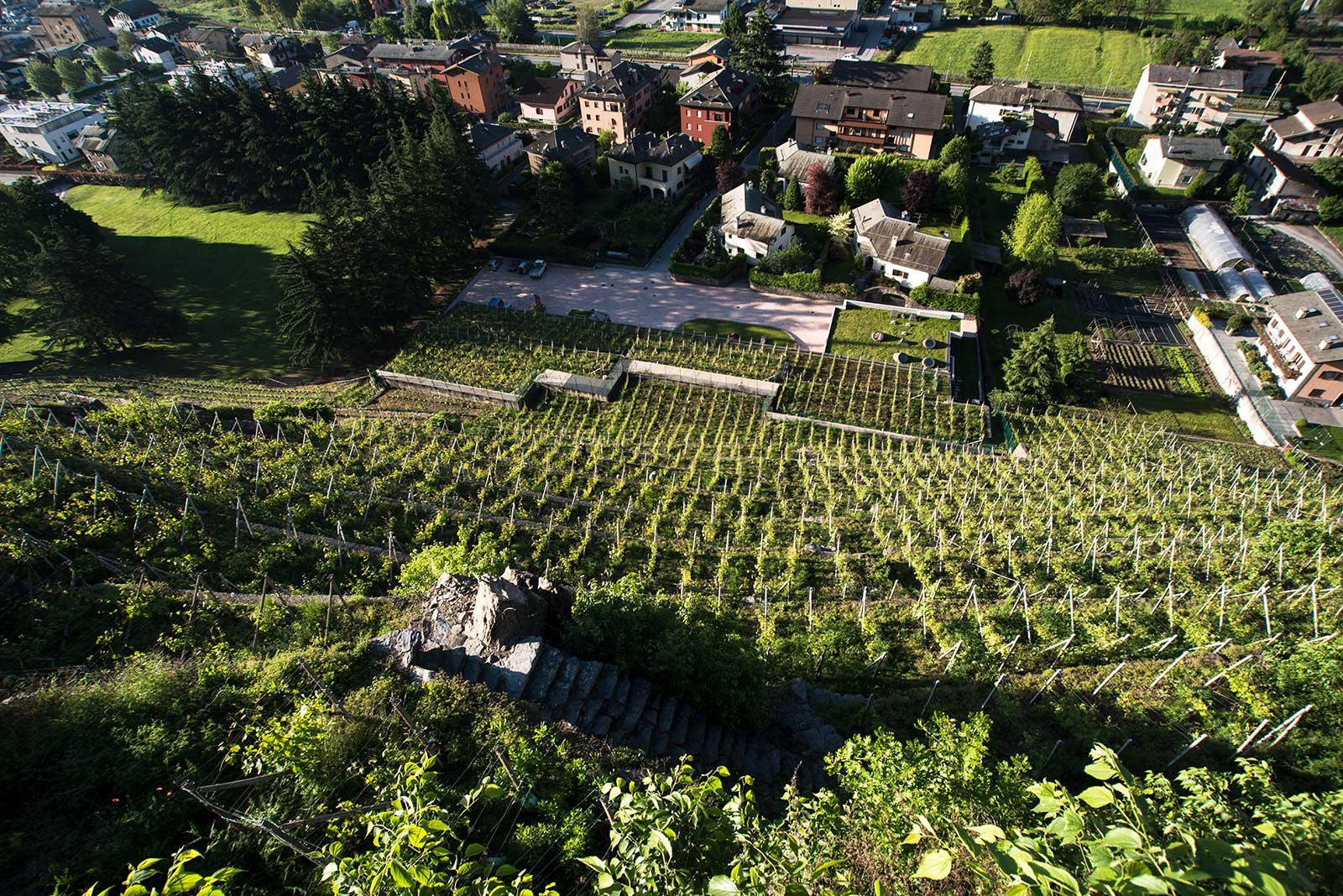
At a Glance
- Romantic
- Scenic
- Historic
- Elegant
- Romantic Getaway
- Weekend Escape
- Panoramic View
- Historic Building
- Wifi
- Fitness Center
- Sauna
- Free Parking
- Ev Charging
- Mountain
Spacious and authentic historical atmosphere with high ceilings, cozy comfortable rooms, and a sophisticated congenial setting.