Le Manoir occupies a rare position in the Var: a heritage property set within the protected boundaries of the Port-Cros national park zone near Hyères, where the constraints of the natural setting shape the architecture and experience as much as any design brief. For travellers seeking seclusion on the French Riviera's least commercialised coastline, it represents a distinct proposition from the polished resort circuit further east.

Pearl is the En Primeur Club membership app, where members save venues, book tables and use the concierge.
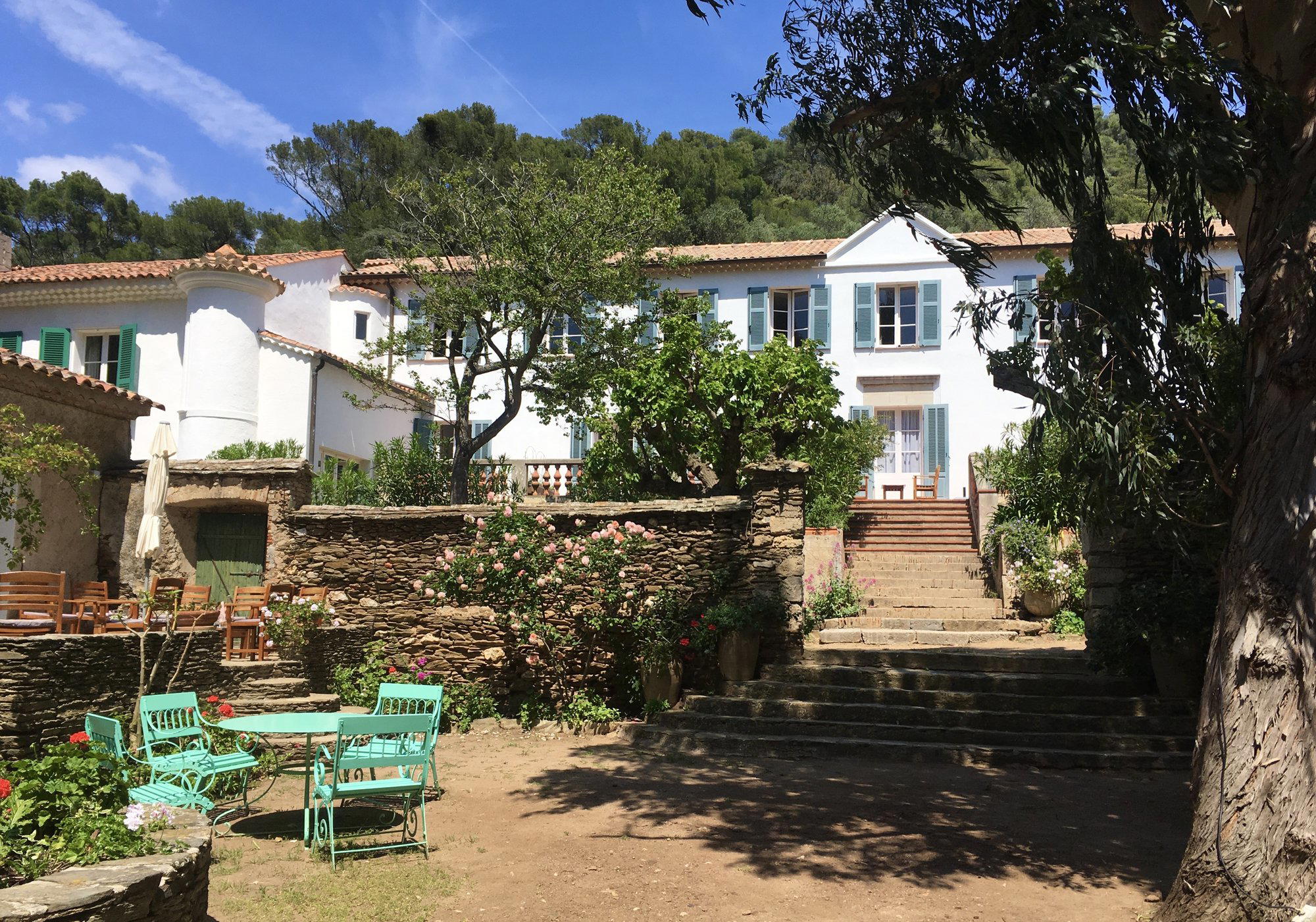
Where the National Park Sets the Terms
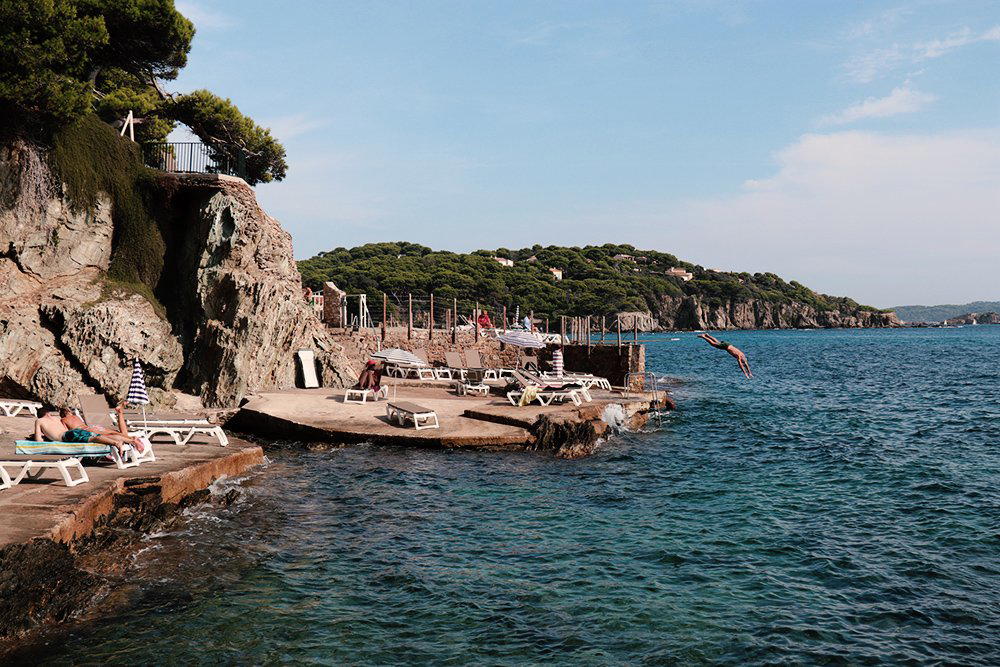
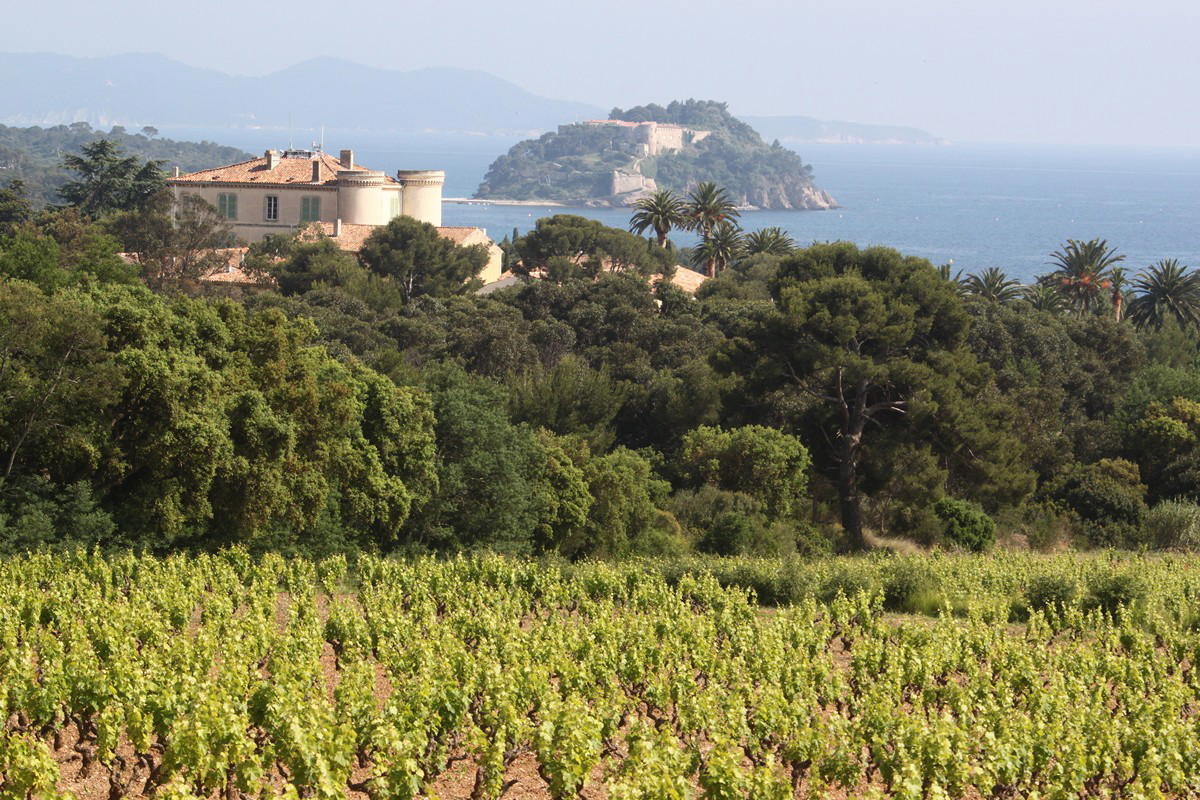
The southern edge of the Var department has a different relationship with luxury than the stretch of coast running east toward Cannes and Monaco. Around Hyères, the Îles d'Or archipelago and the Parc national de Port-Cros impose hard limits on what can be built, how it can be accessed, and who can stay. Le Manoir sits inside that framework, which means the physical setting is not backdrop but constraint, and in that constraint lies most of its character. Properties that survive inside protected zones do so because the architecture was either there before the protections or because it was built to pass within them. Either way, the building carries a quality that no amount of investment in a conventional resort corridor can replicate: it exists somewhere that nothing quite like it could be built today.
That geographical context distinguishes the Hyères coastal offer from its neighbours to the east. While Hotel Du Cap-Eden-Roc in Cap d'Antibes and The Maybourne Riviera in Roquebrune-Cap-Martin occupy headland positions shaped by decades of grand-hotel investment and Riviera mythmaking, Le Manoir's position within the national park perimeter places it in a smaller and quieter category. The comparison set is not other luxury hotels on the Côte d'Azur's main circuit, it is the handful of properties across France where the landscape itself is the primary amenity, and the building's role is to make a sensitive presence within it.
The Architecture of Restraint
The French Riviera's architectural identity is often associated with Belle Époque grandeur, the Italianate villas of the interwar period, and the mid-century modernism that produced some of its most photographed hotels. Le Manoir belongs to a different register. Set on the island of Port-Cros, accessible only by boat from the Hyères peninsula, the property's architecture reflects the practical realities of island construction and the aesthetic vocabulary of the Provençal manoir: thick stone walls, shuttered fenestration, and a mass that reads as belonging to its site rather than imposed upon it.
Within the national park, interventions are subject to exceptional scrutiny. That condition tends to produce a specific kind of design intelligence: one that works with existing volumes, that treats renovation as a dialogue with what is already there, and that cannot rely on the kind of landscaped spectacle available to properties with unlimited outdoor capital. The gardens and terraces of a property in this context carry weight precisely because they cannot be easily expanded or reinvented season to season. What exists is what there is, and it must be enough.
This architectural temperament places Le Manoir in a broader French tradition of properties where heritage status and environmental protection have, over time, produced a more considered spatial experience than purpose-built resorts can easily achieve. The comparison is closer to a place like Baumanière Les Baux-de-Provence in Les Baux, where landscape protection and historical fabric create a physical atmosphere that the design must serve, than to the open-investment luxury of newer Riviera addresses.
The Island Setting and What It Demands of Guests
Port-Cros is France's oldest marine national park, designated in 1963, and the island remains car-free. Access from Hyères requires a ferry crossing, which immediately separates the Le Manoir experience from the drive-in convenience of mainland coastal hotels. This logistical reality is not incidental, it defines the guest profile and the rhythm of a stay. Arriving by boat, with luggage and without vehicles, is a commitment that filters the clientele toward those for whom the isolation is the point rather than an inconvenience.
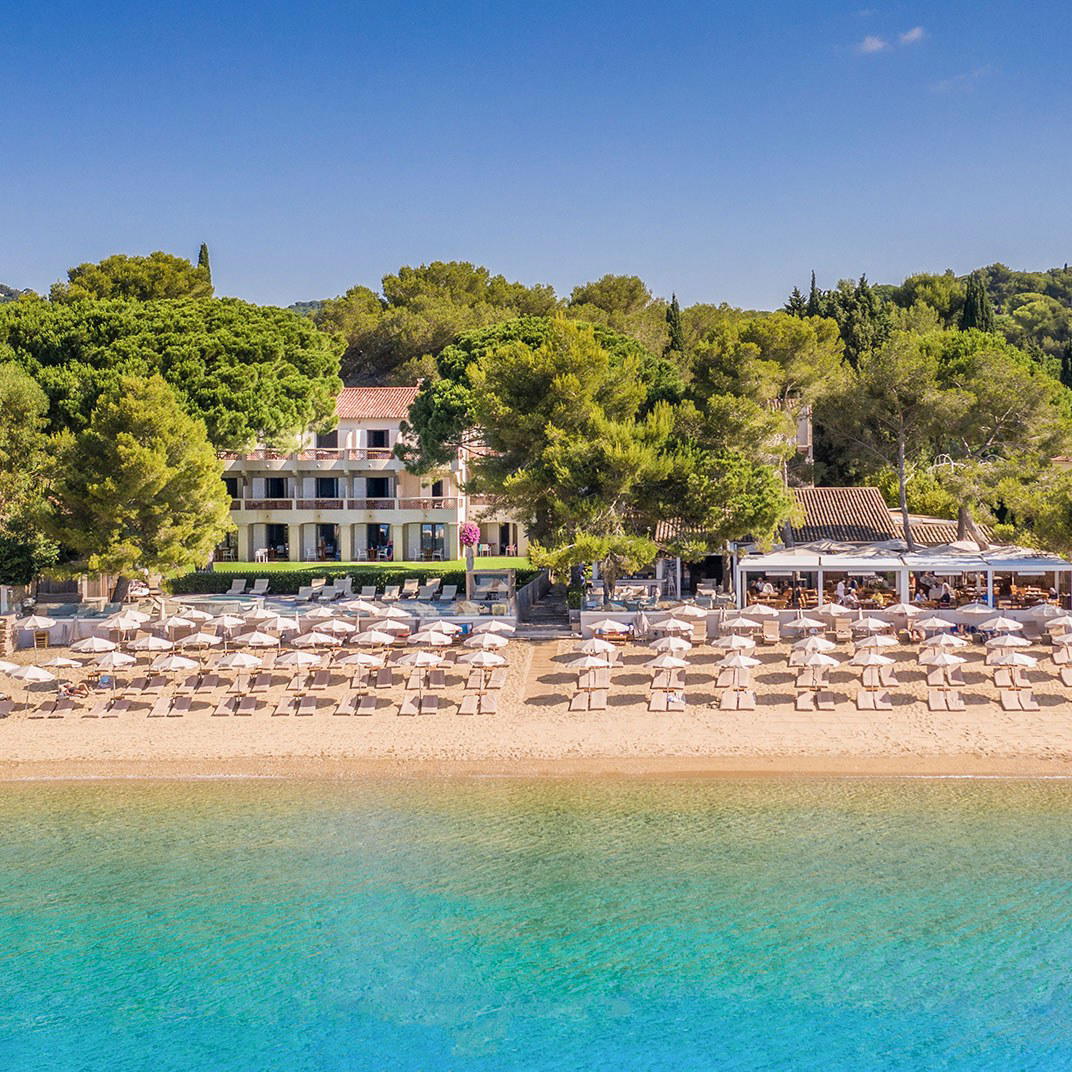
Within the Hyères orbit, a small number of properties offer comparable seclusion. Le Mas Du Langoustier on the nearby Île de Porquerolles shares the island-access logic and the protected-landscape context. Hôtel Le Provençal Giens and La Résidence du Provençal on the Giens peninsula offer a mainland alternative for those who want the coastal setting without the ferry dependency. The choice between these properties is fundamentally a choice about how much self-containment a traveller wants from a French Riviera stay. For the full guide to what the area offers, see our full Hyeres restaurants guide.
The wider French luxury hotel circuit, from Cheval Blanc Paris to Domaine Les Crayères in Reims and Les Sources de Caudalie in Bordeaux, tends toward a model where the property's physical amenities are comprehensively documented and marketed. Island properties like Le Manoir operate differently: the case for a stay is made largely by what surrounds the building, not by what is inside it. The hiking trails of the national park, the marine reserve waters, and the absence of commercial infrastructure are the primary arguments.
How Le Manoir Fits the Wider Southern France Picture
Travellers mapping a route through southern France's premium hotel offer will find that the properties which carry the strongest sense of place tend to cluster around one of two conditions: exceptional landscape setting, or significant architectural heritage. Le Manoir at Port-Cros satisfies both simultaneously, which is rarer than the density of luxury properties on the Côte d'Azur might suggest. Properties like La Réserve Ramatuelle, Airelles Saint-Tropez Château de la Messardière, and Château de la Chèvre d'Or in Èze each make a version of this claim, but in formats that remain connected to the Riviera's commercial infrastructure. Le Manoir's island position removes it from that infrastructure entirely.
For those extending south into Corsica, Casadelmar in Porto-Vecchio offers a comparable emphasis on landscape primacy and architectural restraint in a protected coastal setting. Further afield in the Provençal interior, La Bastide de Gordes, Villa La Coste in Le Puy-Sainte-Réparade, and Château de la Gaude in Aix-en-Provence represent the inland alternative for travellers who want heritage architecture and protected landscape without the island logistics.
Planning a Stay
Access to Le Manoir is via ferry from Hyères or Toulon, with crossing times varying by operator and season. The island of Port-Cros receives the bulk of its visitors between June and September, and the summer months bring significant ferry traffic from day-trippers alongside hotel guests. For those prioritising quiet, the shoulder months of May and early October offer the most favourable ratio of accessibility to calm. Booking arrangements and current room availability are best confirmed directly, as the property's national park context means seasonal operating windows can shift.
Comparison Snapshot
| Venue | Cuisine | Price |
|---|---|---|
| Le ManoirThis venue (the venue you are viewing) | This venue | $300–500 |
| Le Mas Du Langoustier | Not listed | $300–500 |
| La Résidence du Provençal · 23 appartements et 2 Restaurants · Var | Not listed | $1–100 |
| Hôtel Le Provençal Giens | Not listed | $200–300 |
Continue exploring
More in Hyères
Hotels in Hyères
All hotels in Hyères →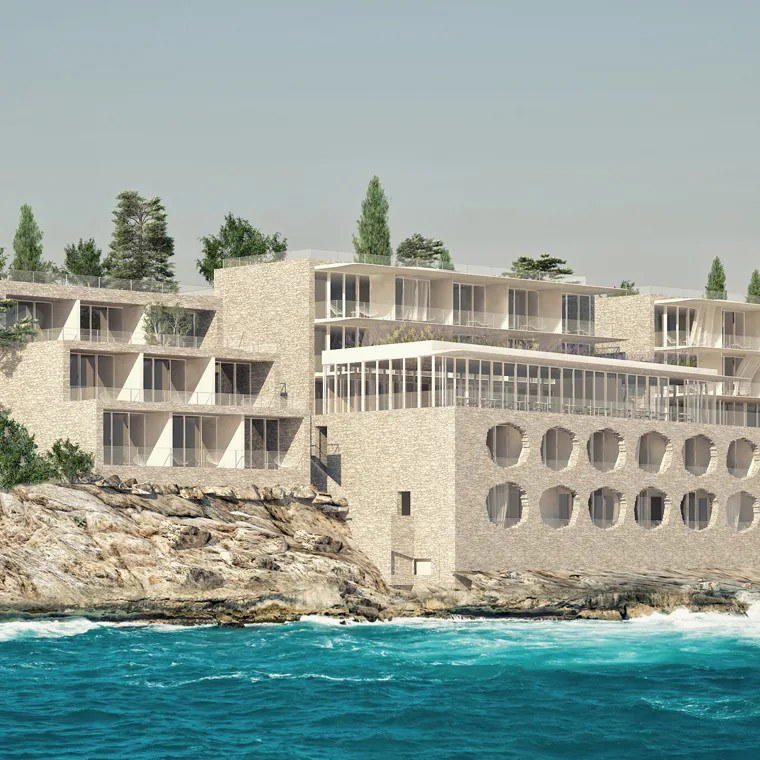
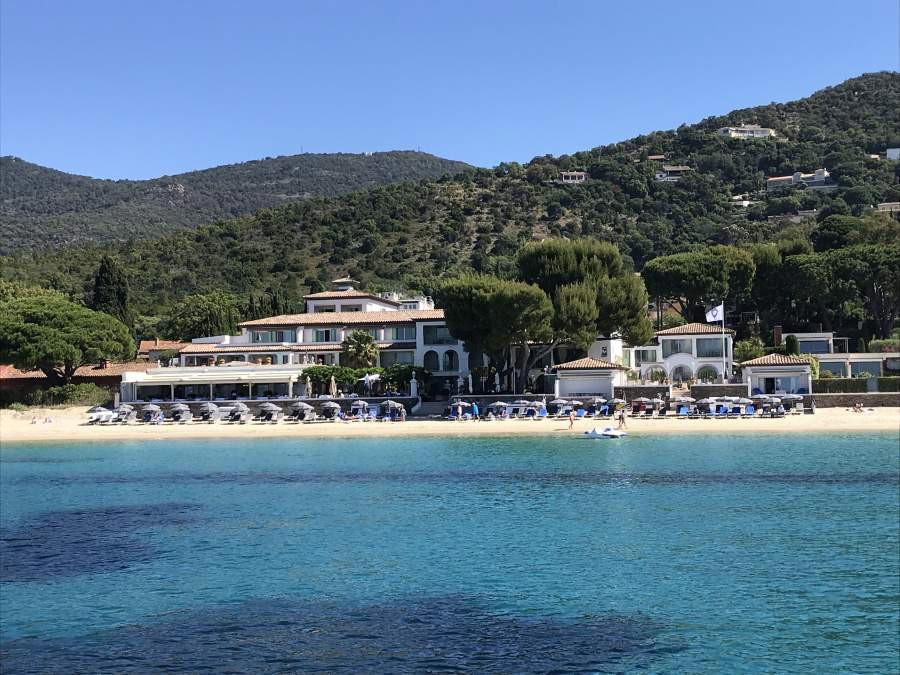
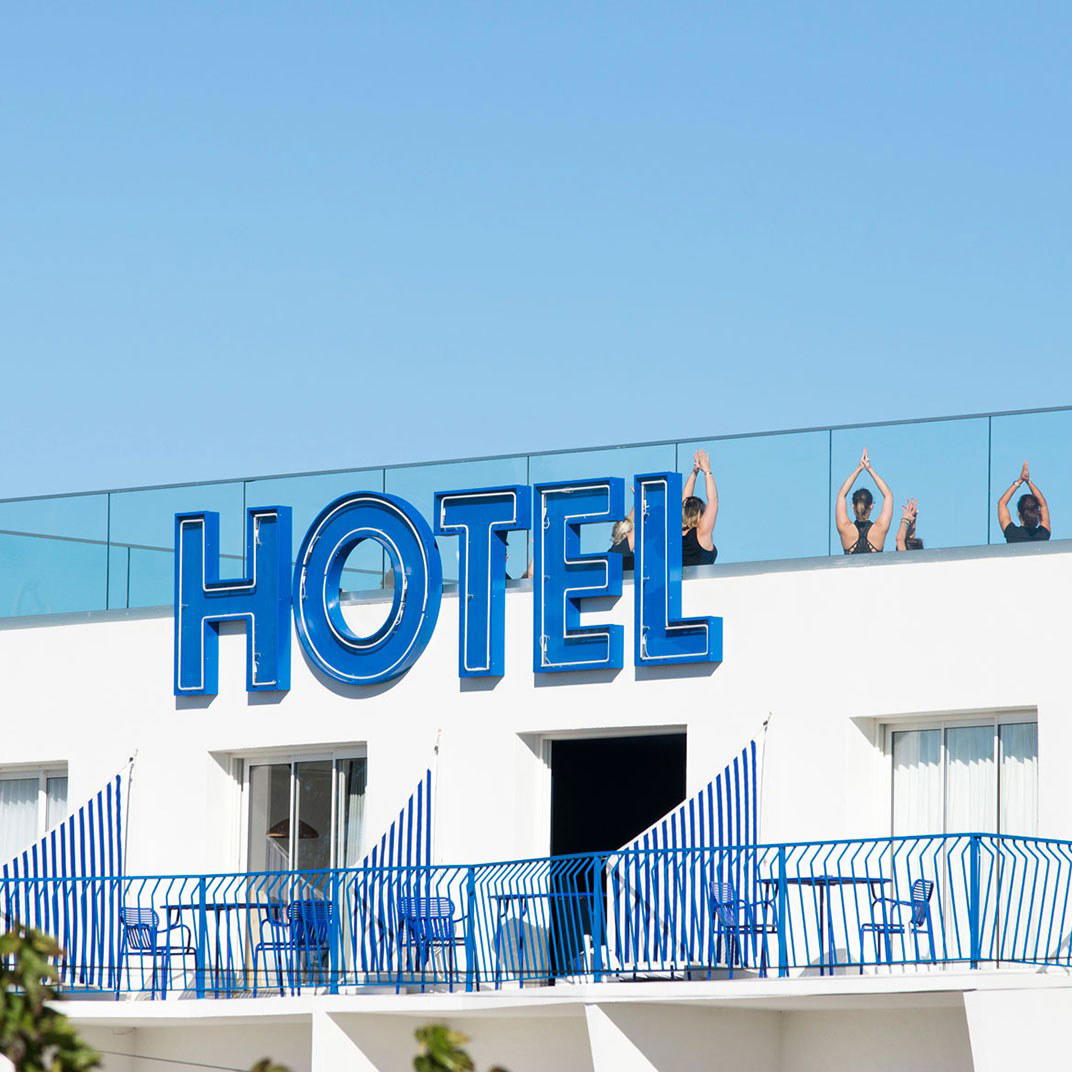
Bars in Hyères
All bars in Hyères →

Details
- Classic
- Cozy
- Elegant
- Intimate
- Scenic
- Romantic Getaway
- Weekend Escape
- Garden
- Terrace
- Wi Fi
- Pool
- Garden
- Room Service
- On Site Dining
- Garden
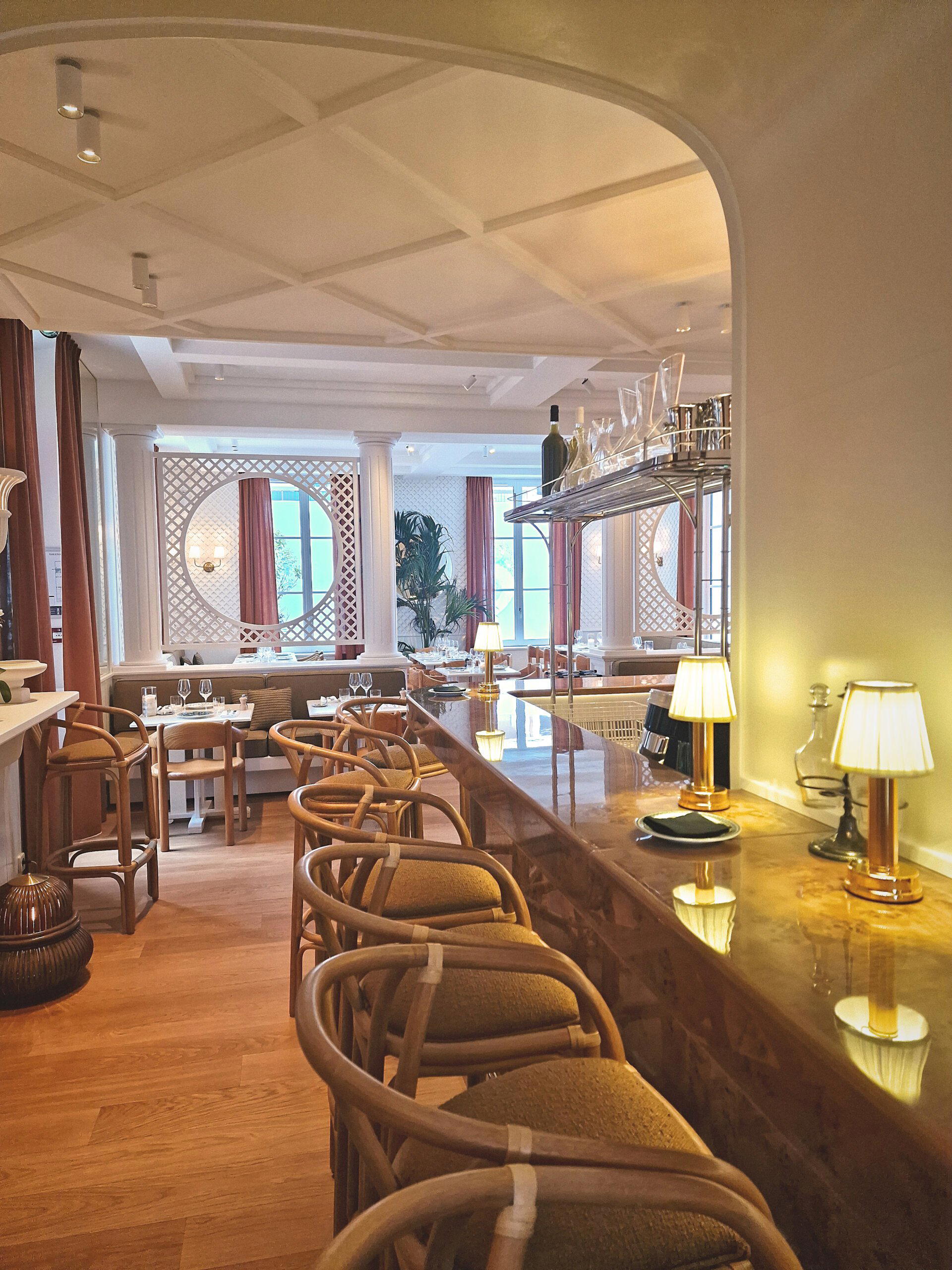
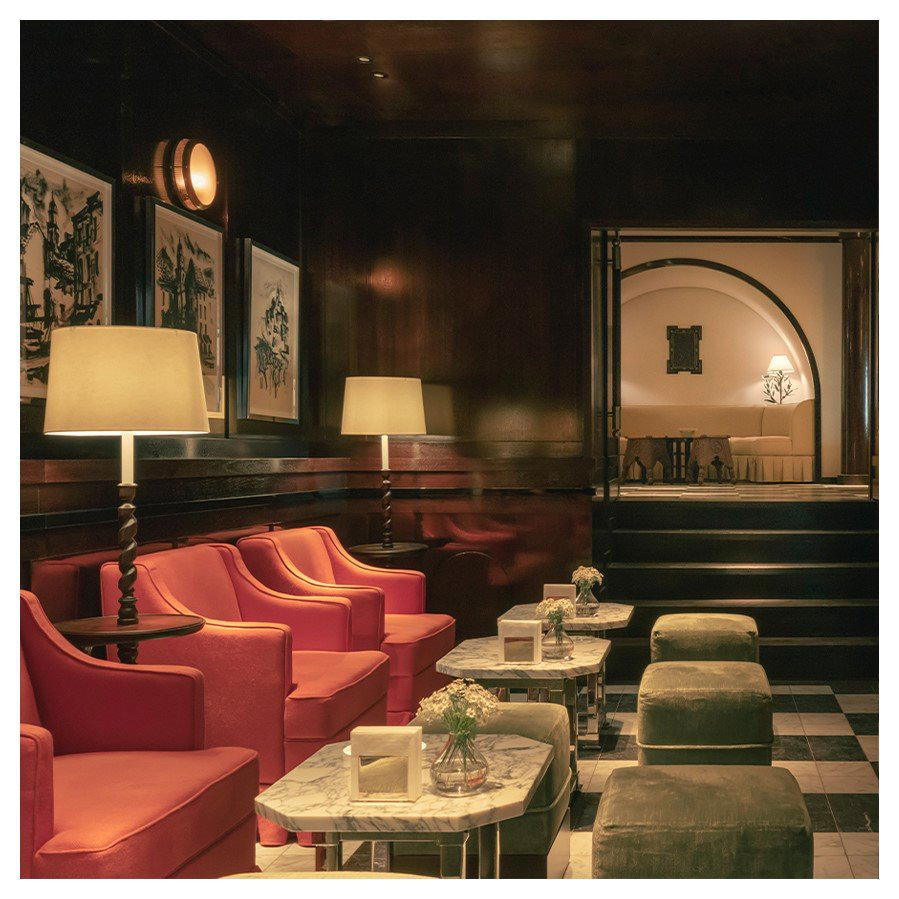
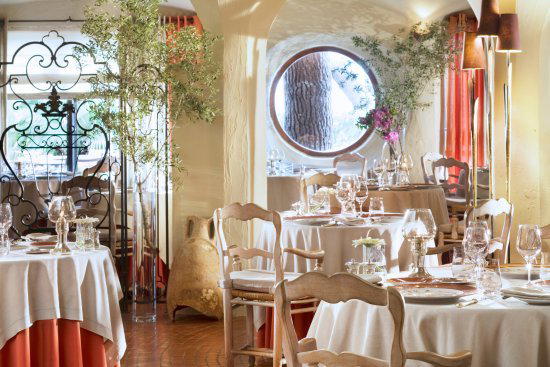
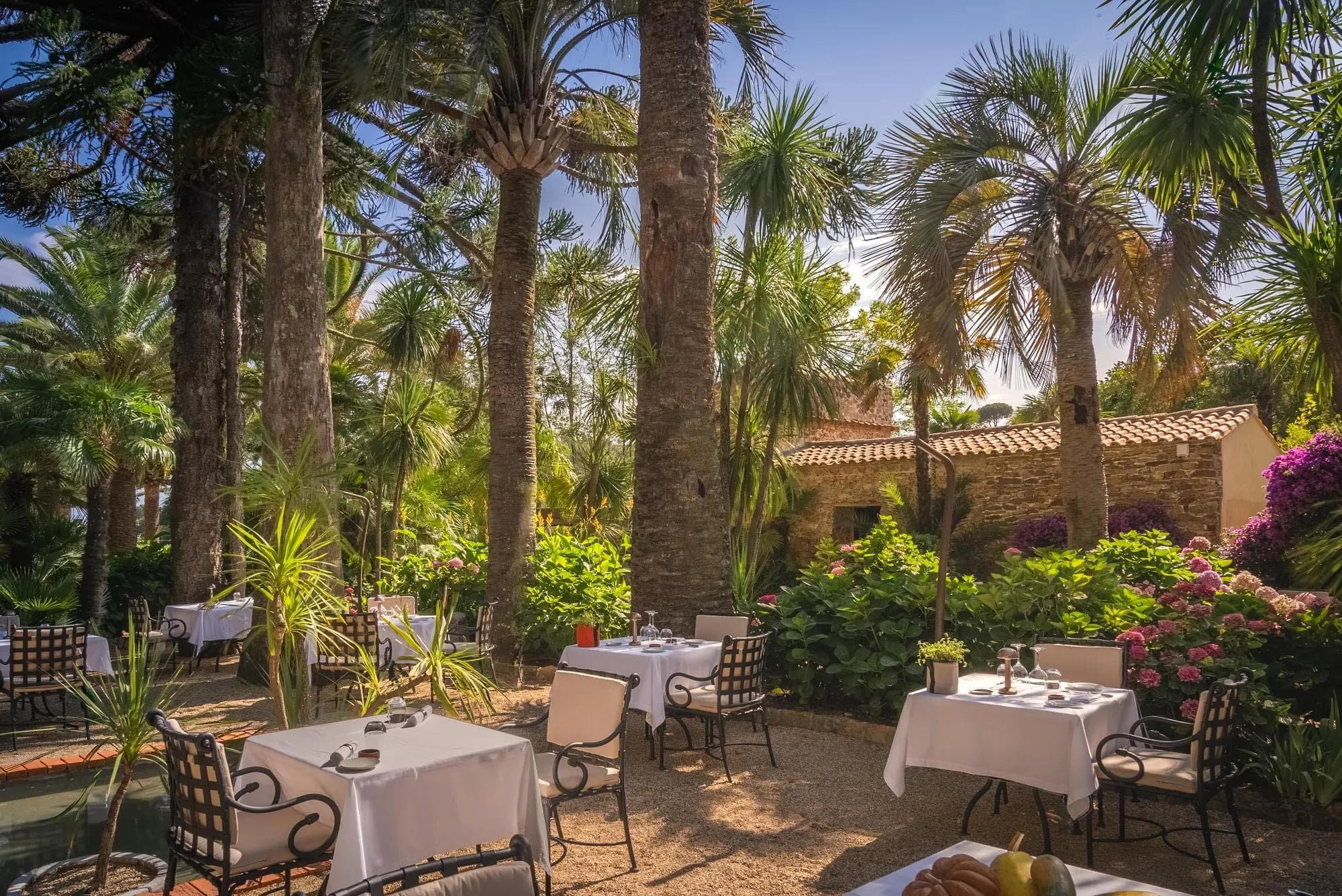
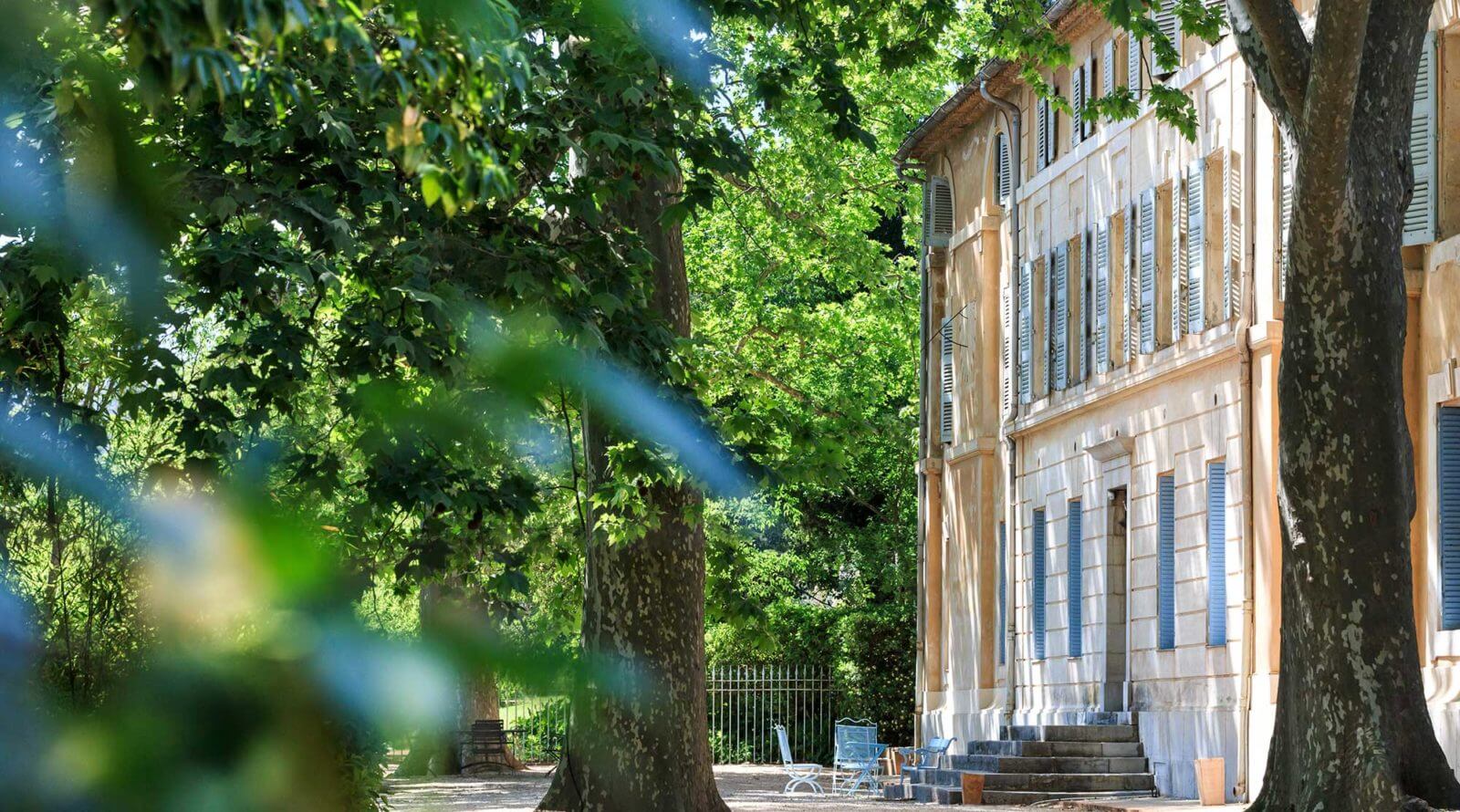
Timeless, old-fashioned charm with peaceful serenity, shaded by exotic vegetation, traditional furniture, and a warm family-like welcome amid natural surroundings.