JW Marriott at Reston Station
JW Marriott at Reston Station belongs to the new transit-oriented hotel tier reshaping Northern Virginia hospitality: less resort escape, more polished urban base.

Pearl is the En Primeur Club membership app, where members save venues, book tables and use the concierge.
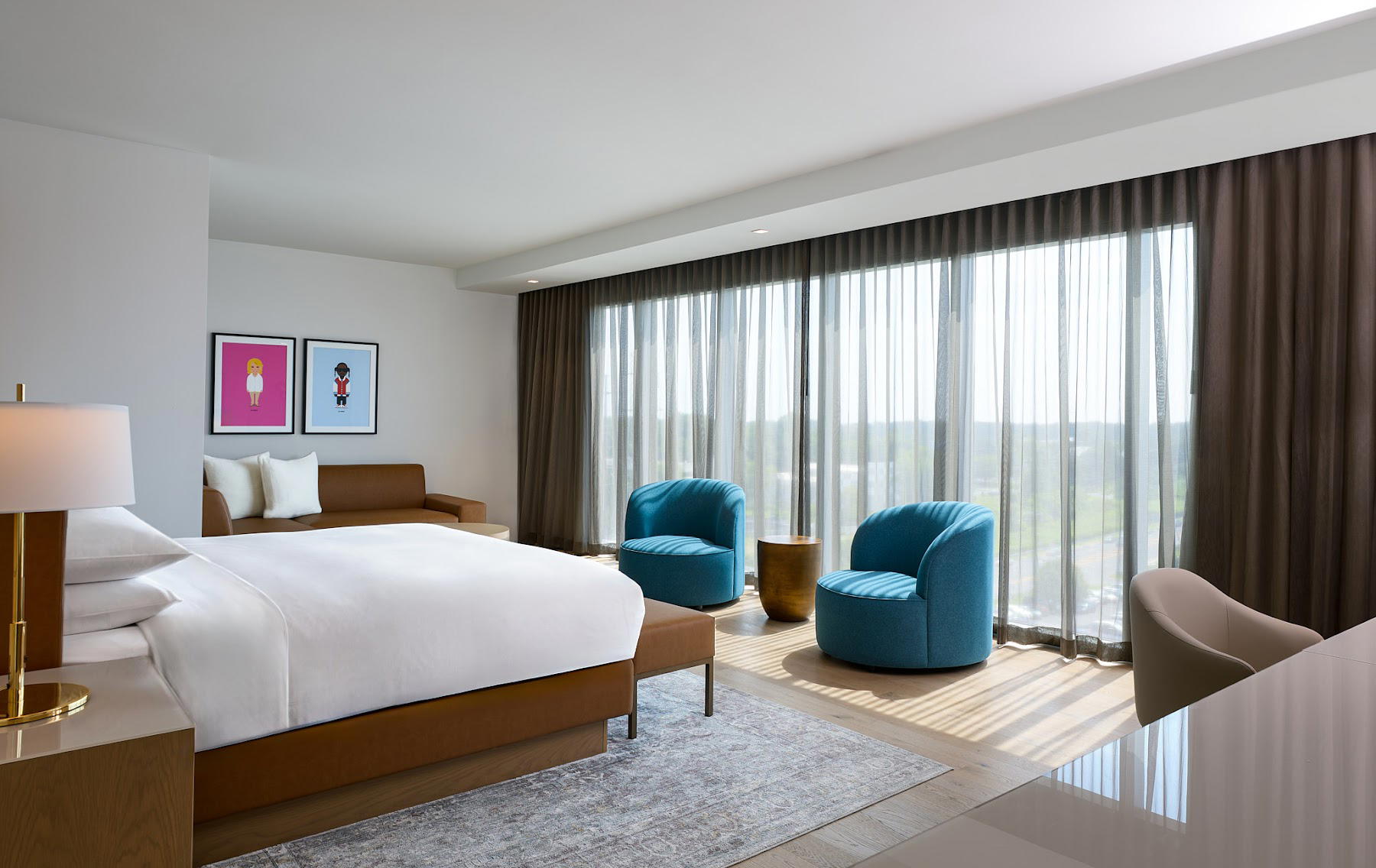
Glass, rail access, and the new Reston hotel brief
Approaching JW Marriott at Reston Station is less about a ceremonial driveway than about arrival into a planned urban district: office towers, apartment blocks, retail frontage, structured parking, and the movement pattern of a transit hub. That matters. Reston’s current hotel story is not the old suburban-lobby model, where a property sat behind landscaping and asked guests to drive everywhere. The newer brief is denser, more vertical, and more connected to Washington’s western business corridor. In that context, JW Marriott at Reston Station reads as part of a broader shift in Northern Virginia hospitality, where design has to work for rail commuters, corporate stays, weekend visitors, and residents using the district after office hours.
Rather than pretend to know details that are not in the record, the sharper assessment is to place the hotel in its urban setting and competitive set. Reston Station is a transit-oriented development on the Washington Metro Silver Line corridor, and that infrastructure gives the hotel a different logic from a countryside inn, a beach resort, or a grand historic city hotel. The building’s value is bound to access, mixed-use density, and the increasingly polished hospitality expectations of Northern Virginia’s business and residential growth.
Reston Station and the rise of the polished suburban urban hotel
Reston has long been an experiment in planned community design, but its hospitality market is being pulled toward a more urban posture. The Silver Line has turned parts of Northern Virginia into nodes rather than sprawl, and hotel design has followed. Instead of relying only on ballrooms, car parks, and highway adjacency, newer properties need credible public spaces, sharper food and drink programming, and interiors that make sense for guests moving between offices, trains, restaurants, and evening plans. JW Marriott at Reston Station sits inside that pattern, where the physical setting is not background scenery but the core amenity.
That makes the hotel comparable, at least in category logic, to design-forward urban bases rather than remote retreats. A traveler comparing Reston properties should also look at AC Hotel Reston, which belongs to a leaner modern-hotel vocabulary and will likely appeal to guests who prioritize efficiency and contemporary simplicity over a full-service luxury frame. For a broader local scan, Our full Reston hotels guide is the more useful starting point than judging any single hotel in isolation.
The competitive point is not that Reston can mimic Manhattan, Boston, or Los Angeles. It cannot, and does not need to. Its stronger proposition is controlled urbanism: the convenience of a planned district, the business utility of Northern Virginia, and enough dining and drinking infrastructure nearby to reduce dependence on cars once a guest has arrived. That is a different form of luxury from resort seclusion. It is architectural, logistical, and time-saving.
Design as function rather than decoration
Hotels in transit-linked districts have little room for theatrical design that fails in daily use. The lobby has to absorb early arrivals, laptop work, informal meetings, and the stop-start rhythm of guests moving between trains and corporate schedules. Corridors, elevators, arrival points, and ground-floor thresholds carry more weight than a decorative gesture. JW Marriott at Reston Station should be read through that lens: the defining design question is how a premium hotel behaves inside a mixed-use node, not whether it looks dramatic in isolation.
That separates it from destination hotels where the architecture is the whole reason to travel. Amangiri in Canyon Point uses desert geography as the main design argument. Post Ranch Inn in Big Sur depends on coastal terrain and seclusion. Little Palm Island Resort & Spa in Little Torch Key is built around separation from the mainland. Reston Station asks for another kind of discipline: public-facing polish, efficient circulation, and interiors that can carry a weekday meeting without feeling cold after dark.
That discipline has become a serious category in American hospitality. The Fifth Avenue model, visible at The Fifth Avenue Hotel in New York City, treats design as an extension of neighborhood character and dense urban life. Raffles Boston in Boston works in a civic-luxury register, balancing towers, residences, and hotel service. Reston does not carry the same historical mass, but the design challenge is related: a hotel must serve as both private accommodation and public room for its district.
Where JW Marriott fits in the American luxury-hotel spectrum
In a data-light record, brand architecture becomes the defensible evidence: JW Marriott generally signals a full-service, premium hotel format rather than a limited-service or lifestyle-light stay.
Within the American luxury spectrum, Reston Station occupies a pragmatic end. It is not the heritage glamour of The Beverly Hills Hotel in Los Angeles, not the architectural resort drama of Four Seasons at The Surf Club in Surfside, and not the wine-country hospitality ecosystem around Auberge du Soleil in Napa or Meadowood Napa Valley in St. Helena. Its peer logic is closer to a premium urban base serving a high-income business corridor, where convenience, brand reliability, and district integration do the heavy lifting.
That comparison is useful because luxury travel in the United States has splintered into several lanes. Some hotels sell pastoral quiet, as with Troutbeck in Amenia or Sage Lodge in Pray. Some are wellness-led, including Canyon Ranch Tucson in Tucson. Others depend on food culture, such as SingleThread Farm Inn in Healdsburg. Reston Station belongs to the access-and-design lane, where the guest is likely measuring time, proximity, meeting flow, and the ease of using a district without friction.
Food, drink, and the surrounding district
That should prevent any claim about what to order or how the dining room tastes. The more reliable editorial frame is the district. Premium hotels in mixed-use developments are increasingly judged by the food and drink ecosystem around them, not only by what sits inside the building. In Reston, that means a guest should assess the hotel together with nearby restaurants, bars, and after-work options rather than treating the property as a sealed resort.
For that reason, the local guides matter. Reston’s social rhythm is tied to offices, residential density, and commuter patterns; the dinner hour often reflects weekday business demand as much as leisure travel. Guests looking beyond hotel dining should also check Our full Reston experiences guide for cultural and local programming, and Our full Reston wineries guide for regional wine-related options listed by EP Club.
This is where the architecture angle becomes practical. A hotel in a district with credible surrounding options does not need to overperform as an isolated compound. It needs to make movement easy: from room to lobby, lobby to street, street to restaurant, and back again. That is the quiet advantage of transit-oriented hospitality. The pleasure is not only in the room design; it is in the reduction of small logistical irritations.
International context: when the building carries the destination
Reston Station should not be judged against palace hotels or historic European properties, but those comparisons clarify the design category. Hôtel de Paris Monte-Carlo in Monte Carlo, Badrutt's Palace Hotel in St. Moritz, and Aman Venice in Venice operate with accumulated cultural capital: architecture, address, and history are inseparable. Their buildings carry memory. A Northern Virginia transit-district hotel carries a newer brief: efficiency, scale, and the ability to make a planned environment feel legible to travelers.
That newer brief is not lesser; it is simply different. In a mature resort, the guest often submits to the property’s rhythm. In a place like Reston Station, the property has to submit to the guest’s schedule. Morning departures, Metro access, corporate meetings, late arrivals, and hybrid work all place demands on the building. The successful version of this hotel type does not ask for awe. It creates composure.
Planning the stay: what the record does and does not confirm
That is not a weakness in the hotel; it is a data boundary. For editorial accuracy, no rate band, suite type, restaurant opening time, or reservation policy should be inferred from the JW Marriott name alone.
The practical approach is to decide first whether Reston Station itself is the right base. For travelers with meetings in Reston, Tysons, Dulles-adjacent corridors, or the Silver Line catchment, the setting may matter more than resort-style amenities. For leisure guests focused on central Washington museums and monuments, the Silver Line connection can be useful, but the tradeoff is distance from the traditional visitor core. For a design-minded traveler, the question is whether a clean, transit-linked, mixed-use environment is preferable to a heritage hotel, a boutique townhouse, or a countryside retreat.
Timing also matters. Weekday demand in Northern Virginia often follows business travel patterns, while weekends can behave differently depending on events, conferences, and regional leisure traffic. Guests comparing hotel styles in Reston should look at Our full Reston hotels guide alongside the specific EP Club page for AC Hotel Reston, since the useful distinction is likely service level, design mood, and how each property fits the station district.
In Context
Comparable venues nearby, for context on price, style, and recognition.
| Venue | Price | Awards | Notes |
|---|---|---|---|
| JW Marriott at Reston StationThis venue (the venue you are viewing) | $300–500 | Not listed | Not listed |
| AC Hotel Reston | Not listed | Not listed | Reston Town Center, Urban design hotel in a mixed-use town center, geared toward business and lifestyle travelers. |
| Inn at Willow Grove | Not listed | Star Wine List · Forbes 4-Star | Orange, Historic luxury boutique hotel blending circa-1778 manor house elegance with modern sophistication across 40 acres of pristine countryside. |
| Hotel Burg | Not listed | 1 Michelin Key | historic downtown Leesburg, Historic boutique blending preserved 1885 estate with modern luxury. |
| Graduate by Hilton Charlottesville | $100–200 | Michelin Selected | Venable, Boutique collegiate-inspired hotel celebrating local UVA heritage with contemporary comfort and playful design elements. |
| Archer Hotel Old Town Alexandria | $100–200 | Michelin Selected | Old Town Alexandria, Boutique charmer with sincere hospitality in historic setting |
Continue exploring
More in Reston
Hotels in Reston
All hotels in Reston →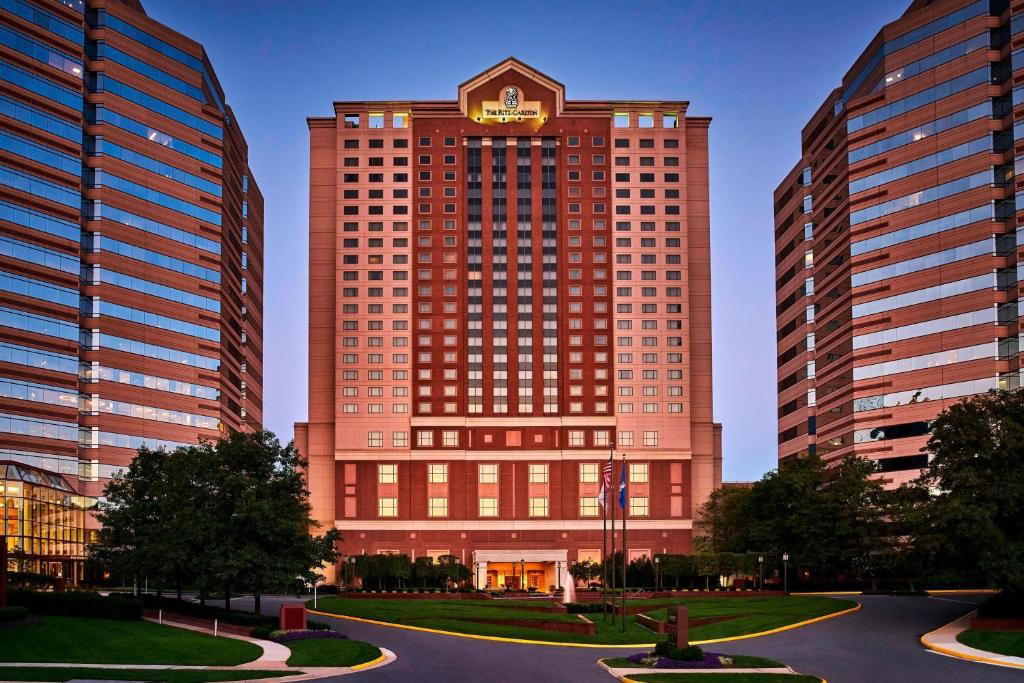
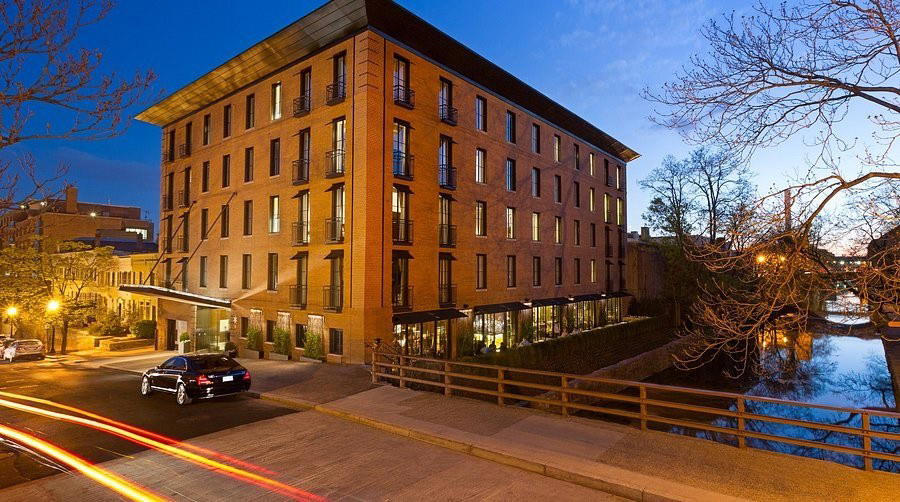
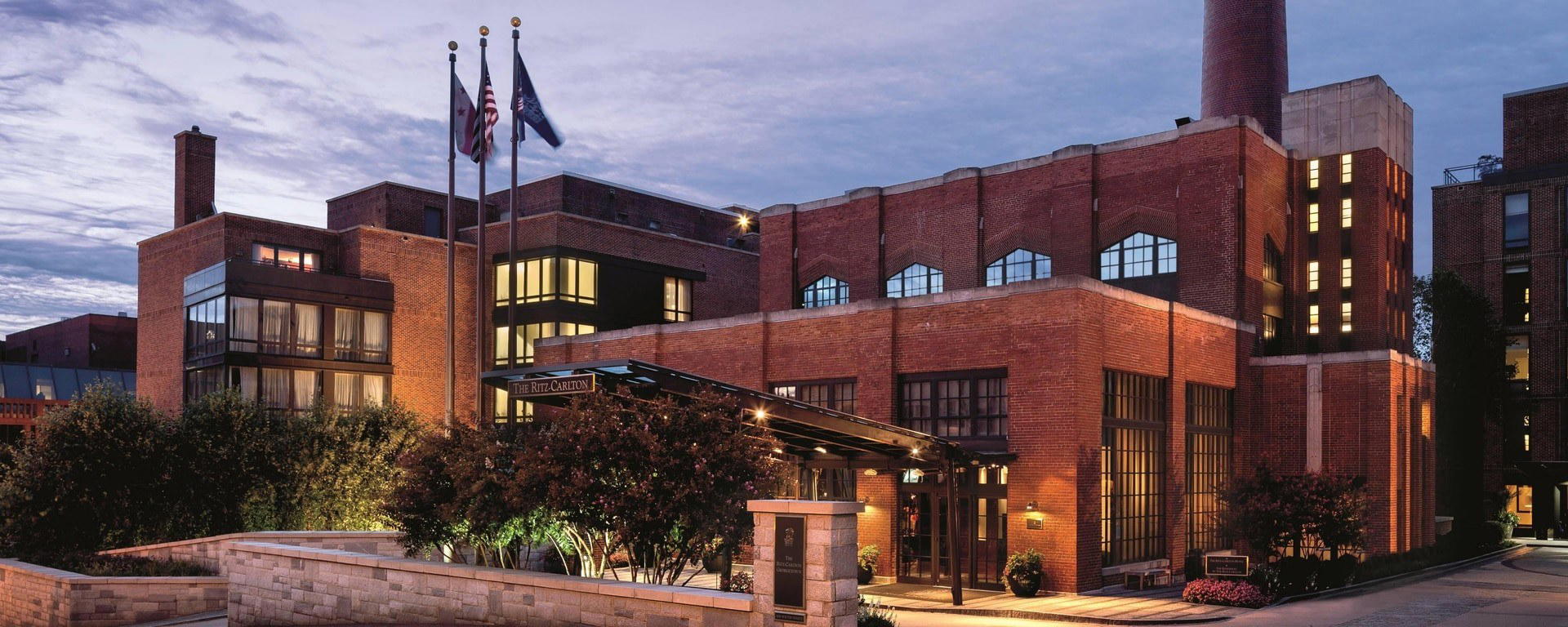
Bars in Reston
All bars in Reston →

Details
- Modern
- Elegant
- Sophisticated
- Scenic
- Ornate
- Business Trip
- Destination Wedding
- Group Retreat
- Weekend Escape
- Celebration
- Design Destination
- Panoramic View
- Terrace
- Private Dining
- Wi Fi
- Fitness Center
- Room Service
- Concierge
- Business Center
- Skyline
- Garden
- Wheelchair Accessible
- Elevator
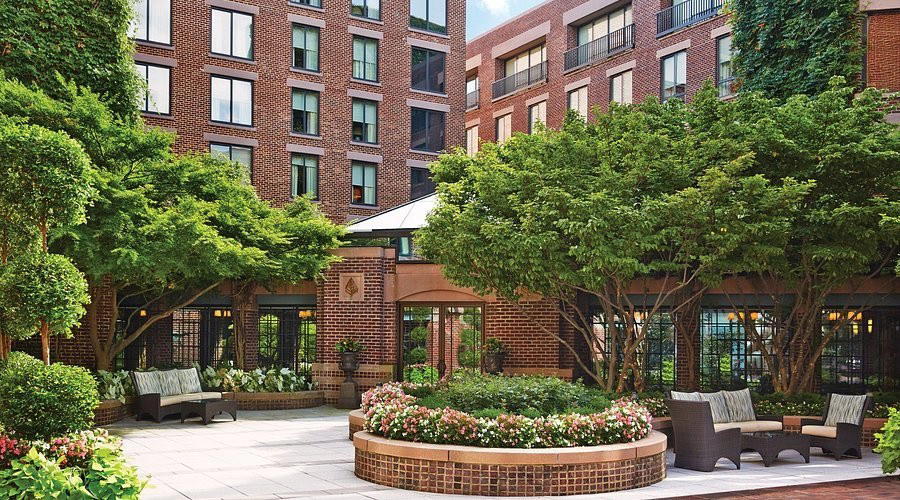
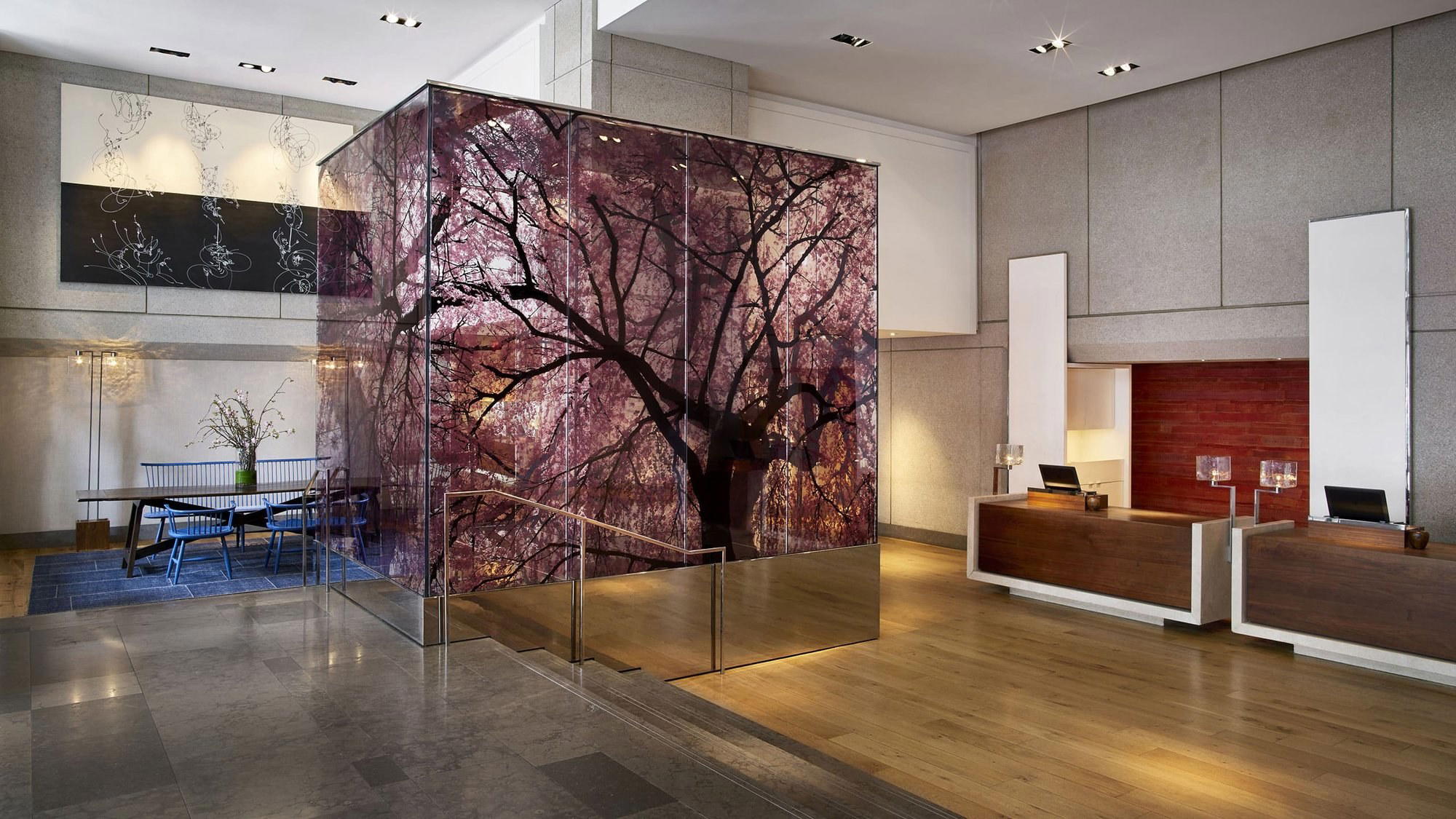
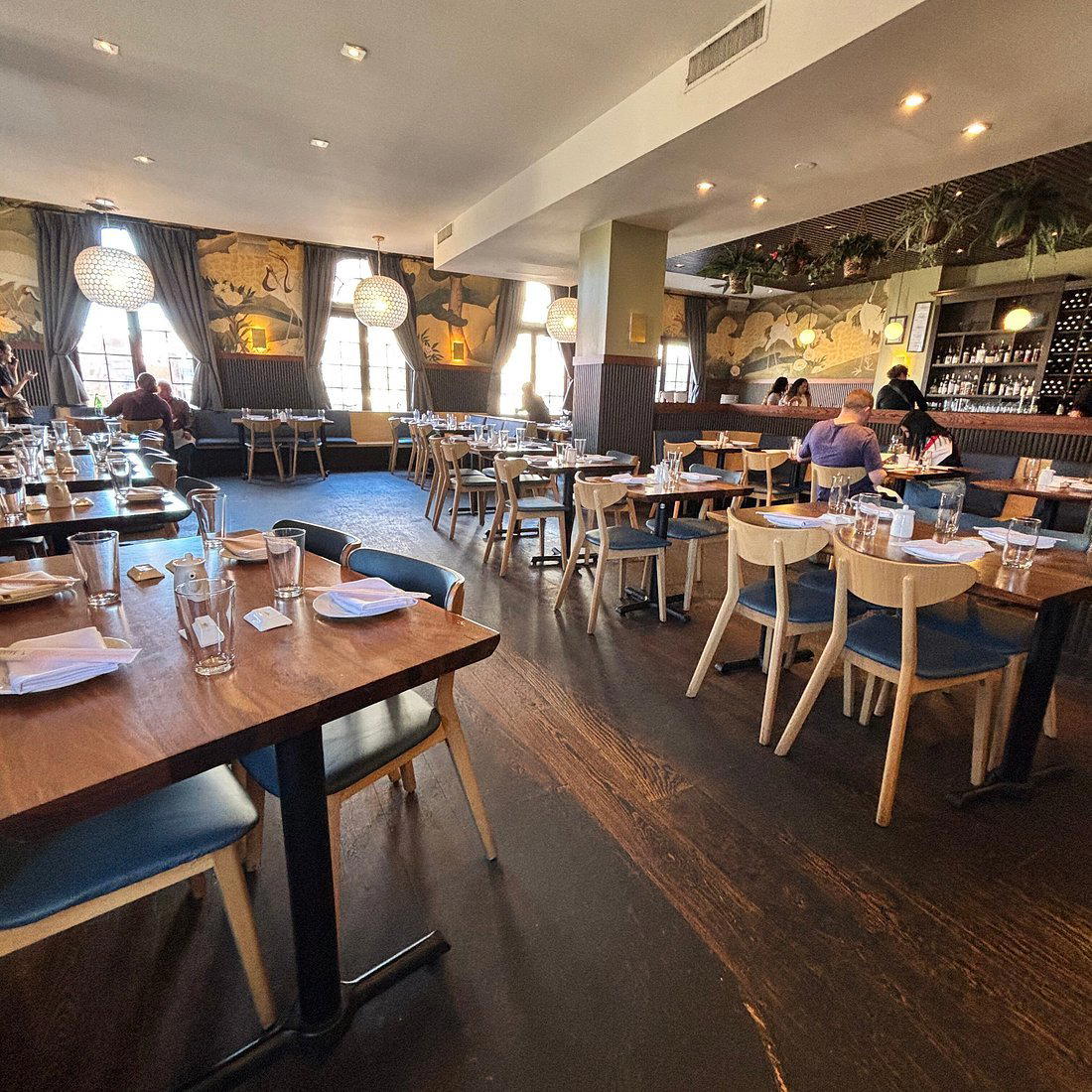
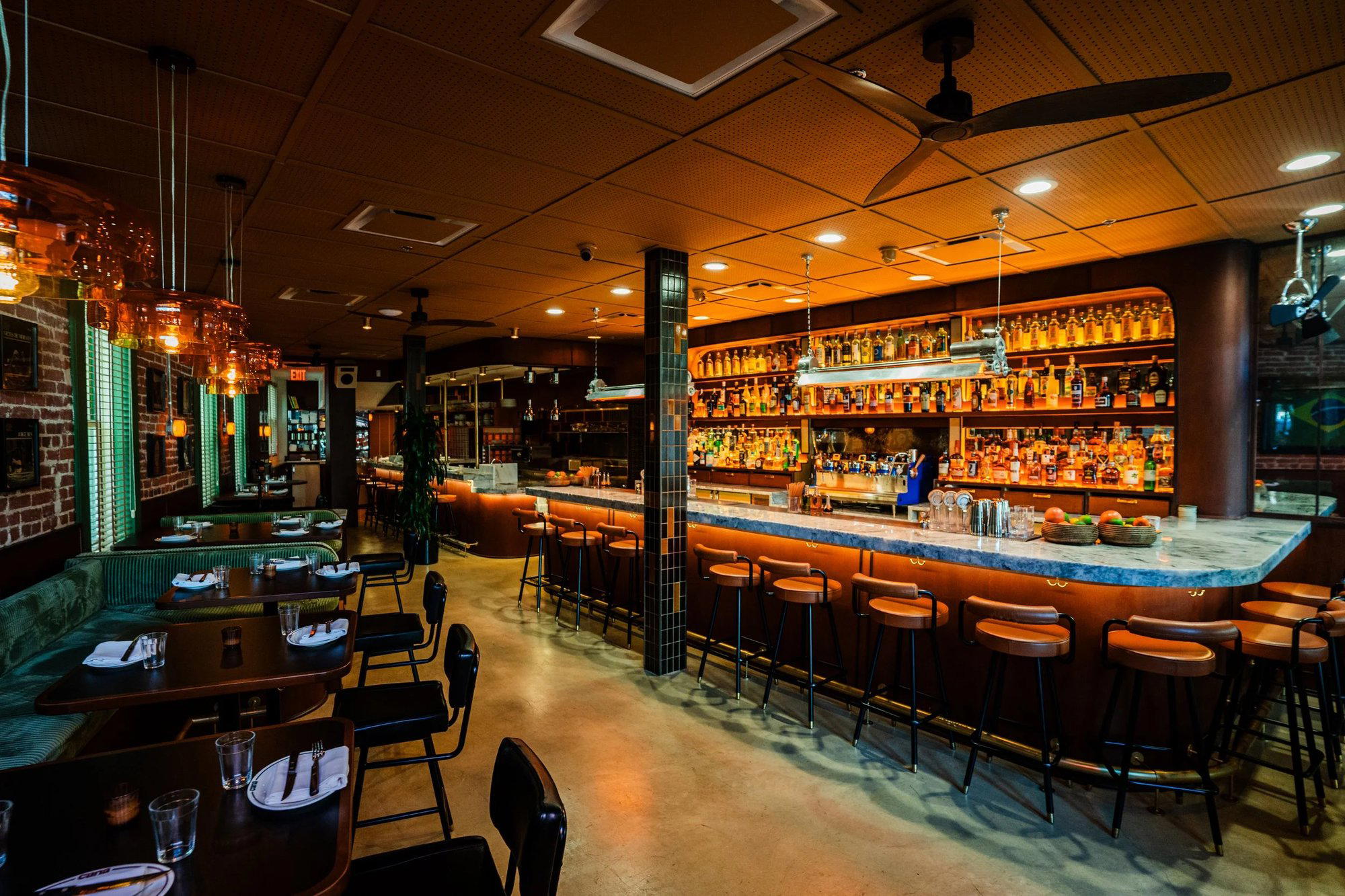
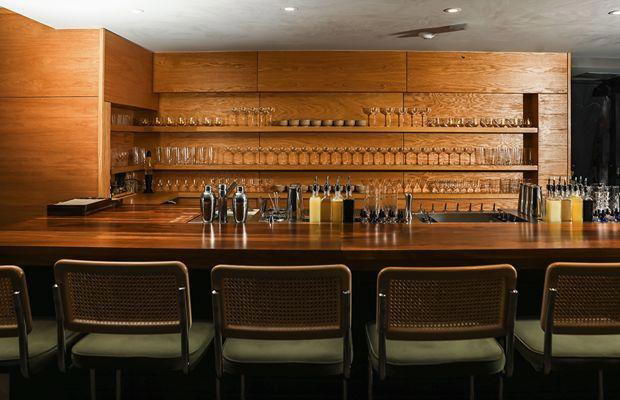
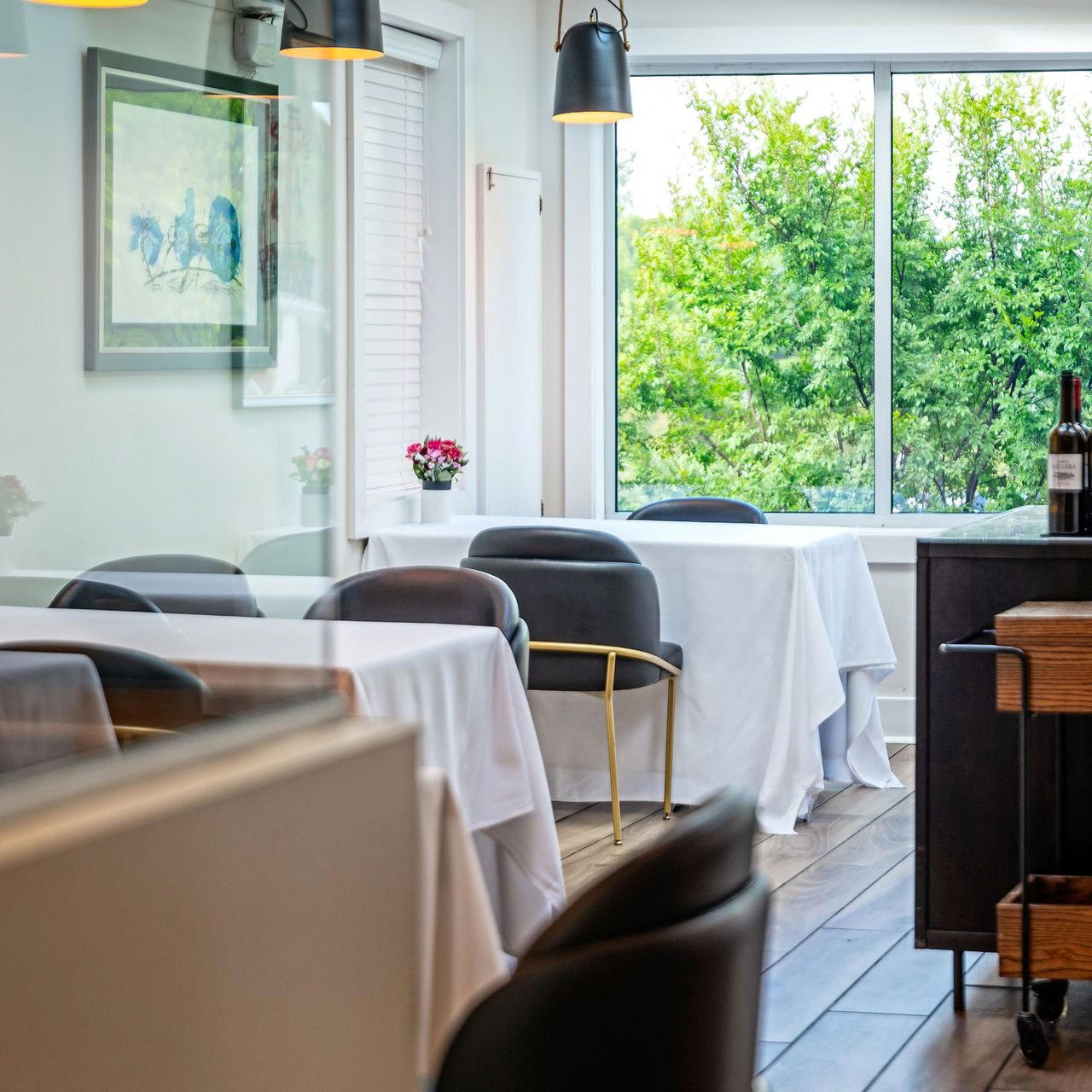
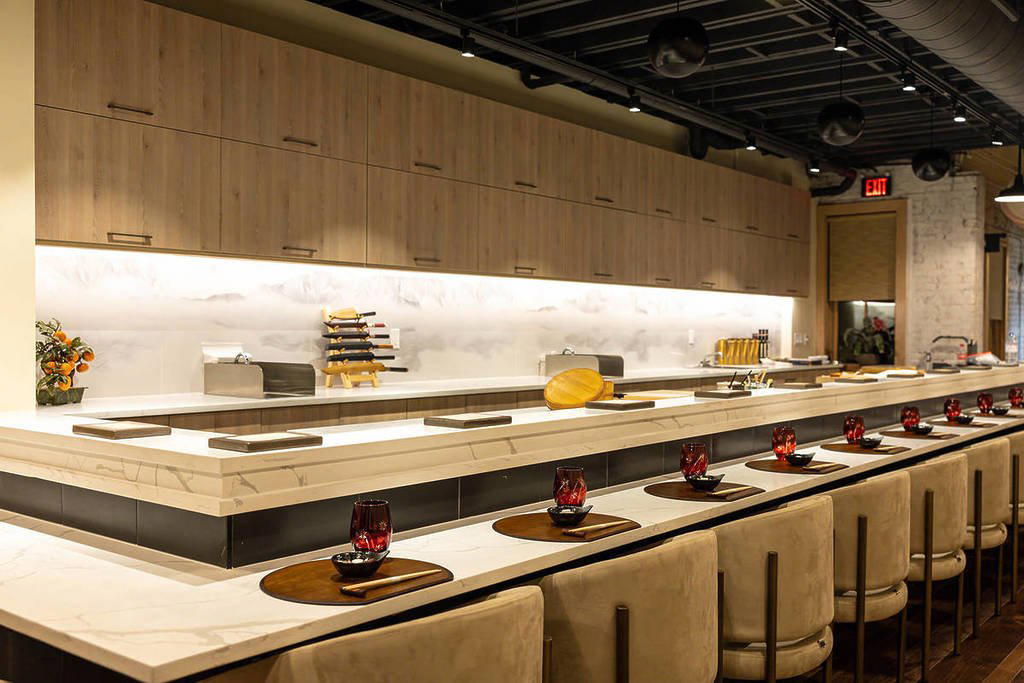
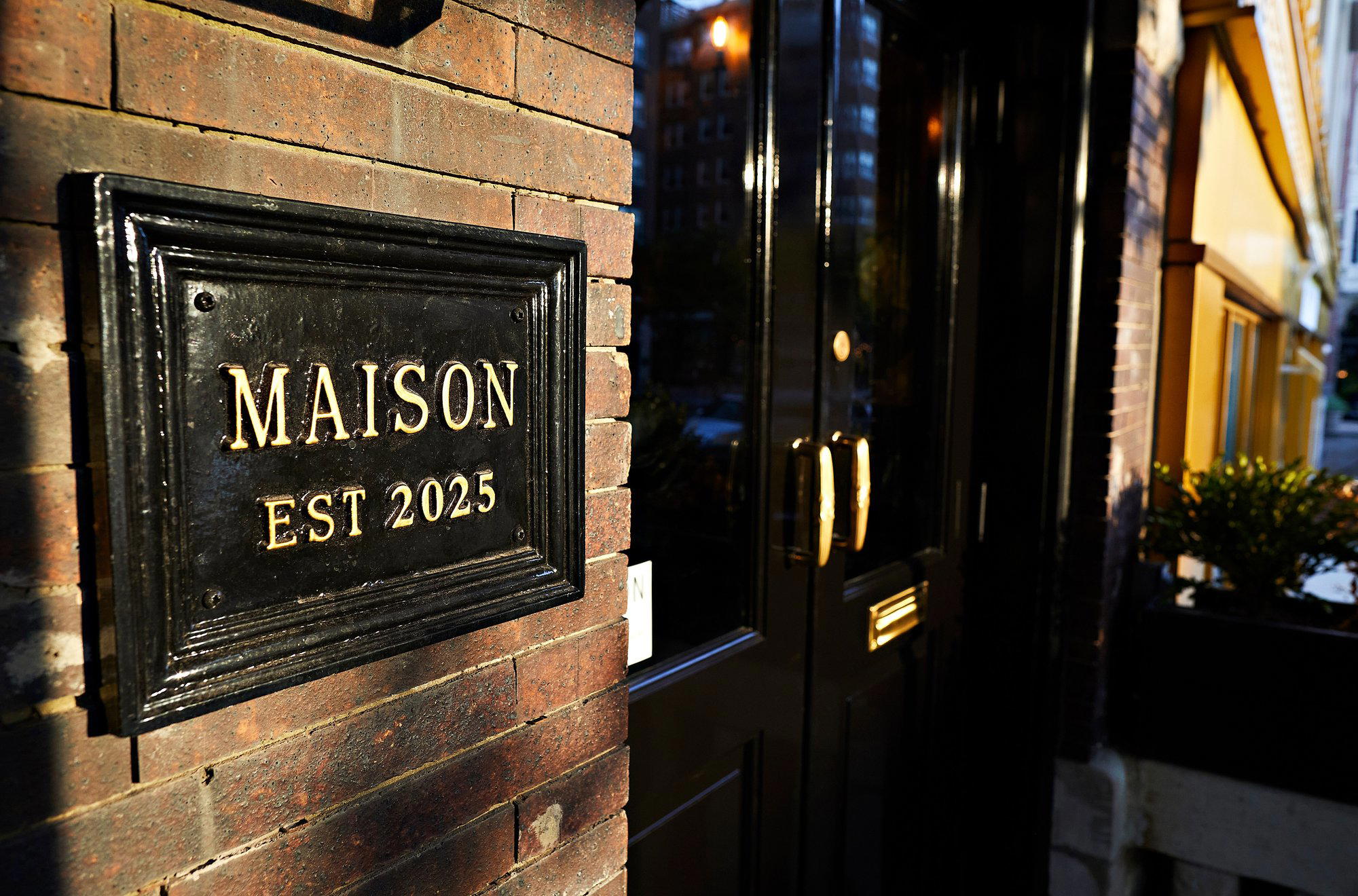
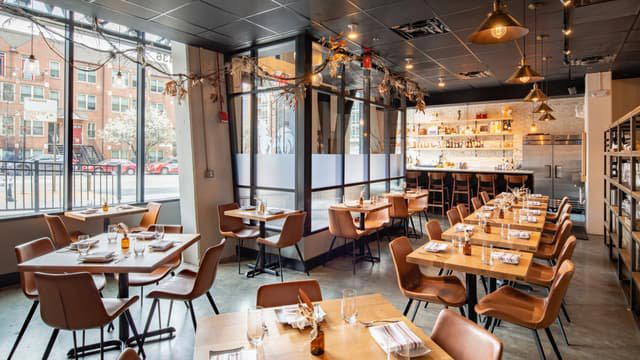
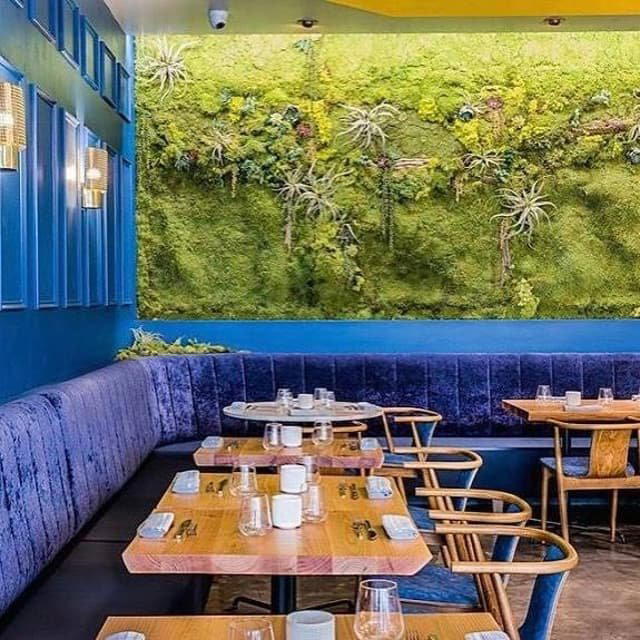
A contemporary, sanctuary‑like atmosphere with abundant natural light, warm materials, and views over the urban Reston Station district, balancing quiet luxury with a polished business‑event energy.