Indian Springs Calistoga
Indian Springs Calistoga occupies one of the oldest continually operating resort sites in California, anchored by a geothermal mineral pool fed by volcanic springs that have drawn visitors to the northern end of Napa Valley for well over a century. The property's Mission Revival architecture and mature palm-lined grounds place it in a distinct tier among Calistoga's spa-focused accommodations, sitting between the design-forward Solage and the more utilitarian Motor Lodge end of the market.
Pearl is the En Primeur Club membership app — saves, bookings, and concierge access live there. Same editors, same standards.
- Address
- 1712 Lincoln Ave, Calistoga, CA 94515
- Phone
- +1 707 709 8139
- Website
- indianspringscalistoga.com
- Directions
- Get directions
 Saves & bookings on Pearl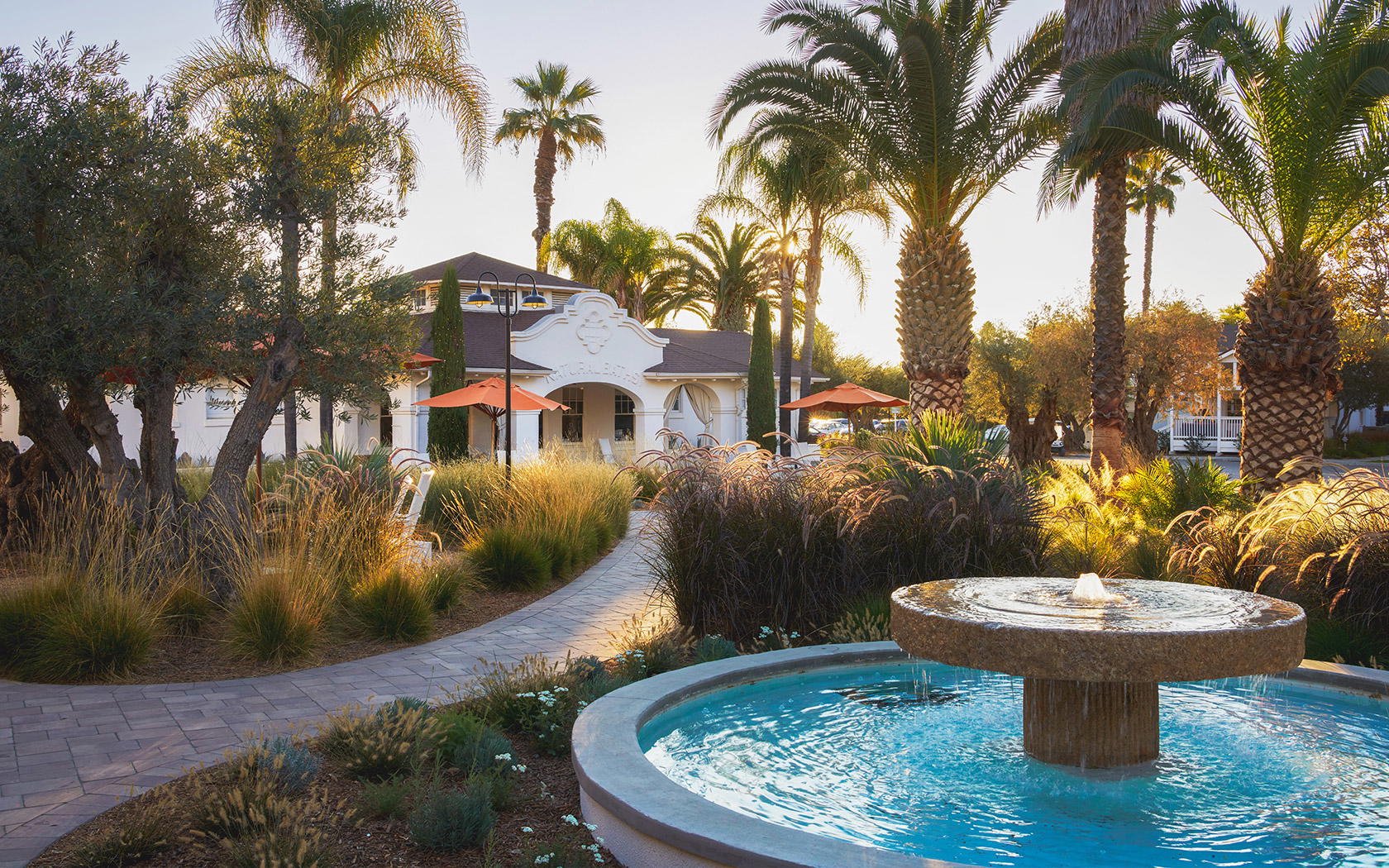
Where Calistoga's Volcanic Ground Does the Work
The northern terminus of the Napa Valley corridor runs warmer than the rest of the appellation, and not just in temperature. Calistoga sits directly above a geothermal field that has been commercially exploited since the 1860s, when the town was first positioned as a California answer to the mineral spa towns of Europe and the American East Coast. Indian Springs, at 1712 Lincoln Ave, occupies the longest-running piece of that history on the main strip, operating on a site where thermal waters have been commercially drawn for over 160 years. That geological context is not incidental to a visit here; it is central to the stay.
Arriving on Lincoln Avenue, the property reads as a low-slung compound rather than a hotel in any conventional sense. A line of mature California palms frames the approach, and the Mission Revival architecture of the main structures gives the site a mid-century permanence that is rare among wine country resorts, most of which arrived in their current form within the last two decades. The visual grammar here is adobe tones, terracotta details, and wide verandas designed for sitting rather than passing through. Compared to the crisp contemporary geometry of Solage, Auberge Resorts Collection a short walk south, or the resort-scale ambitions of the Four Seasons Resort Napa Valley, Indian Springs reads as deliberately rooted in place rather than dropped into it.
The Thermal Pool as Architectural Centerpiece
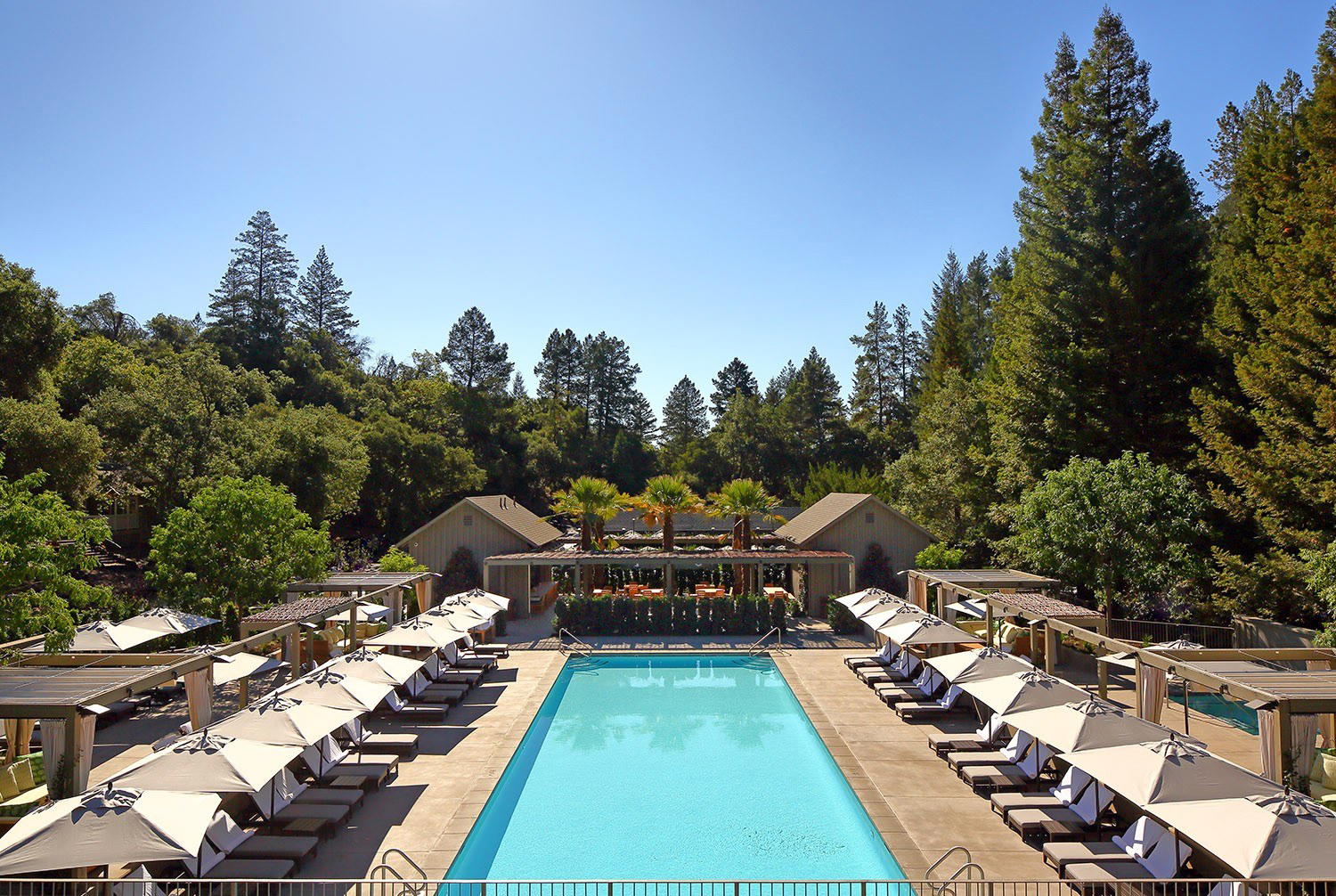
In American spa resort design, the treatment facility is typically an interior amenity, tucked away from the main accommodation. Indian Springs reverses that logic. The Olympic-sized mineral pool, fed continuously by on-site volcanic springs and maintained at a temperature that varies with the season but consistently runs warm enough to distinguish it from any chlorinated alternative, functions as the spatial and social center of the property. Deck chairs ring it in the manner of a 1950s resort photograph, and the surrounding lawn and palm canopy frame the water as a destination rather than an amenity. The design decision to give the pool this primacy shapes how the entire property is organized and how guests actually spend their time.
This format places Indian Springs in a specific tradition of American thermal resort architecture that has largely disappeared elsewhere. Properties like Canyon Ranch Tucson operate at a different scale and with a different wellness philosophy; spa destination properties such as Amangiri in Canyon Point pursue a more architecturally austere approach. Indian Springs sits apart from both, with a character that is less about curated wellness programming and more about the physical fact of geothermal water available in quantity, outdoors, at a resort that has been doing exactly this for generations.
Accommodation and the Logic of the Compound
The accommodation at Indian Springs is organized across several building types on the compound, ranging from smaller lodge-style rooms to larger cottage and bungalow configurations. The spatial separation between accommodation and the pool area means that guests with larger units have more of a resort-within-a-resort quality to their stay, while rooms closer to the central facilities suit those who plan to spend most of their time at the pool or in treatment. The Calistoga Motor Lodge & Spa occupies the more value-oriented end of the same Lincoln Avenue corridor, while Dr. Wilkinson's Backyard Resort & Mineral Springs operates a comparable thermal-spring format at a more stripped-back price point. Indian Springs positions itself above both in finish and in the size of its thermal infrastructure.
For guests arriving from San Francisco, the drive north through the valley runs approximately 90 minutes depending on traffic, with Calistoga sitting at the valley's northern end past St. Helena and Rutherford. This geographic position makes Indian Springs a natural base for exploring the upper Napa appellation, where smaller producers cluster and the landscape shifts from the manicured estates of Oakville toward a rougher, more volcanic terrain that the resort's own geology reflects. Those seeking comparable wine country immersion at the estate level might also consider SingleThread Farm Inn in Healdsburg or Auberge du Soleil in Napa, both of which operate in a similar premium-but-rooted register, though with different emphases.
Calistoga's Competitive Position
Calistoga's spa economy runs on repeat visitors more than most wine country destinations. The town's thermal resources are finite and specific to this volcanic corner of Sonoma and Napa counties; you cannot replicate the experience by upgrading your room category at a property without the geology. That specificity creates loyalty among guests who return annually, and it supports a hotel market where properties compete less on novelty than on reliability and physical comfort. Indian Springs benefits from this dynamic, its historical continuity functioning as a credential in a market where newer arrivals carry the burden of proving their geothermal credentials are authentic rather than cosmetic. For a broader picture of what the town offers across dining, drinking, and accommodation, our full Calistoga restaurants guide covers the scene in context.
Properties at this end of the American wellness-resort category draw comparison to destination spa formats elsewhere in the American West. Post Ranch Inn in Big Sur operates a similarly place-specific model, where the physical environment does most of the differentiation work. Amangani in Jackson Hole uses landscape as its primary architectural argument. Indian Springs makes the same kind of claim, but the argument here is geological rather than scenic.
Planning Your Stay
Bookings at Indian Springs, particularly for weekend stays and peak summer months from June through September, run well ahead. The Napa Valley as a whole operates on compressed availability during harvest season in September and October, when the roads into Calistoga carry both wine tourists and harvest workers. Shoulder-season visits in March through May and again in October through November offer more accommodation flexibility and cooler evening temperatures that suit the thermal pool in a different way: the contrast between cold air and warm mineral water sharpens considerably in the off-peak months. Those planning a broader California coastal and wine country itinerary might stack Indian Springs against properties further south, including Hotel Bel-Air in Los Angeles or 1 Hotel San Francisco, to build a coherent northern California circuit.
At-a-Glance Comparison
Comparable venues nearby, for context on price, style, and recognition.
| Venue | Cuisine | Price | Awards | Notes |
|---|---|---|---|---|
| Indian Springs CalistogaThis venue — the venue you are viewing | Historic resort with Mission Revival-style buildings, cottages, and bungalows on 17 acres. | $$$$ | 4-Star | Not listed |
| Dr. Wilkinson’s Backyard Resort & Mineral Springs | mid-century modern resort with wellness focus | $$$ | 4-Star | central Calistoga |
| Calistoga Ranch, Auberge Collection | Contemporary lodge compounds emphasizing indoor-outdoor living in a private wooded canyon | $$$$ | 5-Star | Calistoga |
| Dr. Wilkinson's Backyard Resort & Mineral Springs | Mid-century modern wellness resort blending vintage Calistoga heritage with contemporary apothecary-inspired design. | $$$ | 4-Star | Downtown Calistoga |
| Solage, Auberge Collection | Fresh modern take on wine country sophistication with clean lines and natural materials | $$$$ | 5-Star | Calistoga |
| Calistoga Motor Lodge and Spa | Retro Americana boutique resort celebrating mid-century motor lodge nostalgia with contemporary comforts and playful design elements. | $$ | 3-Star | Downtown Calistoga |
Continue exploring
More in Calistoga
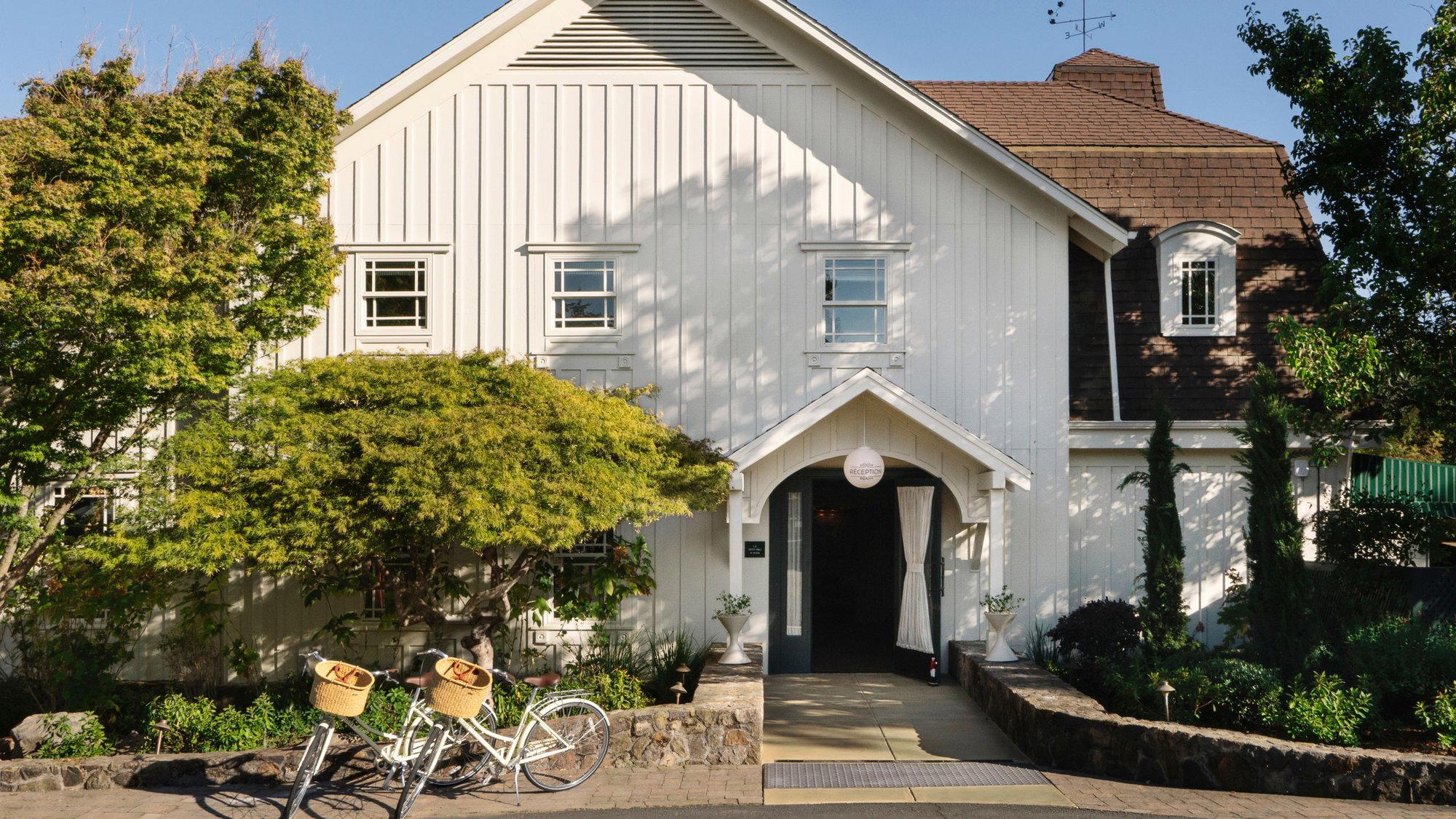
Hotels in Calistoga
Browse all →
Bars in Calistoga
Browse all →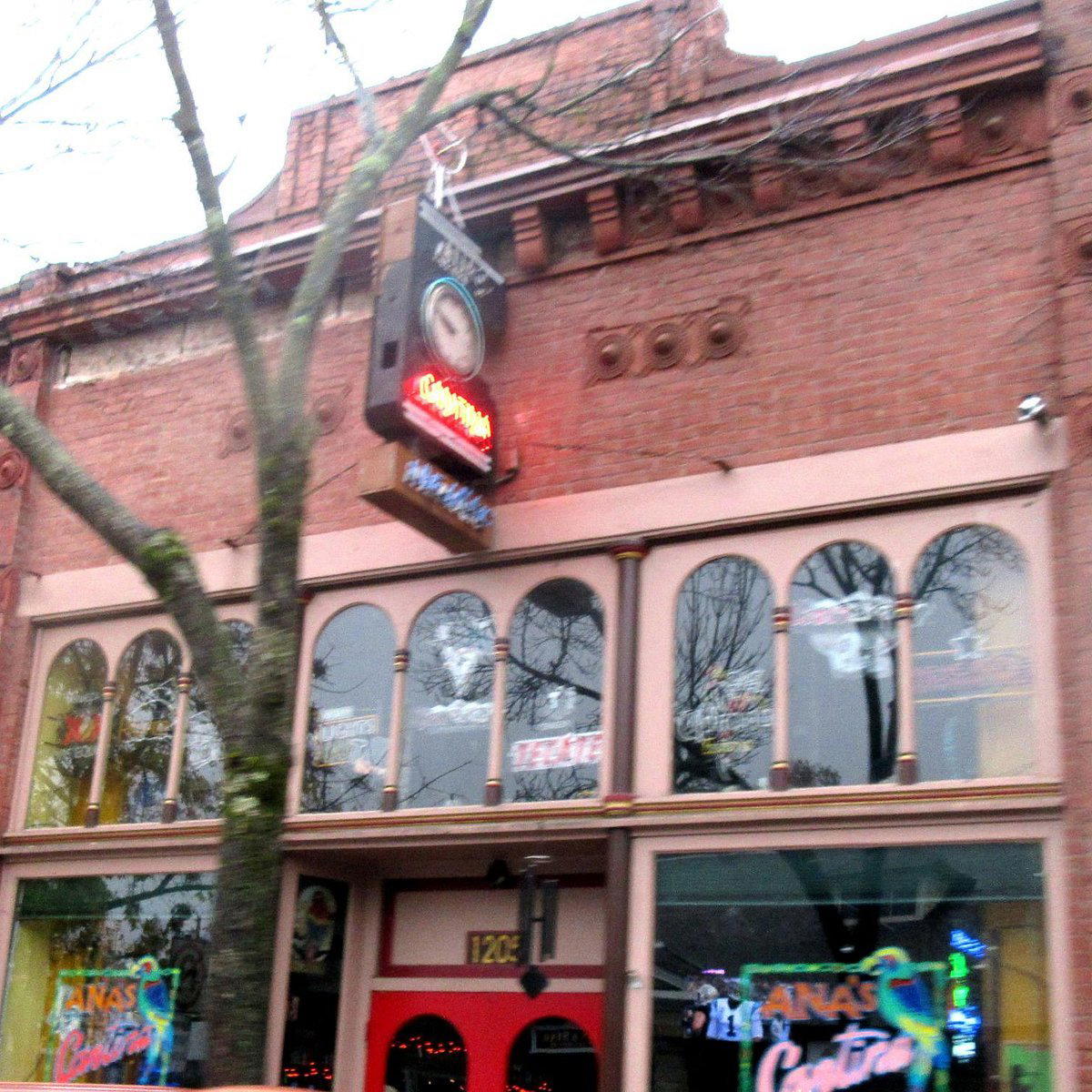
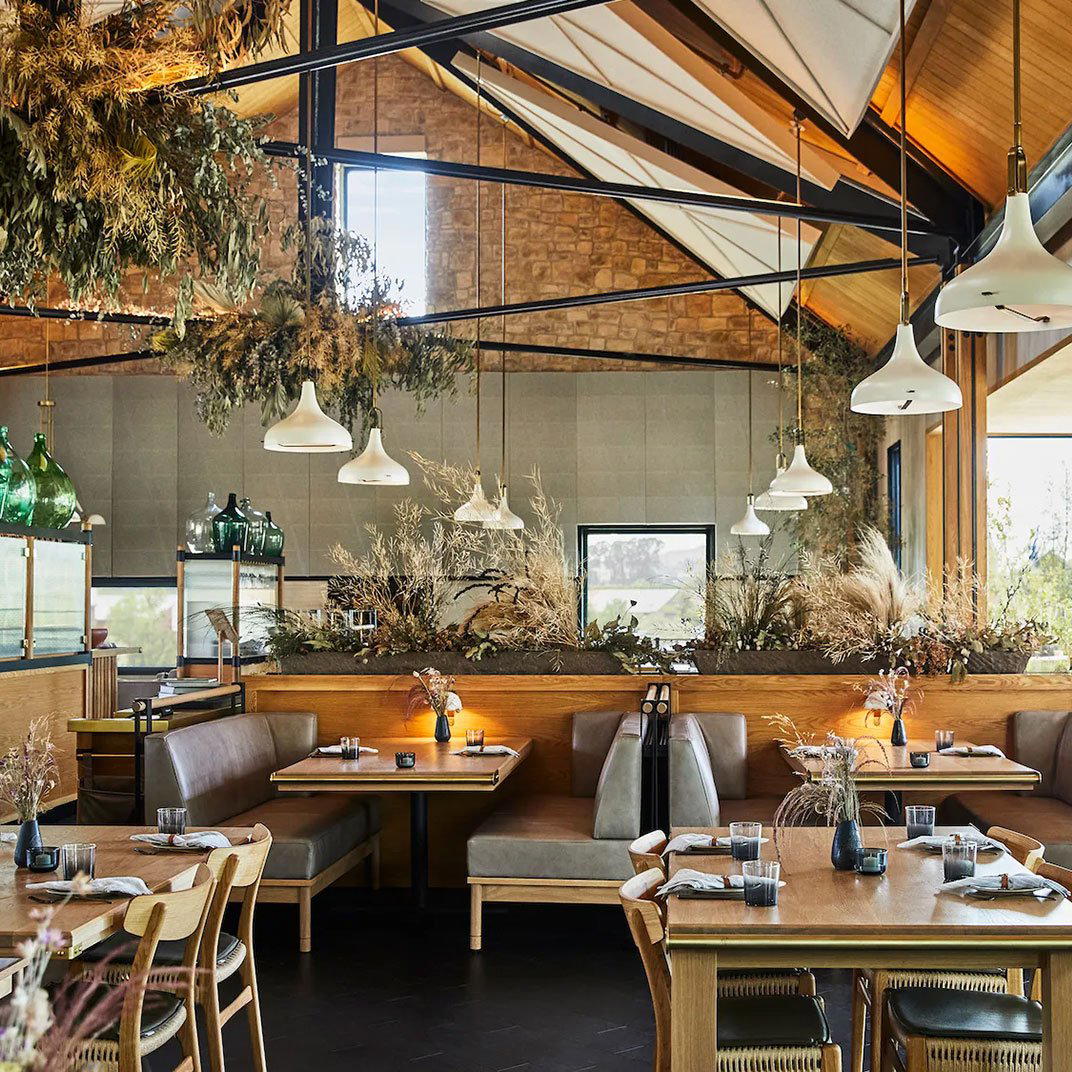
Restaurants in Calistoga
Browse all →
At a Glance
- Romantic
- Quiet
- Rustic
- Scenic
- Whimsical
- Intimate
- Elegant
- Romantic Getaway
- Wellness Retreat
- Weekend Escape
- Honeymoon
- Destination Spa
- Garden
- Historic Building
- Pool
- Spa
- Concierge
- Garden
- Mountain
- Vineyard
- Pool
- Spa
- Concierge
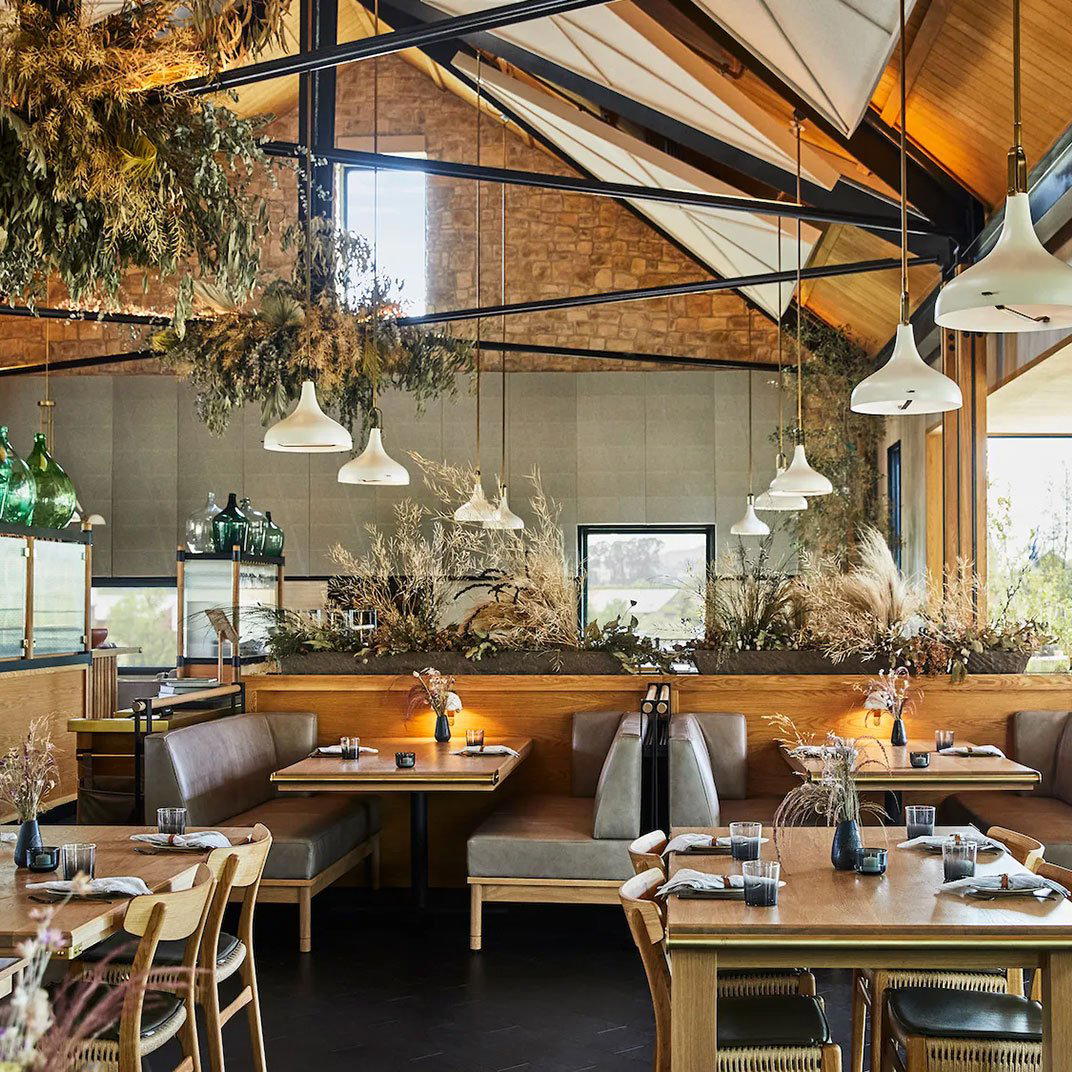
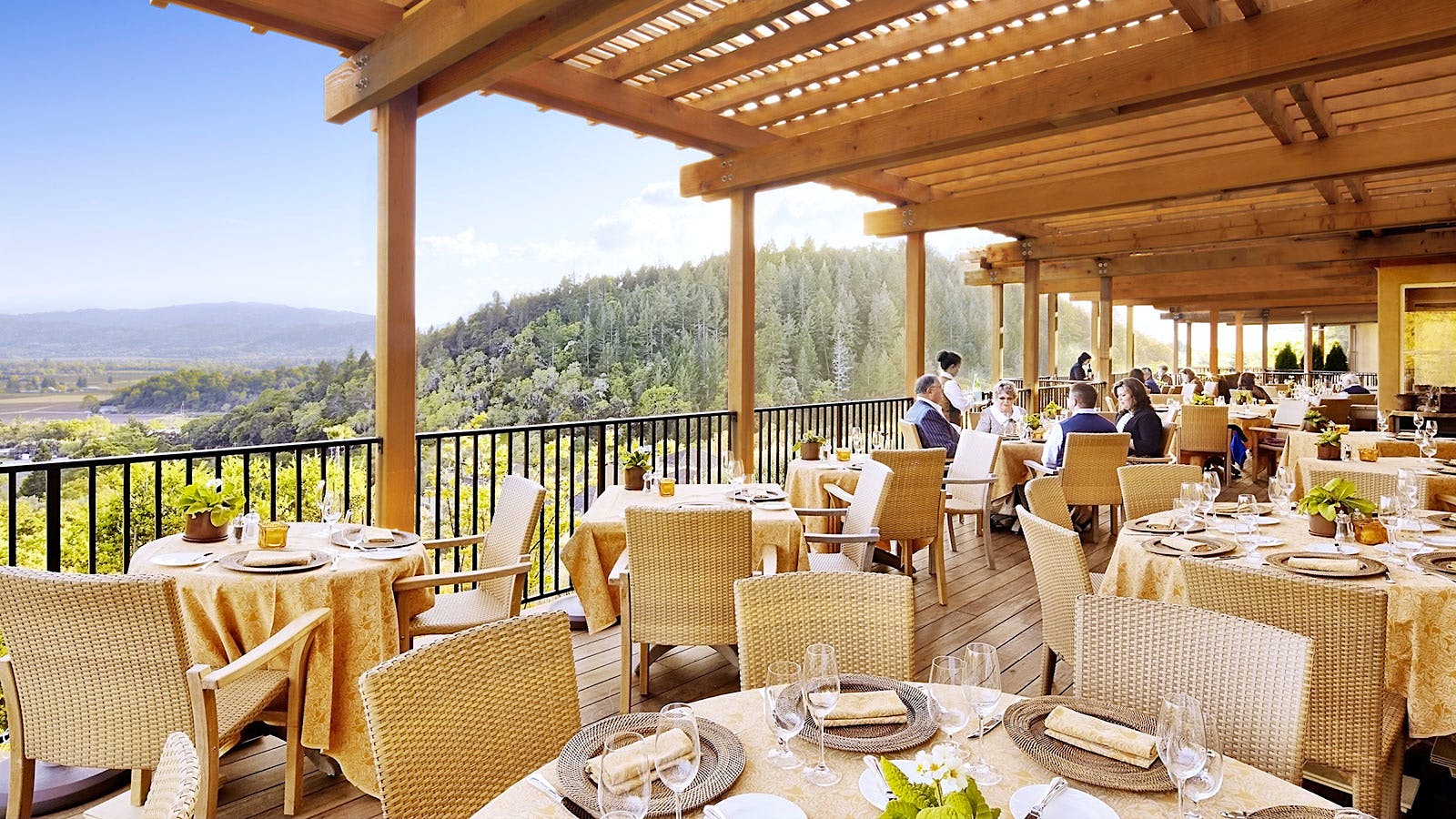
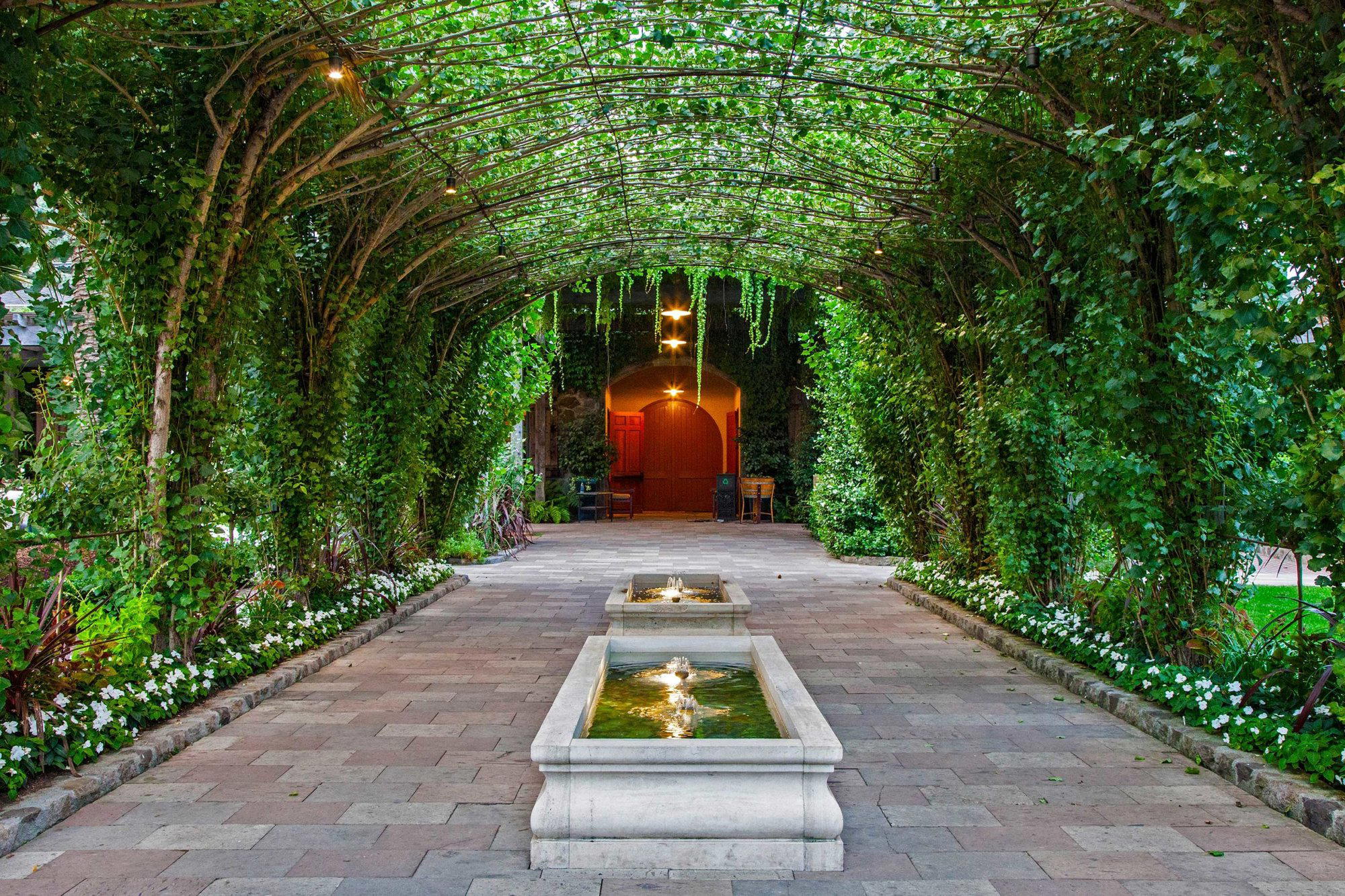
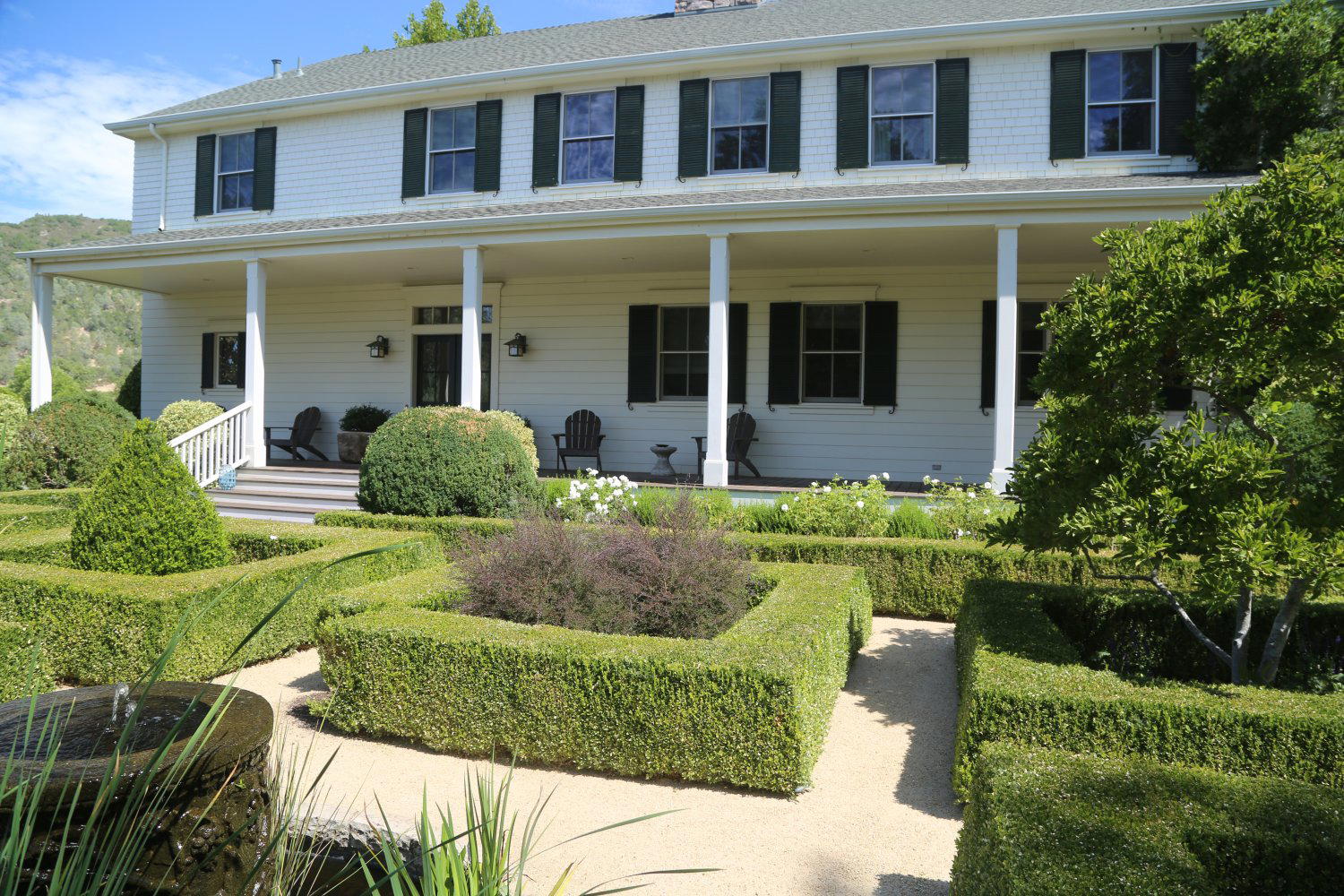
Whimsical and relaxed atmosphere with spa-like indoor features, lush gardens, olive trees, and palm-lined paths evoking calm and historic charm.