Conde Nast Hot List Hotels
Occupying several apartment units inside Cairo's historic 1940s Immobilia building, this intimate residence-style property from Egypt Beyond operator delivers Art Deco interiors, locally sourced antiques, and in-house chef dinners from $325 per night. Where most downtown hotels insulate guests from the city, Immobilia puts you inside it, on Sherif Pasha Street, steps from the Beaux Arts architecture that defines central Cairo.

Pearl is the En Primeur Club membership app — saves, bookings, and concierge access live there. Same editors, same standards.
- Address
- 26 Sherif Pasha Street, Cairo
- Phone
- +971 50 122 0568
- Website
- egyptbeyond.com
Downtown Cairo's Apartment-Hotel Tradition, Reconsidered
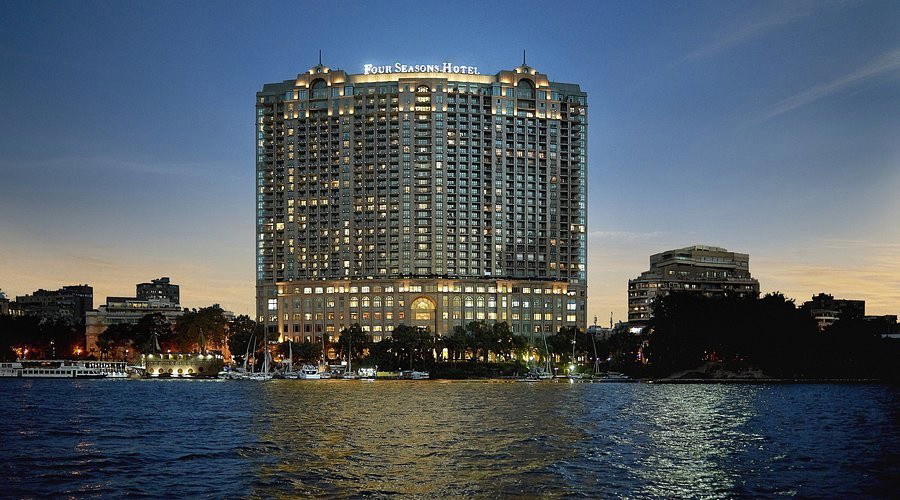
Cairo's downtown district, the roughly gridded Khedivial quarter built during the late nineteenth and early twentieth centuries, contains one of the most concentrated collections of Beaux Arts and Art Deco architecture outside Europe. Most of it has spent recent decades in various states of decline, sandwiched between government offices, fabric merchants, and the perpetual noise of Talaat Harb Square. That tension between faded grandeur and daily urban reality is precisely what makes the neighbourhood interesting to stay in, and precisely what most of Cairo's large hotels avoid by situating themselves along the Nile corniche or in residential Zamalek, where properties like the Fairmont Nile City, the Four Seasons Hotel Cairo at Nile Plaza, and the Kempinski Nile Hotel trade the city's texture for river views and controlled environments.
Immobilia does the opposite. It occupies several apartment units inside the 1940s Immobilia building at 26 Sherif Pasha Street, a structure that was once Egypt's tallest tower and a social address for the city's elite. Dubai-based operator Egypt Beyond has spent years converting these floors into a residence-style accommodation, one that places guests inside the building's original fabric rather than renovating around it. The elevator ride up is part of the arrival: deliberately unassuming, urban, the kind of lift that could be in any downtown apartment block in Alexandria or Istanbul.
The Dining Programme: Evenings in a Private Living Room
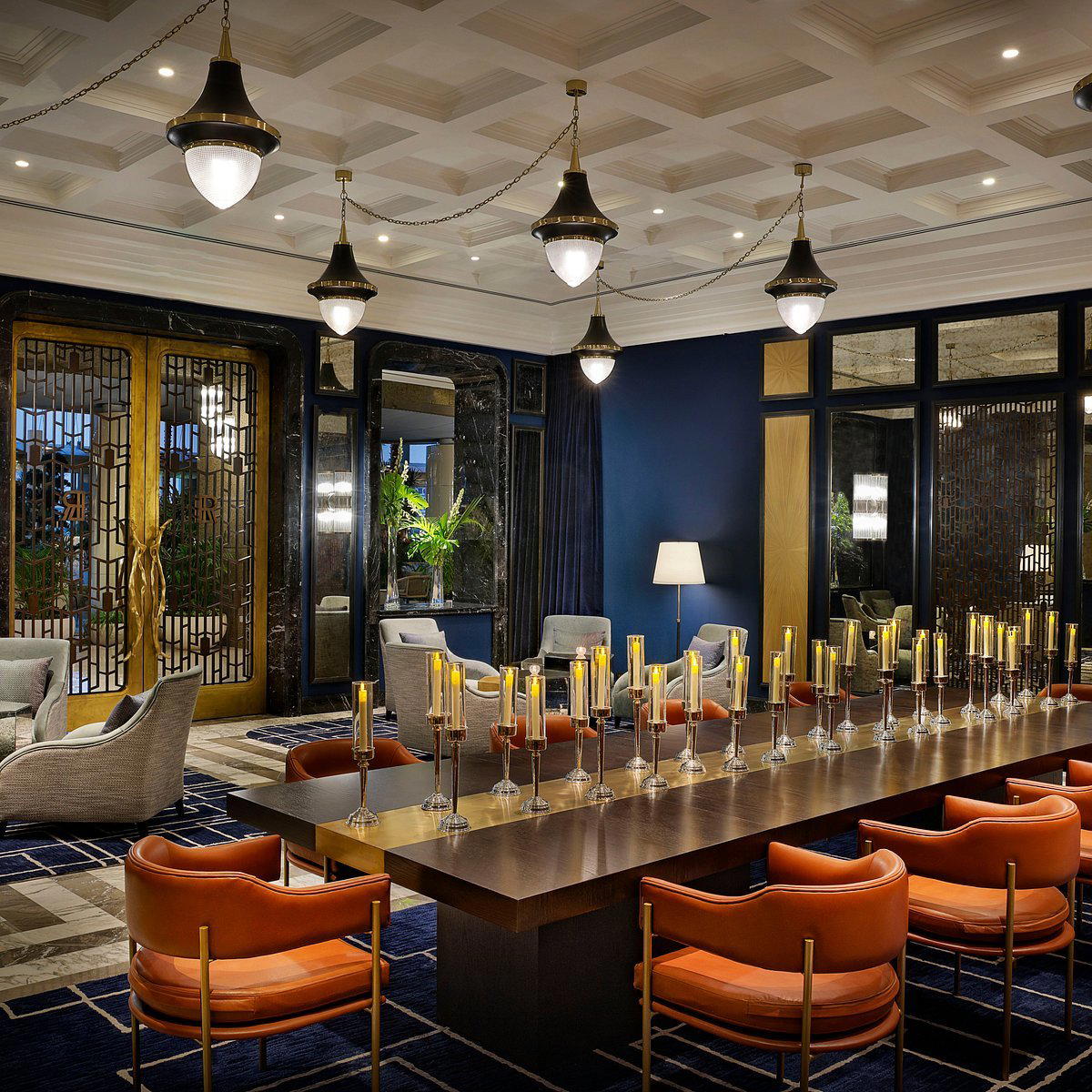
The editorial argument for Immobilia sits almost entirely in what happens after check-in, when the residence shifts from daytime retreat to evening social space. The central lounge, lined with polished wood and a velvet sofa running nearly the full length of the room, operates less like a hotel common area and more like the drawing room of a well-curated Cairo apartment. Evenings are anchored by dinners prepared by an in-house chef, served in this setting rather than in a formal restaurant.
This format has a specific appeal that conventional hotel dining rarely matches. In Cairo's larger properties, restaurant programmes tend toward the international: branded steakhouses, all-day dining buffets, and the occasional celebrity-chef partnership that reads more as a franchise than a genuine local expression. At the Four Seasons Hotel Cairo at the First Residence or the Sofitel Cairo Downtown Nile, you eat well, but in rooms that could be in Dubai or Doha. Immobilia's dining programme is, by structure, unscalable: it serves a small number of guests in a residential context, which means the food arrives as part of an evening rather than as a transaction.
Movie screenings in the same lounge extend that atmosphere past dinner. The sequencing matters: the building's history, the Art Deco surroundings, a meal prepared in-house, and then a film on the same sofa. It is a format that a handful of properties across the region have experimented with, but Cairo's downtown provides a specific backdrop that few urban environments can match. For guests who want a comparable intimacy outside Egypt, properties like Badrutt's Palace Hotel in St. Moritz or Hôtel de Paris Monte-Carlo offer their own historically charged versions of residence-style luxury, though the scale and price points operate at an entirely different register.
Art Deco Interiors and the Logic of Locally Sourced Objects
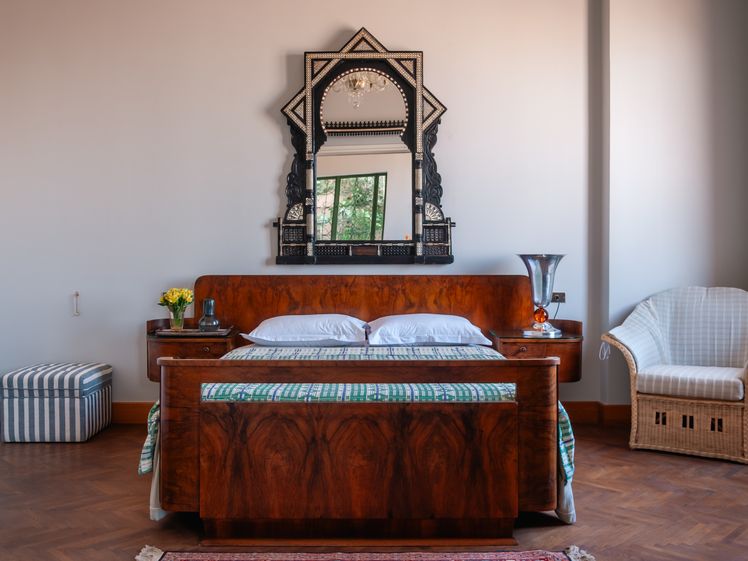
The design strategy at Immobilia reflects a wider shift in how serious boutique properties approach historic buildings: instead of modernising the architecture away, the renovation uses the original envelope as its primary asset. Murano-glass lamps, moucharaby-style tables, and heavy velvet curtains reference Cairo's mid-century cosmopolitan moment, when the city was integrated into Mediterranean design networks in ways that are easy to forget today. Locally commissioned pieces, including wicker bed frames and decorative tassels, sit alongside the antique furniture without any obvious tension between the two periods.
The result is an interior that teaches guests something about Cairo's design history simply by being in it, which is a different proposition from the curated-neutral aesthetic that most new boutique hotels in the region deploy. For comparison, the Mazeej Balad Boutique Hotel occupies its own position in Cairo's smaller-property tier, while properties like the Sofitel Legend Old Cataract Aswan in Aswan demonstrate how Egypt's colonial-era buildings can anchor an entire hospitality identity when the architecture is taken seriously. Immobilia's version is more compressed, more residential, and more embedded in a functioning urban neighbourhood.
Where Immobilia Sits in Cairo's Accommodation Spectrum
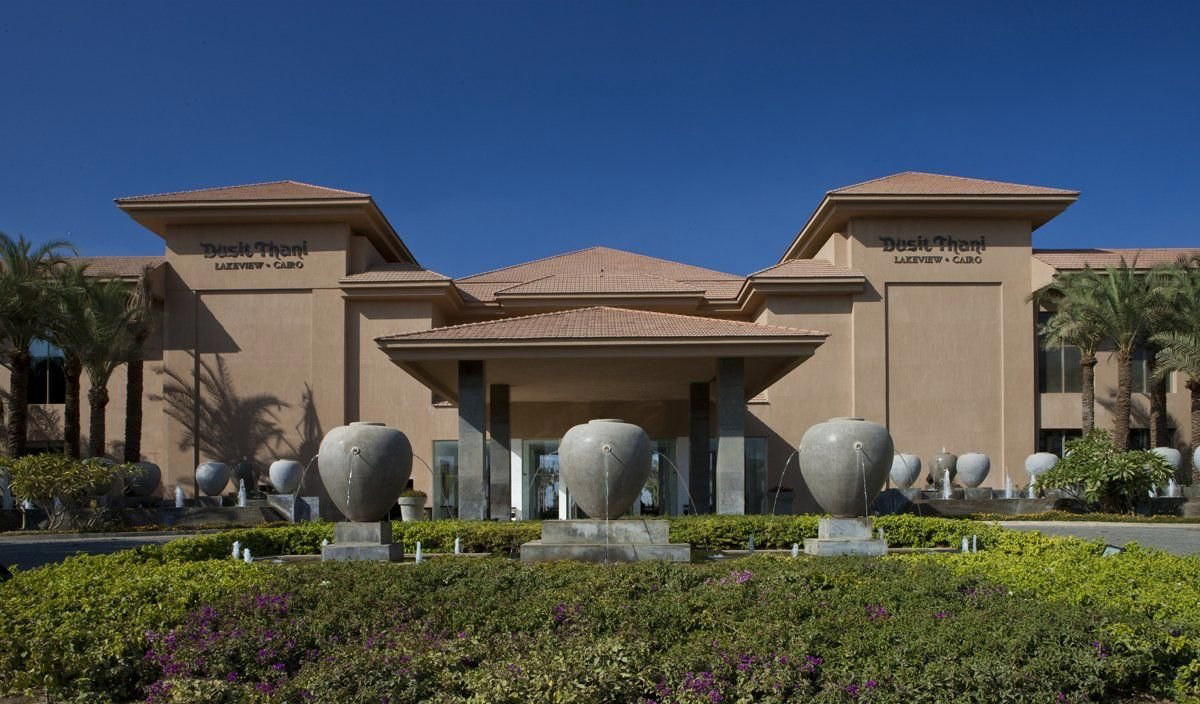
Cairo's premium accommodation market has historically clustered around riverfront towers and gated residential compounds, which reflects the preferences of international business travellers and tour groups rather than guests who want proximity to the Khedivial quarter's street life. The Dusit Thani LakeView Cairo and Glen Falls House each occupy different positions in that spectrum. Immobilia operates outside most of those categories entirely: it is not a hotel in the conventional sense, has no lobby desk in the usual configuration, and prices from $325 per night for an experience that is closer to renting a furnished apartment from a well-connected host than checking into a property.
That positioning makes it most relevant for travellers who are already familiar with Cairo's major sites and want a base that rewards spending time in downtown itself: walking the grid of streets between Tahrir and Attaba, looking up at the cornices and ornate ironwork that have survived traffic and neglect, and returning in the evening to somewhere that holds the same architectural logic. Guests visiting Egypt more broadly who are planning routes through Luxor, Aswan, or the Red Sea coast might compare Immobilia with options like the Sofitel Winter Palace Luxor, the The Chedi El Gouna, or the Four Seasons Resort Sharm El Sheikh, each of which serves a different phase of an Egyptian itinerary. For the Cairo section specifically, Immobilia addresses a gap that larger properties in the city do not.
Planning a Stay
Immobilia is managed by Egypt Beyond, a Dubai-based operator with a focused portfolio of Cairo residences that has built a following among travellers who approach Egypt as a cultural destination rather than a resort trip. Rates from $325 per night position it above Cairo's mid-market boutique tier but well below the full-service Nile-view towers. Because the property operates across only a handful of apartment units, availability is limited and advance booking is worth prioritising, particularly during Egypt's peak season between October and April when downtown Cairo is at its most walkable. The Sherif Pasha Street address places it in the heart of the downtown grid, within easy reach of the Egyptian Museum, Tahrir Square, and the commercial arteries of Talaat Harb, making it practical as well as atmospheric.
For guests who want to cross-reference Cairo's wider accommodation options before committing, our full Cairo restaurants and hotels guide covers the range from boutique residences to full-service riverfront properties. Those extending trips beyond Cairo will find relevant comparisons at properties like Shali Lodge in Siwa, Al Alamein Hotel on the North Coast, or Giza Palace Hotel and Spa for those who want to stay adjacent to the Pyramids plateau. Internationally minded travellers who appreciate the residence-in-a-historic-building format might also look at The Fifth Avenue Hotel in New York City for a sense of how the category performs at its most polished elsewhere.
Price Lens
Comparable venues nearby, for context on price, style, and recognition.
| Venue | Cuisine | Price | Awards | Notes |
|---|---|---|---|---|
| ImmobiliaThis venue — the venue you are viewing | Hotel | Not listed | Conde Nast Hot List Hotels | Not listed |
| Sofitel Cairo Nile El Gezirah | Not listed | $300–500 | Michelin Selected | Zamalek, Modern luxury with Art Deco heritage; a contemporary tower that blends French design elegance with authentic Egyptian and Moroccan influences. |
| Dusit Thani LakeView Cairo | Not listed | $200–300 | 1 Michelin Key · Preferred Hotels Member | New Cairo, Luxurious Thai hospitality oasis in urban setting |
| Waldorf Astoria Cairo Heliopolis | Not listed | Not listed | Forbes 4-Star | Heliopolis, Modern luxury infused with Egyptian heritage and art deco elements |
| Sofitel Cairo Downtown Nile | Not listed | Not listed | Michelin Selected | Downtown, French luxury blended with Egyptian heritage in a modernist tower |
| Kempinski Nile Hotel | Not listed | $100–200 | Michelin Selected | Garden City, Contemporary luxury boutique hotel combining European sophistication with Egyptian cultural influences, positioned as an intimate urban retreat for informed travelers. |
Recognition history
Dated appearances from independent guides and award organizations, with the underlying list record or original source where available.
Conde Nast Hot List Hotels
Conde Nast