



Michelin Selected · Vogue 2026 Vogue Best Hotels in Paris · Mr & Mrs Smith Seal of Approval
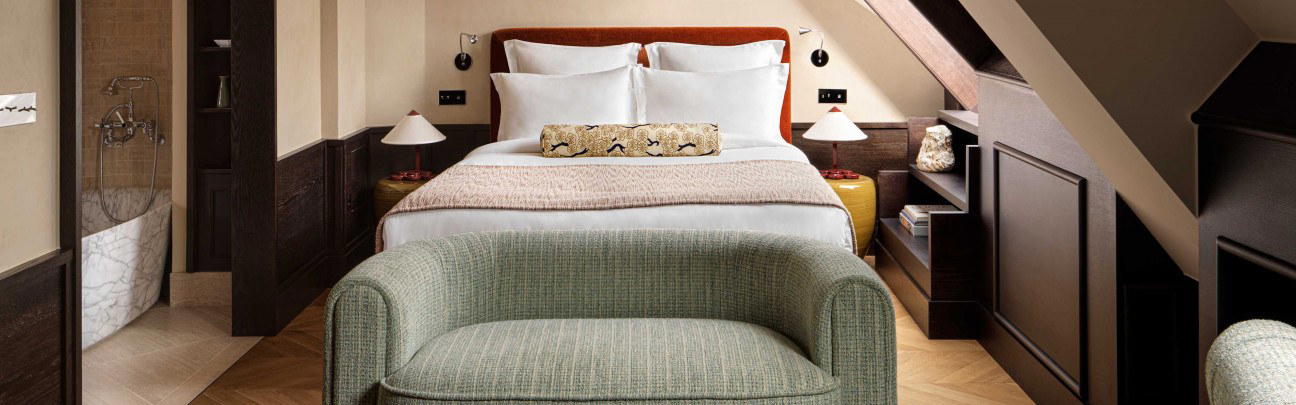
Hotel Hana occupies a five-star position on Rue du 4 Septembre in Paris's 2nd arrondissement, positioned between Opéra Garnier and Palais Brongniart. The property draws on a Franco-Japanese cultural framework, offering Japanese cuisine, kobido spa treatments, and interiors that treat both traditions as equal rather than decorative. For travellers seeking a different register from the grand Haussmann palace hotels, it occupies a distinct niche.

Pearl is the En Primeur Club membership app, where members save venues, book tables and use the concierge.
Between Two Cultures: Paris's 2nd Arrondissement and the Franco-Japanese Hotel Model
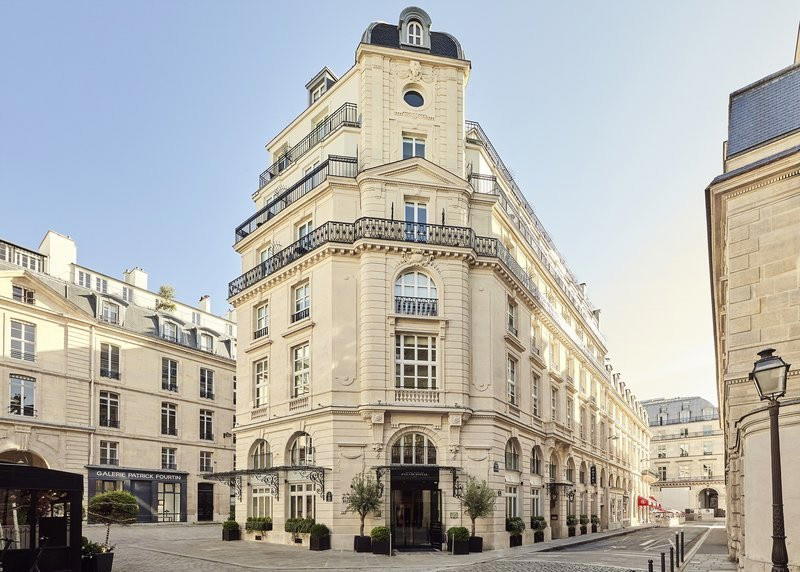
The 2nd arrondissement is not where most luxury travellers instinctively look. The palatial hotel tier in Paris concentrates along the 1st, 8th, and 16th arrondissements, anchored by institutions like Le Meurice, Hôtel de Crillon, and Four Seasons George V. The 2nd sits between the financial density of the Bourse quarter and the cultural pull of the Grands Boulevards, and its hotel offer has historically been thinner at the luxury tier. Hotel Hana, at 17 Rue du 4 Septembre, operates in that gap as a five-star property with a Franco-Japanese cultural identity rather than a conventional Haussmann-palace format.
The address places it within a short walk of Opéra Garnier to the northwest and the neoclassical Palais Brongniart to the south, a building that housed the Paris Stock Exchange for nearly two centuries before its financial functions ended. That neighbourhood context matters: this is a Paris of professional movement and architectural formality, not the tourist-facing boulevards of the Marais or the Seine embankments. A hotel that positions itself through cultural fusion rather than location spectacle is making a deliberate editorial choice about its guest.
The Franco-Japanese Framework in Hospitality: Where It Sits in the Market
Paris has long maintained a Japanese cultural presence that extends well beyond restaurants. The city's Japanese community, concentrated historically around the 1st and 9th arrondissements, has produced a culinary and aesthetic infrastructure that ranges from ramen specialists to high-end Japanese tableware shops near the Palais Royal. In the hotel sector, however, Franco-Japanese identity as a design and programming thesis is rarer. Most Paris luxury properties draw on French decorative tradition, with international influences appearing in food and beverage programming rather than in the overall spatial and service philosophy.
Hotel Hana positions itself differently. The property frames French and Japanese culture as parallel rather than hierarchical, which places it in a smaller cohort than the main Parisian palace tier. Properties like Cheval Blanc Paris or La Réserve Paris operate within a deeply French luxury grammar. Hotel Hana's comparison set is harder to define against local peers precisely because the Franco-Japanese hotel format in Paris is a narrow category. That narrowness is itself a positioning signal: this is a property for a guest who finds the conventional palace hotel formula familiar to the point of predictability.
Japanese Cuisine in a French Context
The presence of Japanese cuisine within a Paris luxury hotel is less unusual than it once was, but the framing still matters. At most international luxury properties, Japanese dining exists as a secondary restaurant option within a broader food and beverage programme anchored by French or continental cooking. When a Paris hotel makes Japanese cuisine central to its identity rather than supplementary, it signals a different kind of cultural commitment. The cuisine traditions involved are not decorative: Japanese culinary philosophy, at its technical depth, treats sourcing, temperature, and restraint with the same seriousness that French haute cuisine brings to sauce construction and mise en place. A hotel organised around the intersection of these two traditions is making a claim about hospitality philosophy, not just menu selection.
Kobido and the Spa as Cultural Programme
Kobido, the Japanese facial massage technique with roots in fifteenth-century Japan, has gained significant ground in European luxury wellness programming over the past decade. Its presence in the Hotel Hana spa reflects a broader shift in how premium hotels approach treatment menus. The trend runs from direct brand partnerships with Japanese beauty houses toward deeper programming that treats Japanese wellness practice as a coherent system rather than a single exotic treatment added to a conventional European spa menu. A spa-pool facility that foregrounds kobido within a Paris property is aligning with the more committed end of that spectrum.
For context on how spa programming varies across the French luxury hotel tier, properties like Hotel Plaza Athénée and Le Bristol Paris anchor their wellness offers in classic European formats, with Dior Spa and treatment partnerships respectively. Hotel Hana's kobido-centred approach occupies a different point on that spectrum, one shaped by cultural specificity rather than brand prestige.
The 2nd Arrondissement as a Base: Practical Geography
Rue du 4 Septembre sits at a useful operational centre for Paris. Opéra Garnier, one of the city's most visited cultural institutions, is walkable. The Palais Royal gardens, the Louvre, and the covered passages of the 2nd arrondissement itself are all within a fifteen-minute walk. The area is well served by the Métro, with Opéra station connecting lines 3, 7, and 8. For travellers prioritising access to a range of Paris neighbourhoods over proximity to a single arrondissement's identity, the location functions well as a base.
The surrounding hotel offer in the 2nd is thinner at the luxury tier than in Paris's more established hotel corridors. Travellers comparing options at the five-star level in central Paris will be looking primarily at properties in the 1st, 8th, and surrounding arrondissements. For a broader view of how the Paris luxury hotel market is structured, our full Paris guide covers the major properties and their positioning across the city. Elsewhere in France, the five-star market extends to very different property types: Domaine Les Crayères in Reims, Les Sources de Caudalie in Bordeaux, and Baumanière Les Baux-de-Provence each anchor their identity in regional landscape and produce rather than urban cultural synthesis. Further afield, properties like Hotel Du Cap-Eden-Roc in Cap d'Antibes and La Réserve Ramatuelle represent the Riviera tier, while alpine options like Cheval Blanc Courchevel and Four Seasons Megeve offer mountain-season alternatives. International comparisons in the cultural-synthesis luxury hotel category can be found at Aman Venice or Aman New York, both of which operate through a strong identity thesis rather than conventional palace-hotel formula.
Planning a Stay: What to Know
Hotel Hana carries a five-star rating and is located at 17 Rue du 4 Septembre, 75002 Paris. The property's website and direct booking contact were not available at the time of publication; prospective guests should confirm current rates, room categories, and availability through the hotel directly or via their preferred booking platform. Given the property's five-star classification and the general pattern of premium Paris hotel demand, advance booking is advisable, particularly for stays aligned with Paris fashion weeks in January, February, September, and October, or during the summer peak between June and August. The 2nd arrondissement is accessible year-round, but the neighbourhood's professional character means it is quieter on weekends than during the working week, which can be an advantage for guests who prefer a calmer urban base. Other five-star properties in the Opéra and Grands Boulevards corridor include Airelles Château de Versailles - Le Grand Contrôle for those whose itineraries extend to Versailles, and La Bastide de Gordes for guests who prefer to combine a Paris stay with time in Provence.
Booking and Cost Snapshot
Comparable venues nearby, for context on price, style, and recognition.
| Venue | Price | Awards | Notes |
|---|---|---|---|
| Hotel HanaThis venue (the venue you are viewing) | $300–500 | Michelin Selected · Vogue 2026 Vogue Best Hotels in Paris | Not listed |
| Kimpton St. Honoré, Paris | Not listed | Michelin Selected · Virtuoso Luxury Hotel Partner | Paris City Center, Contemporary luxury boutique hotel blending Parisian chic with California-inspired casual elegance. |
| Le Narcisse Blanc Hôtel & Spa | Not listed | Small Luxury Hotels of the World Member | Les Invalides, Timeless Haussmannian luxury with contemporary boutique charm. |
| Le Cinq Codet | Not listed | Michelin Selected · Gault & Millau Exceptional Hotel | 7th arr., Contemporary boutique hotel emphasizing well-being and design |
| Hôtel de Nell | $200–300 | Michelin Selected | 9th arrondissement, Contemporary luxury boutique with 19th-century facade and meticulous modern interiors. |
| Experimental Marais | $500–750 | Michelin Selected · Vogue 2026 Vogue Best Hotels in Paris | Haut Marais, Neo-Gothic inspired luxury boutique reimagining a historic Marais property. |
Recognition history
Dated appearances from independent guides and award organizations, with the underlying list record or original source where available.
Michelin Selected
Michelin
Mr & Mrs Smith Seal of Approval
Mr & Mrs Smith
Vogue 2026 Vogue Best Hotels in Paris
Vogue
Esquire Best New Hotels
Esquire
Continue exploring
More in Paris
Hotels in Paris
All hotels in Paris →
Bars in Paris
All bars in Paris →
Restaurants in Paris
All restaurants in Paris →
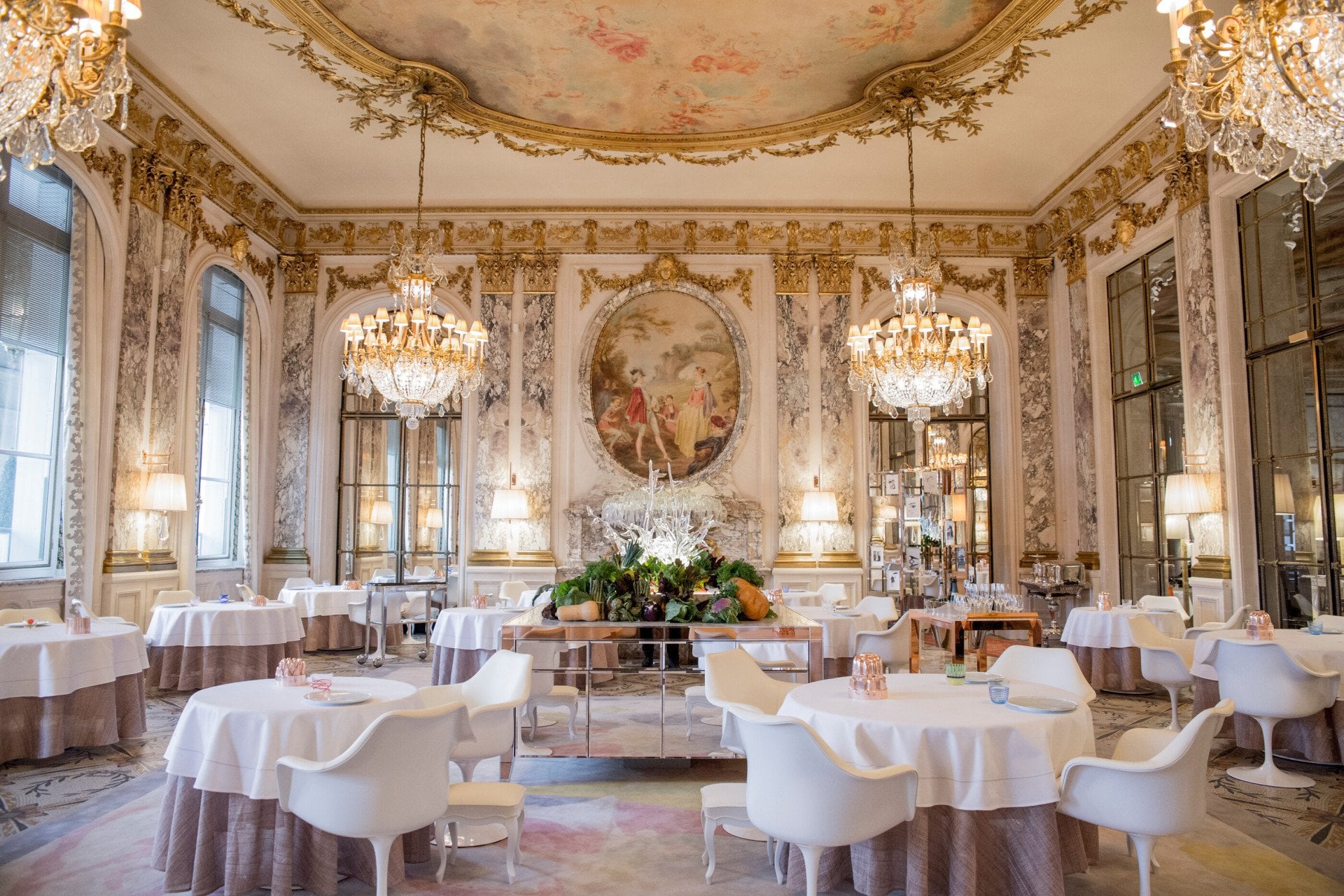
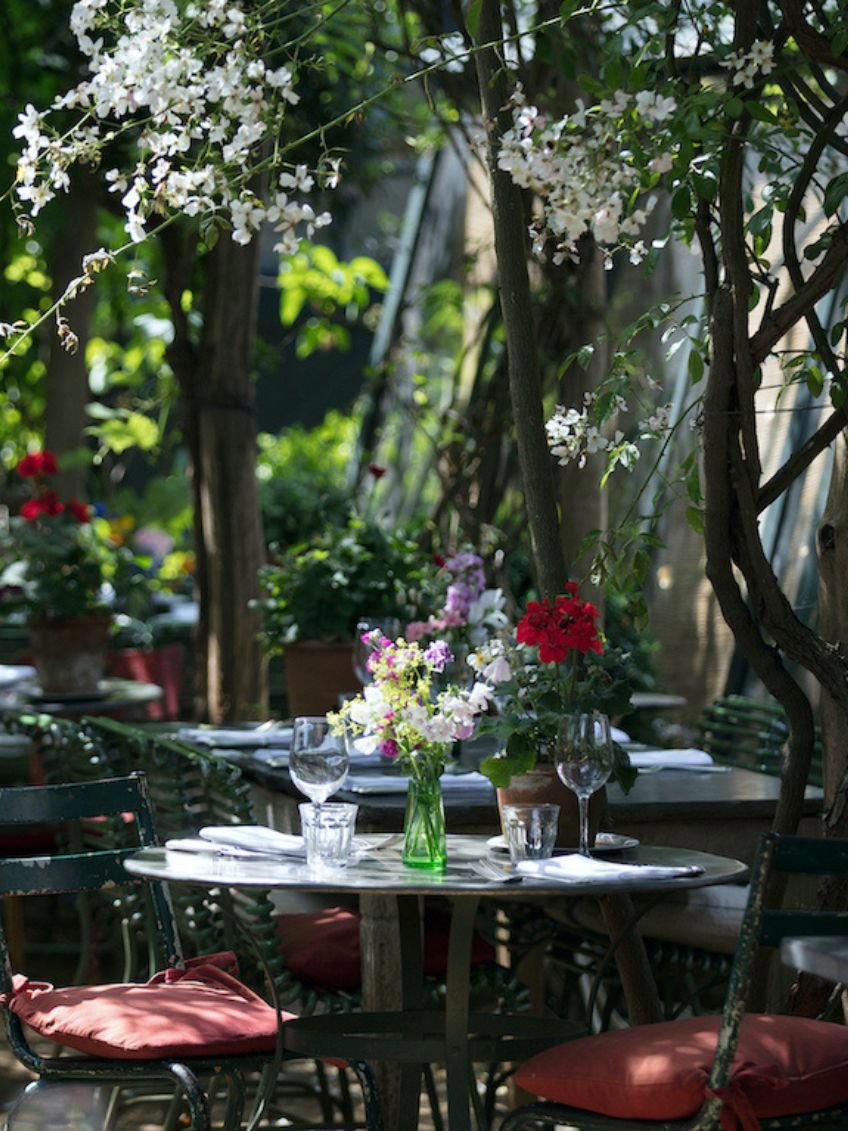
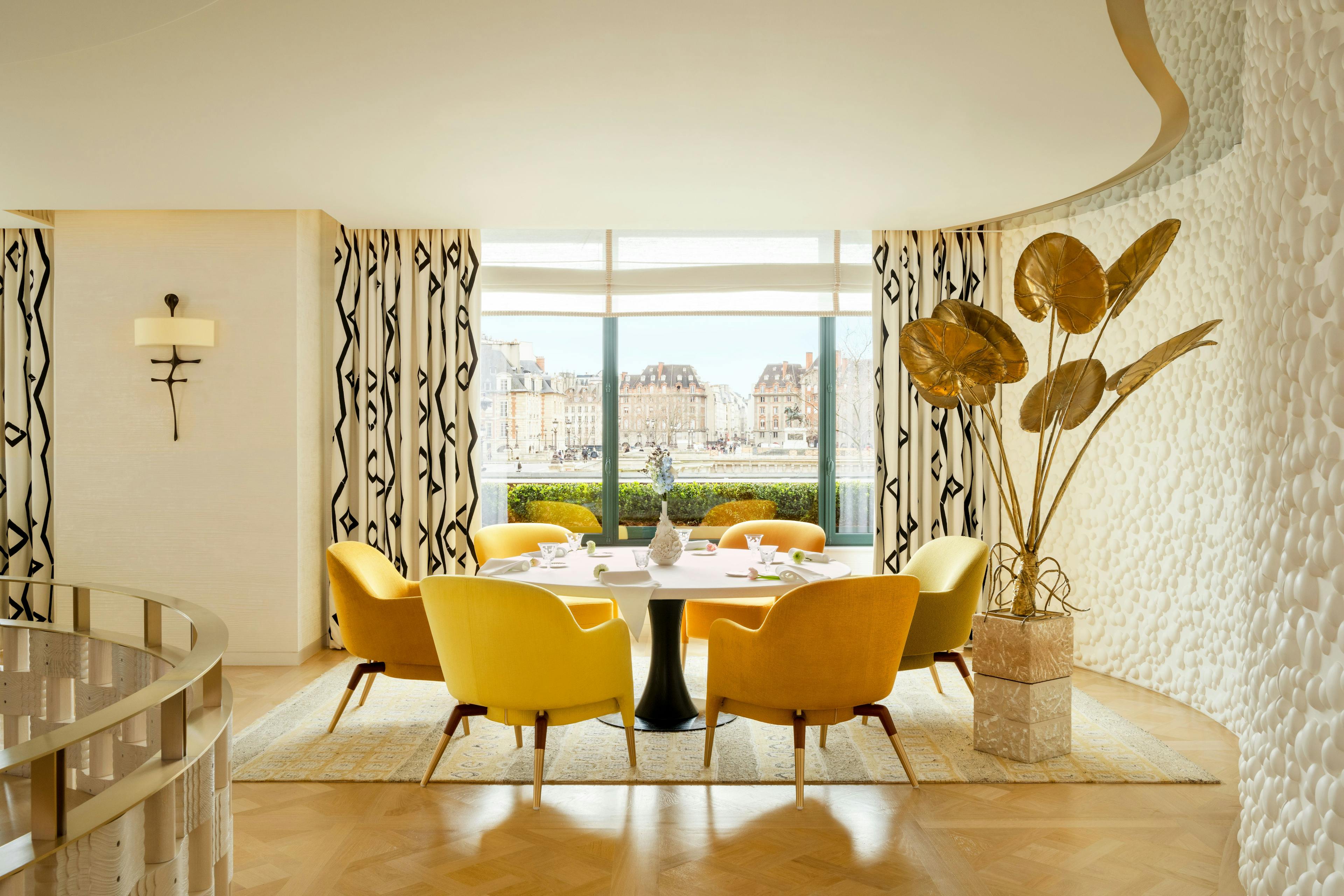
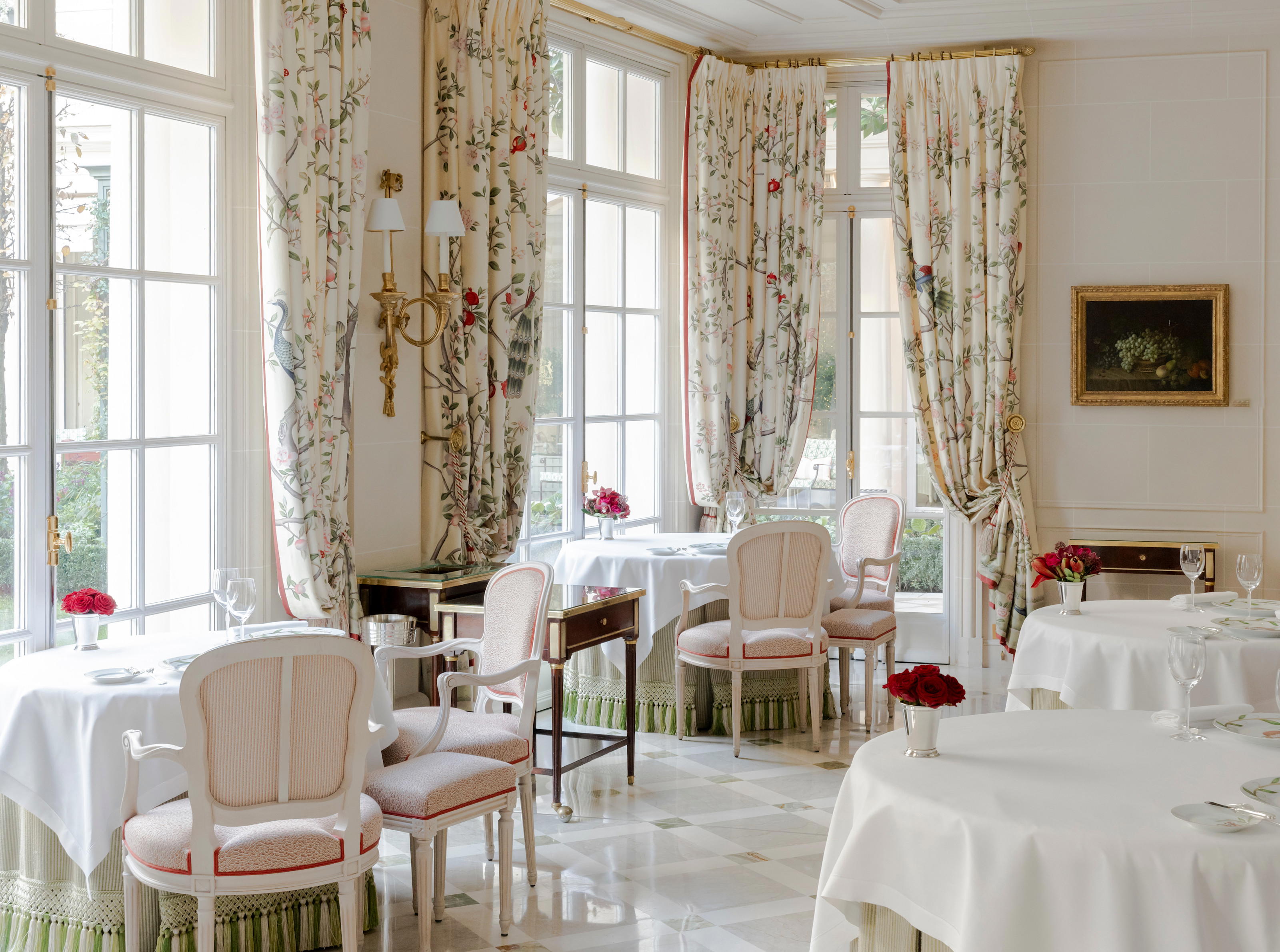

Details
- Elegant
- Sophisticated
- Modern
- Minimalist
- Romantic
- Romantic Getaway
- Business Trip
- Weekend Escape
- Anniversary
- Design Destination
- Destination Spa
- Rooftop Pool
- Wi Fi
- Spa
- Indoor Pool
- Restaurant
- Bar
- Concierge
- Room Service
- Fitness Center
- Valet Parking
- Pool
- Street Scene
- Wheelchair Accessible
- Elevator
- Accessible Restroom
Serene and sophisticated with Japanese aesthetic elements, soft lighting, and a Zen-like calm throughout; guests describe it as a peaceful haven with contemporary design and traditional Japanese influences.