




Michelin Selected · Vogue 2026 Vogue Best Hotels in Paris · Conde Nast Hot List Hotels
Experimental Marais sits at 116 Rue du Temple in Paris's 3rd arrondissement, where the Experimental Cocktail Club group has extended its influence from bar programming into hospitality. The property places itself in the design-led, low-key end of Paris's boutique hotel tier, offering a distinct counterpoint to the palace hotels of the 8th. Check availability directly through the Experimental group's channels.

Pearl is the En Primeur Club membership app, where members save venues, book tables and use the concierge.
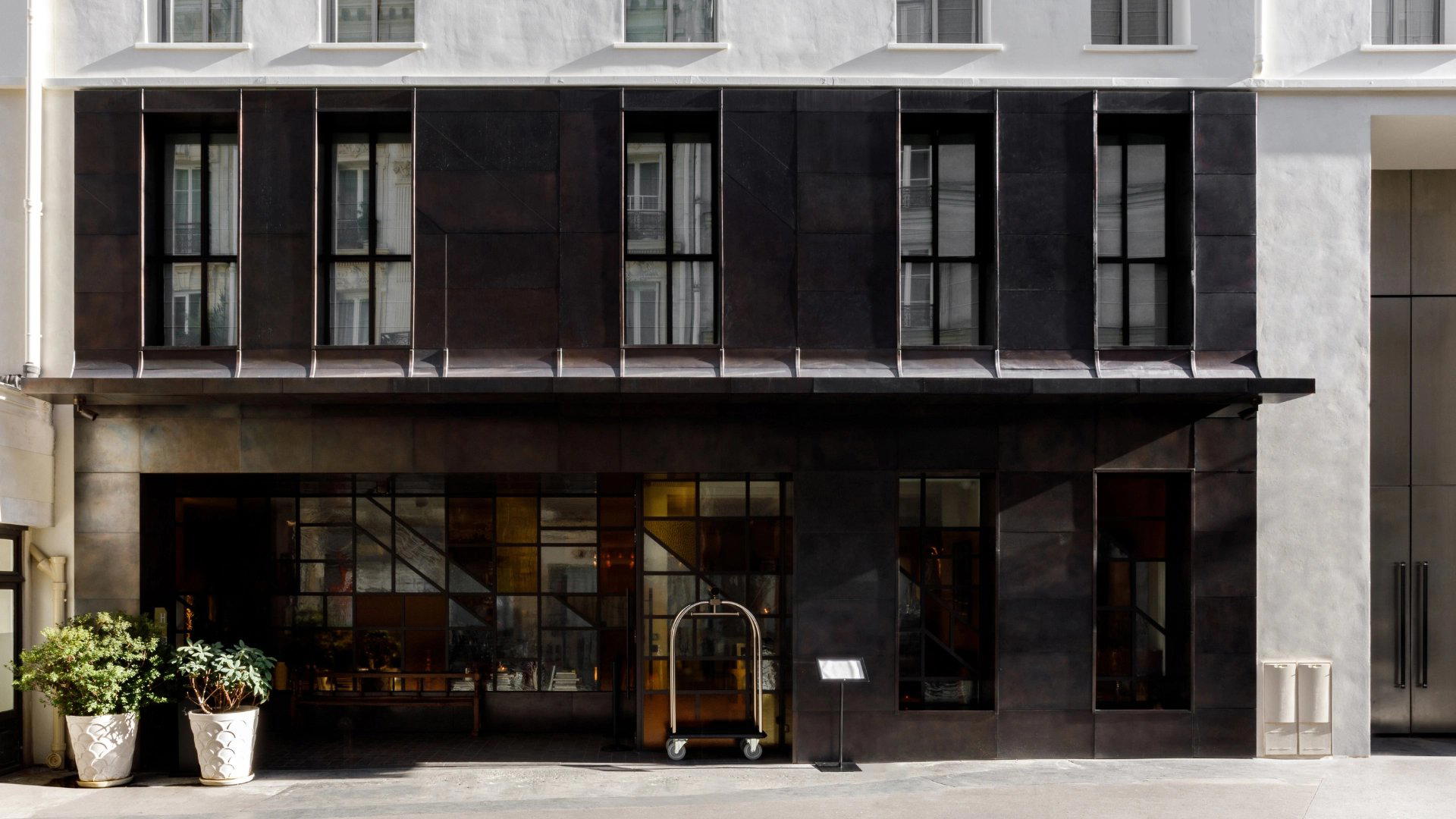
Where the Marais Sets Its Own Terms
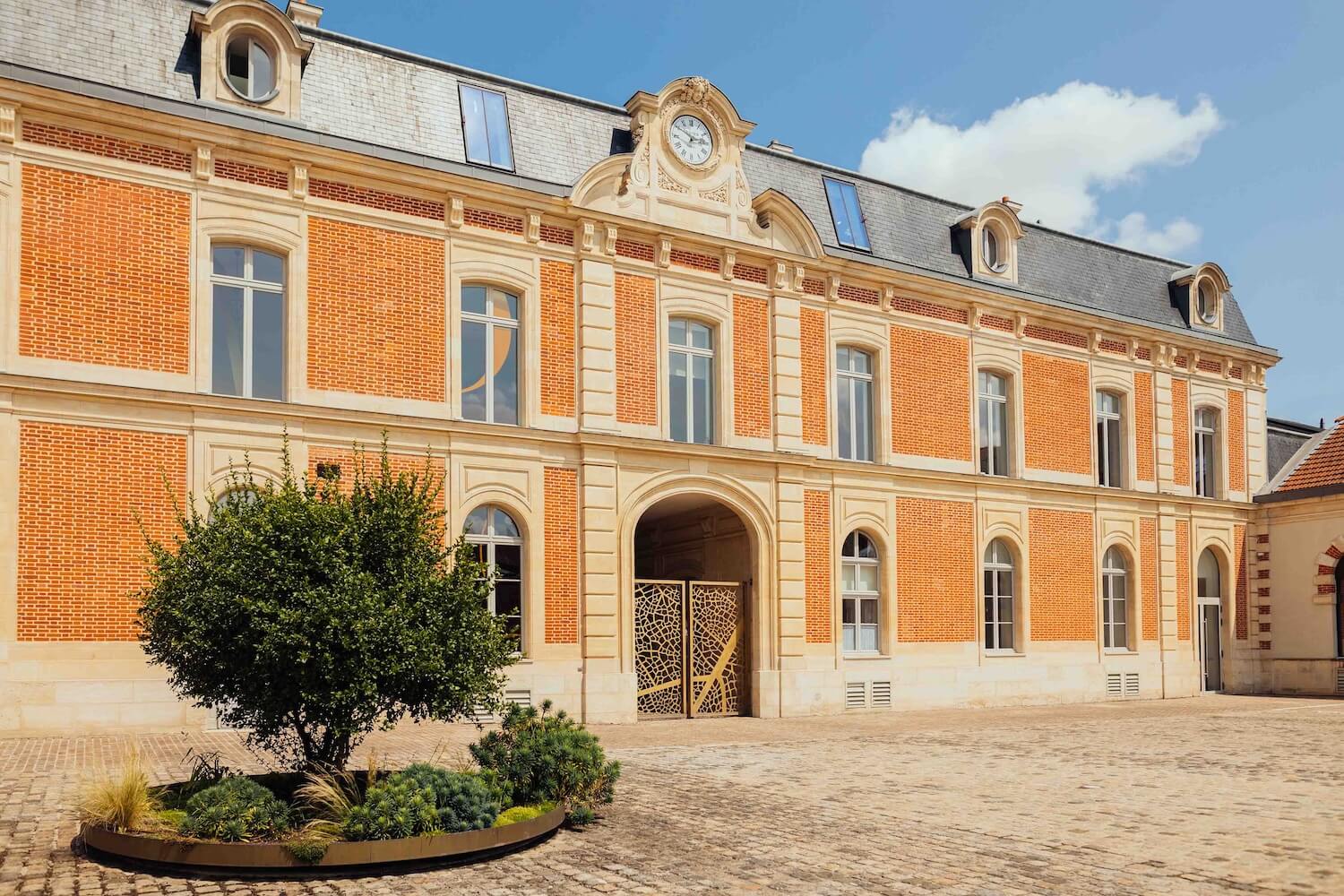
Paris's hotel market has fractured into two broad camps over the past decade: the palace tier, where properties like Cheval Blanc Paris, Hotel Plaza Athénée, Le Bristol Paris, and Hôtel de Crillon compete on scale, amenity depth, and Michelin-anchored dining; and a smaller, design-led cohort in the Marais and surrounding arrondissements that competes on atmosphere, neighbourhood identity, and curatorial restraint. Experimental Marais belongs firmly to the second camp. Located at 116 Rue du Temple in the 3rd arrondissement, it sits within walking distance of the Place des Vosges and the dense gallery-and-concept-store circuit that defines the upper Marais's appeal to a design-literate international traveller.
The Experimental group built its reputation through cocktail programming before extending into hotels, and that lineage matters here. Hospitality properties that emerge from bar and restaurant culture tend to prioritise mood over amenity count, and the Marais address reinforces that positioning. The 3rd arrondissement doesn't carry the grand-boulevard formality of the 8th or the tourist density of Saint-Germain; it rewards guests who want to be inside a working neighbourhood rather than adjacent to a monument.
The Room as the Argument
In Paris's boutique hotel tier, the room is often where the editorial case either holds or collapses. Large international operators Four Seasons George V or Le Meurice, can absorb a slightly underperforming room with the weight of their public spaces, F&B; programs, and service infrastructure. A design-led boutique cannot. Every room has to carry the concept.
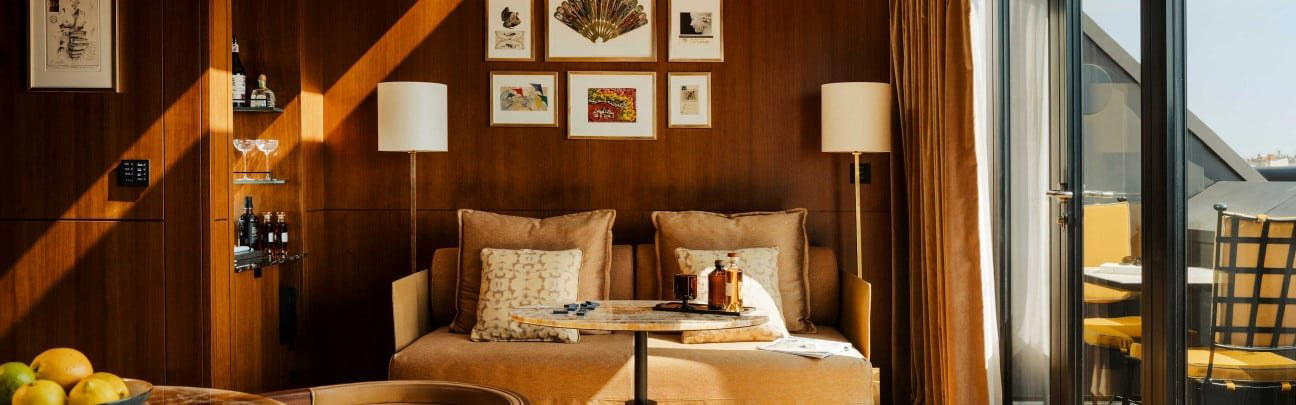
Experimental Marais takes a position consistent with the group's bar aesthetic: considered rather than maximalist, with an emphasis on material quality and atmospheric lighting over room count or square footage. The Experimental group's approach across its properties has leaned toward interiors that feel more like a well-edited private apartment than a standardised hotel product, with the kind of textile and furniture choices that signal curatorial intent without requiring guests to read a brand statement to understand it. That approach suits the Marais's own character: a neighbourhood that treats its architecture as context rather than spectacle.
The overnight experience at properties in this tier is increasingly framed around what isn't there as much as what is. No vast marble lobby, no concierge desk with six people behind it, no breakfast room engineered for 200 covers. What you get instead is proximity: to the covered passages, to the galleries along Rue de Bretagne and around the Musée Picasso, to the kind of informal wine bars and natural-wine-forward restaurants that have made the upper Marais one of Paris's more interesting places to eat and drink over the past five years.
Positioning Within Paris's Broader Hotel Offer
Paris's palace hotels operate at a different register entirely. La Réserve Paris and Airelles Château de Versailles are structured around an almost theatrical version of French luxury, with room categories that cascade from standard to suite in a hierarchy that takes weeks to understand. Experimental Marais is not competing in that space and doesn't need to.
That distinction matters for trip planning. Guests who want a spa, multiple dining outlets, and the institutional confidence of a palace should look at the 8th arrondissement properties. Guests who want a hotel that functions as a base inside a neighbourhood, and who will spend more time in the streets around the hotel than in the hotel itself, will find the Experimental Marais model more coherent. The Marais's density of independent shops, galleries, and restaurants means the neighbourhood does a significant share of the experiential work that a larger hotel would internalize.
For travellers planning broader French itineraries, the contrast is instructive: the kind of considered, place-specific hotel experience that Experimental Marais represents in Paris has equivalents across France, from Les Sources de Caudalie in Bordeaux and Villa La Coste in Le Puy-Sainte-Réparade to La Bastide de Gordes in Gordes and Domaine Les Crayères in Reims, each operating with a strong local identity rather than a standardised international template. On the coast, Hotel Du Cap-Eden-Roc in Cap d'Antibes, The Maybourne Riviera in Roquebrune-Cap-Martin, and La Réserve Ramatuelle operate at the luxury end of that same locally-grounded logic. In the Alps, Cheval Blanc Courchevel and Four Seasons Megève represent the higher-amenity variant. And in Provence, Hôtel & Spa du Castellet, Baumanière Les Baux-de-Provence, and Airelles Saint-Tropez Château de la Messardière complete a picture of France's hotel spectrum. For travellers who like to build itineraries around hotel character rather than hotel category, Paris and the Marais are a natural starting point, with the rest of France extending the argument outward. Explore the full picture through our Paris restaurants and hotels guide.
Outside France, the design-led boutique logic translates to urban properties like Aman New York, The Fifth Avenue Hotel, and Aman Venice, each of which similarly prioritises atmosphere and neighbourhood integration over raw amenity count. Royal Champagne Hotel & Spa in Champillon offers another French variant, oriented around the Champagne landscape rather than an urban neighbourhood. The comparison isn't about scale or price; it's about how a property uses its location as part of the guest experience rather than as mere geography.
Planning Your Stay
Experimental Marais sits at 116 Rue du Temple, 75003 Paris. The address places it between the northern Marais's gallery circuit and the more commercial stretch toward République, meaning the immediate surroundings reward walking rather than taxi-reliance. For booking and current availability, contact the Experimental group through their direct channels; as with most design-led boutique properties in Paris, room count is limited and peak-season availability moves quickly, particularly during Paris Fashion Week in late September and early October and again in late February to early March, when the city's hotel stock tightens across all price points. Guests arriving from outside Europe would do well to consider Experimental Marais as part of a longer Paris base alongside higher-capacity palace properties if scheduling flexibility matters.
Cost and Credentials
| Venue | Price | Awards |
|---|---|---|
| Experimental MaraisThis venue (the venue you are viewing) | $500–750 | Michelin Selected · Vogue 2026 Vogue Best Hotels in Paris |
| Cheval Blanc Paris | $2,500+ | 3 Michelin Keys · World's 50 Best #20 |
| Le Meurice | $1,000–1,500 | 3 Michelin Keys · La Liste Top Hotels |
| Shangri-La Paris | $1,000–1,500 | 1 Michelin Key · La Liste Top Hotels |
| The Peninsula Paris | $1,000–1,500 | 2 Michelin Keys · La Liste Top Hotels |
| Soho House Paris | $300–500 | 1 Michelin Key · Vogue 2026 Vogue Best Hotels in Paris |
Recognition history
Dated appearances from independent guides and award organizations, with the underlying list record or original source where available.
Michelin Selected
Michelin
Conde Nast Hot List Hotels
Conde Nast
Esquire Best New Hotels
Esquire
Mr & Mrs Smith Seal of Approval
Mr & Mrs Smith
Vogue 2026 Vogue Best Hotels in Paris
Vogue
Continue exploring
More in Paris
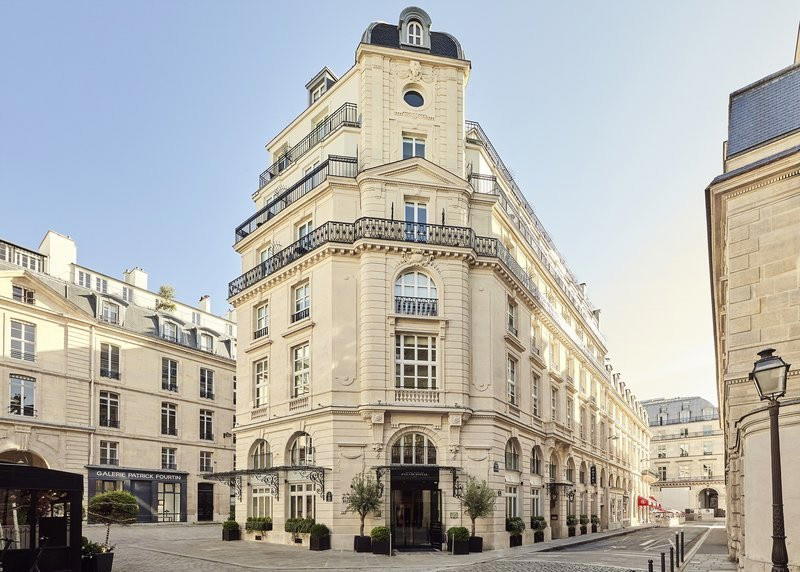
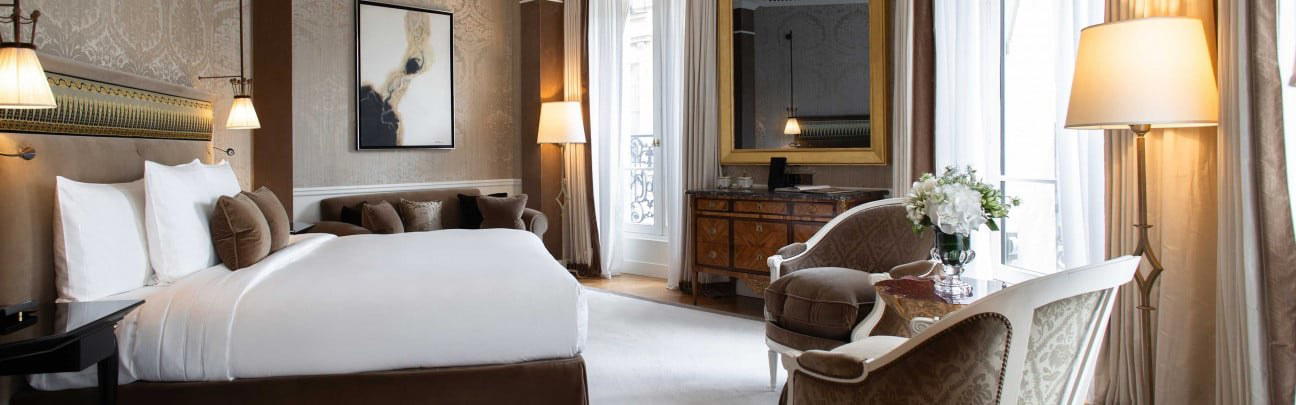
Hotels in Paris
All hotels in Paris →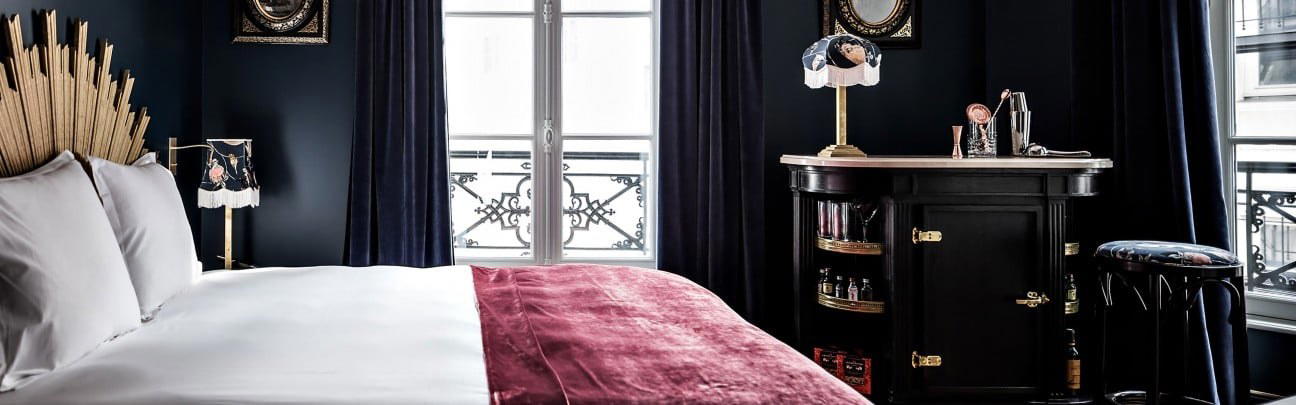
Bars in Paris
All bars in Paris →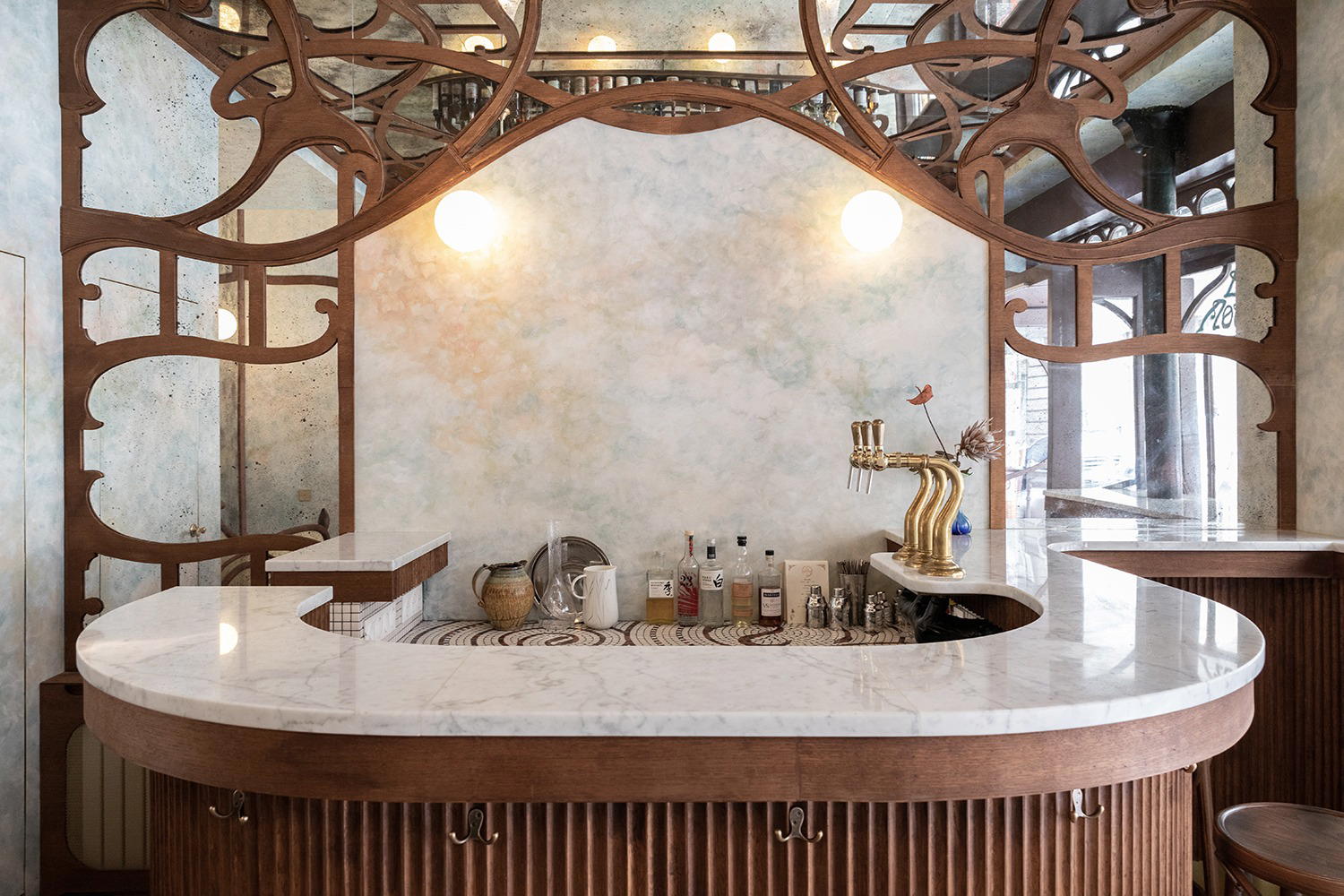
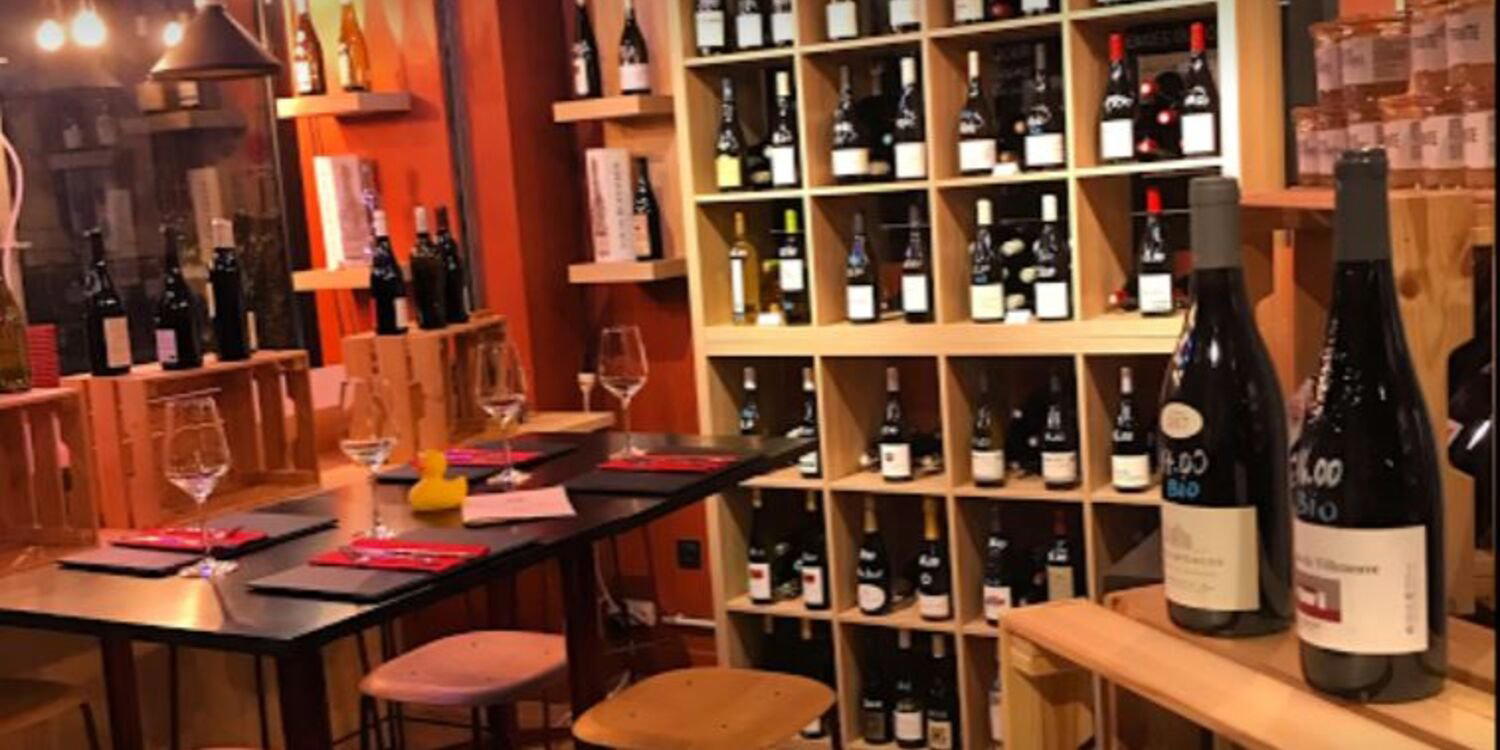
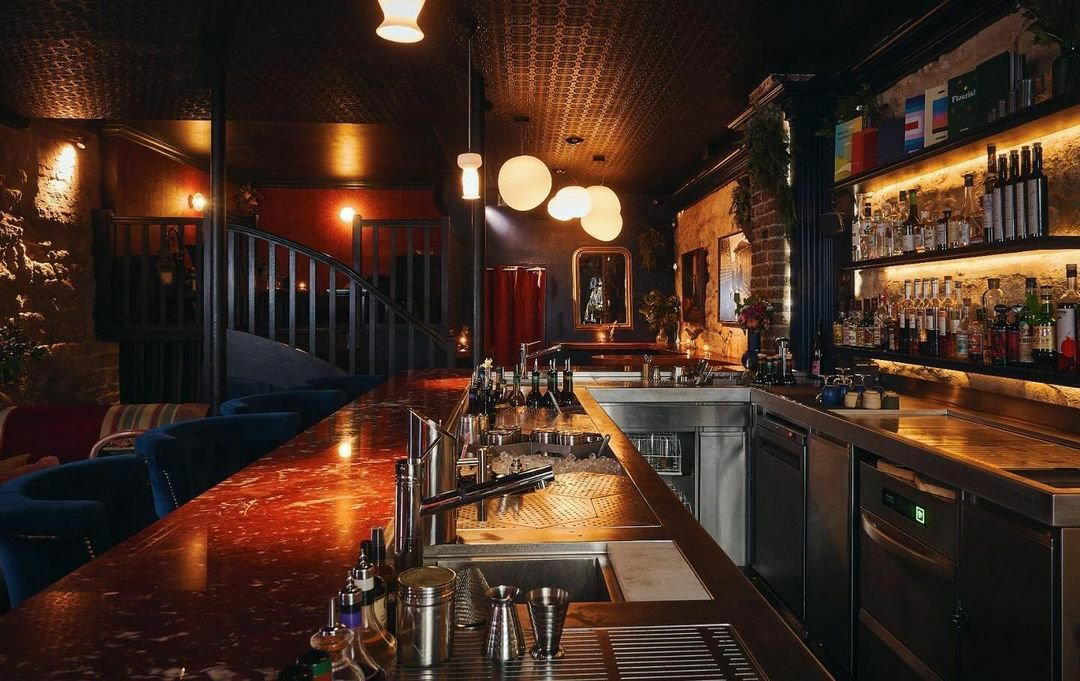
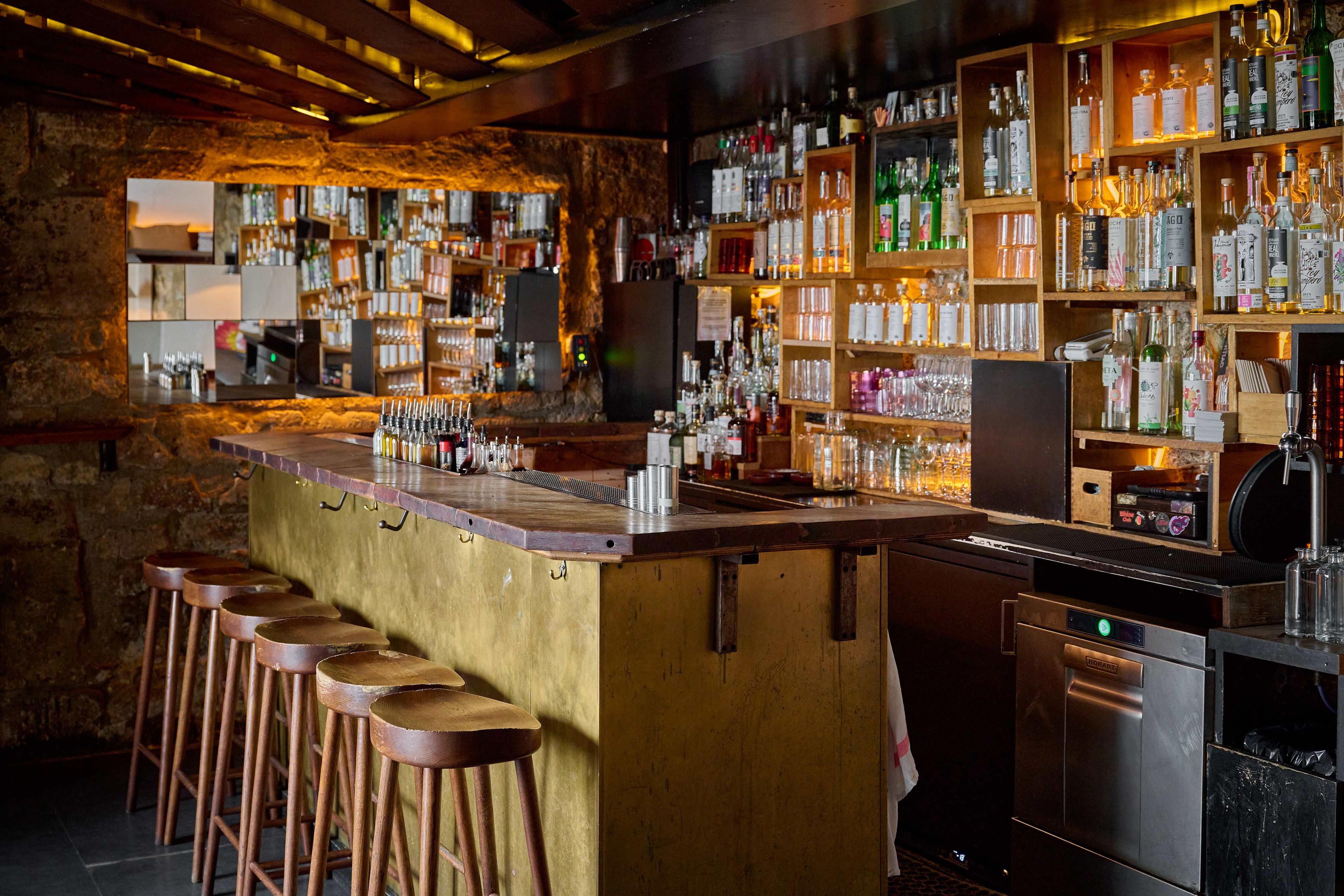
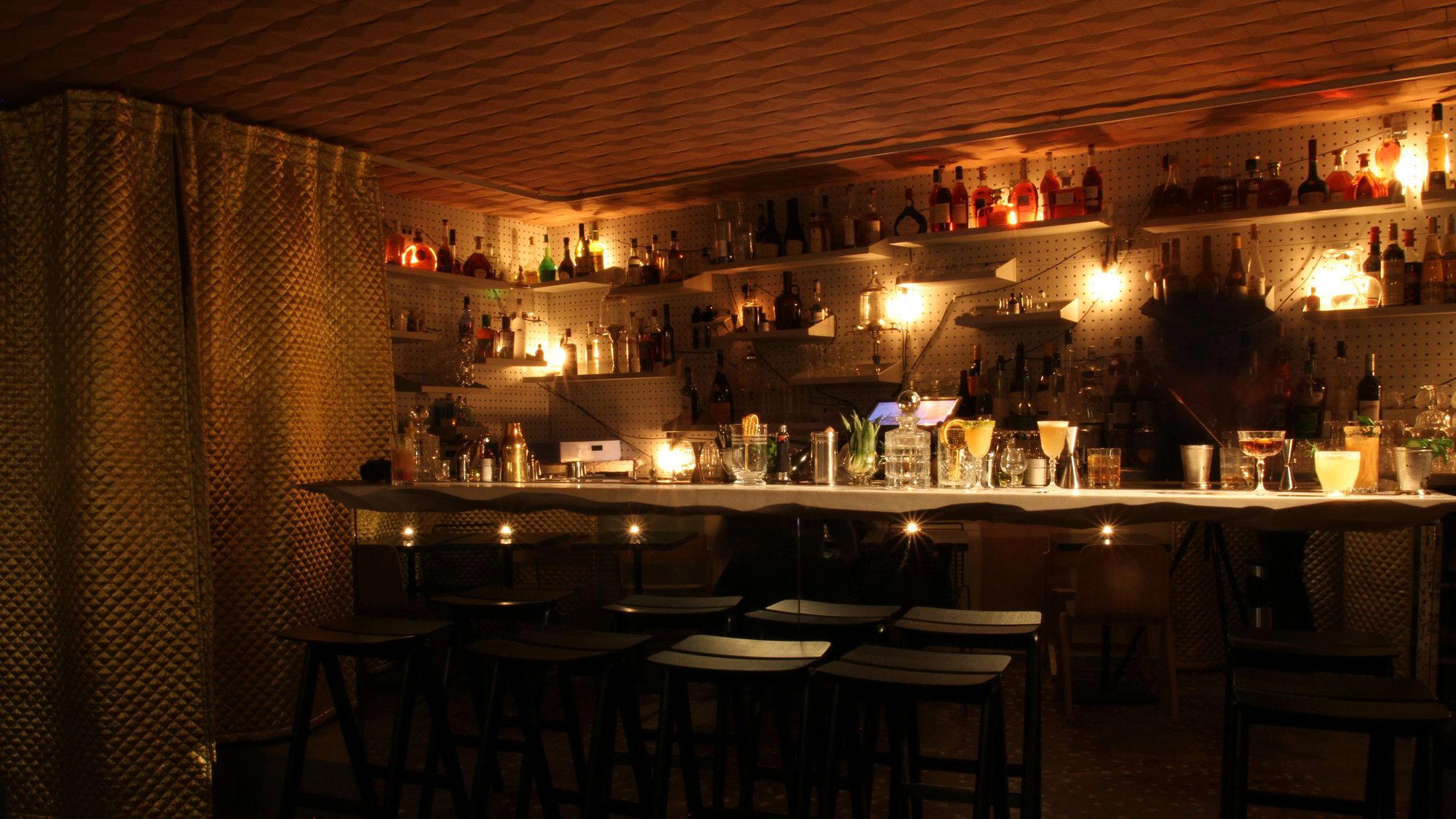
Restaurants in Paris
All restaurants in Paris →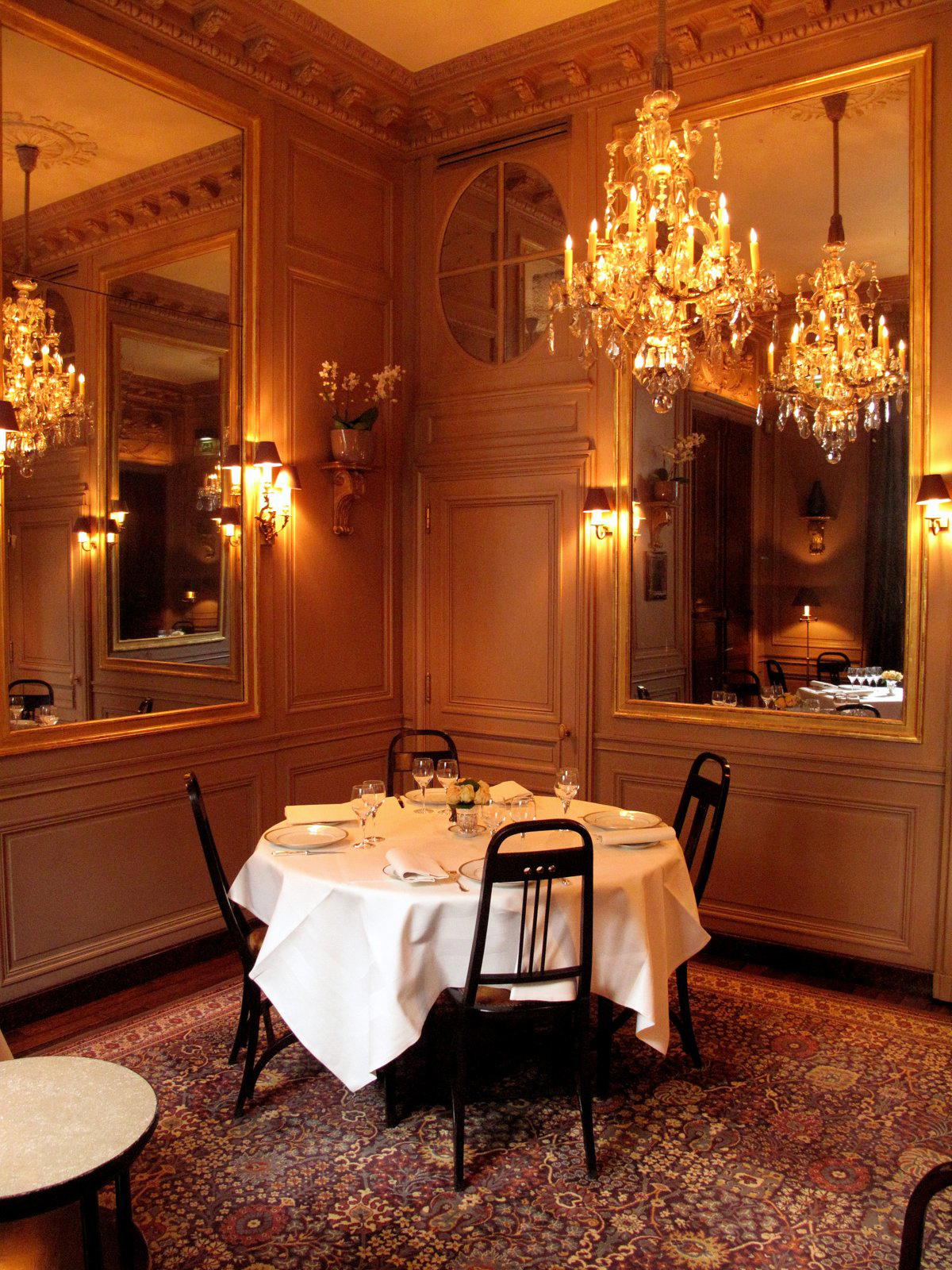



Details
- Elegant
- Sophisticated
- Intimate
- Trendy
- Modern
- Romantic Getaway
- Weekend Escape
- Historic Building
- Design Destination
- Spa
- Pool
- Wi Fi
- Room Service
- Concierge
- Restaurant
- Bar
- Elevator
- Wheelchair Accessible
Atmospheric blend of ecclesiastical neo-Gothic elements, rich color palettes, vintage finds, and intimate spaces creating a lively yet luxurious monastic universe.