Hills Hotel

Michelin Selected
Hills Hotel sits at the eastern edge of Kyrgyzstan in Karakol, a town that serves as the primary base for Tian Shan mountain expeditions. Recognised by the Michelin Selected Hotels list for 2025, it occupies a tier above the functional guesthouses that dominate this corner of Central Asia, offering a considered stay to travellers who arrive with serious itineraries rather than passing curiosity.

Pearl is the En Primeur Club membership app, where members save venues, book tables and use the concierge.
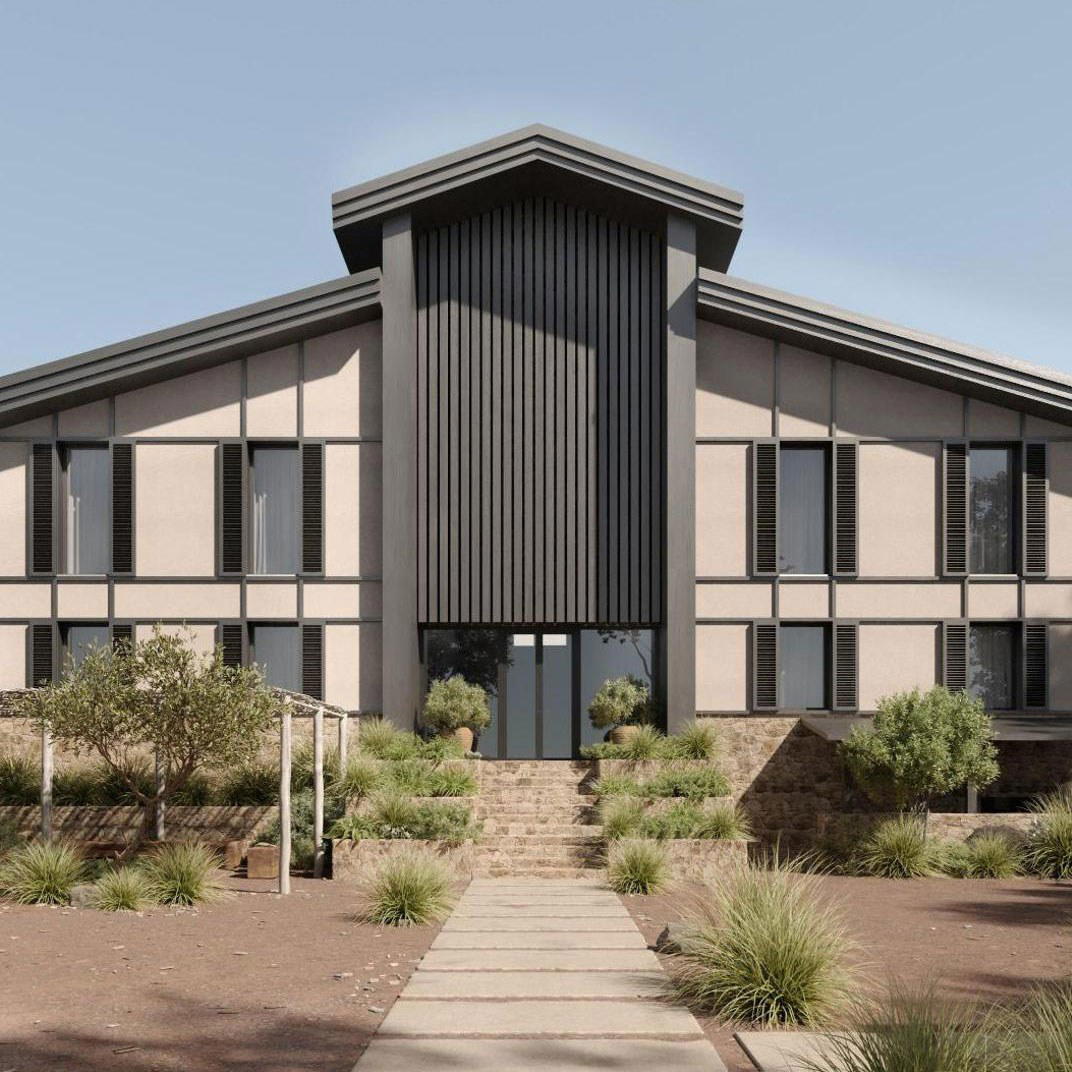
Where the Tian Shan Begins: Staying in Karakol
Karakol sits at the far eastern end of Issyk-Kul, roughly 400 kilometres from Bishkek, and it functions as the departure point for most serious expeditions into the Tian Shan range. The town itself is compact and unhurried, with a Soviet-era grid softened by mature trees and a handful of late-nineteenth-century wooden structures that survive from its pre-revolutionary incarnation as Przhevalsk. This is not a destination that trades in resort polish. What brings travellers here is access: to alpine trekking routes, ski terrain at Karakol Ski Base, and the kind of high-altitude wilderness that remains genuinely undervisited by global standards. Accommodation has historically reflected that utilitarian purpose, and most options in the town remain oriented toward function over atmosphere.
Hills Hotel, addressed at 6А Masaliev Street, occupies a different position in that local market. Its 2025 inclusion on the Michelin Selected Hotels list places it in verified company with properties that have passed Michelin's inspector review for quality of welcome, comfort, and setting. In Central Asian terms, that distinction carries weight: no other property in Karakol holds that designation, and across Kyrgyzstan as a whole, Michelin-recognised hotels remain scarce. For context, the capital has properties such as the Sheraton Bishkek operating at the upper end of the market, but Karakol's offer has until recently been narrower. Hills Hotel represents the town's clearest move toward a hospitality tier that speaks to independent travellers with high standards rather than group tour logistics.
Architecture and Setting in a Mountain Town
The design approach that distinguishes Hills Hotel from the guesthouse tier reflects a broader pattern emerging in Central Asian adventure destinations, where a small number of properties have begun to answer demand from travellers accustomed to design-conscious accommodation elsewhere. Properties in this category tend to draw on local materiality rather than import an international hotel aesthetic wholesale: stone, timber, and references to regional craft tradition carry more credibility in a place like Karakol than marble lobbies or generic branded interiors would.
Karakol's built environment provides a specific context for this. The town contains the Dungan Mosque, built in 1910 without a single nail using Chinese architectural methods, and a Russian Orthodox cathedral of similar vintage. Both sit within walking distance of the town centre and establish a streetscape that layers cultural influences in ways unusual even by Central Asian standards. A hotel that reads its setting correctly will register those layers rather than smooth over them. The hills framing the town to the south give a clear sense of what dominates here: the landscape is the primary fact, and accommodation that orients itself toward that landscape, through sightlines, materials, or simply the sense that the building belongs to its place, tends to outperform those that ignore it.
This is the logic that separates properties like Hills Hotel from the Novotel Bishkek City Center model, which optimises for business travel and conference infrastructure in an urban capital rather than for the specific pleasures of a mountain base town. The comparison is worth making explicit: the Bishkek mid-market offers reliable international-chain consistency, while a Michelin Selected property in Karakol is making a different argument about what good hospitality looks like in this geography. For travellers choosing where to position their Kyrgyzstan itinerary, that distinction matters.
Karakol as a Base: Practical Orientation
Arriving in Karakol typically means either a four-to-five hour marshrutka journey from Bishkek along the northern Issyk-Kul shore, or a taxi hire that shaves the journey to around three and a half hours depending on stops. A small airport exists outside the city but scheduled service is intermittent and should be verified before planning around it. Most travellers route through Manas International Airport in Bishkek and make the overland transfer, treating the lake road itself as the opening act of the journey. The southern shore route is longer but passes through emptier terrain.
Karakol Ski Base operates roughly 12 kilometres south of the town centre and sees a short but reliable season, typically December through March, with lift infrastructure that has seen investment in recent years. The summer season draws a different visitor: trekking into the Karakol Gorge, the Altyn Arashan valley, and the approach routes toward Peak Palatka attracts hikers from across Europe and East Asia who treat the town as a multi-day logistics hub. Staying at a property with consistent standards simplifies provisioning, guide coordination, and the recovery days that serious mountain itineraries require.
For a sense of how Karakol compares in the broader spectrum of adventure-adjacent hotel markets, it is instructive to look at what properties like Amangiri in Canyon Point or Castello di Reschio in Lisciano Niccone have established as a template: the argument that a destination defined by landscape and physical activity can support accommodation with genuine design intelligence and hospitality craft. Hills Hotel is making a version of that argument at a price point and in a cultural context that is entirely its own. Similarly, properties like Hotel Esencia in Tulum or One&Only Mandarina in Riviera Nayarit show how nature-adjacent stays can position against adventure demand without sacrificing considered design.
Booking should be arranged directly or through a reputable Central Asia travel specialist; the property's website is not listed in current public databases, so direct outreach via the Karakol address at 6А Masaliev Street, or through travel operators covering Kyrgyzstan, is the practical route. Availability in peak trekking season, July through August, moves faster than the destination's relatively low global profile might suggest, as the adventure travel community is well-networked and repeat visitors tend to rebook early. For a broader orientation to what else the city offers, see our full Karakol restaurants guide.
Recognition history
Dated appearances from independent guides and award organizations, with the underlying list record or original source where available.
Michelin Selected
Michelin
Continue exploring
More in Karakol
Restaurants in Karakol
All restaurants in Karakol →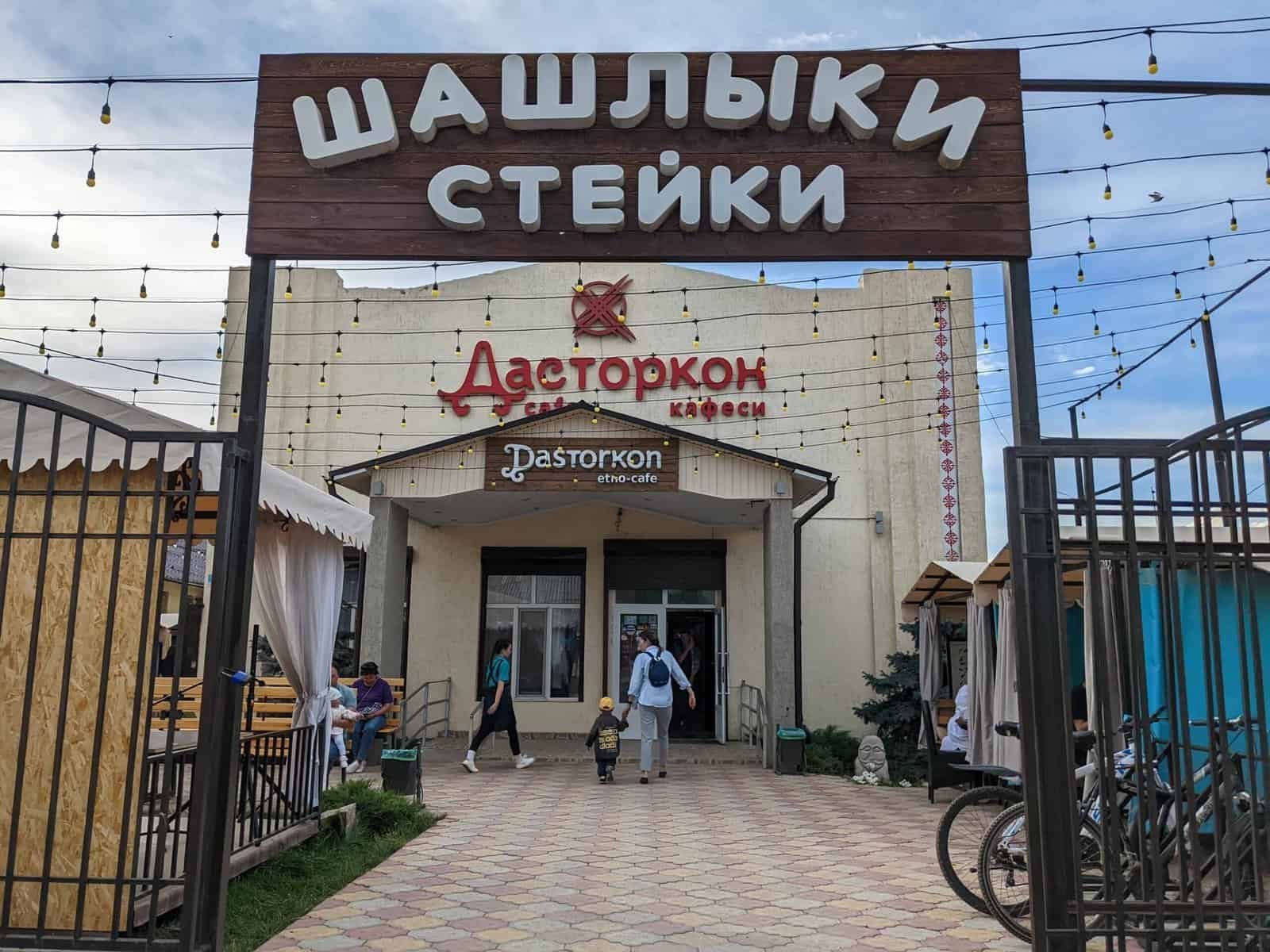
Details
- Modern
- Cozy
- Quiet
- Scenic
- Romantic Getaway
- Wellness Retreat
- Weekend Escape
- Panoramic View
- Terrace
- Wi Fi
- Spa
- Free Parking
- Breakfast Included
- Restaurant
- Bar
- Massage
- Mountain
Quiet and cozy with natural light from mountain-view windows, double-height lobby centered around a fireplace, and a serene post-hike atmosphere.