Hideaway Inn
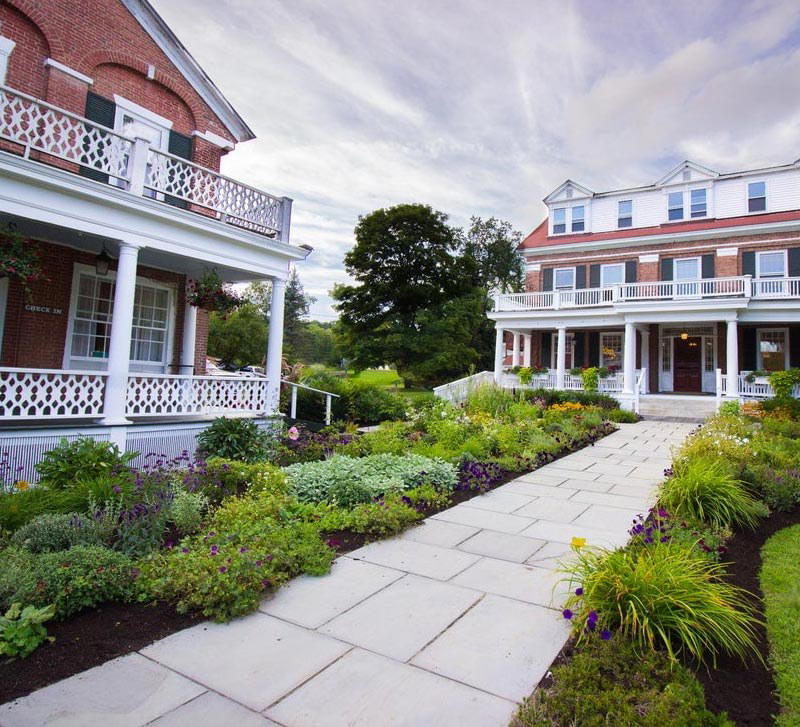
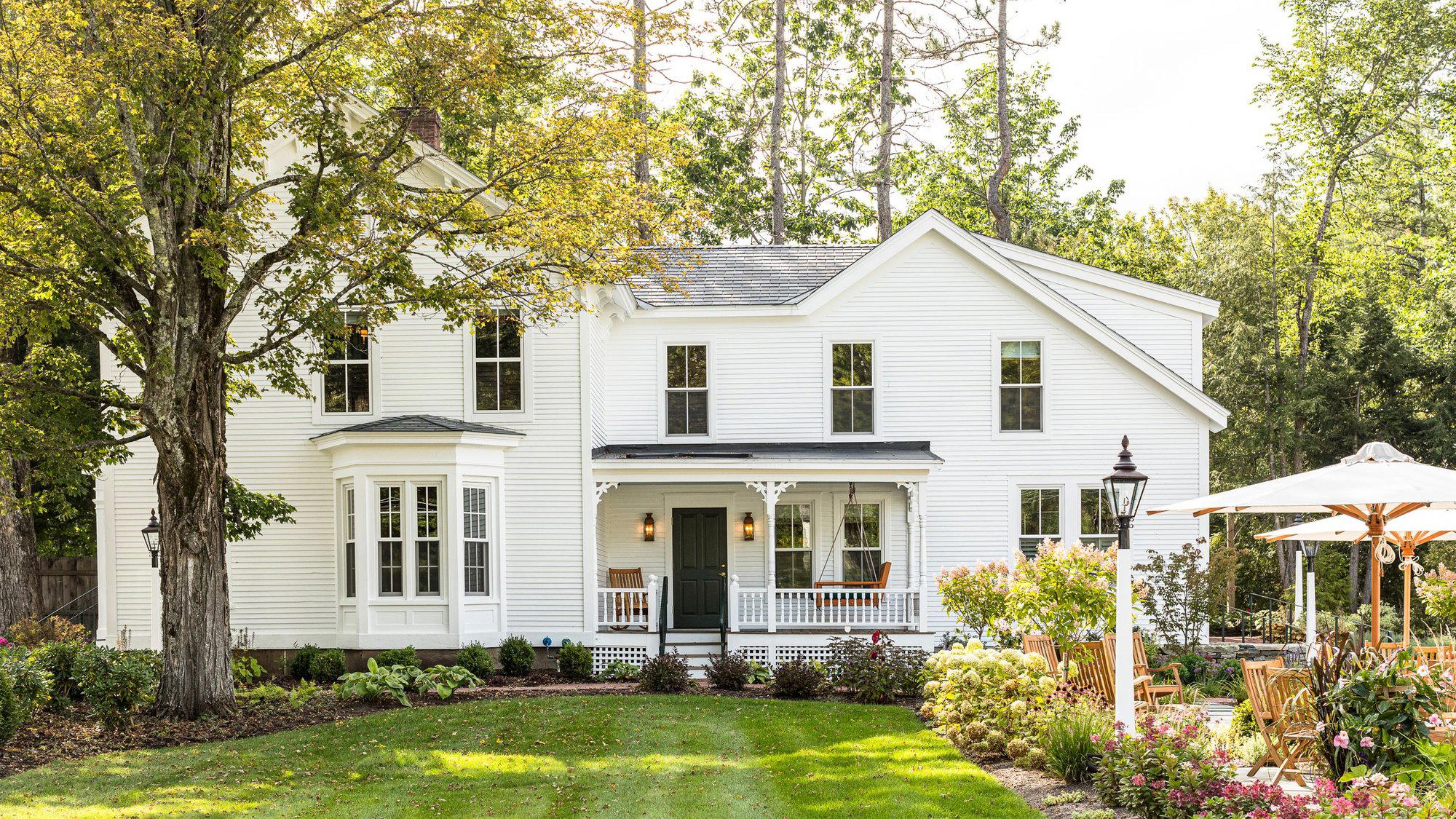
Killington's mountain-inn tradition runs deep, and Hideaway Inn sits within that lineage as a property shaped by Vermont's ski-country vernacular. The physical environment here reads as the primary draw: a lodge aesthetic calibrated for the region's serious winter visitors and quieter off-season travelers. Check our full Killington guide for the broader dining and lodging context.

Pearl is the En Primeur Club membership app — saves, bookings, and concierge access live there. Same editors, same standards.
- Address
- Killington, United States
- Directions
- Get directions
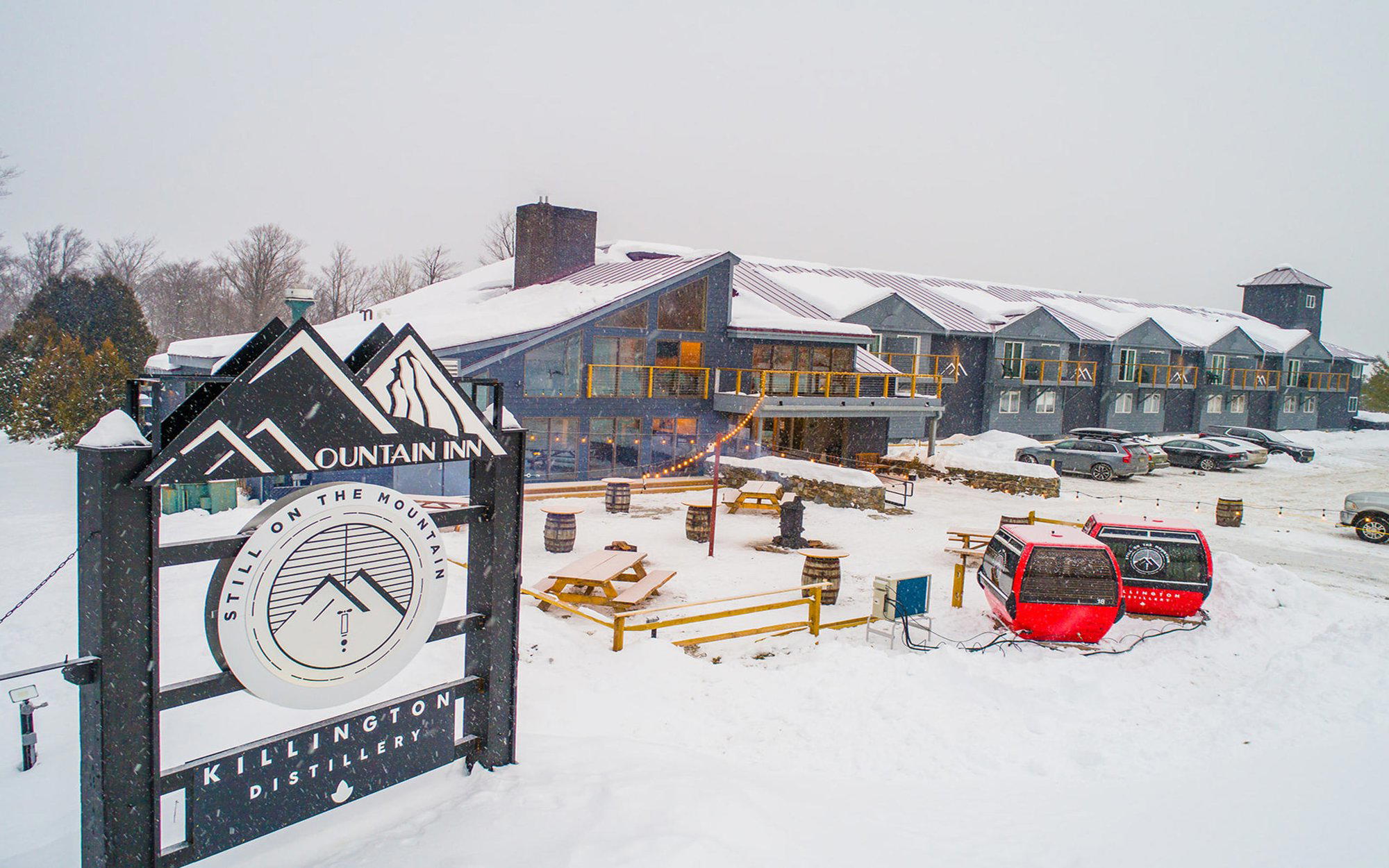
What Killington Asks of Its Lodges
Vermont's ski country has never fully resolved the tension between rough-hewn authenticity and the expectations of travelers arriving from Boston and New York with some money to spend. Killington, the largest ski area in the eastern United States by skiable terrain, sits at the center of that tension more acutely than quieter Vermont destinations. The mountain draws serious skiers rather than resort tourists, and the lodging that has survived longest in the village tends to be functional, direct, and built around the rhythm of early mornings and long après-ski afternoons rather than lobby theatrics. Hideaway Inn fits within that tradition, reading as a property shaped by place and season rather than by brand architecture. For a broader view of where it sits among Killington's options, our full Killington restaurants and lodging guide maps the competitive set.
The Physical Logic of Mountain Inn Design
The architectural grammar of New England ski lodges is specific and largely unchanged since the postwar expansion of Vermont skiing in the 1950s and 1960s. Wood-frame construction, pitched roofs built to shed heavy snowpack, deep overhangs, and interiors organized around a central heat source — whether a fireplace or wood stove — define the typology. What distinguishes a well-executed property within this tradition is not departure from the form but fidelity to it: exposed timber, natural materials that age honestly, and spatial planning that prioritizes function for people arriving wet from the slopes. Hideaway Inn's name itself signals an orientation toward intimacy and enclosure, the opposite of the large hotel atrium format that dominates destination ski resorts in the American West.
That contrast with western ski resort architecture is worth holding onto as a reference point. Properties like Amangani in Jackson Hole or Alpine Falls Ranch in Superior operate on a different spatial register entirely, with dramatic canyon and mountain vistas built into the design premise. Vermont's lodges, including those in Killington, tend to work inward rather than outward: the relationship is with warmth and shelter rather than with panoramic framing. It is a more modest and, in its own way, more demanding design problem to solve.
Killington's Lodging Tier and Where Inn-Style Properties Fit
Killington's accommodation market has historically split between slope-side condominium complexes built for ski-week families, mid-market roadside motels along Route 4, and a smaller cluster of inn-style properties that predate the condo era. The inn tier occupies an interesting position: it offers a more personal format than the condo complexes and a more characterful environment than the motels, but it competes on different terms than either. Guests choosing inn accommodation in a ski town are generally prioritizing atmosphere and proximity over square footage and kitchen facilities.
For travelers accustomed to properties that operate at the level of, say, Blackberry Farm in Walland or SingleThread Farm Inn in Healdsburg, where the inn format is pushed to its highest expression through culinary programs and deep service investment, Killington's inn offering is a different conversation. The comparison is not unfavorable to Killington; it simply points toward a different set of criteria. Here, the measure is how well a property reads its immediate environment and serves the practical needs of mountain visitors. Hideaway Inn, given its name and its position within a market that rewards directness, appears calibrated for exactly that.
The Season Question
Vermont's ski season runs roughly from late November through April, with Killington's snowmaking infrastructure allowing it to open earlier and close later than most New England areas. That extended window matters for lodging decisions: a property that performs well during peak Presidents' Week crowds in February may read very differently during the quieter shoulder weeks of early December or late March. Inn-format properties in ski towns often handle the off-peak periods more gracefully than larger resort hotels, because their smaller scale and fixed physical character do not depend on full occupancy to feel inhabited.
The summer and fall shoulder seasons in Killington have grown in relevance as the mountain has developed year-round programming around mountain biking and hiking. Fall foliage, which typically peaks in the Killington area in early to mid-October, draws a distinct visitor profile, less interested in après-ski culture, more oriented toward the landscape itself. A lodge property with strong architectural bones and a settled physical identity serves that visitor as well as any winter-focused alternative.
Regional Inn Comparisons: Setting Expectations
Travelers building a New England inn itinerary often use properties in one state as a reference for the next. In Connecticut and New York's Hudson Valley, inn-format lodging has seen significant investment in recent years, with properties like Troutbeck in Amenia establishing a benchmark for how the category can be repositioned at a higher design and culinary tier. Vermont has seen less of that repositioning at the village level, with most investment going into larger resort-format development. That gap creates space for smaller inn properties to operate with a loyal repeat clientele that values consistency over transformation.
The broader American lodge and retreat market, represented at its higher end by properties like Post Ranch Inn in Big Sur, Sage Lodge in Pray, or Canyon Ranch Tucson, demonstrates that the lodge format can support significant premiumization when site and programming align. Killington operates in a different register, but the underlying logic, that physical environment and seasonal specificity drive lodging loyalty, holds across the tier spectrum.
Planning a Stay: What to Know
Killington is accessible from Boston in approximately three hours by car via I-89 north and Route 4 west, and from New York City in roughly four hours under normal conditions. Burlington International Airport, about 90 minutes north, offers the closest commercial air access, with Logan in Boston the more practical option for travelers with direct international connections. Peak ski season reservations in Killington, particularly for holiday weeks and Presidents' Week in February, book well in advance across all property types. Travelers planning foliage-season visits should plan similarly, as October weekends in Vermont fill quickly. For properties in the inn tier, direct booking is generally advisable to confirm specific room types and any included services. For context on how Killington's lodging and dining compare across the region, our Killington guide covers the full range.
At-a-Glance Comparison
Comparable venues nearby, for context on price, style, and recognition.
| Venue | Cuisine | Price | Awards | Notes |
|---|---|---|---|---|
| Hideaway InnThis venue — the venue you are viewing | Modern rustic lodge-style vacation rental with contemporary renovations and mountain retreat positioning. | Not listed | Not listed | Not listed |
| Mountain Meadows Lodge | Contemporary mountain lodging in historic 180-year-old farmhouse and barn | $200–300 | Michelin Selected | Killington |
| Hotel Vermont Burlington | Vermont-inspired boutique with authentic local craftsmanship | $300–500 | Michelin Selected | Downtown Burlington |
| Field Guide | Contemporary mountain-chic boutique hotel with nature-inspired interiors blending modern luxury with rustic Vermont aesthetics. | $300–500 | Michelin Selected · Mr & Mrs Smith Seal of Approval | downtown Stowe |
| The Weston | Restored historic farmhouses blending English-American manor style with modern luxury | $300–500 | World Travel Awards | Weston village |
| Bluebird Cady Hill | adventure-focused mountain lodge | $100–200 | Michelin Selected · Mr & Mrs Smith Seal of Approval | Mountain Road |
Continue exploring
More in Killington
Hotels in Killington
Browse all →
Details
- Cozy
- Rustic
- Scenic
- Weekend Escape
- Family Vacation
- Group Retreat
- Ski In Ski Out
- Private Villa
- Wi Fi
- Parking
- Air Conditioning
- Mountain
- Elevator
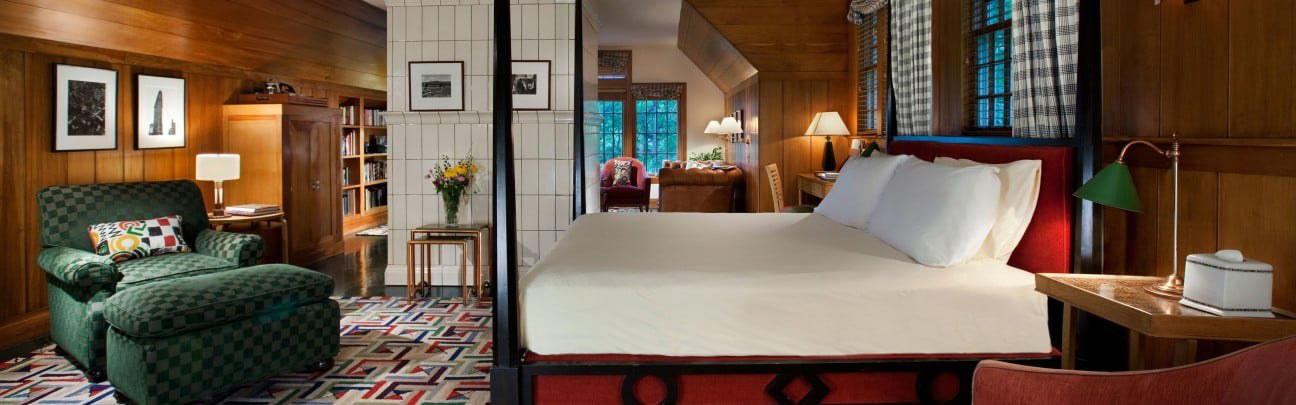
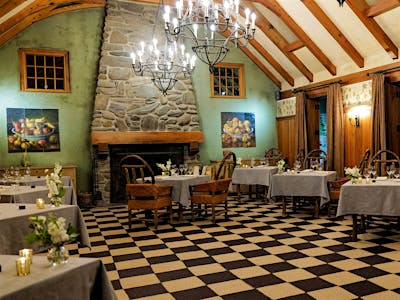
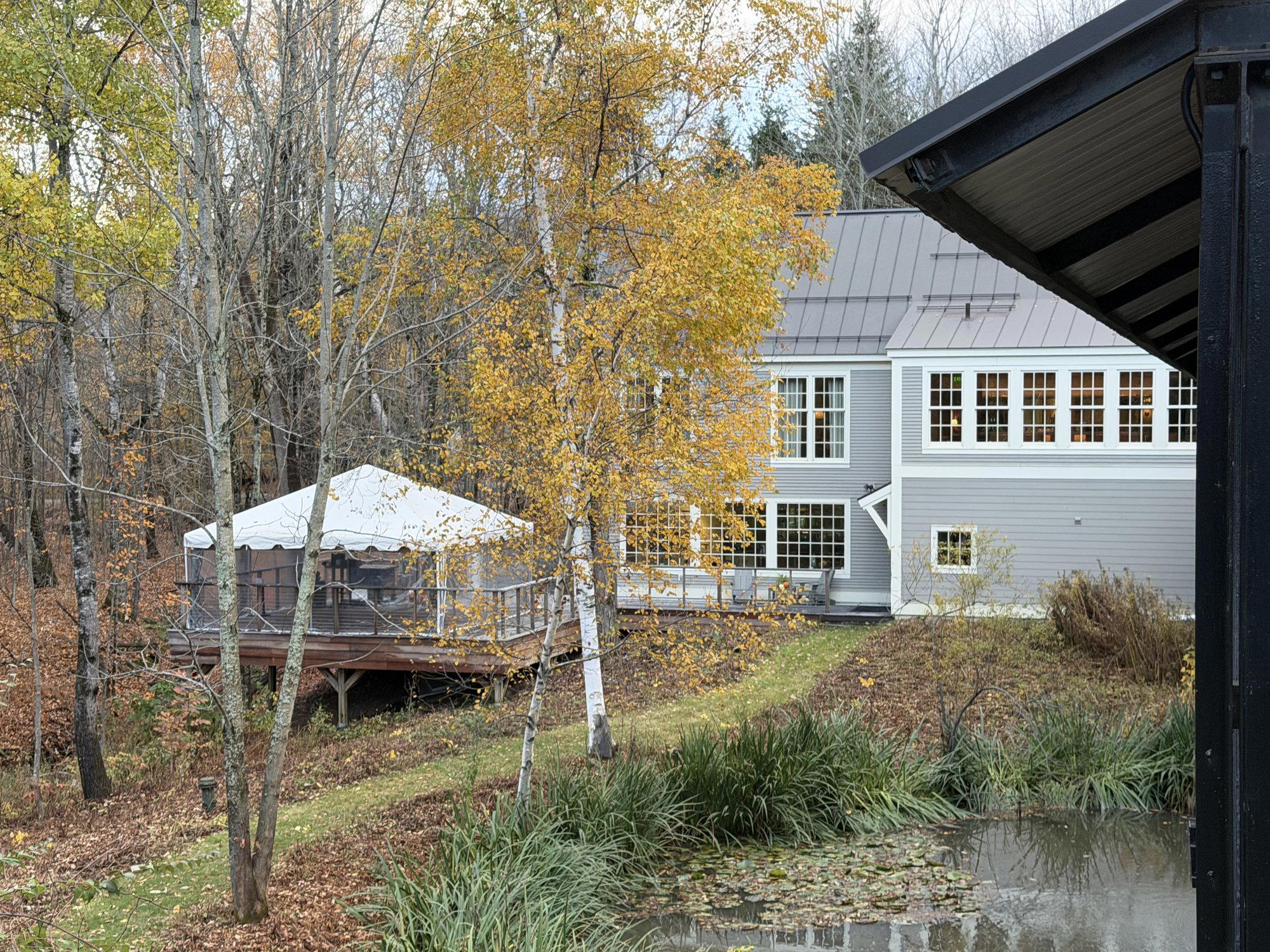
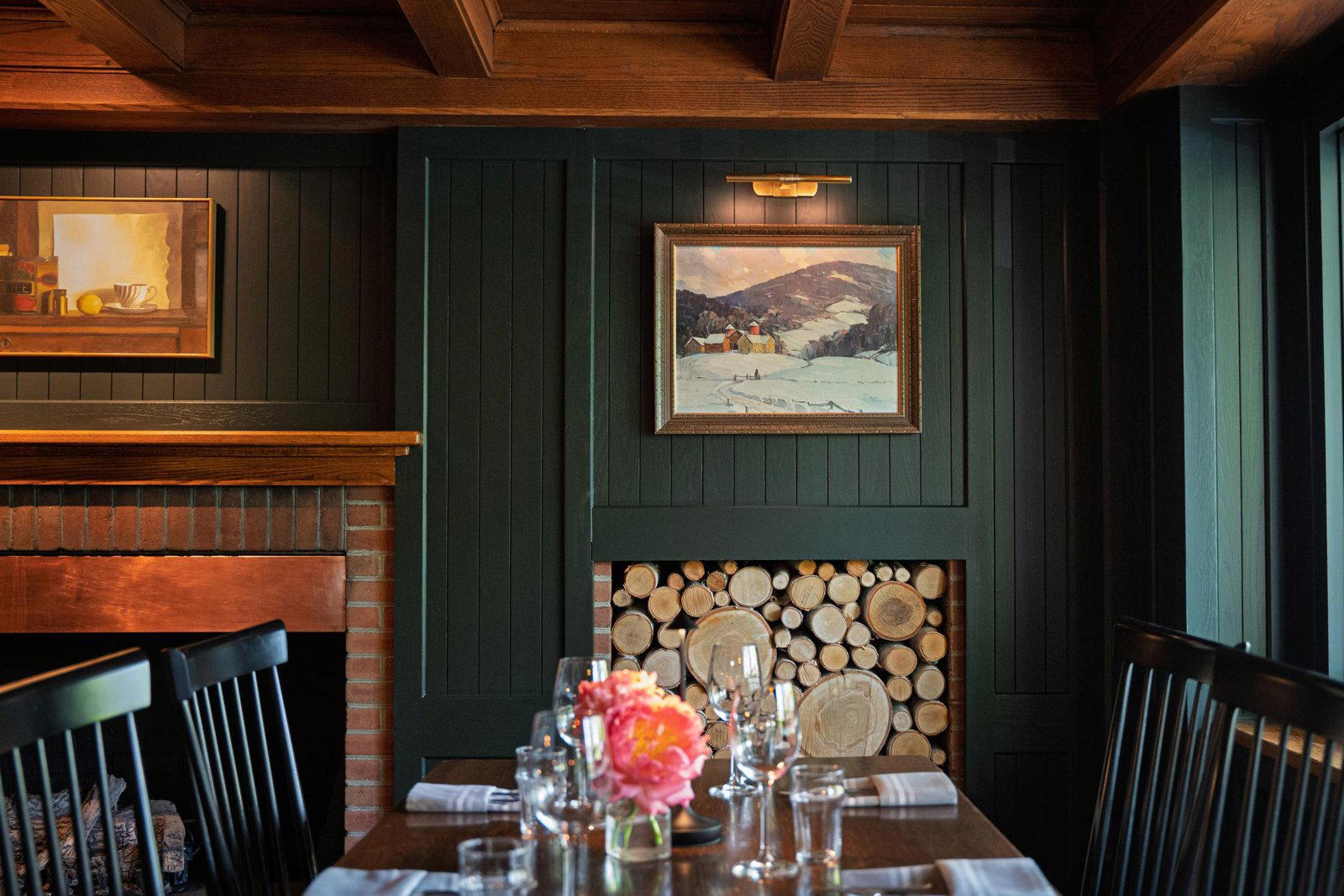
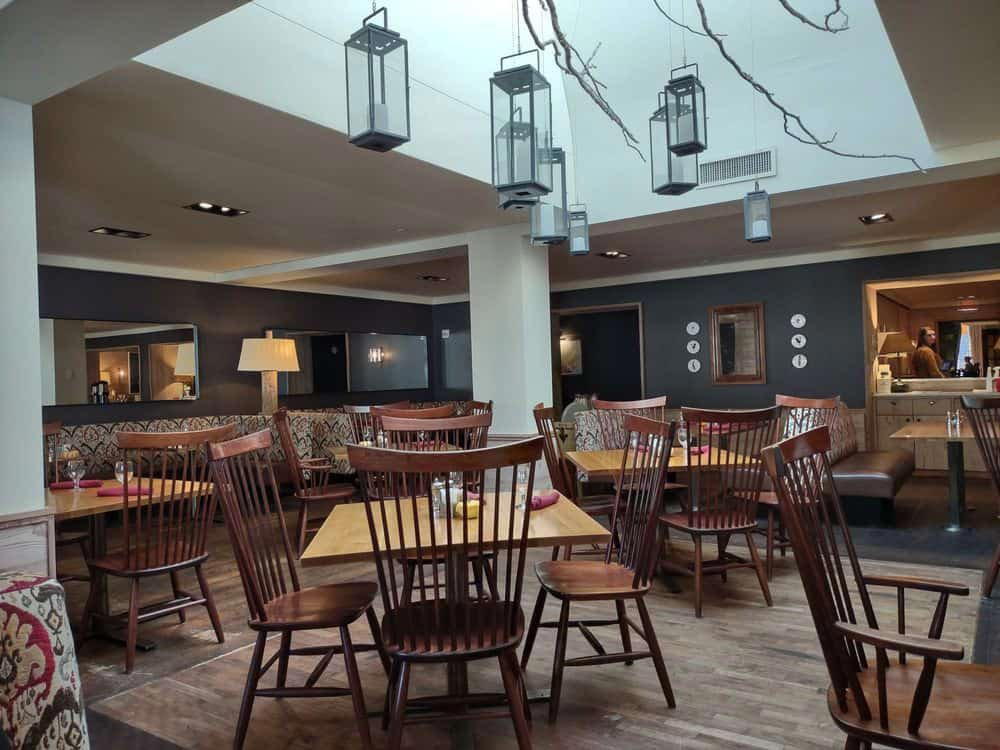
Warm and inviting with rustic stone fireplace, lofted ceilings, large windows overlooking snow-capped trees and ski gondolas, modern amenities balanced with lodge aesthetic.