Hideaway Inn
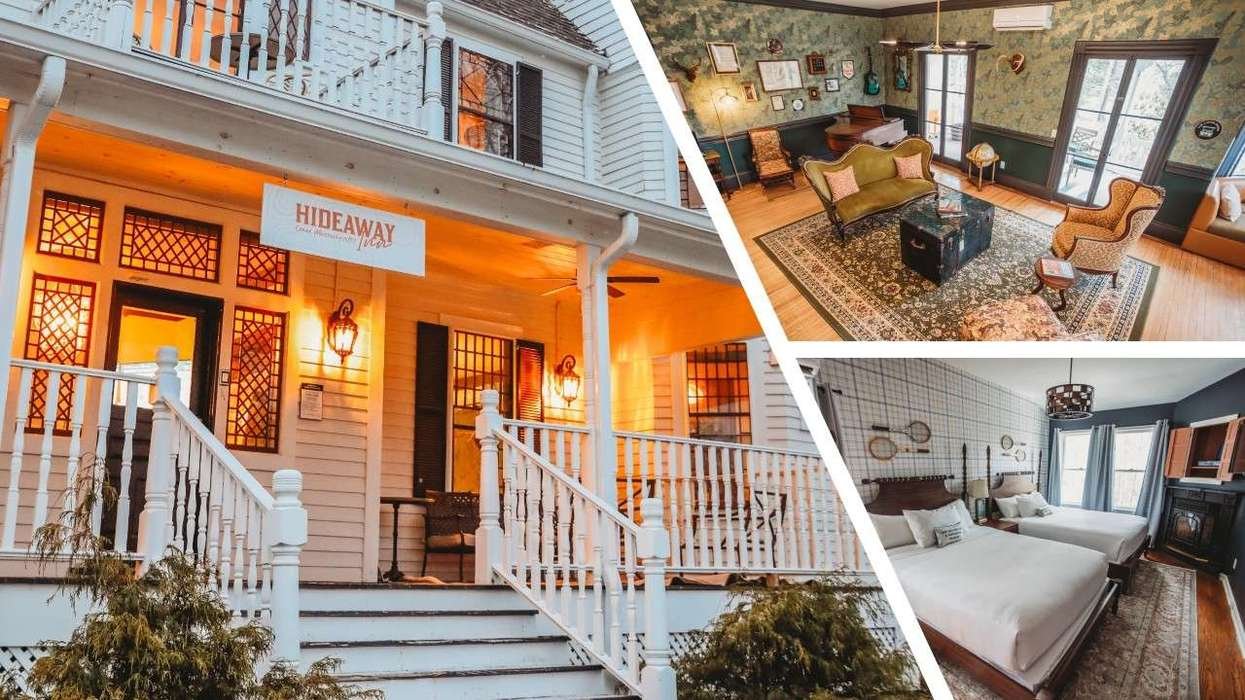
A Cape Cod inn set in the quieter, residential stretch of Dennis Port, Hideaway Inn sits within the broader tradition of small-scale New England coastal accommodation that prioritizes atmosphere over amenity lists. For travelers who find the larger Hyannis hotel corridor too impersonal, this property represents a different approach to the mid-Cape stay. Check directly for current availability and rates before planning your visit.

Pearl is the En Primeur Club membership app — saves, bookings, and concierge access live there. Same editors, same standards.
The Case for Smaller Cape Cod
Dennis Port occupies a middle position on Cape Cod that many visitors drive through rather than stop in. Sandwiched between the commercial energy of Hyannis to the west and the gallery-and-inn circuit of Brewster and Orleans to the east, the village has historically attracted the kind of traveler who wants proximity to the Cape's central amenities without the Route 28 motel-strip aesthetic that defines parts of the same corridor. The Hideaway Inn sits within this context: a small lodging property in a town that has always leaned toward the residential and the low-key rather than the resort-scaled. For those comparing options across the Cape, that positioning is itself an editorial choice worth understanding before booking.
Small inns on the mid-Cape tend to separate into two categories. The first group trades on historic architecture — converted sea captains' homes, shingle-style farmhouses, and Federal-period structures that carry genuine provenance. The second operates in more modest converted residential buildings where the appeal is price-to-location rather than design pedigree. Where the Hideaway Inn falls within that split shapes what kind of experience to expect, and the property's name suggests an intentional lean toward discretion over spectacle.
Architecture, Scale, and the New England Inn Tradition
Cape Cod's inn stock is among the most architecturally consistent in the northeastern United States. The dominant vocabulary — cedar shingle exteriors weathered to grey, white trim, pitched rooflines, low-slung porches, was already well-established by the late nineteenth century, and it has proven durable enough that even newer construction on the Cape tends to defer to it. This coherence is part of what makes Cape Cod legible as a destination: the built environment reinforces the expectation of a certain quiet, salt-aired domesticity.
Small inns operating within this tradition typically fall into one of two physical formats. Some occupy single large houses where common spaces flow between guest rooms, producing an atmosphere closer to a private home than a hotel. Others have expanded into clusters of buildings on a shared lot, allowing for more keys without dramatically altering the residential character. Either format tends to produce a guest experience with limited amenity infrastructure, no lobby bar, no spa, no restaurant on premises, which pushes visitors outward into the town's own fabric. In Dennis Port, that means access to Nantucket Sound beaches, the village's independent dining options along Route 28 and the side streets off it, and easy driving distance to Chatham and Brewster.
This architectural modesty is not a deficit in the context of a Cape Cod inn stay. It is the product. Properties like this one operate on the assumption that the guest wants a base rather than a self-contained resort, and the physical scale, small room count, informal common areas, limited or no food service, reinforces that. Travelers who compare this category against larger, amenity-heavy New England properties like Troutbeck in Amenia or the destination-resort model represented by Blackberry Farm in Walland will find a fundamentally different proposition: the inn supplies the bed and the location, and the Cape supplies the rest.
Dennis Port Within Cape Cod's Accommodation Tier
Understanding where Dennis Port sits in Cape Cod's accommodation hierarchy helps calibrate expectations. The outer Cape, Wellfleet, Truro, Provincetown, commands a price premium driven by National Seashore proximity and a stronger arts and independent-hospitality culture. Chatham, with its inn-heavy main street and upscale summer retail, sits in a distinct tier of its own. The mid-Cape, including Dennis Port, Yarmouth, and Harwich Port, operates at a more accessible price point and draws visitors whose priority is beach access and practical proximity to the broader Cape rather than a specific town's identity.
This is not a diminishment. For a certain kind of Cape Cod regular, the visitor who has already done Provincetown multiple times and wants something less performed, the mid-Cape's relative quietness is precisely the point. Dennis Port's South Village beaches along Nantucket Sound are calmer and warmer than the Atlantic-facing outer Cape beaches, which makes the area particularly functional for families or for anyone prioritizing swimming over surf. Small inns in this zone serve that market directly.
For context on how this category compares to the upper end of American coastal lodging, consider the design-led scale of Little Palm Island Resort and Spa in Little Torch Key or the landscape-integrated approach at Post Ranch Inn in Big Sur. The Hideaway Inn operates several tiers below those properties in both scale and infrastructure, which, again, is the correct frame rather than a criticism. Different categories serve different decisions.
Planning Your Stay
Cape Cod's accommodation market compresses sharply between Memorial Day and Labor Day, with July and August representing near-full occupancy across most of the mid-Cape. Visitors targeting peak summer weeks should expect to contact properties well in advance, as small inns with limited room counts fill faster than their online visibility might suggest. Shoulder season, late May, early June, September, and the first weeks of October, typically offers both better availability and more temperate conditions for the kind of wandering the mid-Cape rewards.
Rates, cancellation policies, and room configurations vary seasonally, and small inns frequently update their offerings. For broader orientation to eating and drinking in the area, our full Dennis Port restaurants guide covers the local dining options worth building an itinerary around.
Travelers who want to pair a Cape Cod stay with nights elsewhere in the Northeast might consider how this kind of informal inn compares to the more formally curated experience at Raffles Boston, roughly two hours west, or the Hudson Valley quietude of Troutbeck in Amenia. For those building longer American coastal itineraries, the contrast between the mid-Cape's residential inn culture and the full-scale resort environments at Four Seasons at The Surf Club in Surfside or Hotel Bel-Air in Los Angeles clarifies what each category is actually selling.
At-a-Glance Comparison
Comparable venues nearby, for context on price, style, and recognition.
| Venue | Cuisine | Price | Awards | Notes |
|---|---|---|---|---|
| Hideaway InnThis venue — the venue you are viewing | Not listed | $1–100 | Not listed | Not listed |
| The Sydney | boutique | Not listed | Michelin Selected · Mr & Mrs Smith Seal of Approval | Martha's Vineyard |
| Berkshires Untold | Modish mountain retreat with New England nostalgia | Not listed | Michelin Selected | Lenox |
| The Constance | Historic Victorian farmhouse inn with modern amenities. | Not listed | Michelin Selected | Lenox |
| AutoCamp Cape Cod | Upscale glamping resort with Airstreams, cabins, and tents | Not listed | Michelin Selected | Falmouth |
| Greydon House | Historic boutique blending Greek Revival and Second Empire architecture with modern touches. | Not listed | Michelin Selected | historic downtown |
Continue exploring
More in Dennis Port
Bars in Dennis Port
Browse all →


Details
- Cozy
- Quiet
- Weekend Escape
- Wi Fi