The Sydney


Michelin Selected · Mr & Mrs Smith Seal of Approval
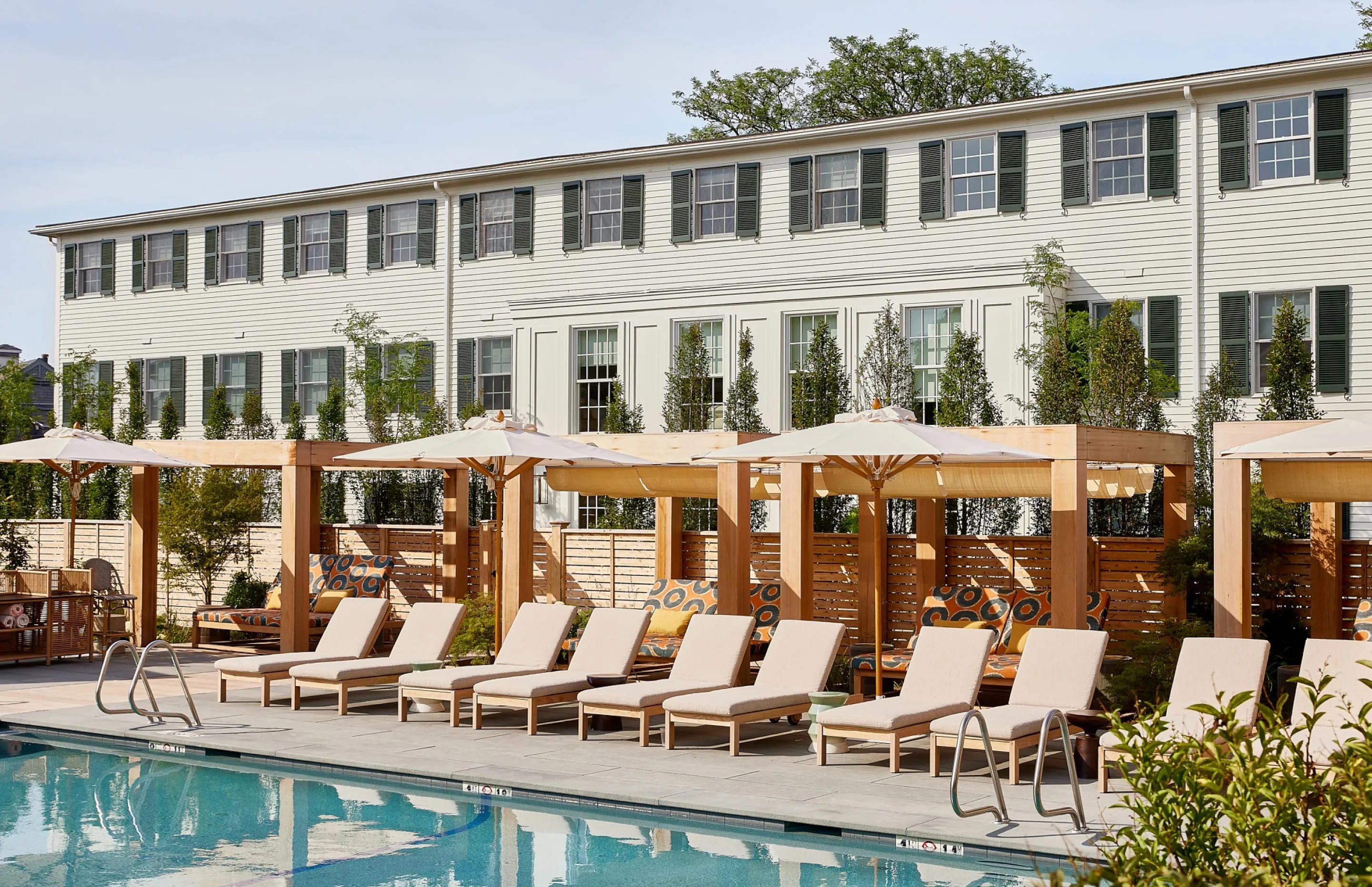
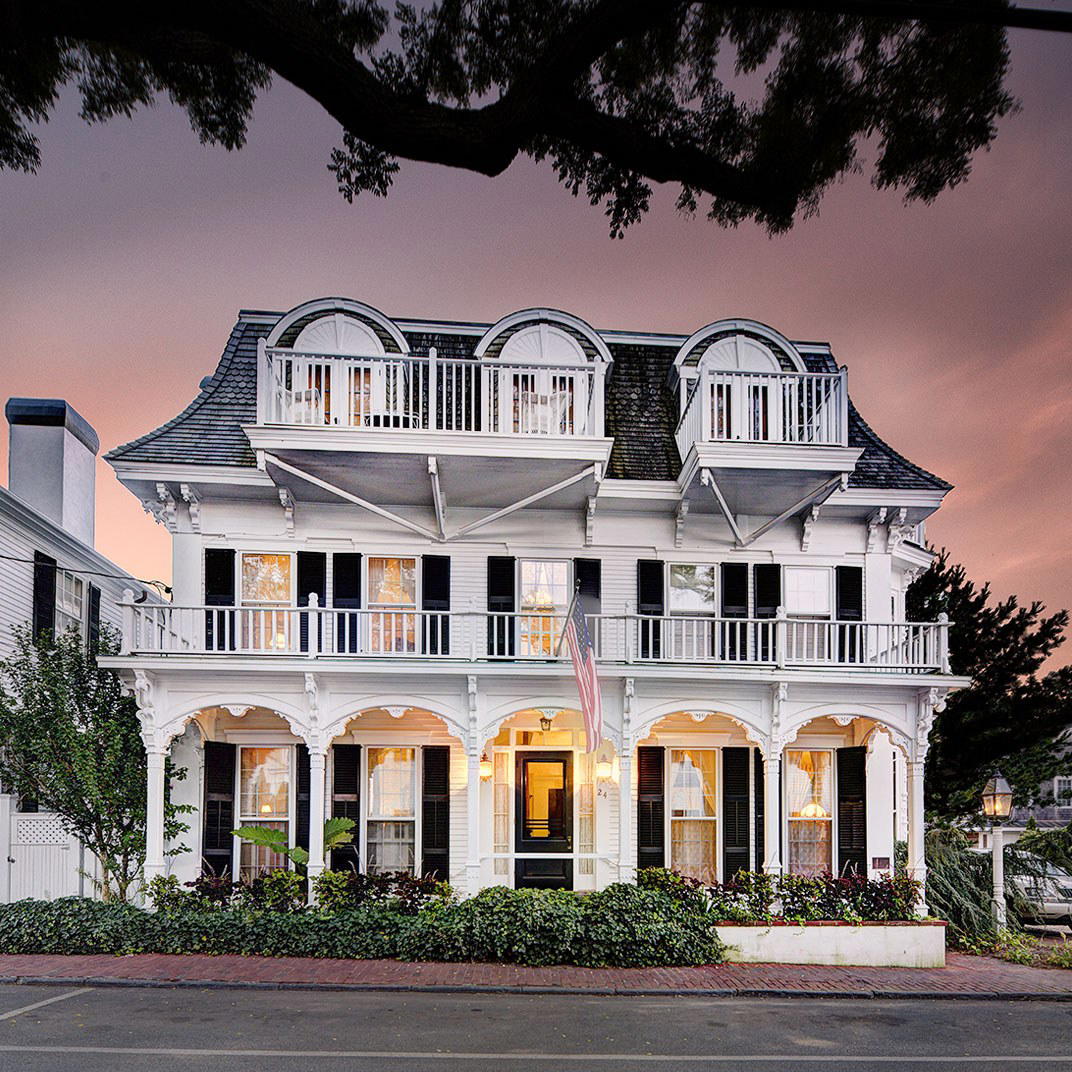
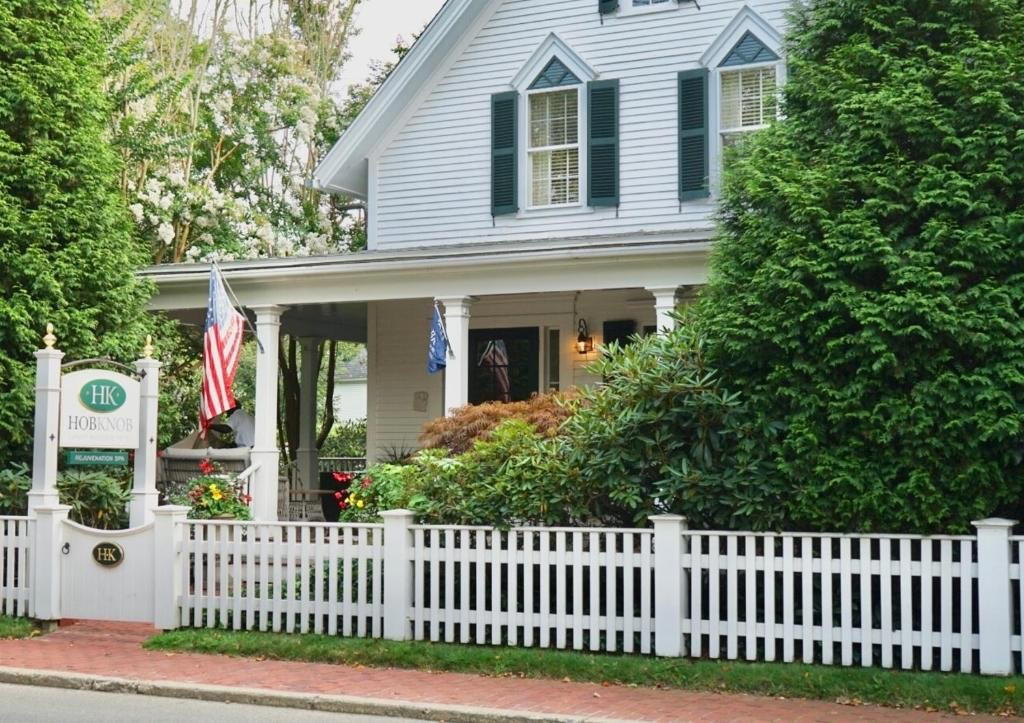
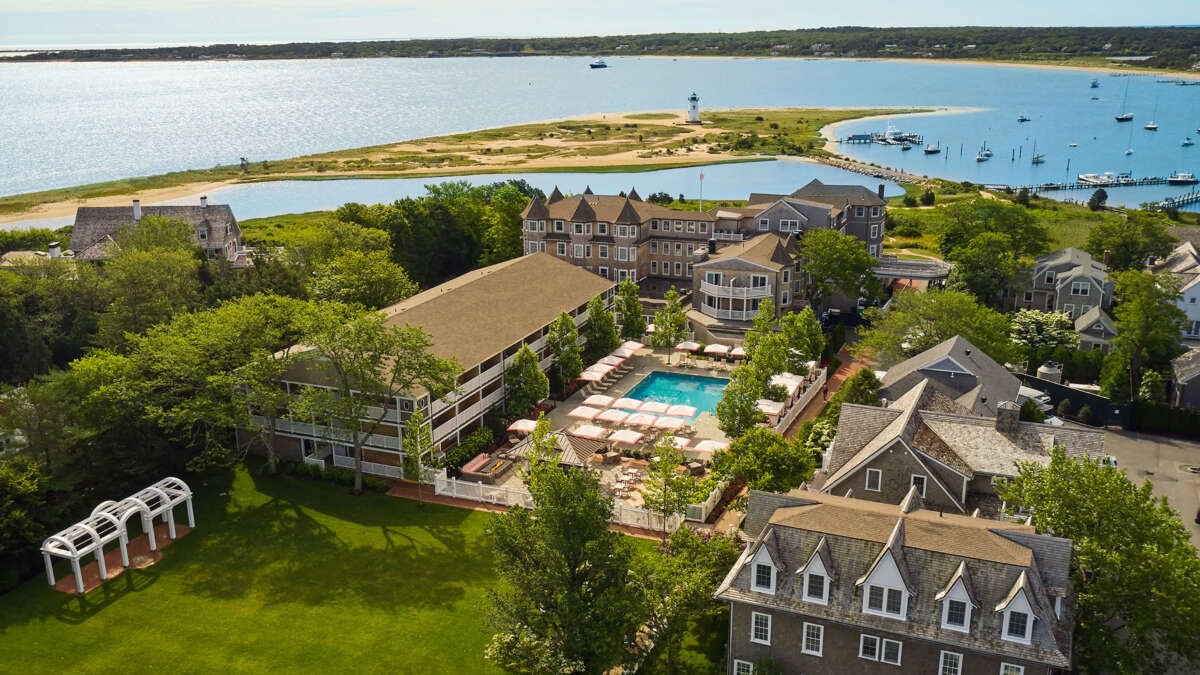
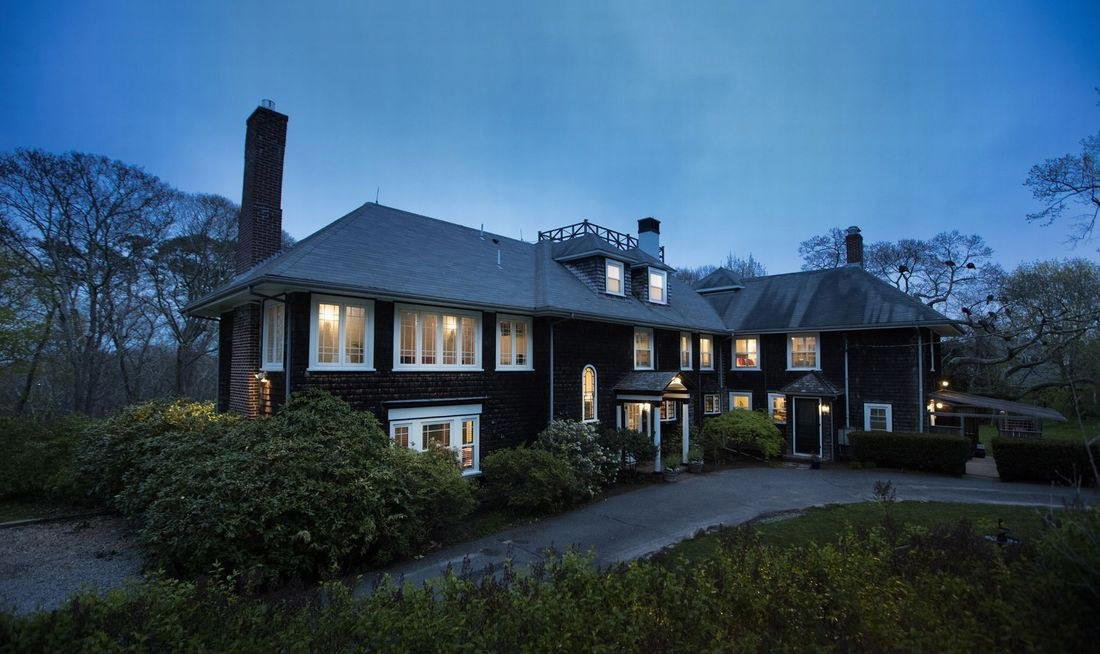
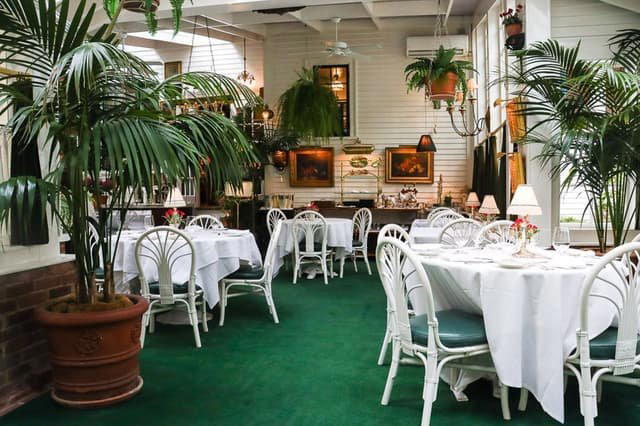
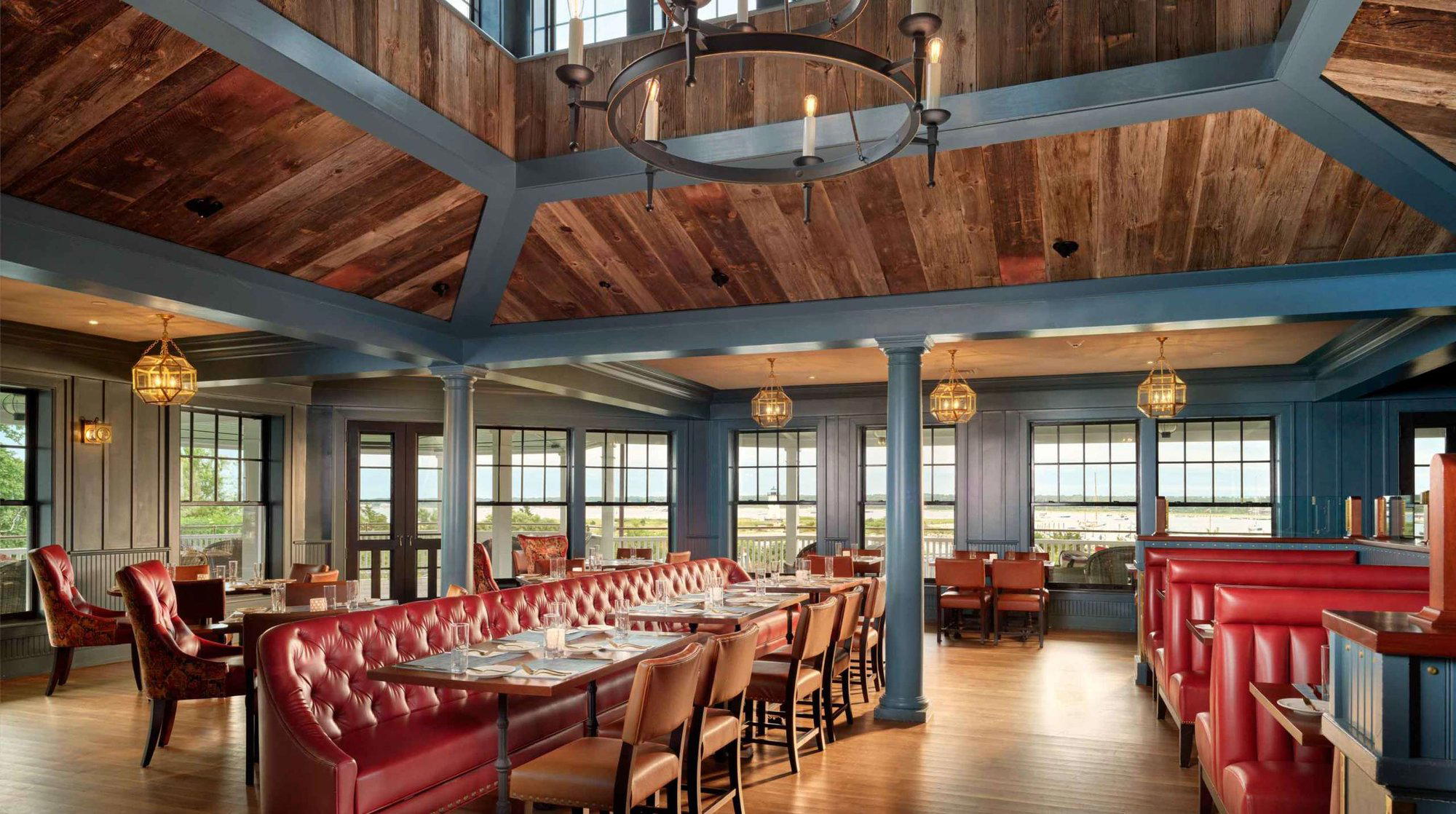
A Michelin Selected hotel on Martha's Vineyard, The Sydney at 22 Winter Street places itself within the island's small tier of recognized properties where design and atmosphere carry more editorial weight than brand affiliation. For travelers who treat the Vineyard as a destination rather than a stopover, it represents one of the more considered addresses on the island.

Pearl is the En Primeur Club membership app — saves, bookings, and concierge access live there. Same editors, same standards.
- Address
- 22 Winter St, Edgartown, MA 02539
- Phone
- (508) 939-9299
- Website
- theedgartowncollection.com
- Directions
- Get directions

A Winter Street Address in the Island's Design Conversation
Martha's Vineyard has always attracted a certain type of traveler: one who wants isolation without austerity, and character without affectation. The island's premium lodging sector has followed that instinct, splitting between large historic inns with institutional dining programs and smaller, more design-conscious properties that read closer to the boutique hotel model gaining traction across the American Northeast. The Sydney, at 22 Winter Street, belongs to the latter category. Its Michelin Selected designation in the 2025 edition of the Michelin Hotels guide places it in a curated tier that the guide reserves for properties with a defined sense of place, rather than those simply meeting a checklist of amenities.
Michelin's hotel selection operates differently from its restaurant stars. Properties earn inclusion not through a single criterion but through a collective editorial assessment of atmosphere, service character, and physical coherence. On Martha's Vineyard, where the accommodation market spans everything from converted captains' houses to summer-season rental compounds, carrying that recognition in 2025 signals something specific: The Sydney presents a consistent, considered experience that holds up against deliberate scrutiny.
The Physical Logic of the Space
The address itself matters in context. Winter Street sits within the denser, more walkable fabric of the Vineyard's built environment, which means guests are not sequestered in a remote compound but positioned within reach of the island's social and commercial life. That proximity is a design decision as much as a logistical one. Hotels that choose central island addresses are making an argument about how their guests should experience the place: on foot, in contact with the town's texture, rather than sealed inside a landscaped resort perimeter.
The broader pattern across New England's coastal hotel sector has moved toward properties that treat their physical environment as an argument. Where earlier generations of upscale New England inns leaned heavily on antique furniture and Victorian reference, more recent design-led addresses have pursued a cleaner vocabulary: restrained palettes, materials that age well in saltwater air, and spatial arrangements that prioritize natural light over decorative accumulation. The Sydney's Michelin recognition suggests it sits within that more contemporary register rather than the heritage-reproduction mode that defined the island's accommodation identity a decade ago.
For comparison within the island's recognized set, Faraway Martha's Vineyard, The Christopher, and The Richard each represent different points along the island's lodging spectrum.
Martha's Vineyard as a Hotel Destination
The Vineyard operates on a compressed seasonal window. Peak demand runs from late June through Labor Day, with the shoulder months of May and early October increasingly attractive to travelers who want the island's landscape without the August density. Availability at recognized properties contracts sharply by late spring, and properties carrying Michelin recognition tend to fill their better rooms first. Planning a stay at The Sydney during peak season with fewer than six to eight weeks of lead time is a reasonable approach for shoulder periods; for July and August, earlier planning is the standard practice across the island's better addresses.
The island's relative inaccessibility is a structural part of its appeal. Getting to Martha's Vineyard requires either a ferry crossing from Woods Hole, Hyannis, or New Bedford, or a short flight into Martha's Vineyard Airport. The ferry from Woods Hole, operated by the Steamship Authority, runs year-round and carries vehicles, though foot-passenger crossings are simpler to arrange on short notice. That logistical friction is not incidental. It functions as a filter, ensuring the island remains a considered destination rather than a casual day-trip market. For hotel guests, that means the arrival experience itself carries weight: reaching Winter Street after a ferry crossing and a short drive through Vineyard Haven or Edgartown adds a genuine sense of threshold.
Broader American coastal hotel market offers useful comparisons. Properties like Troutbeck in Amenia or Sage Lodge in Pray occupy a similar editorial niche: destination properties in places where the landscape and the specific character of the address carry as much weight as any individual amenity. At the more urban end of the recognized hotel spectrum, Raffles Boston and Chicago Athletic Association in Chicago demonstrate how design-led credentials translate into a different city register. The Sydney's Vineyard context keeps it firmly in the small-property, high-place-identity tier that defines the more compelling end of American resort hotel development.
For travelers building a longer New England itinerary, the Vineyard pairs naturally with a Boston stopover. The Raffles Boston represents one anchor for that combination. Further afield, design-conscious travelers who respond to what The Sydney represents on the Vineyard will find related instincts at work in properties like Post Ranch Inn in Big Sur or Amangiri in Canyon Point, where the relationship between a property's physical presence and its natural setting is the primary editorial argument. Internationally, that same logic appears in different registers at Aman Venice and Hôtel de Paris Monte-Carlo, where address and atmosphere function as the core proposition rather than amenity lists.
Planning a Stay
The Sydney's address at 22 Winter Street places it within walking distance of the core of the Vineyard's commercial and social life, which reduces the need for a car during the stay itself, though getting on and off the island still requires ferry or flight logistics. For dining and local context, our full Martha's Vineyard restaurants guide maps the island's eating options across price points and neighborhoods. The Michelin Selected designation applies to the 2025 guide cycle, reflecting current editorial assessment rather than a permanent classification. Rates and availability follow the island's seasonal compression pattern, with summer months commanding premium pricing consistent with the broader Vineyard market.
Comparable Venues
Comparable venues nearby, for context on price, style, and recognition.
| Venue | Cuisine | Price | Awards | Notes |
|---|---|---|---|---|
| The SydneyThis venue — the venue you are viewing | boutique | Not listed | Michelin Selected · Mr & Mrs Smith Seal of Approval | Not listed |
| Faraway Martha's Vineyard | Contemporary classic with lively bohemian-midcentury fusion celebrating coastal New England heritage | Not listed | 1 Michelin Key | Edgartown |
| The Richard | Historic boutique with modern regal transformation | Not listed | Michelin Selected | Edgartown |
| The Christopher | Chic yet unpretentious luxe with breezy island retreat vibe in historic white clapboard building. | Not listed | Michelin Selected | Edgartown |
| AutoCamp Cape Cod | Upscale glamping resort with Airstreams, cabins, and tents | Not listed | Michelin Selected | Falmouth |
| Prospect Berkshires | Modern lakeside cabin retreat with sustainable design and nature immersion. | $100–200 | 1 Michelin Key · Esquire Best New Hotels | North Egremont |
Recognition history
Dated appearances from independent guides and award organizations, with the underlying list record or original source where available.
Michelin Selected
Michelin
Mr & Mrs Smith Seal of Approval
Mr & Mrs Smith
Continue exploring